







Toggle Bolts in Bolts



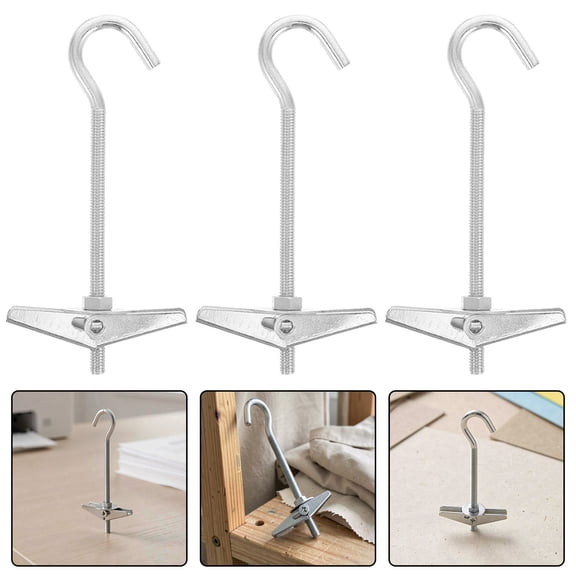
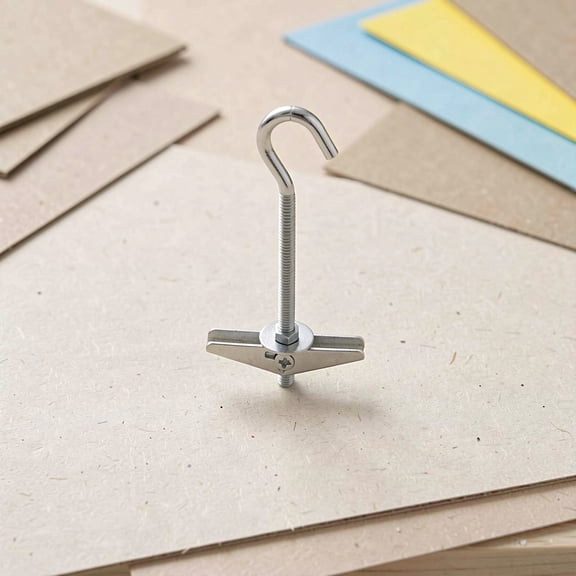
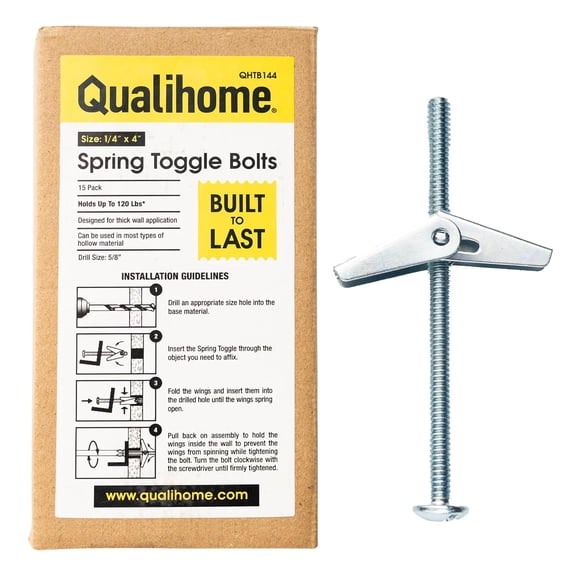
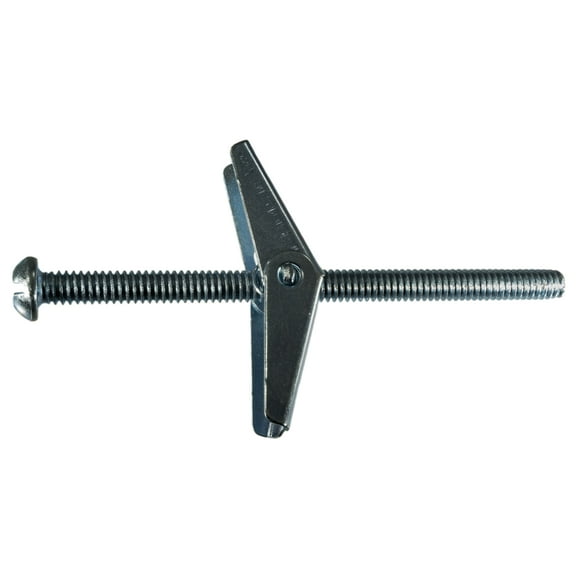

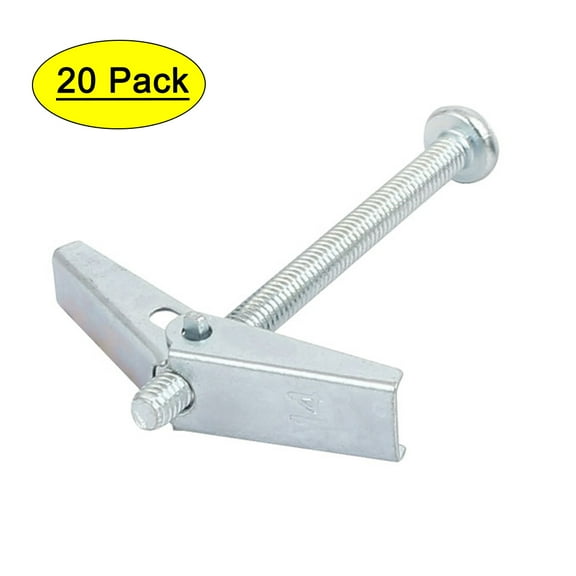


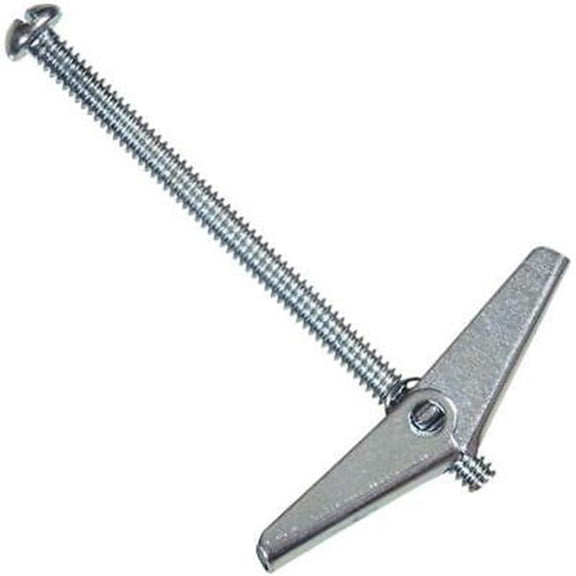
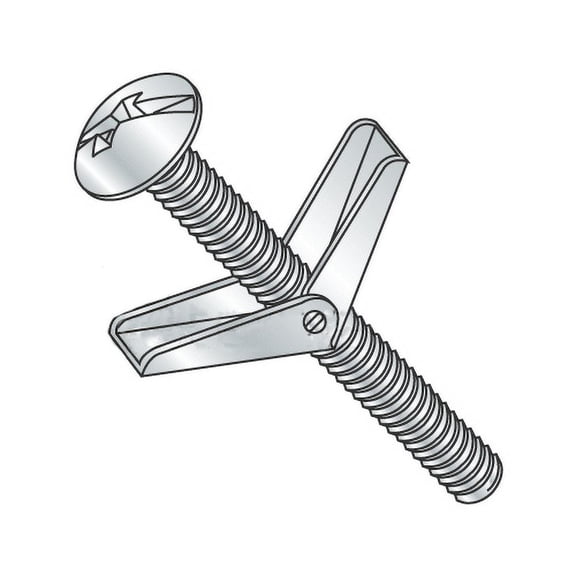
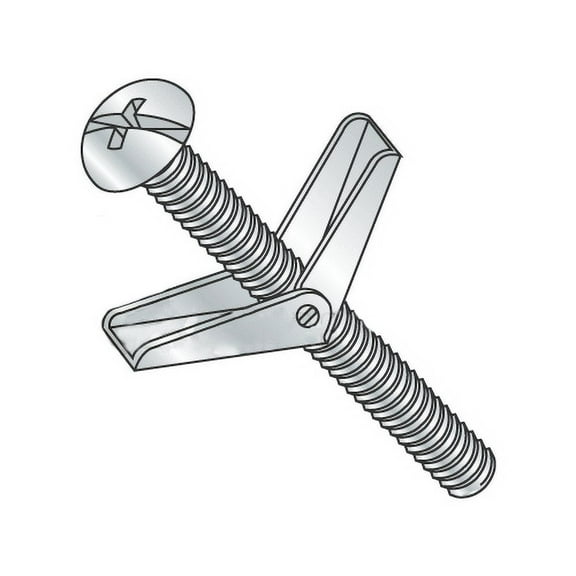
About Toggle Bolts in Bolts - Walmart.com
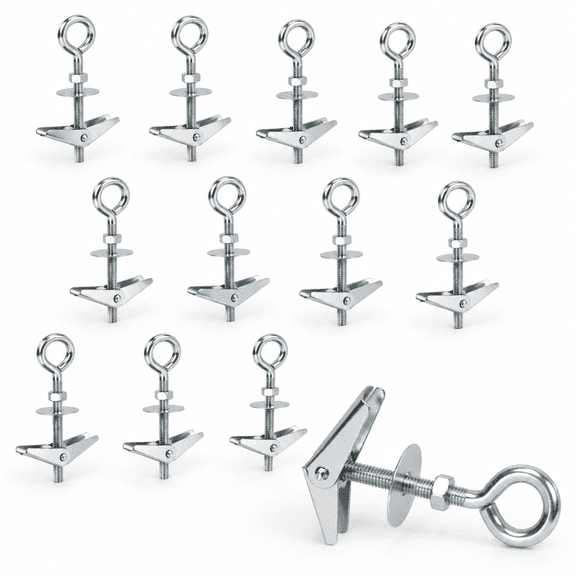
Toggle bolts give you a dependable way to mount items on hollow walls when a standard screw can't grip securely. You can compare size, anchor style, material, and head shape to match your wall, drill bit, and load.
How to choose toggle bolts for hollow walls
When you need toggle bolts for hollow walls, you should start with wall thickness and grip range. You should check whether the anchor can open fully behind drywall, plaster, or other hollow panels.
Your load also matters because you need an anchor sized for the item's pull and downward force. You should compare tension rating and shear strength so your mounting hardware fits the job.
You can narrow your options faster when you focus on these key decisions before installation starts. You should measure carefully so your anchor, bolt length, and clearance hole work together.
- You can mount shelves, curtain rods, mirrors, and fixtures on hollow walls with a stronger hold than a basic screw.
- You can match anchor diameter to the weight requirement, which helps you choose with more confidence.
- You can reduce guesswork when you compare grip range, drill bit size, and head style before drilling.
- You can pick reusability that fits your project, especially when you may remove the bolt later.
Choosing the right size, including 5/16 toggle bolt anchor options
You should choose diameter based on the load and the hole size you can drill cleanly. You may see common sizes like 1/8 inch, 3/16 inch, 1/4 inch, and 5/16 inch.
A 1/8 inch anchor often suits lighter wall hangings, while larger sizes support heavier mounting tasks. You should confirm the rated use and bolt length for your wall thickness.
If you need a 5/16 toggle bolt anchor, you should expect a larger clearance hole and stronger hardware. You should check whether your mounted item has a matching opening for that bolt diameter.
Your drill bit size needs to match the anchor body, not just the bolt threads. You can avoid a loose fit when you compare the required hole diameter before you start.
Comparing winged toggle bolts, strap toggles, and snap toggles
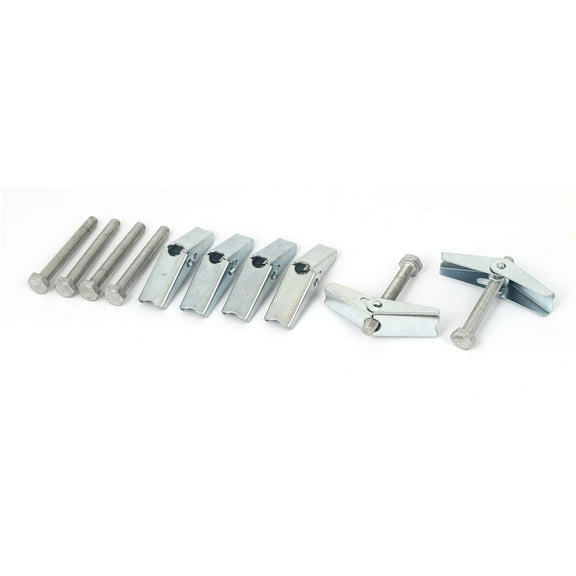
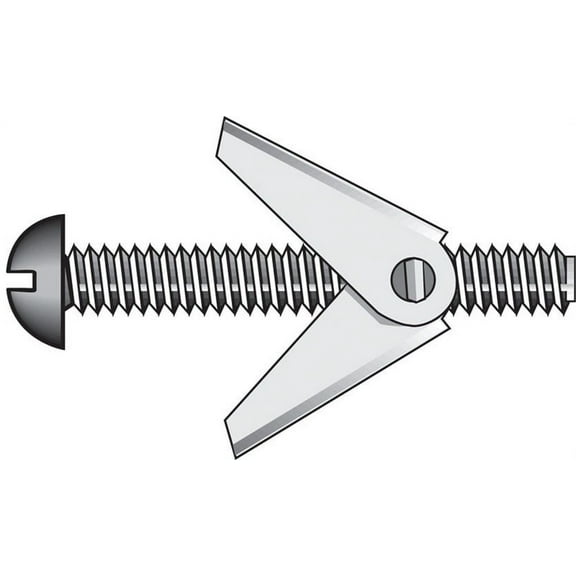
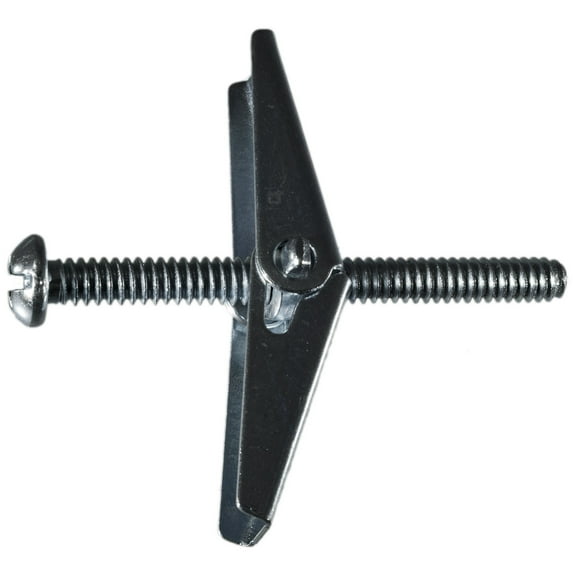
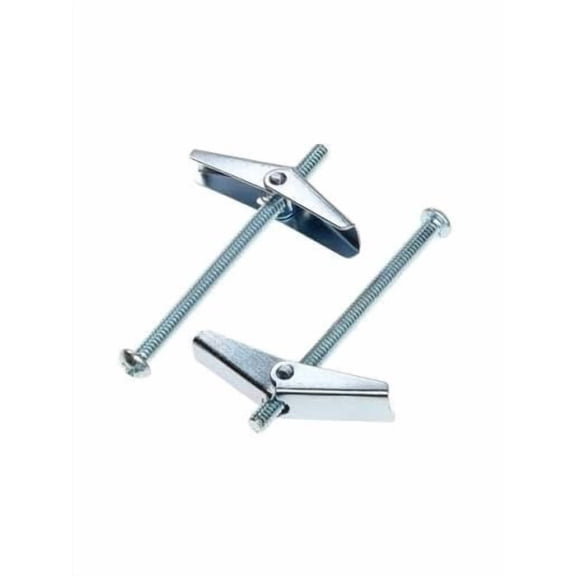
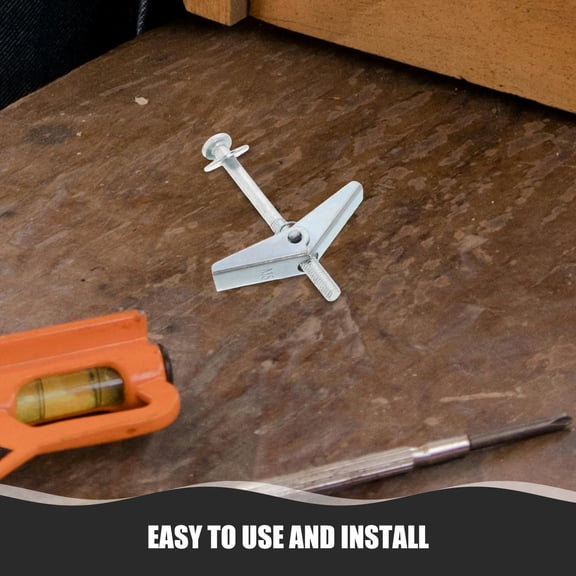
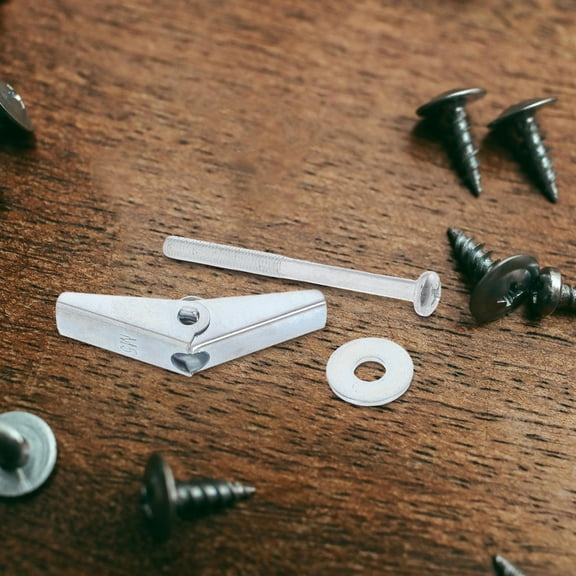
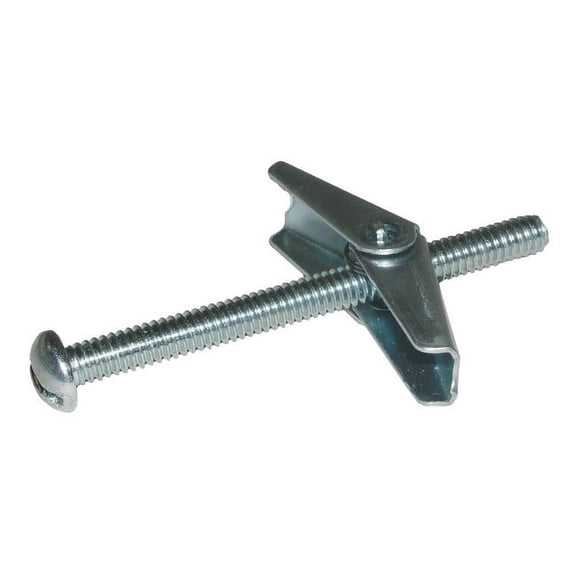
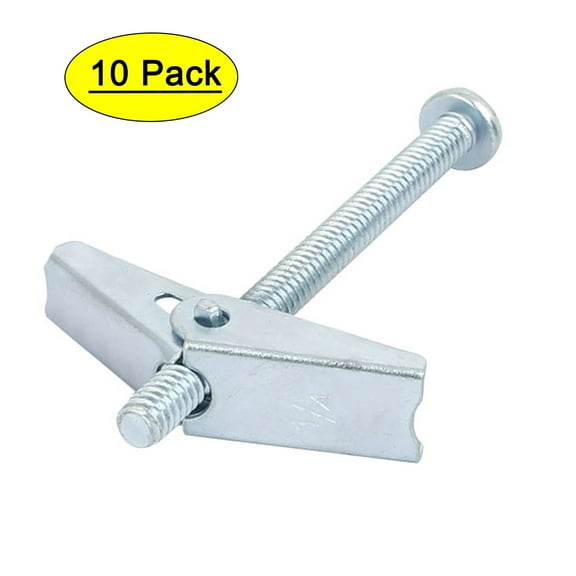
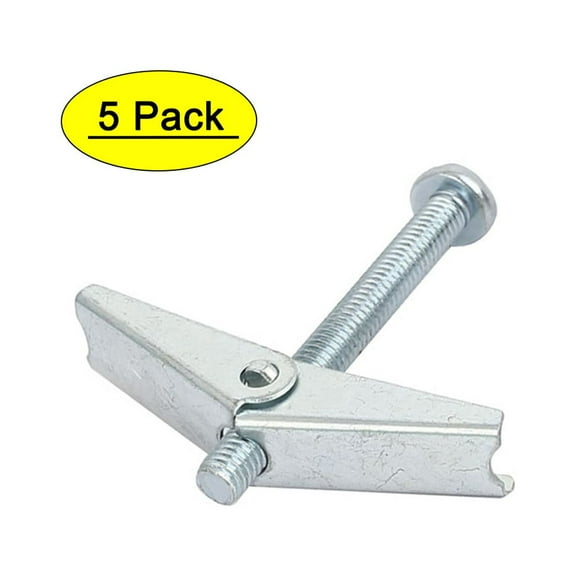
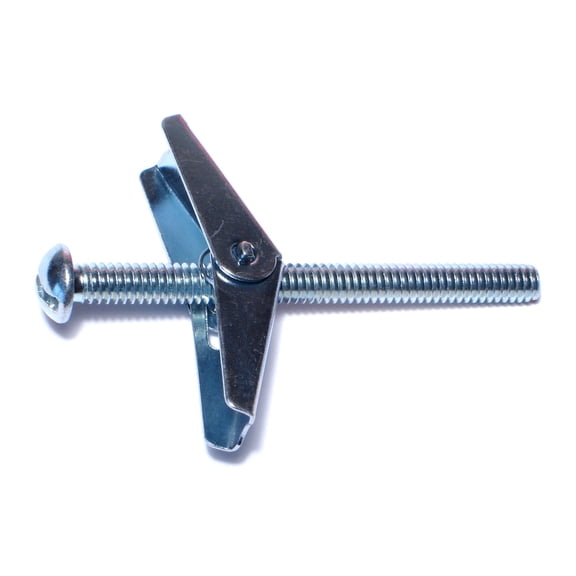
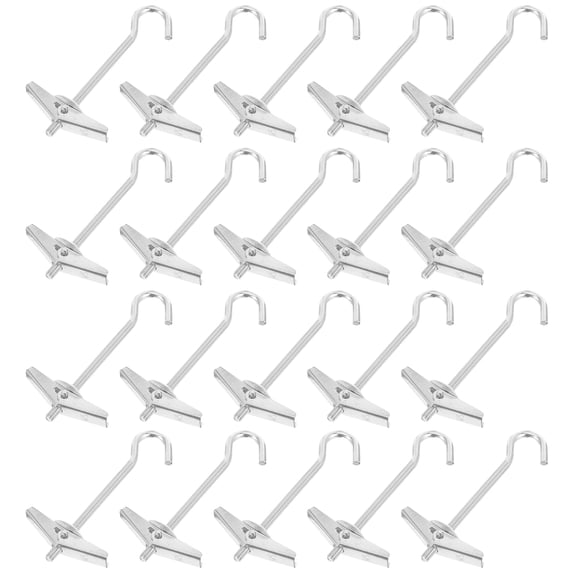
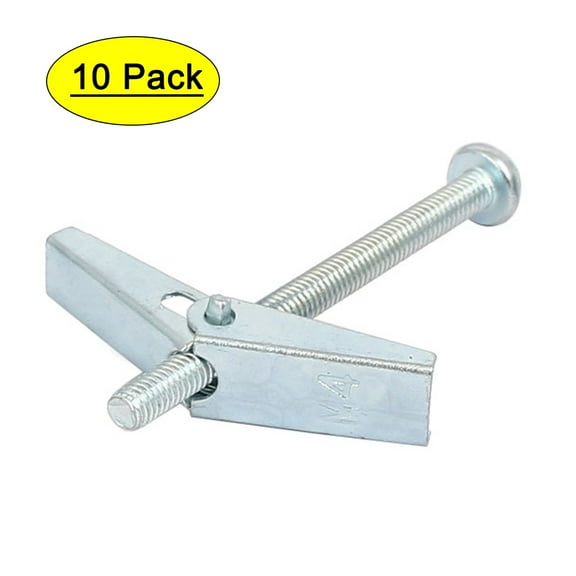
You can choose winged toggle bolts when you want a familiar anchor that opens behind the wall. You should know the wing may drop behind the wall if you remove the bolt completely.
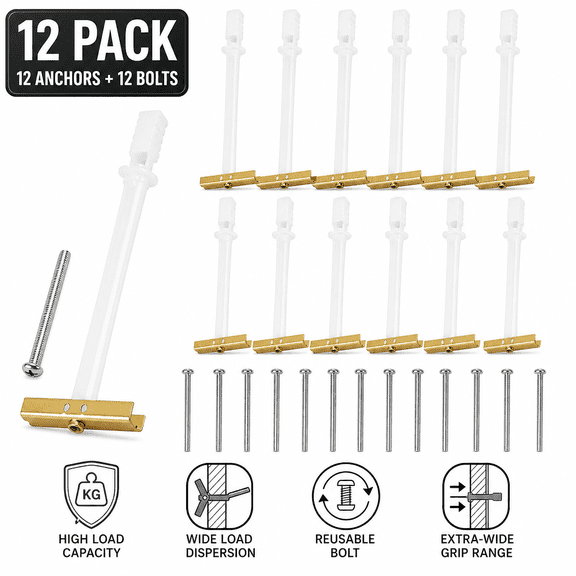
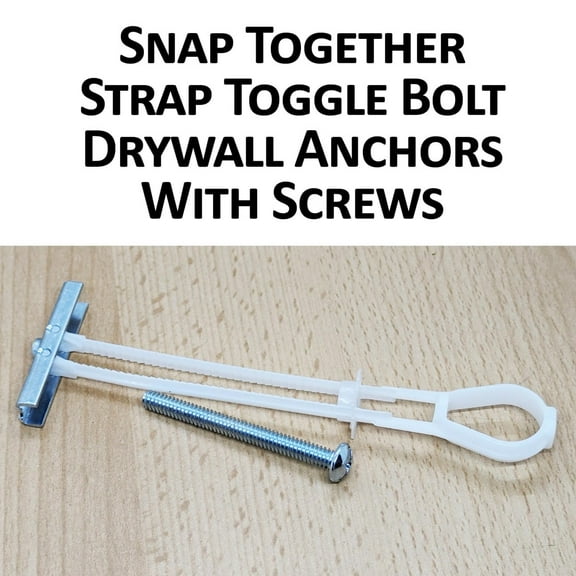
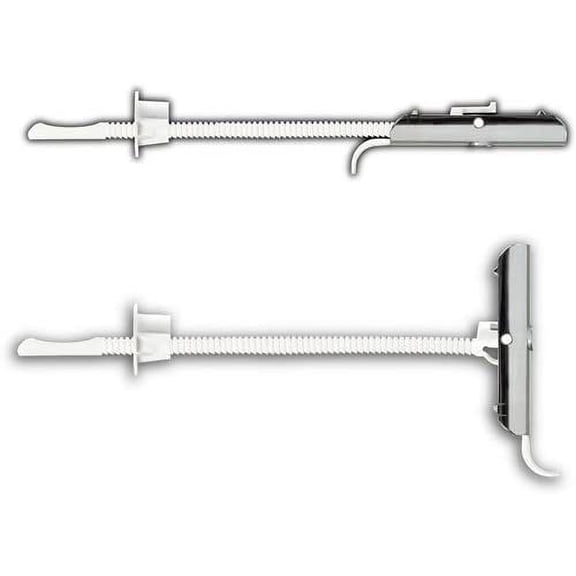
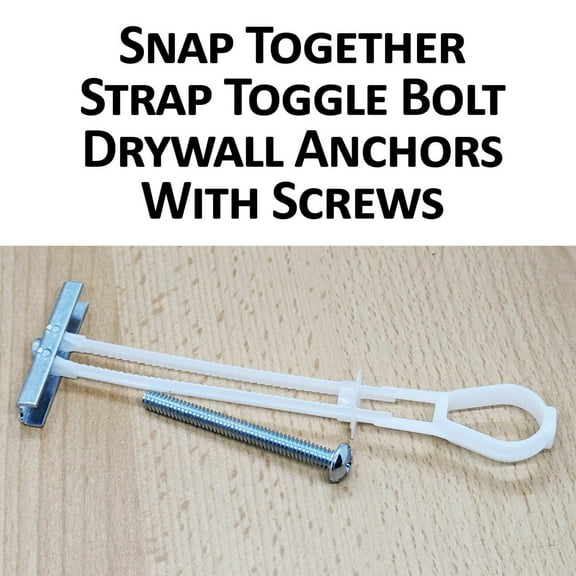
That detail matters when you want to change fixtures later without replacing the anchor. You may prefer a strap toggle or snap toggle when you want the anchor body to stay in place.
Winged toggle bolts often suit many common mounting jobs because the wings spread the load behind the panel. You should compare how each style installs, resets, and fits your wall cavity.
Your project may also call for a certain bolt path behind the wall. You should check whether pipes, studs, or tight cavities leave enough room for the anchor to deploy.
What to look for in material and head style
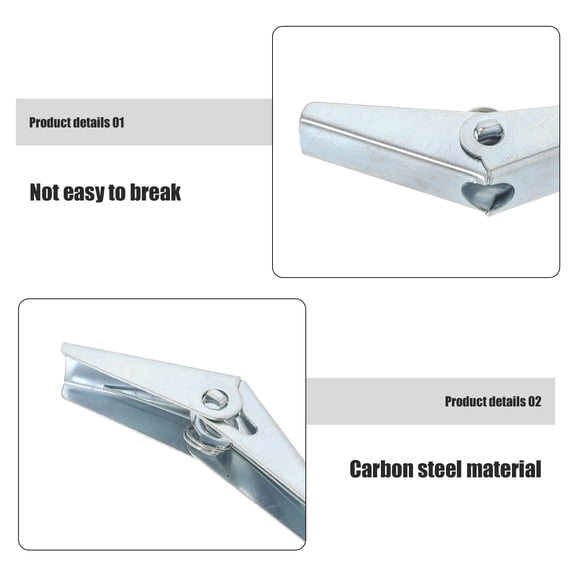
You can compare zinc plated steel, stainless steel, and brass based on the room and fixture. You should choose a material that fits your indoor environment and the look you want.
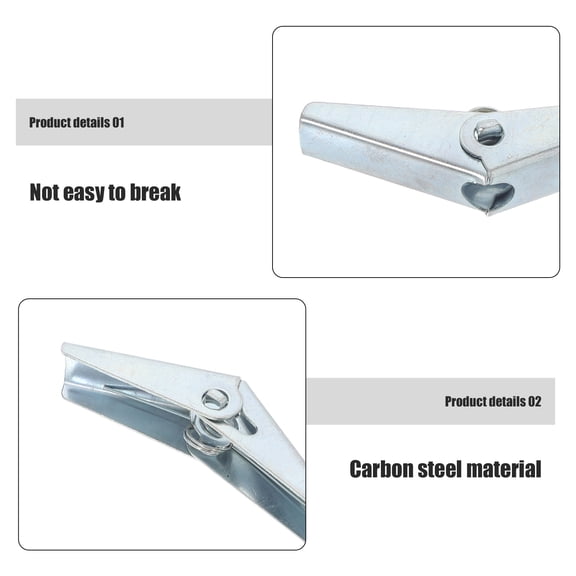
Zinc plated steel works for many general indoor projects where you want dependable hardware and a familiar finish. Stainless steel may suit spaces where you want added corrosion resistance.
Brass can help when your visible hardware needs a different appearance for decorative fixtures. You should confirm that the material choice also matches the anchor style and size you need.
Your head style changes how the fastener sits against the mounted item. You can choose round head, flat head, or truss head based on clearance, finish, and hardware fit.
Flat heads can sit more flush when your fixture needs a cleaner surface. Round and truss heads can give you broader contact where your bracket or mounted item needs it.
Using weight capacity and drill sizing as decision tools
You should treat weight capacity as a selection guide, not a guess. You can compare the anchor's stated ratings with your fixture, bracket, and anything the fixture will hold.
Shear strength refers to downward force along the wall, while tension rating refers to pulling force away from it. You should consider both when your item projects outward from the surface.
Your drill bit size affects installation quality because the anchor needs the correct clearance hole diameter. You can get a cleaner fit when you match the bit exactly to the anchor instructions.
If the hole is too small, you may struggle during installation and damage the wall surface. If the hole is too large, you may lose the snug fit that helps the anchor seat properly.
How toggle bolts fit common projects
You can use toggle bolts for mirrors, floating shelves, curtain hardware, light-duty cabinets, and wall organizers. You should match the anchor choice to both the fixture shape and wall construction.
For a small bracket on drywall, you may only need a smaller diameter and a simple winged design. For a heavier fixture, you should compare larger diameters and longer bolts.
If your fixture has a countersunk opening, you may want a flat head for a neater fit. If your bracket has a wide slot, you may choose a round or truss head instead.
You can also compare toggle bolts availability by size, material, and anchor style before starting a project. That planning helps you finish with fewer delays and a cleaner installation path.
When you choose toggle bolts with the right grip range, clearance hole, and anchor style, your project comes together with fewer surprises. You can mount hollow-wall fixtures with hardware that fits your wall and your load.