

Chain Tie Downs And Straps in Tie Downs And Straps



















About Chain Tie Downs And Straps in Tie Downs And Straps - Walmart.com
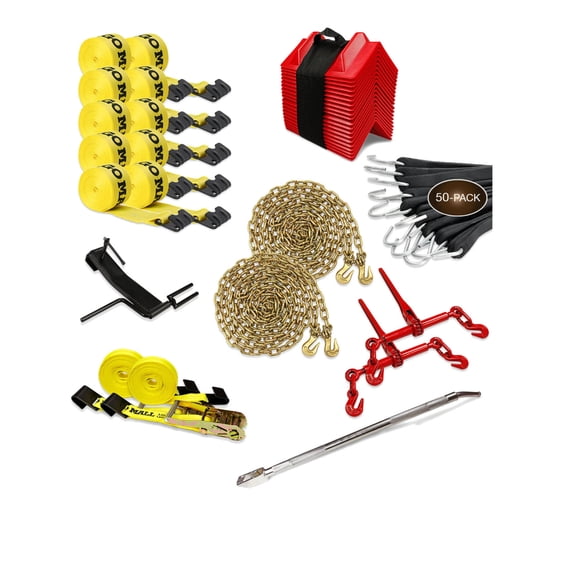
You can compare a 5/16 grab hook with chain tie down straps when you know your load, anchor points, and tensioning needs. You'll see this category covers steel hooks, Grade 70 chain, and polyester webbing for towing, hauling, and trailer securement.
When you shop this page, you can sort chain tie downs and straps by diameter, end fitting, and vehicle use. You'll get a straightforward path to parts that match flatbed trailers, tow trucks, and roll-off equipment.
How to choose 5/16 grab hook and chain tie down straps
You should start with Working Load Limit, because your tiedown choice needs to match the cargo you plan to secure. You'll also want to compare break strength details, since they help you understand the build behind each assembly.
Next, you can check whether your anchor points accept a grab hook, flat hook, J-hook, or chain end. You'll avoid fit issues when your hook style matches your trailer rail, stake pocket, or towing setup.
You can narrow your options directly by focusing on a few decision points that matter during transport. You'll usually compare these details before you choose chain straps for trailers or wheel securement gear.
- You can use Grade 70 chain when your load calls for rugged steel securement and firm hook engagement.
- You can choose polyester webbing when you want a strap that sits flat against finished cargo surfaces.
- You can compare ratchet, cam buckle, and lever binder designs based on how much tension control you want.
- You can match 5/16, 3/8, or 1/2 inch sizing to the hardware already used on your trailer.
Choosing material, size, and end fittings
You can think of material as the first big choice in chain tie downs and straps. You'll typically choose steel and chain for rigid securement, or webbing when you want flexible contact across the load.
With Grade 70 chain, you can expect hardware that pairs with binders and hook ends used on hauling setups. With polyester webbing, you can route the strap around cargo easily and reduce bunching on wide items.
You should also compare diameter, because a 5/16 grab hook must match the chain size designed to engage. You'll find 3/8 inch and 1/2 inch options when your setup requires heavy-duty chain and hardware dimensions.
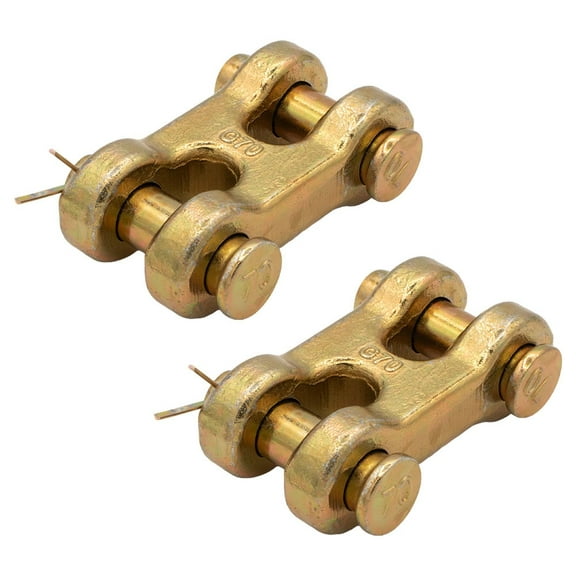
End fitting type shapes how your tiedown connects during use. You can choose a grab hook for chain links, a flat hook for trailer edges, a J-hook for vehicle points, or a chain end for hybrid assemblies.
If you haul equipment often, you can save time by checking hook compatibility before you compare lengths and assemblies. You'll make a direct choice when the fitting matches your anchor style from the start.
Comparing ratchet, cam buckle, and lever binder options
You can use the tensioning mechanism as your next filter, because it affects how you tighten and secure the load. You'll notice each design supports a different hauling routine and cargo type.
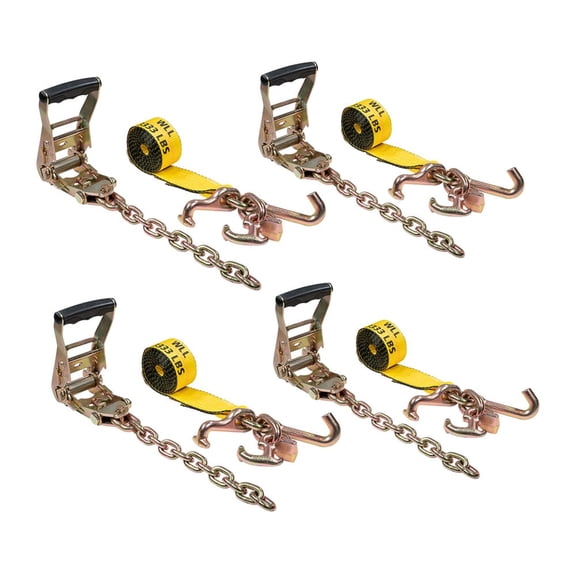
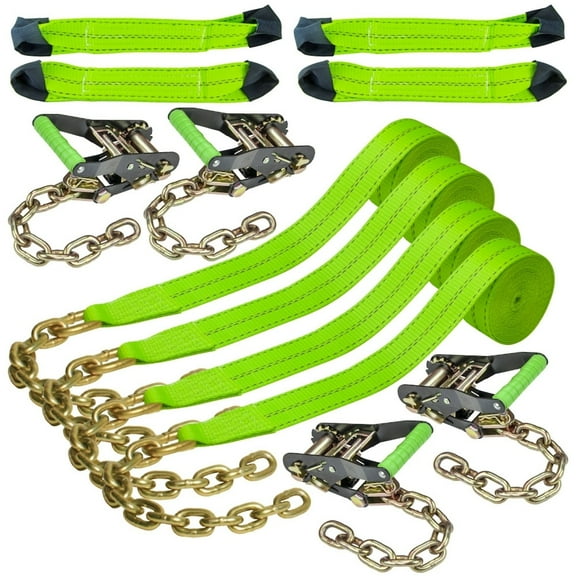
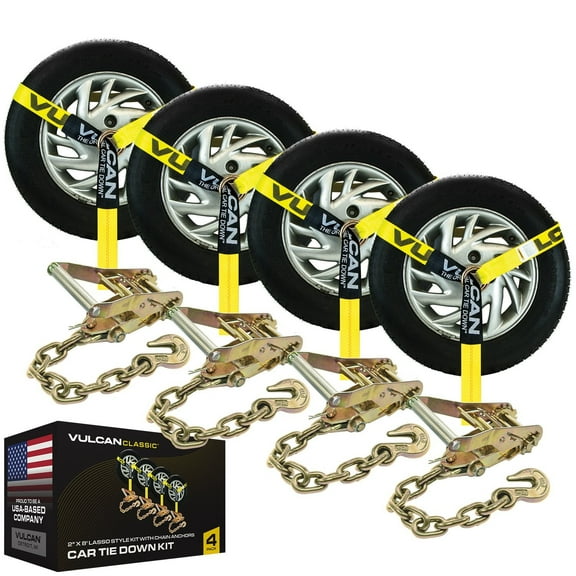
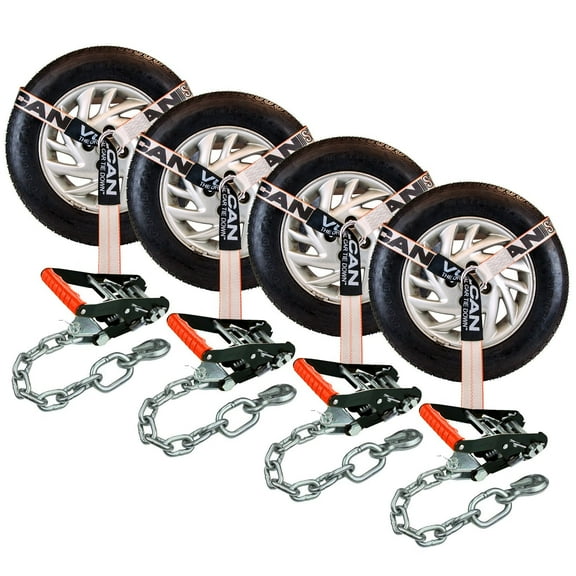
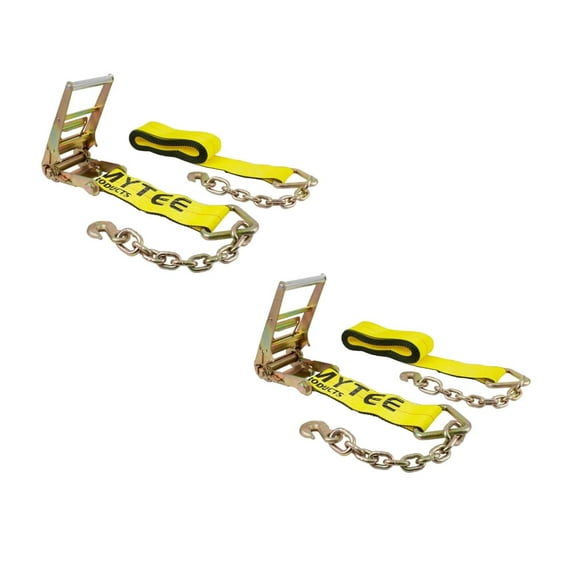
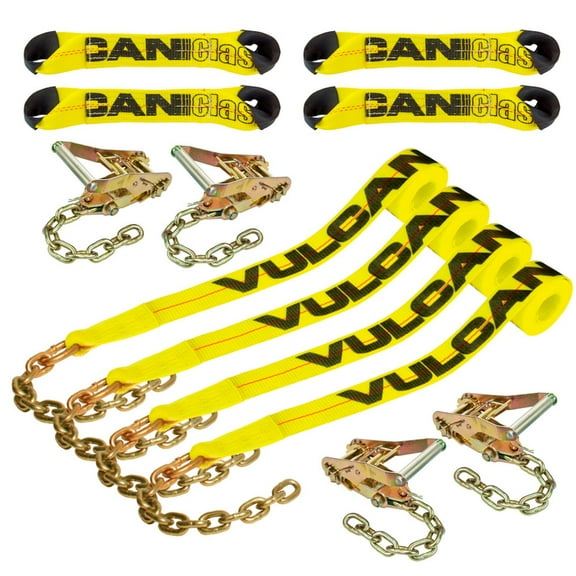
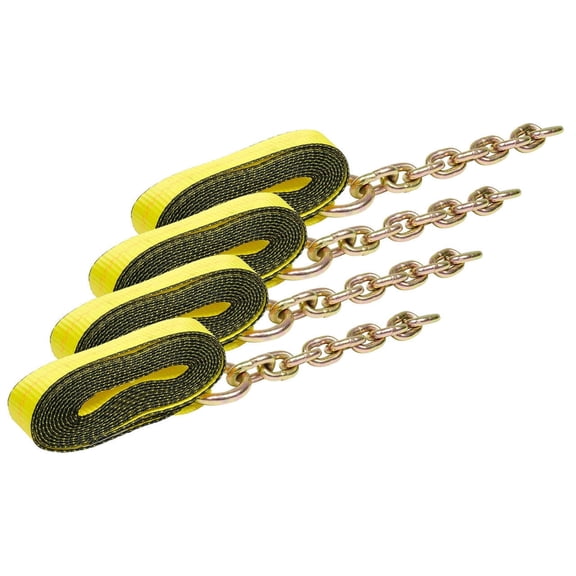
Ratchet systems let you add tension in small steps, which helps when you want steady control. You can also find chain end ratchet straps that combine webbing convenience with chain-style end hardware.
Cam buckle options work well when you want quick adjustments and light-duty securement tasks. You can tighten and release them quickly, though you'll usually compare them against ratchets for heavy-duty applications.
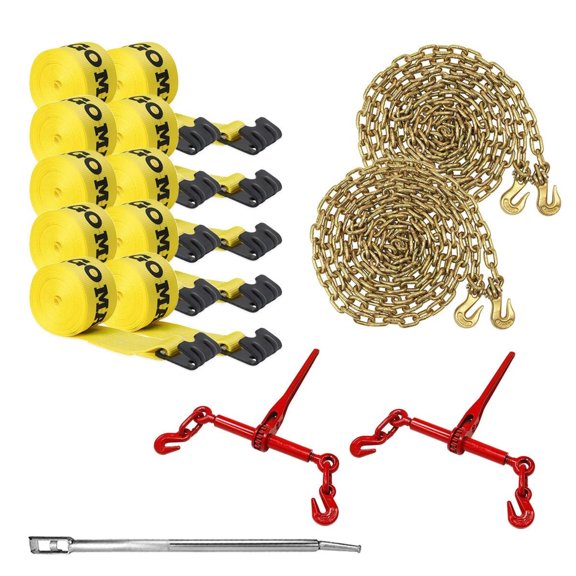
Lever binders fit chain setups and give you a direct way to tension transport chain. You should compare handle style, chain compatibility, and hook ends so your setup stays consistent across the full tiedown assembly.
When you compare these mechanisms, you can focus on how each one locks tension during transport. You'll want a setup that feels straightforward to tighten, check, and retension on the road.
Matching chain straps for trailers, tow trucks, and roll-off trucks
You can choose chain straps for trailers by matching the tiedown to the trailer deck, cargo shape, and anchor location. You'll often want flat hooks or chain ends for flatbed use, especially when edge contact matters.
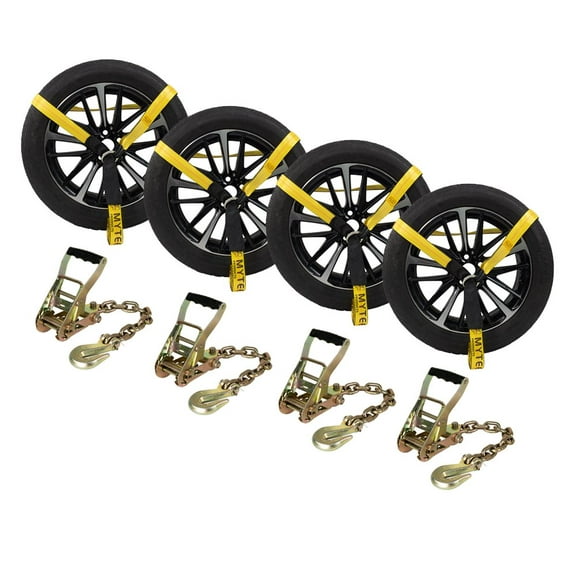
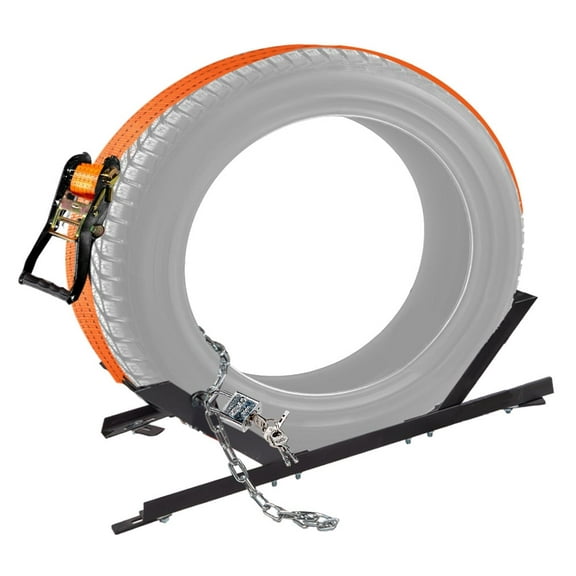
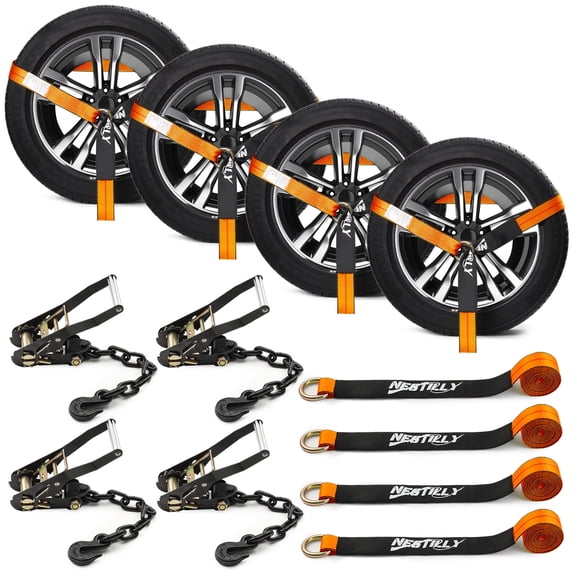
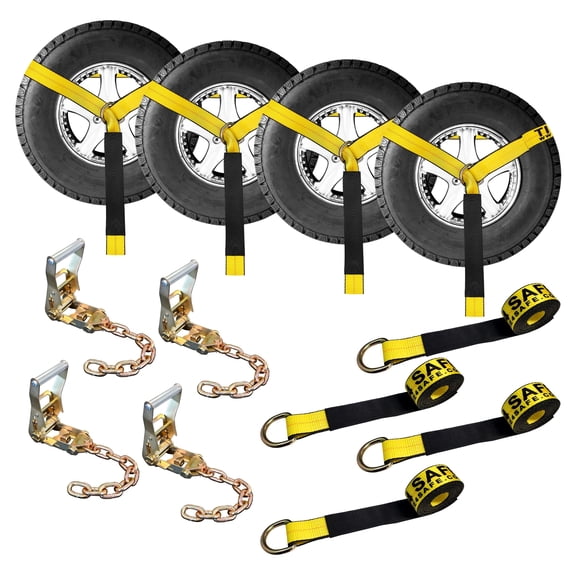
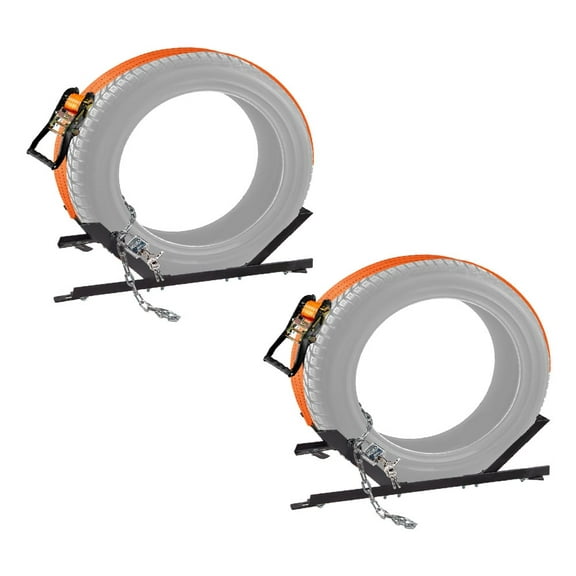
For tow truck wheel straps, you can look for webbing designs and hook styles that align with wheel-lift or carrier setups. You'll get a precise fit when the strap path and end hardware match your truck's securement points.
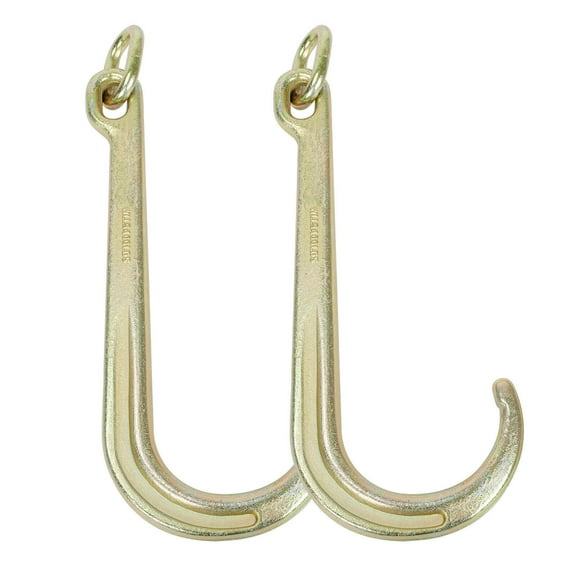
Tow truck tie downs often need hardware that connects quickly during repeated loading cycles. You can compare J-hooks, chain ends, and ratcheting assemblies when you handle vehicle transport throughout the day.
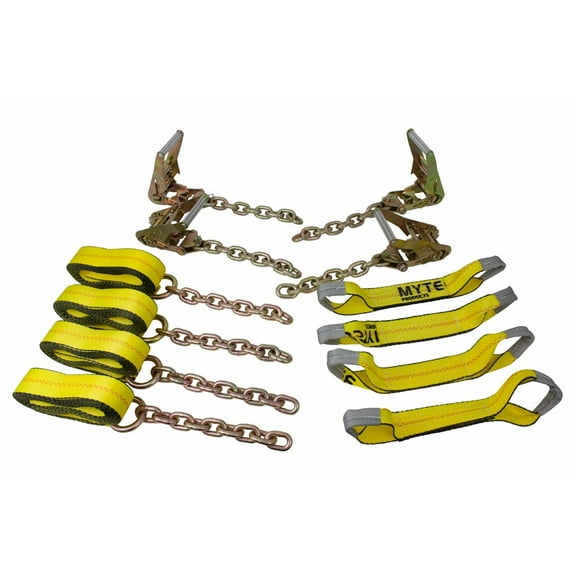
With roll off truck straps, you can prioritize hardware that stands up to repeated use and rough jobsite handling. You'll also want to check length, width, and hook style so the strap works with container and frame attachment points.
If you use mixed equipment, you can keep your selection simple by grouping products by vehicle type first. You'll then narrow by WLL, material, and hook design without sorting through mismatched hardware.
What to look for in ratings and fit
You can use WLL as your main checkpoint when you compare chain tie down straps and hardware. You'll make an informed decision when the rating supports your cargo category and the tiedown method you use.
You should also read size details closely, because diameter and end fitting dimensions affect compatibility. You'll want each hook, chain, binder, or strap end to fit the rest of your securement system cleanly.
For repeat hauling, you can benefit from clear labeling and easy-to-identify hardware sizes. You'll spend no time second-guessing fit when your gear matches your trailer and towing equipment from the beginning.
You can shop this category with more confidence when you compare WLL, material, mechanism, and hook style together. You'll end up with chain tie downs and straps that fit your hauling setup and tighten with minimal compromise.