

Door Sweeps & Thresholds in Door Repair
































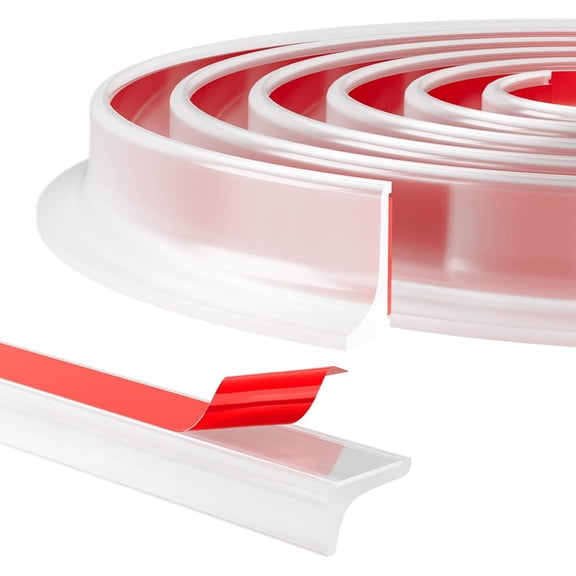
About Door Sweeps & Thresholds in Door Repair - Walmart.com
You can compare door sweeps and thresholds by gap size, door location, and seal type, so your doorway closes cleaner and feels more finished. You’ll also get practical guidance for interior and exterior openings, where material choice and fit matter more than shoppers often expect.
When you measure first, you can avoid drag on hard floors and reduce visible light under the door. You’ll notice that the right threshold draft stopper or sweep can help your entry feel tighter and cleaner every day.
Choosing door sweeps and thresholds for your opening
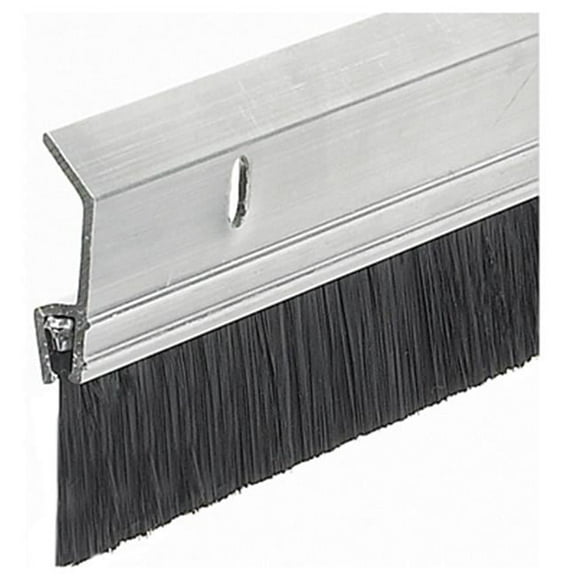
You should start with the space under your door, because sweep height affects contact with the floor. If your gap is uneven, you may prefer a brush-style door bottom sweep that flexes across small floor changes.
For straight, consistent gaps, you can compare solid rubber, vinyl, or silicone seals that press evenly along the bottom edge. You’ll usually get a neater line when your seal matches your door width and floor surface.
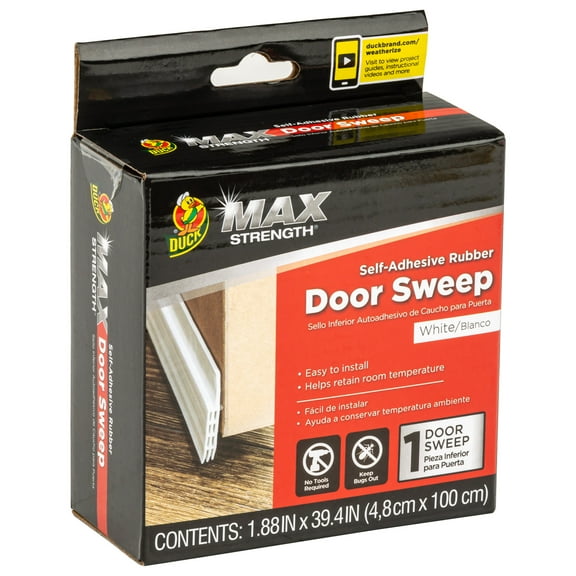
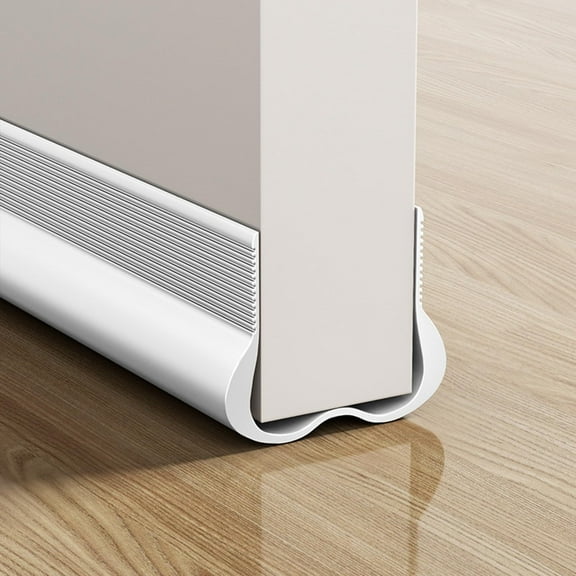
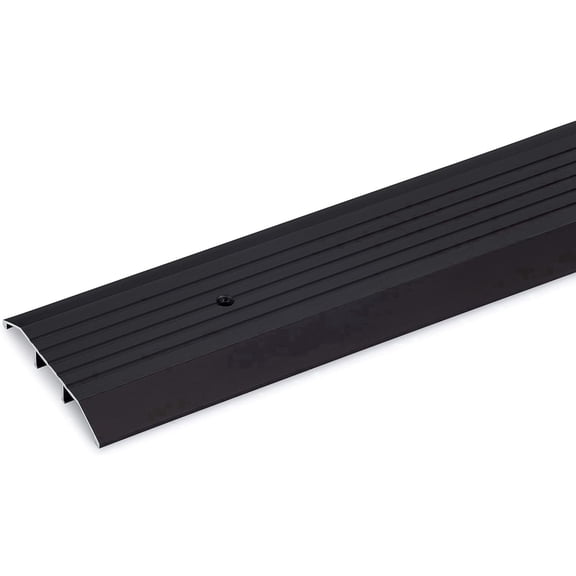
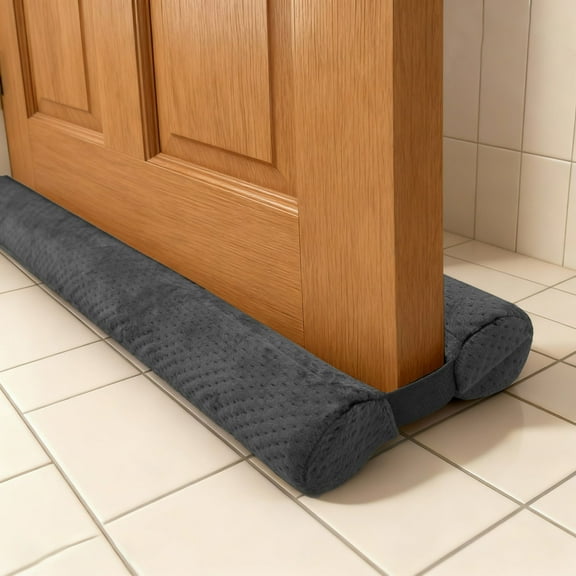
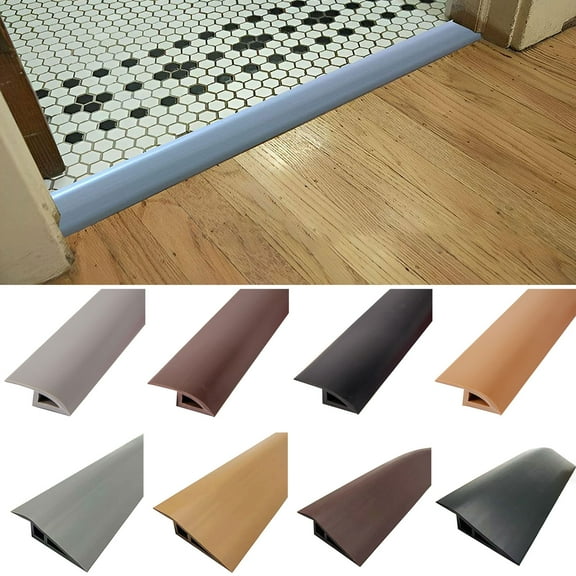
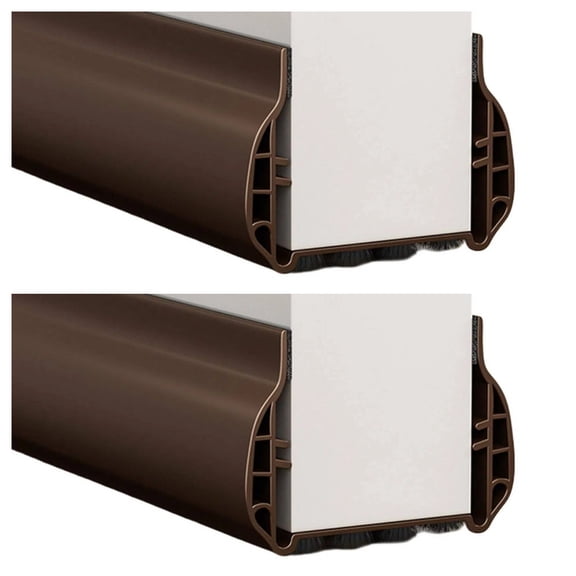
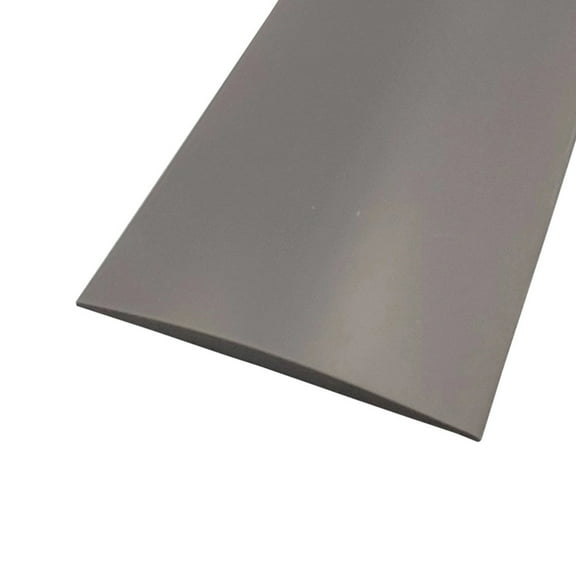
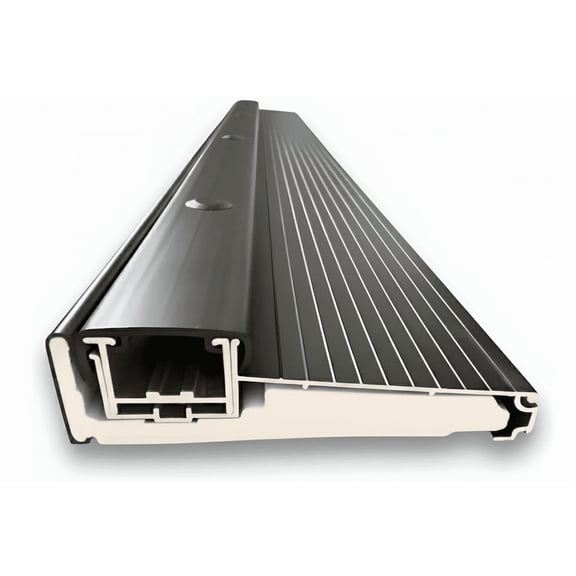
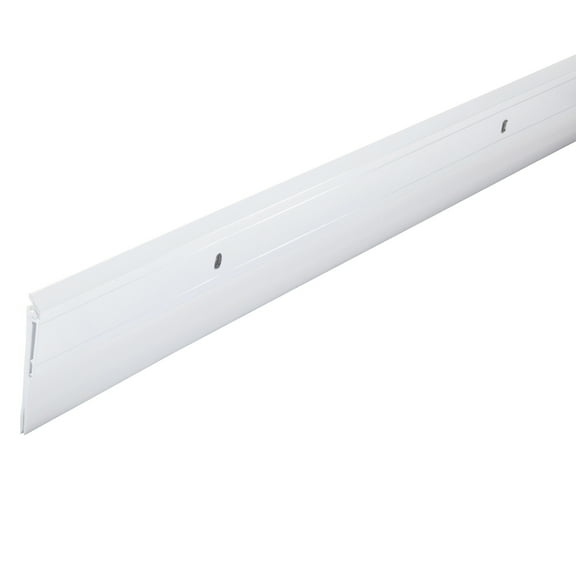
You also need to decide whether your doorway needs a door sweep, threshold, under-door seal, or draft stopper. A threshold sits at the floor, while your sweep mounts to the door and closes the gap during movement.
How to compare benefits by seal type
You can narrow your options faster when you match the seal to the issue at your doorway. If your goal is everyday weatherproofing, your material and attachment style matter as much as the shape.
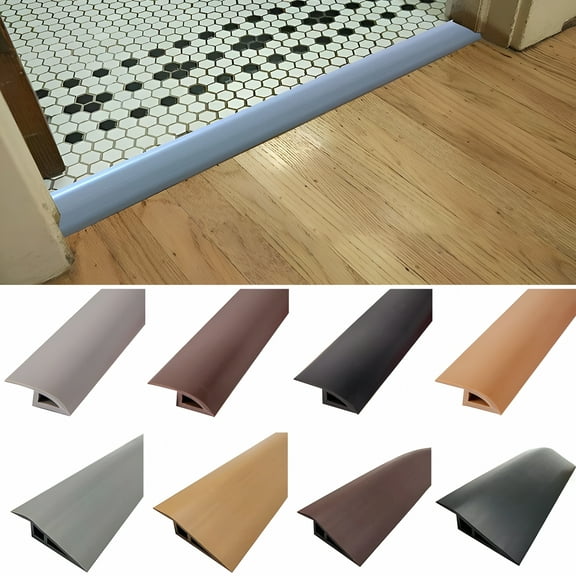
- You can use a threshold draft stopper to create a cleaner transition across the sill and improve contact at exterior doors.
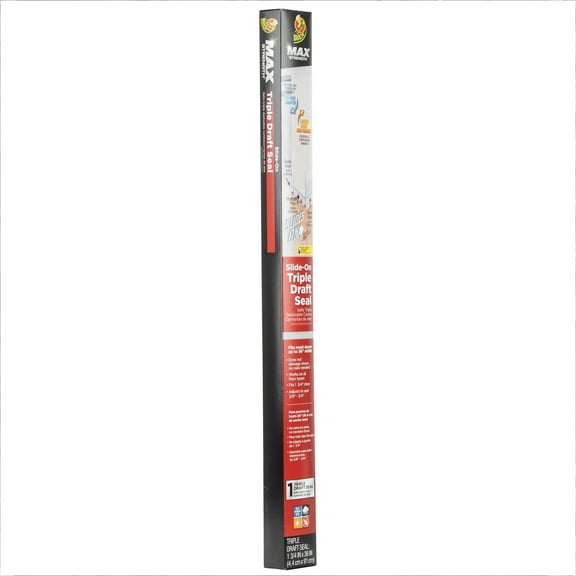
- You may choose adjustable door sweeps when your gap changes across the width of the door or after seasonal shifting.
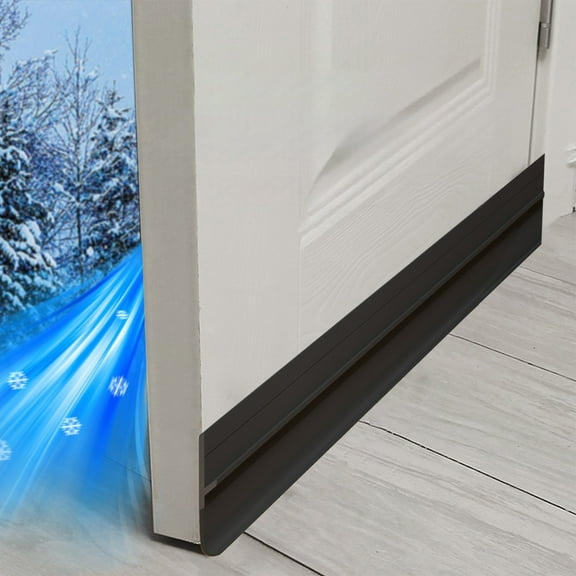
- You can pick a waterproof door sweep when your entry faces rain, tracked-in moisture, or a more exposed threshold area.
- You’ll often like brush sweeps when your floor is uneven and you want flexible contact without heavy dragging.
- You can use under-door seals on interior spaces when you want a cleaner edge along hall, office, or utility room doors.
If you’re sealing an exterior door, you should look closely at water resistance and material firmness. You’ll often want a denser sealing edge where wind, dust, or splash reaches the threshold.
On interior doors, you may care more about smoother movement and a neat visual finish. You can often use lighter sweep profiles where your doorway doesn’t need strong weather protection.
What to look for in adjustable door sweeps
You should compare adjustable, fixed-length, and cut-to-size options before you install anything. If your doorway is older, you may appreciate adjustability because floors and frames don’t always sit perfectly level.
Adjustable door sweeps let you fine-tune contact after mounting, which helps when one side of your gap is wider. You can often reduce trial and error because your seal position changes without replacing the whole piece.
Fixed-length styles can work well when your opening already matches a standard width and your floor is even. If you’re trimming to fit, you should check the listed length and confirm whether your material cuts cleanly.
You also need to compare how each style attaches to the door. You may prefer adhesive-backed options for a simpler project, while screw-on styles usually give your doorway a firmer, longer-lasting fit.
Comparing materials and protection levels
You can use aluminum-backed sweeps when you want a rigid carrier along the bottom edge. For exterior doors, you’ll often pair aluminum with rubber or silicone, because that combination holds shape and seals consistently.
Silicone gives you a flexible edge that stays neat against smooth thresholds and flat flooring. You may choose vinyl when you want a common sweep material with a straightforward profile and simple installation.
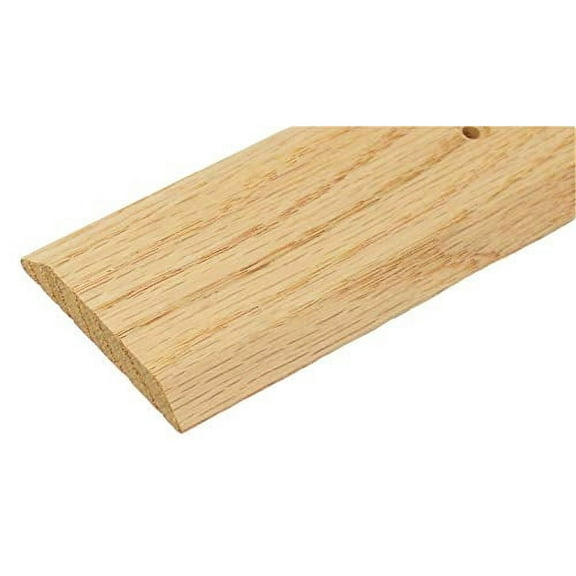
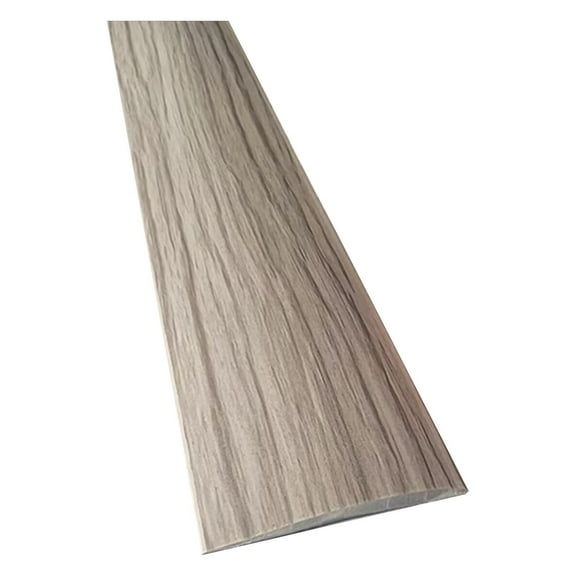
Rubber can give you firmer contact where your doorway needs a more substantial seal. Wood thresholds can help your entry look coordinated, especially when your sill and trim call for a traditional finish.
You should also match protection level to the doorway’s job. If your opening faces weather, you’ll want weatherproof or waterproof choices, while interior spaces may only need dust control or sound-reducing designs.
Matching door sweeps for gaps to real rooms
You can use door sweeps for gaps at front and back doors where outside air reaches the sill. If your entry gets foot traffic and tracked-in moisture, you may want a waterproof door sweep with a durable threshold.
For side doors, garage entry doors, and mudroom connections, you should look for materials that handle frequent opening and closing. You’ll often want screw-mounted parts there because repeated movement can challenge lighter installs.
In offices, bedrooms, and laundry spaces, you may want an under-door seal that keeps the bottom edge looking tidy. You can compare lower-profile options when your goal is a cleaner finish and smoother door travel.
If your floor is slightly uneven, you should consider a brush sweep or an adjustable sweep. You’ll usually get more forgiving contact across tile edges, older thresholds, or minor height changes from one side to the other.
You can also pair thresholds with related weatherstripping and door hardware for a more complete doorway update. When you compare pieces together, you’ll make it easier to match fit, finish, and installation method.
You’ll feel more confident choosing the right seal once you measure the gap, identify the doorway, and compare materials. With the right fit, your doorway can close cleaner, look finished, and handle everyday drafts, dust, and moisture more effectively.