








Textured Paper in Paper


















About Textured Paper in Paper - Walmart.com
Textured paper helps you give invitations, craft projects, and printed pieces a tactile finish that feels more distinctive than plain sheets. You can compare texture type, paper weight, color, and printer compatibility to choose stock that matches your project.
If you're creating announcements, layered scrapbook pages, or folded cards, textured paper gives your work visible depth and touchable detail. You can also sort options faster when you know how linen, laid, felt, and embossed surfaces differ.
How to choose textured paper by texture type
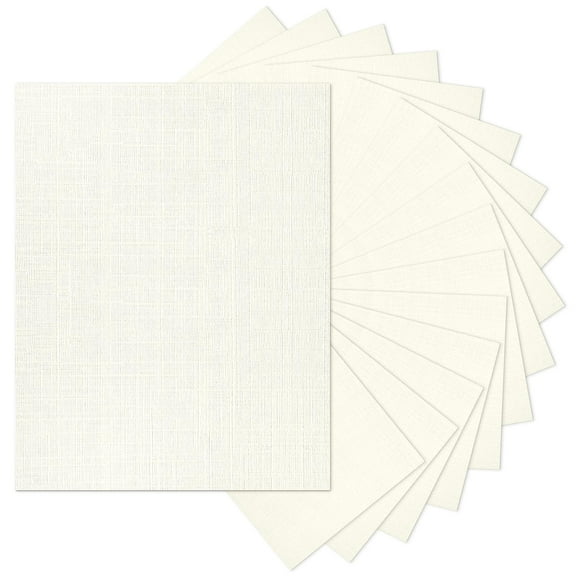
You should start with surface feel because texture changes both appearance and print results. You may prefer linen textured paper when you want a woven look that adds formal detail.
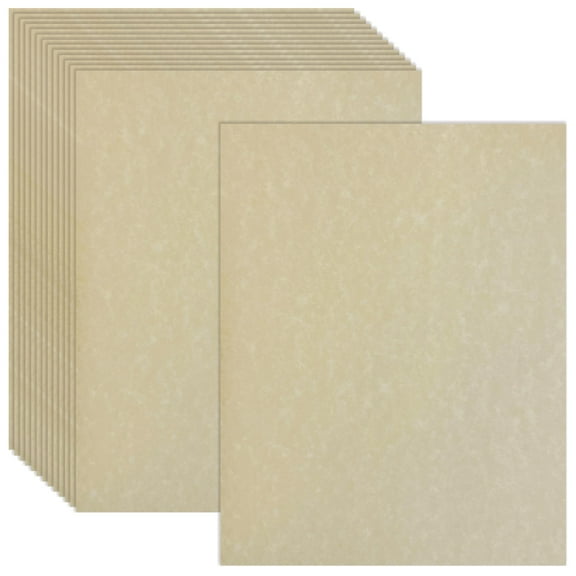
Canvas styles give your projects a lightly patterned surface that suits art prints and display pieces. Laid finishes show fine parallel lines, so you can create stationery with a traditional paper look.
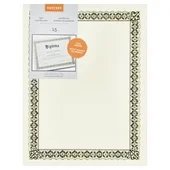
Felt textures give you a softer, slightly dimpled surface that works well for certificates and layered crafts. Embossed options add raised patterns, so you can create cards with extra dimension and visual contrast.
- You can use linen textures for invitations, programs, and letterhead with a refined woven appearance.
- You can choose laid or felt finishes when your stationery needs more classic character and visible surface detail.
- You can pick embossed sheets when your card making project needs a raised design that stands out.
Choosing between textured paper and textured cardstock
You should compare paper weight before you print, fold, or layer your sheets. You can use GSM or lb ratings to judge thickness, stiffness, and how substantial the sheet feels.
Text weight works well when you need lighter sheets for inserts, menus, or printed pages. Cover weight and textured cardstock give you more structure for folded invitations, postcards, and sturdy craft bases.
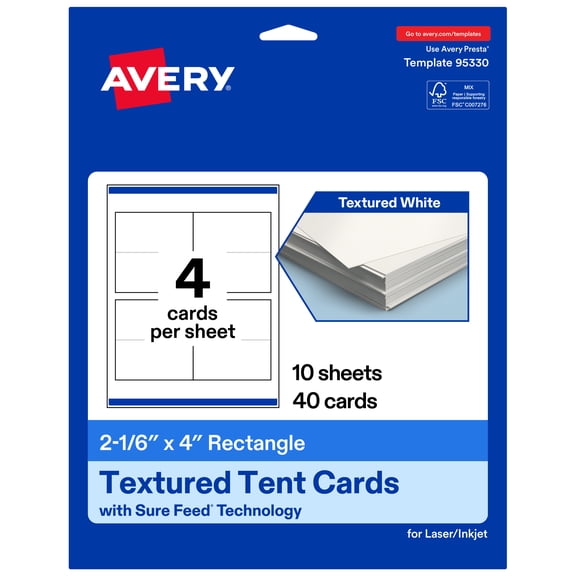
If you're printing at home, you should check whether your printer handles heavier stock. You can avoid feed issues when you match cardstock thickness to your printer's manual.
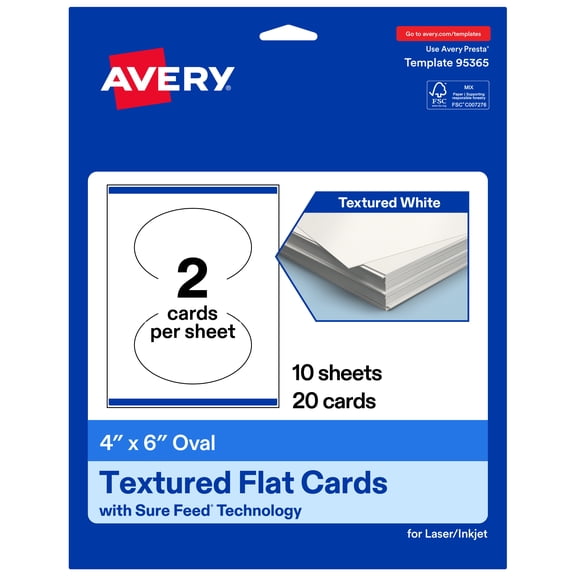
You may also want to compare laser and inkjet compatibility before you begin a big project. You'll get cleaner results when your paper surface and coating match your printer type.
What to look for in color and print performance
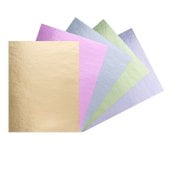
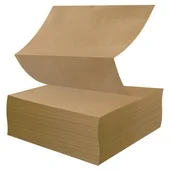
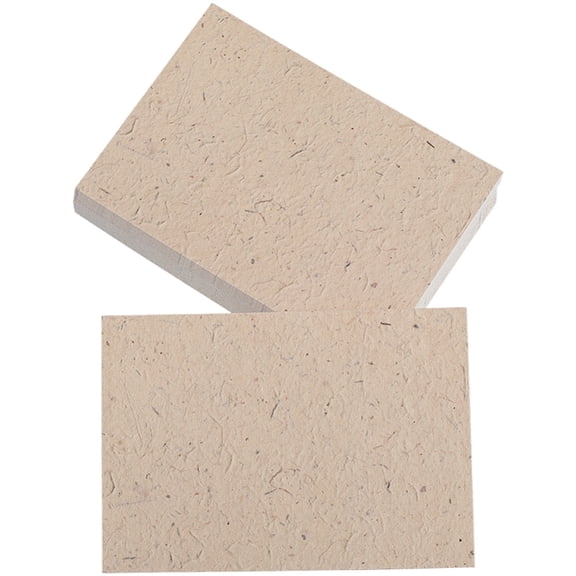
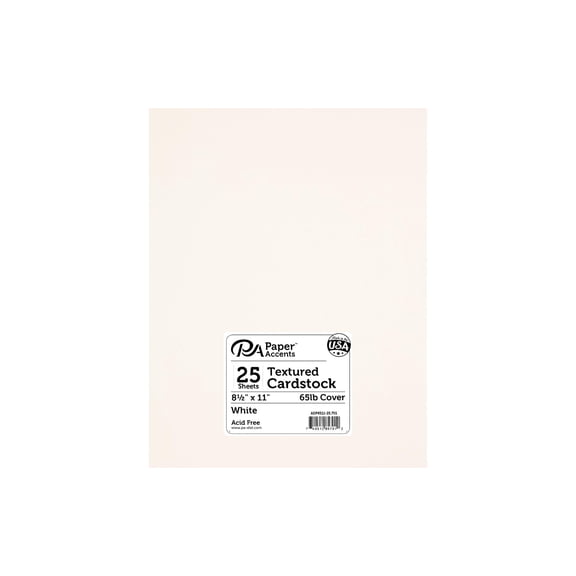
You can use color to set the tone of your project before anyone reads a word. White textured paper keeps printed text crisp, while cream and kraft create a warmer, handmade look.
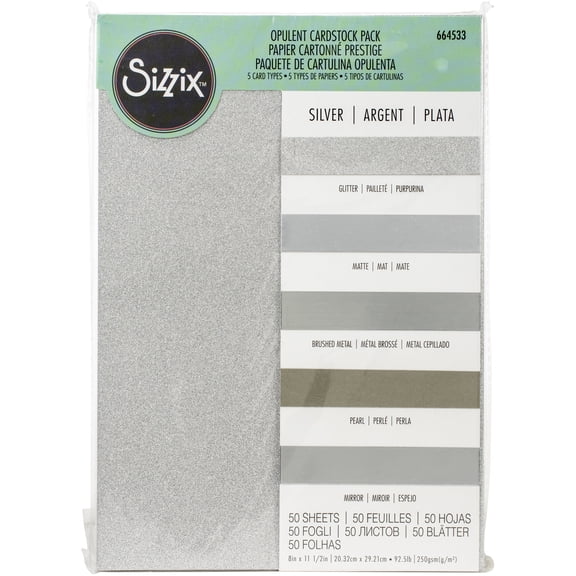
Pastels help you build themed party sets, baby announcements, and spring crafts with softer color stories. Metallic tones add a reflective accent, so your menus, place cards, or inserts feel more decorative.
You should also check for acid-free or archival details when you're making keepsake projects. You can use those specs for scrapbooking, album pages, and printed mementos that you want to keep looking clean.
If your design includes photos, fine lines, or dark ink, you should review print compatibility notes closely. You can improve color accuracy and reduce smudging when you use paper made for your printer.
Using textured paper for invitations and crafts
You can choose textured paper for invitations when you want a more tactile first impression. Text weight sheets work well for invitation inserts, while cover stock supports outer cards and RSVP pieces.
For scrapbooking, you can layer textured finishes behind photos, tags, and journaling blocks to create depth. You can mix white, cream, kraft, and pastel sheets to separate themes across your pages.
If you're making greeting cards, you can use embossed or felt surfaces for eye-catching fronts. You can pair heavier bases with lighter inserts when your design includes folded panels or glued embellishments.
You may also use these papers for drawing, certificates, programs, table cards, and DIY event signage. You can get more polished results when you match texture, color, and weight to the finished use.
Key details to compare before you decide on textured paper
You should measure your project needs first, including sheet size, fold style, and printer method. You can narrow your options quickly when you compare those basics before you choose a finish.
Look for texture type, weight rating, color, and printer compatibility in each listing. You can make a more confident choice when those details line up with your invitations, scrapbook layouts, or card designs.
With the right textured paper, you can create pages and printed pieces that feel intentional from the first touch. You can finish your project with a surface, weight, and color that fits the job cleanly.