

Results for "textured paint rollers"



About
Textured rollers for painting help you create raised finishes, cover uneven walls, and apply texture paint with control. You can compare foam, loop, sponge, and patterned options to match your wall surface and paint style.
If you're refreshing a room with orange peel, knockdown, or decorative texture, you need the right roller nap and surface pattern. You can use this guide to choose a texturing tool that fits your project, paint type, and cleanup routine.
Choosing textured rollers for painting
When you compare textured paint rollers, you should start with the roller texture pattern. You can pick foam, loop, sponge, or patterned rollers based on the finish you want to leave behind.
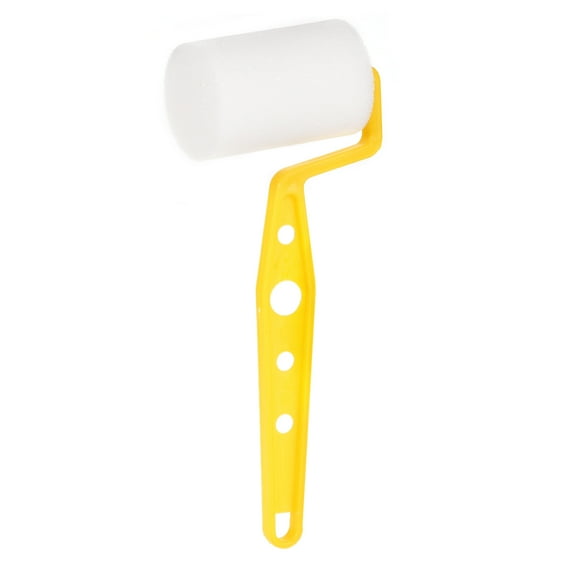
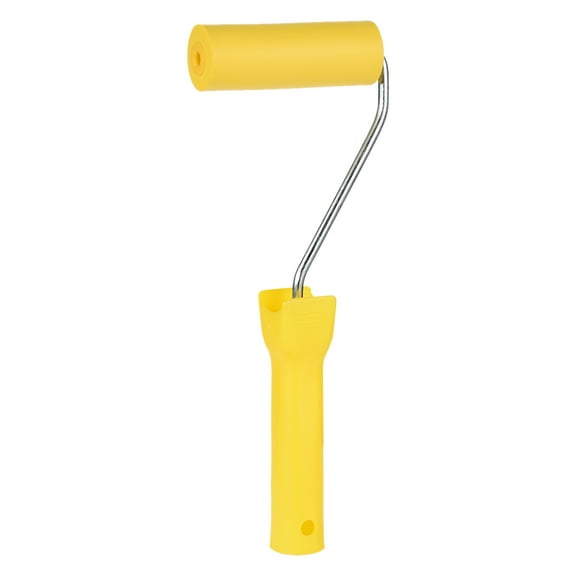
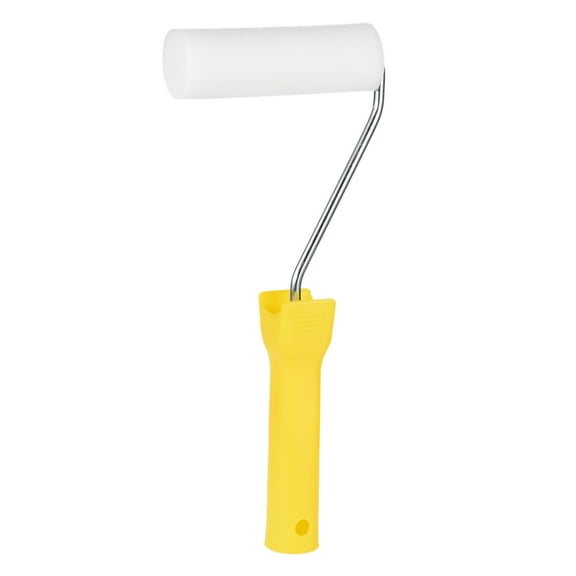
Foam rollers help you apply a more even texture across large wall sections. You may prefer them when your goal is a repeated finish with fewer random peaks. On broad walls, you can keep your passes steady with a foam surface.
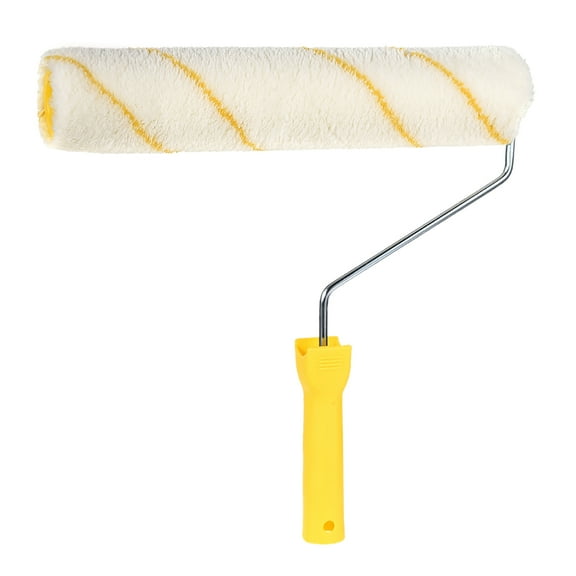
Loop rollers give you a rougher, more broken surface that works well for heavier texture paint. You can use them when you want a more natural look on walls and ceilings.
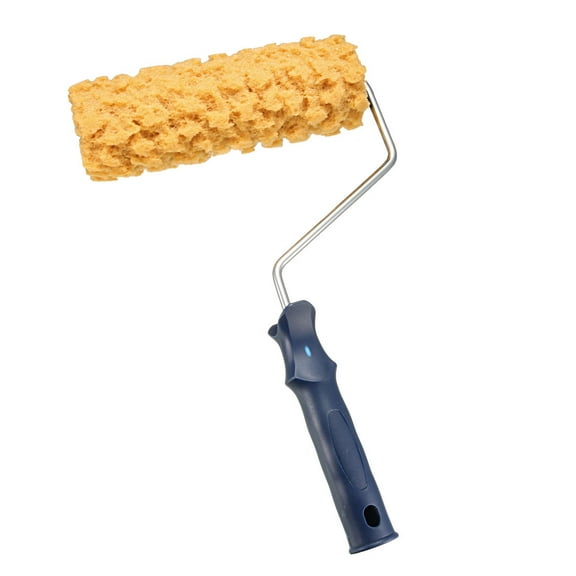
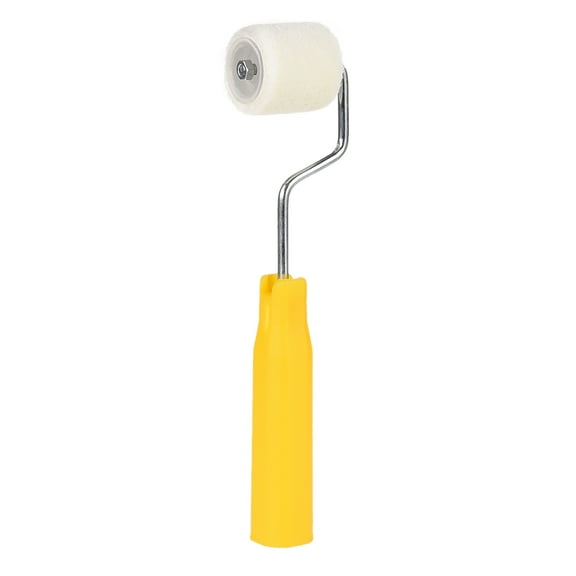
Sponge rollers help you create a softer, varied pattern that can add movement to painted surfaces. You might choose them when you want a hand-applied look without using a trowel. For decorative updates, you can build texture gradually with lighter pressure.
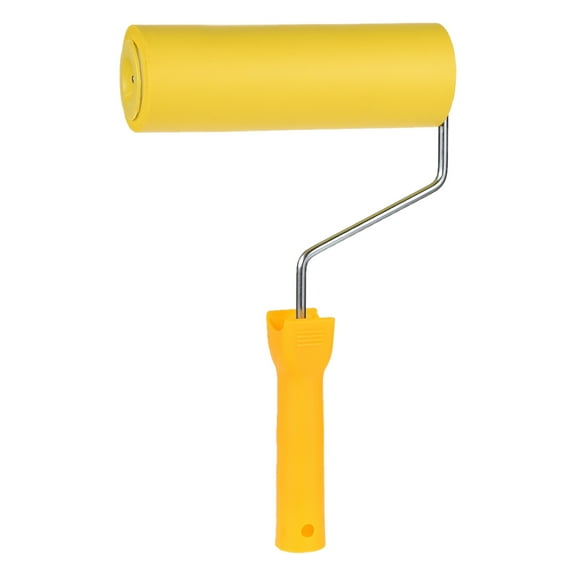
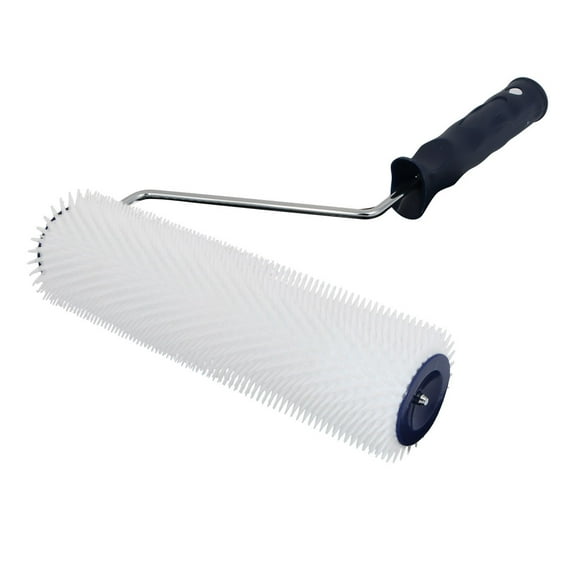
Patterned rollers let you press a repeated design into wet material for a decorative finish. You can use them for accent walls, borders, or surfaces where a stamped effect matters.
Why a texturing paint roller changes your results
You can finish rough surfaces faster when your roller matches the paint thickness and wall condition. A good match helps you cover dips and raised spots with high consistency.
- You can create orange peel, splatter, or decorative patterns with steady results.
- You can cover textured walls without flattening the surface you want to keep.
- You can reach broad wall areas faster than you could with smaller hand tools.
- You can choose a textured roller brush style that fits light or heavy material.
A paint roller for textured walls also helps you keep the finish more uniform from one section to the next. You can reduce visible overlap lines when you maintain the same pressure and roller direction.
If you're updating older plaster, drywall patches, or repaired corners, the right rough surface paint roller can help the new area blend in. You can get a closer visual match when the roller pattern fits the surrounding texture.
What to look for in texture paint rollers
You should check roller material, density, and pattern depth before you choose a texture paint roller. These details affect how much material you pick up and how boldly the finish appears.
If you're using heavier compounds, you may want a rough paint roller with a deeper surface profile. You can move thicker material across the wall more evenly when the roller face has more texture.
For lighter coatings, you may prefer a paint roller textured with foam or sponge. You can get more control when the roller doesn't overload with excess material.
You should also compare roller width with your project size and wall access. A wider textured paint roller can speed up open walls, while a narrower size helps you work around trim.
Handle fit matters when you're rolling ceilings, stairwells, or tall walls for long stretches. You can work with steadier pressure when your frame feels balanced in your hand or extension pole.
Cleanup is another key decision when you plan more than one room. You may want a texture paint roller that rinses more easily if you're switching colors or stopping between coats.
Matching a textured roller brush to your project
You can choose a textured roller brush based on the room, wall condition, and finish style you're after. A foam roller often suits broad walls where you want an even texture from edge to edge.
If you're patching drywall after repairs, you may want loop or sponge styles that help disguise the transition. You can feather the new section into the existing field with less contrast.
For decorative walls, a patterned roller can help you repeat a visual motif across a larger area. You should test the pattern on a sample board so your spacing and pressure stay consistent.
When you're painting masonry, block, or older textured plaster, a paint roller brush for textured walls can help you reach surface dips. You may notice better contact when the roller face matches the wall's irregular shape.
If you're handling ceilings, you should look for a roller that distributes weight evenly during overhead work. You can keep your passes smoother when the roller doesn't feel too heavy with material.
You may also want to keep related project tools in mind before you start. You can pair your roller with texture paint, paint trays, and drywall tools for a more organized setup.
How to clean and reuse textured paint rollers for walls
You should clean textured paint rollers for walls soon after each use for easier rinsing. You can remove leftover paint from grooves and loops thoroughly before it dries.
If your roller has a deeper pattern, you may need extra rinse cycles to clear trapped material. You can gently work water through the surface until the texture pattern looks open again.
Before you store a textured roller, you should let it dry fully so the pattern keeps its shape. This helps make your next project easier because the roller surface stays clean and ready to use.
With the right roller texture pattern and project match, you can create a finish that looks intentional across repairs, accent walls, and full rooms. You gain more control over coverage, pattern, and wall texture from the first pass.