


Tee Balls in Baseballs




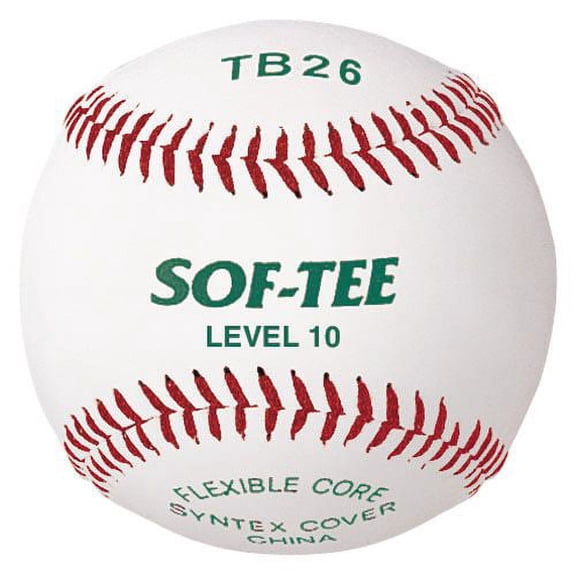

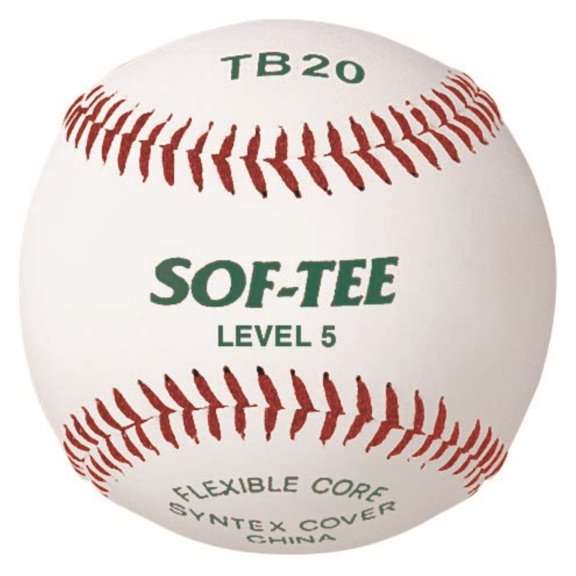
About Tee Balls in Baseballs - Walmart.com
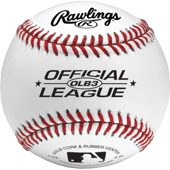
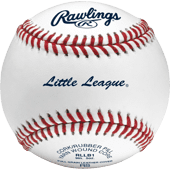
Tee balls help you set up age-appropriate practice with softness, material, and pack options that fit early swings and youth drills. You can compare soft cores, rubber covers, and ball counts more easily when you know how each choice affects feel, bounce, and repeat use.
How to choose tee balls for your player
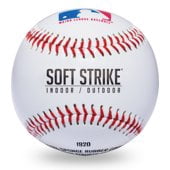
You should start with safety level because your player may need contact that feels more forgiving off the bat and in the glove. You can look for soft tee balls when you want gentler practice for first-time hitters and early fielding work.
If you’re shopping for league use, you should check whether your coach or program expects Level 1 soft core or standard hardness. You can use that detail to narrow tee ball baseballs for beginner practice, coach-pitch drills, or structured youth training.
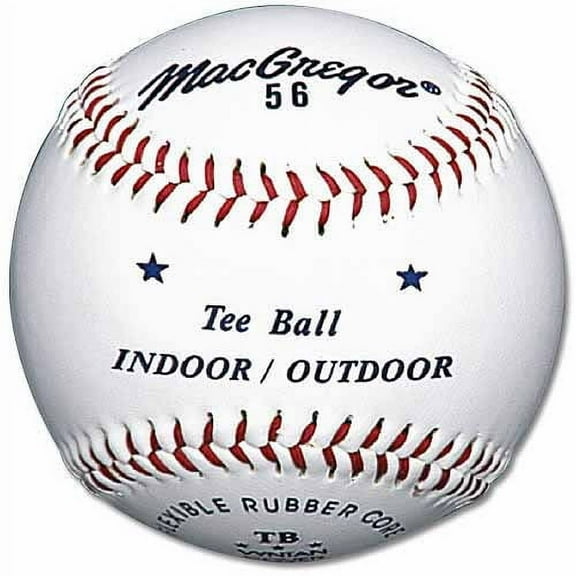
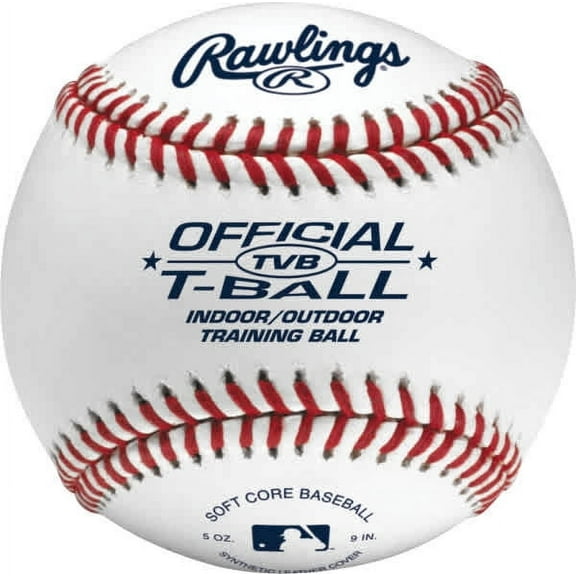
You can also compare ball type before you choose. You may select tee ball balls for tee work, training baseballs for repeated reps, or safety balls when you want a softer feel.
Comparing soft tee balls and standard hardness
You can use soft-core designs when your player is learning timing, hand position, and basic catching. You may notice a more forgiving feel that supports confidence during repeated contact off a tee.
If you need a more traditional response, you can compare standard hardness options for advanced youth practice and stronger swings. You should still confirm age appropriateness, because younger players may do better with a softer construction first.
- You can build confidence with softer contact during early hitting drills.
- You can support cleaner glove work with balls made for beginner fielding practice.
- You can match practice gear to league expectations by checking safety level details.
- You can keep team sessions organized by choosing the right pack size for drills.
You may also see Level 1 soft listed in product details, and that term matters when you’re choosing for very early instruction. You can treat that spec as shorthand for a softer practice experience during introductory tball baseballs sessions.
Choosing material for rubber baseballs and training use
You should compare cover material because it changes grip, bounce, and how the ball handles repeated use. You can find rubber baseballs useful for frequent backyard drills, wet grass practice, and simple cleanup after a session.
If you prefer a more classic look and feel, you can consider synthetic leather options for organized practice and skill progression. You may like how that cover supports a familiar hand feel while still fitting youth-focused training needs.
You can also check foam or PU core constructions when softness is your first priority. You may see those builds in teeballs meant for younger players, indoor drills, or lighter-contact instruction.
When you compare materials, you should think about where practice happens frequently. You can lean toward molded rubber for regular outdoor use, or choose softer covered options for controlled coach-led sessions.
Picking the right pack size for practice volume
You should match pack size to how often your player trains and how many athletes join each session. You can choose a single ball for home practice, a 3-pack for rotation, or a 12-pack for regular team drills.
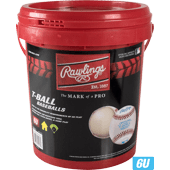
If you run clinics or team practices, you may want a 24-bucket or other larger counts that reduce chasing and resetting. You can keep stations moving more smoothly when extra t balls are ready for hitting, throwing, and fielding reps.
You can also use larger packs when you want separate balls for batting tees, soft toss, and infield work. You can make transitions easier when each drill has its own group of tee ball balls ready to go.
Matching tee balls to real practice situations
You can choose softer constructions for toddlers and first-time players who are learning stance, swing path, and simple hand-eye coordination. You may want lighter-feel options when practice focuses on comfort, repetition, and basic contact.
For backyard use, you can compare rubber builds that handle driveways, grass, and repeated tosses from siblings or parents. You may appreciate how durable covers hold up through frequent sessions and easy grab-and-go storage.
If your player is joining organized youth practice, you should check whether tee ball baseballs need a certain softness level or training format. You can compare safety balls, training baseballs, and standard tee-use models based on coach guidance.
You can also build a simple practice kit by pairing these balls with batting tees, youth gloves, and tee ball bats. You can create more complete drills when your gear works together for hitting, catching, and throwing practice.
When several players practice together, you should consider bulk counts that support station work and coach-led repetition. You can reduce downtime when each player has quick access to another ball after every swing or throw.
What to check before you choose tee balls
You should review material, safety level, ball type, and pack size before you make a final pick. You can narrow the page faster when you compare those four decisions against your player’s age, practice setting, and drill volume.
With the right tee balls, you can support smoother practice, more consistent repetition, and a setup that fits early learning or organized youth training. You can feel confident choosing gear that matches your player’s stage and your session plan.