

Gun Targets in Gun Accessories, Cleaning, & Safety
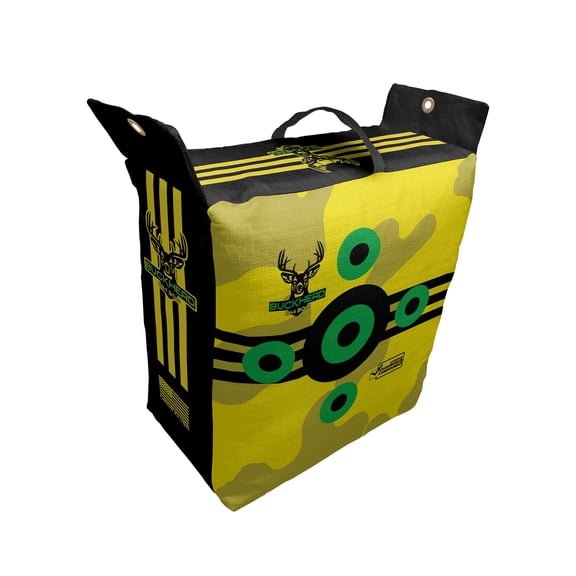


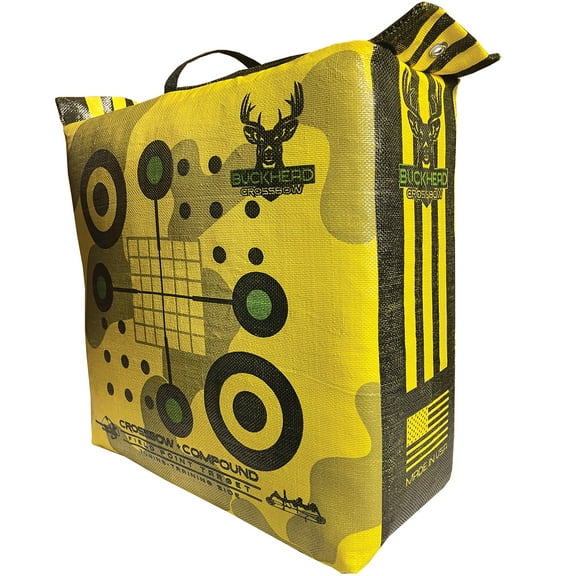
















About Gun Targets in Gun Accessories, Cleaning, & Safety - Walmart.com
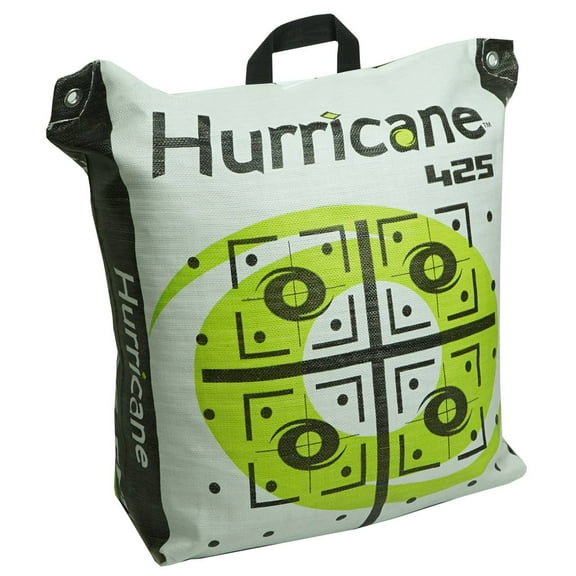
Gun targets help you build steadier aim, faster follow-up shots, and more useful practice sessions. You can compare paper sheets, reactive splatter designs, and steel options based on your firearm, distance, and setup style.
How to choose gun targets
When you compare gun targets, you should start with target material because it changes feedback, durability, and reset time. You can use paper or cardboard for visible groups, or you can choose steel for audible confirmation.
You'll also want to match target type to your practice goal before you pick a pack or plate. You can train for tight bullseye groups, quick transitions, or repeatable hits on silhouettes and gongs.
As you narrow your options, you should check thickness, caliber rating, and mounting style together. You can avoid mismatched gear when your target, firearm, and stand setup work as one system.
Choosing between paper, cardboard, and shooting plates
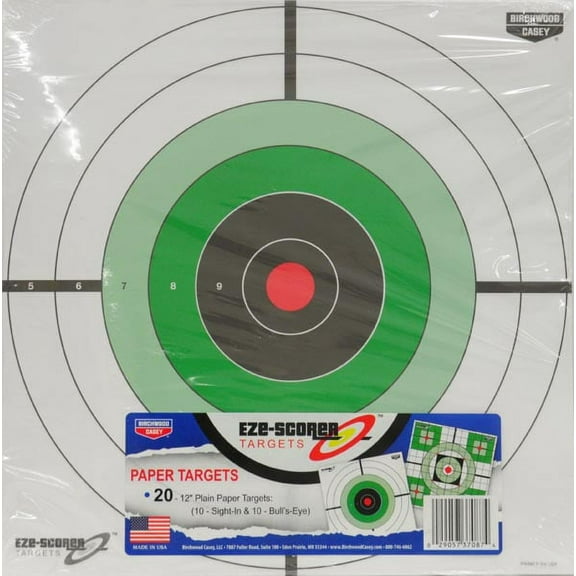
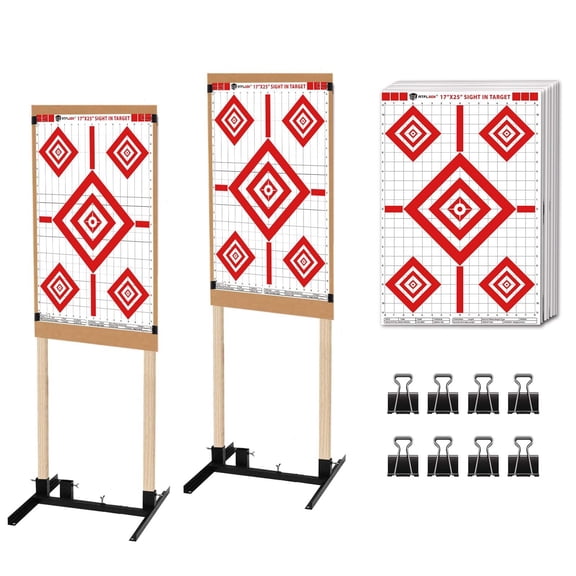
If you want easy scoring, you may prefer paper or cardboard targets with clear rings and aiming points. You can staple them quickly, replace them often, and track group size with less guesswork.
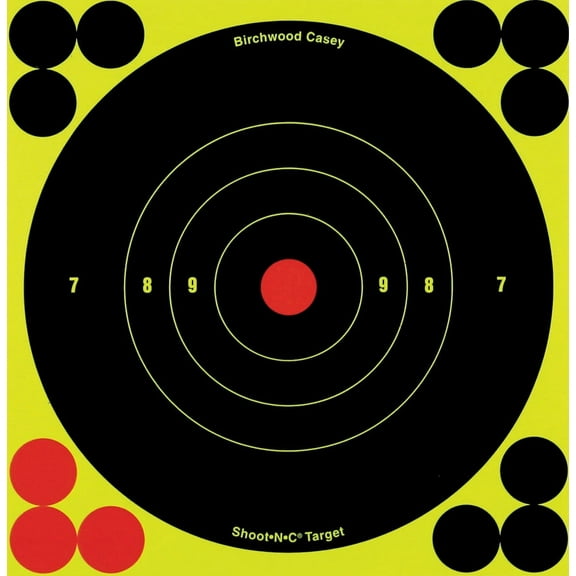
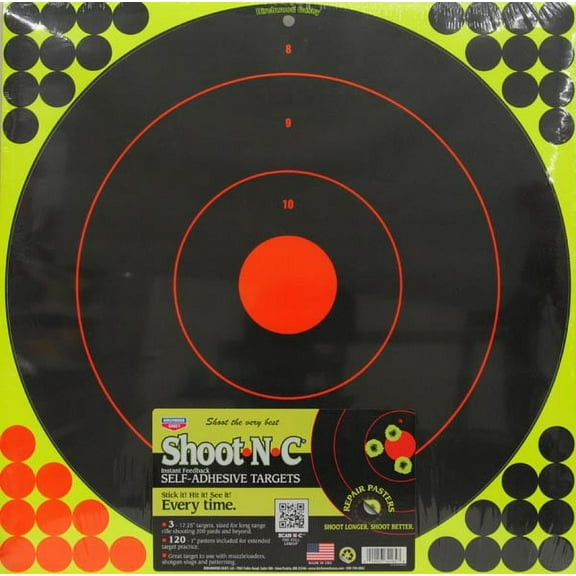
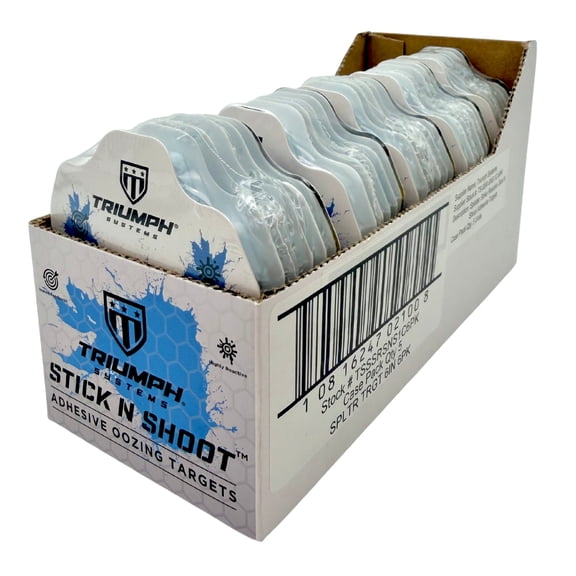
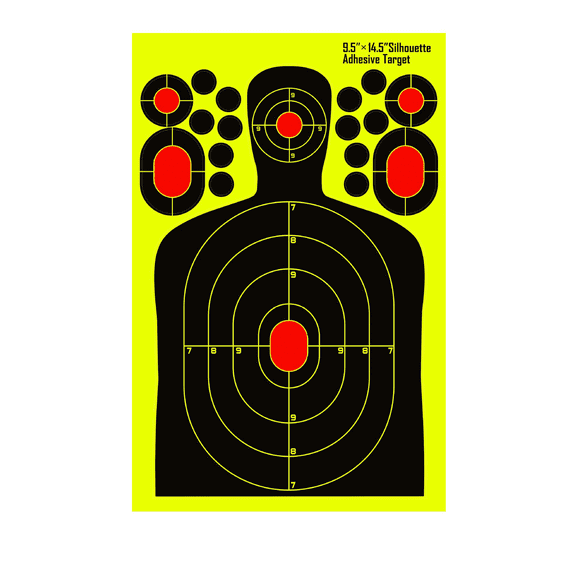
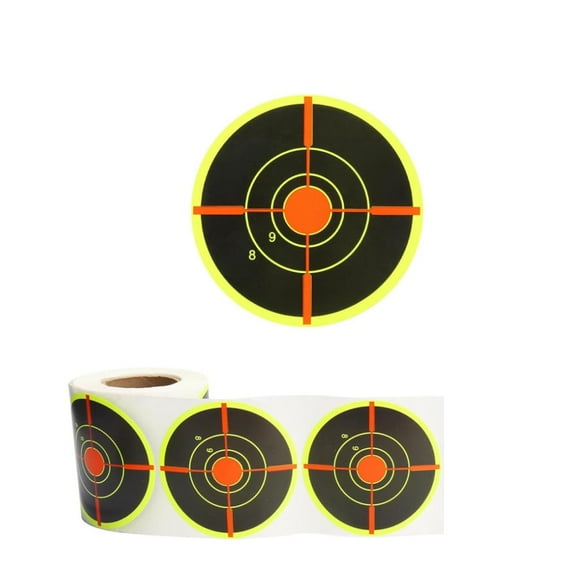
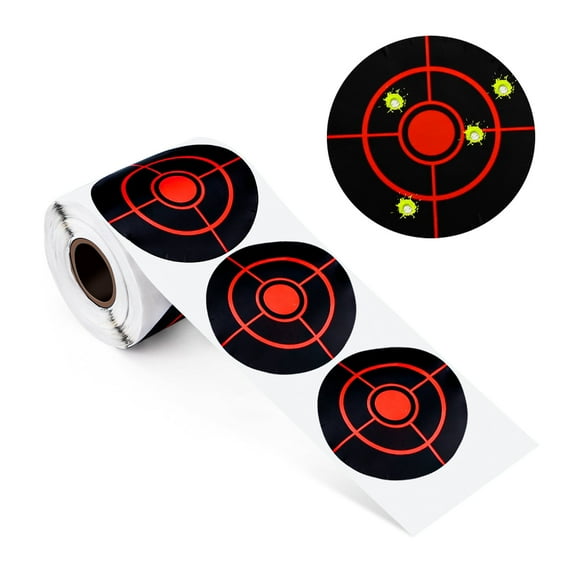
Reactive splatter styles help you spot hits without walking forward after every string. You'll notice bright contrast around each impact, which helps when you're practicing at longer distances.
If you want repeat use, you may focus on shooting plates made from AR500 steel. You can hear each hit clearly, and you won't need constant target changes during extended range sessions.
- You can use paper targets for zeroing optics, measuring groups, and recording shot placement.
- You can use reactive splatter targets when your visibility matters across outdoor lanes.
- You can use steel targets when your feedback speed and reset convenience matter most.
- You can use cardboard targets when your simple setup and easy replacement matter.
What target type means for your practice
Gong targets give you a swinging steel surface and an audible ring after impact. You can use them for rhythm drills, distance work, and quick confirmation between shots.
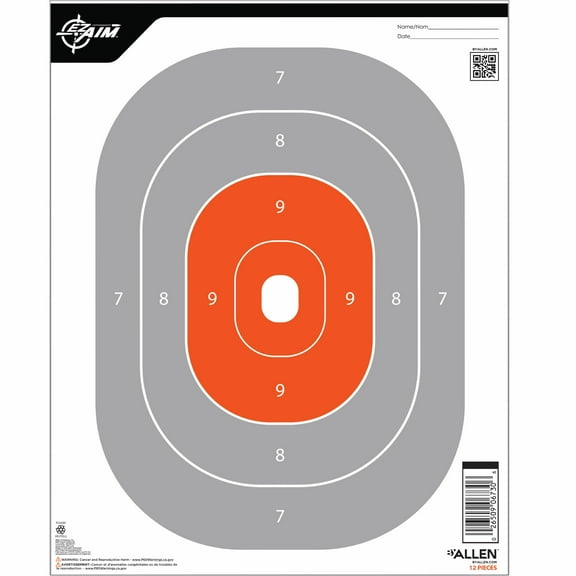
Silhouette targets help you practice center-mass placement with a human-shaped profile. You can use them for defensive-style drills, staged practice, and target transition routines.
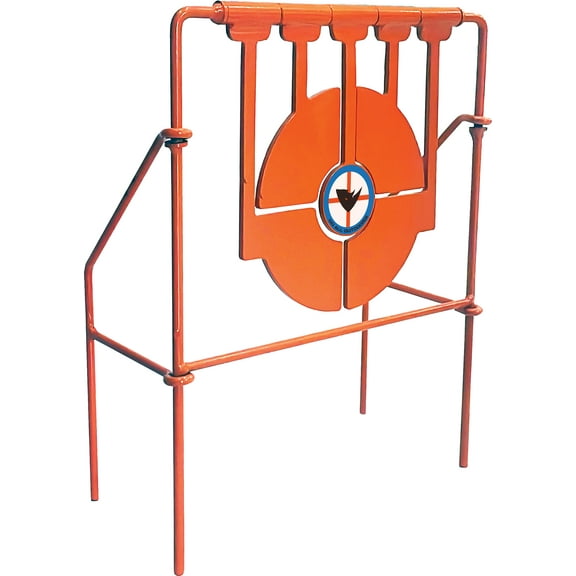
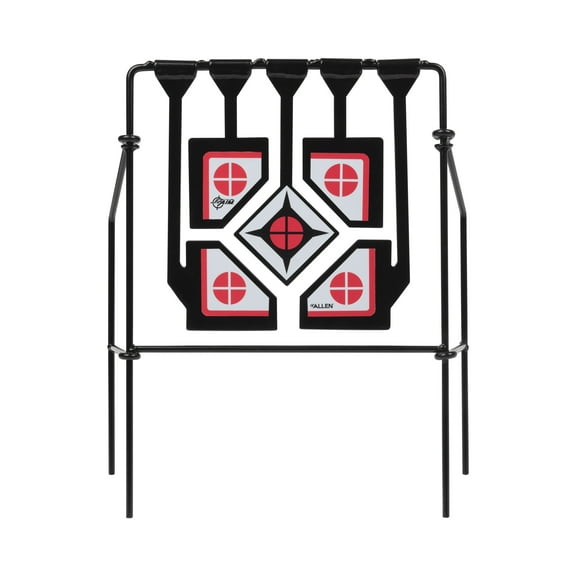
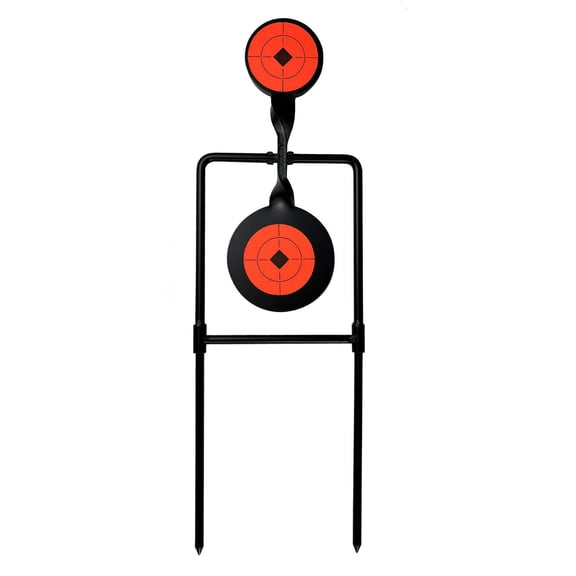
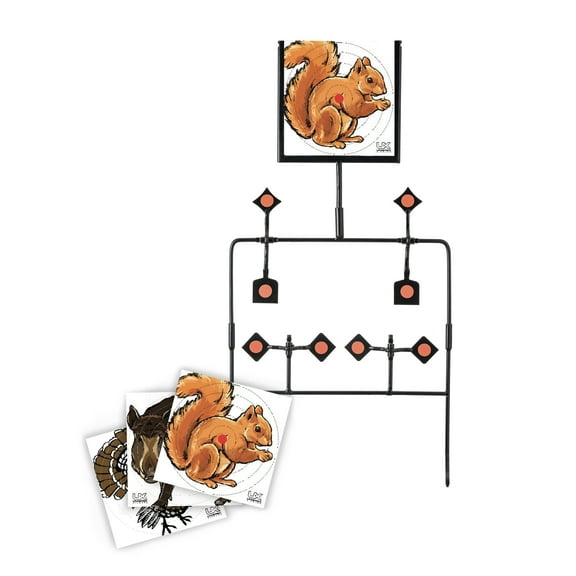
Spinner and resetting designs add movement and repeatability to each session. You can keep shooting without walking downrange after every hit, which helps when your range time feels limited.
Bullseye targets support careful grouping and sight adjustments with clear scoring zones. You can compare loads, tune optics, and check consistency from one session to the next.
Understanding AR500 steel, thickness, and caliber fit
If you choose steel targets, you should compare AR500 steel and thickness before anything else. You can expect AR500 steel to handle repeated impacts when your caliber and distance match the target rating.
A 1/4 inch plate often fits lighter rimfire use and some handgun practice. You should check the listed caliber guidance so your target matches your intended shooting style.
A 3/8 inch plate commonly suits many handgun and centerfire rifle setups. You can choose this thickness when your practice includes stronger impact energy and repeated outdoor use.
A 1/2 inch plate supports heavier use and larger centerfire applications on ranges that allow steel. You should compare plate thickness with firearm ratings because thickness affects durability and long-term shape retention.
When you review caliber compatibility, you should look for rimfire or centerfire guidance in the product details. You can use that information to narrow choices for pistols, rifles, and mixed-range practice kits.
Checking distance and angle before setup
You should review the listed minimum distance before you choose steel for your range plan. You can use that guidance to match your lane length, firearm type, and target material.
Angle matters because you want impacts directed downward with the intended mounting setup. You should look for hanging or strap-mounted designs when your goal is natural plate movement after each hit.
If your range day involves frequent setup changes, you may prefer targets that assemble quickly. You can move from a bench session to open-ground practice when your gear stays simple and portable.
Comparing hanging, stake, and free-standing mounts
Hanging targets give you natural swing and clear sound, especially with steel gongs and plates. You can pair them with chains, straps, or brackets based on your frame style.
Ground stake targets help when you want a compact setup for dirt or grass areas. You can place them quickly and keep your gear load lighter for field practice.
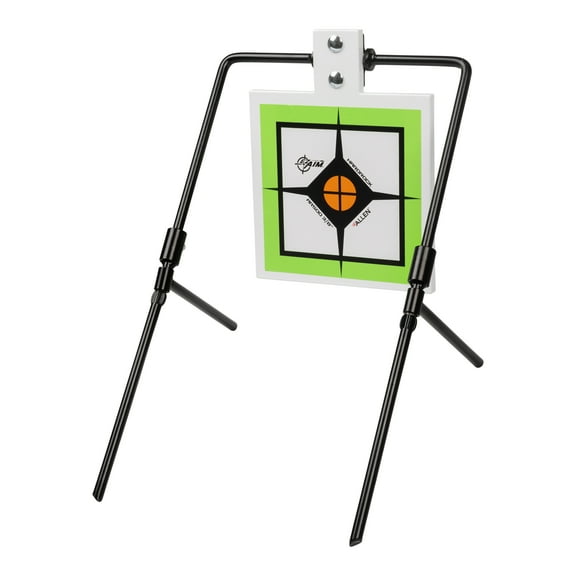
Free-standing targets work well when your range surface doesn't support stakes or overhead hanging. You can use them on packed ground and adjust placement without extra hardware.
Strap mounts can reduce metal-on-metal contact at key connection points on some setups. You should compare attachment style, replacement parts, and portability before you commit to a range kit.
Matching gun targets to real practice sessions
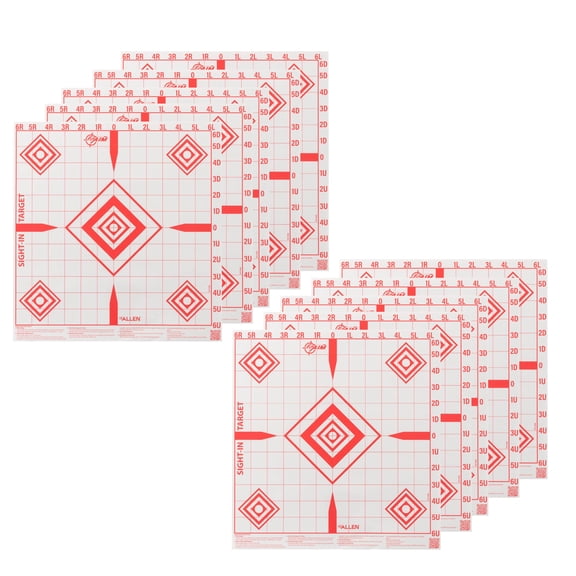
If you're zeroing a scope, you may want paper bullseye targets with visible rings and grid marks. You can make precise sight adjustments when your aiming points stay consistent.
When you're running handgun drills, you may prefer silhouettes, spinners, or compact steel plates. You can practice transitions, cadence, and follow-up shots with feedback that's easy to read.
If your range session focuses on long-distance confirmation, you may lean toward larger gongs or reactive splatter sheets. You'll notice impact results faster when your target stays visible from farther back.
For a portable kit, you may combine cardboard targets with a light stake system. You can carry less gear and still keep your sessions structured across changing outdoor spots.
When your goal is repeat shooting with fewer target changes, shooting plates can simplify your routine. You can spend more time practicing and less time replacing worn aim points.
With the right mix of material, thickness, target type, and mount, you can build a setup that fits your firearm and range style. You'll get clearer feedback and more productive time behind each shot.