


Find auto parts that fit
Let’s search for parts that fit your vehicle.Tail Light Wiring Harnesses in Tail Lights
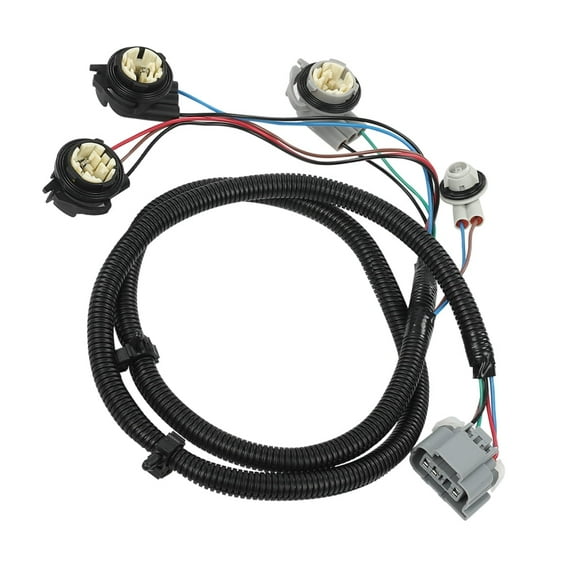


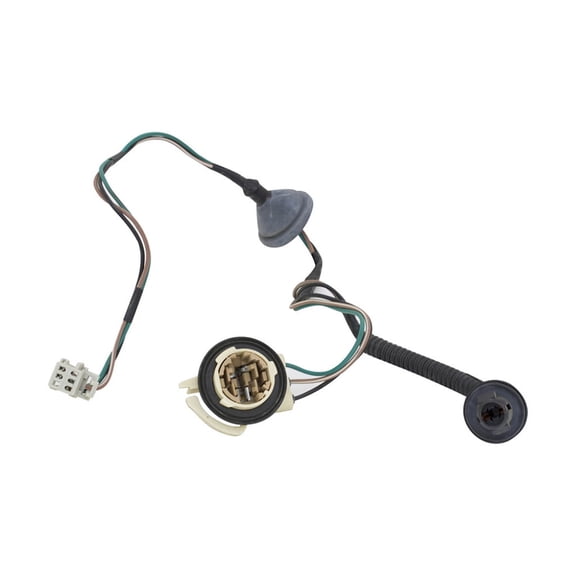


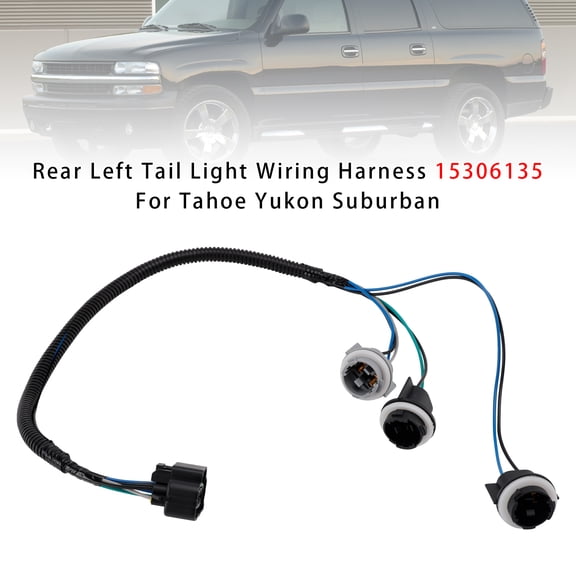
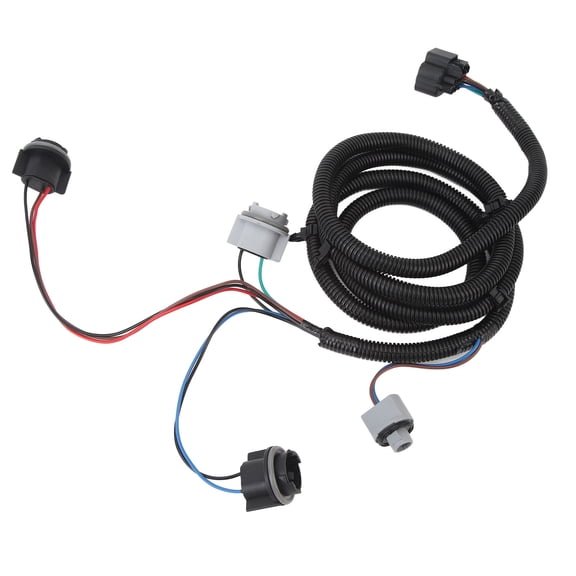
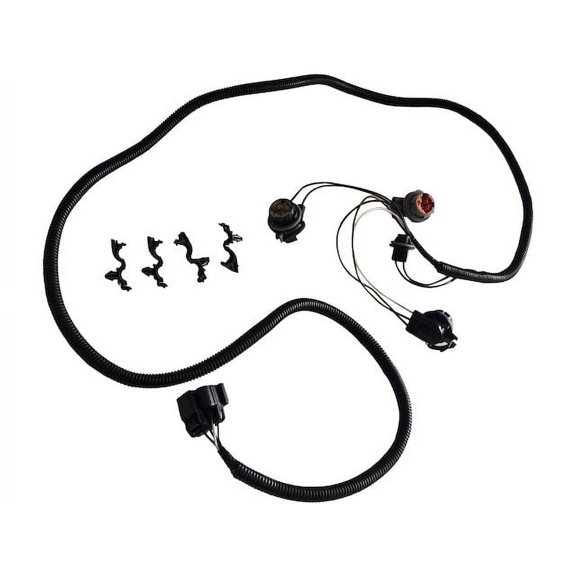


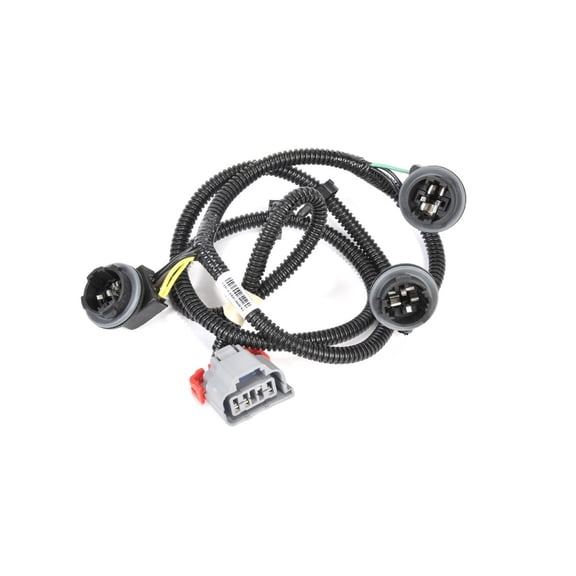
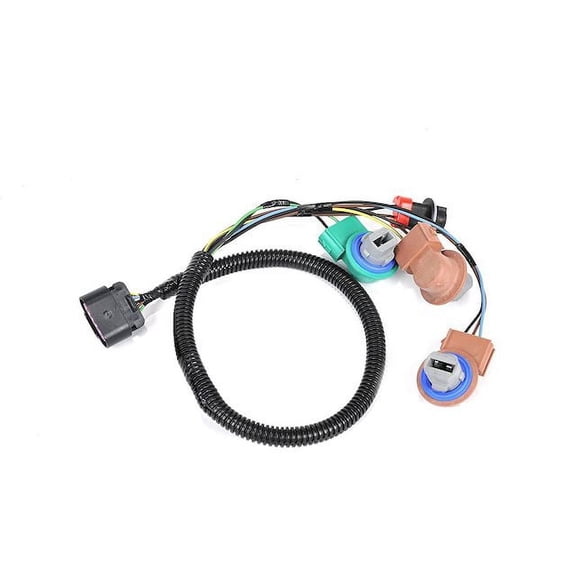
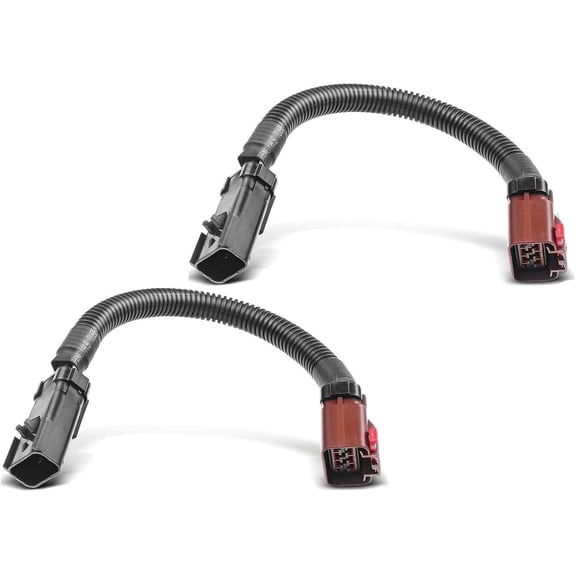

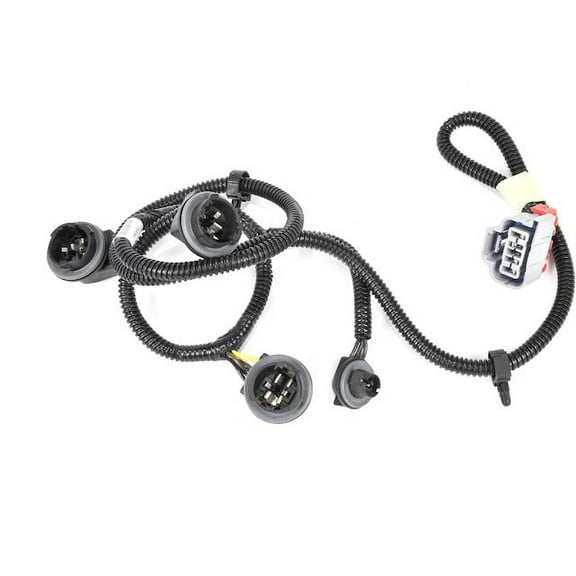


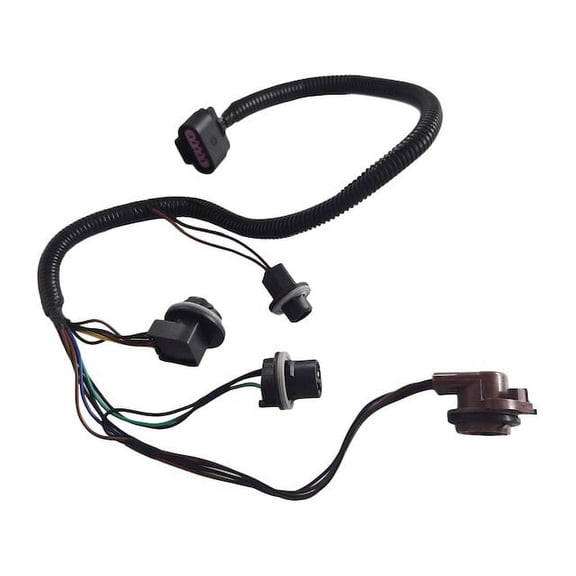


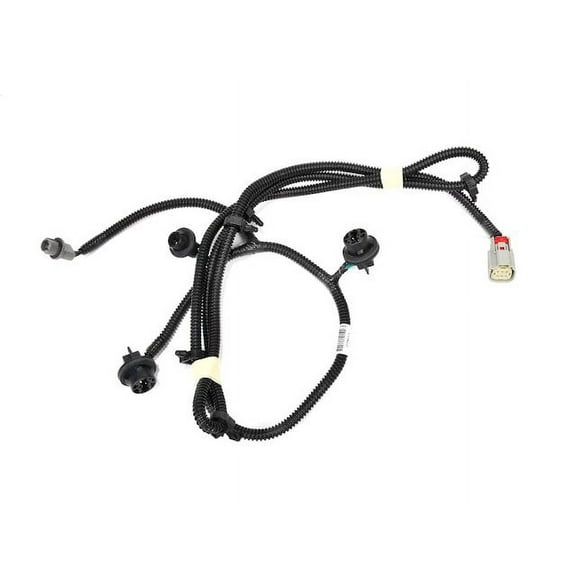


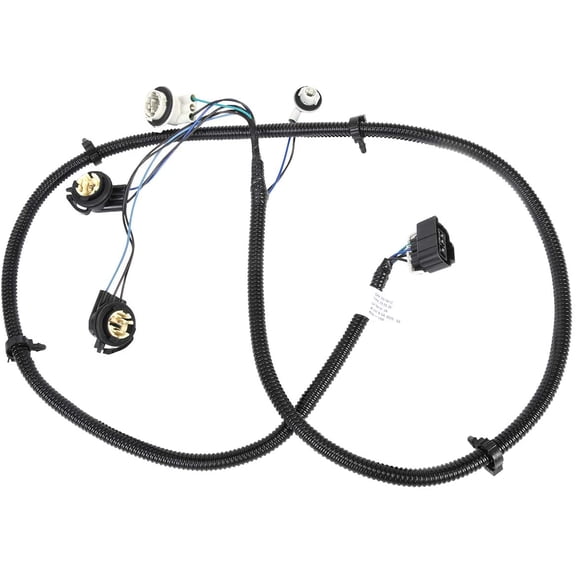
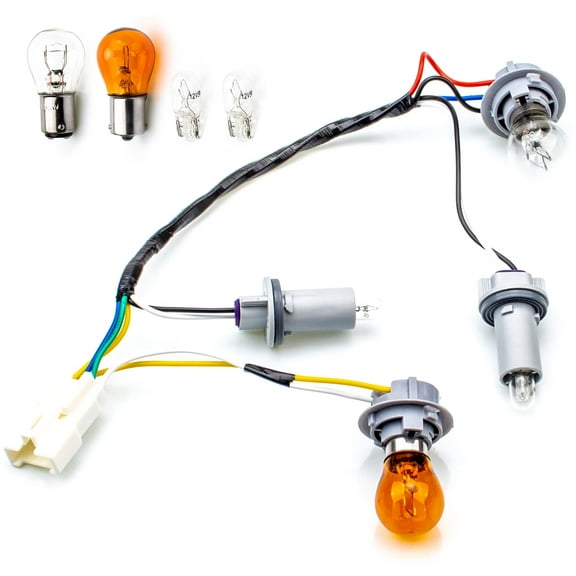

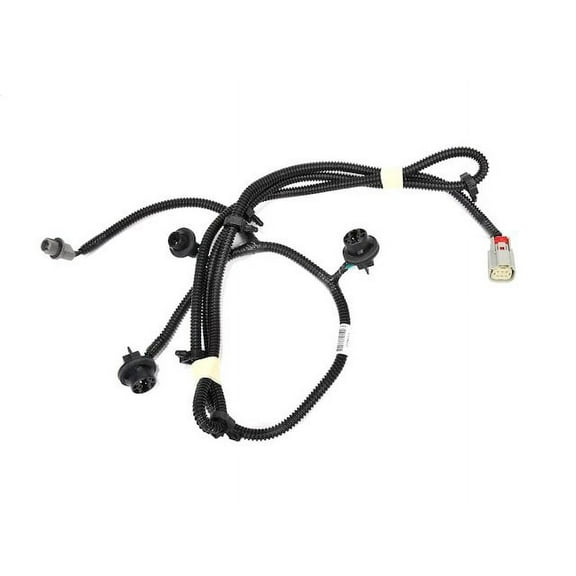
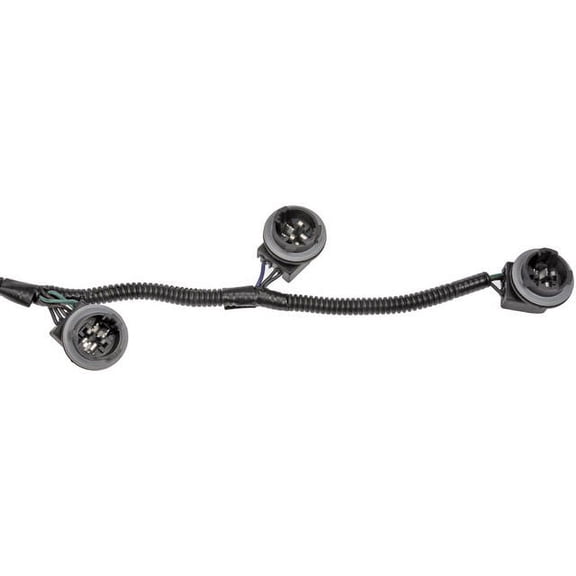
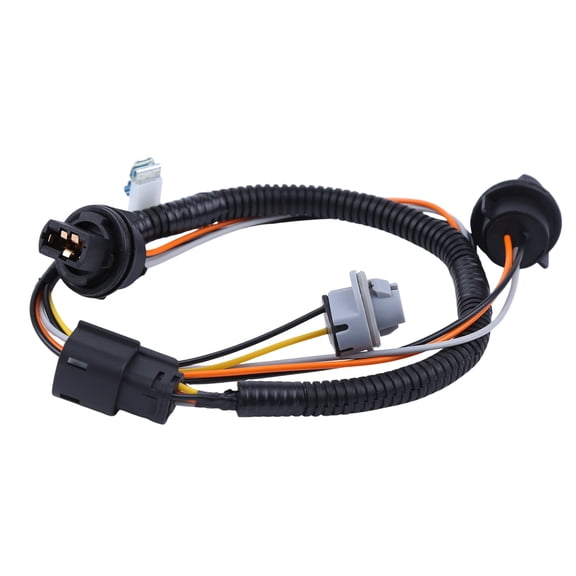



About Tail Light Wiring Harnesses in Tail Lights - Walmart.com
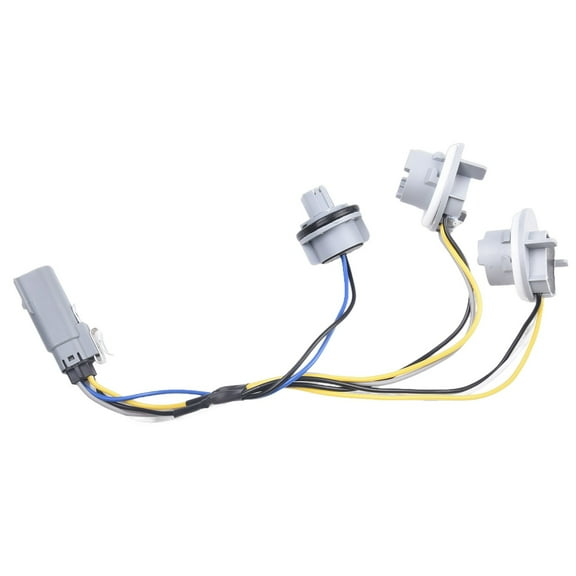
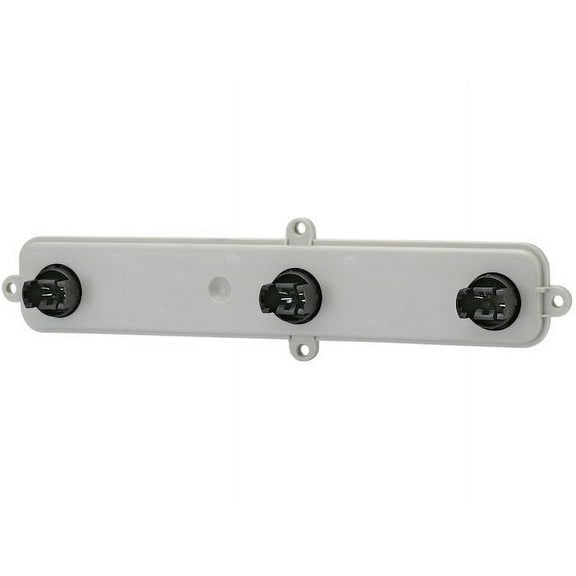
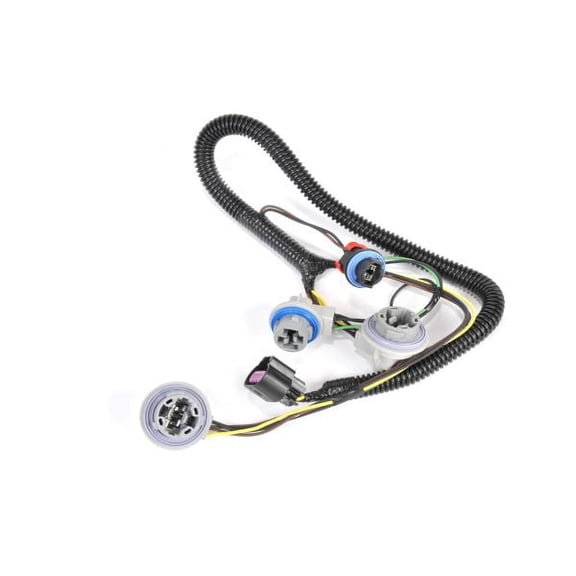
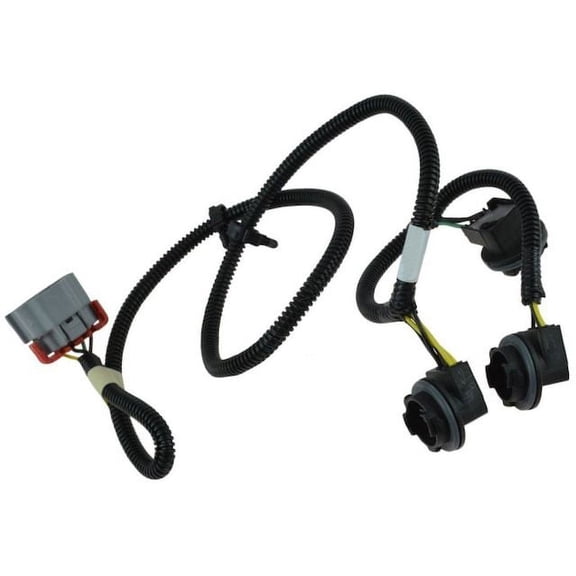
Tail light wiring harnesses help you restore rear lighting connections with the right fit, plug style, and install method for your vehicle. You can compare vehicle-specific and universal options, so your replacement matches your truck, SUV, or trailer setup.
If you’re replacing corroded plugs, damaged wires, or a broken rear connection, you need the correct harness position. You can narrow your choice by driver side, passenger side, or rear main harness before you start installation.
Choosing tail light wiring harnesses by vehicle compatibility
Vehicle fitment is your first decision, because your year, make, and model affect plug shape, wire length, and mounting points. You should compare Ford, Chevrolet, Dodge, Toyota, and universal options with exact fitment details.
When you choose truck tail light wiring for a specific vehicle, you can reduce guesswork during installation. You’ll usually get a connector layout that matches your factory setup more closely than a one-size option.
If you drive an older model or manage mixed vehicles, a universal harness can give you more flexibility. You should still check wire routing, connector style, and rear lamp position before you choose.
What to look for in connector type and installation
Connector type shapes how easily your harness joins your existing wiring, so you should match the pin count first. You may need a 4-pin tail light harness, a 7-pin setup, a multi-plug design, or a custom fit connector.
A tail light plug connector should line up with your existing socket without forcing the connection. You can avoid extra adaptation work when you confirm the plug shape and pin layout before ordering.
Installation type matters just as much, because it affects the time and tools you’ll need. You can choose plug-and-play, splice-in, or direct replacement options based on your comfort level.
- You can choose plug-and-play harnesses when you want a faster connection with factory-style plugs.
- You can consider splice-in options when you’re adapting custom lighting or repairing a modified rear setup.
- You can use direct replacement harnesses when your original assembly shape and connector pattern need a close match.
- You should compare 4-pin and 7-pin layouts when your tail lamps share space with trailer or towing connections.
Plug-and-play designs usually help you connect matching sockets with less cutting. Splice-in styles give you flexibility when your setup has custom lamps, altered wiring, or nonstandard plugs.
Comparing tail light harness replacement features
A smart tail light harness replacement starts with the wire covering and connector protection around the rear of your vehicle. You should look for insulated wires, sealed plugs, and protective casing that support everyday driving conditions.
Heat-shrink tubing can help you keep wire joins covered and tidy in exposed rear areas. You’ll also want jacketed wires that route cleanly around the bed, bumper, or tailgate area.
Harness position also guides your choice, because left and right sides often use different wire lengths and connector paths. You should check whether you need a driver side unit, a passenger side unit, or a rear main harness.
Custom tail light wiring harness options can make more sense when your factory connector shape is unique. You can often get a closer fit for mounting tabs, lamp sockets, and wire routing points.
If you’re comparing materials, you should look for sturdy connectors and sleeves that support repeated opening and closing near the rear assembly. You’ll notice these details matter when your harness routes through tight body panels.
How to match use cases to the right harness
If you’re fixing one damaged side after a rear lamp issue, you may only need a single driver or passenger side harness. You should compare side-specific listings carefully, so your connector orientation matches the lamp housing.
When you’re replacing a full rear connection path, a rear main harness can cover a larger section of truck tail light wiring. You can use that approach when multiple connectors or wire runs need attention.
If you tow regularly, you may want to compare a trailer tail light wiring harness with your vehicle’s rear lighting setup. You should check whether your connector count and wiring path support both tail lamps and trailer functions.
For custom builds, you can compare splice-in and multi-plug choices based on how your rear lights are configured. You may prefer that route when your vehicle has aftermarket lamps or a modified bed setup.
If you’re replacing a worn factory unit, direct replacement styles can simplify your decision. You can focus on exact year, make, and model fitment, then confirm pin count and harness position.
Some shoppers need a compact repair with one tail light plug connector, while others need a broader harness assembly. You should measure your repair scope first, so your replacement covers the right section without extra parts.
Making a confident category choice
When you compare fitment, pin configuration, install style, and harness position, you can choose with more confidence. You’ll get closer to the right rear lighting connection when your harness matches your vehicle and your wiring layout.
With the right category details in front of you, you can sort through technical options without guessing. You’ll spend less time matching plugs and more time finishing a clean rear light connection.