





Home Accents & Decorative Accents | Walmart


































About Home Accents & Decorative Accents | Walmart - Walmart.com
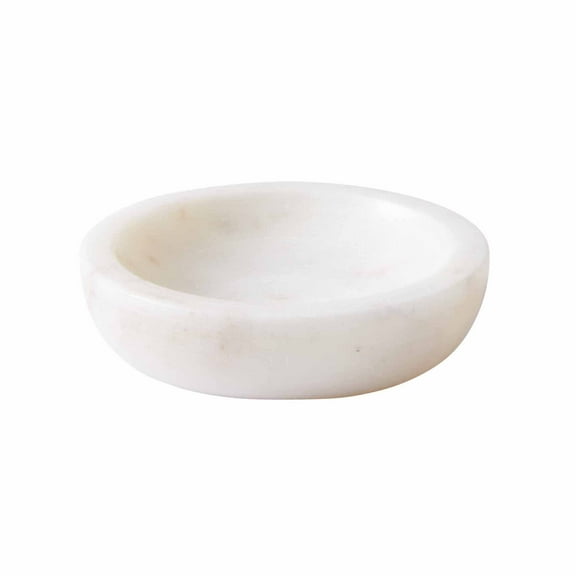
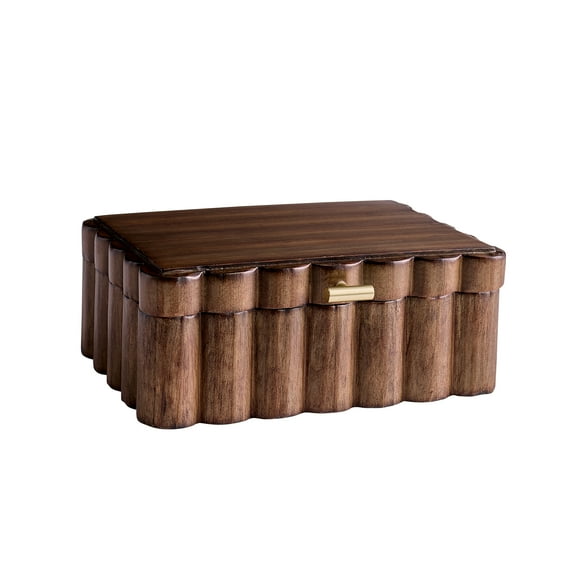
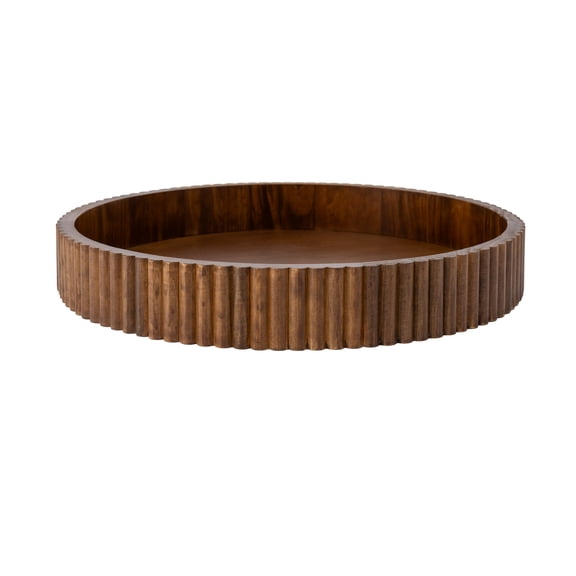
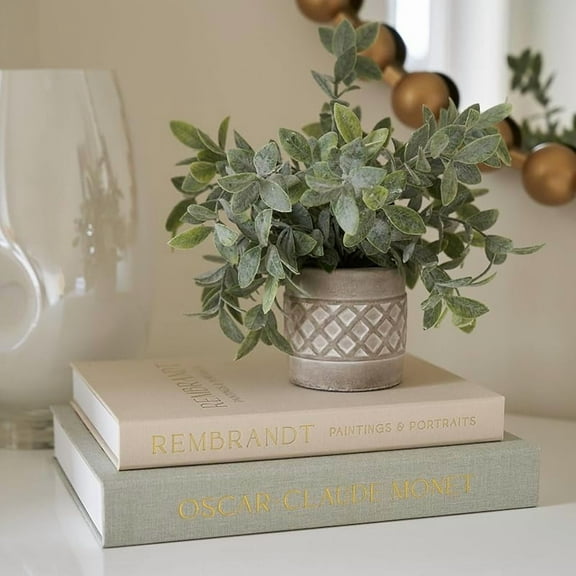
Bring texture, color, and personality to your rooms with home accents that help you compare decorative accents by material, style, and placement. From fluted glass candle holders to dark wood decor, these finishing pieces help shelves, mantels, consoles, and tabletops look complete without changing larger furniture.
How to choose home accents by material
Notice how material changes the look of your decorative accents right away. Glass reflects light, wood adds warmth, ceramic brings smooth form, and metal introduces crisp contrast.
Compare where each material will sit before you choose. Hurricanes glass styles brighten a console, while dark wood decor grounds bookcases, mantels, and side tables.
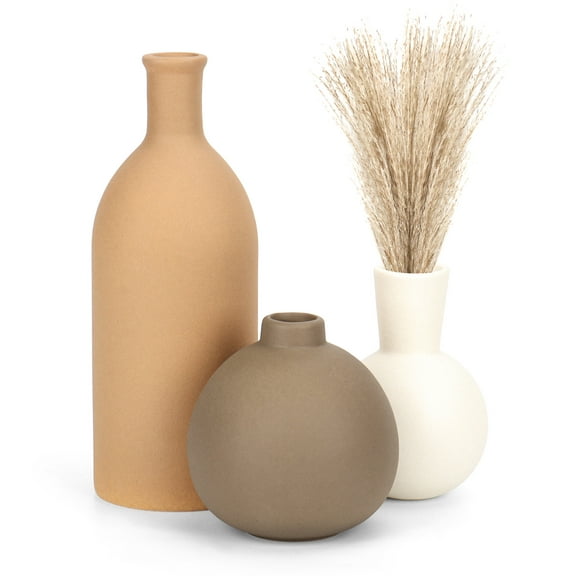
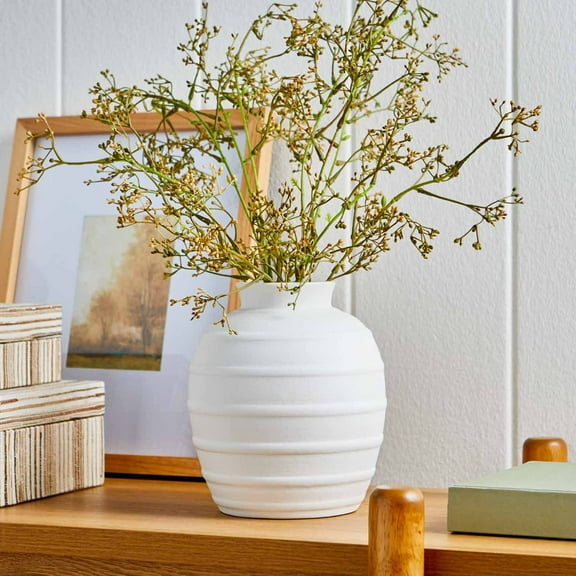
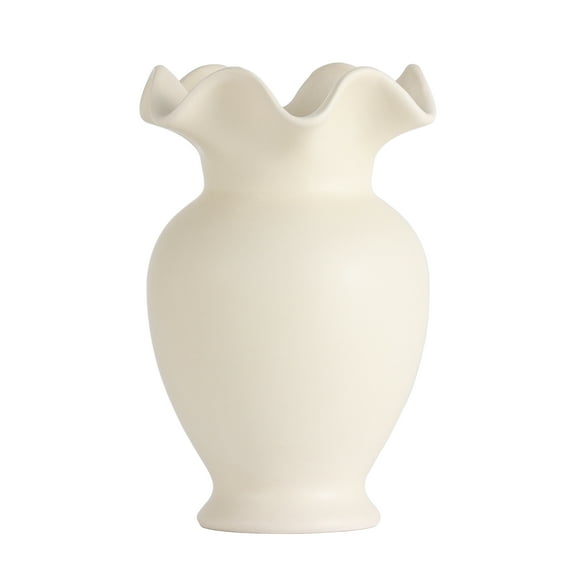
Look for material combinations that create balance in your space. A fluted glass candle holder beside a rounded ceramic vase adds contrast that feels layered, not busy.
- Glass pieces help catch window light and lamp light.
- Wood accents add natural depth to shelves and tabletop displays.
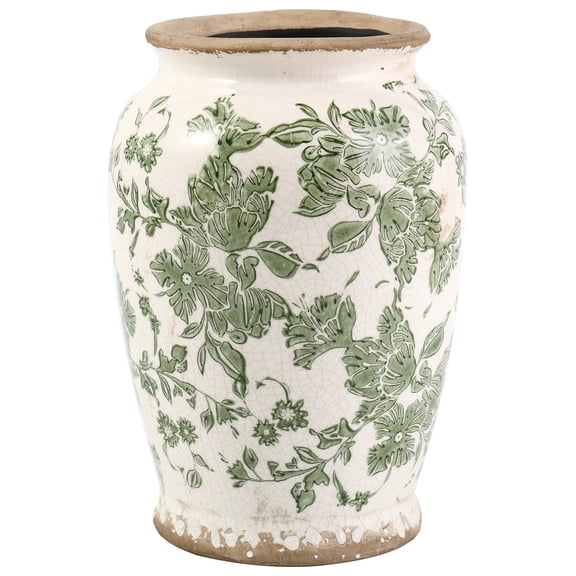
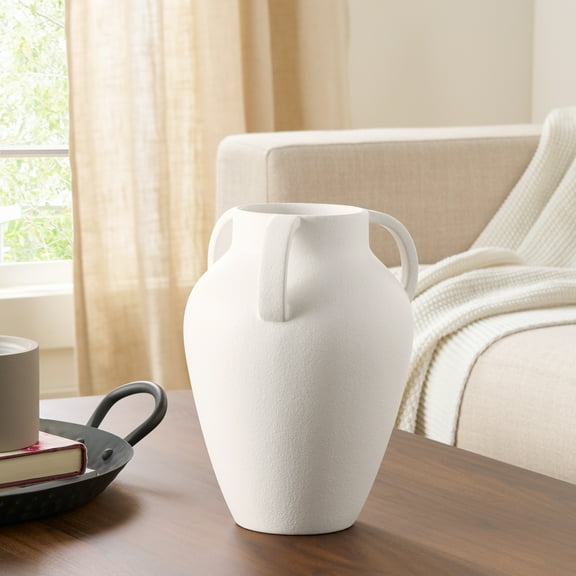
- Ceramic shapes work well in classic, modern, and chinoiserie arrangements.
- Metal details define edges and sharpen mixed-material groupings.
Check finishes closely when you mix pieces together. Amber glass, blue accents, neutral ceramics, and dark wood tones can sit together when the scale feels intentional.
Choosing decorative accents by style
Style is an important decision point in this category, and it shapes how each display feels. Vintage forms feel collected, while modern silhouettes keep arrangements clean and structured.
Chinoiserie details often appear through ginger jar chinoiserie shapes, glossy finishes, and blue patterns. Classic styling leans on symmetry, rounded profiles, and familiar decorative forms.
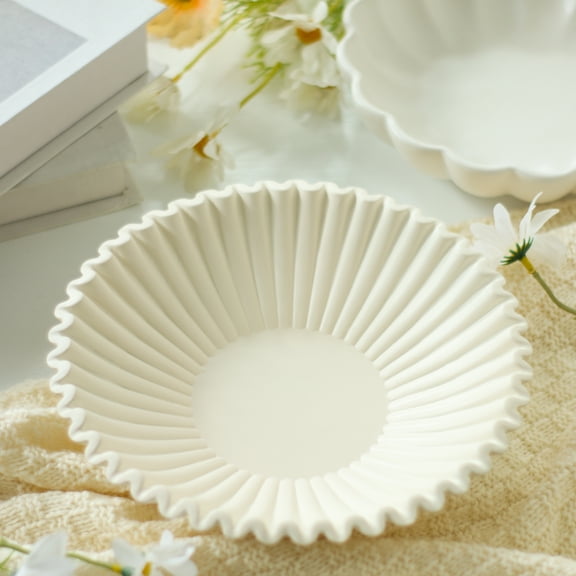
Consider the room’s existing lines before you select decor accents. Sculptural objects suit spare spaces, while ribbed or fluted textures add detail to simpler furniture.
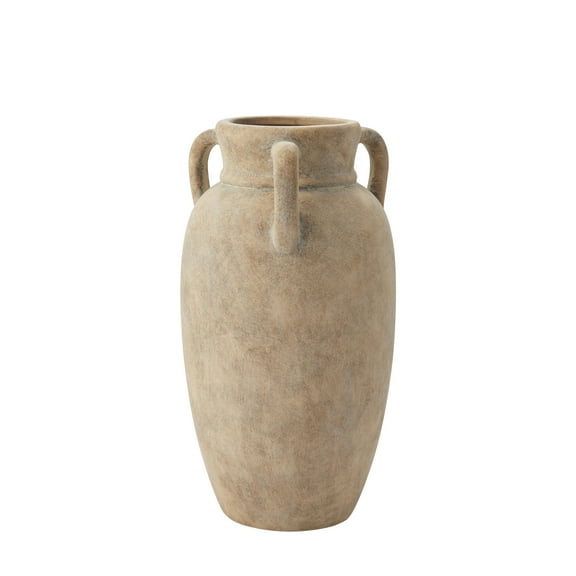
Measure visual weight, not just size, when you compare pieces. A tall ginger jar can anchor a narrow entryway table, while smaller paired objects create order on a mantel.
Comparing product types and textures
Notice how product type changes both function and styling range in your room. Candle holders, hurricanes, ginger jars, and decor objects each create a different focal point on open surfaces.
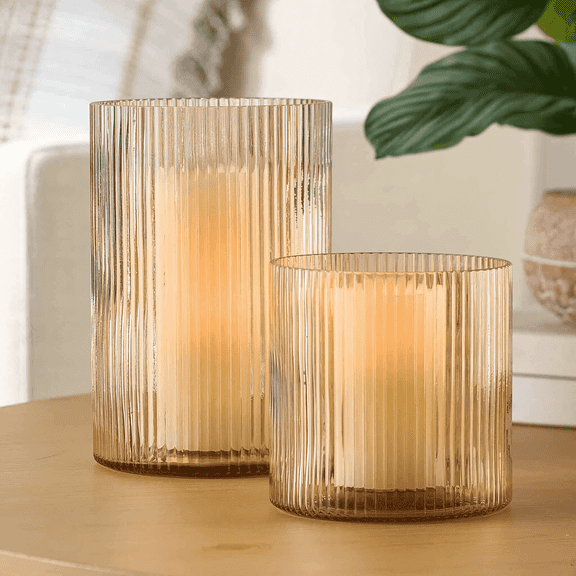
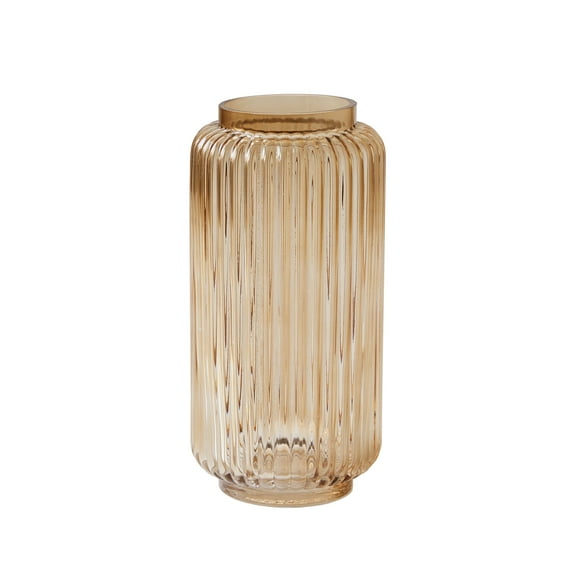
Ribbed hurricane candle holders add texture and height to a display. Vintage hurricane candle holders often suit layered arrangements with books, trays, and framed art.
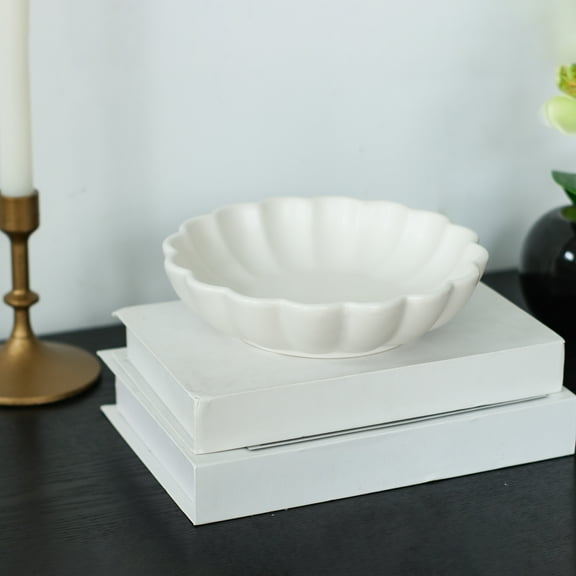
A fluted glass candle holder works well when you want vertical detail without heavy color. Rounded ceramic jars soften sharper furniture edges and corners in a balanced setup.
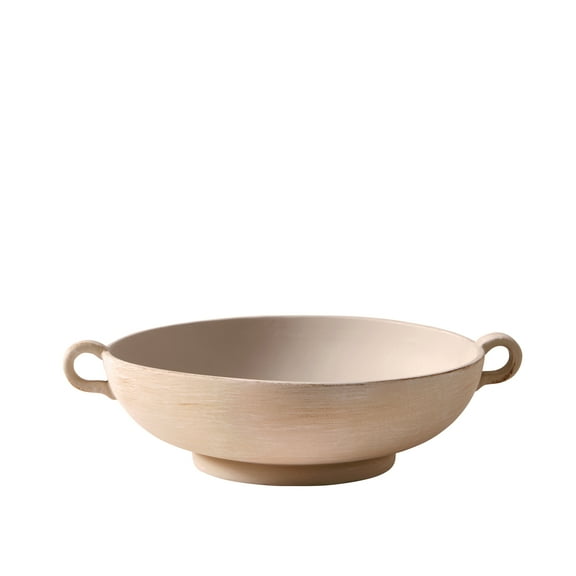
Decor objects bring shape into areas that need dimension and contrast. Sculptural pieces can break up rows of books, while paired candle holders frame a centerpiece neatly.
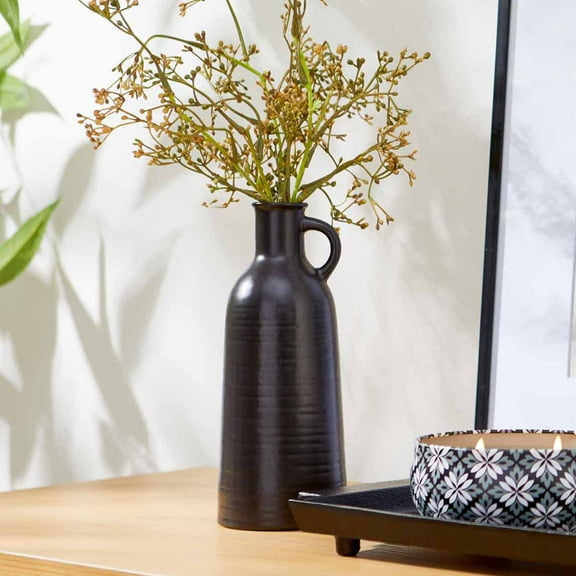
Compare texture with nearby fabrics and finishes before you finalize a grouping. Ribbed glass echoes woven baskets, fluted shapes pair with pleated lampshades, and smooth ceramic offsets textured wood grains.
Selecting color and finish for room placement
Color and finish should support your room’s palette without overpowering it. Blue pieces stand out on neutral shelves, while amber glass warms wood and cream tones.
Dark wood decor can add depth to lighter rooms and open shelving. Neutral finishes work when you want layered texture without creating a strong color break.
Entryway surfaces often benefit from one defined statement piece and one supporting accent. A ginger jar or hurricanes glass set can create a polished first look on a console table.
Living room styling usually needs varied heights and materials for visual balance. Try wood decor objects with glass candle holders to keep coffee tables and bookcases cohesive.
Bedroom accents often look calm with rounded shapes and quieter finishes. Tabletop groupings in ceramic, metal, or soft-toned glass keep the space cohesive.
How to match home accents to real spaces
Use room purpose as your guide when you narrow choices. Living rooms often need layered decor accents that fill shelves, mantels, and side tables from different angles.
For bedrooms, look for smaller-scale pieces with gentle texture and softer shapes. Rounded jars, neutral objects, and compact candle holders fit dressers and nightstands without crowding them.
Entryways benefit from defined silhouettes that read quickly when you walk in. Taller hurricanes, ginger jars, or sculptural objects can give a console table a finished look.
Tabletop styling often works through groups of three with varied heights. Combine one taller item, one lower object, and one textured accent for a display with balance.
Check whether each accent will stand alone or join a group before you place it. Single statement pieces suit narrow surfaces, while mixed materials help larger shelves feel intentional.
Consider shape from every angle before you choose a final arrangement. Fluted sides, ribbed glass, and sculptural curves matter most on open shelving and central tabletop placements.
What to look for in decorative accents
Start with material, then compare style, texture, finish, and room use. That approach makes broad home accents assortments easier to narrow without losing your design direction.
Thoughtful decorative accents can tie together shelves, entry tables, and mantels with color, shape, and texture. You get a more finished room through details that connect the whole space.