

Gun Slings in Gun Accessories
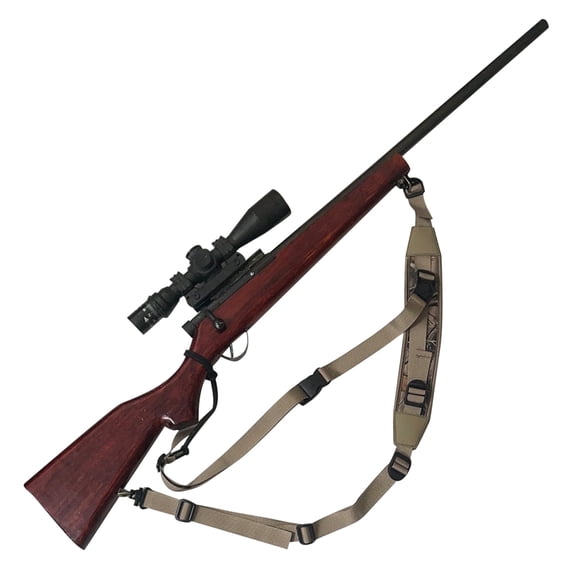

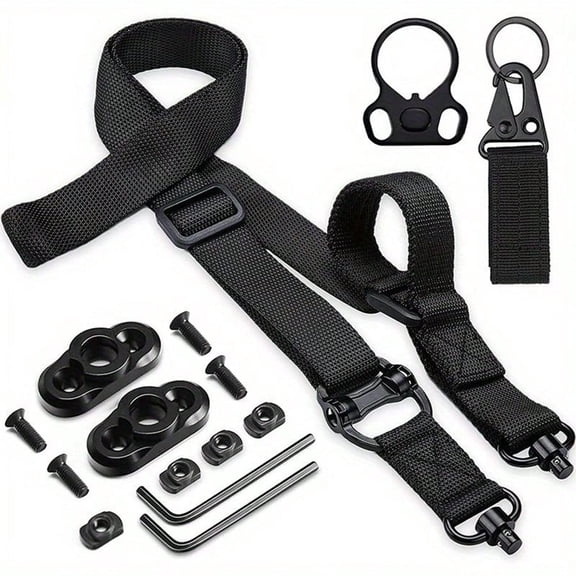
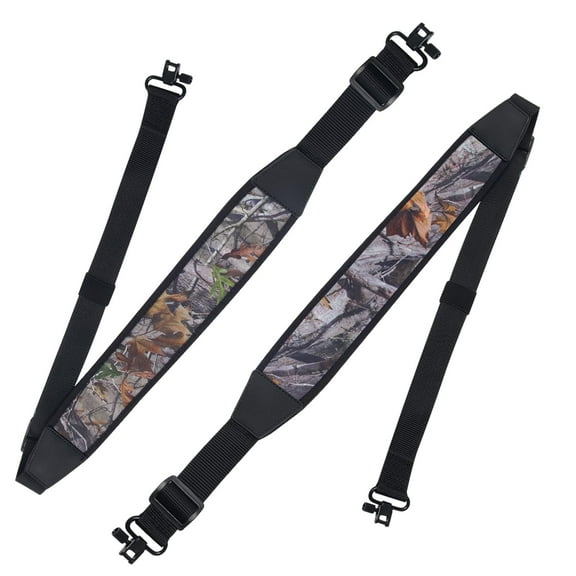
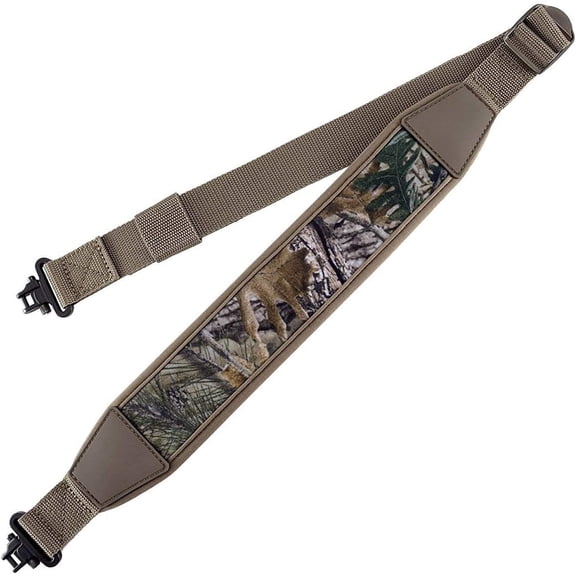












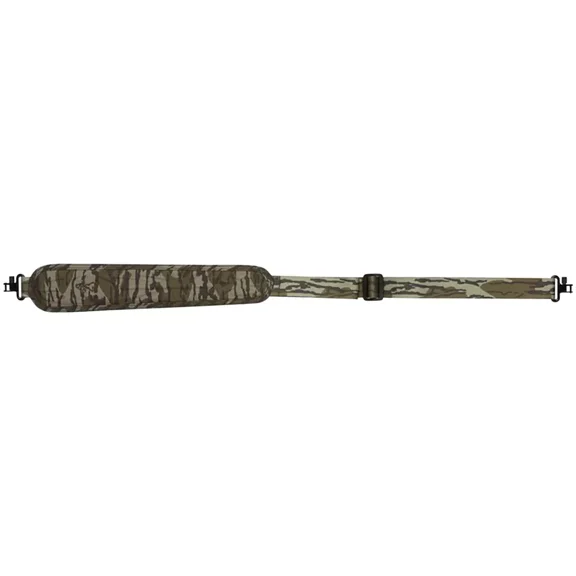
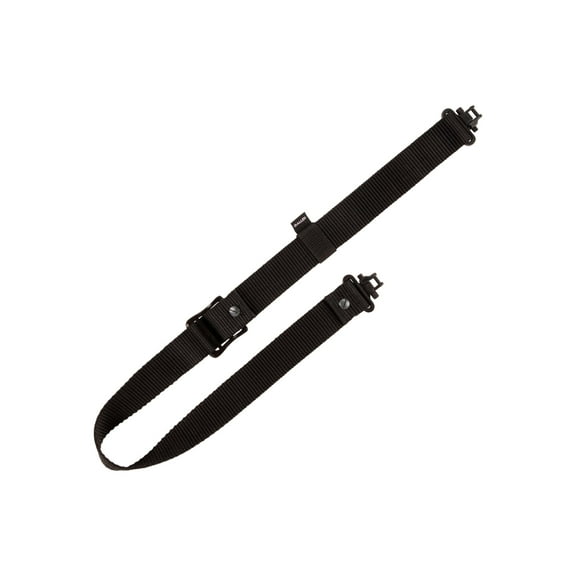
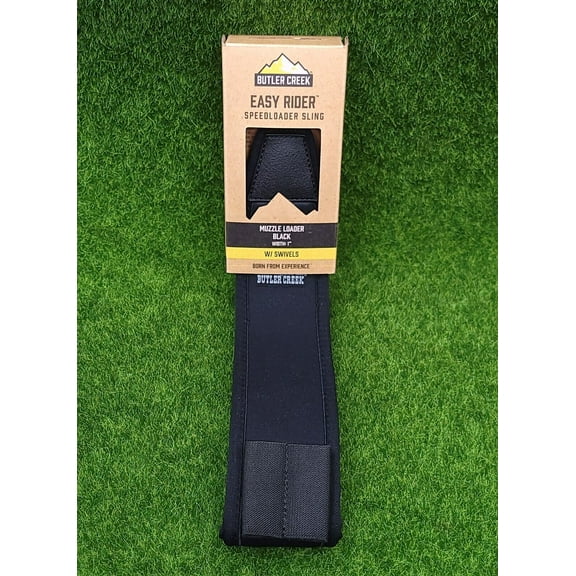
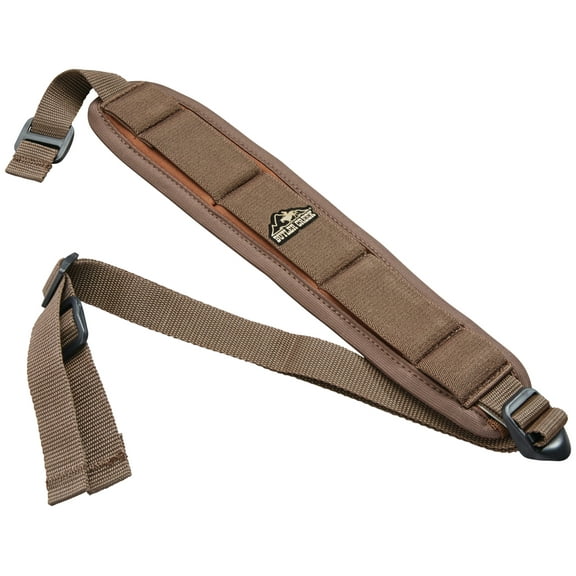












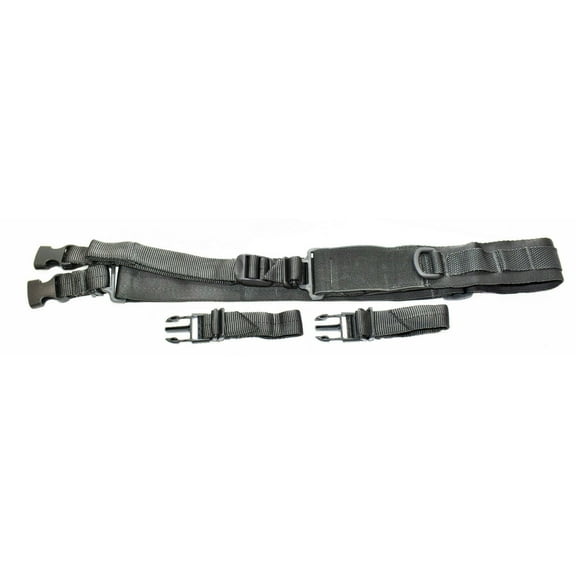
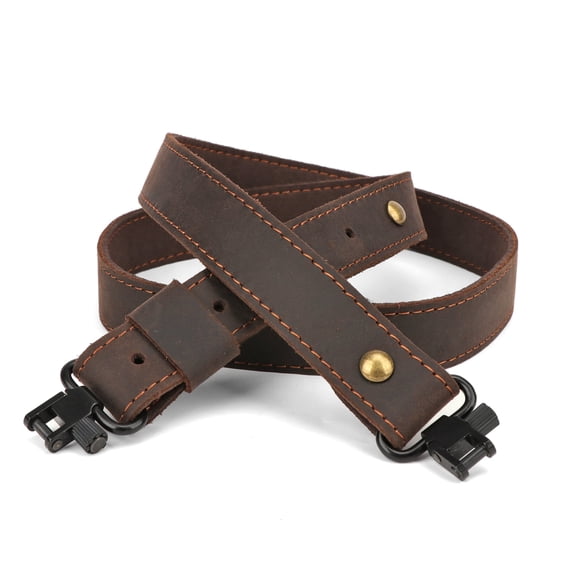

About Gun Slings in Gun Accessories - Walmart.com
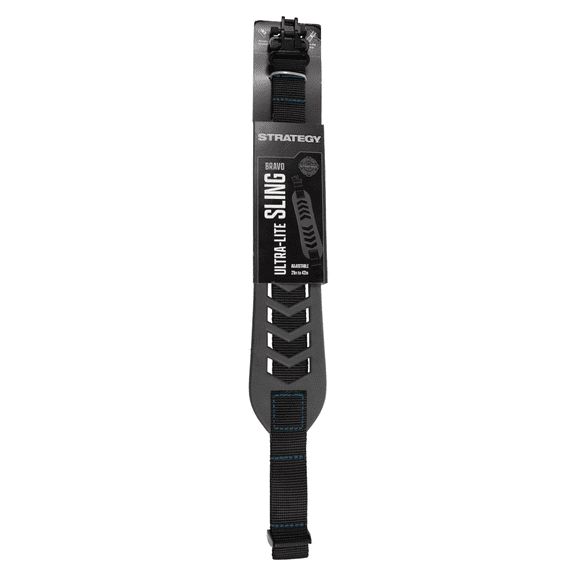
Gun slings help you carry your firearm with more control and comfort during long walks, range sessions, and field setups. You can compare sling types, materials, padding, and attachments to match your carry style and access needs.
How to choose gun slings for your setup
When you compare gun slings, you should start with sling type because it affects movement, balance, and carry position. You’ll also want attachment hardware that matches your firearm without extra guesswork.
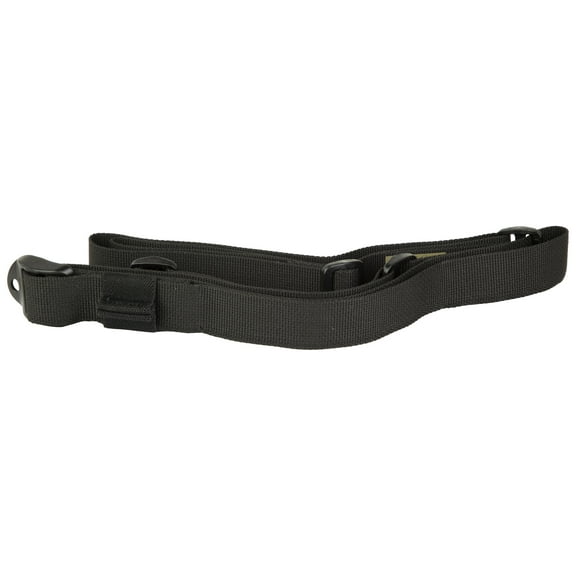
For many shoppers, two point slings offer a familiar carry style and steady weight distribution across your shoulder. If you move often, you may prefer a design that lets your firearm stay close to your body.
- You can use two-point styles when you want stable shoulder carry and simple adjustment.
- You may choose single-point styles when you want faster transitions in tighter spaces.
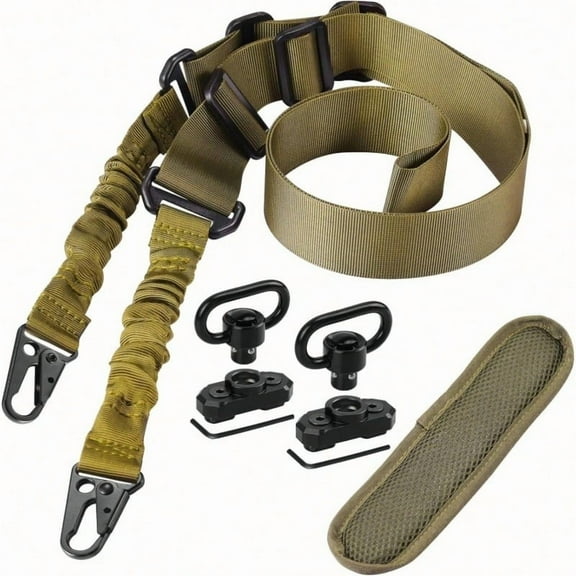
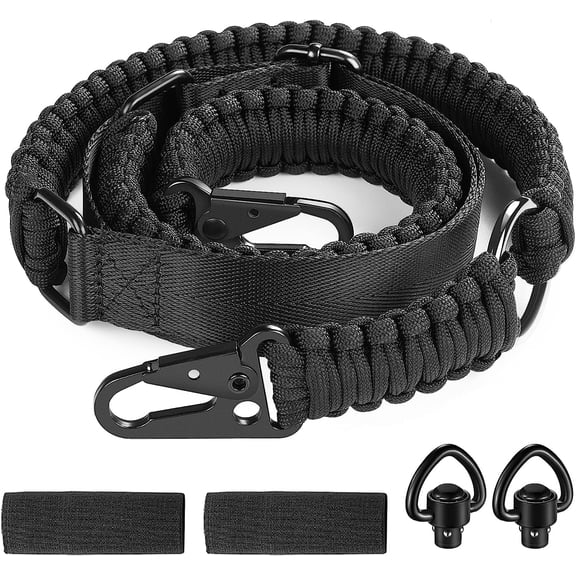
- You can consider three-point styles when you want extra support and multiple carry positions.
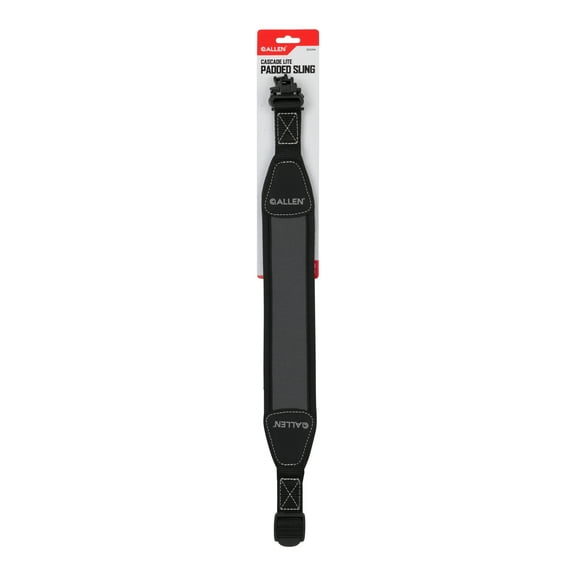
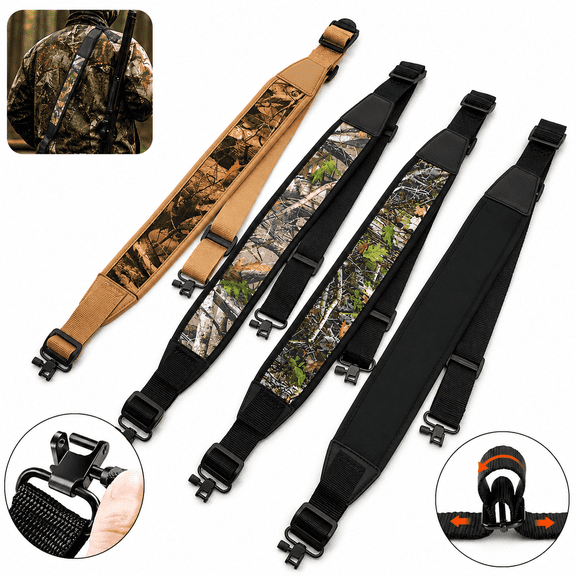
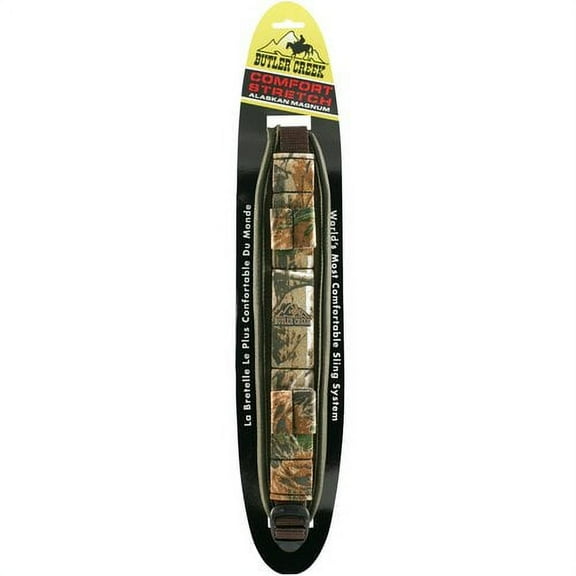
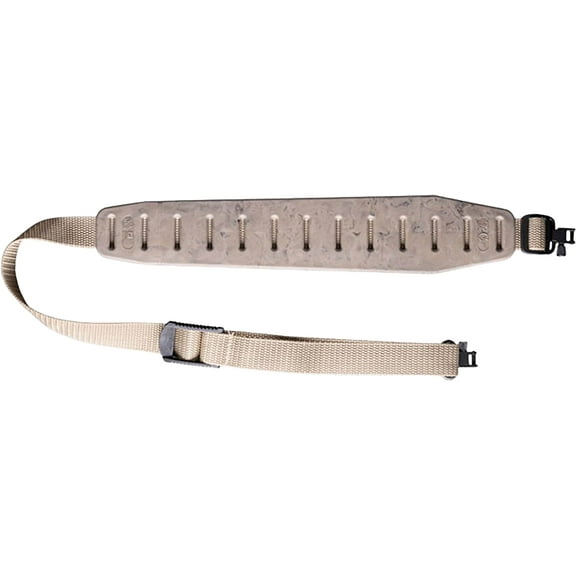
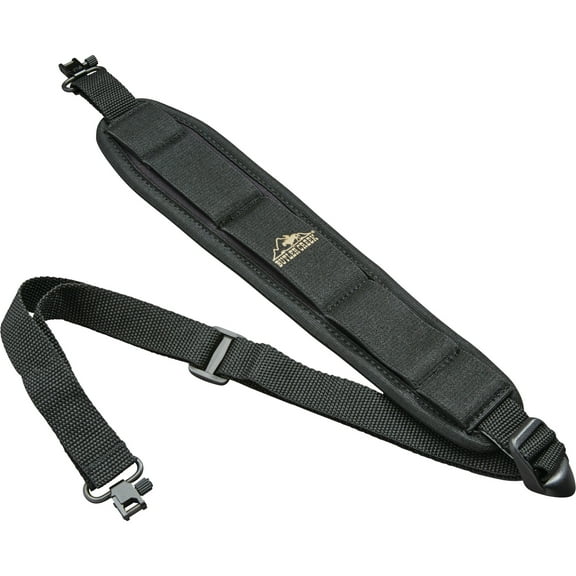
- You’ll notice padded options help your shoulder feel more comfortable on longer outings.
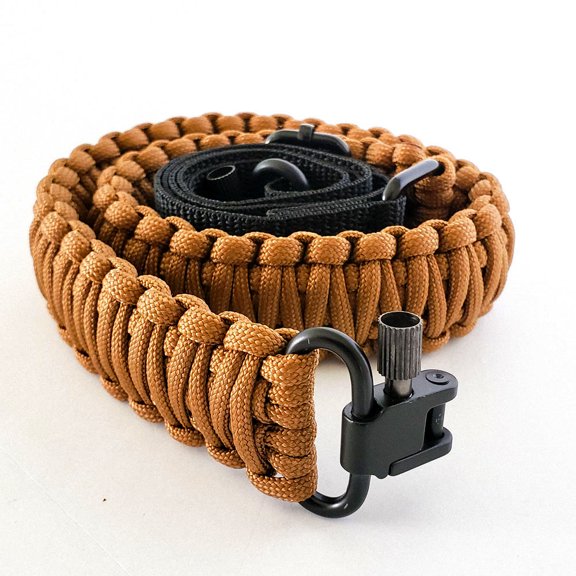
Material matters too because your sling’s feel changes with weather, clothing, and carry time. You can compare leather, nylon, neoprene, and canvas based on grip, flexibility, and appearance.
Choosing between rifle slings and tactical gun slings
Rifle slings often focus on steady carry for longer periods, especially when you cover ground outdoors. Tactical gun slings usually emphasize quick adjustment, close retention, and fast position changes.
If you hunt in changing terrain, hunting gun slings can help you keep your hands freer while you walk or climb. If you train or move through tighter areas, quick-adjust designs can help you shorten or loosen your carry length fast.
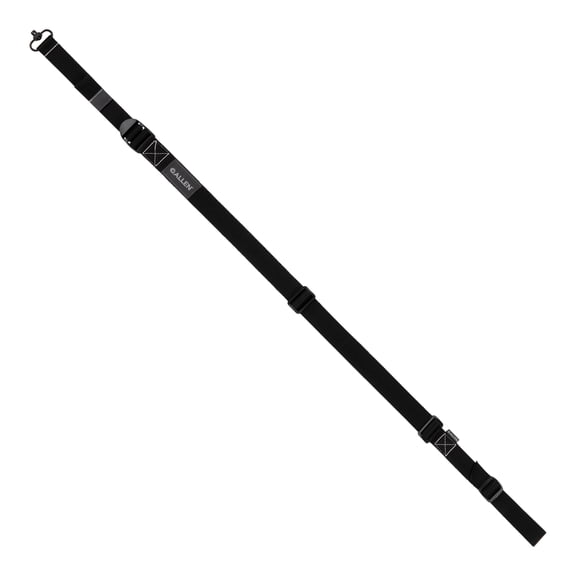
You should compare how the adjustment tab feels in your hand because small changes matter during active movement. You’ll want a sling that tightens smoothly and loosens easily without distracting from your setup.
What to look for in sling type and padding
Two-point, single-point, and three-point options each support your firearm differently across your torso and shoulder. You can choose based on how much stability, mobility, and support you want during carry.
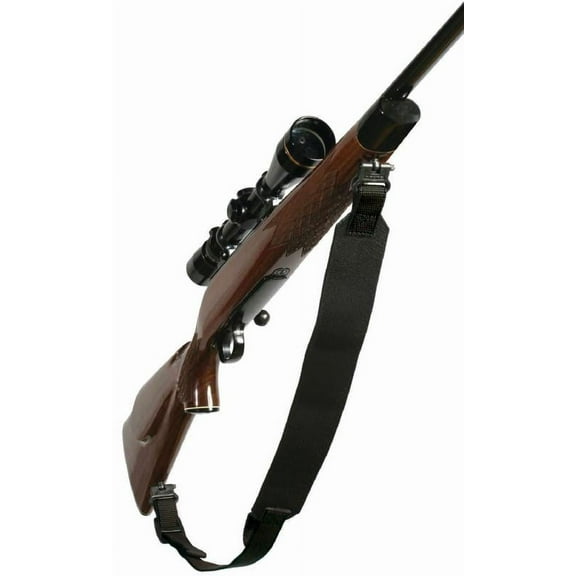
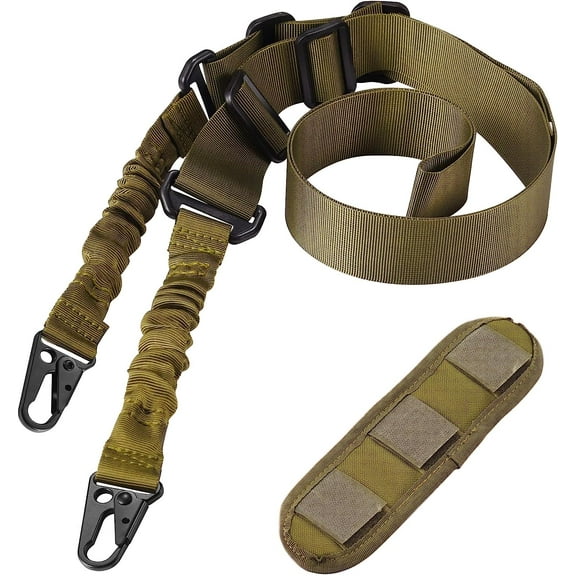
Two point slings work well when you want a balanced carry option for hunting, storage, or range transport. You may like them if you want a straightforward setup with broad compatibility.
Single-point styles keep your firearm hanging from one connection point near your body. You might choose that setup when you want easier shoulder transitions and quicker presentation.
Three-point styles add another section of support, which can change how your firearm rests during movement. You should compare strap routing carefully so your setup feels organized instead of bulky.
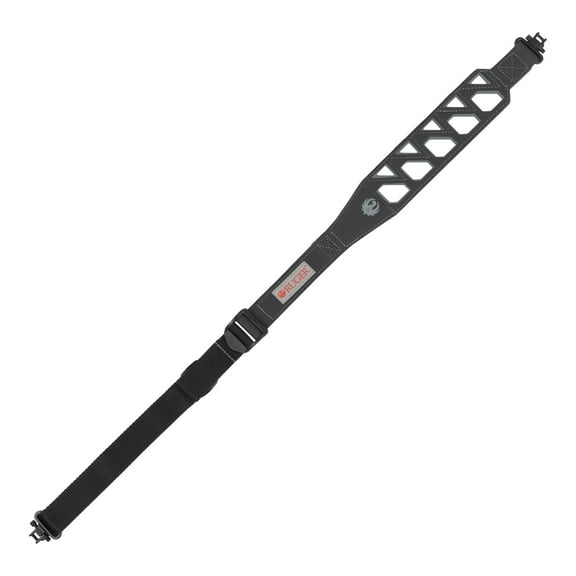
Padding is another key choice because it affects comfort over distance. Padded rifle slings can feel easier on your shoulder when you carry a heavier setup for longer stretches.
Unpadded options can feel lighter and less bulky when you want a simpler profile. You may prefer them when your setup is lighter or when you wear layers that already cushion your shoulder.
Comparing materials and attachment types
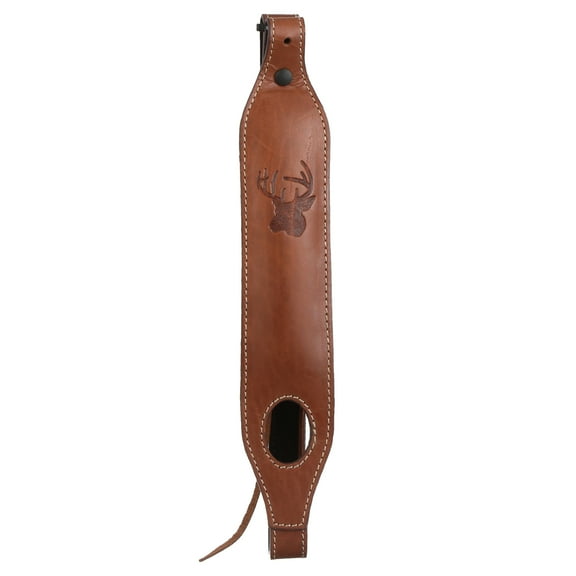
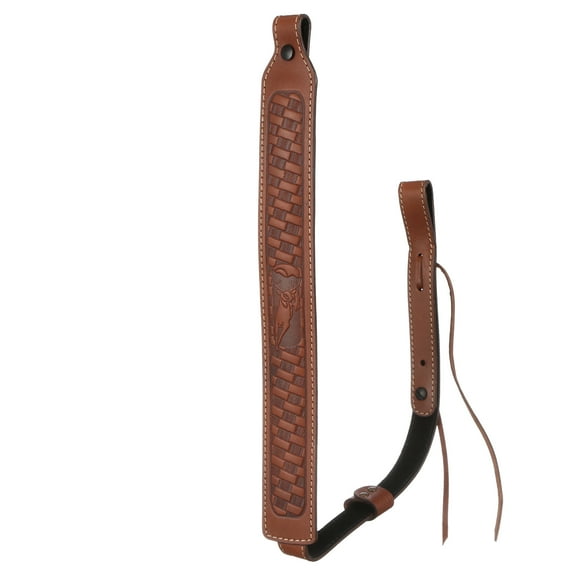
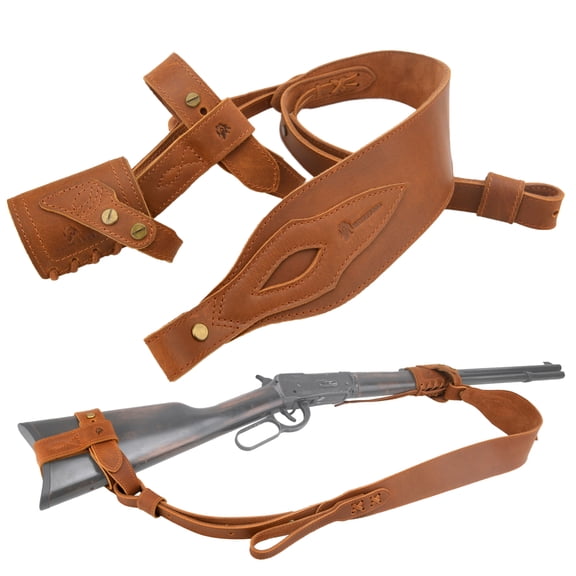
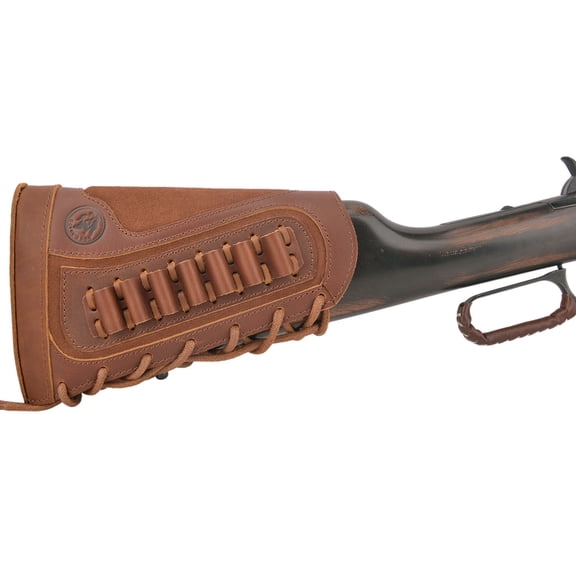
Leather gun slings often give you a classic look and a structured feel during carry. You may prefer leather when you want a traditional appearance for field use or display-minded setups.
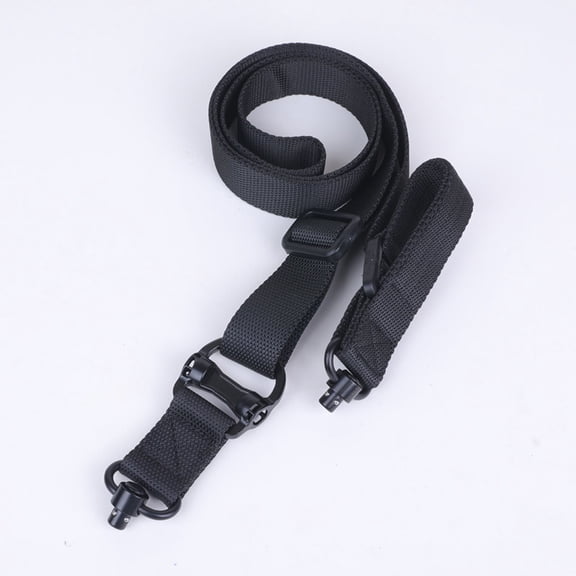
Nylon slings usually feel flexible and easy to adjust, which can suit active carry styles. Neoprene can add softness against your shoulder, while canvas can offer a firm, rugged feel.
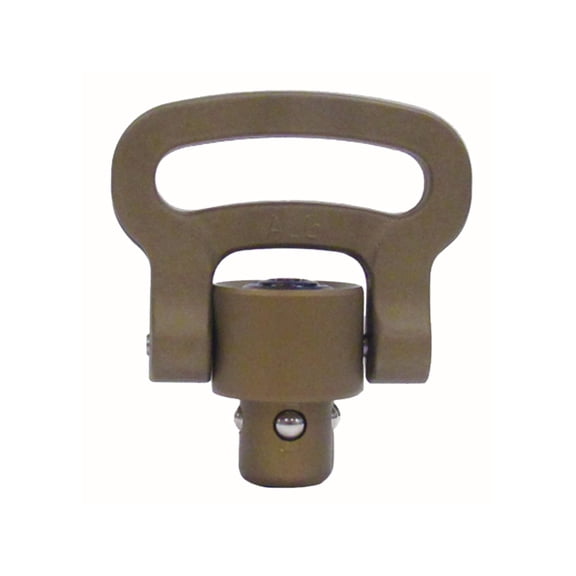
Attachment type is a key check because fit depends on your firearm’s hardware. You should confirm swivel size, QD mount compatibility, or HK hook fit before you choose.
Swivel attachments can work well when your firearm already accepts sling swivels in the right size. QD mount systems can suit setups where you want fast on-and-off attachment with matching sockets.
HK hook styles connect differently and may appeal to you if your setup uses looped mounting points. You should measure connection points and check hardware style so your sling matches without modification.
Matching your gun sling to real use
If you spend long mornings outdoors, you may want hunting gun slings with padding and a stable two-point design. That combination can help your firearm ride comfortably while you cover uneven ground.
For range use, you might want rifle slings that adjust easily between standing carry and bench breaks. You can compare strap width and padding when you want comfort without extra bulk.
If you use a more active setup, tactical gun slings may fit your routine with quick-adjust tabs and close-body carry. You’ll want to check whether your attachment points support swivel, QD, or hook hardware.
When you switch between outerwear and lighter clothing, adjustable length becomes even more important. You can keep your carry position consistent by choosing a sling with enough range for seasonal layers.
If your firearm feels front-heavy, you may want a wider or padded strap for improved weight distribution. You’ll often notice that small comfort details matter more during longer carry times.
When you want a classic field look, leather materials can complement wood stocks and traditional hunting setups. If you want lighter, all-weather handling, nylon or neoprene may suit your routine more closely.
You can choose with more confidence when you compare sling type, material, padding, and attachment compatibility together. The right combination helps your firearm carry comfortably, adjust smoothly, and stay aligned with your intended use.