

Styrofoam Planes(1)
Sofullue Styrofoam Glider Hand Throw Plane Outdoor Sports Toys for Creative Childrens To $8.19
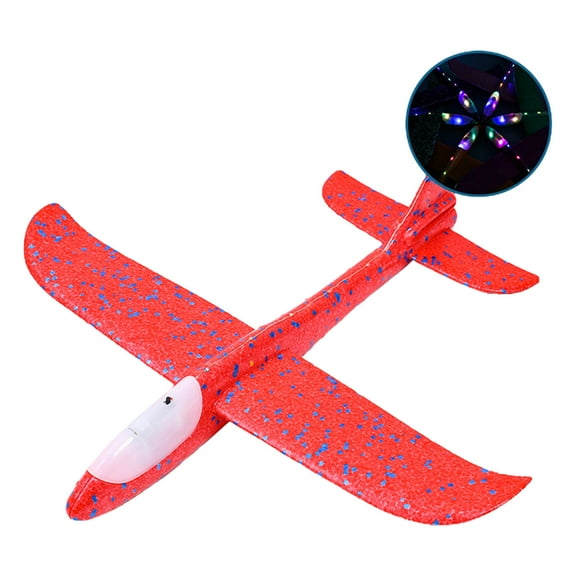
Sofullue Styrofoam Glider Hand Throw Plane Outdoor Sports Toys for Creative Childrens To
FAQ
What glue works on foam glider planes?
For quick, clean repairs on foam glider planes, choose adhesives that won’t melt foam and keep weight low.
- Foam‑safe options: White craft glue (PVA), low‑temperature hot glue, or cyanoacrylate labeled foam‑safe can work well.
- Prep first: Lightly clean and dry the surfaces, then test‑fit. A gentle scuff with fine sandpaper can help adhesion.
- Go light: Use thin layers and hold parts with tape or rubber bands while curing to avoid adding weight.
- Avoid: Solvent‑based glues (they may dissolve foam).
Always follow the glue’s instructions, allow proper cure time, and supervise kids during repairs. Results can vary based on materials and conditions.
How can I make a foam glider fly better?
A few small tweaks can help glide performance without overcomplicating things.
- Balance: Aim for a slight nose‑heavy balance. A tiny bit of removable putty at the nose can reduce stalls.
- Trim surfaces: Gently bend the rear elevator slightly up for more lift, or down for faster, flatter flight. Keep adjustments small and even.
- Wing alignment: Make sure both wings are straight and symmetrical; correct any twists.
- Throw technique: Launch level into a light breeze outdoors and use smooth, consistent throws.
- Keep it light: Avoid adding extra weight with heavy tape or thick glue.
Tuning is trial‑and‑error, and results may vary with design and conditions.
What should I expect for foam glider assembly?
Most toy foam gliders are designed for quick, simple setup.
- Typical process: Slide the wing and tail surfaces into the fuselage slots and press firmly until snug. Many models are tool‑free.
- Time: Assembly often takes just a few minutes for an adult.
- Check the listing: Some arrive pre‑assembled, while others are press‑fit kits. Review the item page for what’s included and any instructions.
- Help for kids: Younger children may need guidance aligning parts and handling gently.
Take care not to force pieces; a careful fit can help durability and flight consistency. If instructions are included, follow them for best results.
Where can I fly foam gliders safely?
Choose open, clear spaces and be mindful of people and surroundings.
- Outdoors: Parks, fields, or large backyards work well. Avoid roads, parking lots, power lines, and crowded areas.
- Indoors: If space allows, use rooms with high ceilings and keep clear of fragile items. Softer, lightweight gliders are better for indoor play.
- Weather: Calm conditions or a light breeze are easier for beginners; strong wind can make control difficult.
- Etiquette: Follow local rules for public spaces and be respectful of others.
Adult supervision is recommended for younger kids, and flight areas may vary based on local conditions.
Which foam glider size is right for kids?
Pick a size that matches the child’s space and skill level.
- Smaller/lighter gliders: Easier for younger beginners to launch and handle, and they need less room.
- Larger gliders: May glide farther in open areas but usually require more space and a steadier throw.
- Durability and visibility: Look for soft foam with rounded edges and bright colors that are easy to spot.
- Check the item page: Review age recommendations, dimensions, and customer reviews to gauge suitability.
If you’re buying online, you can compare specs and see available pickup or delivery options at checkout. Needs can vary by child and play area.
Popular in Shop Styrofoam Planes for Kids Toys
Related Products
TYMZDYN Airplane Toys, Metal Plane Pull Back Airplane Toys for 3 4 5 6 Years Old Boys Girls, Die Cast Aircraft Plane Models, Kids' Play Vehicles Aeroplane Airplanes for Kids Birthday Easter Gifts
 TYMZDYN Airplane Toys, Metal Plane Pull Back Airplane Toys for 3 4 5 6 Years Old Boys Girls, Die Cast Aircraft Plane Models, Kids' Play Vehicles Aeroplane Airplanes for Kids Birthday Easter Gifts$12.59current price $12.59
Glider Planes,Plane Airplane Old Boy Mode Air Sport 5 6 3 4 With Led 4 5 7 Year Old 7 8 9 Air Plane Led Airplane 18.9 Led Sport 7 Plane Toy Kids Mode Plane Toy Sport Birthday Party
 Glider Planes,Plane Airplane Old Boy Mode Air Sport 5 6 3 4 With Led 4 5 7 Year Old 7 8 9 Air Plane Led Airplane 18.9 Led Sport 7 Plane Toy Kids Mode Plane Toy Sport Birthday Party$8.81current price $8.81
JBeeCtrl Airplane Toys for Kids, Bump and Go Action, Toddler Toy Plane with LED Flashing Lights and Sounds for Boys & Girls 3 -12 Years Old
 JBeeCtrl Airplane Toys for Kids, Bump and Go Action, Toddler Toy Plane with LED Flashing Lights and Sounds for Boys & Girls 3 -12 Years Old$17.98current price $17.98
Airplane Toy LED Light Up Flight Mode Aircraft Hand Throwing Planes Flying Toys Best Gift Birthday Party for Kids Kids Children
Airplane Toy LED Light Up Flight Mode Aircraft Hand Throwing Planes Flying Toys Best Gift Birthday Party for Kids Kids Children
Kids Helicopter Toy Diecast Military Helicopter Model Kit,Pull Back Toy Helicopter with Lights and Sound,Toy Airplane with Rotatable Propeller,Helicopter Toys for Boys Age 4-7(Blue)
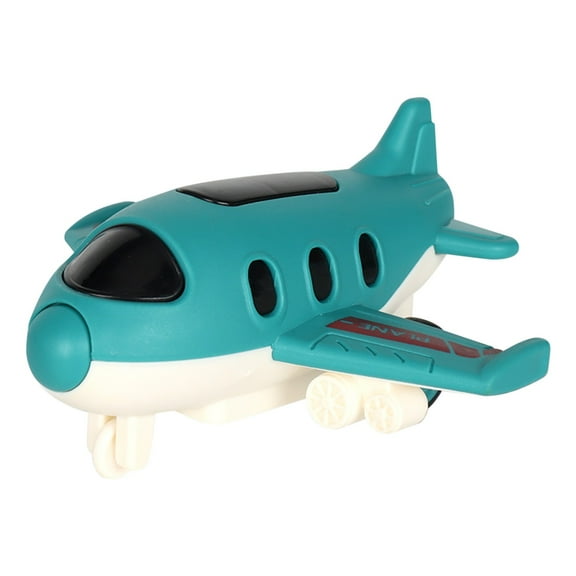 Kids Helicopter Toy Diecast Military Helicopter Model Kit,Pull Back Toy Helicopter with Lights and Sound,Toy Airplane with Rotatable Propeller,Helicopter Toys for Boys Age 4-7(Blue)$4.24current price $4.24
Nsxcdh Foam Glider Airplane Toys,LED Light Up Airplanes Outdoor Flying Toy Summer Fun Must-Have for Girls and Boys Outdoor Sport Toys Party Favors
 Nsxcdh Foam Glider Airplane Toys,LED Light Up Airplanes Outdoor Flying Toy Summer Fun Must-Have for Girls and Boys Outdoor Sport Toys Party Favors$8.99current price $8.99

