

Stud Finders in Hand Tools














About Stud Finders in Hand Tools - Walmart.com
Stud finders help you place shelves, mirrors, and TVs with cleaner accuracy. You can compare magnetic tools, sensor models, and wall scanner options for drywall, plaster, and lath projects.
Choosing stud finders by technology type
When you compare technology types, you should start with how you plan to work. You may prefer simple detection or you may want a screen, alerts, and added sensing modes.
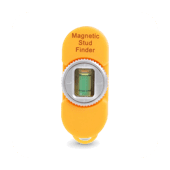
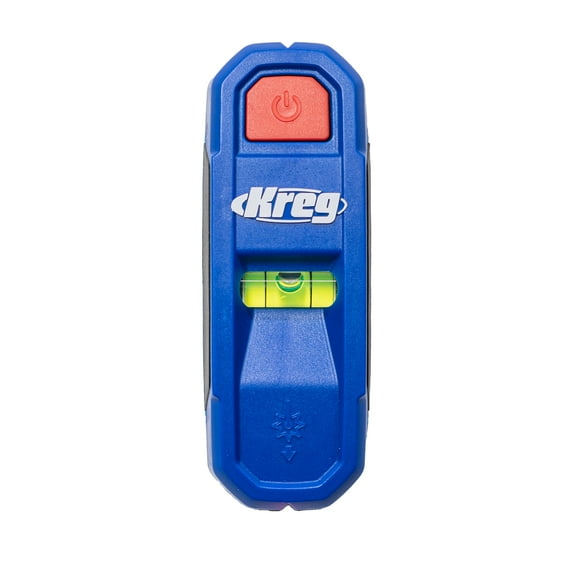
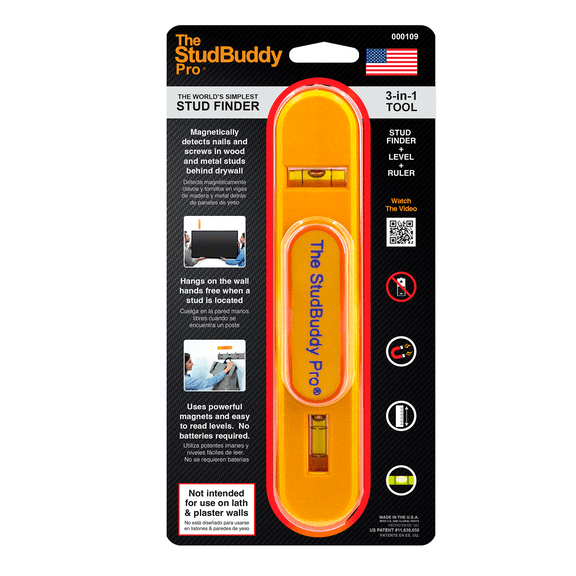
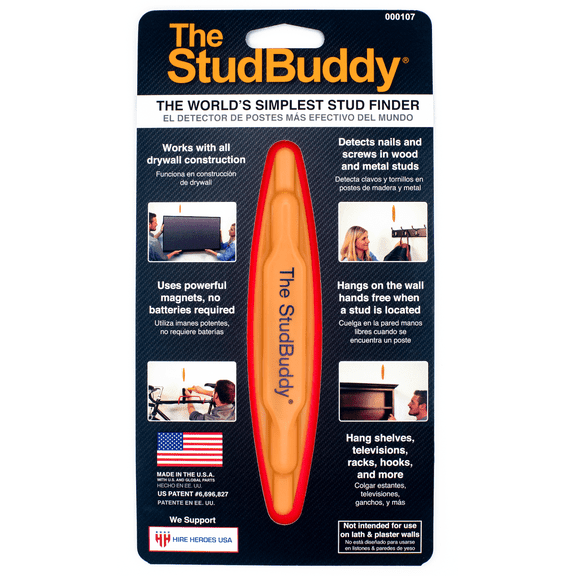
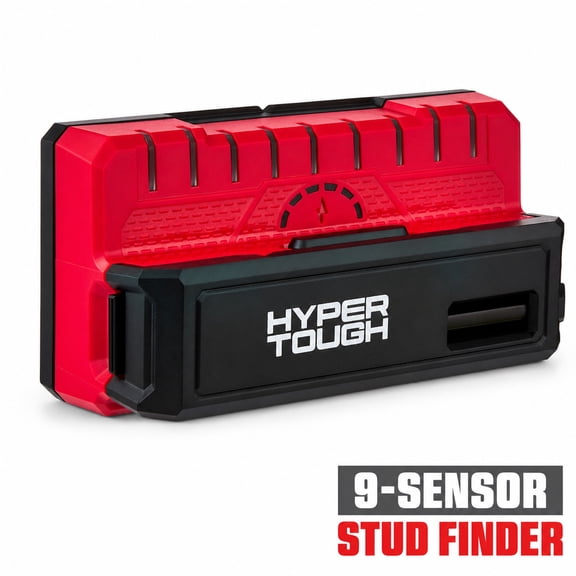
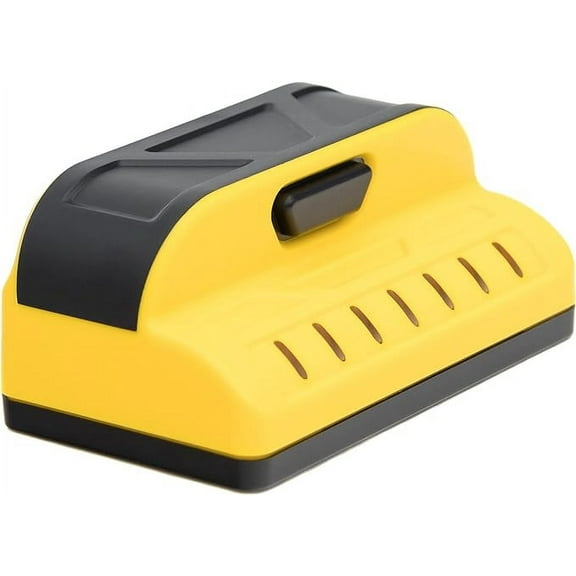
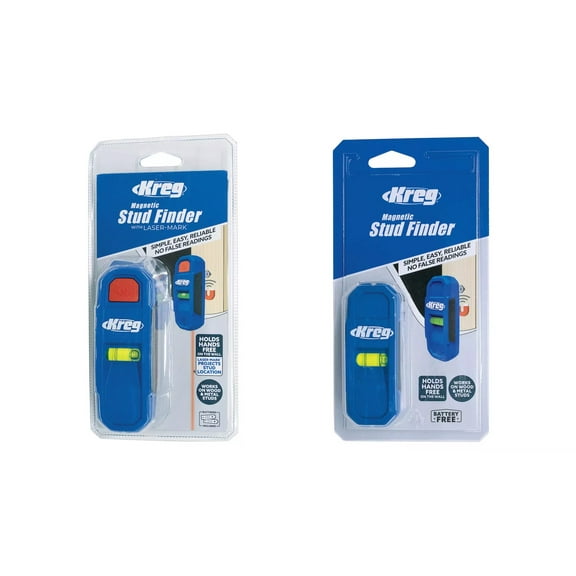
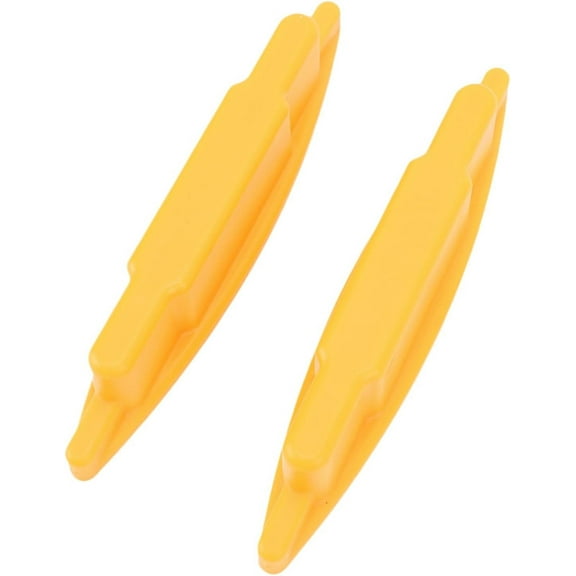
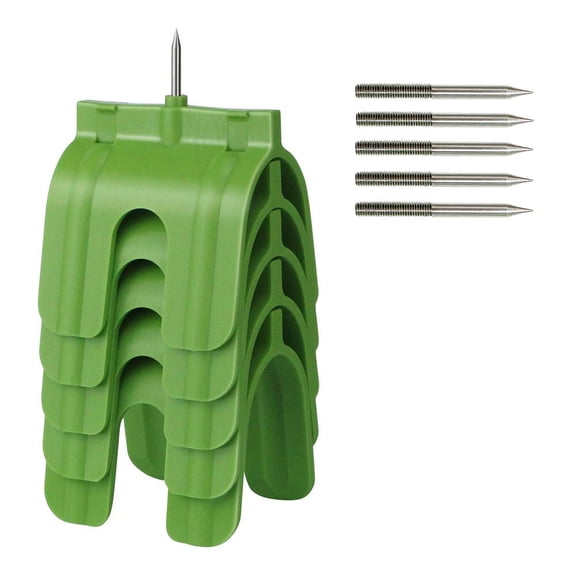
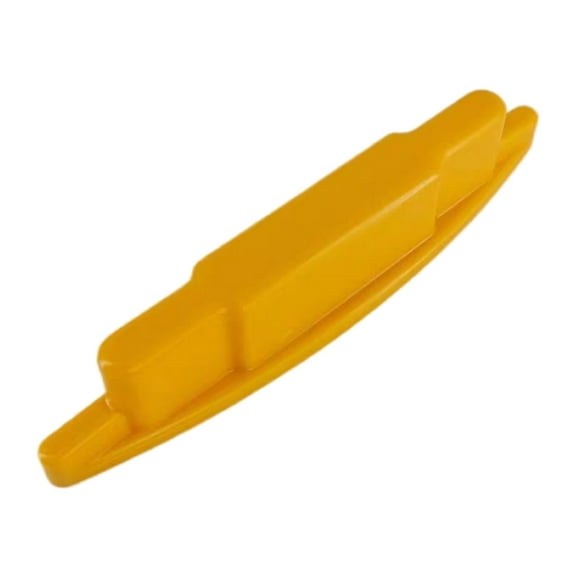
If you choose a magnetic stud finder, you’ll use a magnet pull to locate metal fasteners behind the wall. You may like that approach for quick checks, battery-free storage, and familiar use.
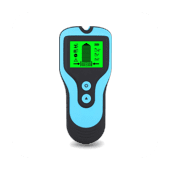
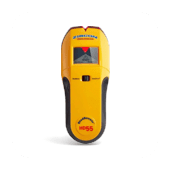
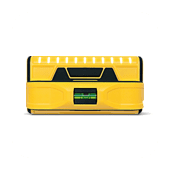
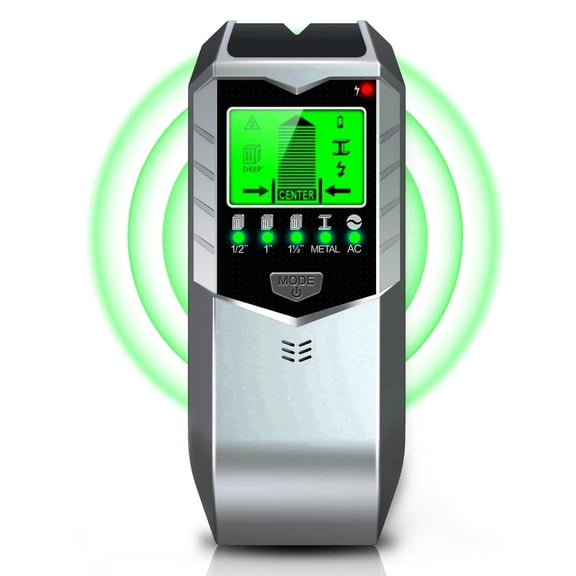
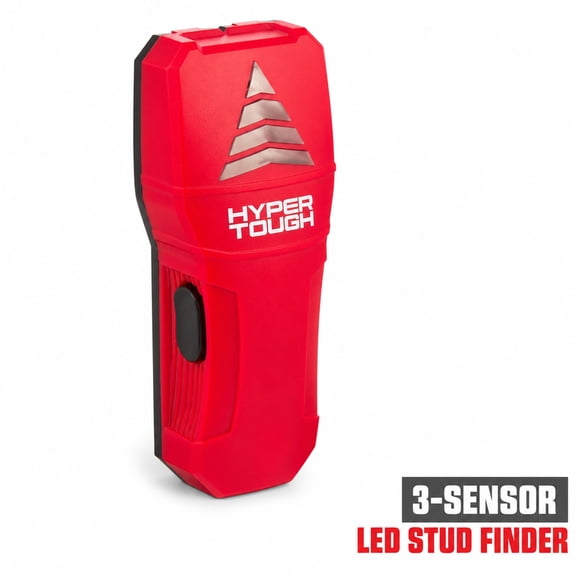
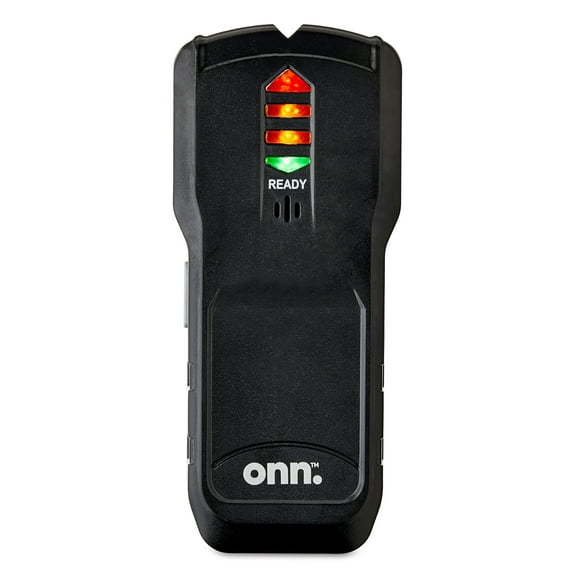
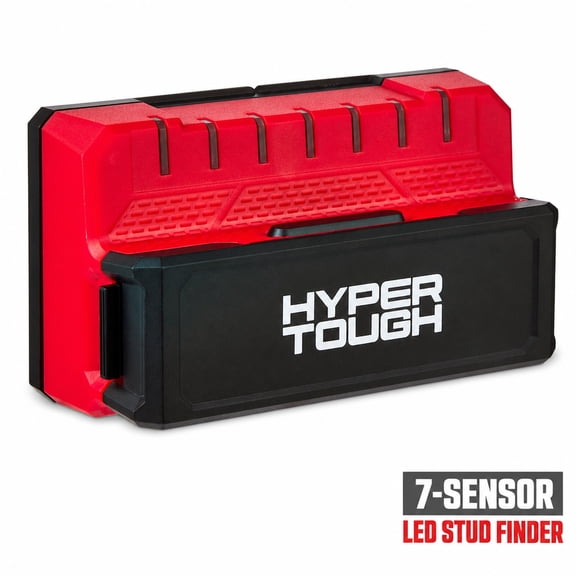
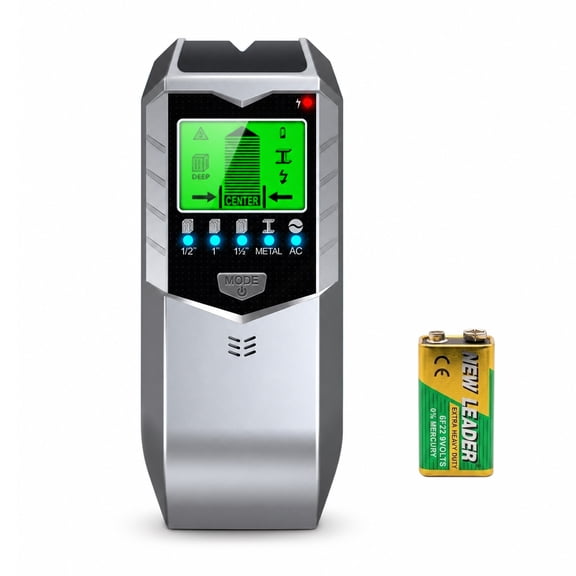
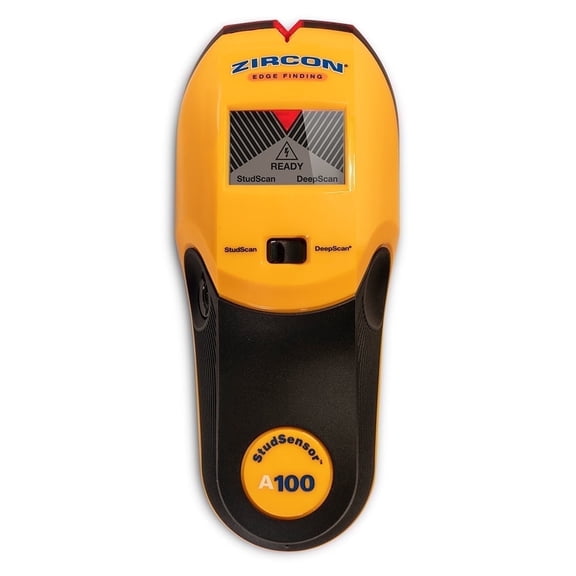
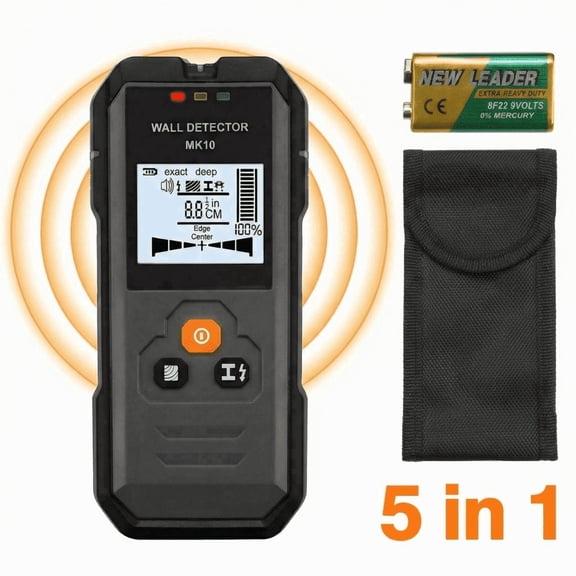
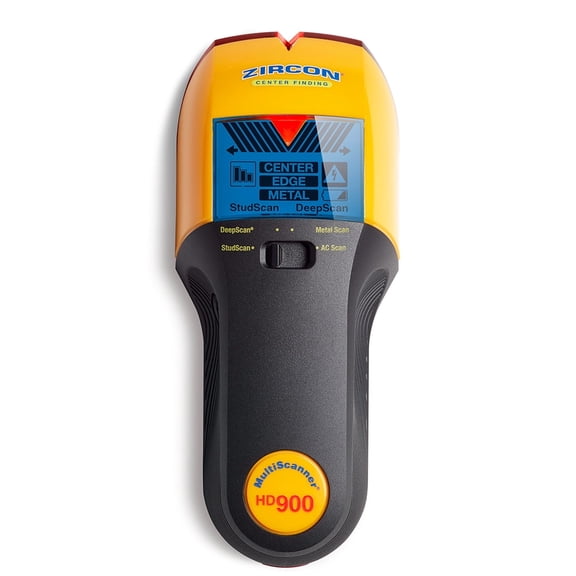
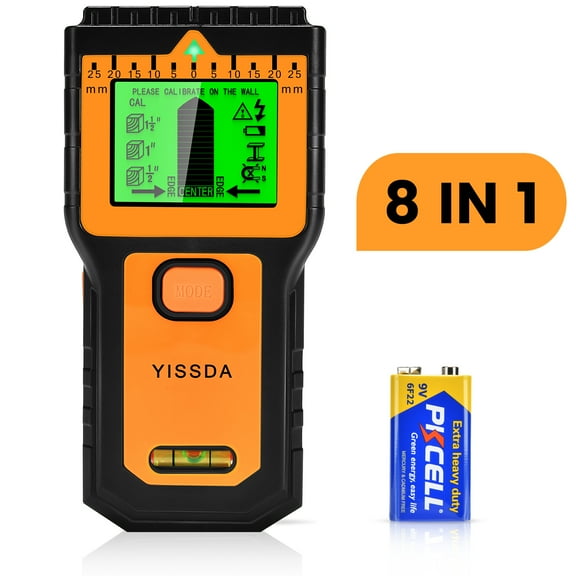
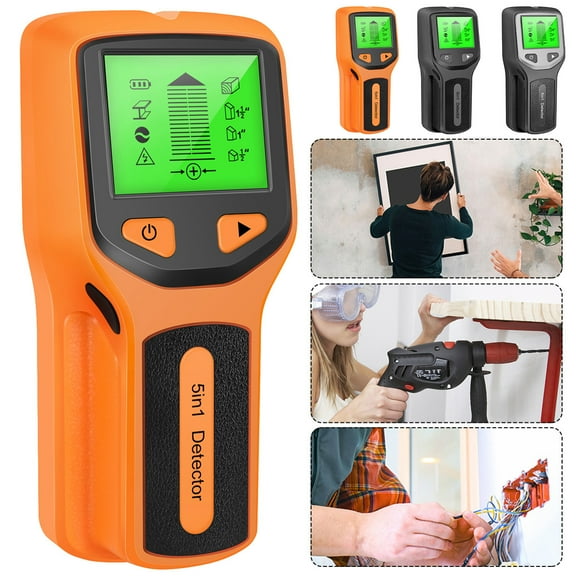
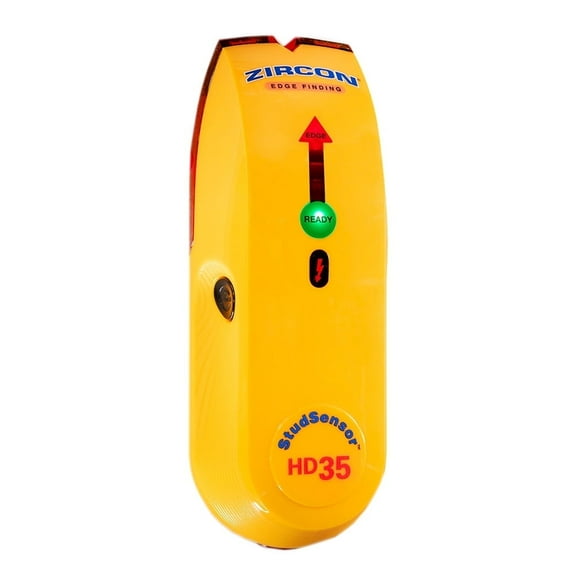
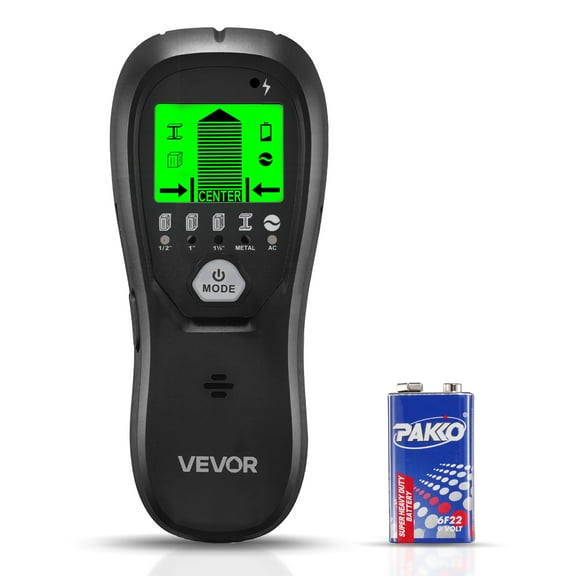
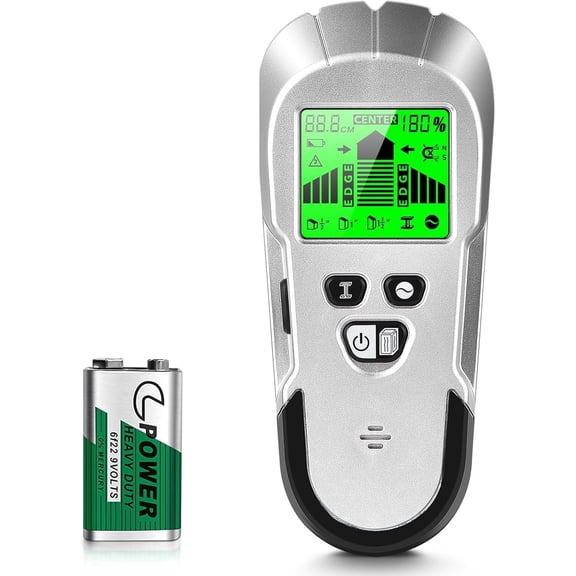
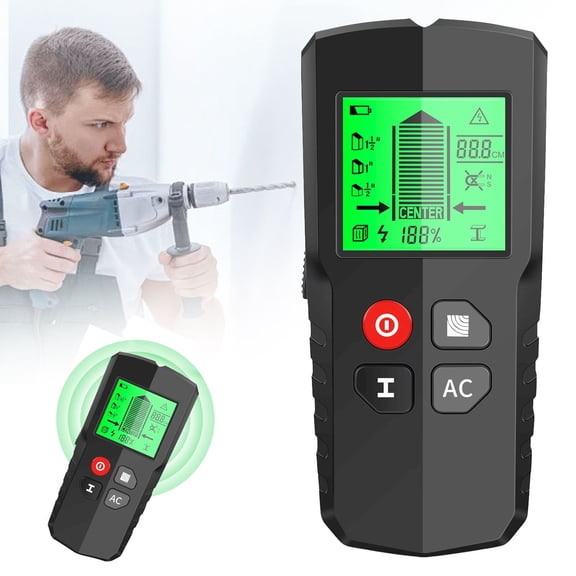
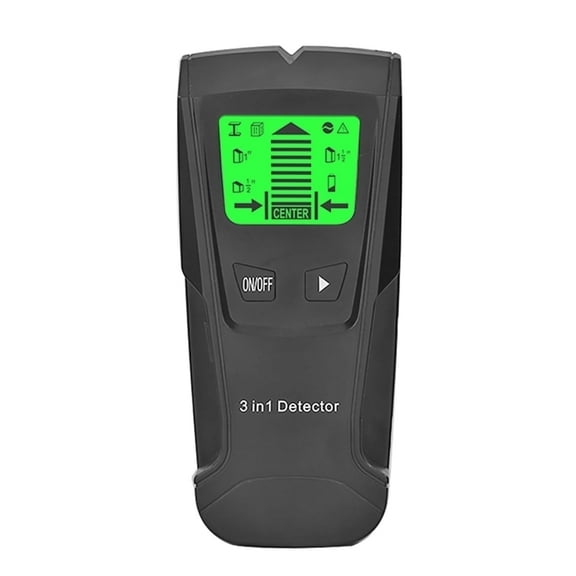
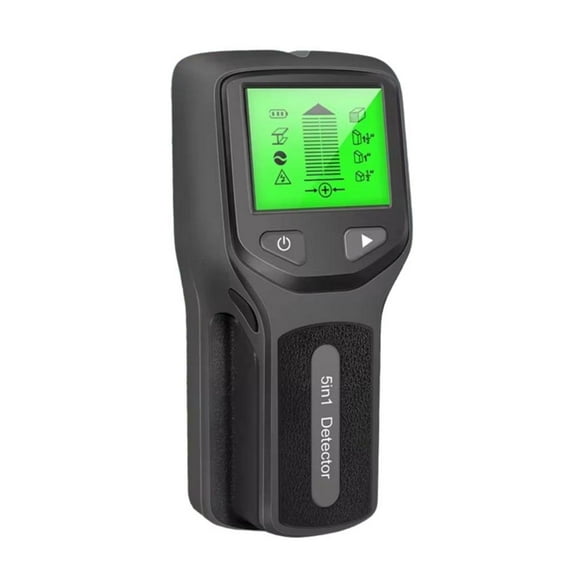
If you choose an electronic stud finder, you’ll scan wider areas and read results on a display or light strip. You can often check edges, centers, and added targets with fewer passes.
When you consider radar or ultrasonic options, you should compare how much wall detail you want before drilling. You may want those tools for more advanced readouts on layered surfaces.
- You can choose magnetic tools when you want simple operation and compact storage.
- You can choose electronic tools when you want lights, sound cues, and guided scanning.
- You can compare wall scanner designs when you want broader material detection.
- You should match the tool type to your wall surface and mounting project.
How to choose a magnetic stud finder or electronic stud finder
You should think about your wall material before you pick a tool. You may get different results on standard drywall, plaster, or older lath walls.
On half-inch drywall, you can often use either style for common hanging jobs. You may prefer sensor guidance when you want clearer edge tracking across longer spans.
On plaster and lath, you should look for stronger sensing support and steady calibration. You may notice that dense wall layers call for slower passes and clearer readouts.
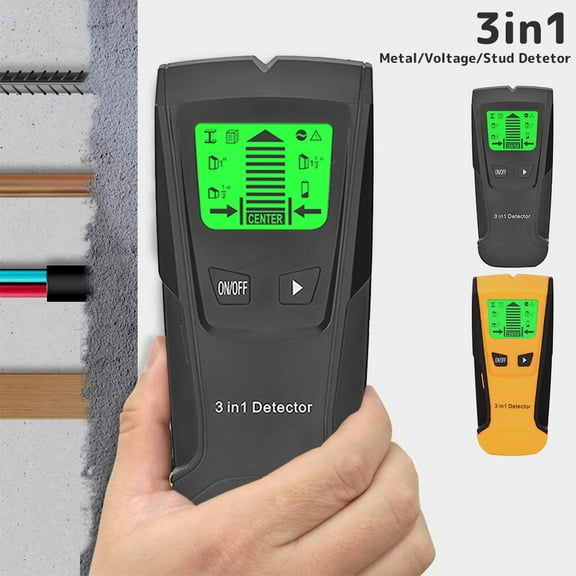
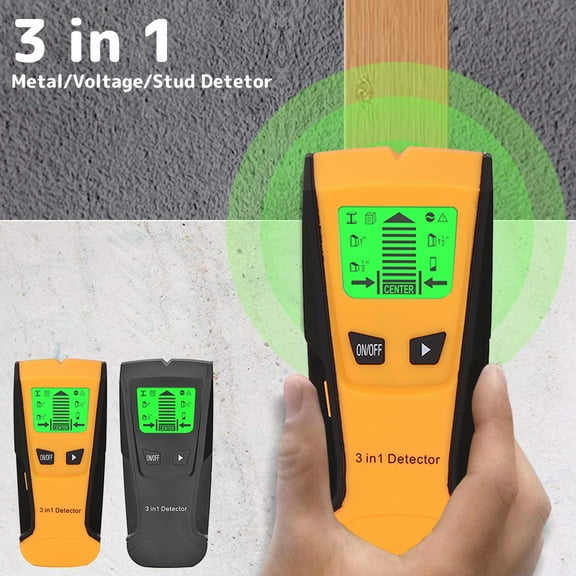
If you need a wood and metal stud finder, you should check whether the tool detects both framing types. You can narrow your search faster when your wall may hide mixed materials.
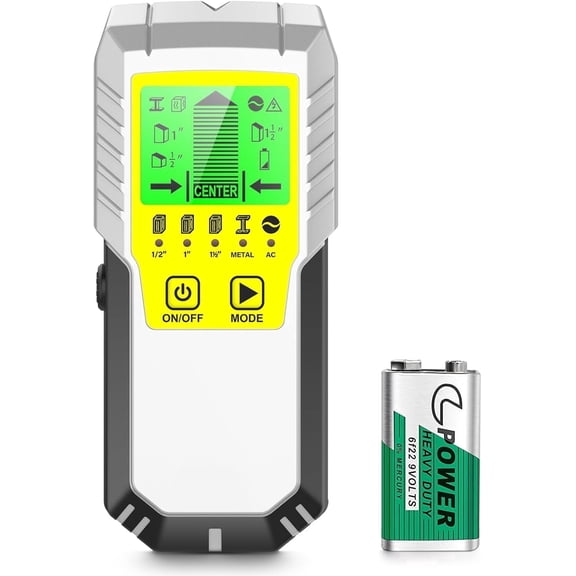
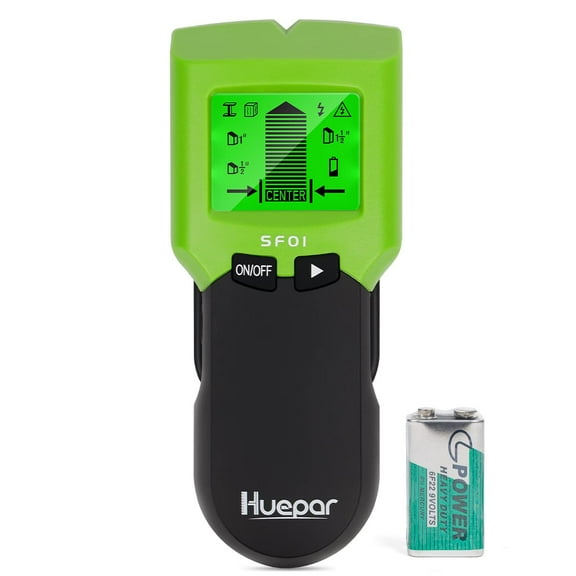
When you compare sensor types, you should look at edge finding versus center finding. You may want a center finding stud finder when you need the middle point for mounting brackets.
With edge finding, you’ll trace the sides of the stud and mark both borders. With center finding, you can place fasteners with a more direct midpoint reference.
Choosing detection depth and wall scanner features
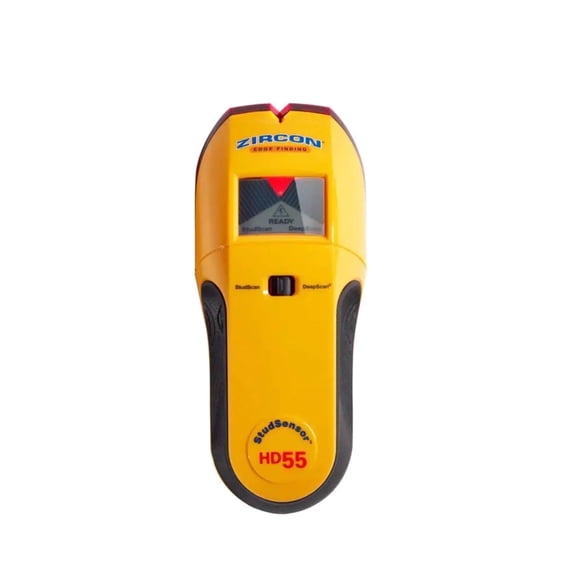
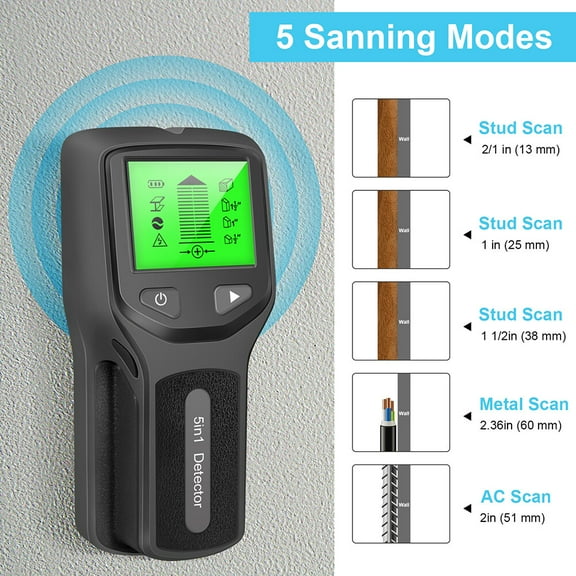
You should match detection depth to the wall in front of you. You may only need standard scanning for single-layer drywall, or deep scan for thicker surfaces.
If your wall has tile backer, double drywall, or added paneling, you should check for deep scan settings. You can gain more useful reach when the surface adds thickness.
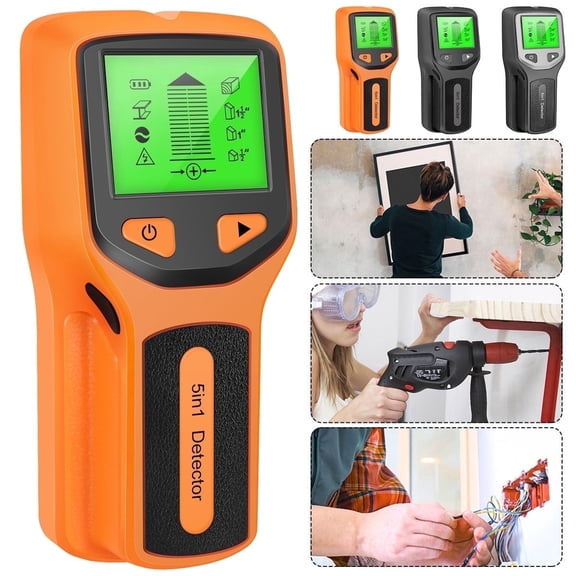
You should also compare display style, audio alerts, and calibration steps before you decide. You may work faster when your tool shows direction arrows, center marks, or clear status lights.
When you want fewer guess marks, you should look for a wall scanner with stable guidance. You can track movement more easily when the screen updates as you slide.
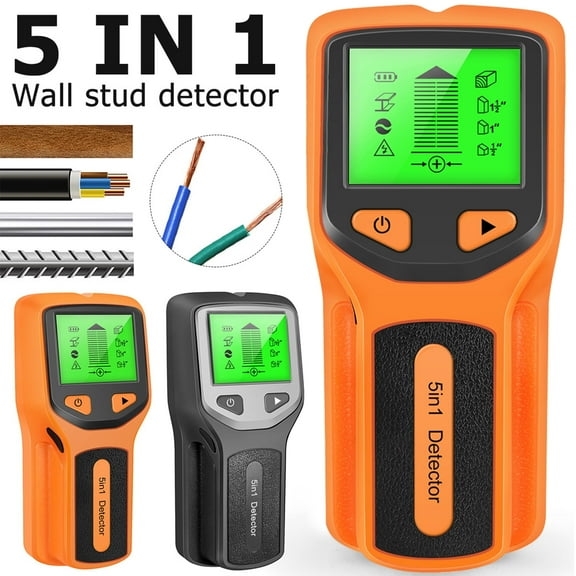
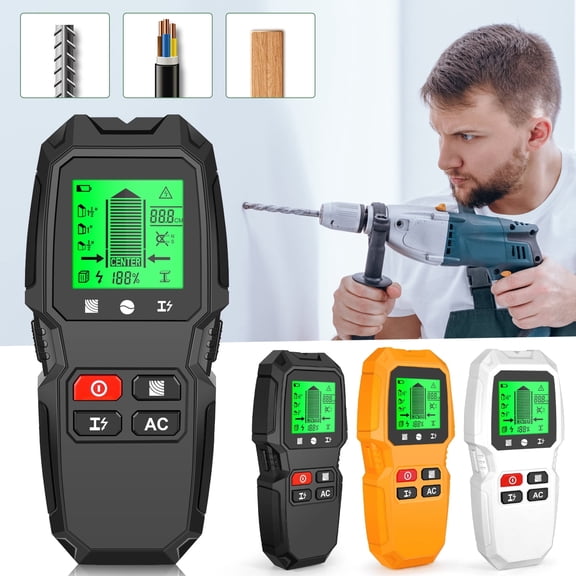
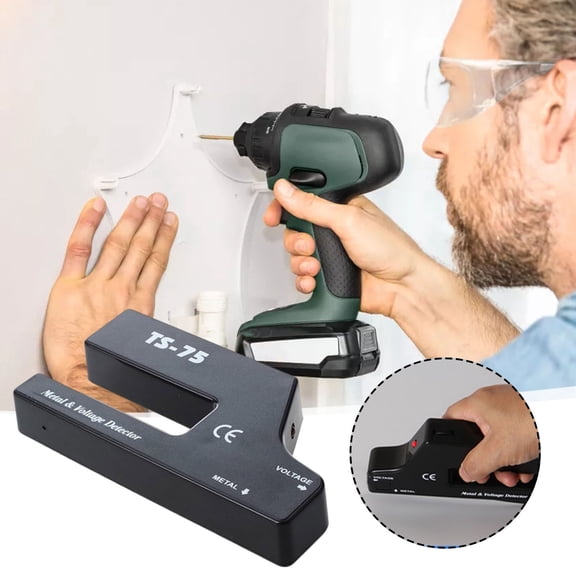
AC voltage warning is another key feature you should compare carefully. You may want live AC wiring detection when you’re drilling near switches, outlets, or remodeled wall sections.
You should also check whether the tool notes plastic pipes or metal targets. You can plan cuts and mounting points with more confidence when multiple materials matter.
Using stud finders for real projects at home
You can use stud finders when you’re hanging a TV, floating shelf, mirror, or curtain hardware. You’ll get cleaner placement when you mark the stud path before you drill.
For picture ledges or coat hooks, you may want a compact magnetic stud finder for quick checks. You can move from room to room easily when you want a simple tool.
For cabinets, large mirrors, or wall-mounted storage, you may prefer an electronic stud finder with center marking help. You can line up brackets more precisely across several stud locations.
If you’re updating a basement or workshop, you should compare deep scan tools for covered framing. You may need extra depth when finished walls add layers over the studs.
When you work on older homes, you should account for plaster, lath, and uneven wall surfaces. You can improve your results by choosing slower scan guidance and clear calibration feedback.
You may also want live wire alerts when you’re placing anchors near outlets and switches. You can check the area first and map your mounting line with fewer surprises.
If you’re choosing one tool for mixed projects, you should compare a wall scanner with wood, metal, and AC sensing. You can handle shelves today and workshop storage next weekend.
What to look for before you choose stud finders
You should compare technology type, wall material compatibility, depth range, and sensor style before you decide. You can narrow the field quickly when you match those details to your project.
With the right stud finders, you can mark cleaner anchor points and mount hardware with less trial and error. You’ll finish wall projects with a more precise starting point.