

Food Strainers & Colanders
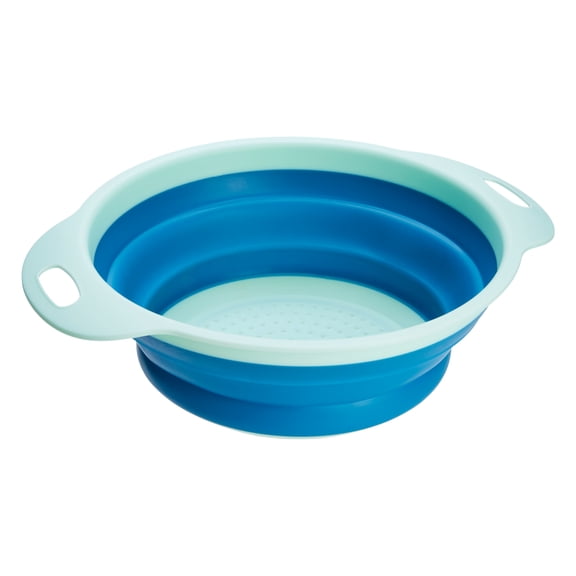

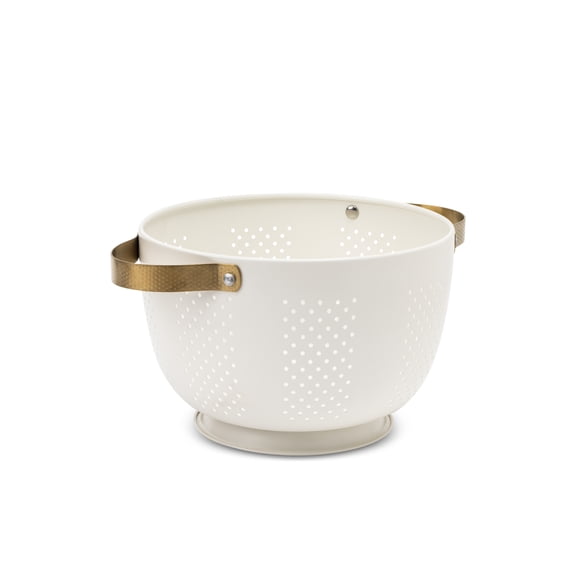


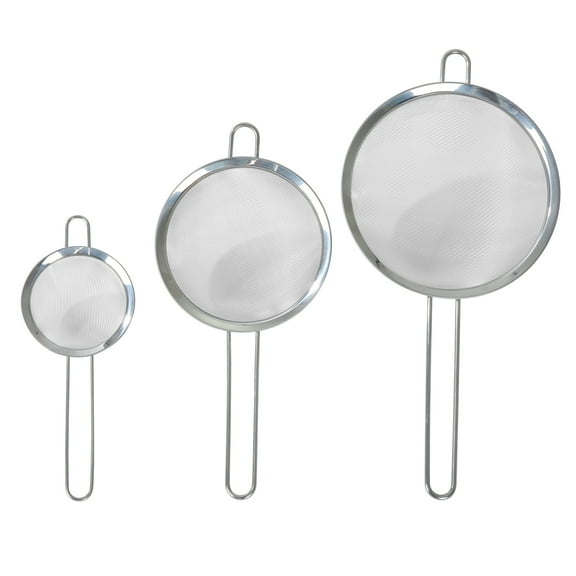
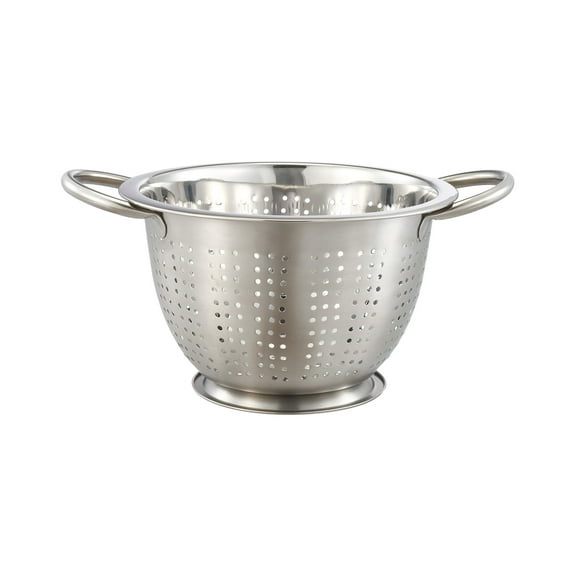





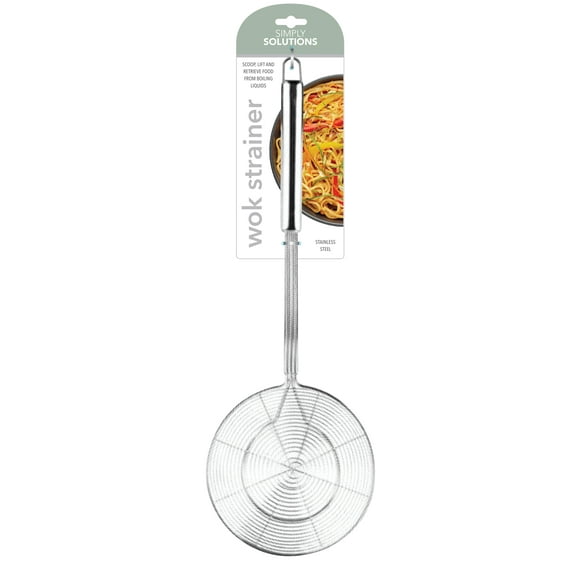
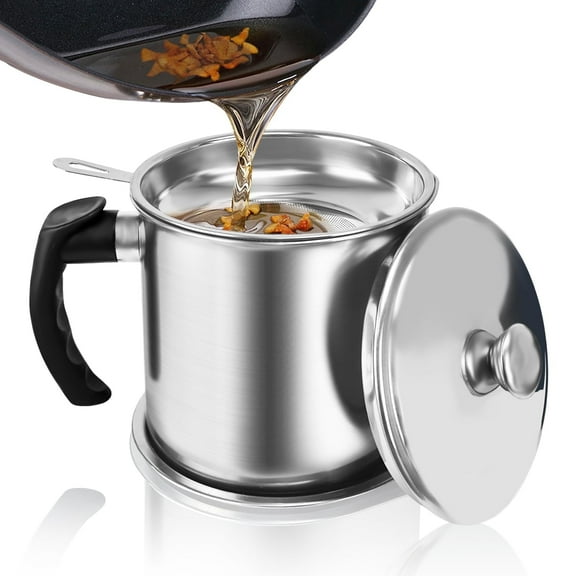

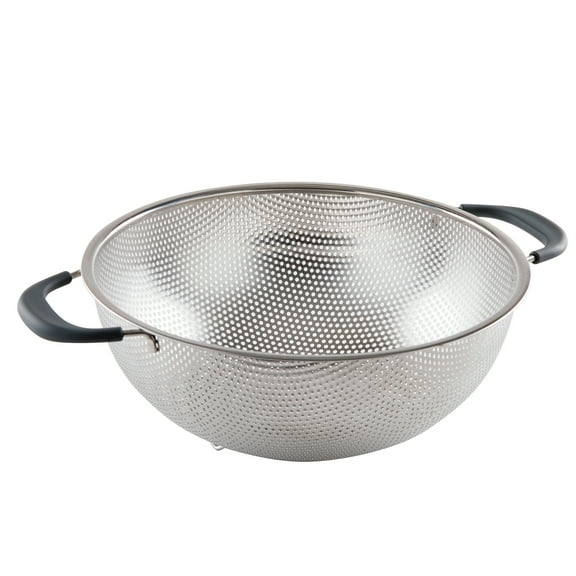
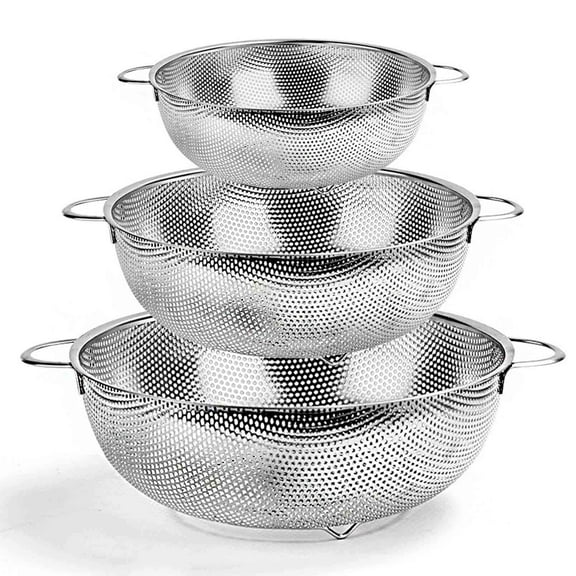


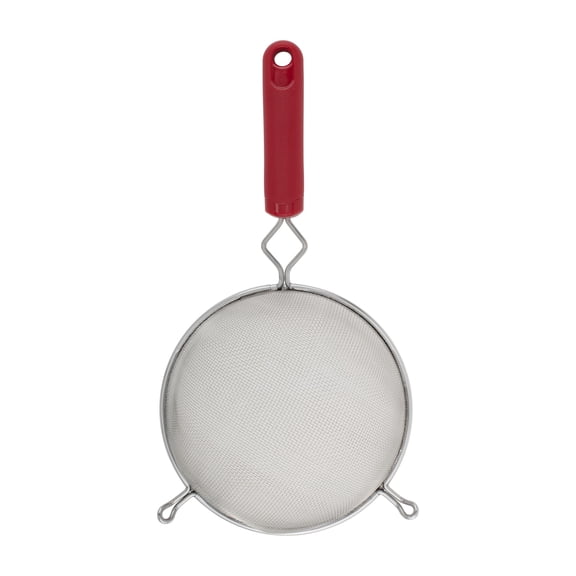
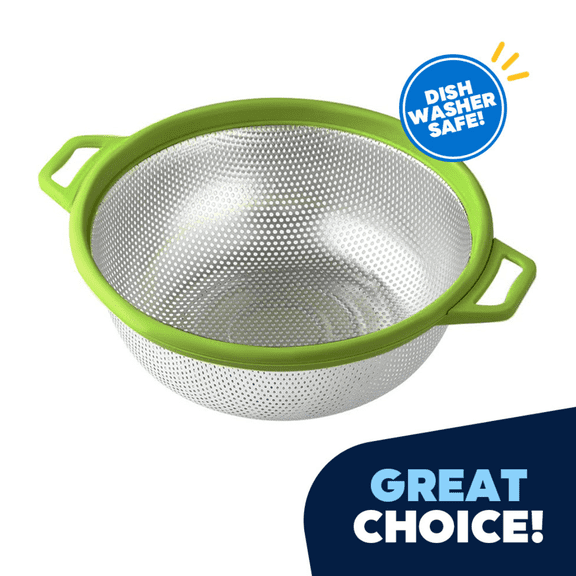

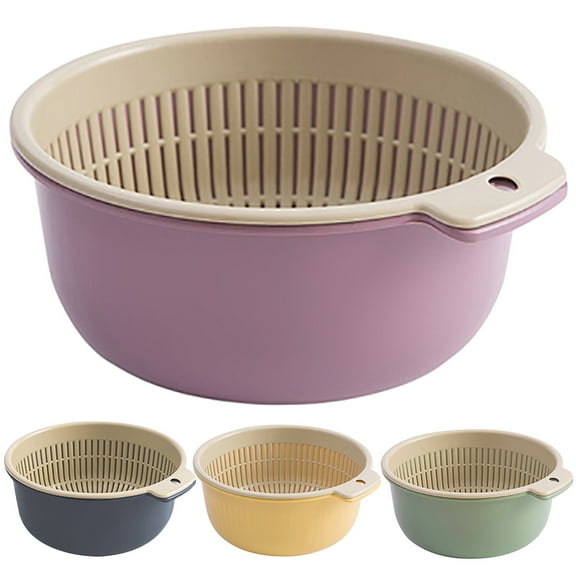




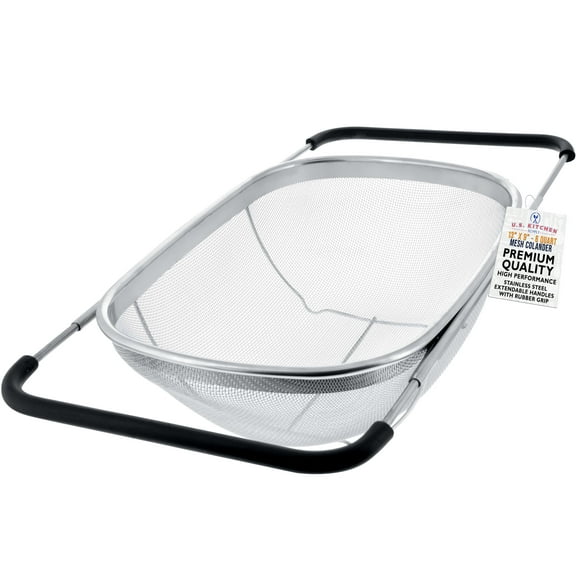
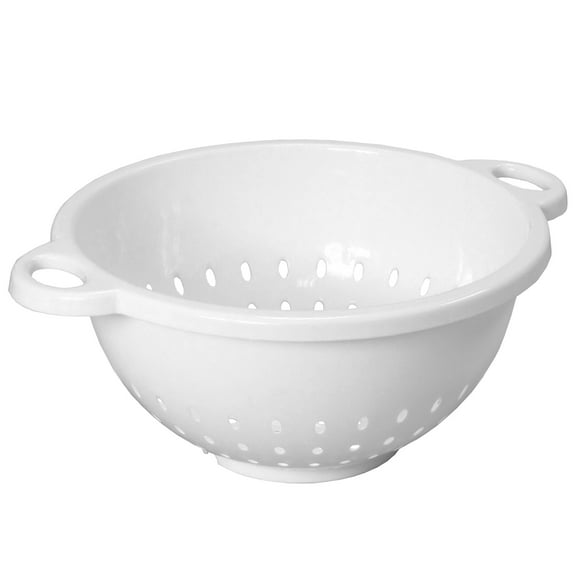
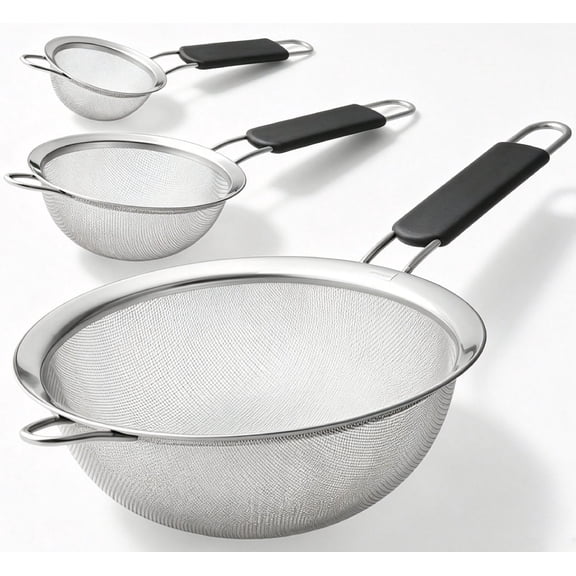
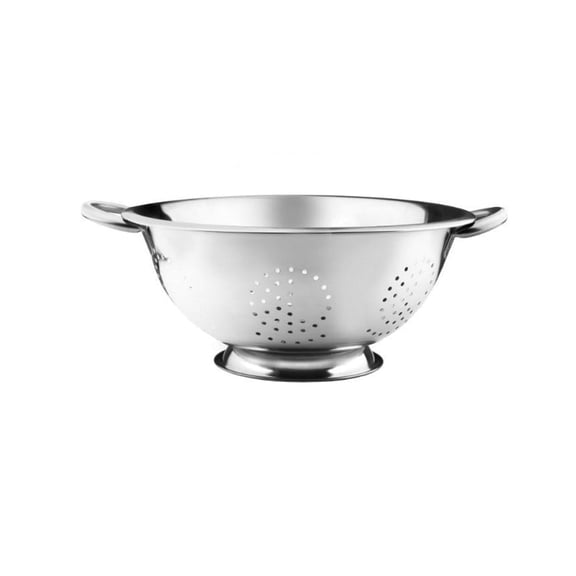
About Food Strainers & Colanders - Walmart.com
Kitchen tools and gadgets help you prep, stir, flip, measure, and serve with less mess in your daily routine. You can compare materials, tool types, cleaning needs, and set sizes to match how you cook.
How to choose kitchen tools and gadgets
When you shop this category, you can notice each choice affects comfort, cleanup, and countertop space. You can narrow your options when you compare the decisions that matter deeply.
Begin with the jobs you do frequently in your kitchen. You may need peelers for produce, can openers for pantry staples, spatulas for pans, tongs for turning, and whisks for mixing.
Next, consider whether you want individual pieces or a cooking utensils set. You can keep things simple with a starter set, or cover many tasks with a complete set.
Choosing materials for everyday cooking
Material changes how your tools feel in your hand and how they work with your cookware. You can choose stainless steel, silicone, wood, nylon, or plastic based on your cooking style.
If you use nonstick pans, you may prefer silicone kitchen tools, nylon, or wood for gentle contact. You may like silicone because it flexes well and reaches into bowl corners.
If you want a sturdy feel, you may lean toward stainless steel for tongs, whisks, and peelers. You can get a firm grip and a precise feel for repeated prep tasks.
Wood offers a classic look and a comfortable hold during stirring and serving. You may prefer it when you want a warm hand feel and a simple countertop style.
When you compare heat resistance, look for plain details that fit your cooking habits. You may see heat-resistant utensils rated up to 450°F, which fits sautéing and stovetop use.
If you check material details, you may also see BPA-free notes on some plastic or silicone pieces. You can use that information as one part of your buying decision.
- You can match silicone or nylon tools to nonstick cookware.
- You can choose stainless steel when you want a firm, durable feel.
- You can pick wood when you prefer a classic look and gentle stirring.
- You can compare heat resistant utensils for high-heat cooking tasks.
Comparing tool types and set sizes
Tool type matters because each shape supports a specific kitchen task. You can build your drawer around the utensils you reach for every week.
Spatulas help you scrape batter, fold ingredients, and flip foods in shallow pans. You may want a flexible edge for bowls and a broad head for turning.
Peelers work well when you prep potatoes, carrots, apples, and other produce. You can compare straight and swivel styles based on how much control you want.
Can openers matter when you use canned beans, tomatoes, soup, or pet food often. You may look for handles that feel secure and turn smoothly during repeated use.
Tongs give you reach and control for tossing, lifting, and serving. You can use them for salads, pasta, grilled foods, and oven-to-plate transfer.
Whisks help you blend sauces, eggs, batters, and dressings with less clumping. You may prefer a narrow whisk for cups and a full shape for mixing bowls.
If you’re stocking a first kitchen, individual pieces let you focus on daily essentials. You can expand later when your cooking routine becomes varied.
A starter set often covers common needs with five to 10 pieces. You can get a coordinated base for prep, cooking, and serving without overfilling drawers.
A complete set works well when you cook often or want matching kitchen utensils. You can keep many tasks covered without pausing to wash the same tool twice.
Checking cleanup, storage, and comfort
Cleanup can shape what you enjoy using every day. You can compare dishwasher safe pieces with hand wash only items before you commit.
If you want quick cleanup after weeknight meals, dishwasher safe tools may fit your routine. You can spend less time at the sink and keep your kitchen moving.
If you choose hand wash only pieces, you may get materials or finishes that need extra care. You can decide whether that tradeoff fits your habits.
Storage matters when your utensil crock, drawer, or cabinet space is limited. You may want slim handles, hanging loops, nesting shapes, or compact heads.
Comfort also affects how often you reach for a tool. You can look for grips that feel steady, handles that stay comfortable, and shapes that support control.
During busy prep, a slip-resistant handle can help you keep a steady hold. You may notice that ergonomic details feel useful during chopping, whisking, and lifting.
Matching food prep tools to how you cook
Your routine should guide which food prep tools belong in your kitchen. You can build around weekday cooking, holiday baking tools, or summer grilling gadgets.
For quick dinners, you may want peelers, can openers, tongs, and spatulas within easy reach. You can move from prep to stovetop to serving with less interruption.
If you bake often, you may focus on whisks, spatulas, measuring tools, and bowl-friendly scrapers. You can handle batter, frosting, and dough prep with a steady workflow.
For outdoor cooking, tongs and sturdy turners can support grilling tasks with solid reach. You may also want heat resistant utensils for high-heat cooking zones.
If you cook in small spaces, compact tools and smaller sets can reduce drawer clutter. You can keep essentials close without crowding your counters.
When you cook for larger groups, complete sets help you cover prep, cooking, and serving together. You can have separate tools ready for mixing, sautéing, plating, and cleanup.
With the right kitchen tools and gadgets, you can make everyday cooking feel organized and comfortable. You can finish prep with less mess, clean up with less effort, and keep your kitchen ready for the next meal.