





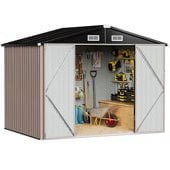
sheds outdoor storage





























About sheds outdoor storage - Walmart.com
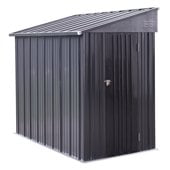
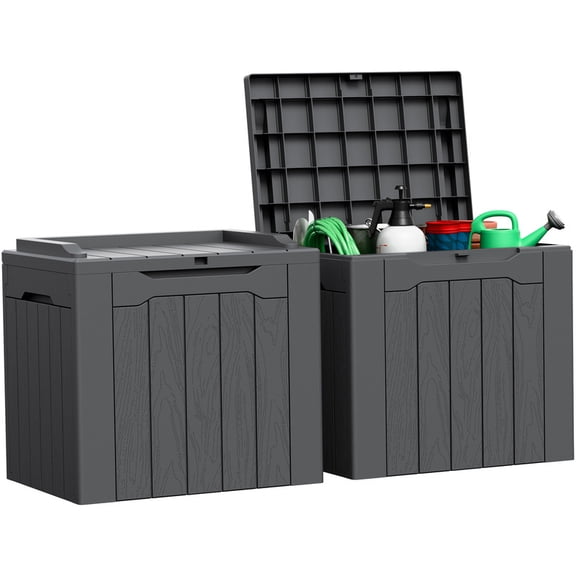
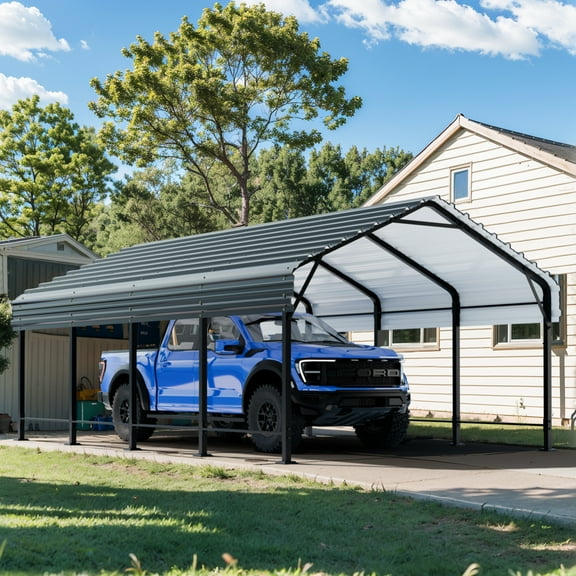
Sheds and outdoor storage help you clear crowded patios, protect yard gear, and organize tools with material, size, and roof choices that fit your space. You can compare backyard sheds by footprint, upkeep, and weather-ready construction, so your setup matches how you store bikes, bins, and garden supplies.
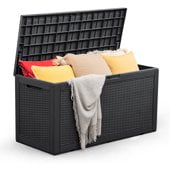
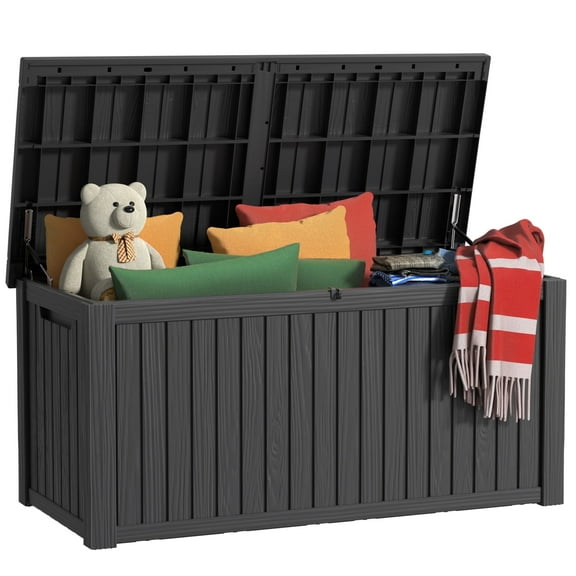
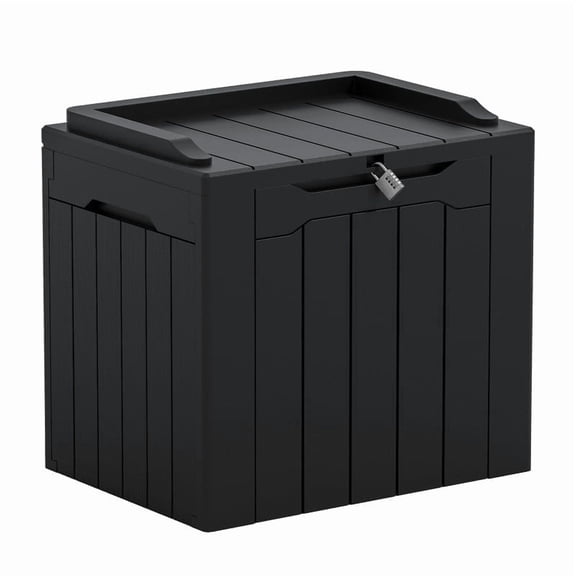
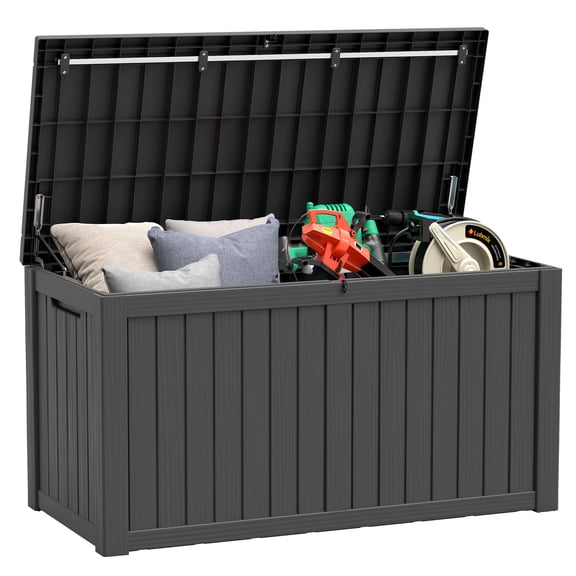
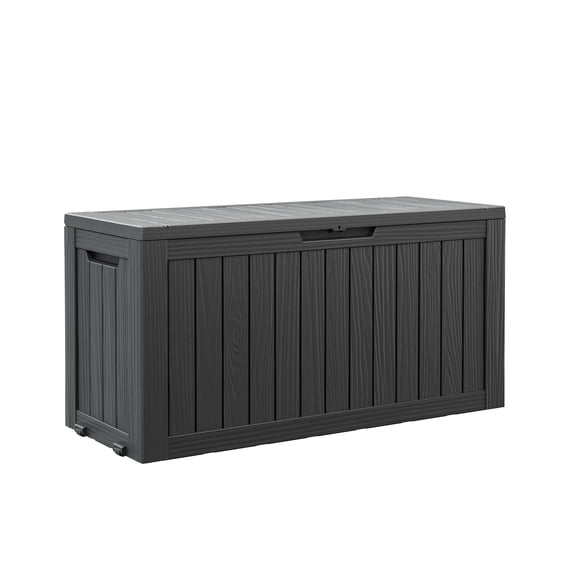
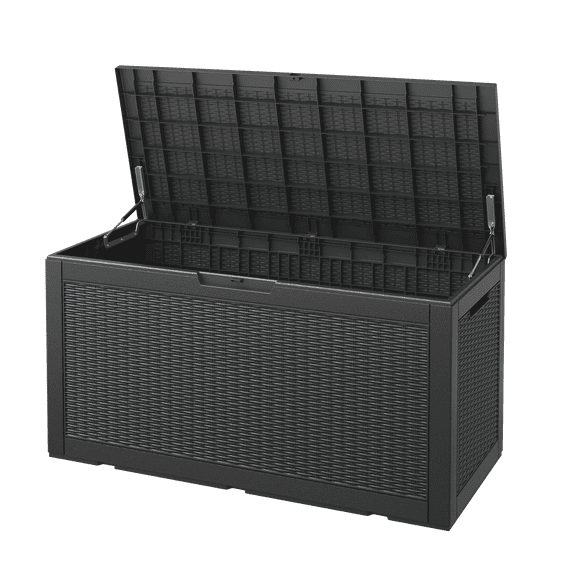
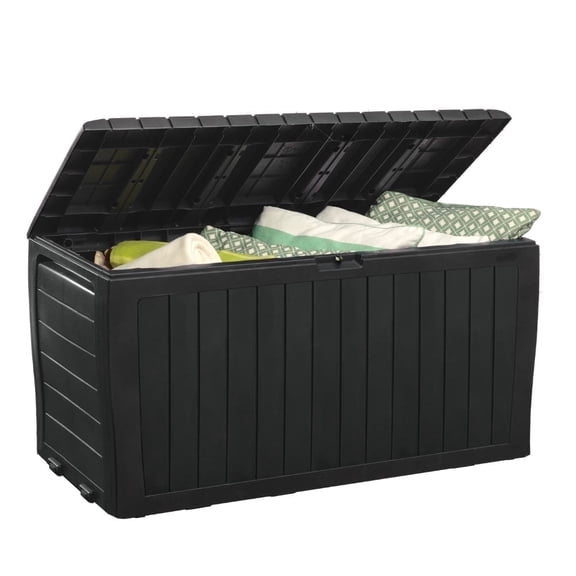
If you need more than a deck box, you can use this category to compare storage buildings that handle mowers, rakes, and seasonal equipment. You’ll also find options that suit compact side yards, larger back corners, and workshop-style layouts.
How to choose sheds and outdoor storage
You should start with the size you can place comfortably in your yard. You’ll want to measure square footage, height limits, and setback requirements before you choose a footprint.
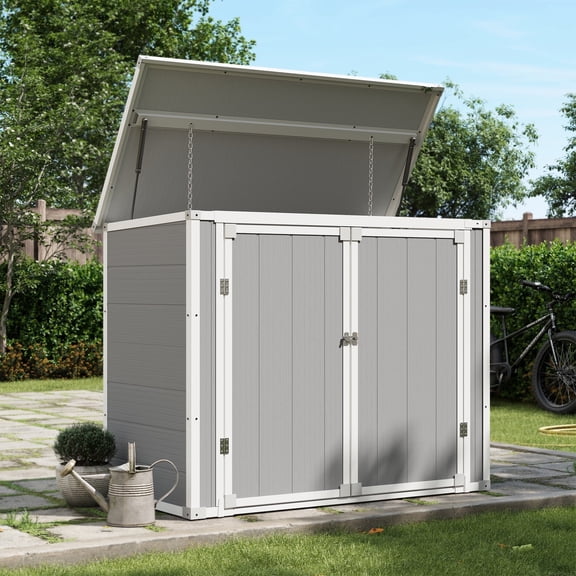
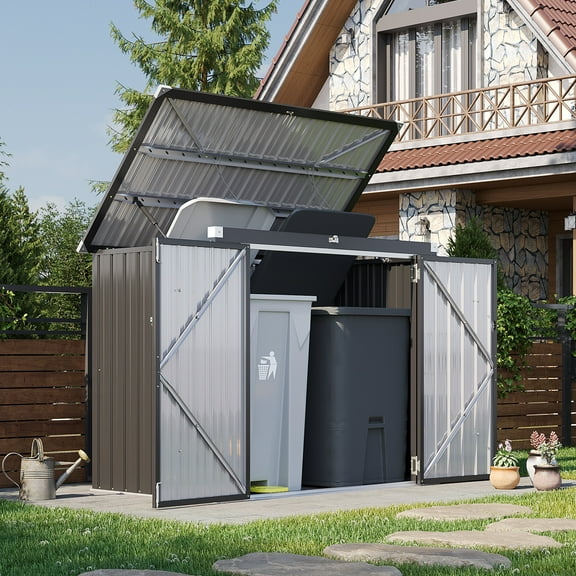
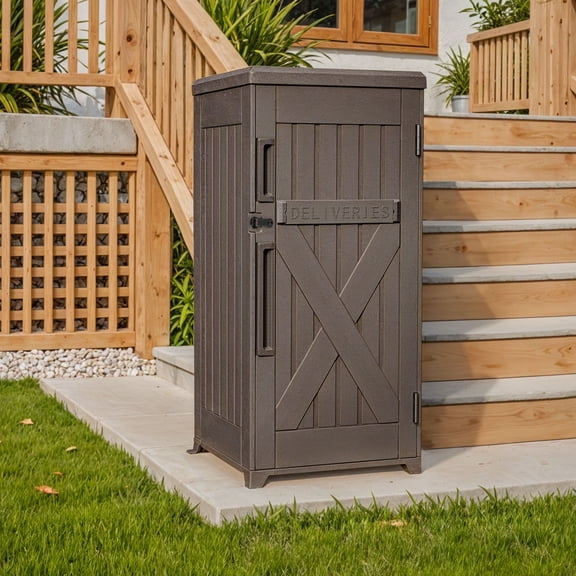
For small spaces, you may prefer units under four by six feet for tools, pool supplies, or trash can screening. For broader storage needs, you can move into medium or large backyard sheds that fit bikes, mowers, and shelving.
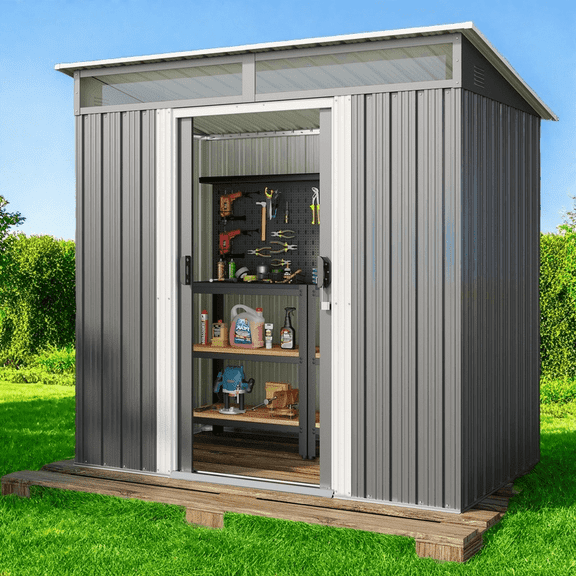
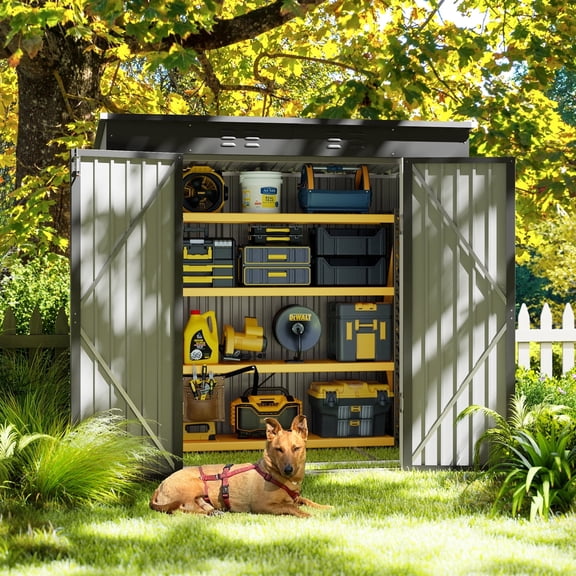
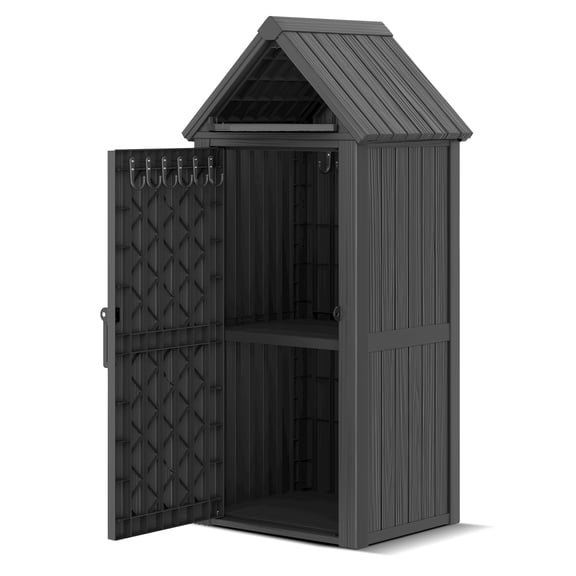
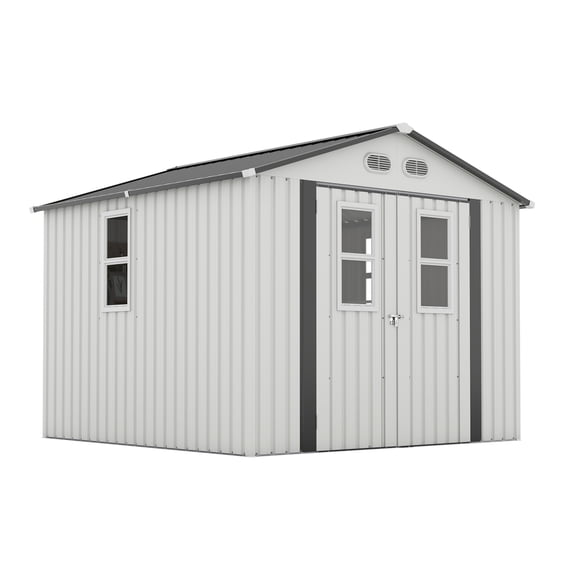
You should also compare roof style because it affects headroom and placement. You may like gabled or apex roofs for overhead clearance, while pent or flat styles can suit tighter fence lines.
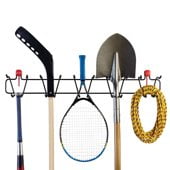
- You can use small models for hand tools, hoses, and garden gear.
- You can choose medium footprints for bikes, bins, and lawn equipment.
- You can select large layouts when you need room for a backyard workshop or bulky storage.
- You can check roof height and shape when your yard has fence or HOA limits.
Choosing materials for outdoor storage sheds
You’ll notice material choice changes upkeep, appearance, and long-term use. You can compare plastic storage sheds, metal sheds, wood models, and vinyl styles based on climate and maintenance habits.
If you want simple upkeep, you may lean toward plastic or resin storage sheds. You can wipe surfaces clean easily, and you won’t need regular staining like you would with many wood structures.
When you want a classic backyard look, you may prefer wood for paintable surfaces and a more built-in feel. You should plan for routine care, since exposed wood can weather differently over time.
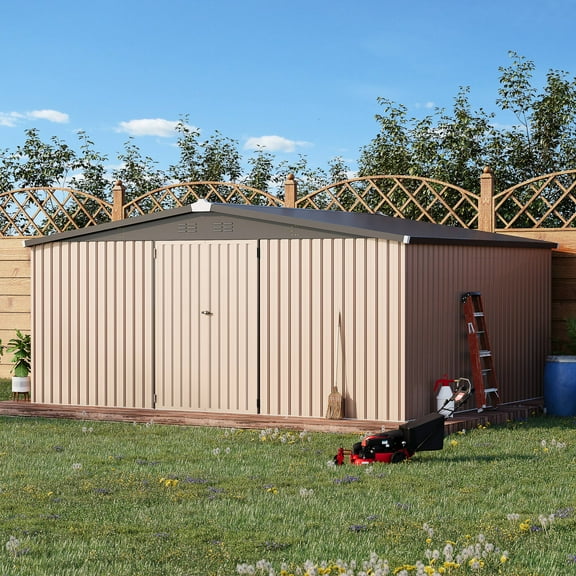
If you want a sturdy shell with a utility look, you can compare metal sheds for tools and equipment storage. You should check panel thickness, door design, and ventilation details before you decide.
You may also consider vinyl when you want a clean exterior with familiar storage-building styling. You can use material comparisons to balance appearance, upkeep, and how often your shed faces sun, rain, or snow.
What to look for in backyard sheds
You should compare foundation needs before you choose any model. You may need a concrete pad, gravel base, or timber frame, depending on the size, surface, and assembly style.
A level base helps you align doors, place shelves, and keep the structure sitting evenly. You’ll want to check assembly steps closely, especially when larger panels, roof sections, or floor kits are part of the build.
You can also review wind rating and snow load details when weather matters in your area. You should look for mph wind guidance and pounds per square foot snow load information in product specs.
Doors, vents, windows, and flooring also shape your daily use. You may want wide doors for mower access, vents for airflow, and a floor panel when you’re storing smaller tools and boxes.
When you compare outdoor storage sheds carefully, you can match the structure to what you actually store. You’ll get a smoother fit when you check dimensions, entry width, and interior wall height before ordering.
Matching use cases to garden sheds and storage layouts
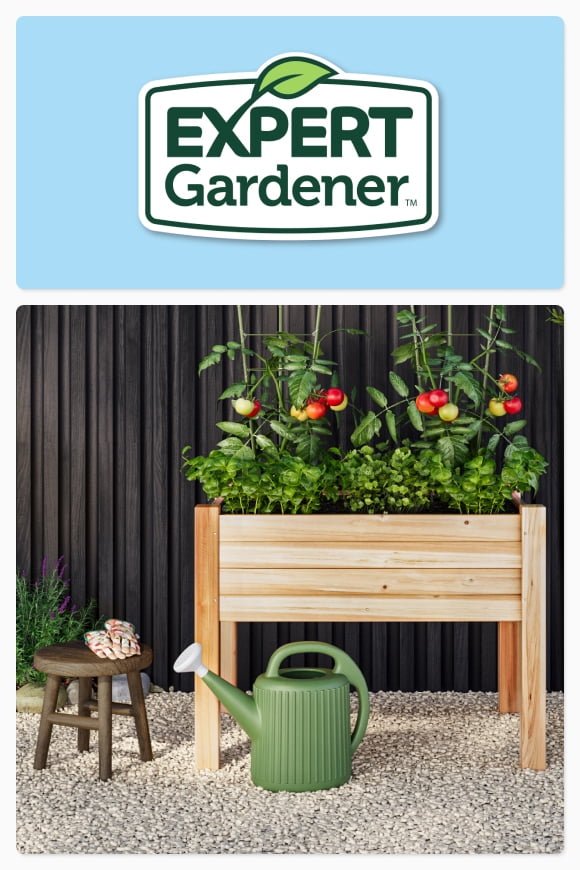
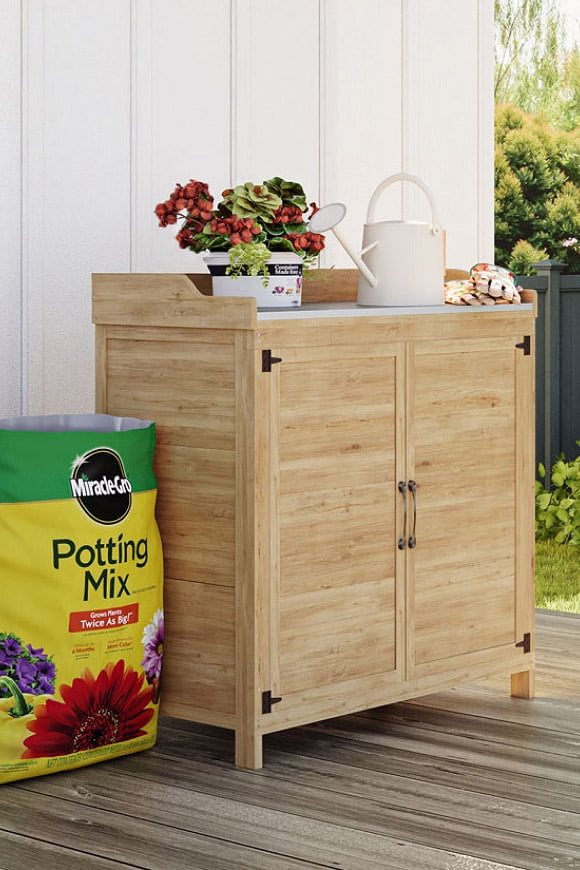
You can match small garden sheds to pruning tools, soil bags, watering cans, and seed trays. You may place them near raised beds when you want your everyday supplies in one spot.
For bikes and sports gear, you should look for medium-width designs with easy door access. You’ll appreciate extra depth when helmets, pumps, and bins share the same storage area.
If your yard handles heavy equipment, you can consider larger outdoor storage sheds with room for a mower and tall-handled tools. You should check turning space and door clearance so equipment moves in and out smoothly.
When you want a hobby zone, you can use a larger shed as a backyard workshop with shelving and work surfaces. You may prefer gabled rooflines here because they can support a more open interior feel.
You can also use category filters to compare waterproof outdoor storage features, roof shapes, and heavy duty sheds for exposed spaces. You’ll narrow choices faster when you match your use case to material, footprint, and base requirements.
Planning for placement and long-term use
You should think about sunlight, drainage, and walking paths before placement. You can keep access easier when doors open toward clear paths instead of fences, planters, or parked equipment.
It also helps to consider how your storage needs may change across seasons. You may start with garden tools, then use the same space for patio cushions, holiday décor, or storm-season cleanup supplies.
With the right comparison points, you can choose sheds and outdoor storage that fit your yard, your rules, and your routine. You’ll feel more confident when your structure supports organized access and dependable outdoor storage all year.