





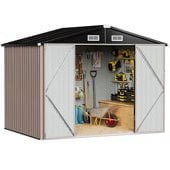
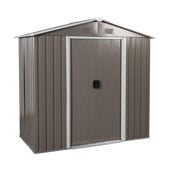
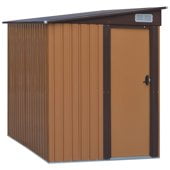
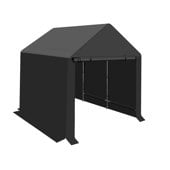
Storage Sheds: Outdoor, Resin & Metal Sheds



















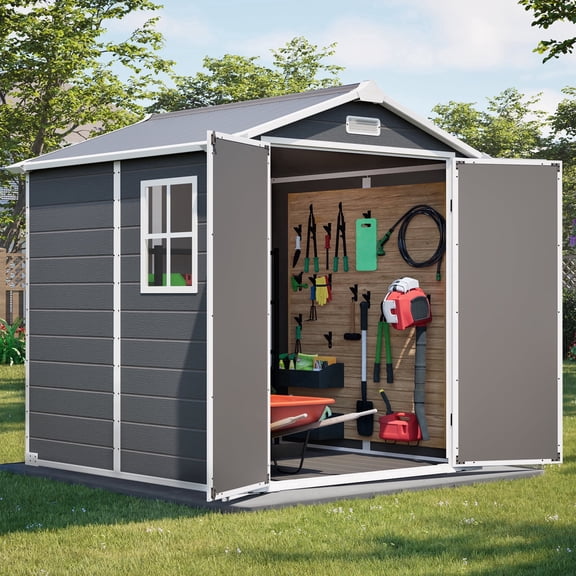



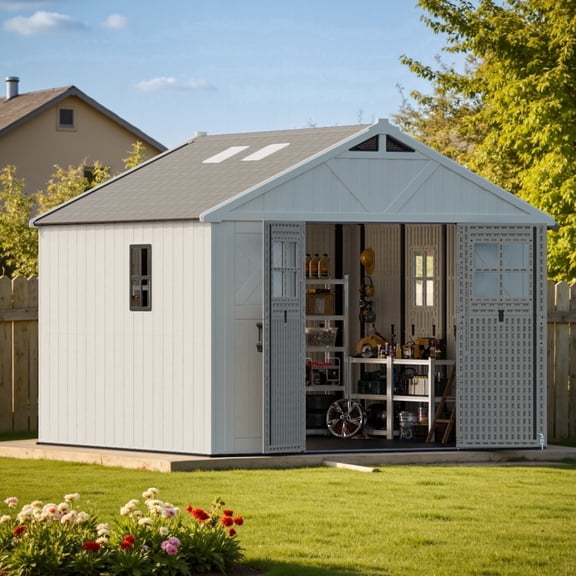
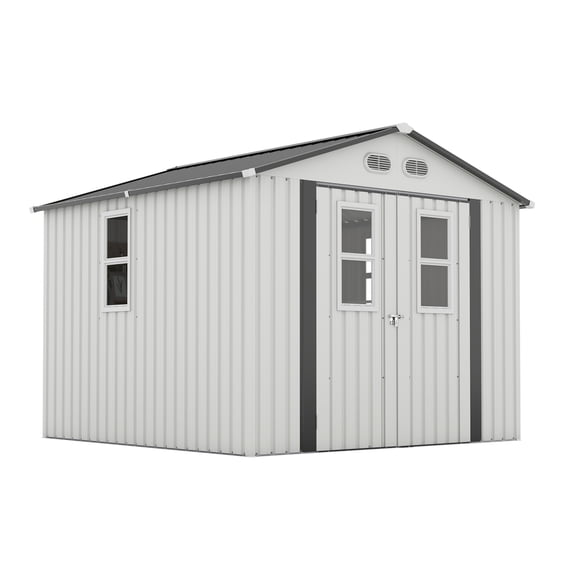














About Storage Sheds: Outdoor, Resin & Metal Sheds
Storage sheds help you organize your backyard, protect bulky equipment, and reclaim garage space. You can compare materials, sizes, roof styles, and access features to choose a shed that fits your setup.
If you store lawn tools, bikes, bins, or seasonal gear, you need a structure built for outdoor use. You can use this guide to compare outdoor storage sheds by the details that matter to you.
How to choose storage sheds by material
Material shapes how much upkeep you handle and how your shed looks over time. You should compare plastic sheds, resin sheds, metal storage sheds, and wood sheds by weather exposure and maintenance needs.
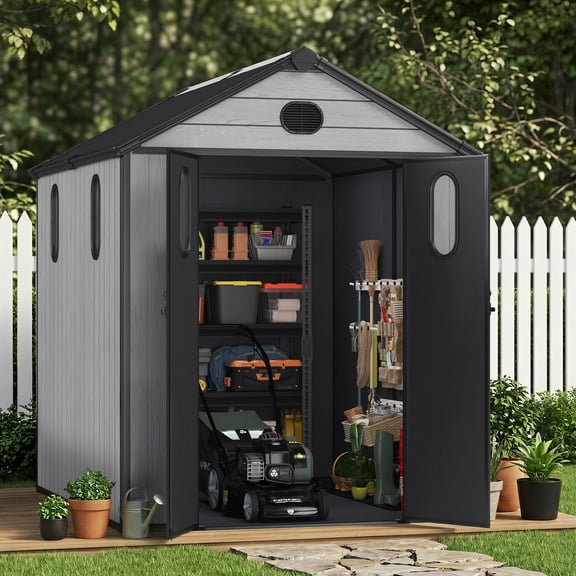
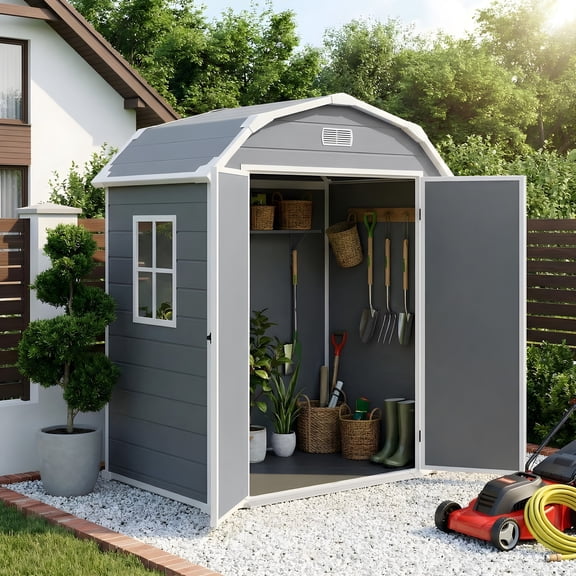
If you want simple upkeep, you may prefer resin or plastic storage sheds for wipe-clean surfaces. If you want a classic backyard look, you may choose wood and plan for painting or sealing.
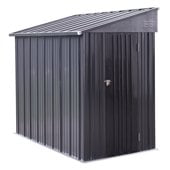
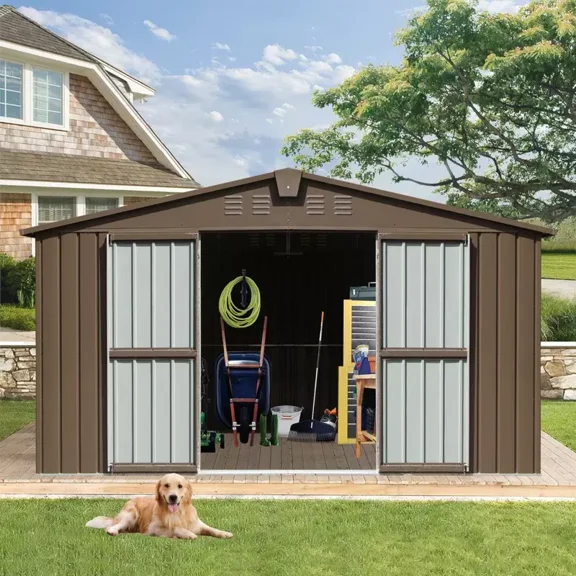
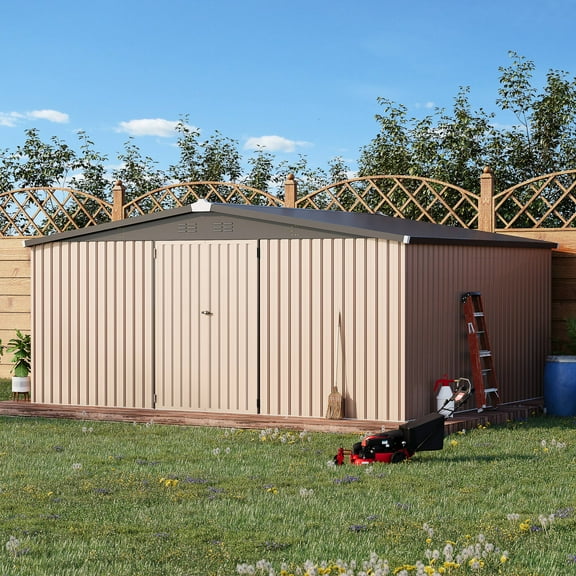
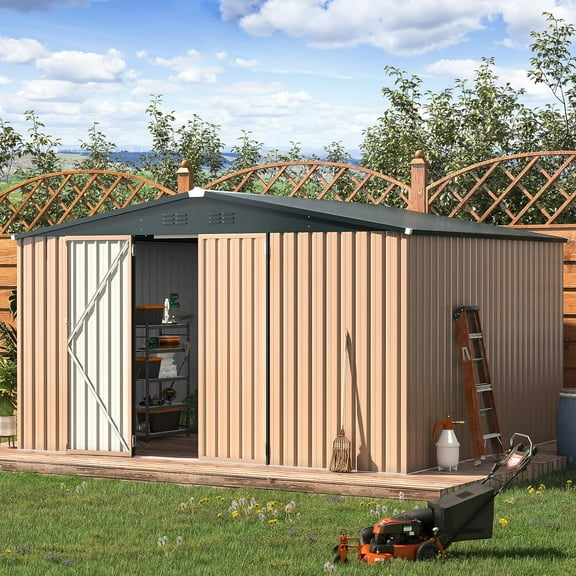
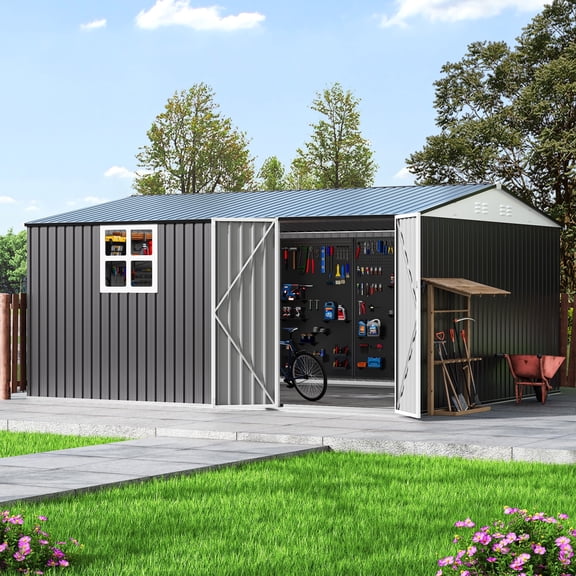
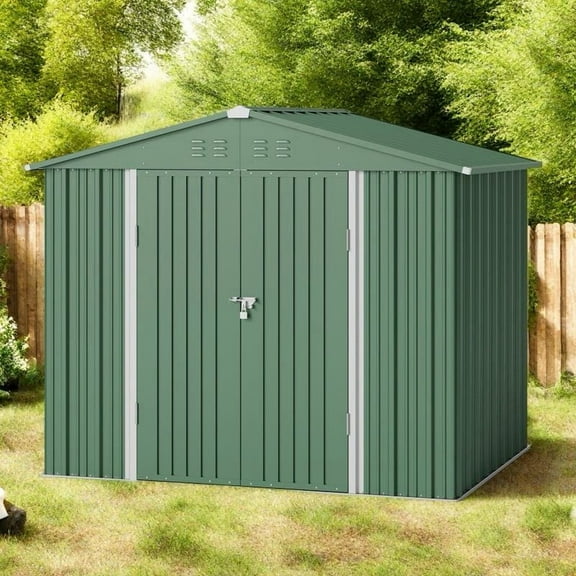
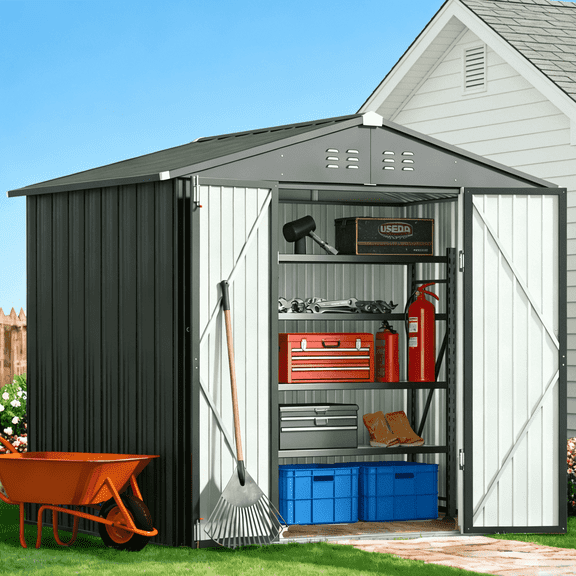
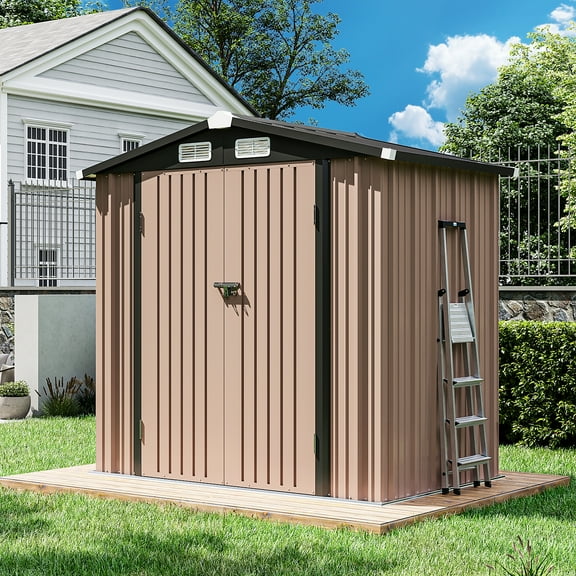
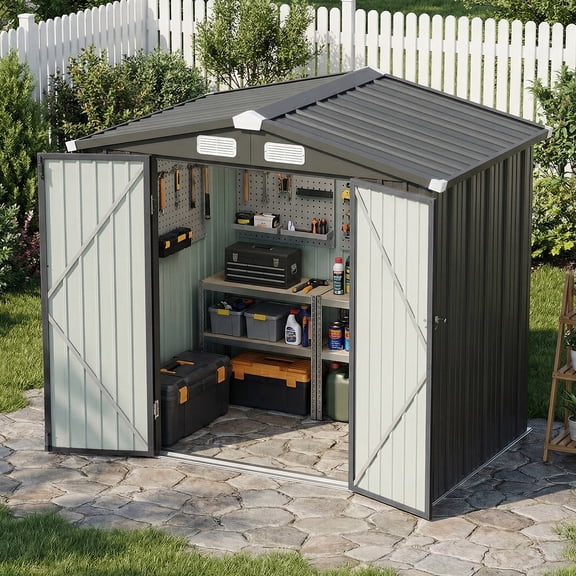
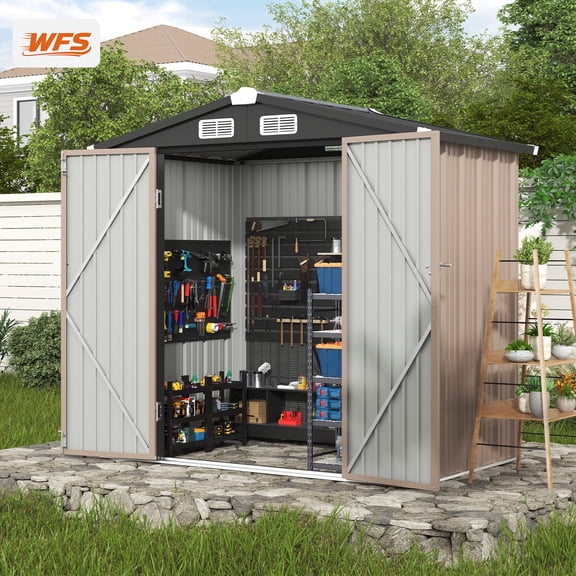
Metal storage sheds can suit you when you want a rigid structure for tools, equipment, and yard supplies. You should check coated panels, roof design, and ventilation, because moisture management affects long-term performance.
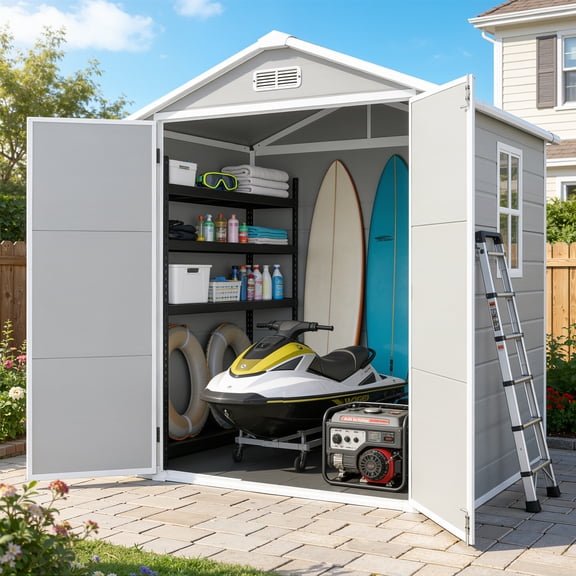
- You can choose plastic or resin sheds when you want low-maintenance outdoor storage.
- You can choose metal when you want a structured shell for equipment and hardware.
- You can choose wood when your backyard style matters and you want a paintable finish.
- You should compare each material against your climate, sun exposure, and upkeep routine.
Choosing the right size for outdoor storage sheds
Size affects what you can store and how easily you can move inside the shed. You should measure your yard first, then compare small storage sheds and larger footprints like 8x10 or 10x10.
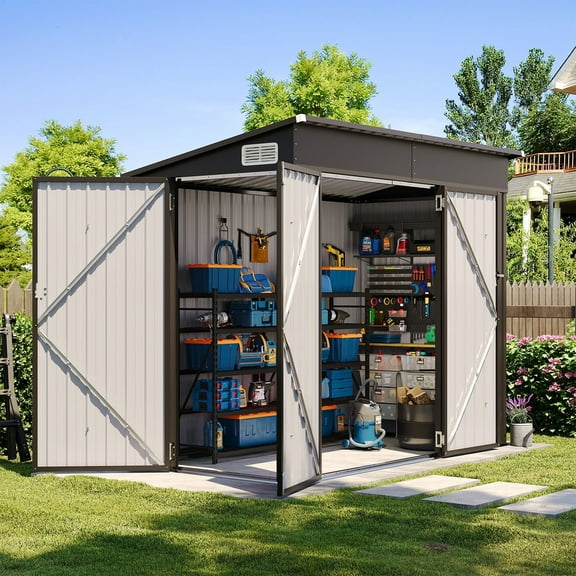
A 6x4 footprint can work when you need garden sheds for hand tools, soil, and watering gear. An 8x10 shed can give you room for shelving, a mower, and wider walk space.
If you store bikes, trash bins, or long-handled tools, you should check door width and interior clearance. You should also measure around fences, gates, and patios before choosing backyard sheds.
Foundation needs matter before installation, so you should check whether your shed requires a concrete slab, gravel bed, or wood platform. You should also review local setback rules because property lines can affect placement.
What to look for in roof style and access features
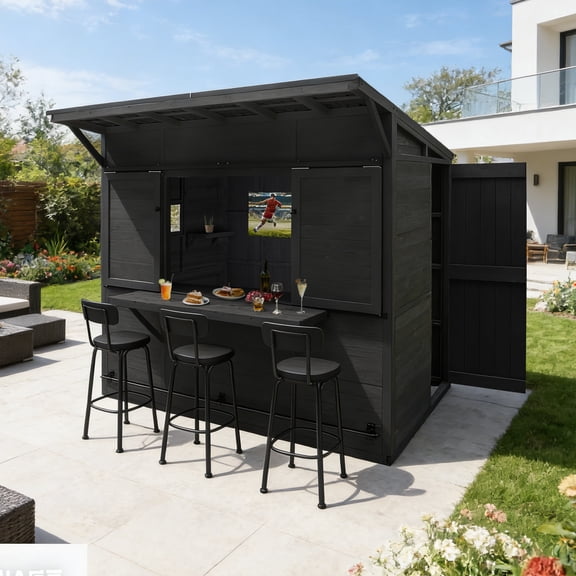
Roof style changes how your shed handles rain, fits along a fence, and feels inside. You can compare apex, pent, flat, and gabled roof sheds based on your yard layout.
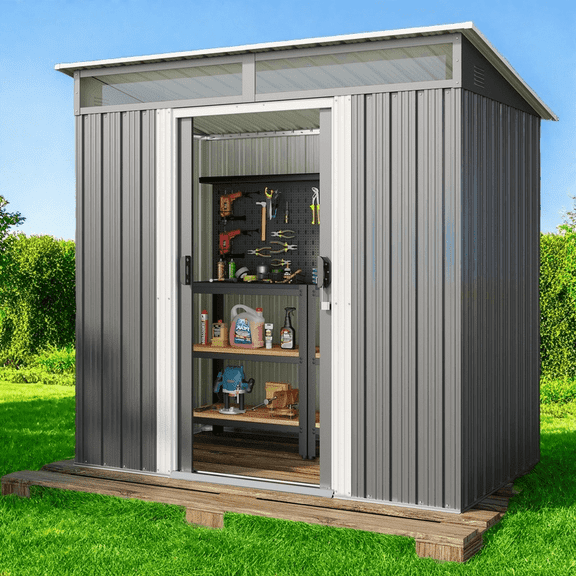
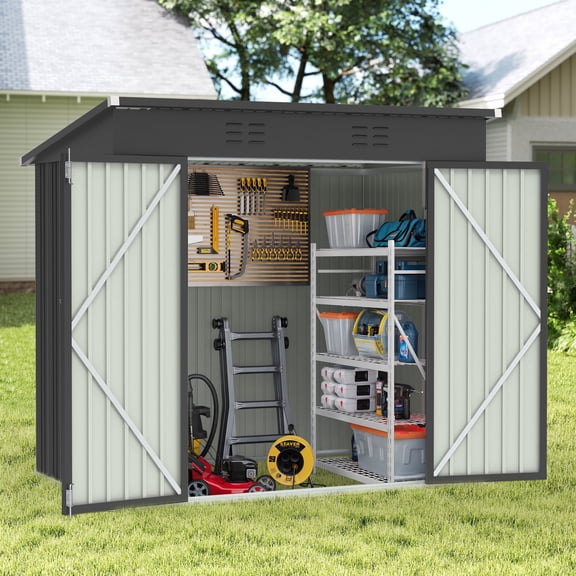
A gabled or apex roof can give you extra headroom for taller tools and hanging storage. A pent roof can sit neatly near a house or fence when you want a lower profile.
Access features shape your daily use, especially when you move bulky items in and out. You should look for double doors, lockable entry points, and window placement that matches your routine.
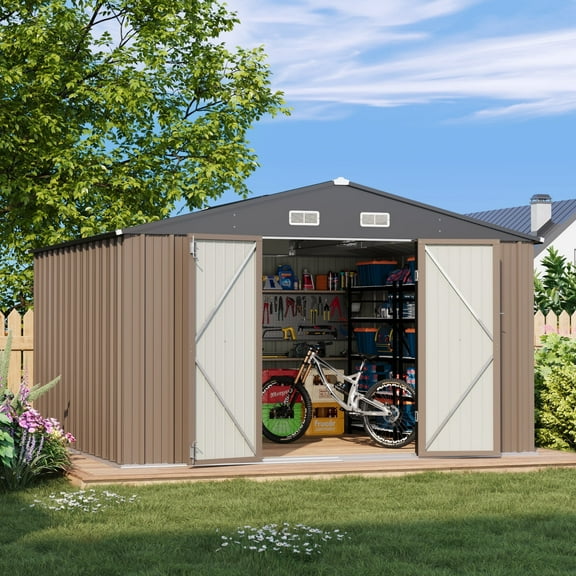
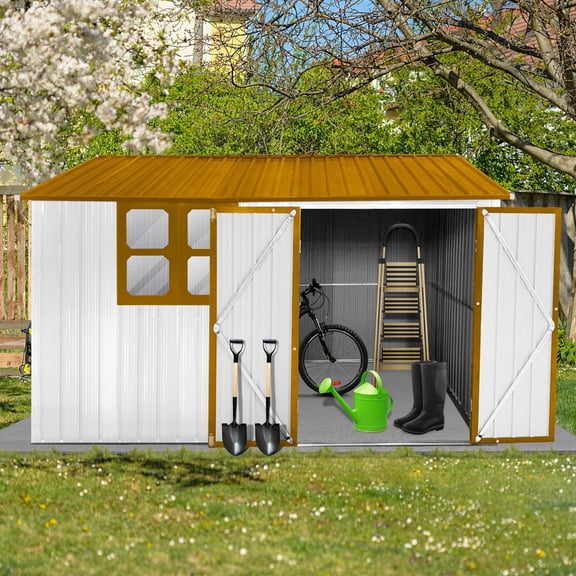
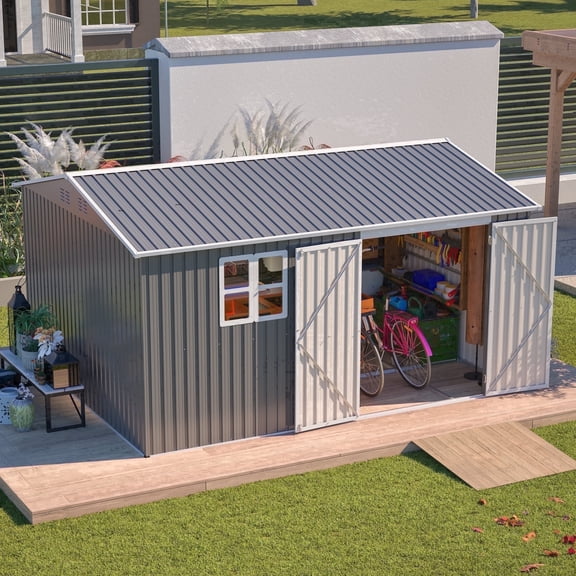
Double doors can help you roll in a mower, wheelbarrow, or bike without awkward turns. Windows can bring in daylight, while lockable outdoor sheds can support more controlled access to stored items.
If you compare heavy duty designs, you should check panel thickness, framing details, and floor support expectations. You should also confirm whether the manufacturer includes a floor or whether your base provides that support.
How to match storage sheds to your backyard use
Your intended use should guide every choice, from size to door design to material. You can narrow your options faster when you know whether you need garden tool storage, bike storage, or garbage can storage.
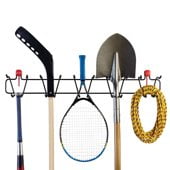
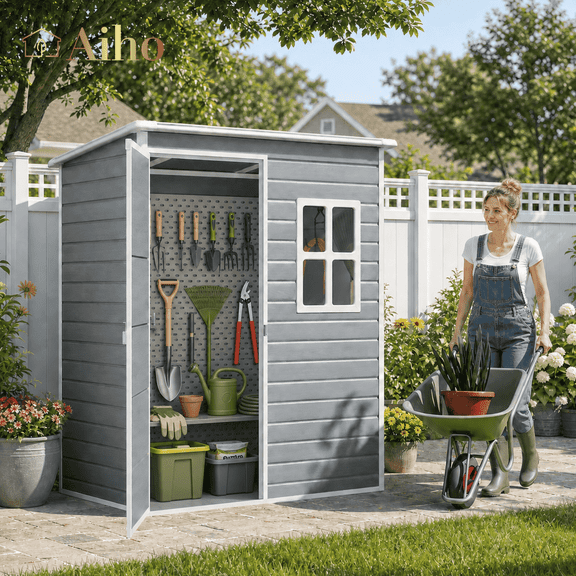
For garden tool storage, you may want narrow shelving, hooks, and room for rakes and shovels. For bike storage, you should prioritize door width, turning space, and a floor plan with easy entry.
If you want a backyard workshop, you should compare larger sheds with windows and taller rooflines. If you need garbage can storage, you may prefer a compact layout that keeps bins screened and accessible.
Snow-load rated sheds can matter if your roof may hold seasonal buildup for long periods. You should compare roof pitch, panel support, and frame design when winter weather is part of your planning.
What to check for assembly and base preparation
Assembly affects how quickly you can start using your shed and what help you may need. You should check whether panels arrive pre-cut, what tools you need, and how many people the setup requires.
Some sheds suit straightforward assembly with labeled parts and basic household tools. Other models may need more planning, so you should review instructions before choosing a larger format.
Your base matters because level support helps doors align and panels fit as intended. You should confirm the exact exterior dimensions, then prepare a concrete slab, gravel bed, or wood platform that matches those measurements.
If you live in an area with permit rules, you should review local requirements before finalizing your size. You should also verify clearance around the shed for doors, overhangs, and routine maintenance access.
When you compare storage sheds with these decisions in mind, you can choose a setup that fits your yard and your routine. You can enjoy organized outdoor storage that supports tools, gear, and seasonal items with less clutter.