

3D Stone Wallpaper Peel and Stick - Faux Stone | Walmart

































About 3D Stone Wallpaper Peel and Stick - Faux Stone | Walmart - Walmart.com
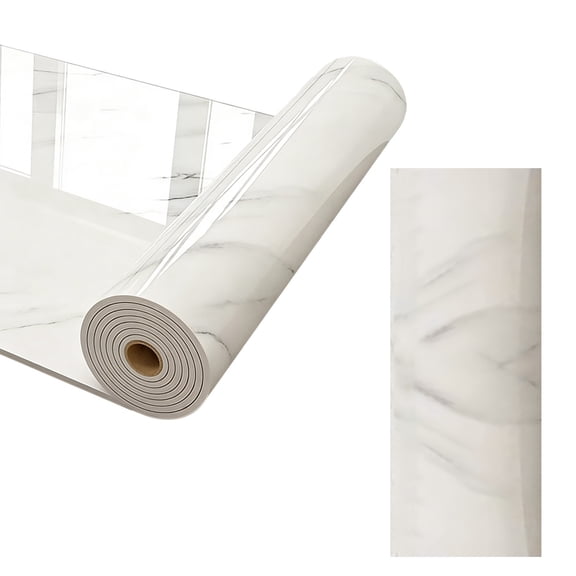
You can refresh a room with 3d stone wallpaper peel and stick that adds a carved-stone look without masonry tools. You can use this category for accent walls, kitchen zones, bathrooms, and furniture surfaces where printed texture changes the mood quickly.
As you compare options, you should focus on adhesive type, material, design style, application area, and finish. That approach helps you match the roll to your surface, your layout, and your installation plan.
How to choose 3d stone wallpaper peel and stick
When you start with adhesive type, you can narrow your options by installation method and removal goals. You may prefer peel and stick wallpaper stone for direct application, or you may choose non-pasted styles when you want separate paste control.
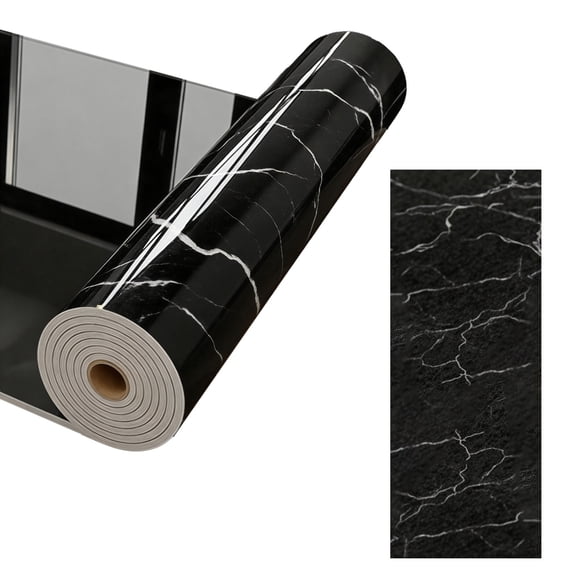
As you compare materials, you should check how each surface feels and cleans during daily use. You can choose vinyl stone wallpaper for wipeable coverage, paper for a classic wallcovering feel, or embossed PVC for raised stone detail.
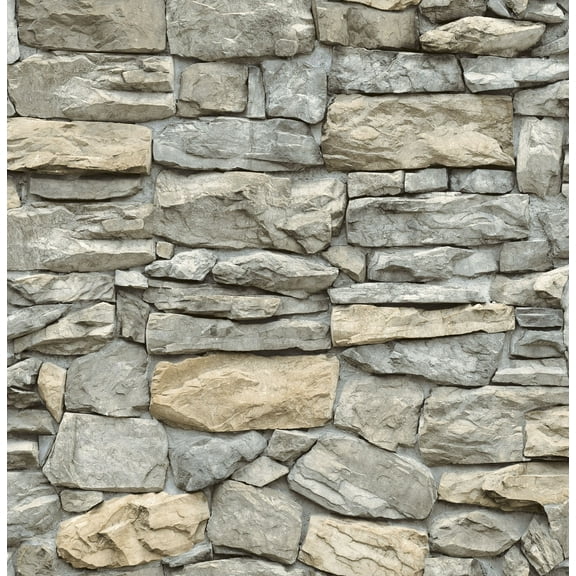
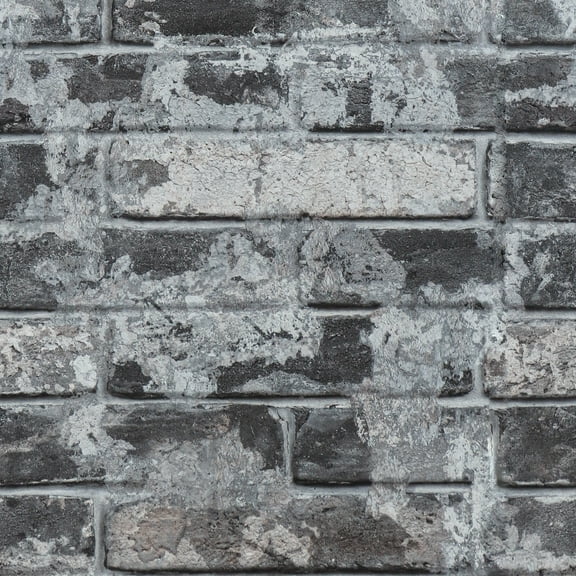
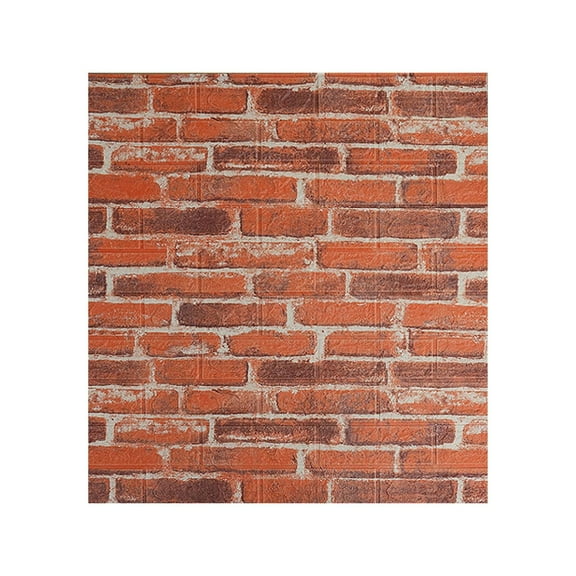
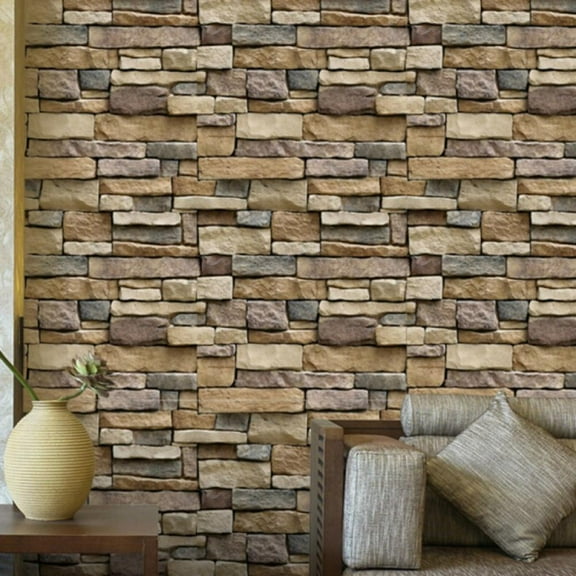
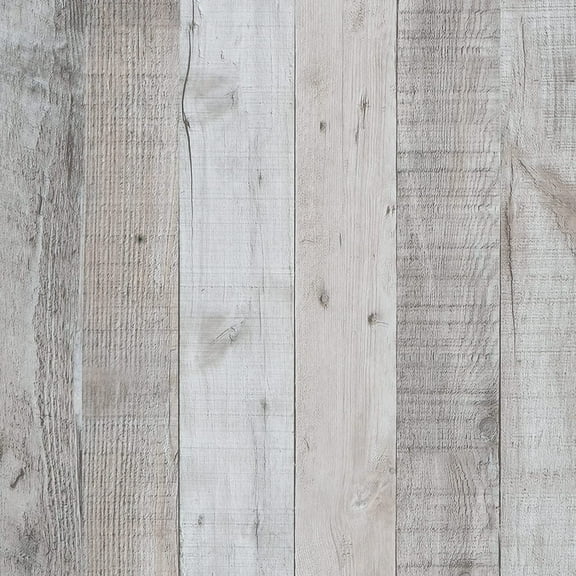
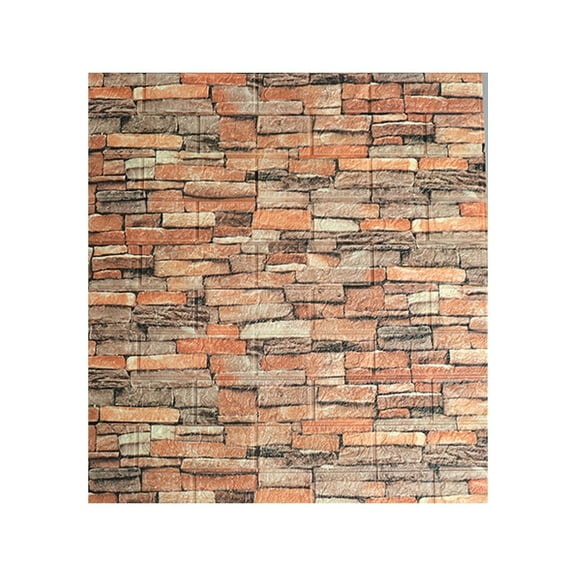
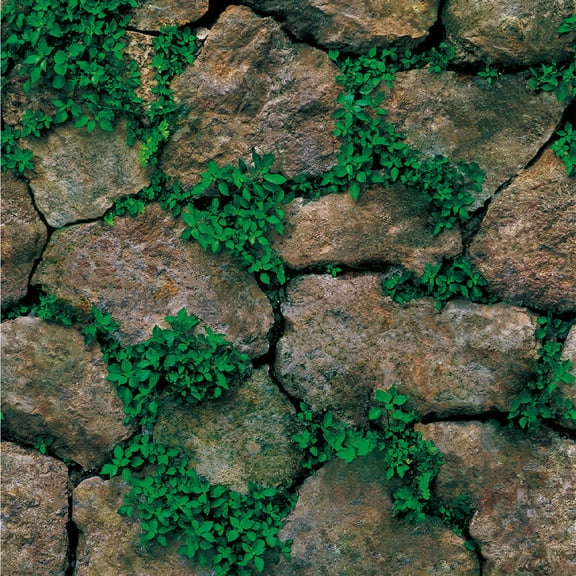
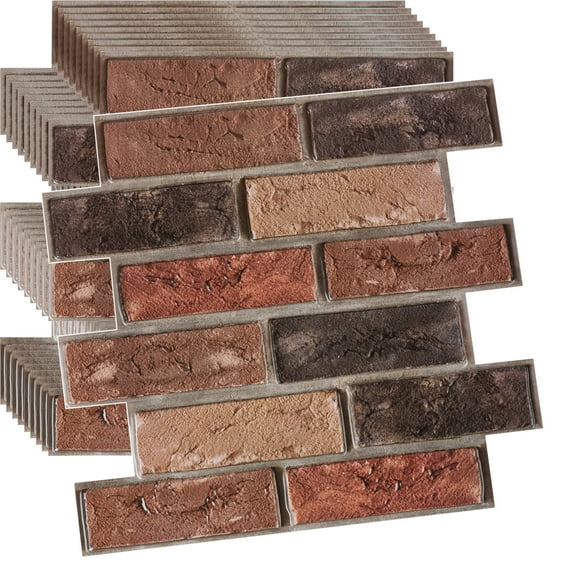
Before you pick a pattern, you should consider how the print reads from across the room. You can choose 3D slate for sharp lines, river rock for rounded shapes, stacked stone for linear texture, or brick for a traditional look.
- You can create a stone-inspired wall without cutting real stone.
- You can cover drywall, cabinets, shelves, and panels with a lighter wallcovering format.
- You can use printed grout lines and rock edges to add visible depth to flat surfaces.
- You can match textured, matte, or smooth finishes to your room’s lighting and touch preference.
What to look for in stone contact paper and faux stone contact paper
When you shop stone contact paper, you should check the intended surface before you measure and cut. You can get a cleaner application on smooth, dry, dust-free areas where the adhesive can grip evenly.
For a self adhesive wallpaper for kitchen project, you should compare vinyl thickness and adhesive temperature rating. Those details help you understand how the material handles backsplash placement, routine wipe-downs, and everyday cooking conditions.
As you review finish options, you should compare the room’s light during morning and evening use. You can use textured finishes for a carved look, matte finishes for a soft stone effect, and smooth finishes for a sleek surface.
While you browse faux stone contact paper and rock contact paper, you should also check pattern repeat details. That measurement helps you plan where printed rock joints line up from one strip to the next.
Choosing material and finish for each room
In kitchen spaces, you should look for surfaces that match routine splatter cleanup and frequent wipe-downs. You can use self adhesive wallpaper for kitchen backsplashes when the product details match the surface type and placement notes.
For bathrooms, you should check how the wallpaper fits vanity walls, mirror areas, or one feature section. You can use stone look contact paper to introduce a spa-like wall texture without adding actual stone weight.
On furniture wraps, you should measure drawers, cabinet faces, and side panels before you start trimming. You can use peel and stick stone wallpaper on bookcase backs, island sides, and closet panels for a coordinated look.
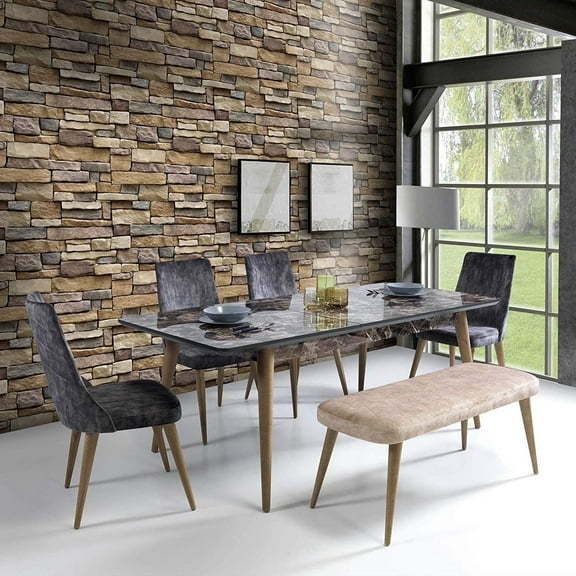
Across living rooms and entryways, you should match the finish to traffic, light, and viewing distance. You can use matte styles for subtle texture or textured surfaces when you want the stone pattern to stand out clearly.
How to plan coverage, seams, and alignment
Before you order, you should measure wall width and height, then calculate total square footage. You can divide that number by the roll coverage and add extra material for corners, outlets, and trimming.
If your print has a visible pattern repeat, you should account for extra length on each strip. You can use that extra section to line up printed rock joints and keep the seam pattern consistent.
During layout, you should place strips side by side on the floor before you remove the backing. That step helps you compare rock wall paper panels and see where the printed seams connect.
When you hang the first strip straight, you can keep the rest of the wall aligned. You can use a level, smoothing tool, tape measure, and utility knife to keep edges neat and corners defined.
Using 3d stone wallpaper in renter-friendly and DIY spaces
If you decorate a rental, you should check product notes for removable or repositionable installation guidance. You can choose an option that suits temporary updates on painted walls, closet nooks, or apartment accent panels.
For a media wall, you can use 3d stone wallpaper to frame a TV console or fireplace surround area. That pattern gives your setup a structured backdrop with printed grout lines and stacked shapes.
In small rooms, you should consider how bold patterns affect the visual rhythm of the space. You can use river rock on a short wall, or you can place stacked stone behind shelving for a focused feature area.
When you want a coordinated project, you can pair rock contact paper on furniture with a matching wall pattern nearby. That approach helps your island side, bookcase back, or niche wall feel connected without hard-surface installation.
Why the right stone wallpaper choice feels intentional
When you compare adhesive type, material, finish, and pattern repeat, you can plan your project with fewer surprises. You can end with a stone-look surface that fits your room, your layout, and your DIY pace.
With clear measurements and surface checks, you can create a detailed wall treatment that looks structured and dimensional. You can bring stone character into everyday spaces with a format that stays practical for home updates.