

Steppers in Exercise Machines





































About Steppers in Exercise Machines - Walmart.com
With stairmaster options on Walmart.com, you can compare step action, ceiling clearance, and footprint before choosing a machine that fits your training space. You’ll also find models built for home routines and heavier daily use, which matters when you want steady cardio without a long learning curve.
How to choose a stairmaster for your space
Before you compare consoles or resistance, you should measure your room height and the machine’s step-up height. You’ll want extra ceiling space above your standing height, because rotating stairs raise you higher during each stride.
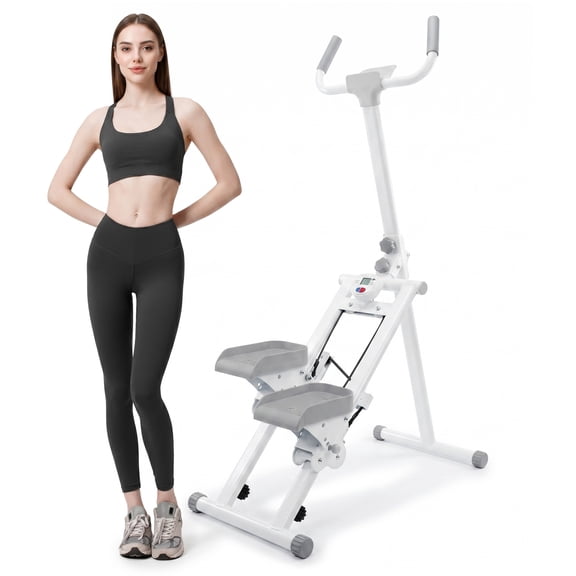
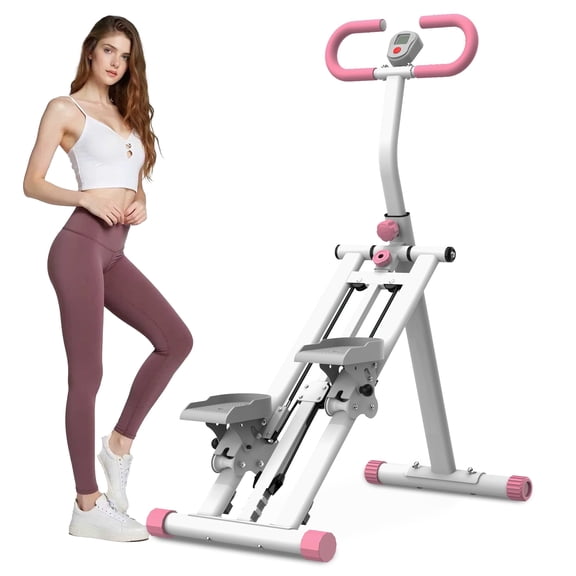
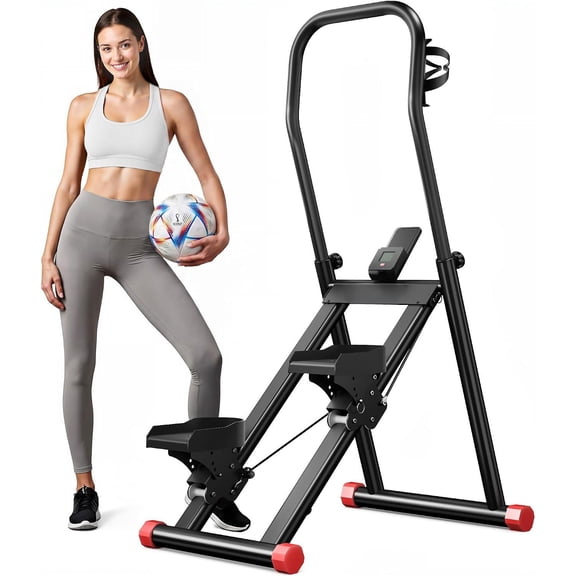
If you’re planning a stairmaster machine for home, you should also check the footprint around the pedals and frame. You’ll notice compact and folding designs fit tighter rooms, while commercial fixed models need more dedicated floor space.
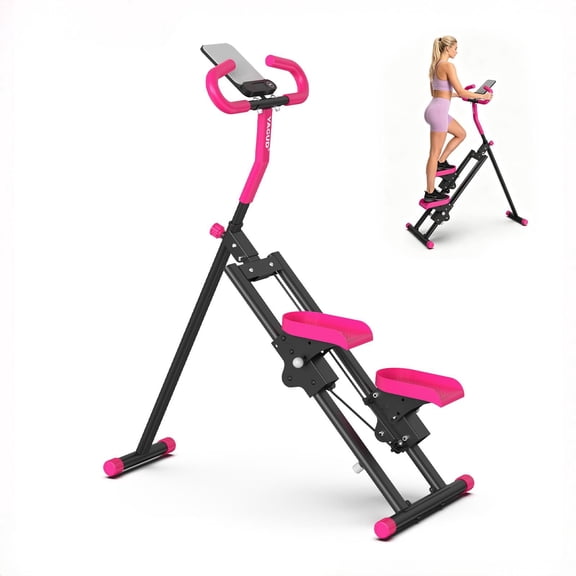
Another key difference is portability after workouts. You may prefer transport wheels or folding frames if your exercise area doubles as a bedroom, office, or living space.
Choosing the right stair climber machine type
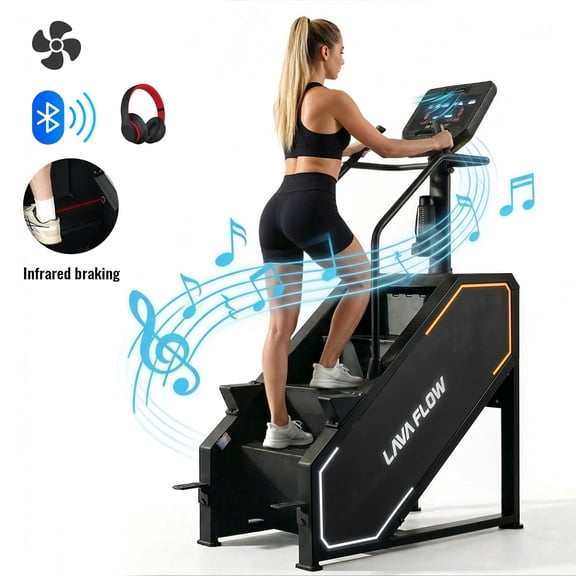
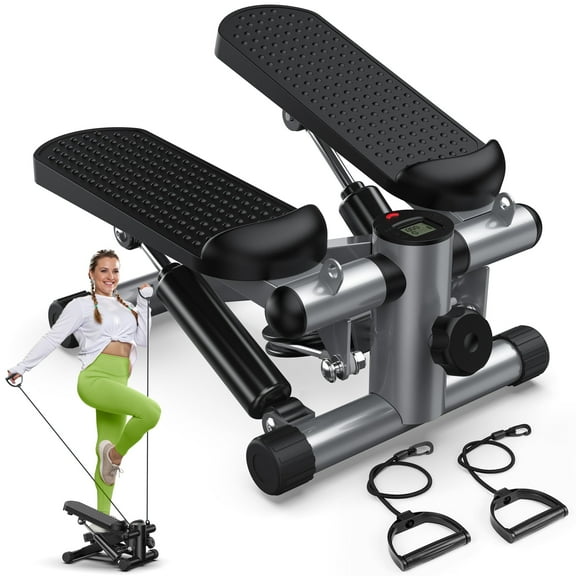
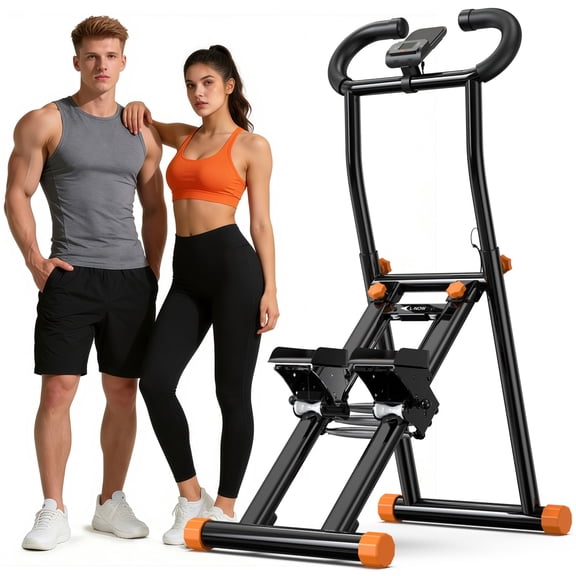
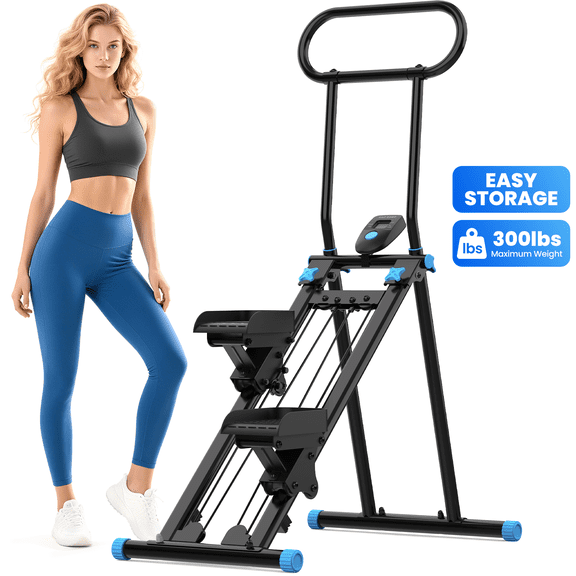
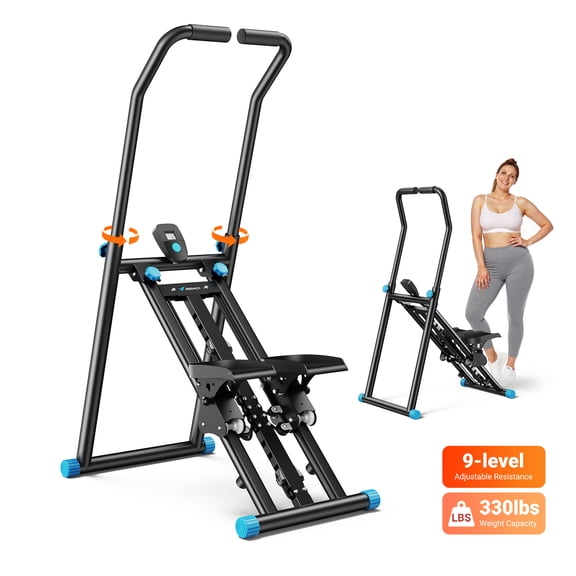
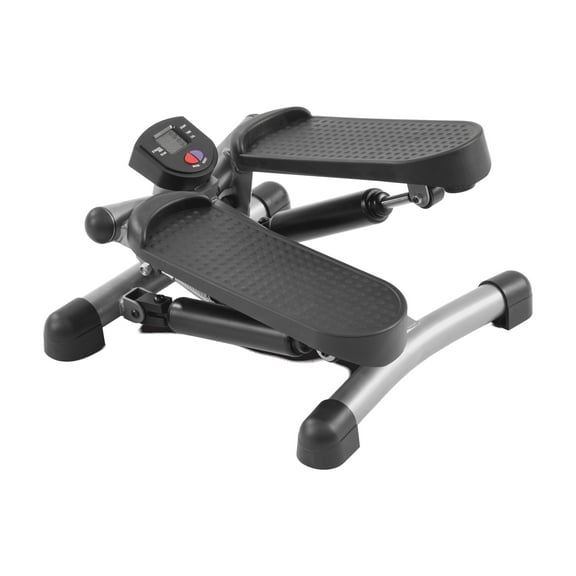
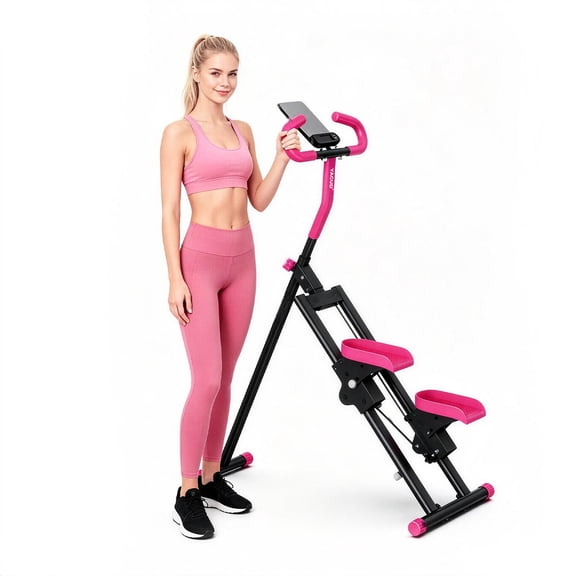
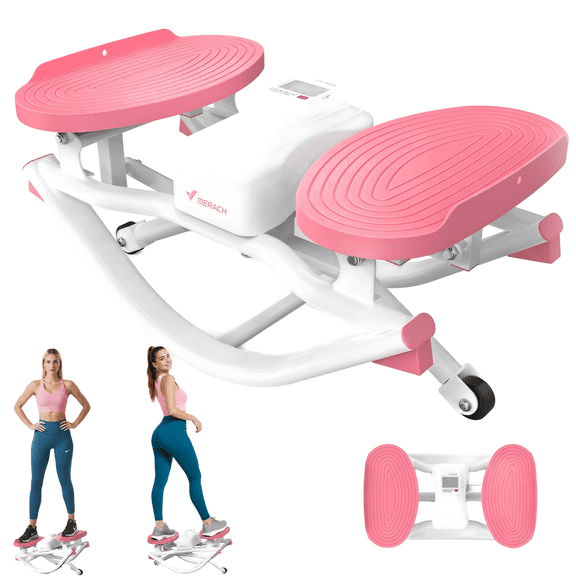
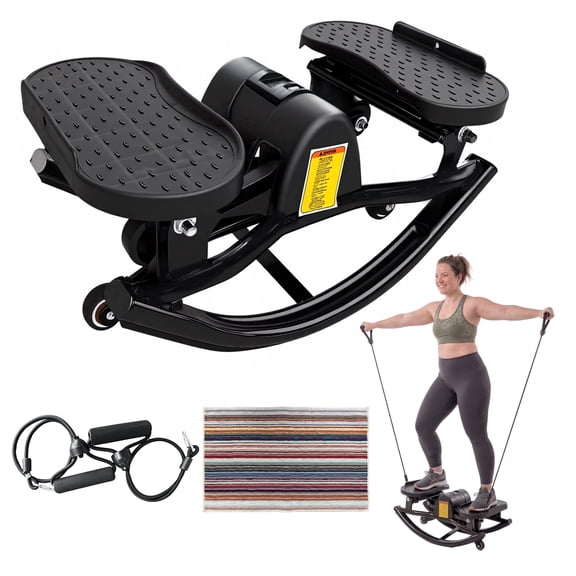
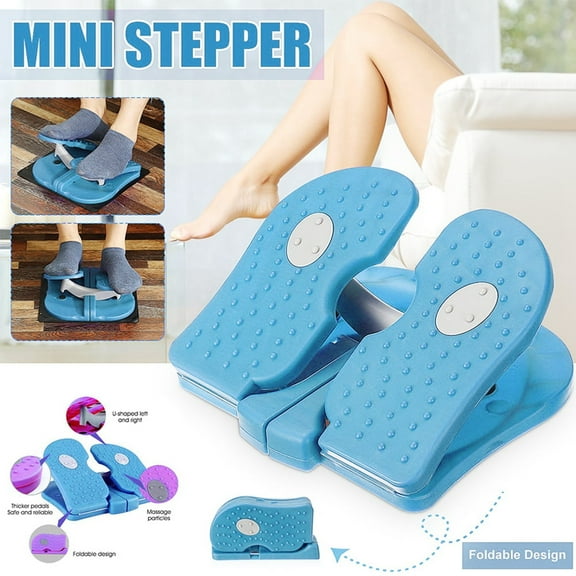
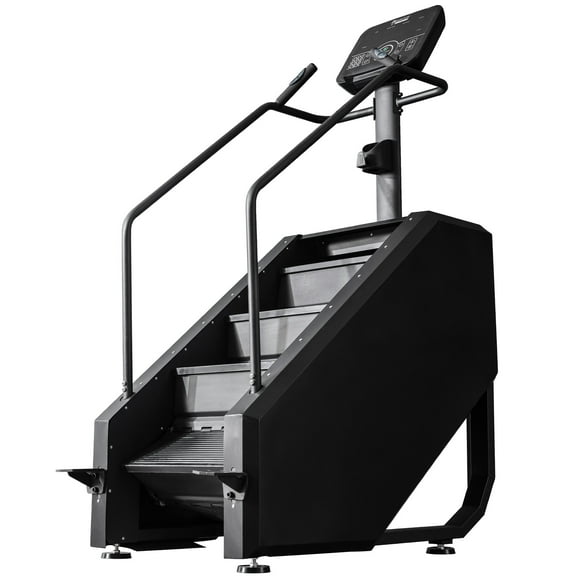
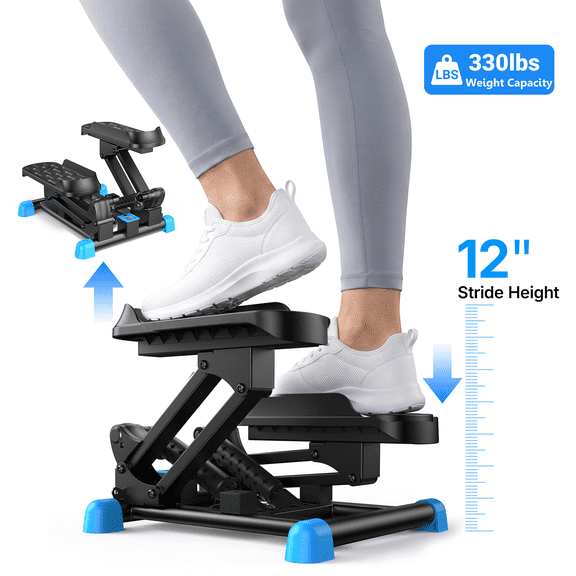
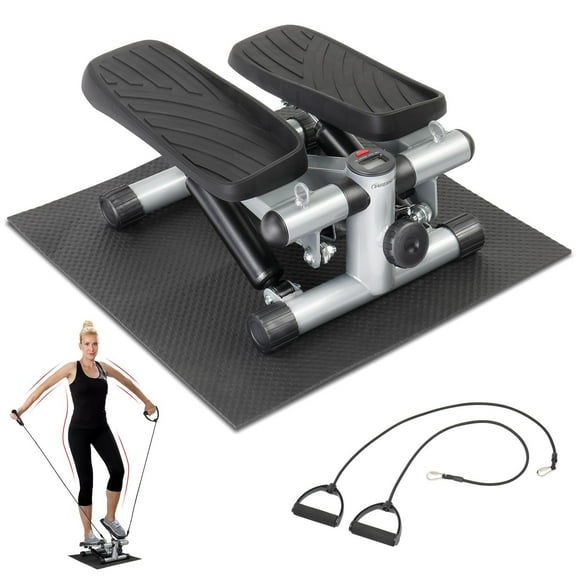
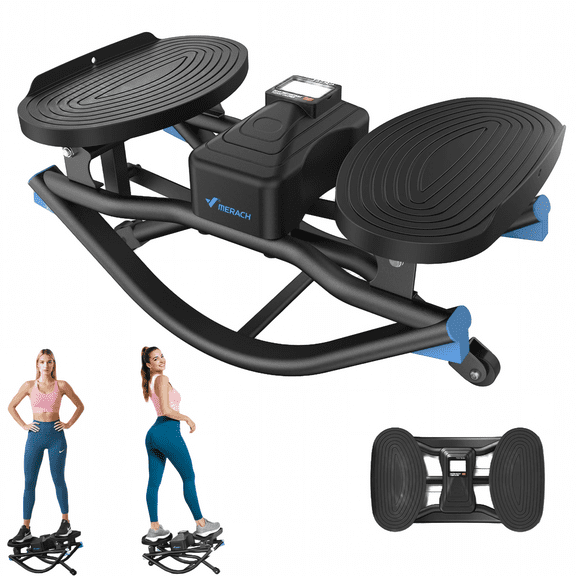
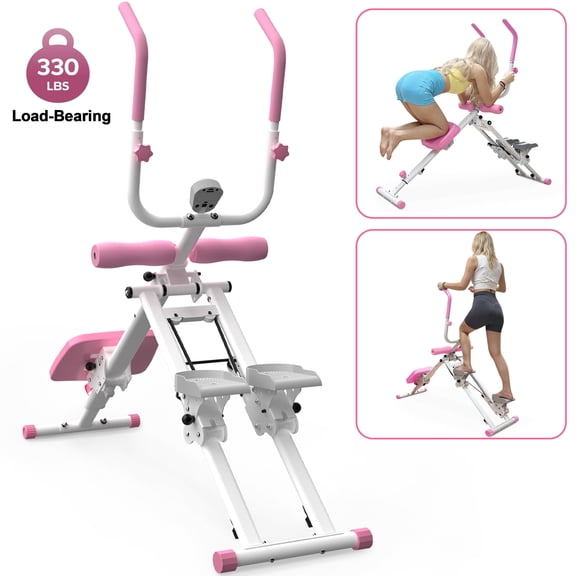
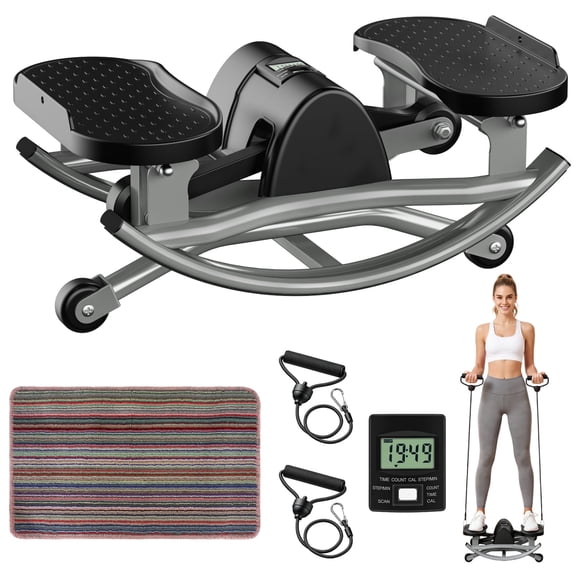
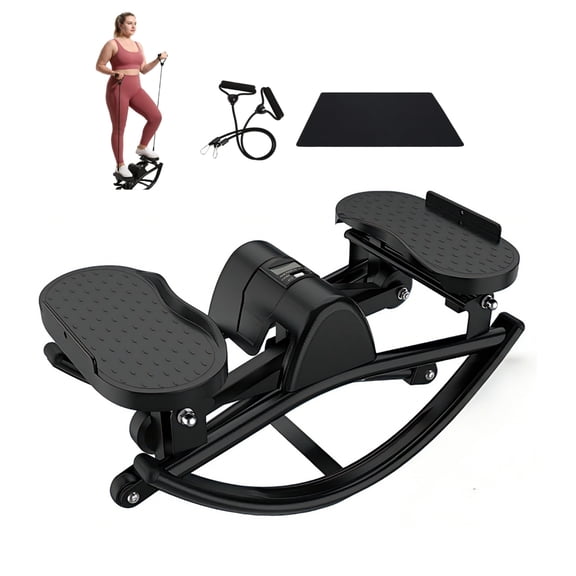
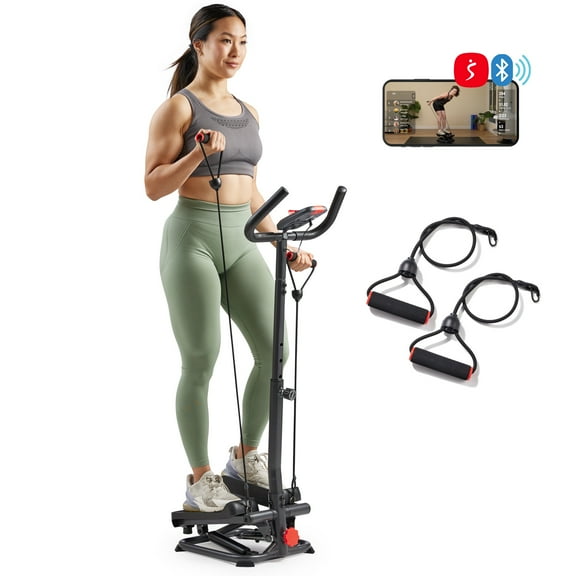
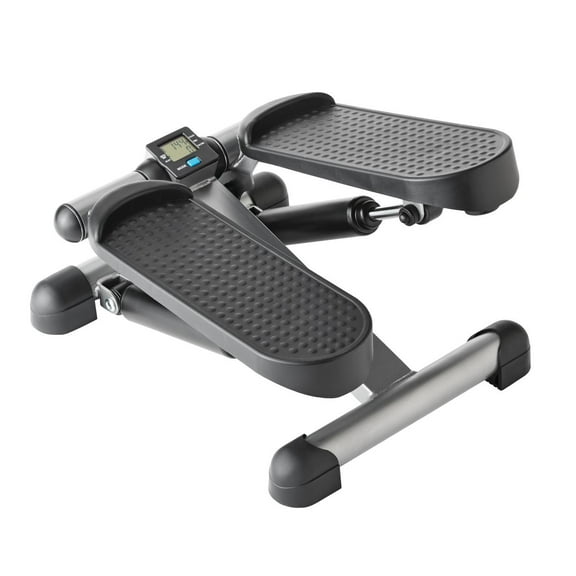
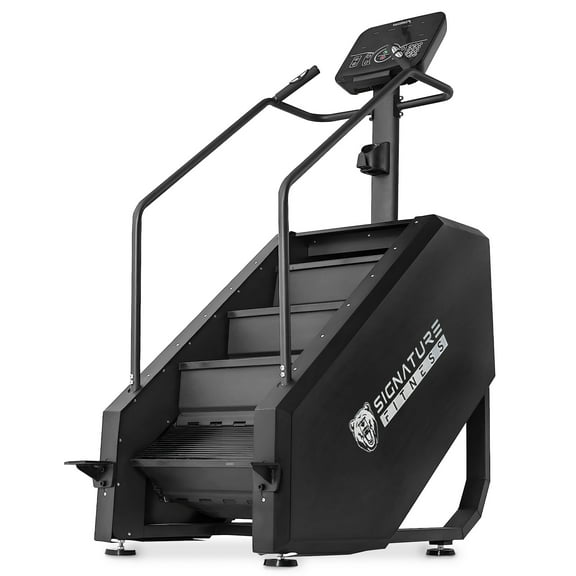
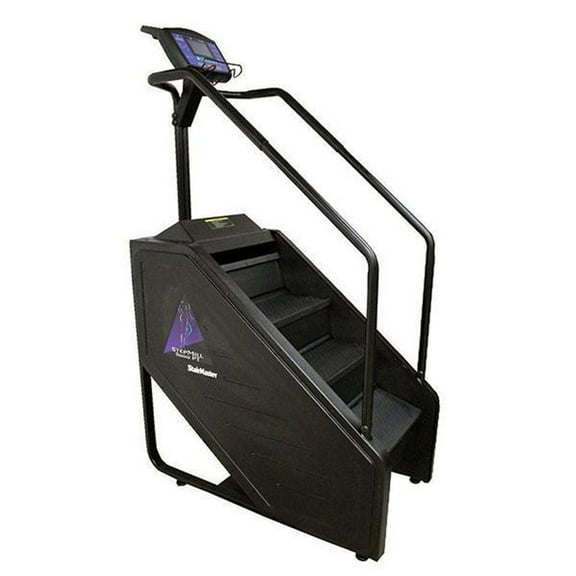
When you compare machine type, you’ll usually choose rotating stairs or an independent pedal stepper. You’ll feel a more continuous climbing pattern on rotating stairs, while pedal steppers create a shorter, alternating motion.
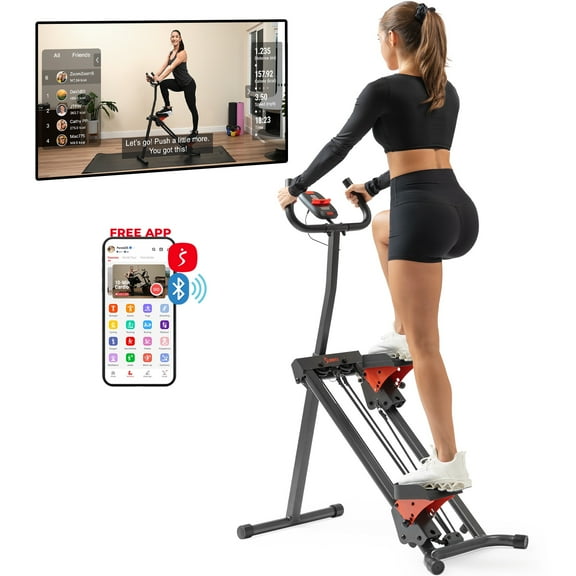
If you want a gym-style climb, you may lean toward a rotating stair climber machine with a taller stepping pattern. If you want a smaller setup, you may prefer independent pedals that keep the frame shorter and easier to place.
You should also think about workout rhythm and intensity. You’ll often get longer, uninterrupted climbing sessions on rotating stairs, while pedal steppers can suit shorter intervals and quick daily cardio blocks.
What to look for in a stair stepper machine
Resistance changes how the movement feels under your feet, so you should compare magnetic, hydraulic, and electromagnetic systems carefully. You’ll usually notice smoother transitions and steadier pacing when the resistance system responds consistently.
If you want simple workouts, you may like a hydraulic stair stepper machine with straightforward controls. If you want more programmed options, you may look for magnetic or electromagnetic resistance with guided levels and pace changes.
Console style also shapes your routine. You can keep things basic with an LCD screen for time, steps, and calories, or choose touchscreen and Bluetooth enabled options for connected tracking.
- You can use rotating stairs for a longer climbing motion that feels closer to stairwell training.
- You can choose independent pedal steppers when your room needs a shorter machine length.
- You can compare folding, compact, and commercial fixed footprints before planning your layout.
- You can check whether basic LCD stats or touchscreen connectivity match your tracking habits.
Key features that matter before you commit
Step-up height is a critical detail, because you’ll feel it in every repetition. You should compare the step-up height with your ceiling height, especially if your room has lower overhead clearance.
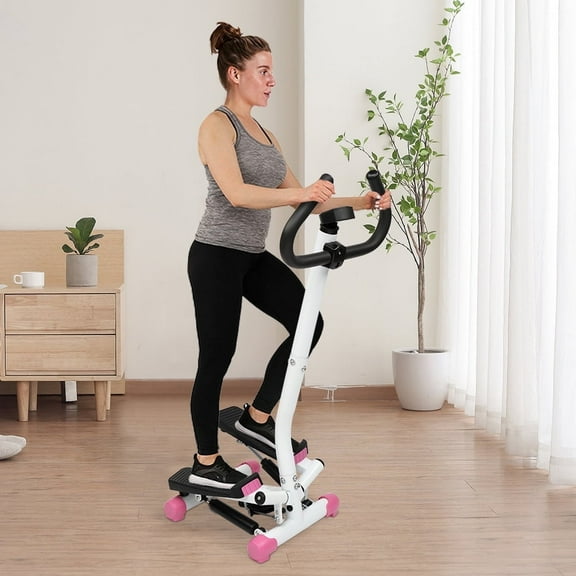
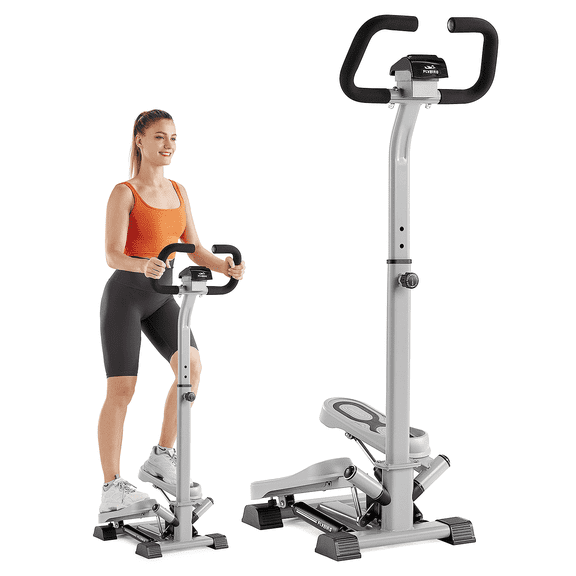
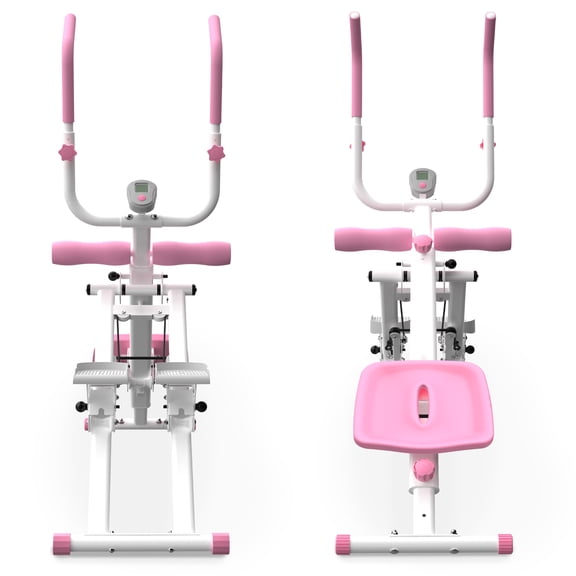
Handlebar design also affects comfort during longer sessions. You may want fixed support bars for steady posture, or moving handles if you want a fuller cardio routine with arm involvement.
Weight capacity and frame style help you judge daily durability. You’ll often see sturdier builds and larger bases on a commercial stair climber, while home models may focus on easier placement.
You should also compare noise expectations and maintenance needs. You may prefer a design that fits apartments, shared rooms, or early morning workouts without taking over your whole space.
Matching use cases to your workout goals
If you’re building a home gym in a spare room, you may want a compact stairmaster with a basic console and a manageable step-up height. You’ll keep your setup simpler while still getting a challenging climbing workout.
For multipurpose rooms, you may prefer a folding model that stores more easily after sessions. You can reclaim floor space faster, which matters when your workout area shares space with work or family routines.
If you train several times each week, you may look for a stairmaster machine for home with smoother resistance and more tracking options. You’ll get clearer progress data, which can help you structure intervals, climbs, and recovery days.
For heavier traffic or longer sessions, you may consider a commercial stair climber with a larger frame and touchscreen controls. You’ll often get a setup that supports repeated use and more advanced programming.
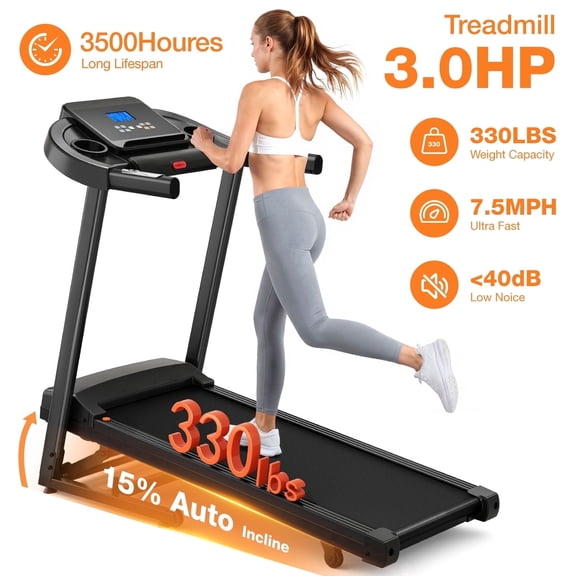
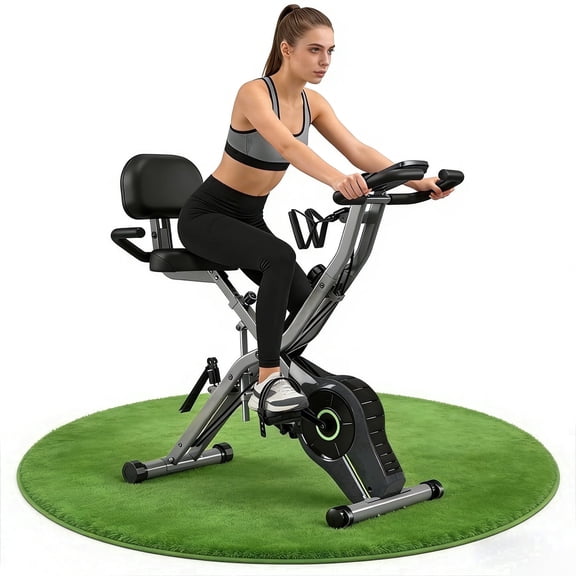
You can also compare these machines with treadmills, ellipticals, and exercise bikes based on your routine. If you want an upright climbing motion and a smaller running footprint, you may find this category fits that plan well.
Why these stair climber details matter
When you compare ceiling clearance, step style, resistance, and console options, you can narrow the field much faster. You’ll end up with a stairmaster that fits your room, matches your training style, and supports consistent cardio sessions.