

Square Rugs in Area Rugs
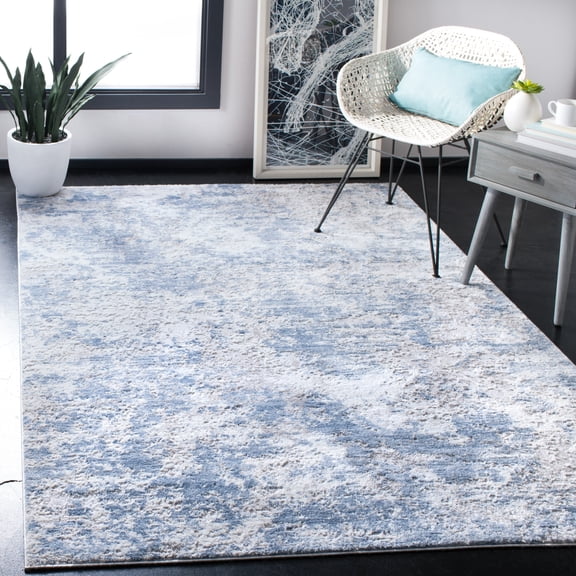

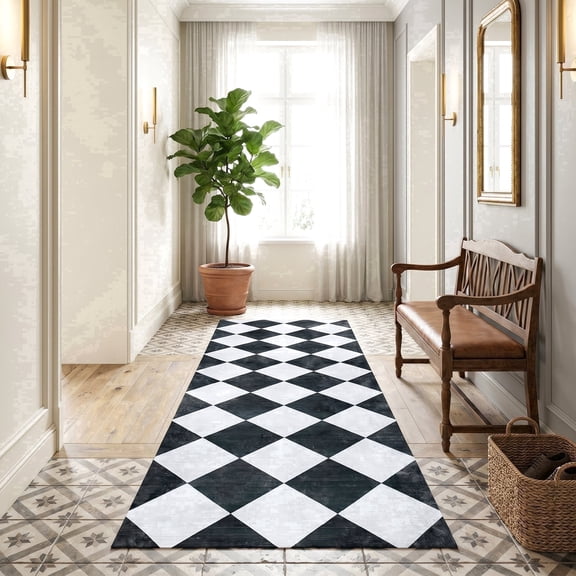
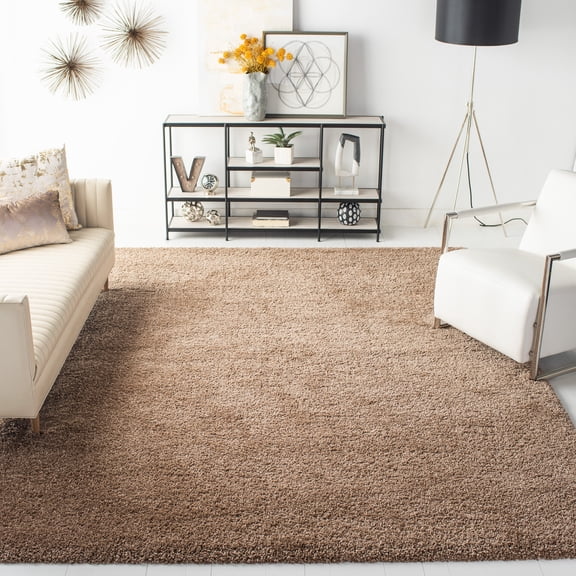

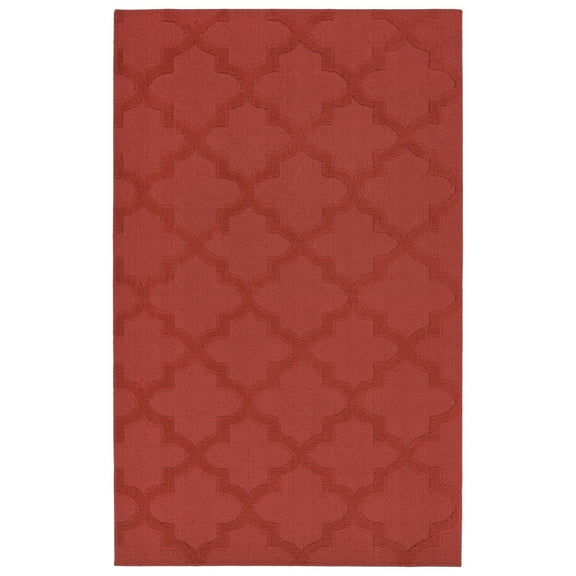












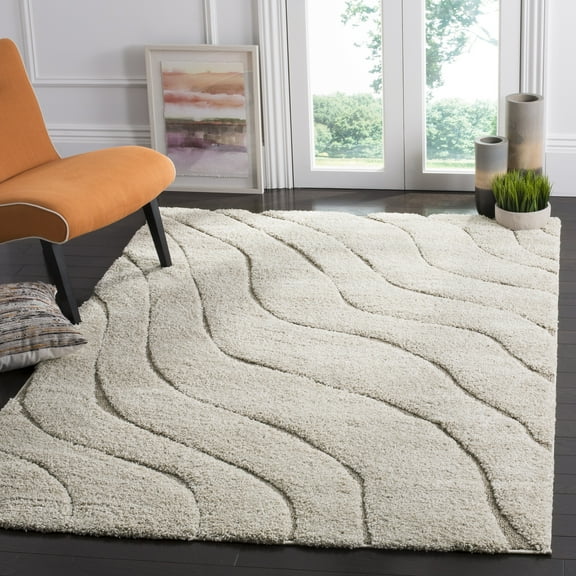


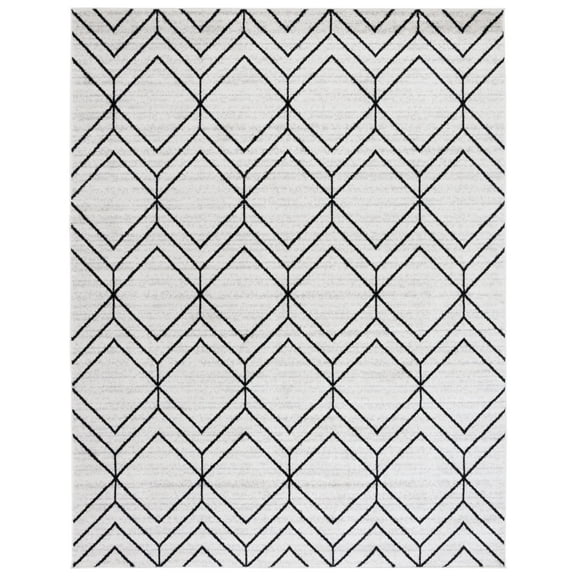


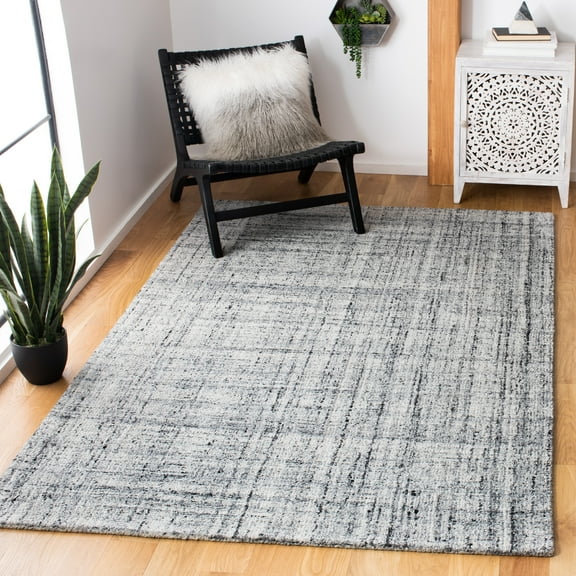


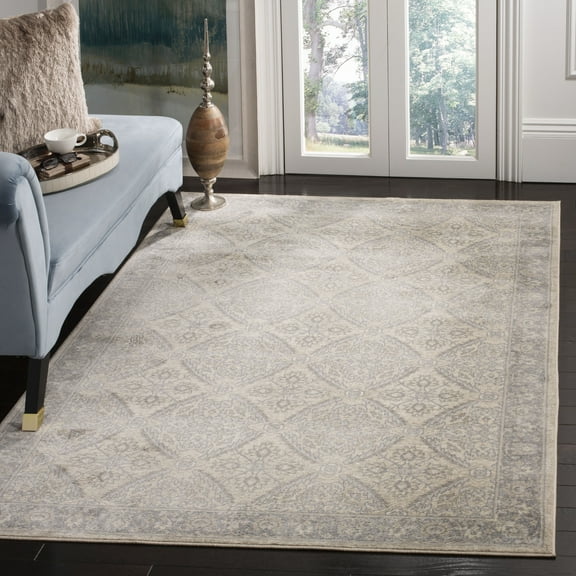


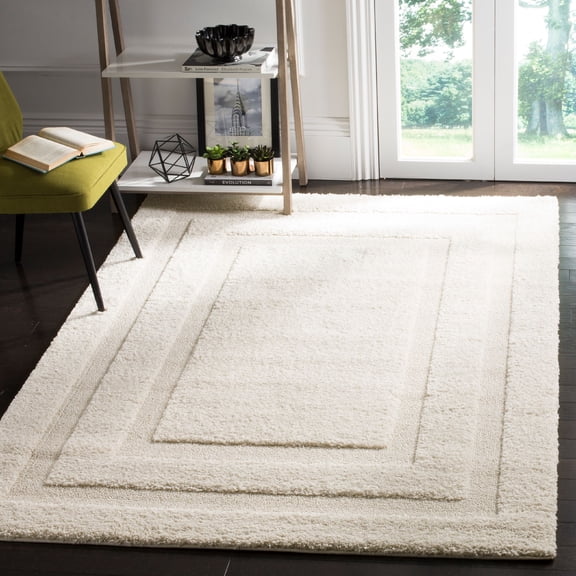


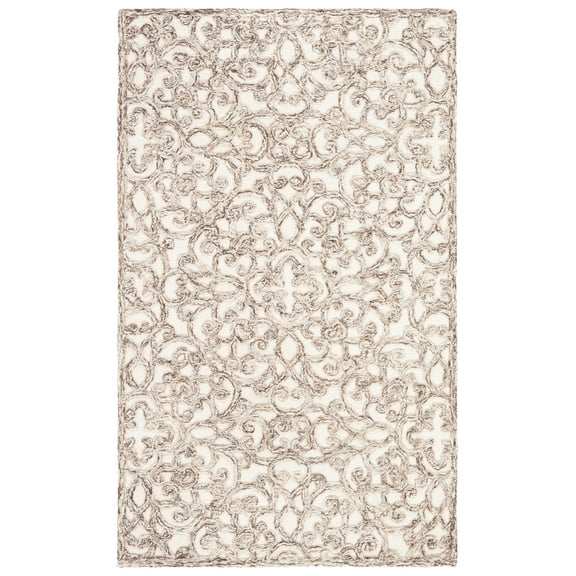




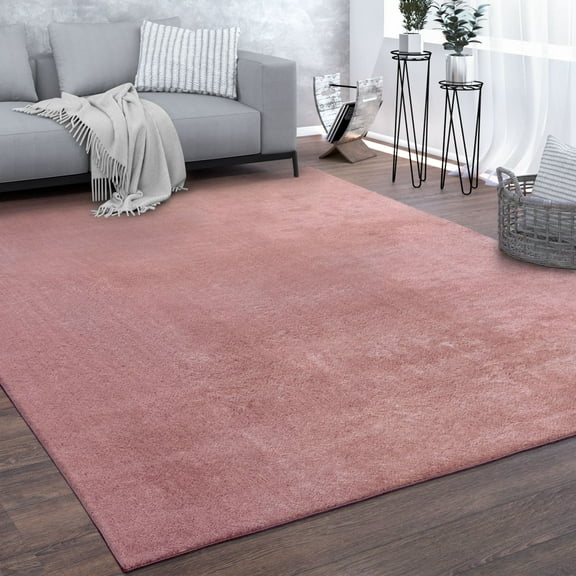










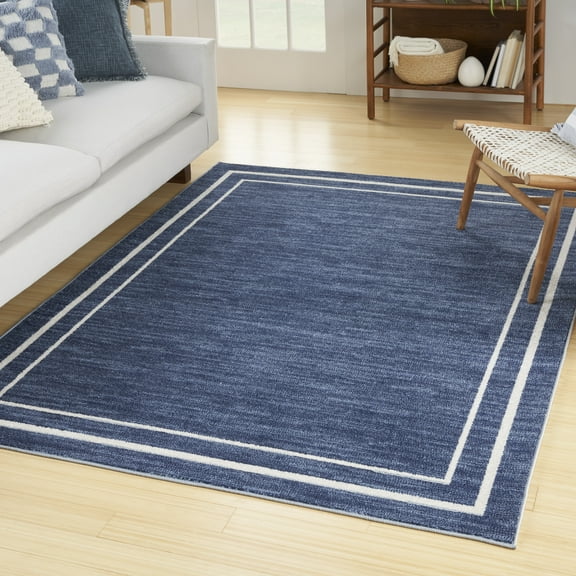
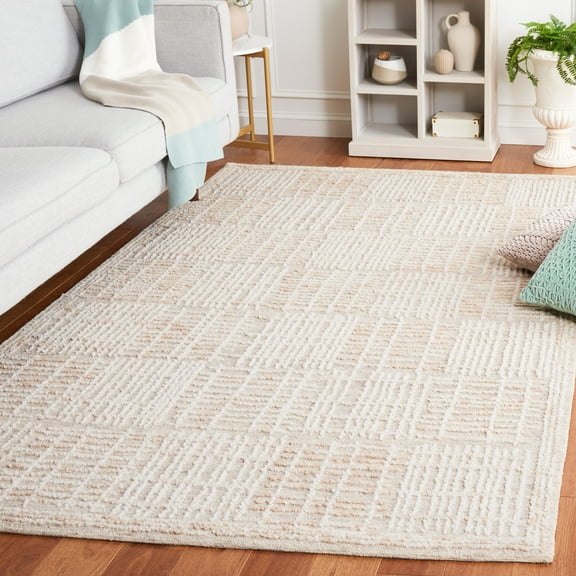


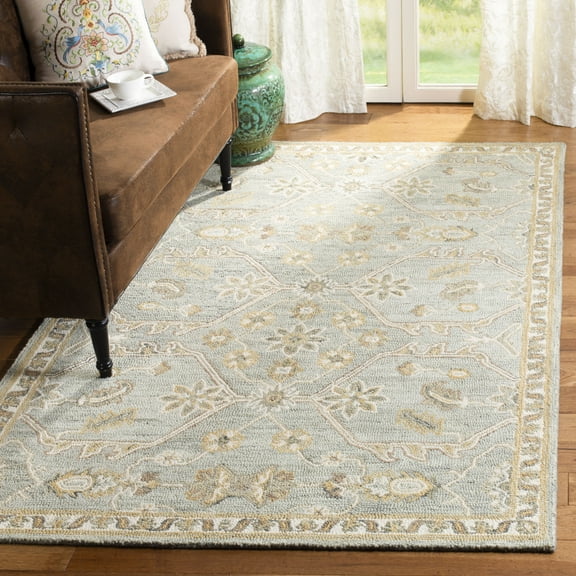

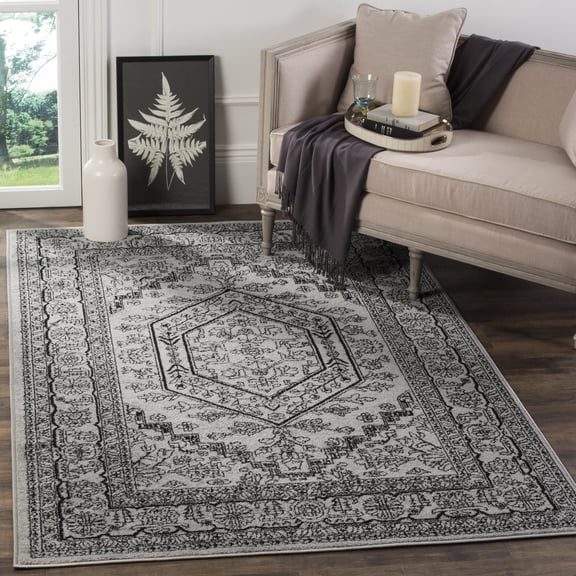










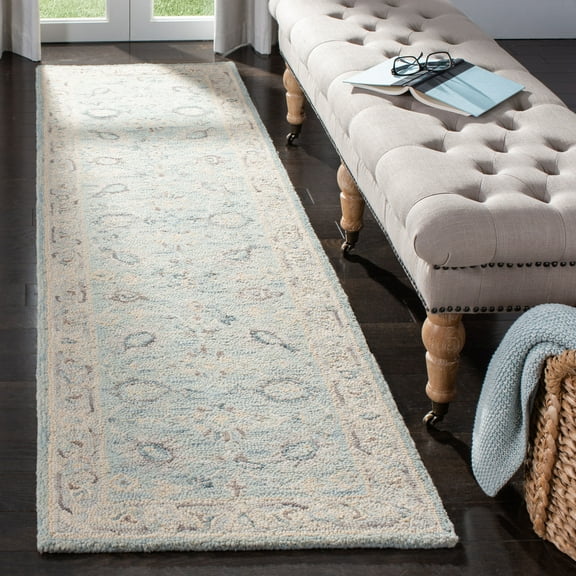


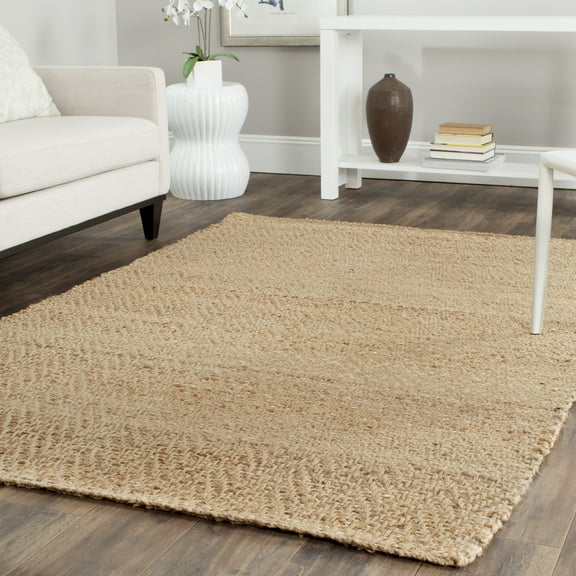
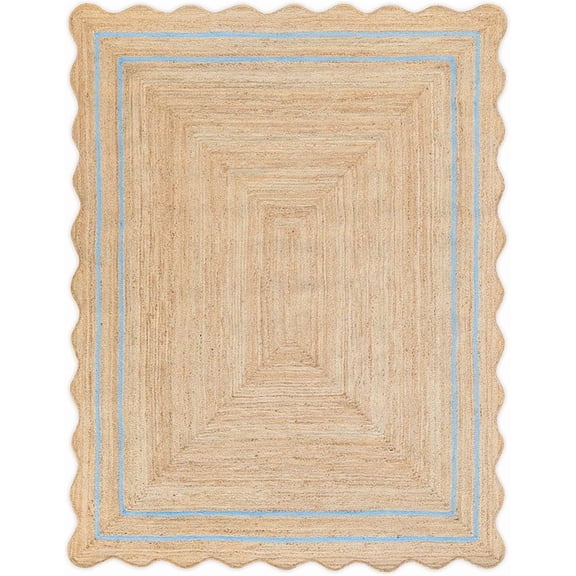
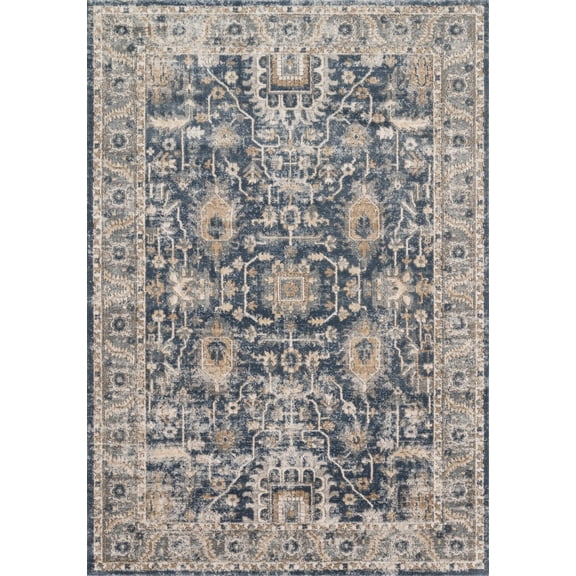


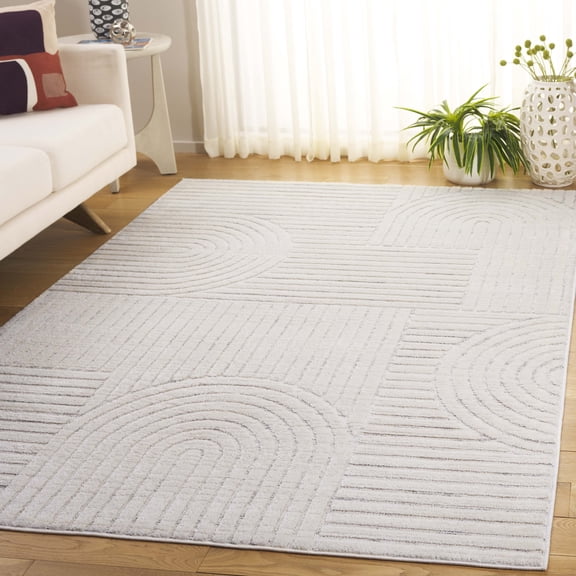
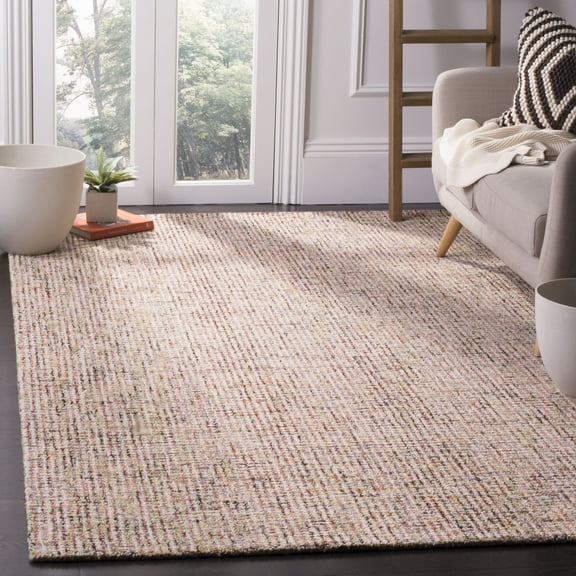


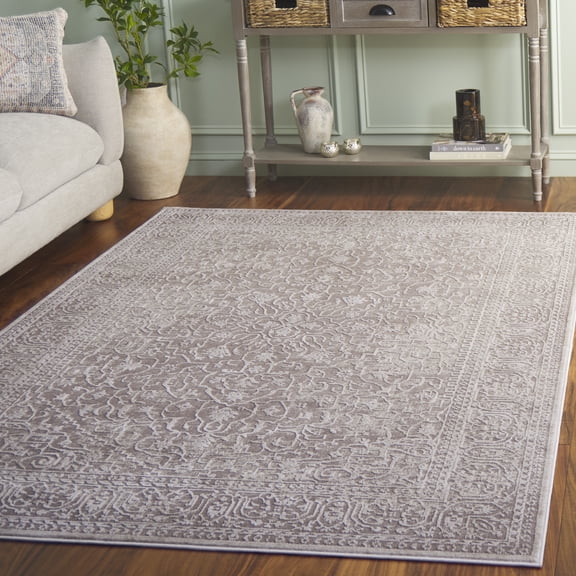


About Square Rugs in Area Rugs - Walmart.com
Square rugs help you define balanced layouts in rooms where equal sides matter. You can use square rugs to anchor square seating groups, center dining tables, and tidy open entryways.
When you compare shapes, you’ll notice a square rug often fits symmetrical furniture plans with less visual waste. You can create cleaner borders around chairs, corners, and conversation areas.
Choosing square rugs by size
Size is your first decision because exact dimensions affect how your room feels and functions. You should measure furniture edges, walking space, and wall clearance before choosing 4x4, 6x6, 8x8, or 10x10.
In smaller zones, you may prefer 4x4 or 6x6 square area rugs for compact seating corners. In larger layouts, you can use 8x8 square rugs or 10x10 sizes to center the room.
For dining rooms, you should check that chairs stay on the rug when pulled back. For living rooms, you can place front legs or full furniture groupings on the rug.
- You can use 4x4 rugs in entryways, reading nooks, or small apartments.
- You can choose 6x6 square rugs for breakfast tables or compact conversation areas.
- You can place 8x8 square rugs under square dining tables or larger living room layouts.
- You can consider 10x10 sizes when your room needs broad floor coverage and balanced borders.
What to look for in square rugs materials
Material changes how your rug feels, cleans, and wears over time. You should compare wool, polypropylene, jute, and cotton based on traffic, texture, and upkeep.
If you want warmth and texture, you may look at wool square rugs for denser fibers. If you want simpler cleanup, you may prefer polypropylene for busy family spaces.
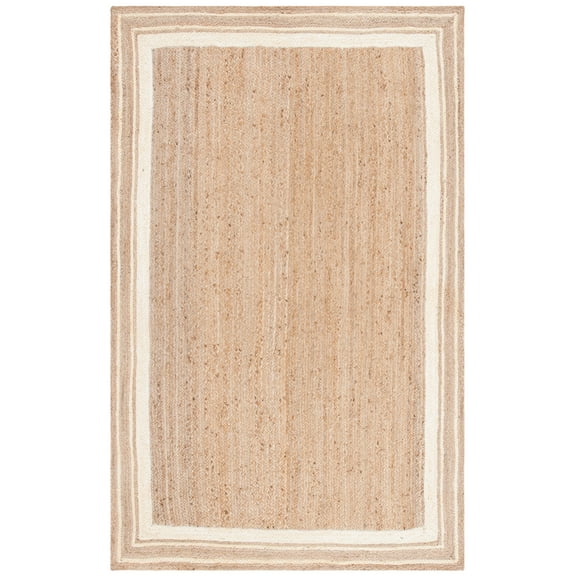
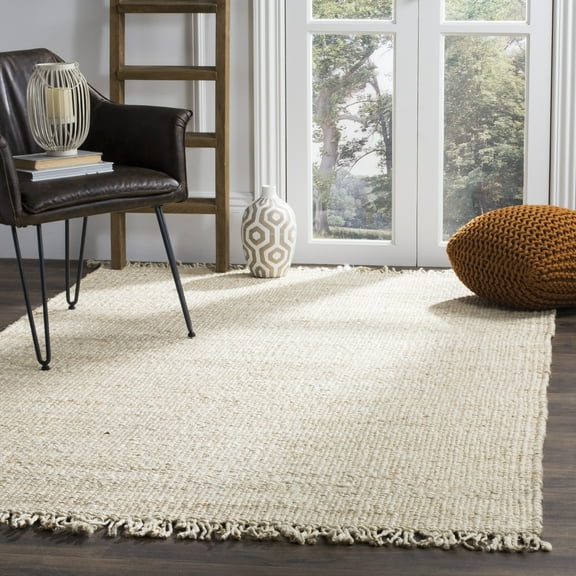
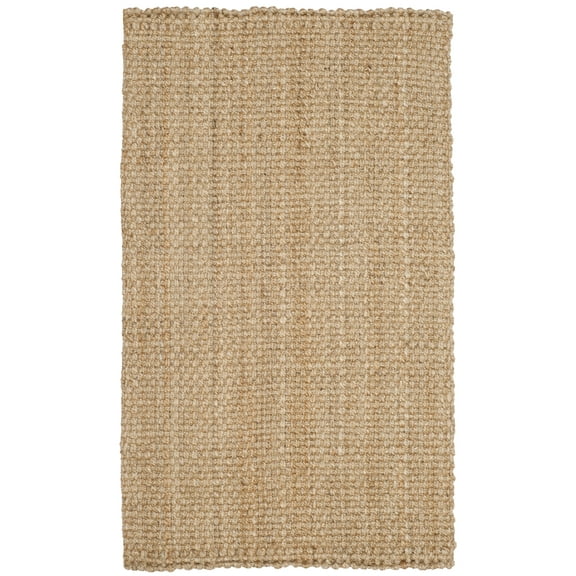
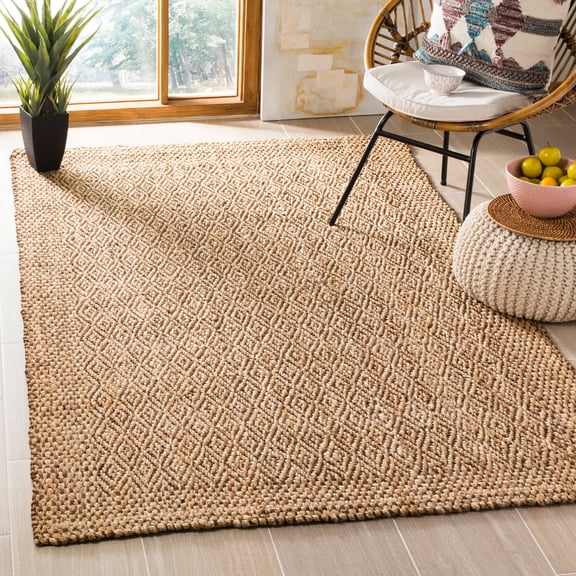
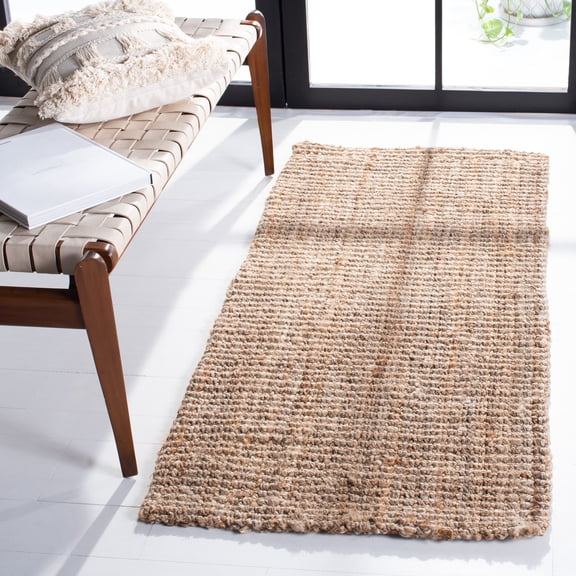
Jute gives you a natural woven look that suits casual rooms and layered decor. Cotton can feel lighter and easier to move, which helps when you refresh layouts often.
You should also think about pile height before placing a rug near doors. Lower profiles usually give you easier door clearance in entryways, closets, and adjoining rooms.
Comparing style options for square area rugs
Style helps your rug support the furniture and finishes already in your space. You can compare modern, traditional, bohemian, and geometric looks by pattern scale and color contrast.
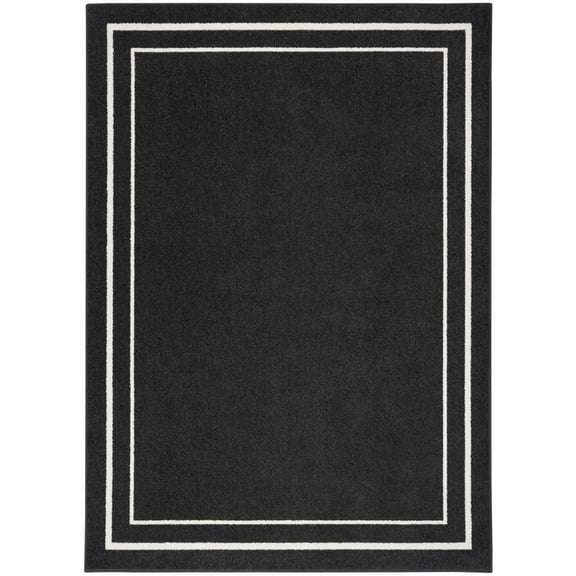
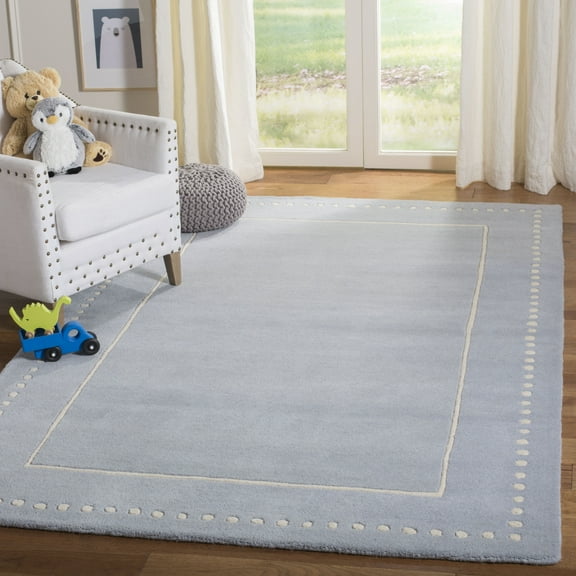
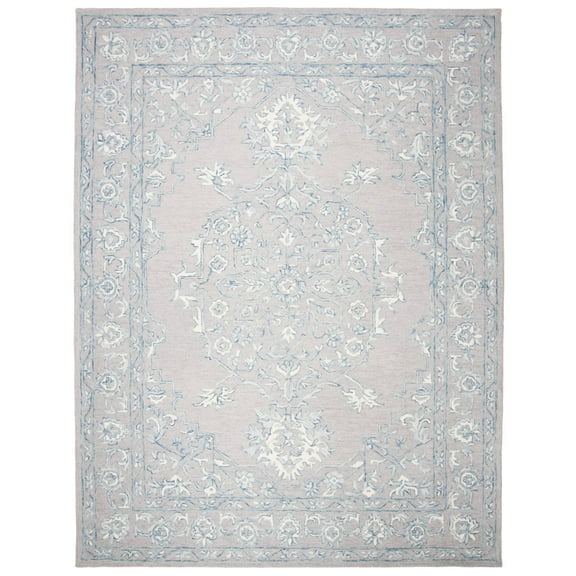
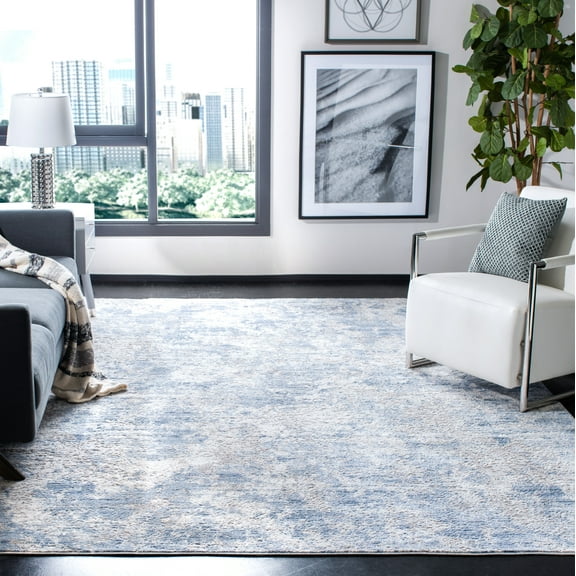
Modern square rugs often use cleaner lines and simpler palettes for streamlined rooms. Traditional looks can add framed motifs that work well with wood furniture and classic dining sets.
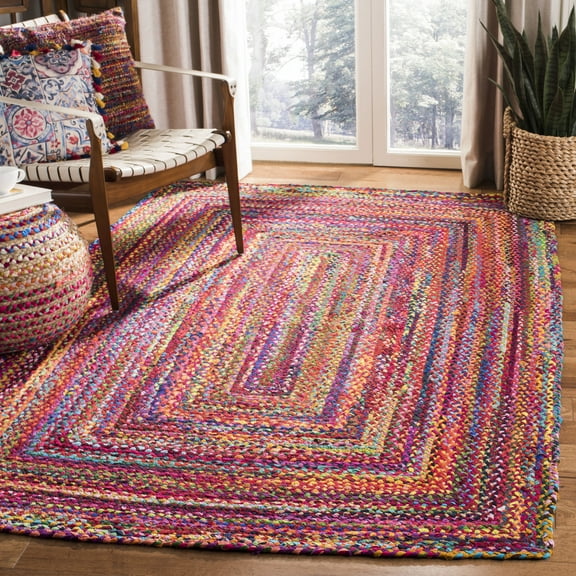
Bohemian patterns can soften sharp furniture angles with layered color and relaxed texture. Geometric designs can echo the equal sides of a square layout for a more ordered appearance.
When you compare patterns, you should check how much floor the rug will cover. Larger motifs can feel calmer in 8x8 square rugs, while tighter patterns can suit smaller formats.
Using square rugs for living room, dining room, entryway, and outdoor spaces
Room placement shapes the size, material, and pile height you should choose. You can narrow options faster when you match the rug to the way your space is used.
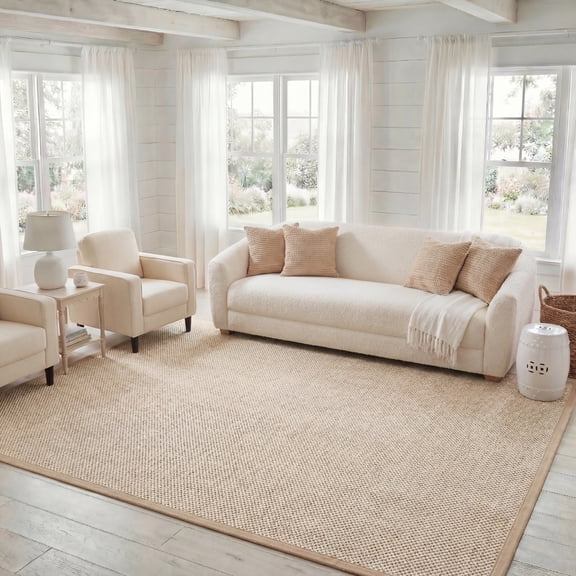
For square rugs for living room setups, you should measure around sectionals, loveseats, and accent chairs. You can use a centered square rug to define conversation areas in open floor plans.
In dining rooms, you should compare the table shape with the rug shape for a balanced outline. A square rug usually complements a square table and keeps the layout visually consistent.
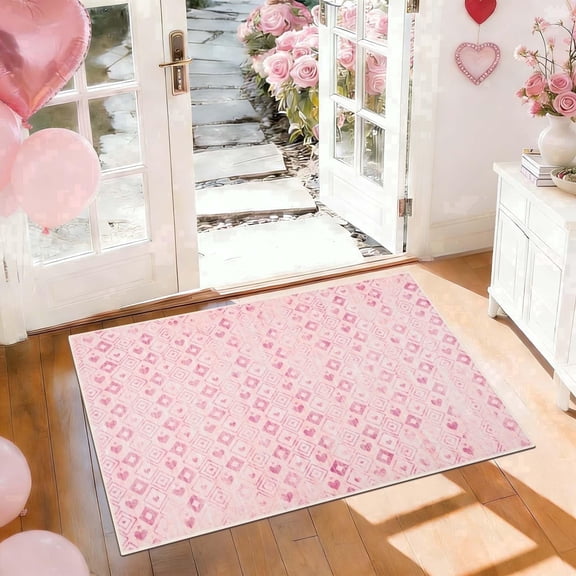
For entryways, you may prefer lower pile options that support smoother door movement. You can also choose easy-care materials when shoes, bags, and daily traffic pass through often.
In outdoor spaces, you should look for materials that handle patios, covered porches, and casual seating zones. You can use a square shape to mirror tile layouts or compact furniture groups.
Checking rug pad compatibility and everyday care
A rug pad is another important decision because it affects fit, feel, and floor contact. You should match the pad shape and size closely so your rug sits neatly within the edges.
You can use a rug pad to add cushioning and help your rug feel more stable underfoot. You can also reduce floor scuffs and help the rug stay positioned in busy walkways.
For everyday care, you should consider how fiber type affects cleaning routines and appearance. You can usually maintain a fresher look when you match the material to your traffic level.
With square rugs, you get a shape that works especially well for centered furniture plans and balanced room geometry. You can choose the right size, material, and pile height for a layout that feels intentional every day.