

Electric Spin Scrubber in Cleaning Brushes

























About Electric Spin Scrubber in Cleaning Brushes - Walmart.com
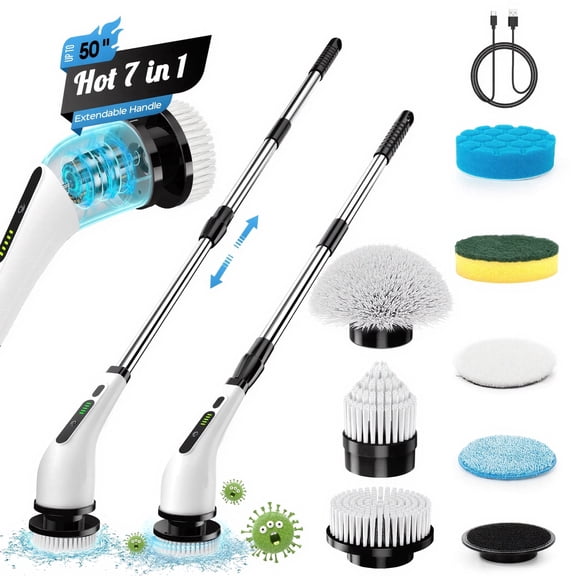
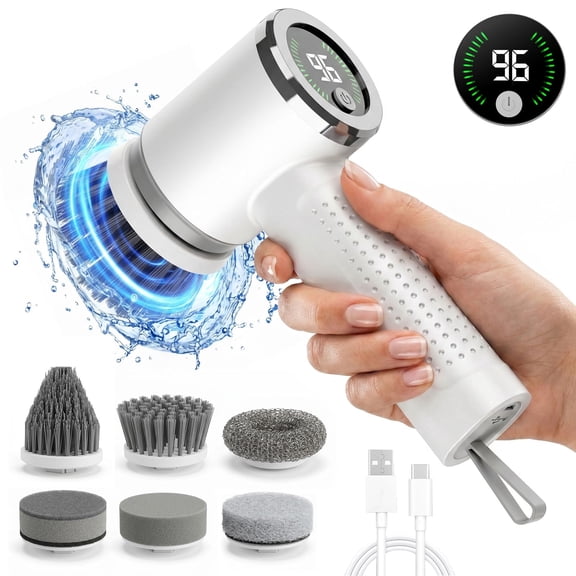
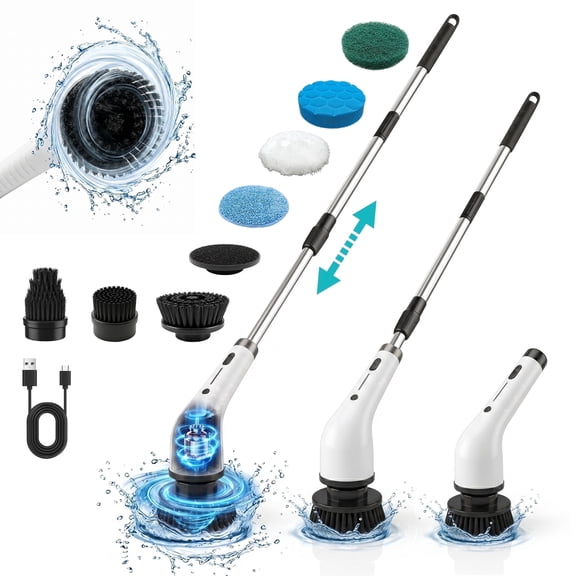
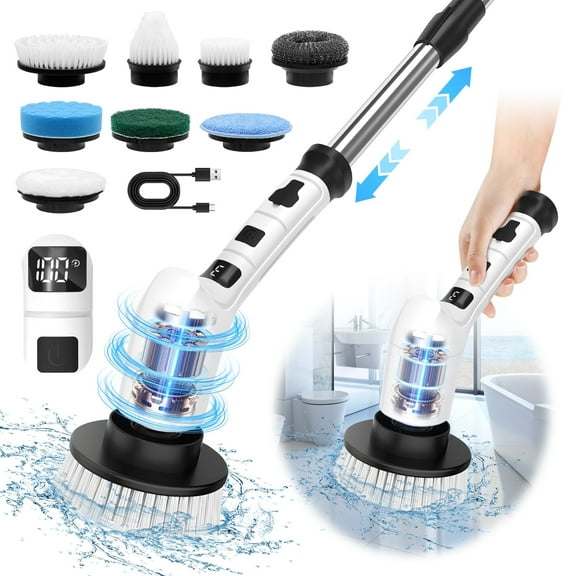
With an electric spin scrubber, you can clean tubs, tile, and shower walls with less bending and less hand scrubbing. You’ll also find category options that match wet bathrooms, long reaches, and detail work around grout lines.
How to choose an electric spin scrubber
When you compare an electric spin scrubber, you should start with the jobs you handle most often. You may want a shower cleaning brush electric model for walls, or a tile and tub scrubber for grout and corners.
For everyday bathroom cleanup, you’ll usually want a balance of reach, brush variety, and charging convenience. If you clean larger spaces, you should also check run time before you choose.
Why an electric cleaning brush helps you clean quickly
An electric cleaning brush helps you cover large surfaces with steady spinning action instead of repeated hand pressure. You’ll notice that this design works well on shower panels, tile floors, and around tubs.
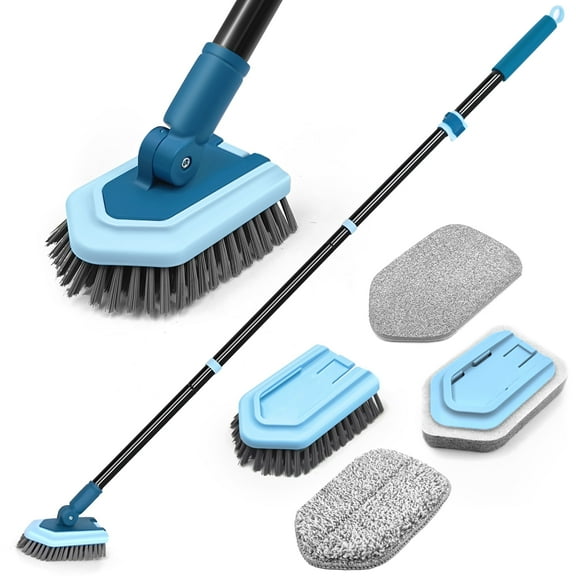
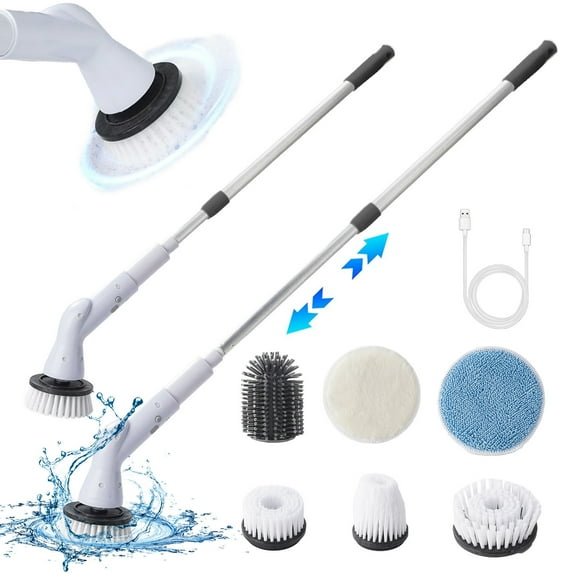
If you scrub hard-to-reach spots, you can use a bathroom scrubber with long handle options to reduce stretching. You’ll also reach behind faucets, along baseboards, and high on shower walls.
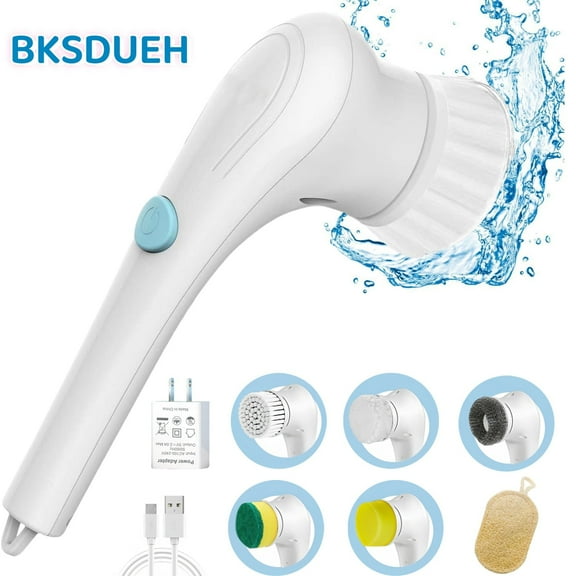
For mixed surfaces, you can switch attachments instead of forcing one brush to do every task. That means you can use flatter heads on tile and more shaped heads on curved tubs.
- You can clean shower walls, tubs, and grout with less repetitive hand scrubbing.
- You can reach lower floors and higher corners more comfortably with long or telescopic handles.
- You can match brush heads to tile, glass, grout lines, and rounded fixtures.
- You can choose cordless designs that move easily between bathrooms, kitchens, and utility spaces.
Choosing between cordless spin scrubber power options
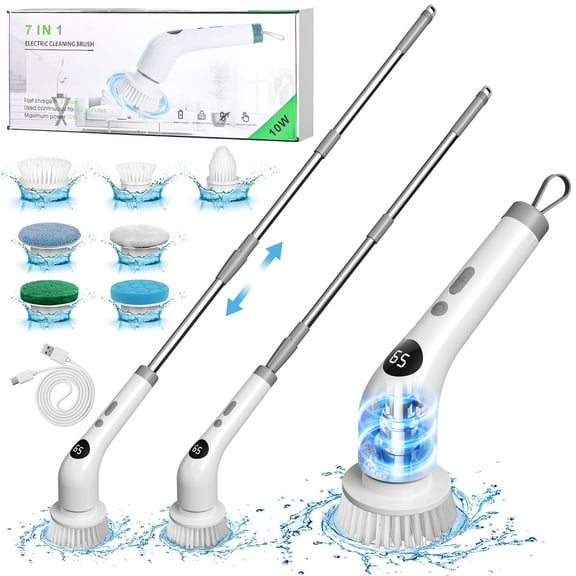
If you want easy movement, you should compare cordless, rechargeable, and battery-powered styles first. A cordless spin scrubber lets you move around tubs and showers without managing a cord.
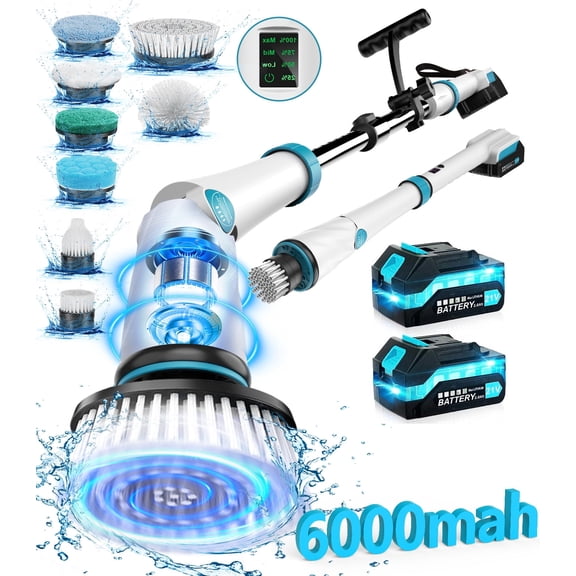
You should also compare battery run time and charging time together, not separately. Higher mAh capacity usually means you can clean longer before recharging.
If you clean several rooms in one session, you may prefer fast-charge capability for shorter waiting between uses. You should check whether the charge window fits your routine.
Choosing the right handle design
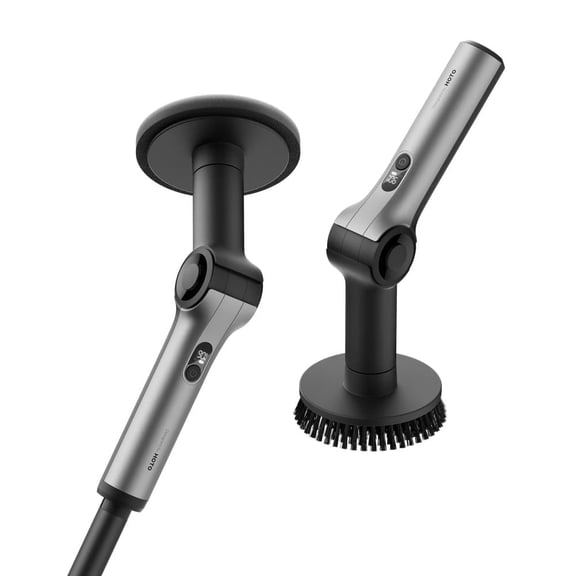
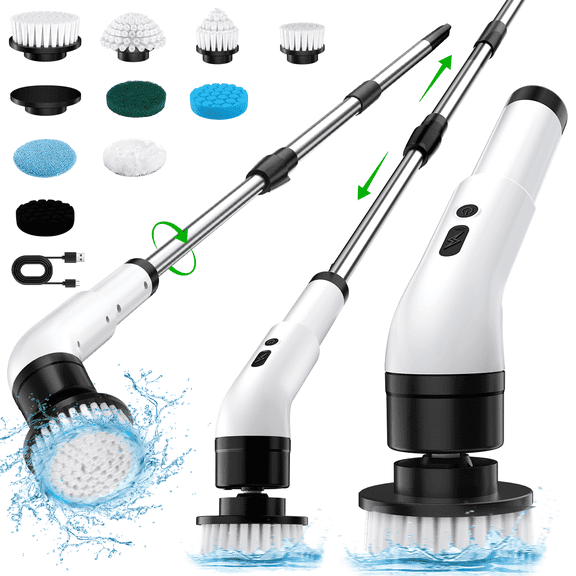
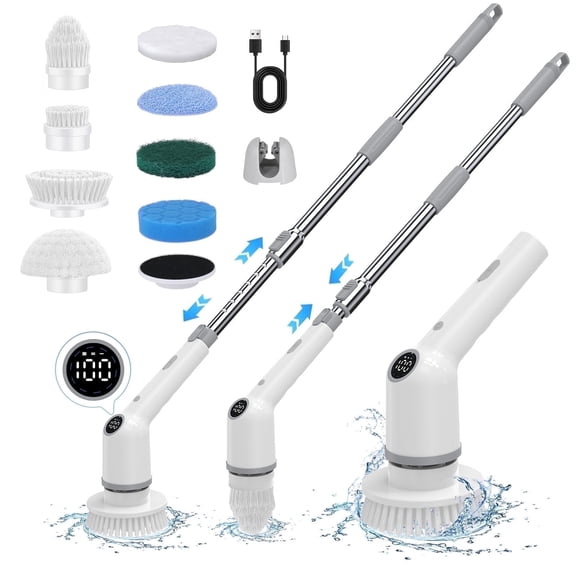
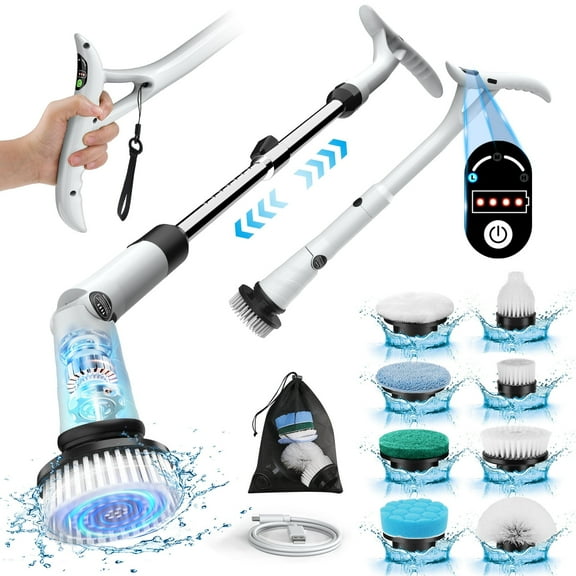
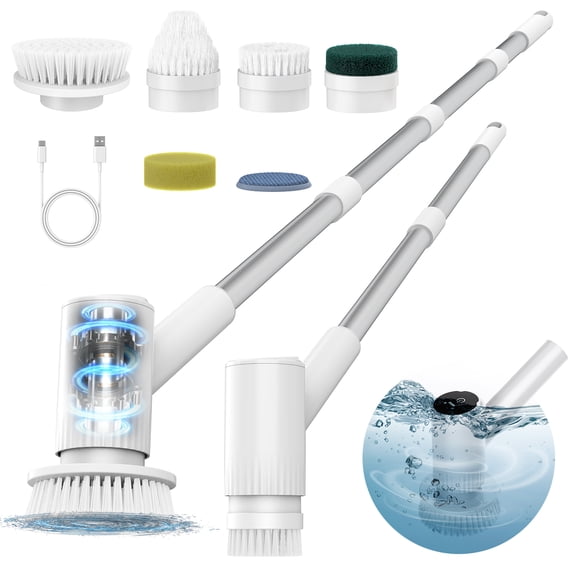
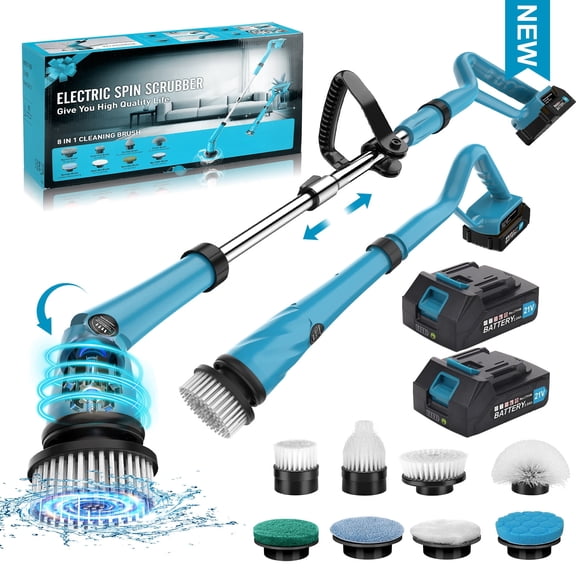
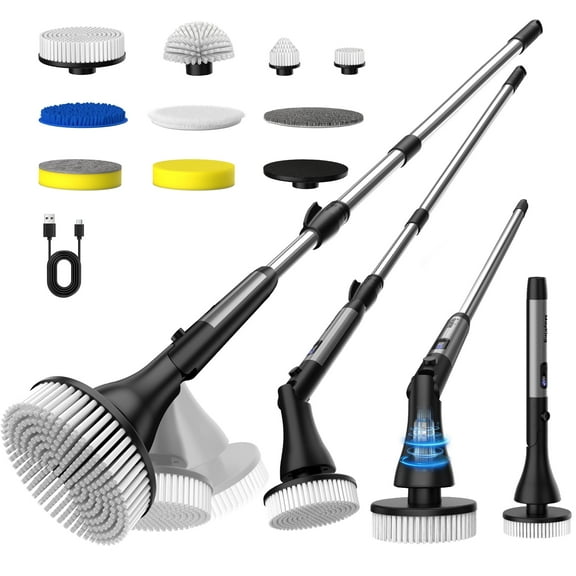
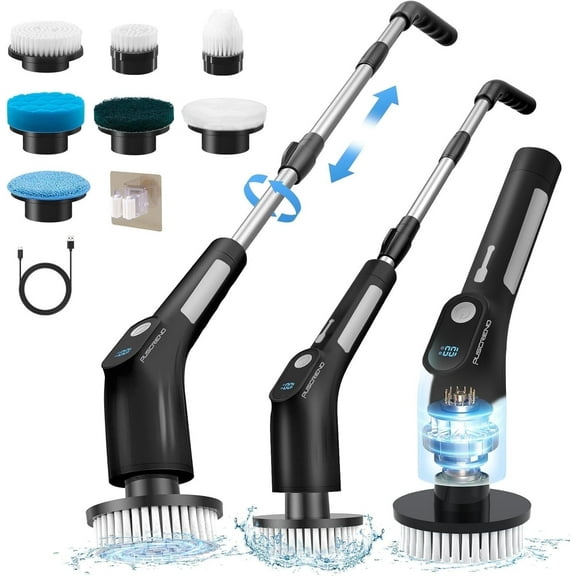
Handle design changes how comfortably you can clean floors, walls, and tight bathroom edges. You may want an extendable or telescopic pole when you need extra reach.
A bathroom scrubber with long handle can help you reach floor tile near the tub and upper shower corners. You can also choose handheld styles when you need closer control around faucets.
If you share the tool across rooms, you should compare fixed and adjustable lengths carefully. An adjustable handle gives you more flexibility for deep tubs, backsplashes, and floor grout.
Choosing brush head attachments for tile and tub cleaning
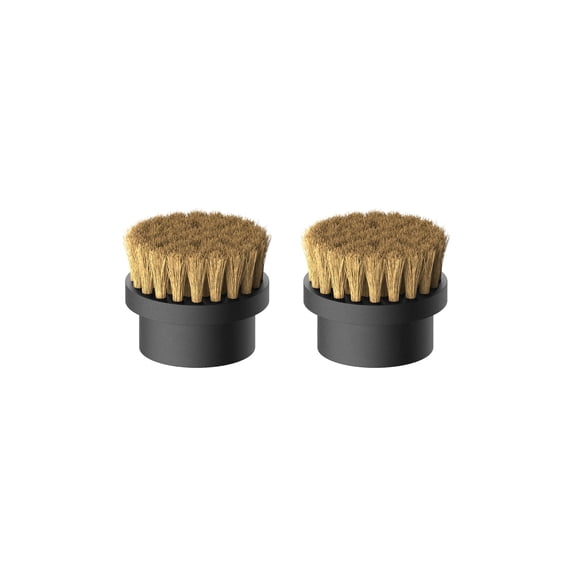
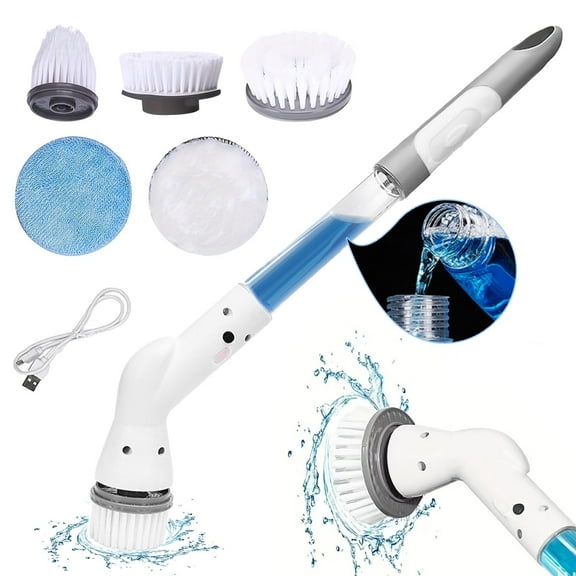
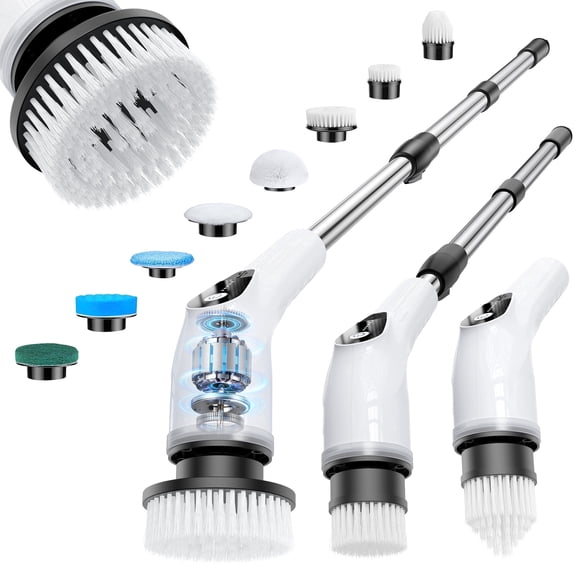
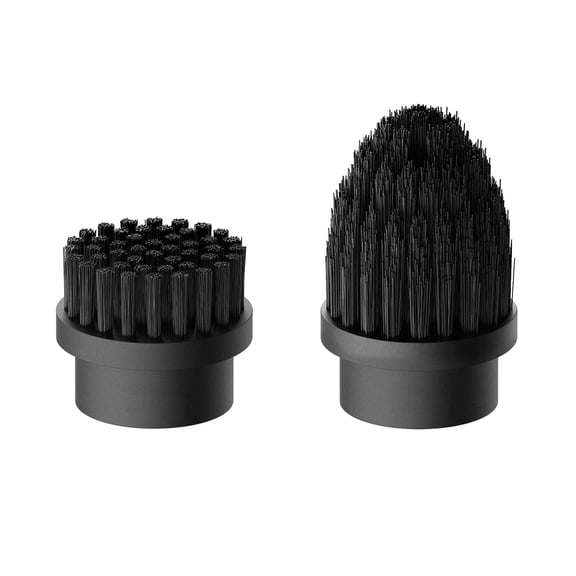
Brush head variety matters because different surfaces need different shapes and textures. You should look for options like a flat brush, dome brush, corner brush, or scouring pad.
A flat brush usually helps you cover broad tile sections and shower doors more evenly. You can use a dome brush where curved tubs and sink basins need closer contact.
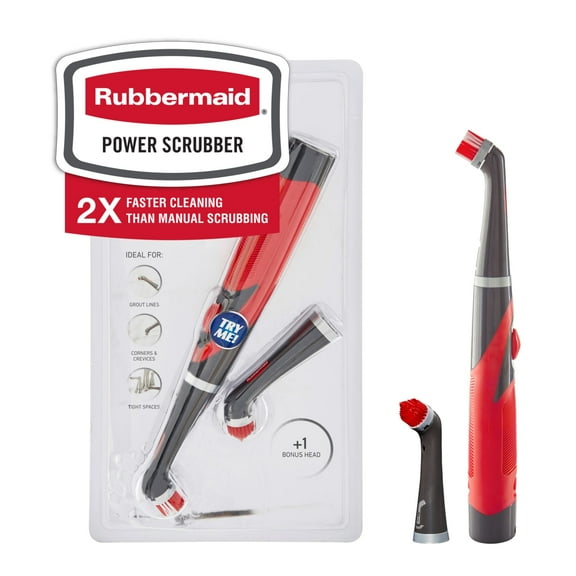
For grout lines, trim edges, and narrow corners, you should compare corner brushes closely. If you need a tile and tub scrubber for stubborn buildup, you may also consider a scouring pad attachment.
What to look for in waterproof ratings
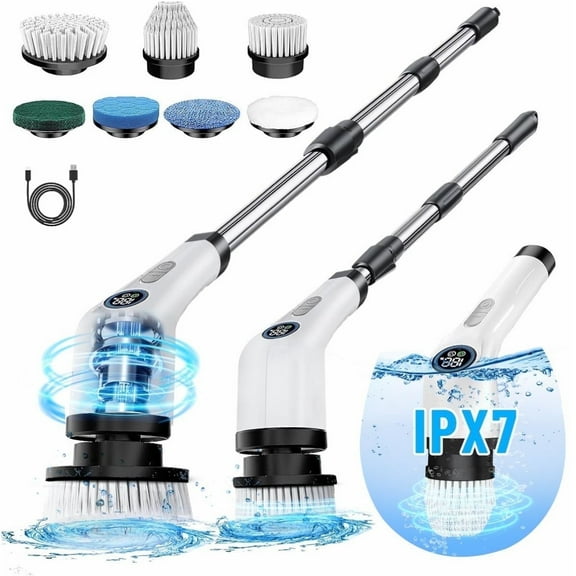
Because you’ll use these tools around water, you should check the waterproof rating before you choose. A shower cleaning brush electric model may list water-resistant construction or an IPX7 waterproof rating.
IPX7 waterproof usually means you’re looking at a brush head designed for wet bathroom use. You should still compare whether the full unit or only the head has that rating.
If you clean wet shower walls often, you may also prefer a submersible head for rinsing convenience. You can use that detail to narrow choices for frequent bathroom cleaning.
How you might use a power scrubber brush at home
A power scrubber brush can fit more than one room when you choose the right combination of handle and heads. You can use handheld setups for sinks, stovetop areas, and smaller fixtures.
For spring projects, you may want an electric scrubber for spring cleaning with longer run time and multiple attachments. You can move from bathroom tile to kitchen grout without switching tools.
If your shower has glass doors, narrow tracks, and tile walls, you should compare a corner head and flat head together. That pairing gives you thorough coverage across edges and larger smooth sections.
When you clean a deep tub surround, you may prefer a rechargeable model with an extendable handle. You can reach farther across the basin without leaning in as much.
For apartment bathrooms, you might want a compact electric spin scrubber that stores easily between uses. You can still handle tile, fixtures, and tight corners with the right attachments.
If you’re choosing one tool for shared household chores, you should focus on runtime, handle adjustability, and attachment variety. Those three factors usually shape how versatile your cleaning routine feels.
Simplify your electric spin scrubber choice
When you compare power source, handle reach, brush heads, and waterproof rating, you can choose with more clarity. You’ll end up with an electric spin scrubber that fits your surfaces, your cleaning routine, and your bathroom setup.