

Gray Area Rugs in Area Rugs






















































About Gray Area Rugs in Area Rugs - Walmart.com
Gray area rugs give your room a grounded, flexible base that works with changing decor. You can use gray tones to soften bold furniture, balance bright walls, and anchor open floor plans.
You’ll also find this category spans key choices that affect how your space looks and feels. You can compare shade, placement, texture, pile, shape, and size before narrowing your fit.
How to choose gray area rugs by shade
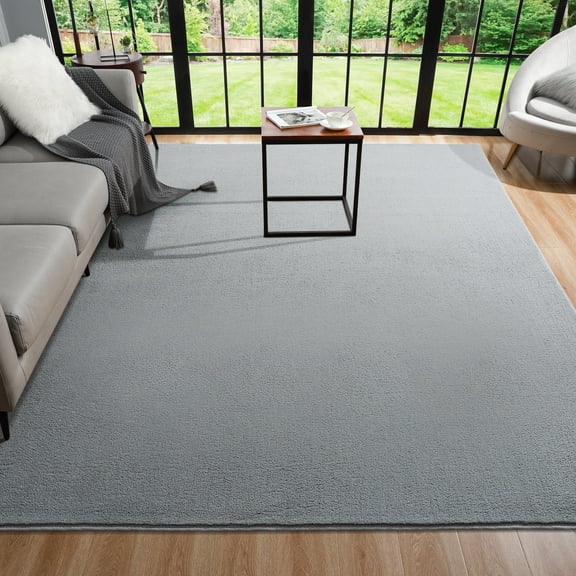
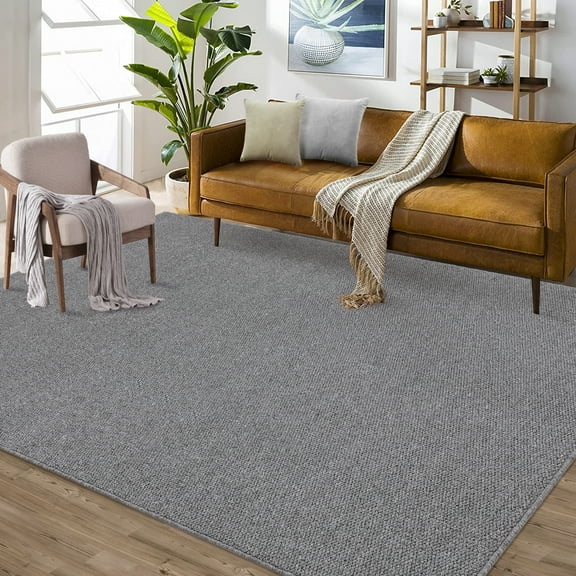
You should start with shade because light changes how gray reads in your room. You may notice light gray area rugs brighten smaller spaces and keep busy rooms feeling open.
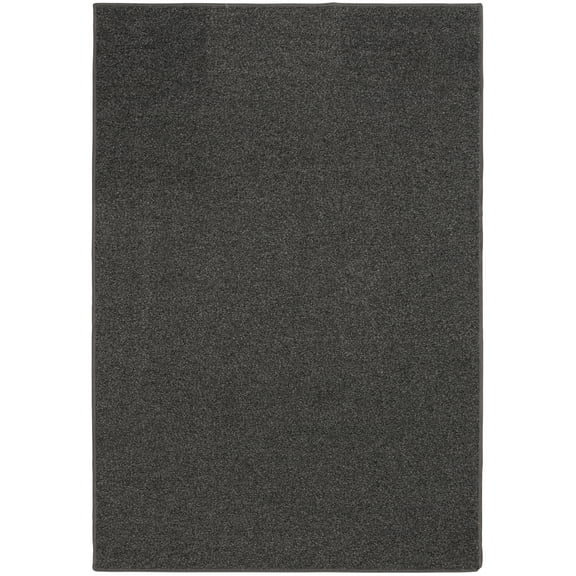
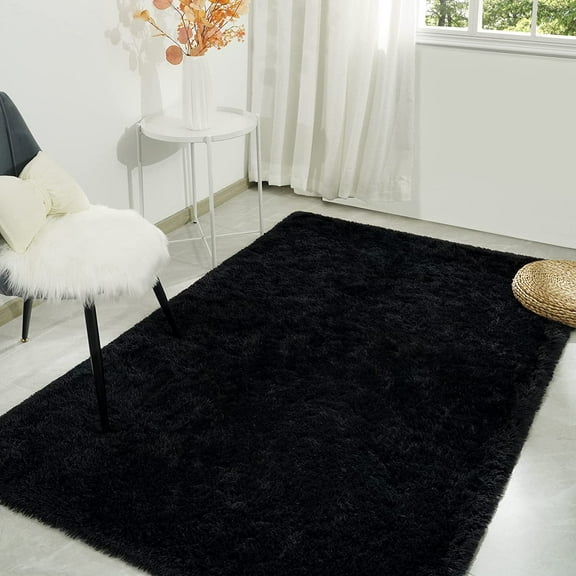
If your room gets strong daylight, you can consider charcoal, silver, or medium tones for added depth. You may prefer dark gray area rugs when you want stronger contrast with pale sofas.
Your flooring and wall color also guide this choice. You can pair cooler grays with crisp whites, or use warmer grays with beige, wood, and brass accents.
- You can use light gray tones to open compact rooms and soften dark furniture.
- You can use dark gray tones to ground large rooms and frame lighter seating.
- You can use silver and charcoal shades to connect metal finishes and layered decor.
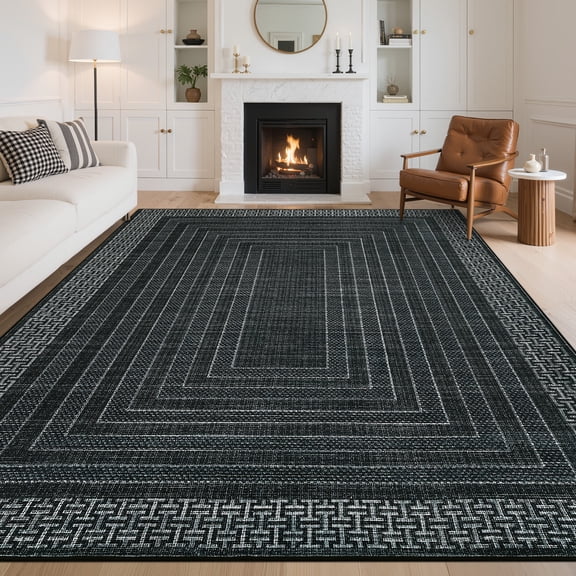
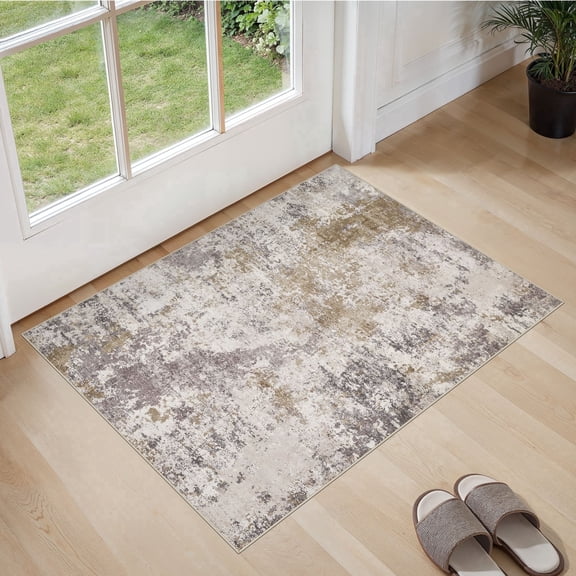
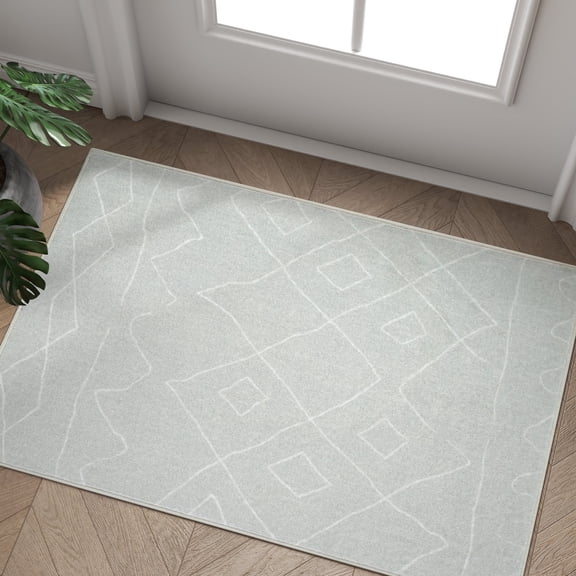
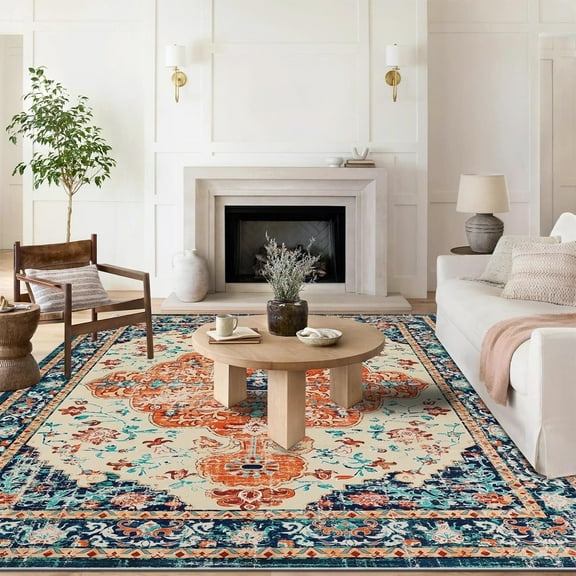
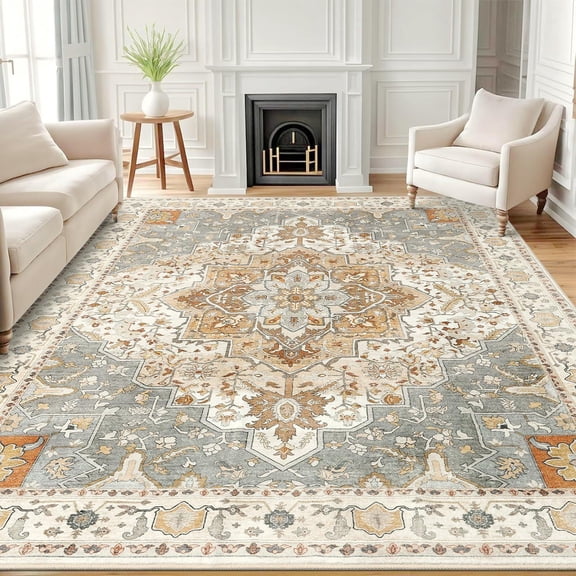
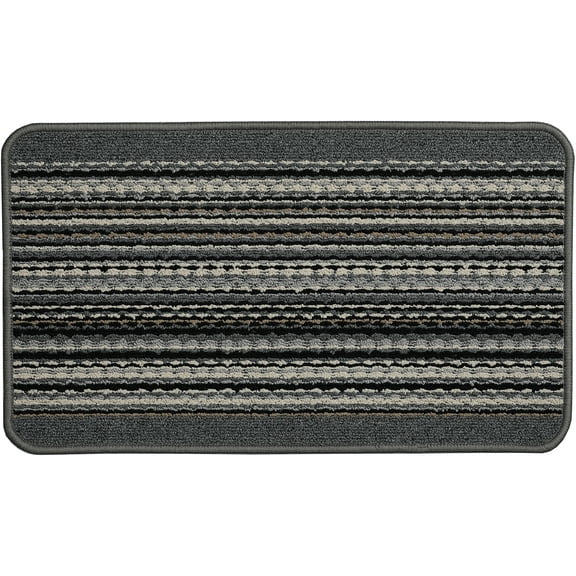
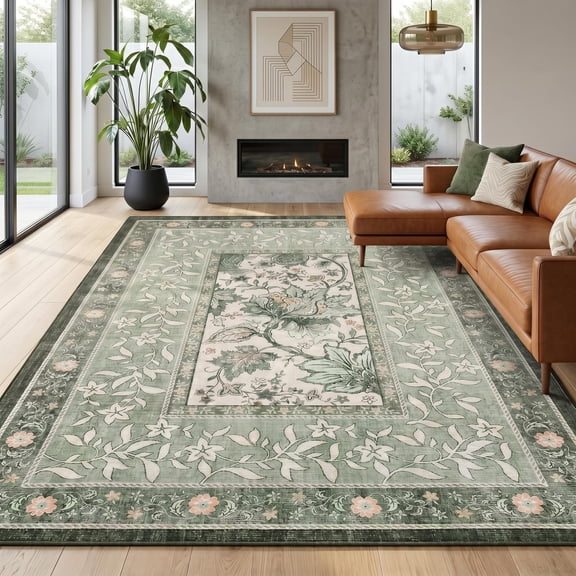
- You can use patterned gray styles when your room needs texture without loud color.
Choosing room placement for gray living room rugs and more
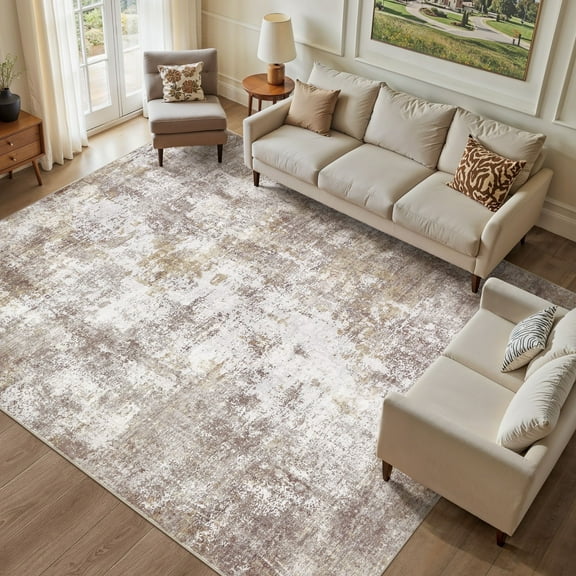
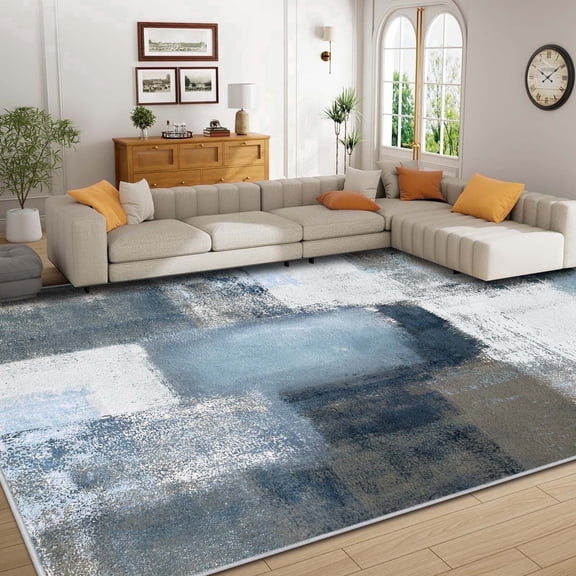
You should match your rug to the room’s traffic and layout before choosing style details. You may want gray living room rugs that define seating areas without overpowering your coffee table.
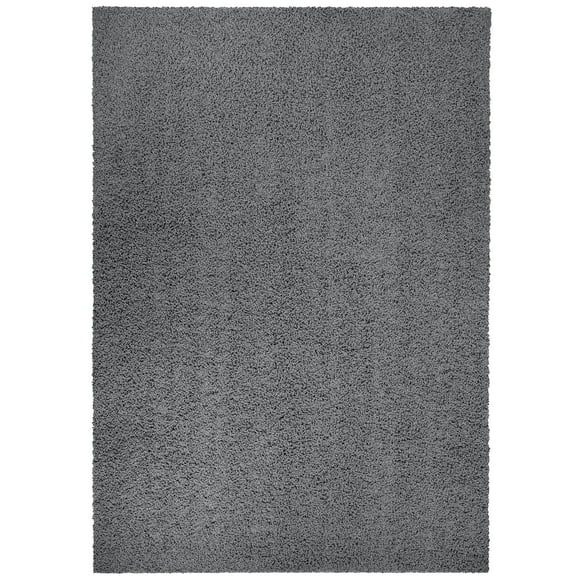
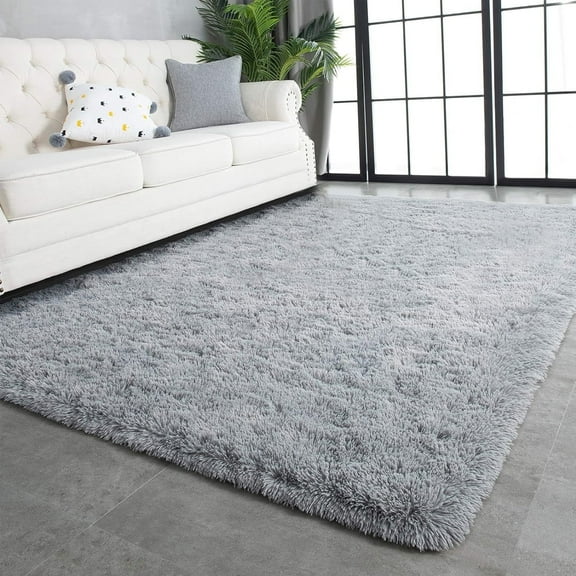
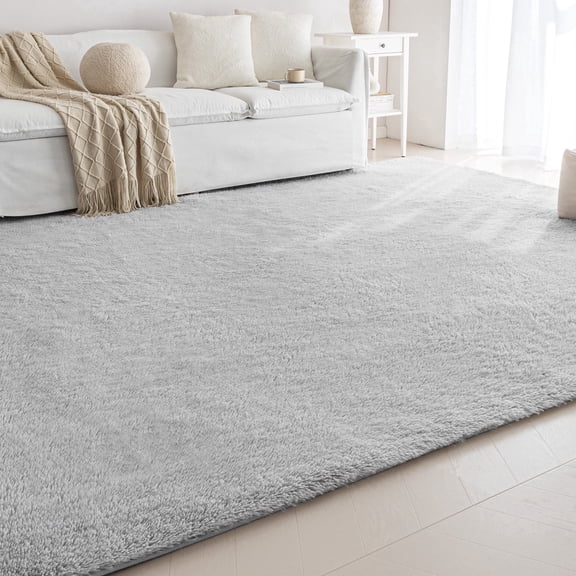
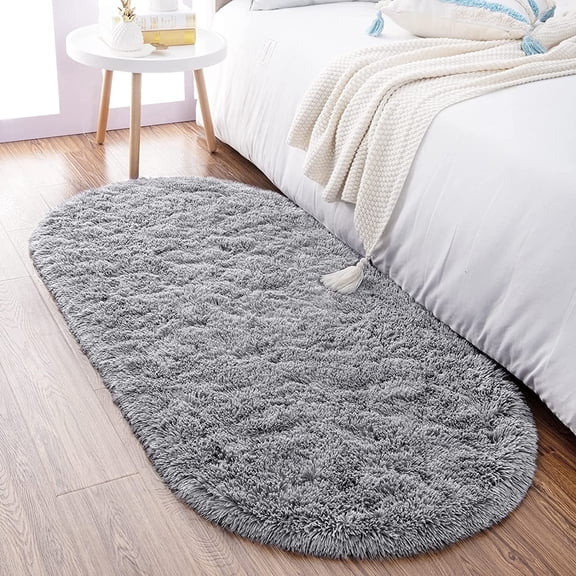
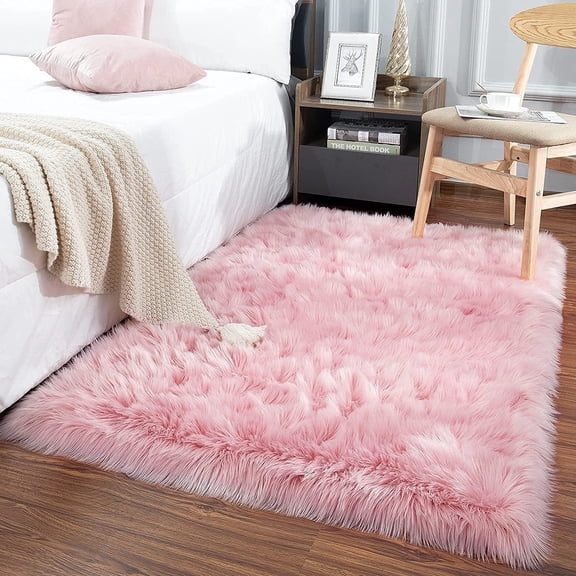
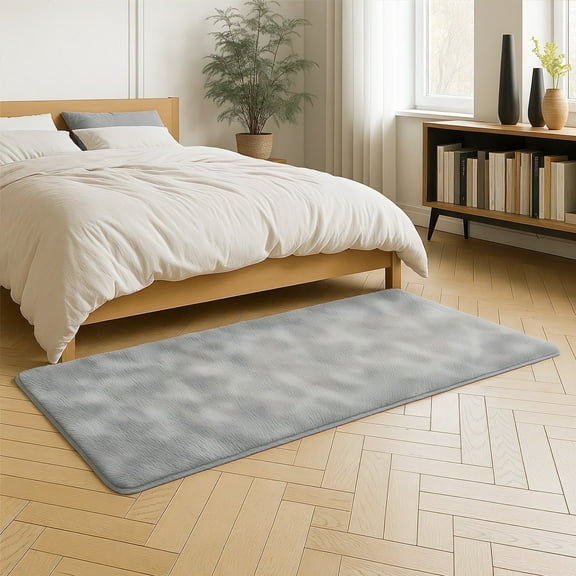
For bedrooms, you can lean into softer textures that feel comfortable beside the bed. You may prefer gray shag rugs when you want a cozier look underfoot.
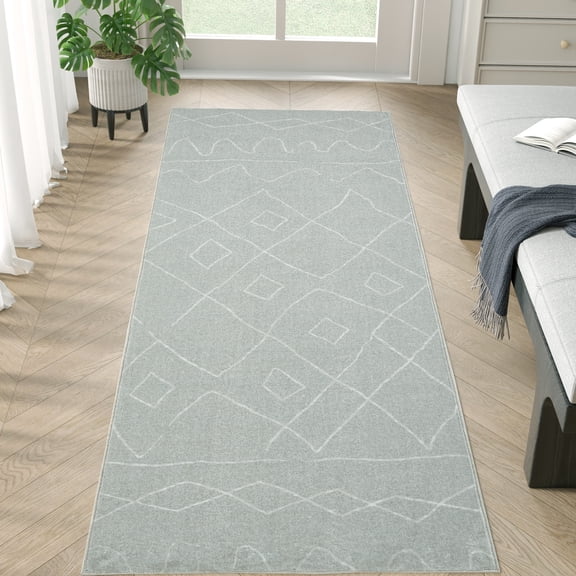
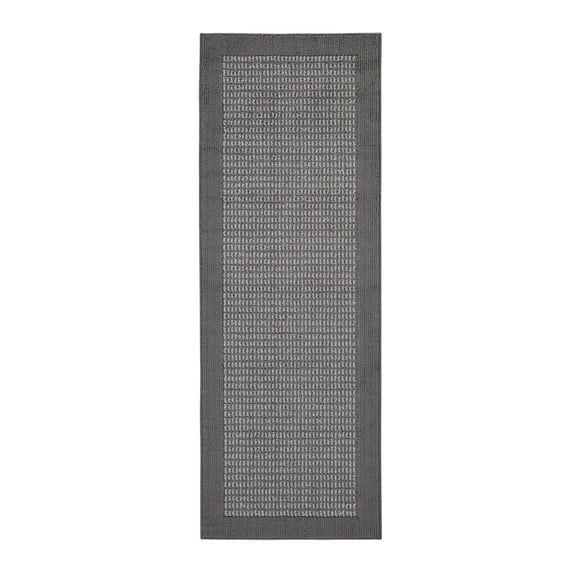
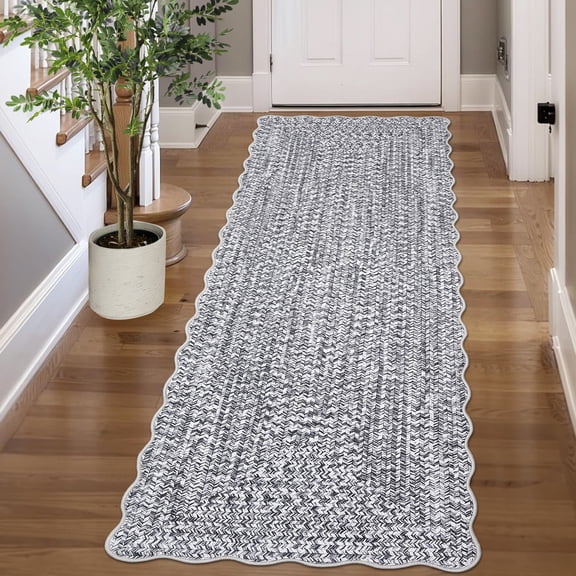
In entryways, you’ll usually need slimmer shapes that keep walkways clear and visually tidy. You can choose gray runner rugs to guide movement through hallways and narrow spaces.
Patios and covered decks need different construction than indoor spaces. You can look for gray outdoor rugs with flat surfaces that suit open-air setups and casual furniture.
What to look for in texture, pile, and material
You should compare pile height because it changes both feel and daily upkeep. You may like high pile or shag in bedrooms, while low pile works smoothly in busier rooms.
Flatweave options give you a cleaner, more tailored look. You can place them under dining tables, desks, or doors where extra height may get in the way.
Your material choice matters just as much as texture. You can consider synthetic fibers when you want easier cleaning, or wool when you want natural warmth and a dense feel.
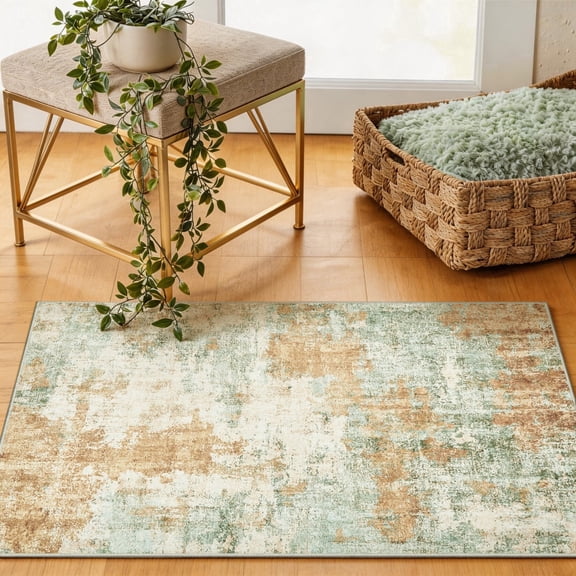
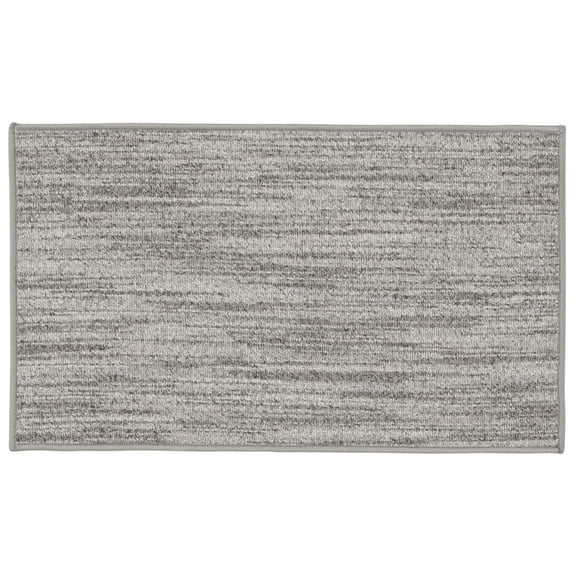
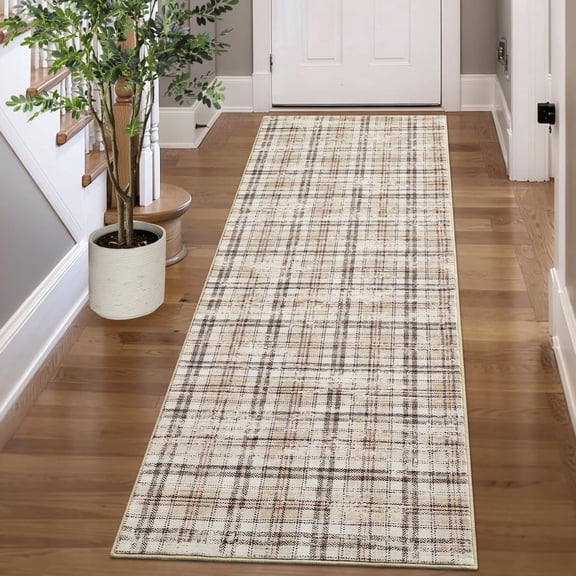
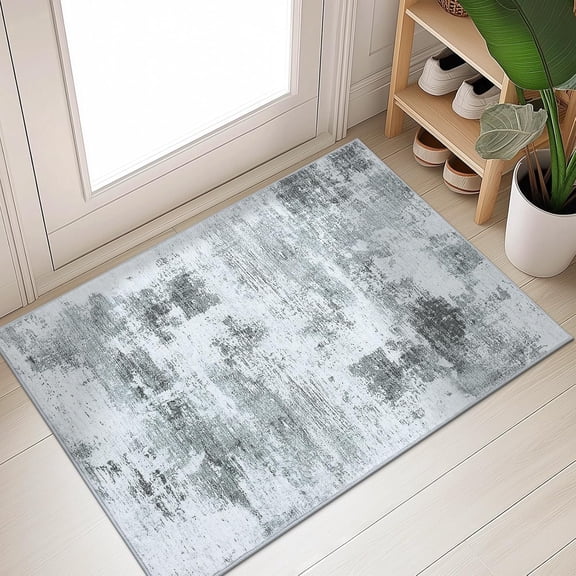
You’ll also want to think about pattern and surface detail. Gray patterned rugs can soften visible lint, while solid designs keep your layout calm and streamlined.
Choosing the right shape and size
You should measure first so your rug supports the room instead of floating awkwardly. You can use 8x10 sizes for larger seating groups and 5x7 sizes for smaller layouts.
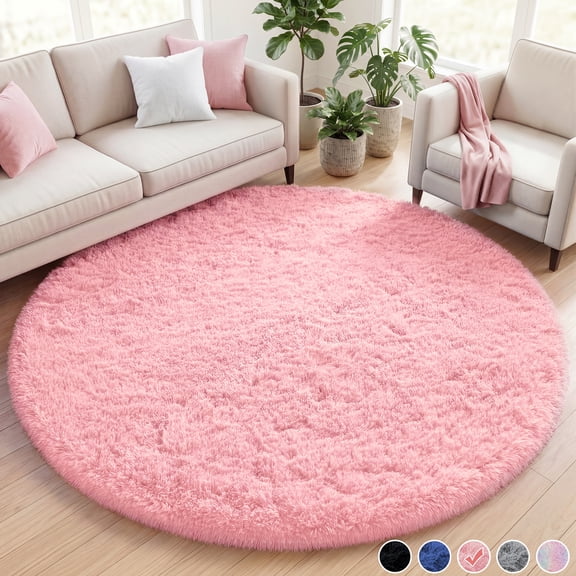
Rectangular rugs suit many living rooms and bedrooms because they echo furniture lines. You may choose a round rug when you want to soften sharp corners or center a reading nook.
Runners solve different layout needs than full-size rugs. You can place them in hallways, kitchens, entryways, or along one side of a bed.
Your furniture placement can help you confirm the right dimensions. You should check whether front legs sit on the rug in living rooms and leave clear edges around the room.
How gray area rugs fit real spaces
You can use light gray area rugs in apartments when you want a room to feel brighter. You may pair them with oak furniture, cream upholstery, and black accents for a balanced finish.
If your family room gets steady foot traffic, you can choose low-pile gray living room rugs for easier placement under tables. You’ll keep the space polished without adding visual heaviness.
For restful bedrooms, you can bring in gray shag rugs with a softer look beside upholstered beds. You may prefer darker shades there if your bedding is pale and minimal.
Outdoor seating areas benefit from color that hides dust and coordinates with planters and cushions. You can use gray outdoor rugs to tie together wicker, metal, or wood furniture.
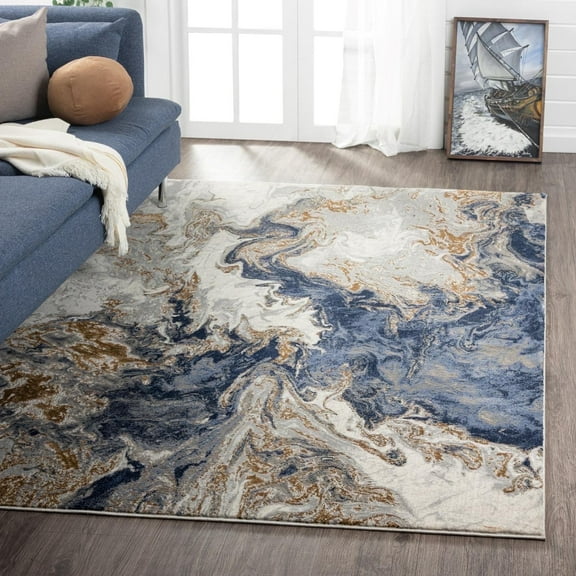
You can also layer gray patterned rugs when your room needs movement without strong color contrast. You’ll get visual interest that still works with seasonal pillows, throws, and wall art.
When your layout is long or narrow, gray runner rugs can guide the eye and connect separate zones. You’ll create a more finished path from entryway to hallway or kitchen.
With the right shade, pile, and size, your rug can shape the room with less visual noise. You’ll get a versatile foundation that keeps your space cohesive through changing decor.