



Foosball Tables in Foosball


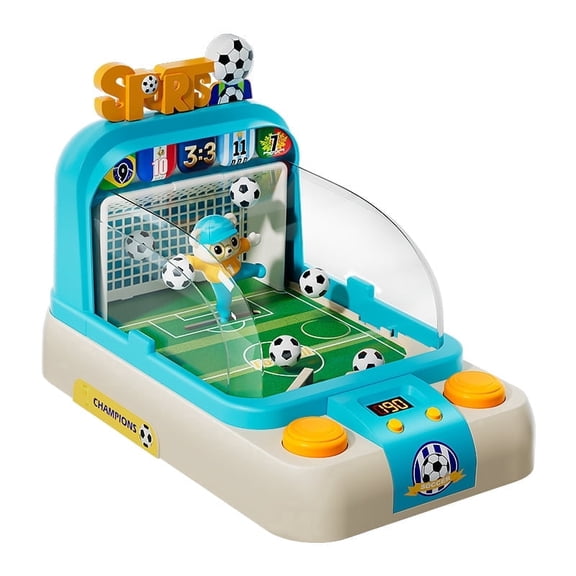


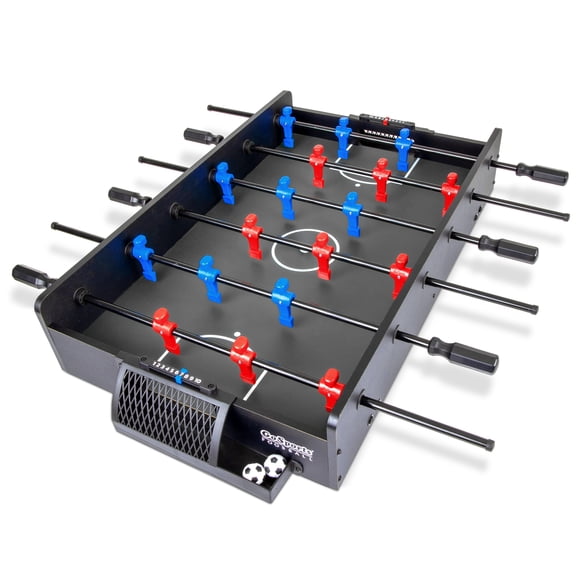





















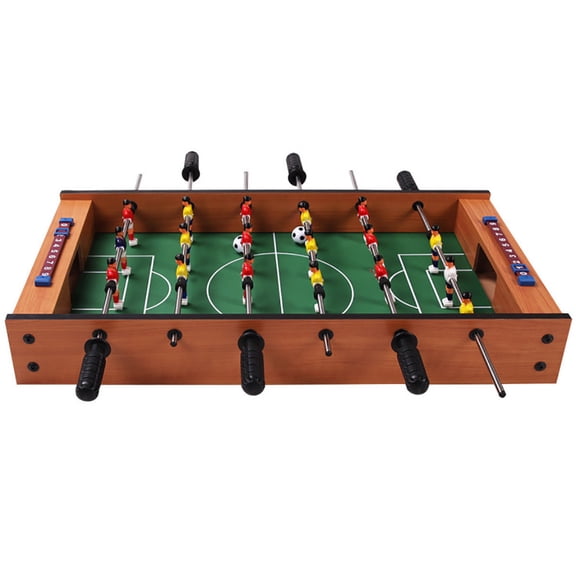


About Foosball Tables in Foosball - Walmart.com
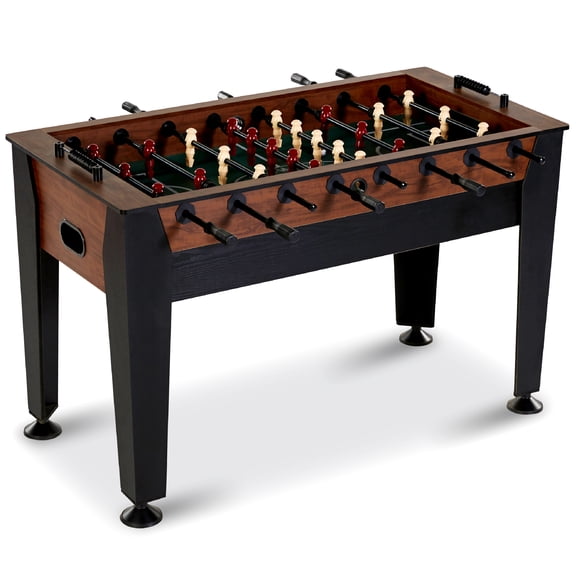
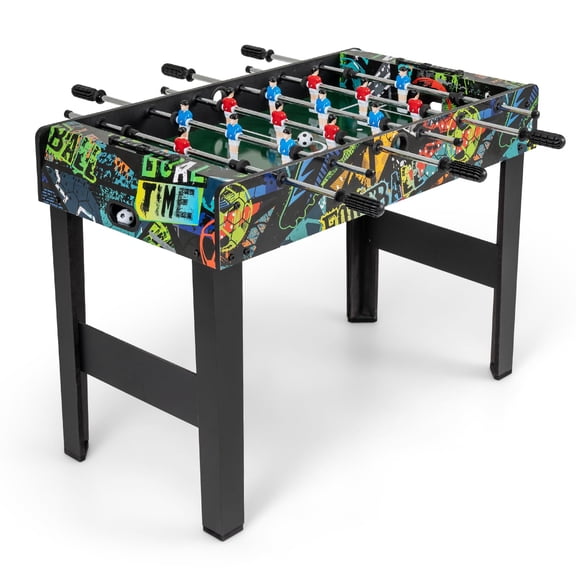
Foosball tables help you turn your game room into a reliable play zone for family matches, quick practice, and longer competitive sessions. You can compare size, rod style, and cabinet build to fit your room and your preferred pace of play.
How to choose foosball tables for your space
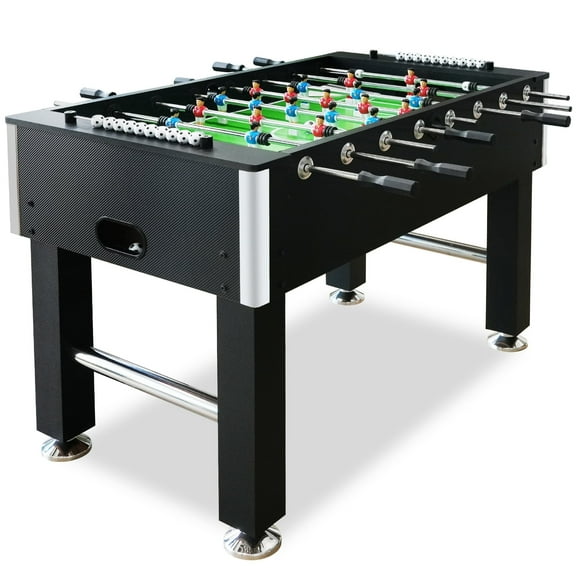
Start with table size, because your room layout shapes every match you play. You should allow about 10 by 10 feet for a regulation size foosball table and player movement.
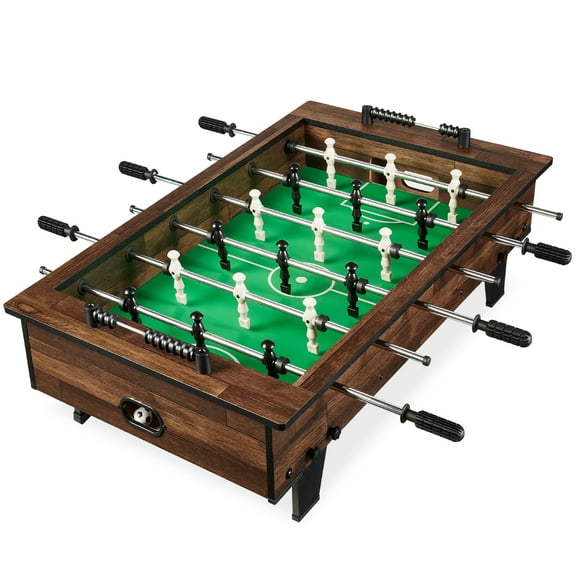
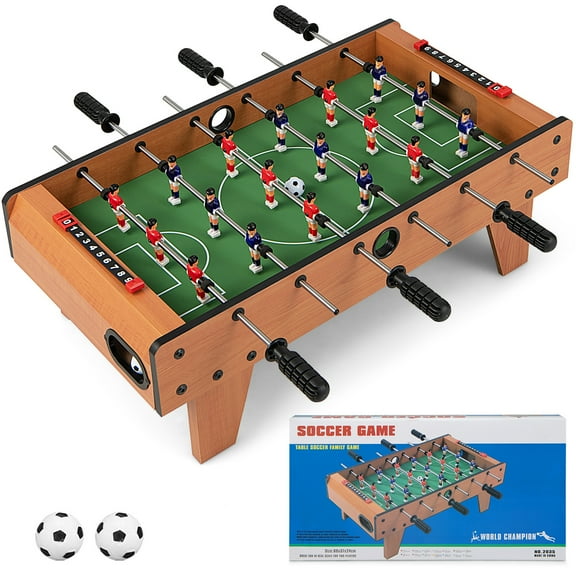
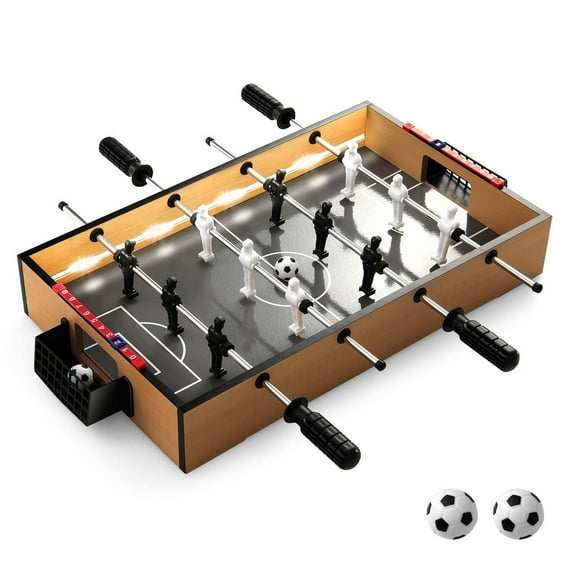
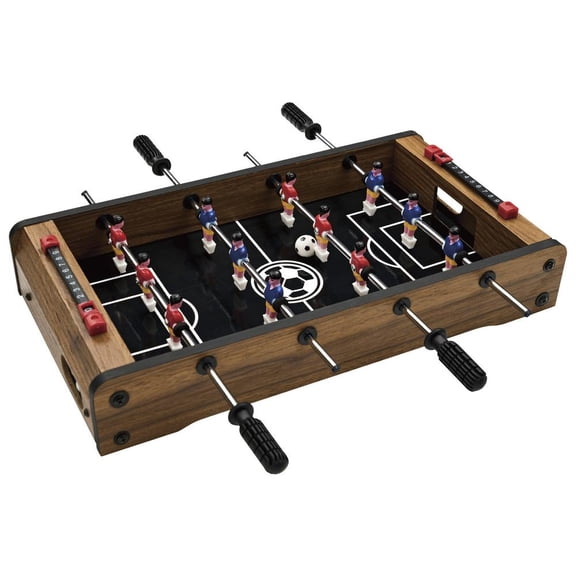
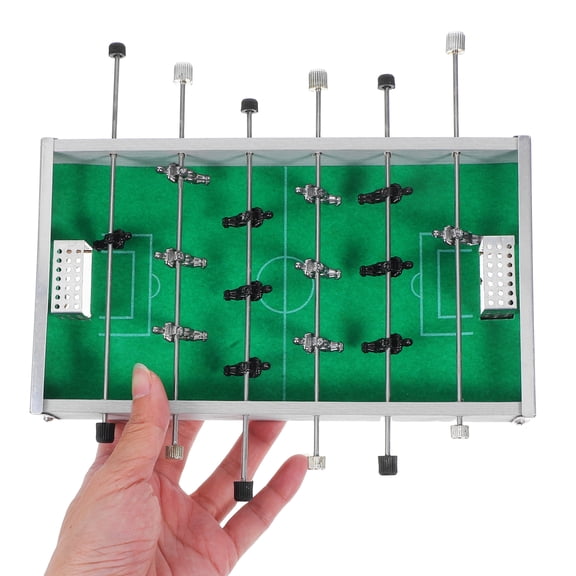
If your room is tighter, you can compare 54-inch or 48-inch models for a similar look with easier placement. You may also prefer mini or tabletop foosball when you want quick setup on a desk or counter.
Cabinet weight matters too, because you want steady play during fast shots and hard passing. You can usually notice heavier cabinets stay planted better and feel more controlled during competitive games.
Key benefits of a regulation size foosball table
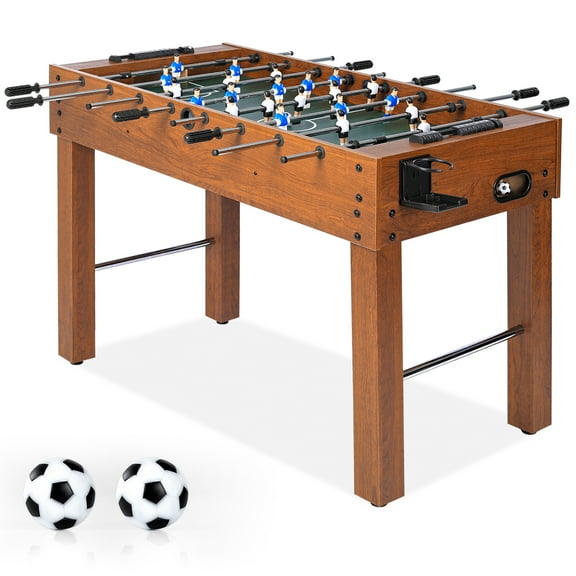
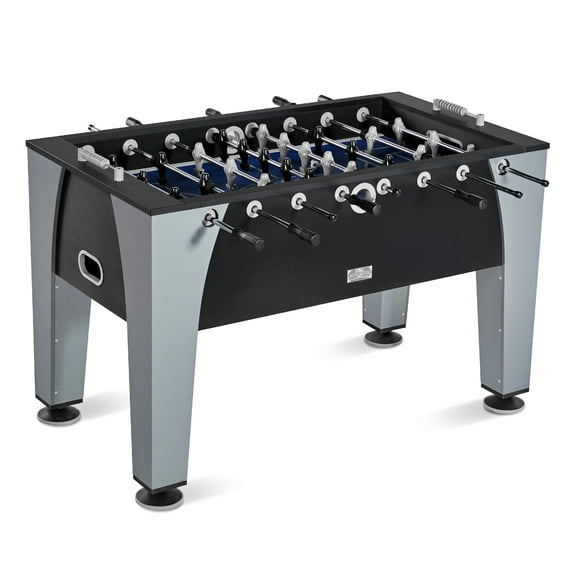
You can choose a full-size table when you want a classic feel that mirrors arcade and tournament dimensions. Your passes, shots, and defensive angles feel more natural on a 56-inch playing field.
You may compare smaller models when you want easier placement and faster setup in shared rooms. You may find compact designs fit basements, apartments, or bonus rooms without crowding your walking space.
- You get a playing surface that matches your room size and movement needs.
- You can choose rod designs that fit your household and comfort preferences.
- You gain cabinet stability that supports smoother control during active play.
- You can compare a multi game table with dedicated foosball tables for different play priorities.
You may also want a folding foosball table when floor space changes from day to day. Your room can stay more open between matches, which works well in multipurpose spaces.
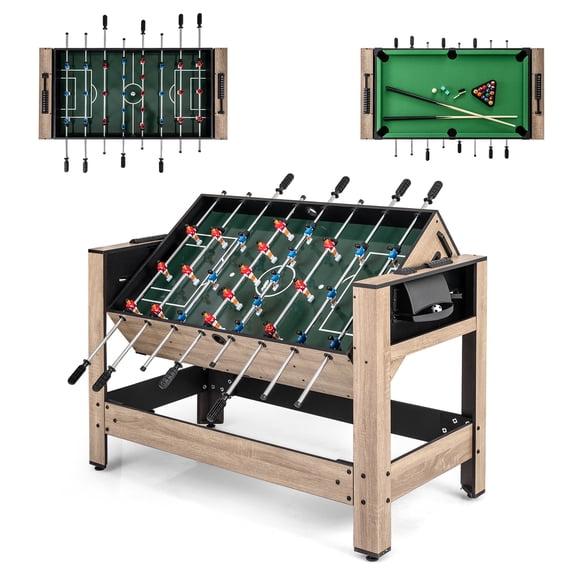
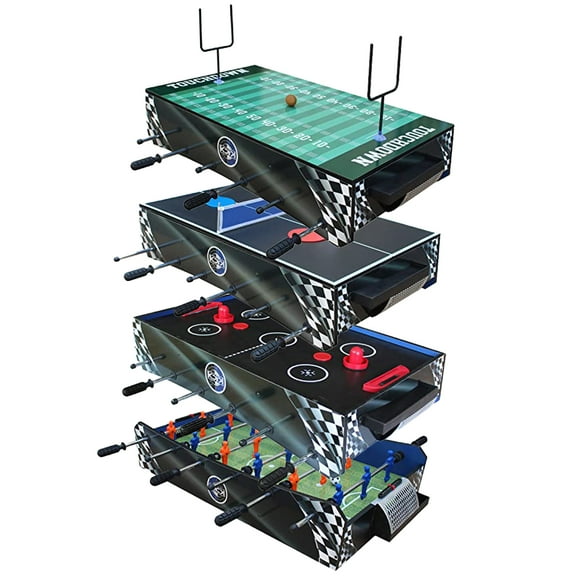
If you want variety, you can compare a multi game table with foosball, air hockey, or table tennis functions. Your choice depends on whether you want dedicated foosball action or more ways to play.
Choosing cabinet material and player rods
Cabinet material affects how solid your table feels during passing, shooting, and defensive play. You can compare MDF, solid wood, and heavy-duty composite based on weight, look, and everyday use.
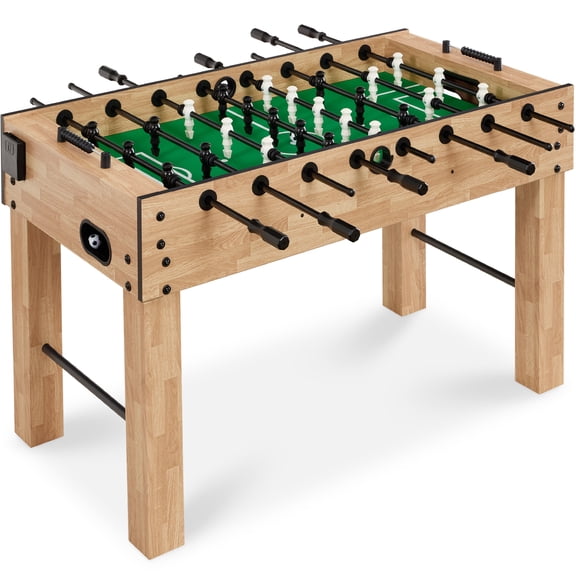
An MDF cabinet can suit casual play when you want a straightforward setup for family matches. A wooden foosball table often gives your room a furniture-like look with a sturdier feel.
Heavy-duty composite options can make sense when you want a durable frame for repeated play. You should also check leg construction and cross supports, because those details affect wobble and balance.
Rod style is a key safety and control decision, especially when younger players join the game. You can compare telescoping rods, solid steel rods, and hollow steel rods based on feel and household needs.
Telescoping rods stay within the table width, so you get a cleaner footprint around active play. You may prefer that design when your family wants easier movement around the table.
Solid steel rods can feel substantial in hand, while hollow steel rods often feel lighter and quicker. You should compare how much speed, weight, and control you want during longer matches.
Comparing folding foosball table, arcade style, and outdoor options
A folding foosball table works well when your play area also serves as a guest room or workout space. You can set up for game night, then reclaim floor space when the match ends.
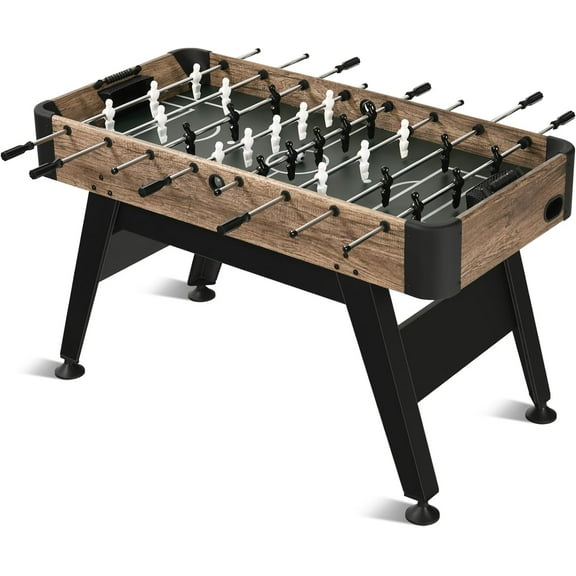
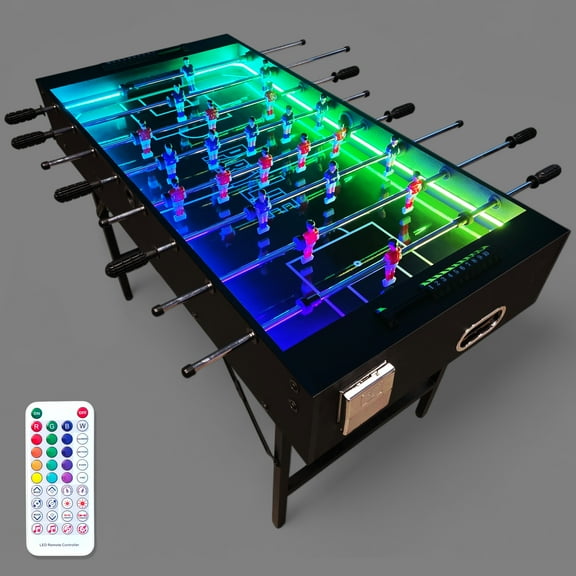
An arcade foosball table gives your room a familiar entertainment-center look with bold styling and full-size presence. You may choose that style when you want a dedicated centerpiece for regular play.
If you want more than one activity, a multi game table can simplify your setup in one footprint. You should compare transition steps between games, because convenience matters in shared family spaces.
Outdoor foosball table options can suit patios, covered porches, and backyard gathering areas. You may want materials and finishes that match open-air placement and changing seasonal conditions.
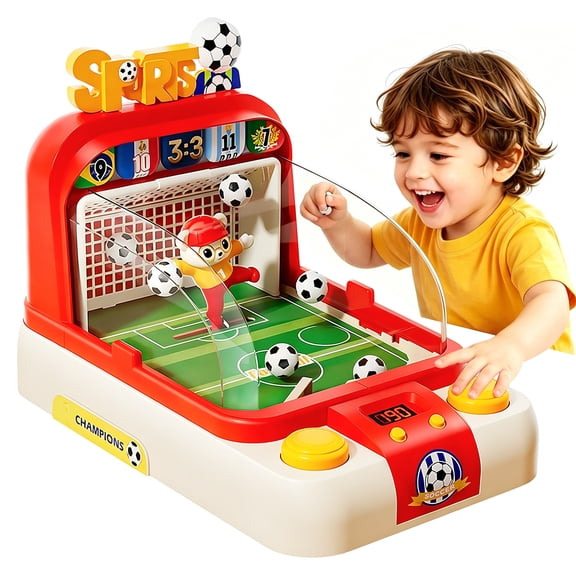
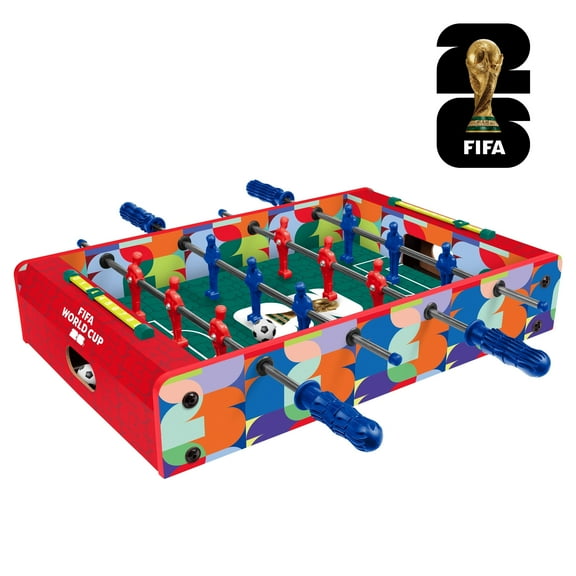
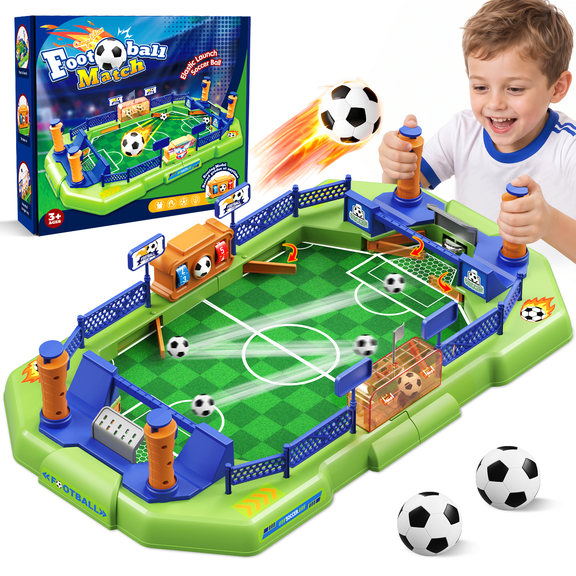
Tabletop foosball can be useful when you want lighter play for kids, travel, or smaller rooms. You can move it easily, store it faster, and bring it out for quick competitions.
Matching foosball tables to your players and play style
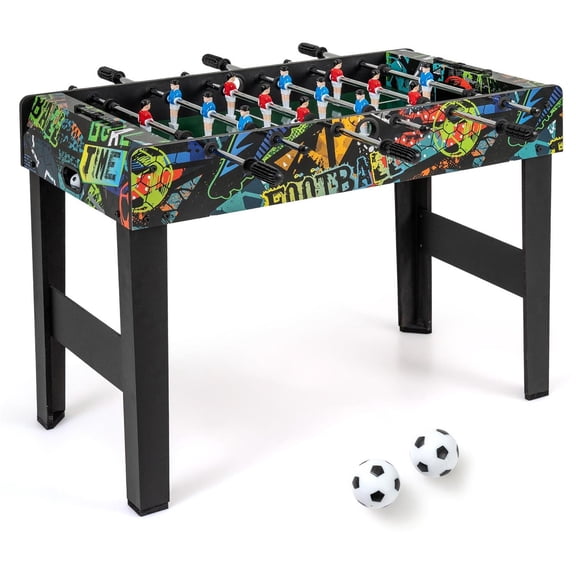
You should match the table to the players who play frequently in your home. Kids and family players may want simpler controls, compact sizes, and rod styles that feel easy to manage.
Intermediate players often look for stable cabinets, responsive rods, and a field size that supports more precise passing. You can use those features to build consistency as your skills improve.
If you want a professional foosball table feel, you should focus on regulation dimensions, cabinet weight, and rod response. Your matches can feel more structured when the table supports quick rebounds and steady control.
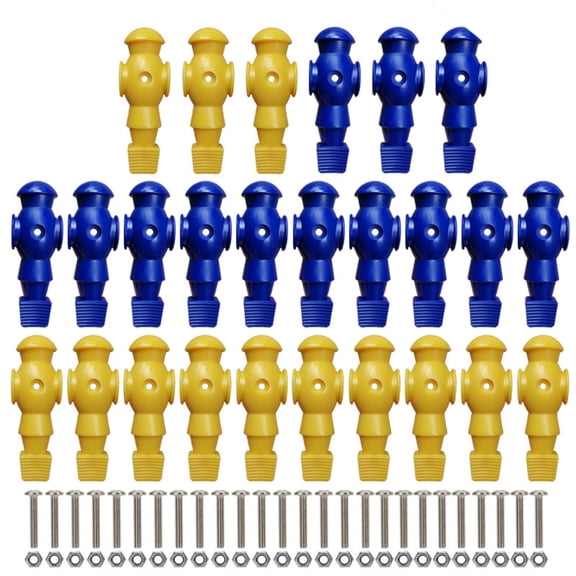
Assembly details also shape your experience after delivery. You may want to check leg attachment, levelers, and player setup, because those factors affect how quickly you start playing.
When you compare these decision points carefully, you can narrow the category with more confidence. Your final choice should fit your room, your players, and the pace of play you enjoy most.
Foosball tables give you a clear way to turn open space into repeatable fun for family nights or friendly competition. When you choose the right size, rods, and cabinet build, you get smoother play and a room that feels ready.