

Ski Goggles In Store & Near Me: Shop Snow Goggles | Walmart
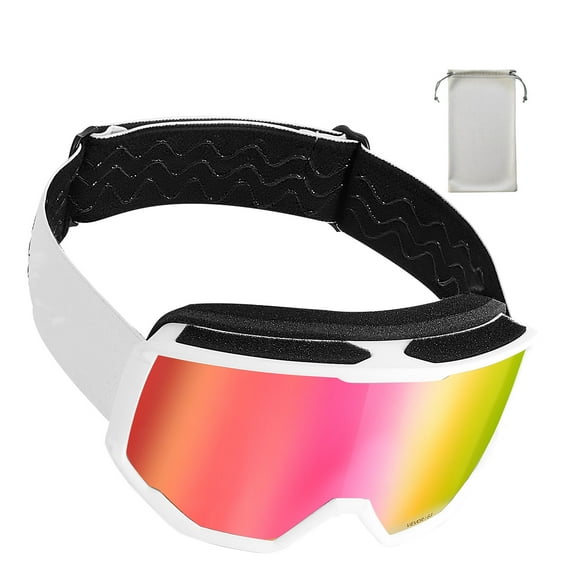

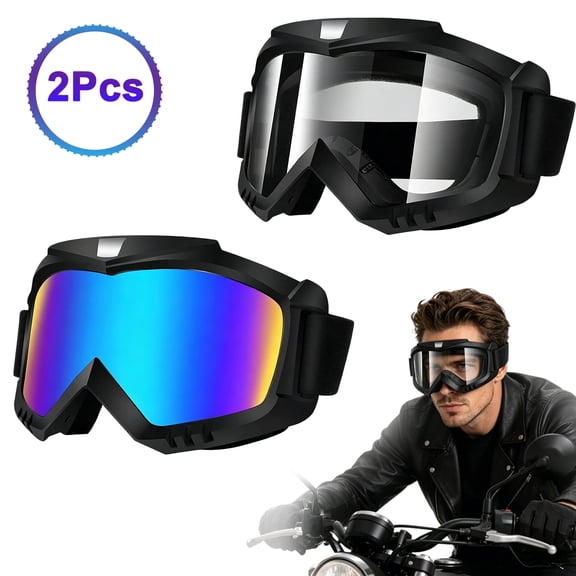
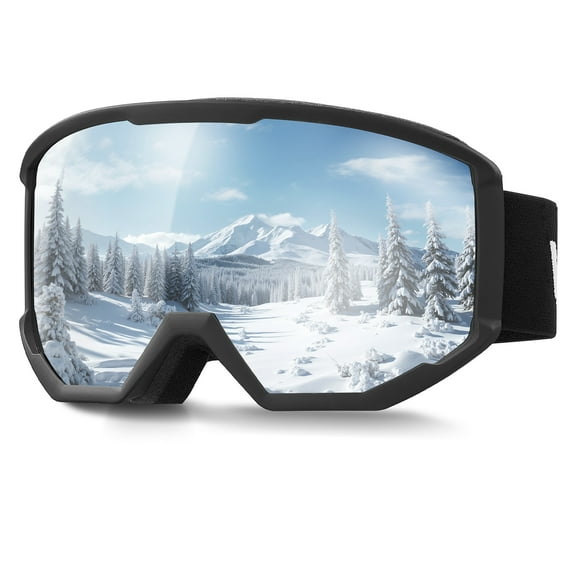
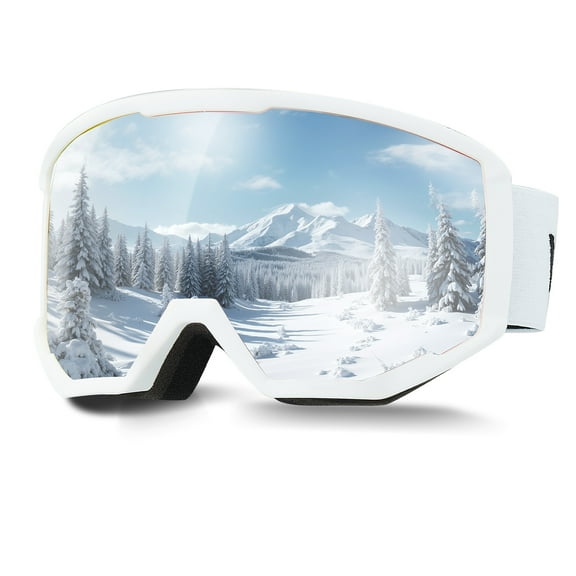












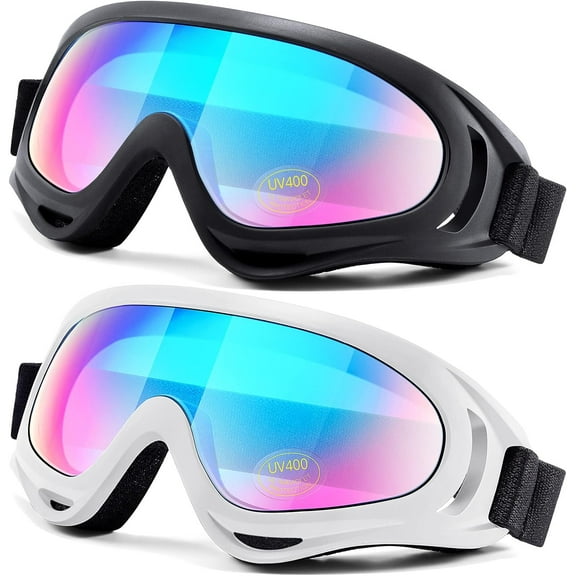


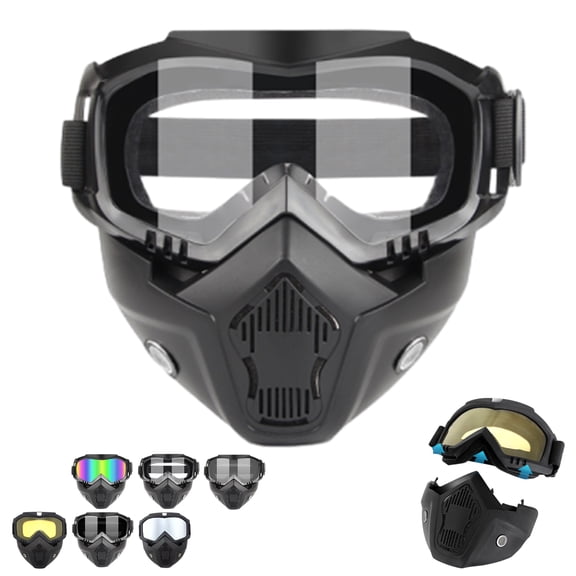


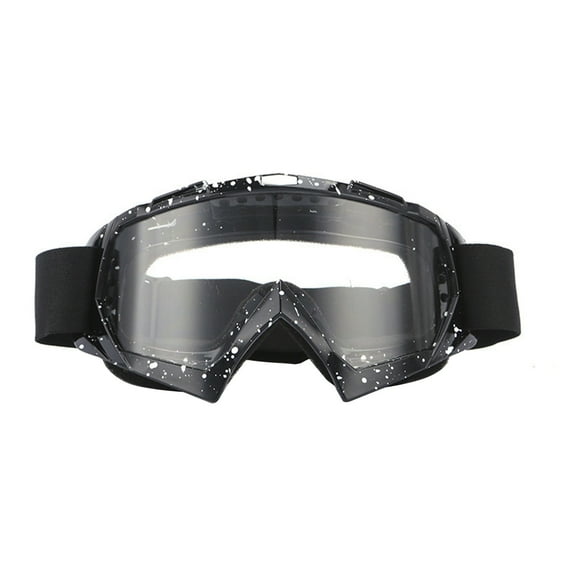


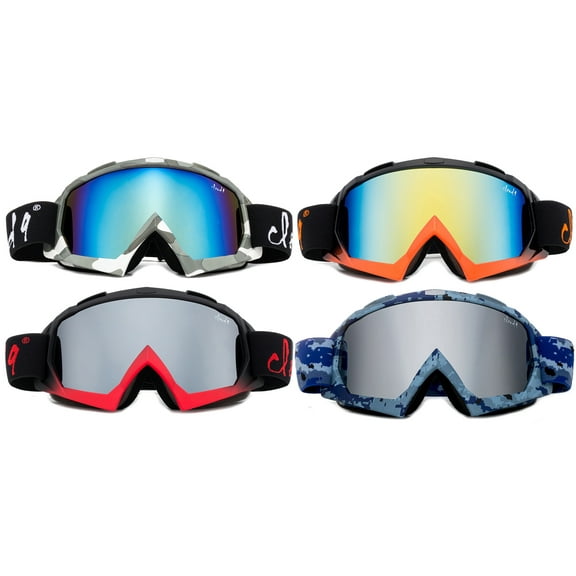


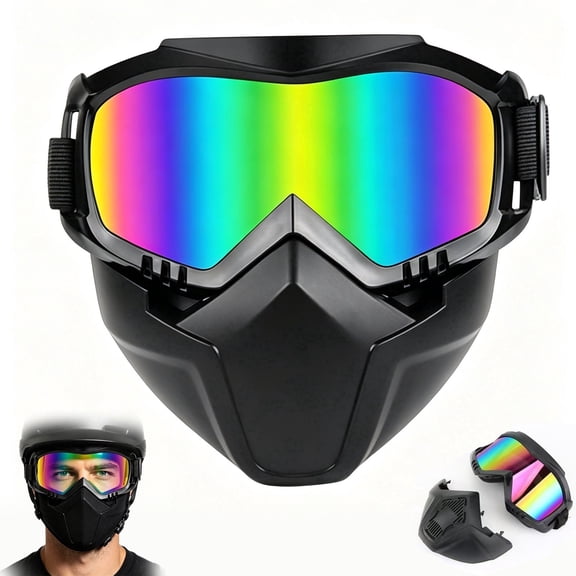


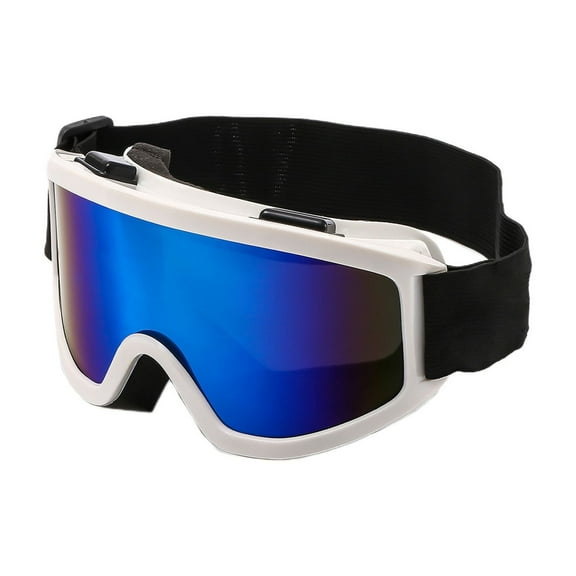

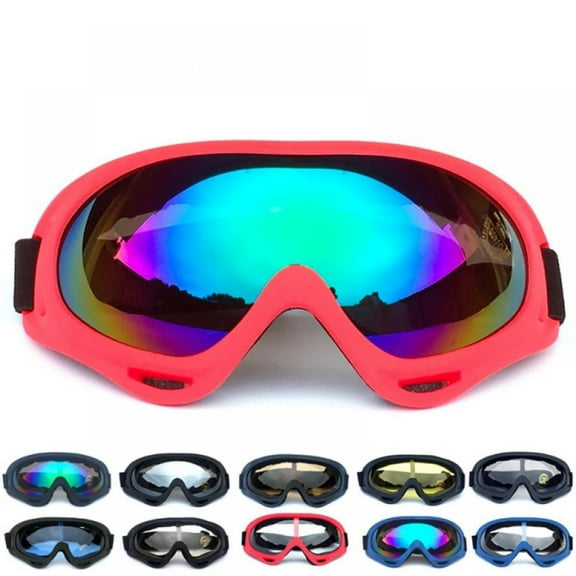


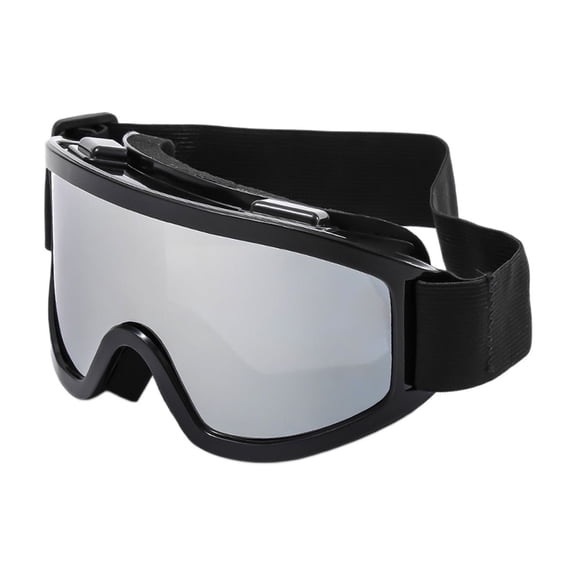












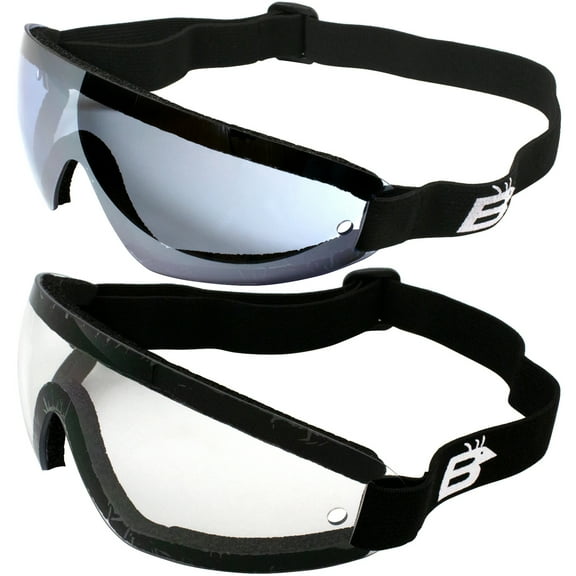

About Ski Goggles In Store & Near Me: Shop Snow Goggles | Walmart - Walmart.com
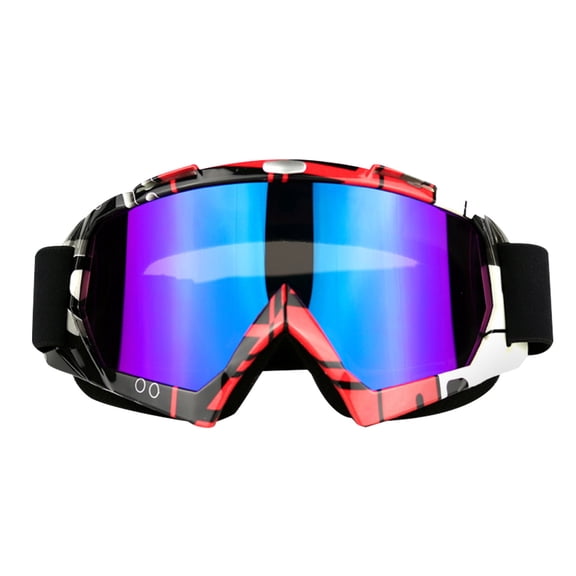
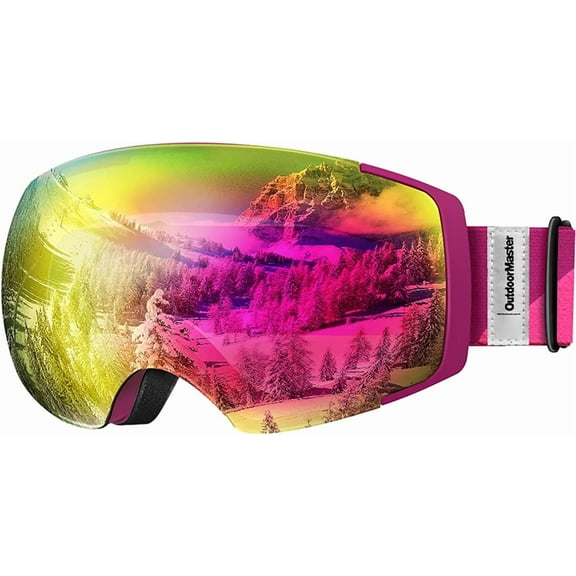
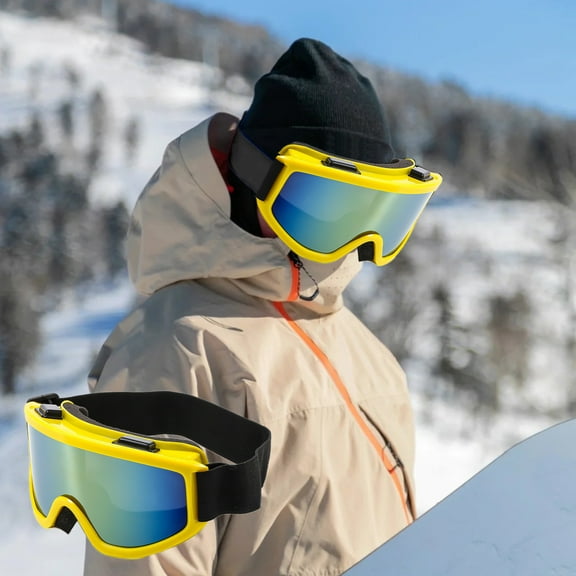
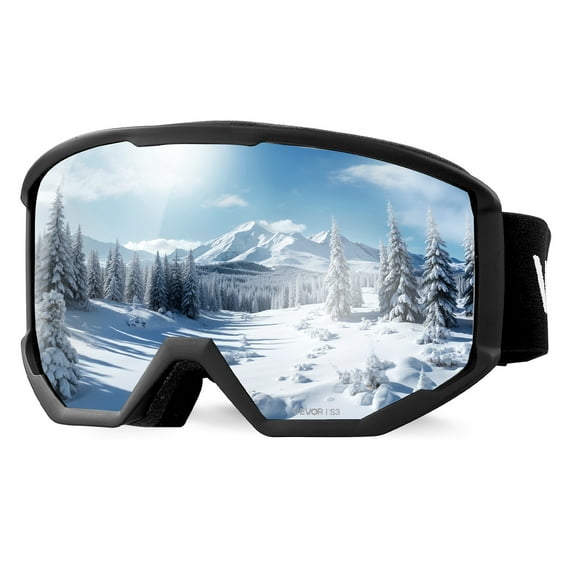
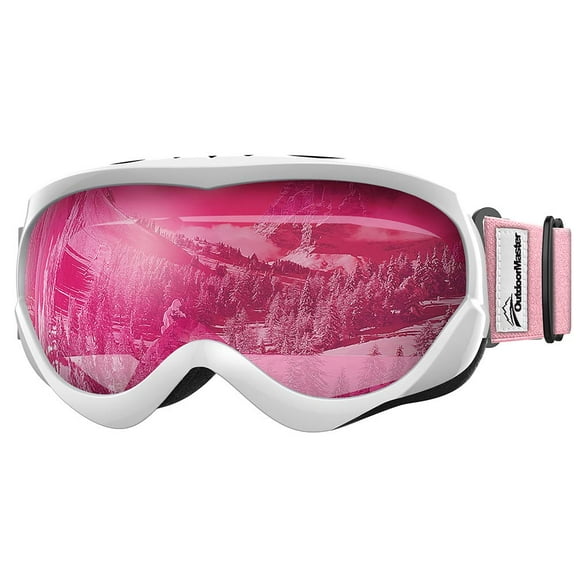
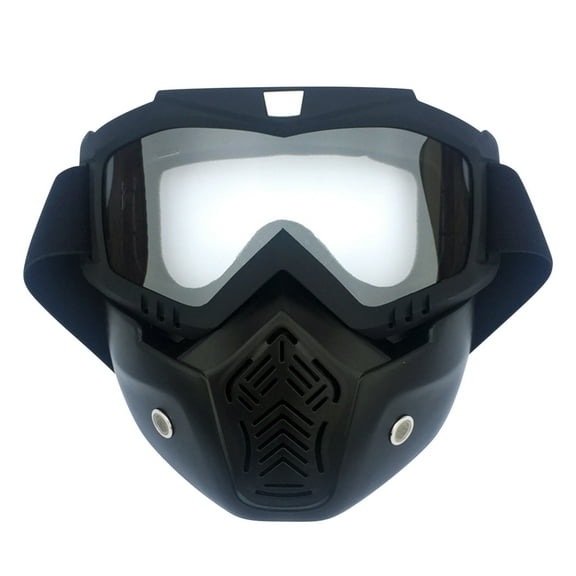
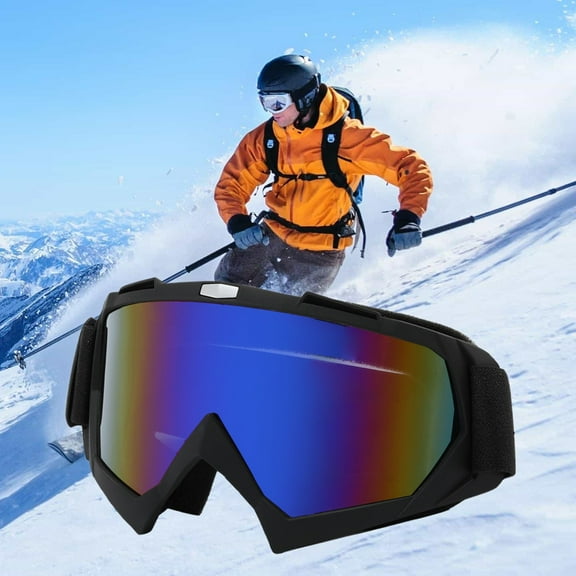
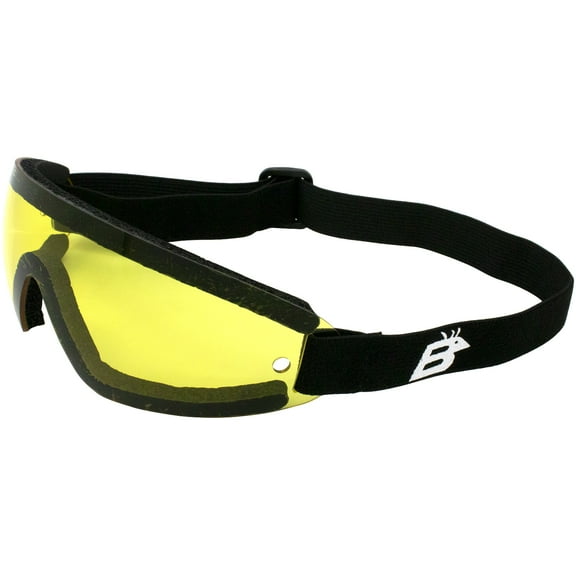
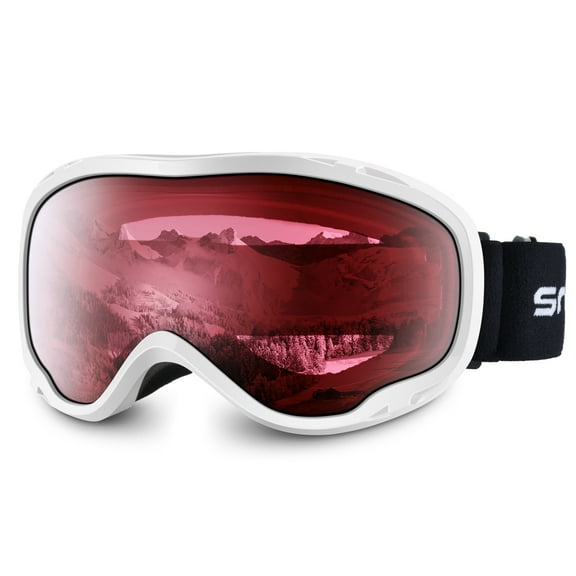
Ski goggles in store help you gear up fast for mountain days, local pickup plans, and changing weather on the slopes. You can compare lens shapes, VLT tints, and OTG fit options that matter for skiing and snowboarding.
How to choose ski goggles in store
When you compare ski goggles in store, you can focus on visibility, fit, and helmet pairing before your next trip. You can make faster decisions when you know how lens shape and tint affect your day.
Flat-looking cylindrical lenses can give you a classic profile and a familiar field of view. More curved spherical and toric options can help you compare wraparound coverage and side visibility.
You can also check how the frame sits against your face and helmet. Your strap placement and foam contact can change how secure and comfortable the goggles feel.
What to look for in ski goggles near me
If you’re searching ski goggles near me, you likely want clear choices for weather, fit, and pickup timing. You can narrow options by matching lens tint, frame size, and intended rider.
- You can choose low light lenses for cloudy runs, snowy afternoons, and flatter light conditions.
- You can pick sunny tints when your bright bluebird days call for darker lenses and reduced glare.
- You can select all-conditions lenses when your forecast shifts and you want one versatile setup.
- You can look for OTG sizing if your regular glasses need space inside the frame.
- You can check helmet compatible designs when your strap and helmet fit need to work together.
Many shoppers also compare anti-fog details before they commit to a pair. You can usually review double lens construction, venting, and anti-fog coating together.
Choosing lens shape and VLT tint
Lens shape changes how you see the terrain ahead and beside you. You can think of VLT as how much light passes through the lens.
Lower VLT works well when your sunlight is bright and reflective off packed snow. Higher VLT can suit cloudy skies, tree runs, and storm days with flatter contrast.
All-conditions tints give you a practical middle ground for mixed forecasts and changing lift hours. You can keep your setup simple when your trip includes both sun and clouds.
Cylindrical lenses often look flatter across the front of the frame. Spherical lenses feel more curved, while toric styles blend curved coverage with a balanced profile.
You may prefer one shape based on how much side view you want during turns. You can compare these styles more confidently when you know your helmet and face shape.
Checking OTG fit and helmet compatibility
If you wear prescription eyewear, OTG ski goggles can give your glasses more room inside the frame. You should check frame depth, temple space, and overall width before choosing.
Adult and kids sizes matter because a loose frame can shift during movement. You can often get a steadier fit by matching the frame size to the rider’s face.
Helmet compatible options help your gear sit together with less guesswork. You can compare strap length, frame height, and how the top edge meets your helmet brim.
A smooth helmet-to-goggle connection can help you maintain a cleaner line of sight. You can also avoid constant adjusting when your strap tension and frame shape align.
Understanding anti-fog tech and local pickup needs
Anti-fog features matter because your lens clarity can change quickly during lift rides and active runs. You can compare double lens builds, vent placement, and anti-fog coating for everyday use.
Double lens designs create a practical barrier between inside and outside temperatures. You may notice venting matters too, because airflow helps moisture move out of the frame.
If you’re checking ski goggles nearby or ski goggles pick up today, you probably want the right specs without extra delay. You can use local availability to match your trip timing with the lens and fit you need.
Shoppers searching snow goggles near me or snowboard goggles near me often compare the same key details. You can use the same guide for skiing, riding, terrain parks, and family snow days.
Using ski glasses for different winter plans
You may also see ski glasses used as a casual term for snow eyewear. You may still want true snow-ready goggles when your day includes wind, chairlifts, and changing mountain light.
For resort skiing, you can prioritize all-conditions tint and helmet compatibility for long hours outside. For snowboard trips, you may focus on side visibility and secure strap hold during repeated movement.
Kids’ outings call for easy fit checks, softer face foam, and simple tint choices. You can make family gear planning easier when each rider gets the right size and weather match.
If you’re building a full setup, you can also coordinate your goggles with ski helmets, snowboards, and ski poles. You can create a more consistent on-slope fit when your gear works together.
With ski goggles in store, you can choose lens shape, VLT tint, OTG room, and anti-fog details with more confidence. You can head into snow days with clearer visibility and a setup that fits your helmet and plan.