

Ski Equipment in Snowsports














































About Ski Equipment in Snowsports - Walmart.com
Your ski goggles shape how clearly you read changing snow, light, and terrain on the mountain. With this guide, you can compare VLT, lens type, frame style, and fit before choosing your setup.
On ski days or snowboard trips, your gear needs to handle glare, flat light, helmet fit, and long lift rides. The right pair helps you keep a clear view, steady comfort, and a cleaner helmet-to-goggle fit.
How to choose ski goggles by lens and VLT
First, consider VLT, or visible light transmission, because it tells you how much light reaches your eyes. Lower VLT suits bright sun, while higher VLT works well for clouds, snowfall, and flatter light.
Mixed forecasts call for all-conditions lenses that cover changing weather during one trip. For steady conditions, your setup can lean toward bright-light tints or low-light tints across the majority of the season.
Lens type also changes how your view feels in different weather and terrain. Depending on your routine, you may compare mirrored styles, photochromic options, and polarized ski goggles for sunny alpine runs.
- Your low VLT lens can help on bluebird days and reflective snow.
- Your high VLT lens can suit shaded trails, storms, and overcast afternoons.
- Your all-conditions lens can work when weather shifts during one outing.
- Your tint choice can affect how easily you spot texture and terrain changes.
Color tint matters because your eyes read contrast differently across snow conditions. In many setups, you may notice amber or rose tones help terrain features stand out more clearly.
Choosing frame style and snowboard goggles lens shape
Next, compare frame style because lens shape affects your field of view and overall fit. Across snowboard goggles and snow goggles, you’ll usually see cylindrical, spherical, and rimless designs.
A cylindrical lens gives you a flatter profile that sits closer to your face. A spherical lens adds more curve, which can support a broader view on open runs.
Rimless designs can give your setup a wider-looking lens area and easier lens access on select styles. Along with shape, your comfort also depends on foam placement around the cheeks and nose.
Strap design deserves attention if your helmet comes with you every outing. A balanced fit helps your goggles sit evenly, without awkward pressure at the brow or gaps above the frame.
Choosing fit, sizing, and otg ski goggles
Fit affects comfort from the first chair to the final run, so sizing should come early in your comparison. Adult, youth, and OTG options each address different face shapes and riding setups.
For smaller faces, youth ski goggles use proportions that match youth helmets more closely. That match can help your rider keep a steadier seal and reduce shifting during lessons or family weekends.
If prescription eyewear is part of your routine, otg ski goggles give your glasses more interior room. Extra depth, temple channels, and foam shaping can help your setup feel less crowded.
Helmet compatibility matters because your goggles and helmet should meet cleanly across the forehead. Before narrowing your options, check measurements, frame height, and strap range against your helmet size.
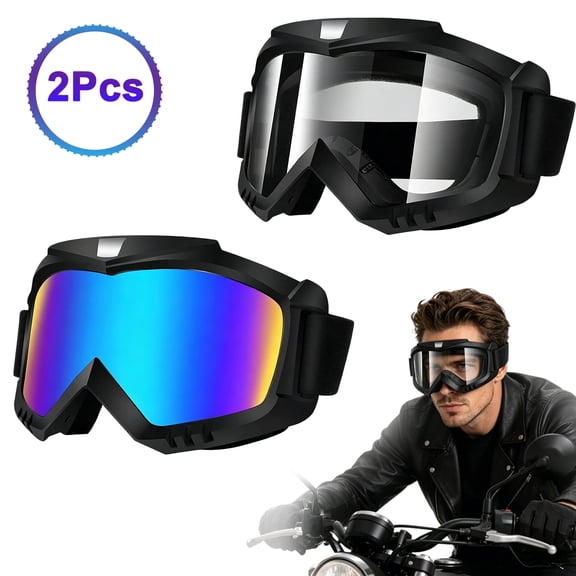
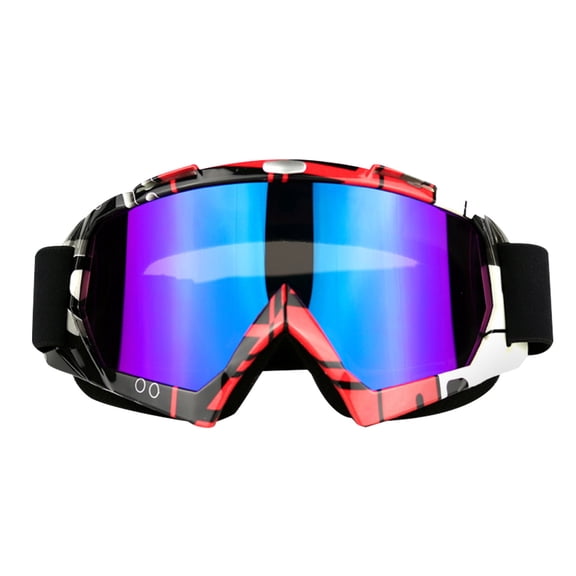
Product photos can also help you judge how the frame sits across the nose and cheeks. With those details, your comparison becomes easier when you’re matching face size, helmet shape, and daily use.
What to look for in anti fog ski goggles
Clear vision depends on more than tint, so anti-fog design should be part of your decision. Many anti fog ski goggles use double lenses and venting to support a clearer view during active runs.
A double lens works like two layers with space between them for improved temperature management. Venting helps air move through the frame while you ski, ride lifts, or wait between runs.
Frequent stops, changing weather, and active riding can make anti-fog features especially useful in your setup. Lens care matters too, because gentle handling helps coatings stay cleaner and clearer over time.
Interchangeable lenses may fit your routine if your day starts dim and turns bright by midday. That option gives you more flexibility when light changes and your original tint no longer feels right.
Matching ski goggles to real winter use cases
Bright alpine mornings often call for low VLT lenses that help manage reflected sun on open slopes. In that setting, mirrored or polarized options may suit your view when glare control is highly important.
Storm days and wooded trails usually pair well with higher VLT lenses that let in more light. Under gray skies, your eyes may pick up terrain changes more easily with a contrast-friendly tint.
Full-day trips with shifting forecasts often make photochromic lenses worth comparing. Instead of switching often, your setup can adjust as light changes from morning through late afternoon.
Park sessions and side-to-side scanning may lead you toward snowboard goggles with spherical or rimless styling. Those shapes can support a wide-looking view while keeping your helmet pairing in mind.
School trips, beginner lessons, and family weekends often point toward youth sizing and simple adjustments. In those situations, your rider usually benefits from smaller proportions and daytime-friendly tint choices.
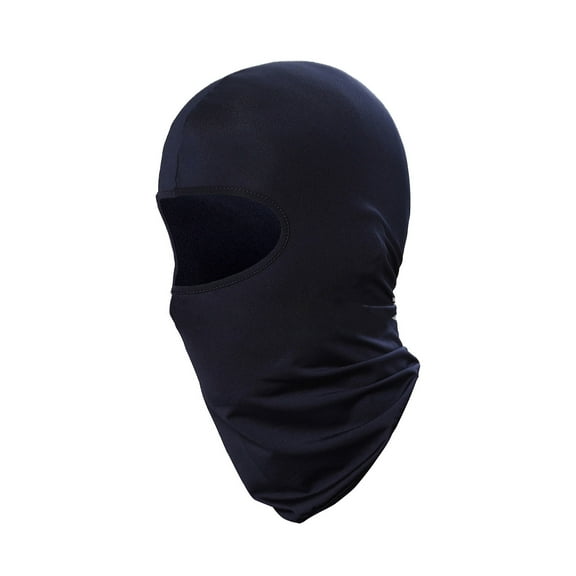
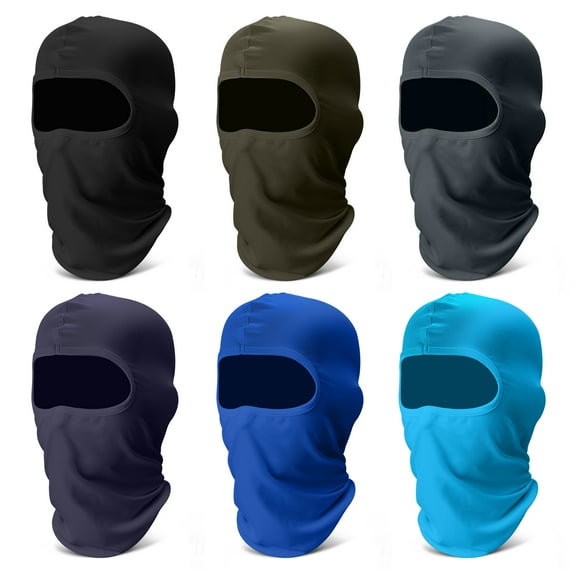
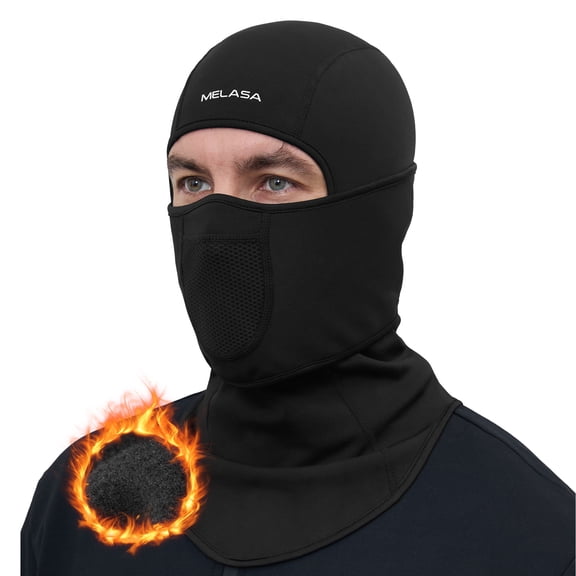
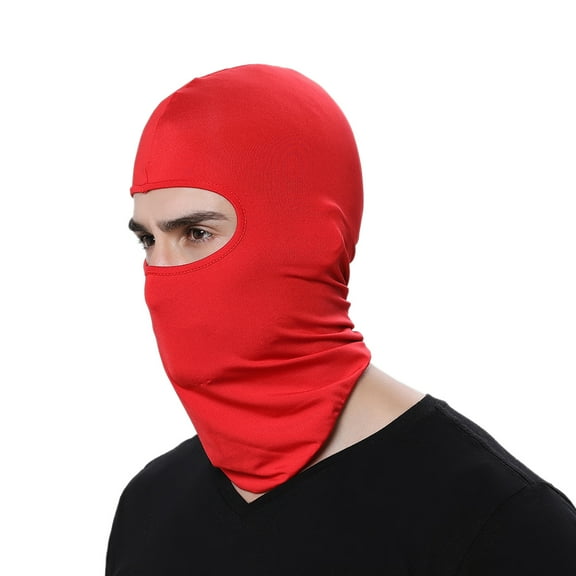
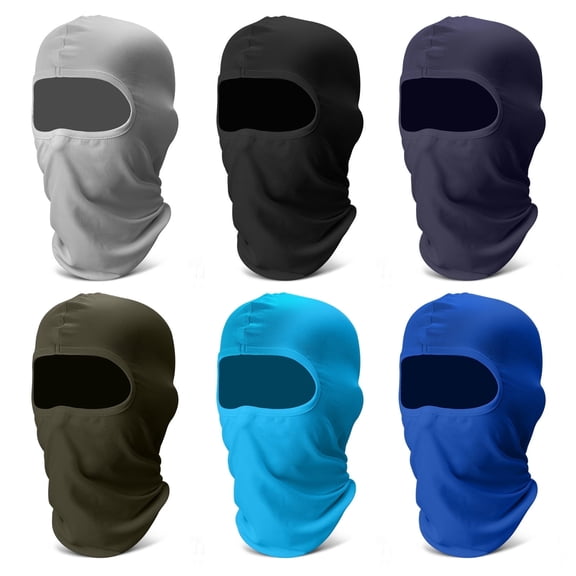
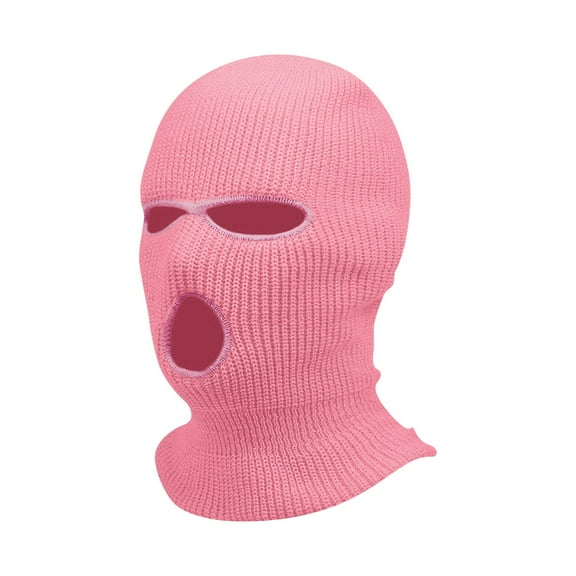
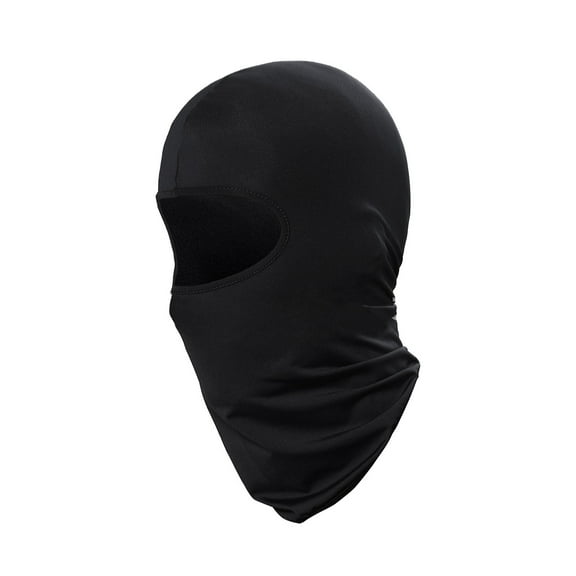
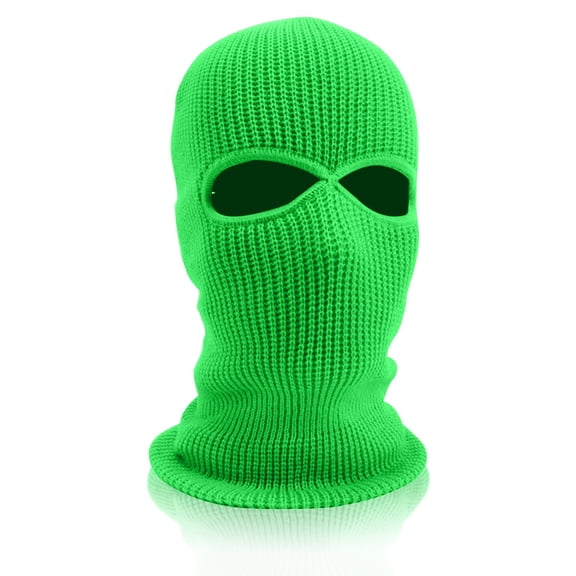
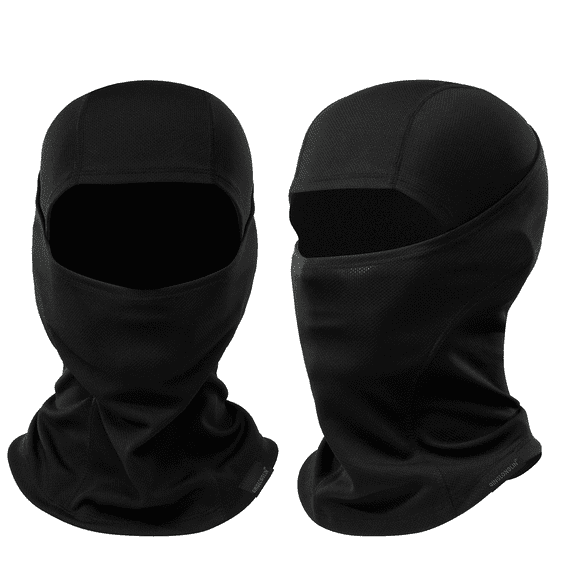
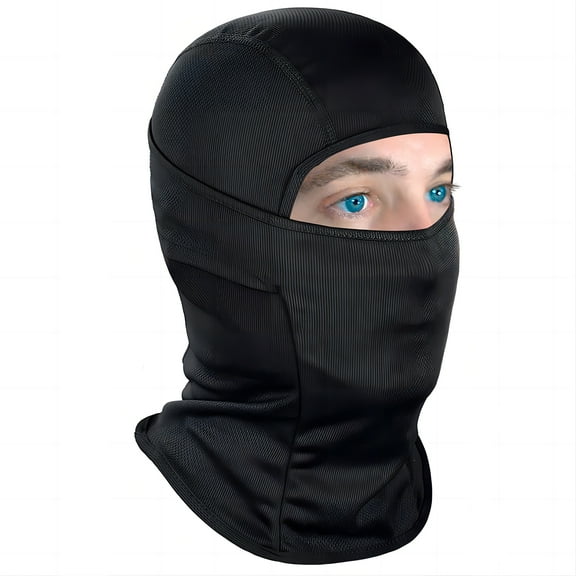
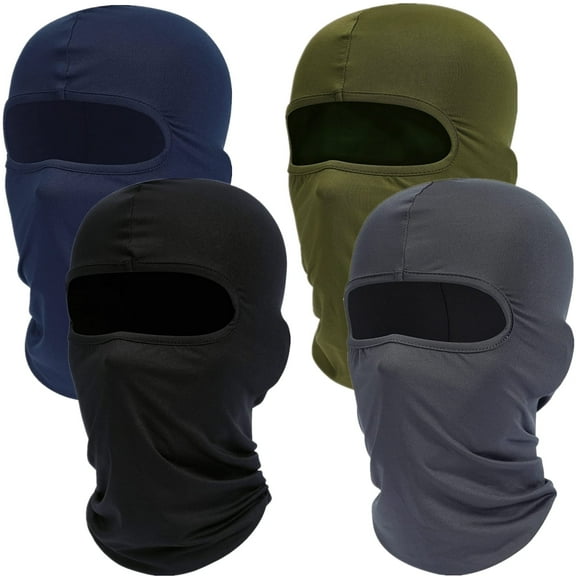
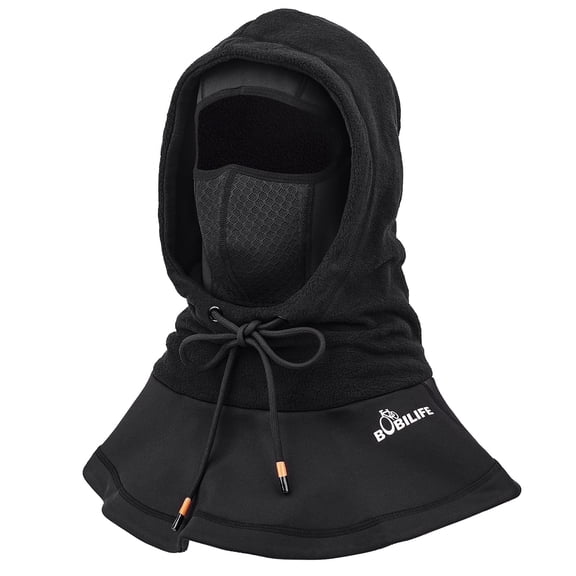
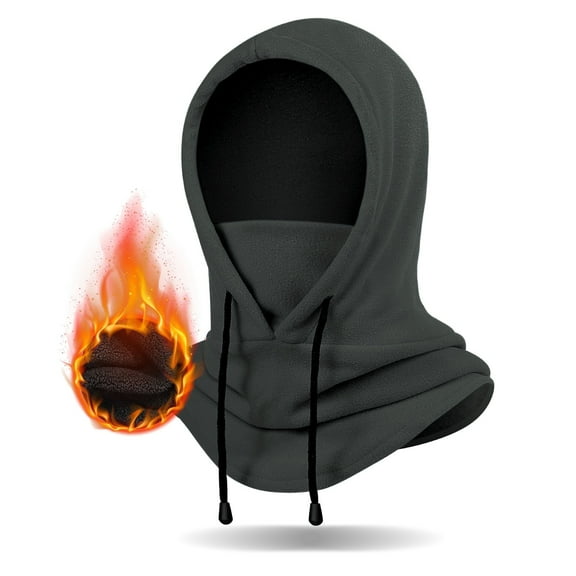
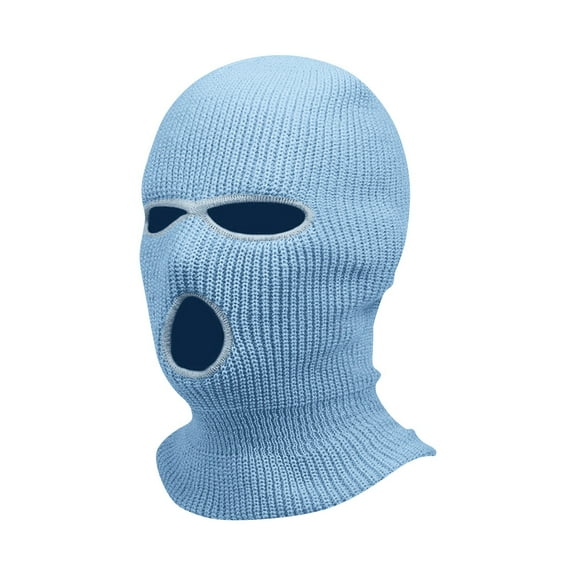
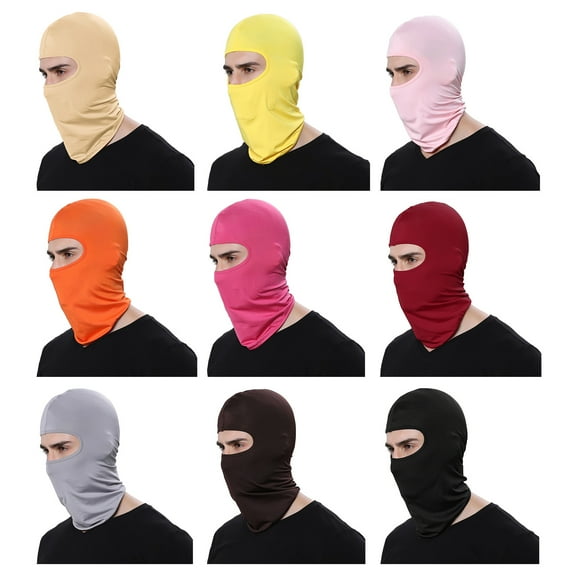
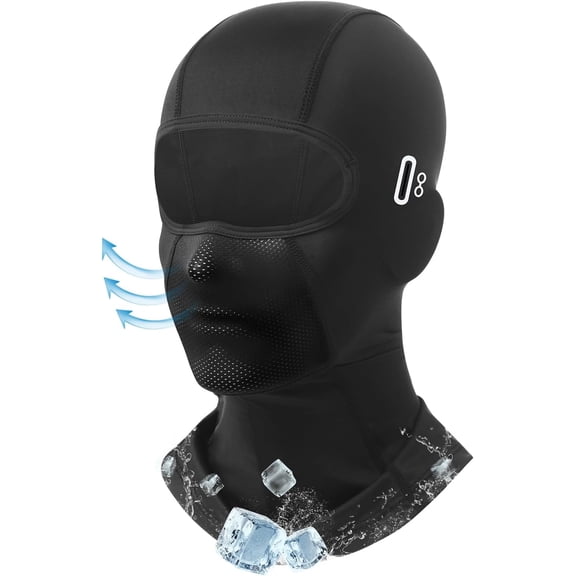
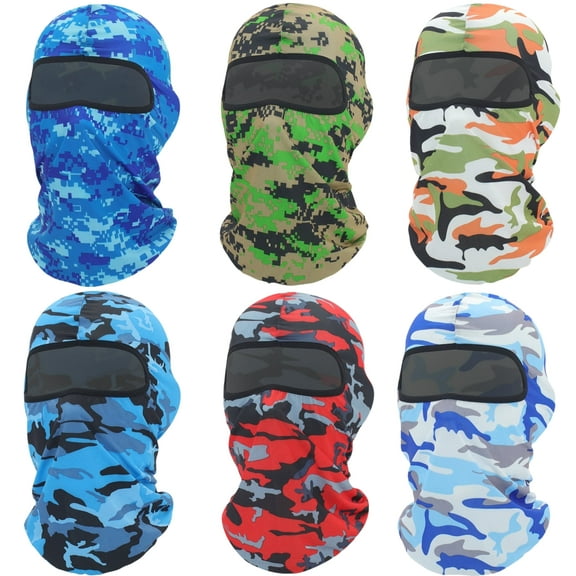
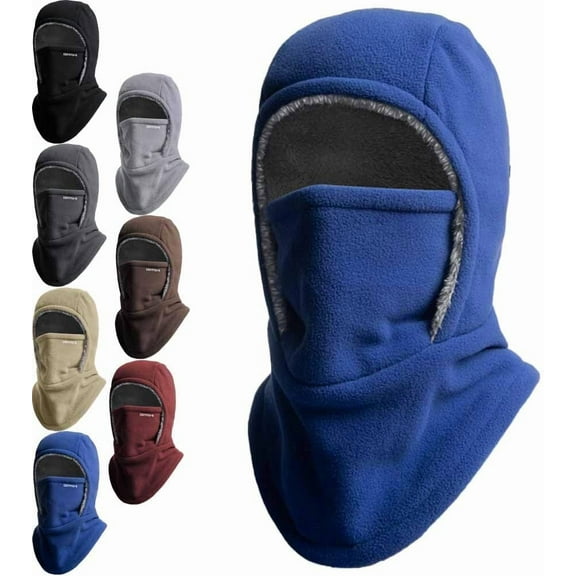
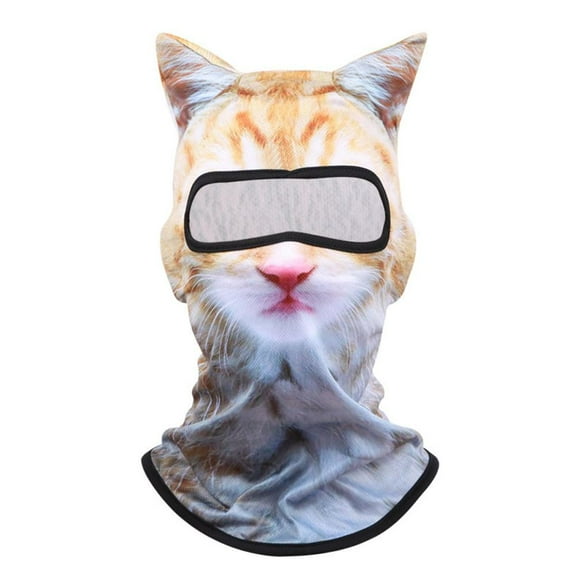
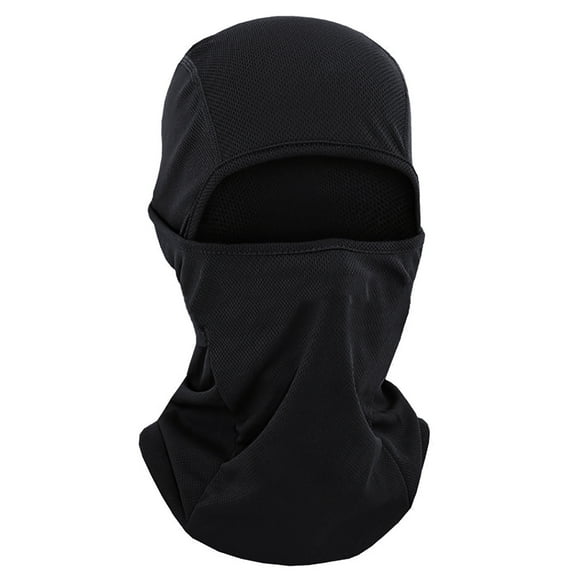
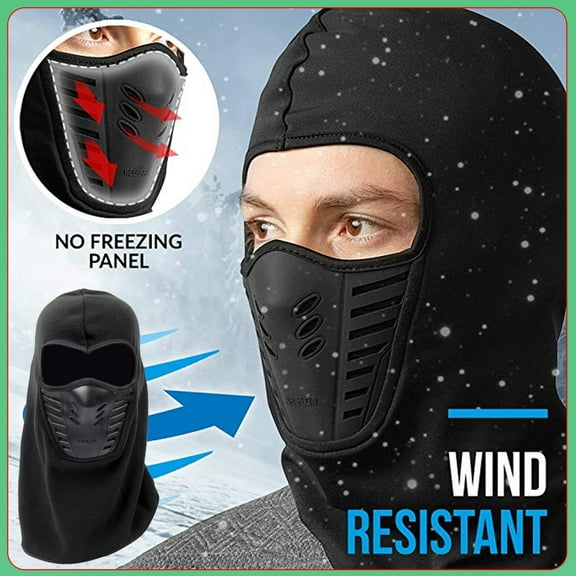
When face coverings are part of your layering plan, ski mask goggles deserve a closer look. That combination works more smoothly when your helmet, goggles, and lower-face coverage fit together without bunching.
By comparing VLT, frame shape, fit, and OTG needs together, your decision becomes more precise. That approach helps you land on snow goggles that stay comfortable, stay clearer, and match how you ride.