

Garden Bushes in Live Plants


















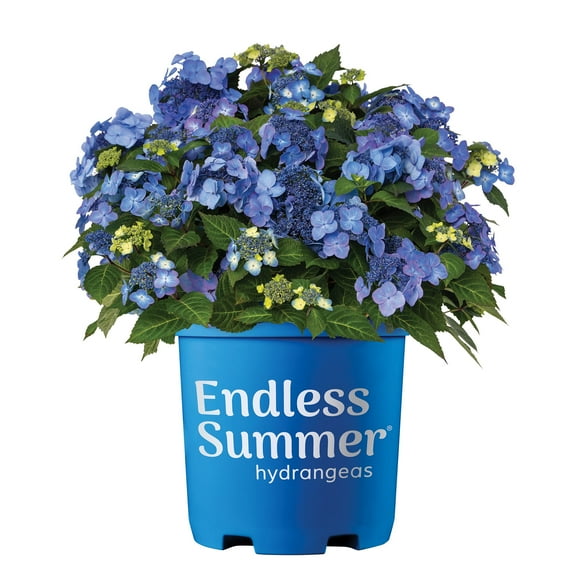


About Garden Bushes in Live Plants - Walmart.com
Garden bushes help you shape privacy, color, and structure in your yard. You can compare size, sunlight needs, and bloom habits to choose outdoor plants that fit your space.
If you’re refreshing a foundation bed or planning a hedge, you’ll want clear buying guidance. You can use plant type, mature size, and care level to narrow options quickly.
Choosing the right garden bushes for your yard
You should start with the job your planting needs to do. You may want screening, border definition, seasonal flowers, or year-round greenery near walkways and patios.
When you compare mature height and spread, you can avoid crowding windows, fences, and paths. You’ll usually see dwarf picks for small beds, medium options for mixed borders, and tall hedging plants for privacy.
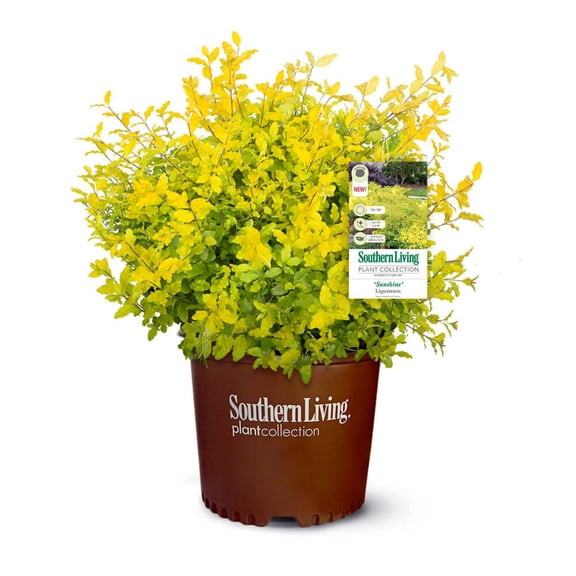
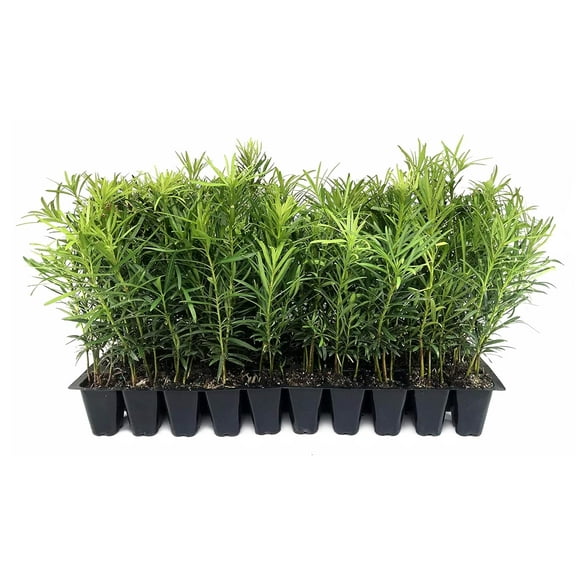
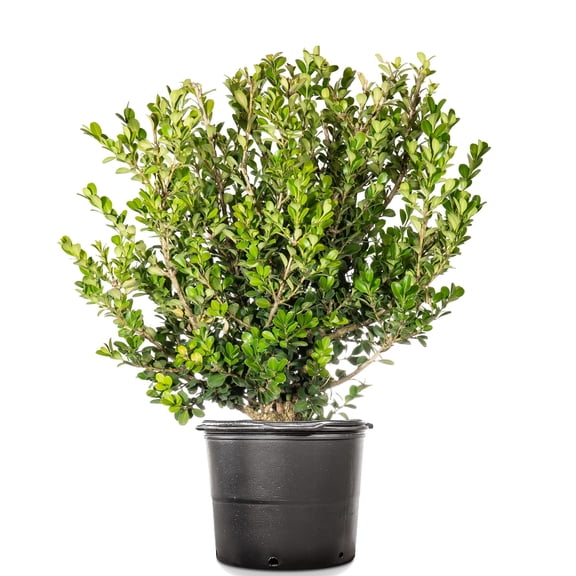
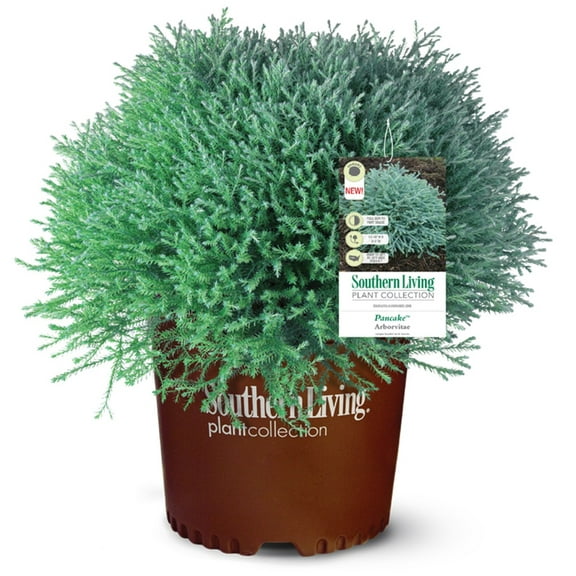
- You can create structure with evergreen shrubs that keep foliage through the year.
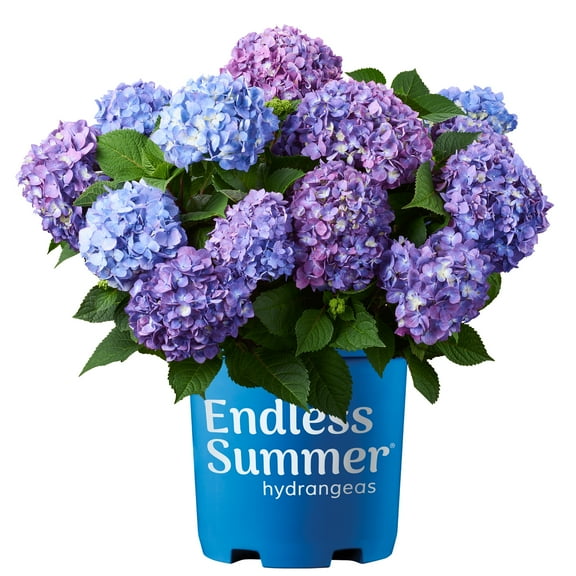
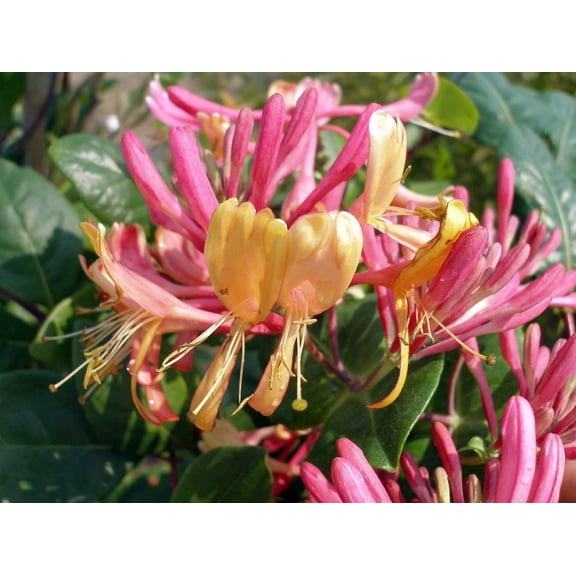
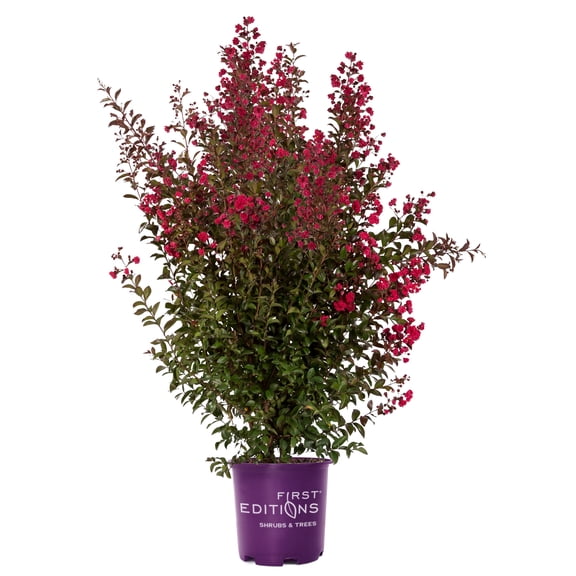
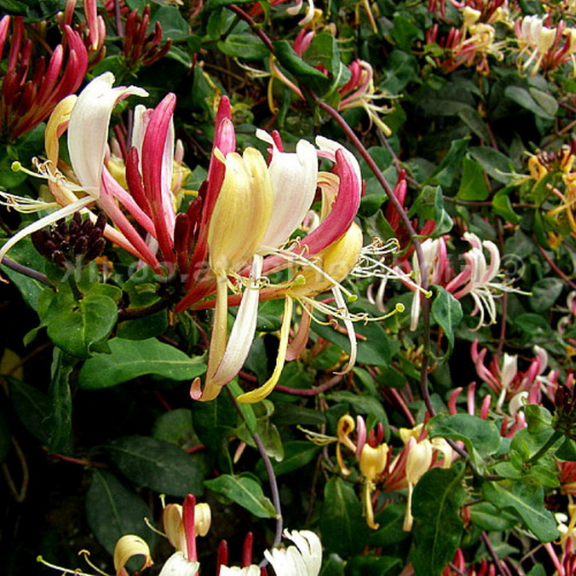
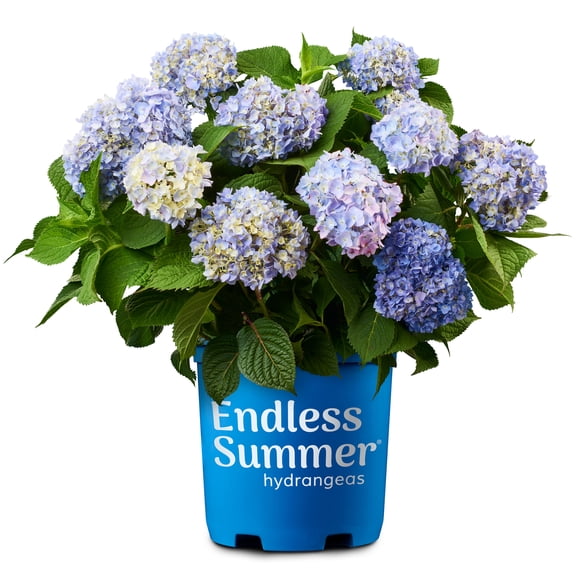
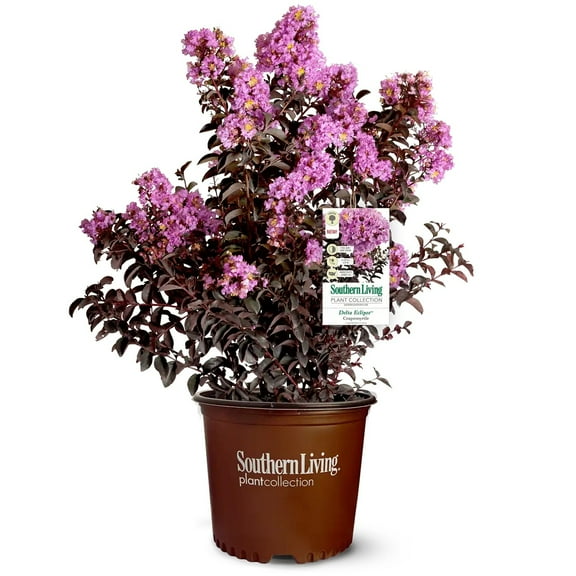
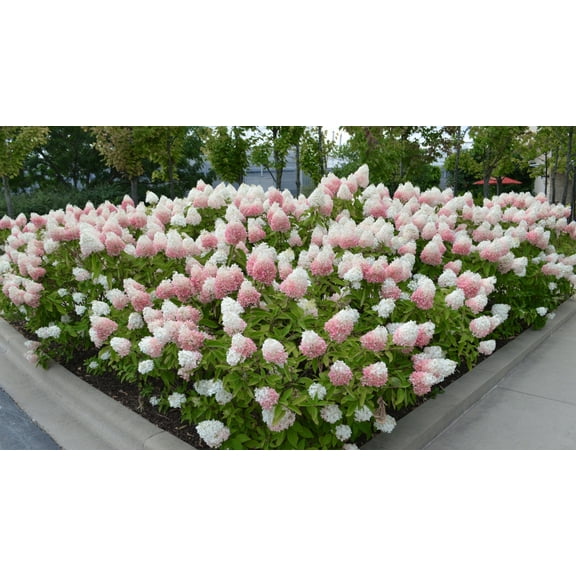
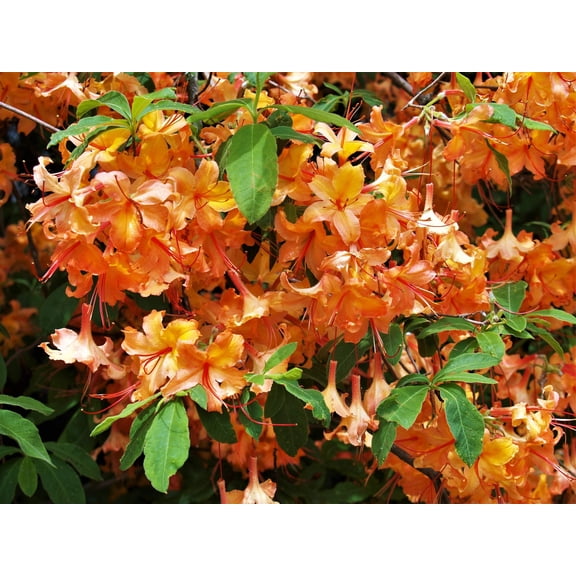
- You can add seasonal color with flowering bushes that brighten spring and summer beds.
- You can simplify upkeep with low maintenance shrubs that need less frequent pruning.
- You can match growth habit to narrow side yards, open lawns, or front entry plantings.
You’ll also notice that bush shape affects the finished look of your landscape. You can choose rounded forms for soft edges, upright forms for screening, or spreading forms for ground coverage.
Choosing between evergreen shrubs and flowering bushes
You should compare plant type first because it changes how your yard looks across the seasons. You’ll get steady color from evergreen shrubs, while deciduous and flowering bushes bring changing texture and bloom cycles.
If you want a hedge that looks full in winter, you should consider conifer or broadleaf evergreen types. If you want pollinator-friendly color and changing blooms, you may prefer flowering bushes in mixed garden beds.
You can mix both types when you want structure and seasonal interest together. You might place evergreen shrubs behind bloomers so your beds still look finished after petals fade.
Deciduous bushes can also work well when you want lighter winter exposure near windows. You may find that leaf drop helps you enjoy more sun indoors during colder months.
Choosing sunlight, soil, and hardiness needs
You should check sunlight before you choose any plant for a bed or border. You’ll usually see options for full sun, partial shade, or full shade, and that label helps you place plants correctly.
When you match light conditions, you can support steadier growth and stronger branching. You may want shrubs for shade under trees, while sunny borders often suit many flowering selections.
You should also compare USDA Hardiness Zone ratings before planting. You can use your zone to see whether winter lows in your area match the plant’s outdoor growing range.
Soil pH matters because you’ll see some bushes prefer slightly acidic soil, while others handle a wider range. You can check product details and compare them with your yard’s soil conditions.
If your soil drains slowly, you should look for varieties suited to those conditions. You may also prefer raised beds or amended soil when you want more control over root space.
Choosing size, watering, and maintenance level
You should measure height and spread at maturity, not just container size at delivery. You can prevent crowded plantings by leaving enough room between walls, sidewalks, and neighboring shrubs.
Dwarf bushes often fit entry beds, porch planters, and compact landscapes. Medium shrubs can anchor foundation plantings, while tall options can create living fences and property lines.
You’ll also want to compare watering needs before planting. Some garden bushes need regular weekly watering while establishing, and some become more drought tolerant after roots settle in.
If you prefer easier care, you should focus on low maintenance shrubs with slower growth or tidy habits. You can spend less time shaping them and still keep a neat landscape line.
Moderate-care picks may reward you with longer bloom periods or faster screening. If you choose high-pruning types, you should expect more shaping for formal hedges and clean edges.
Choosing garden bushes for common landscape plans
You can use garden bushes in several ways depending on your yard layout. You might line a driveway with compact evergreens, frame a mailbox with flowering color, or build privacy along a fence.
For front-yard curb appeal, you may combine dwarf evergreens with seasonal bloomers near the entry. You can keep sightlines open while adding texture that looks balanced from the street.
If you’re planting around a patio, you should check mature spread and sun exposure first. You can choose partial shade options for covered areas or full sun selections for open entertaining spaces.
For larger lots, you may want tall hedging plants that define property edges clearly. You can pair them with medium shrubs in front to soften the line and add layered depth.
You might also plan by care routine instead of color alone. If your schedule stays busy, you can choose low maintenance shrubs and outdoor plants that fit a simpler weekly watering plan.
When you match plant type, sunlight, hardiness, and mature size, you can build a landscape that feels intentional. You’ll get garden bushes that fit your yard, your climate, and your upkeep routine.