

Shelf Liners for Kitchen Storage and Organization






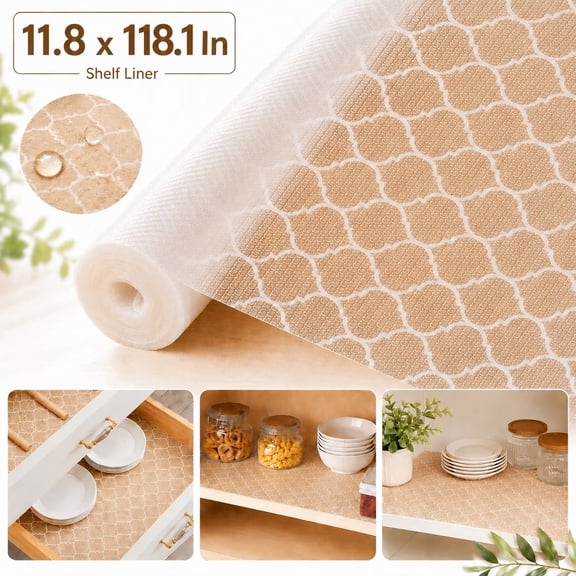



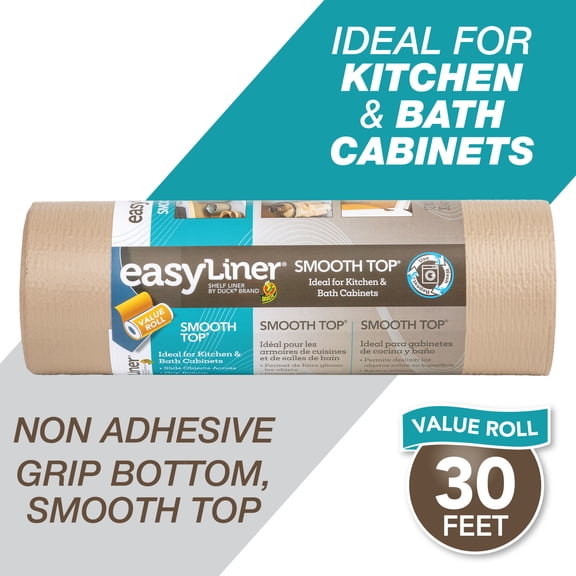


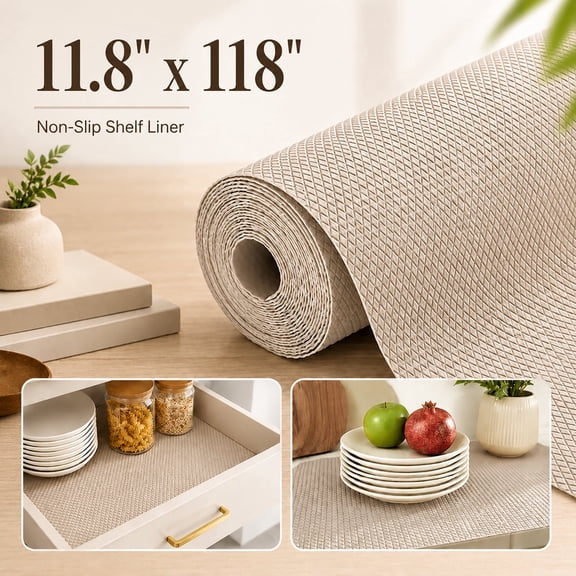


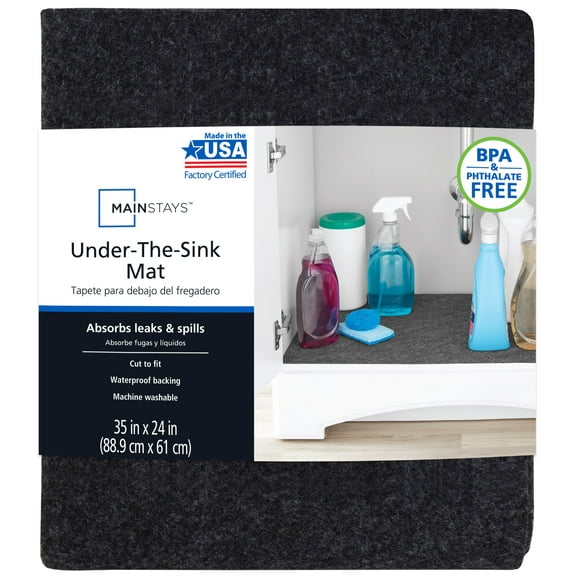



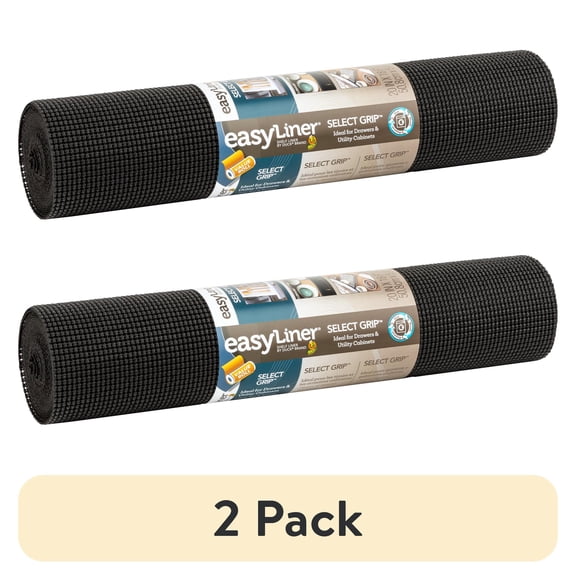

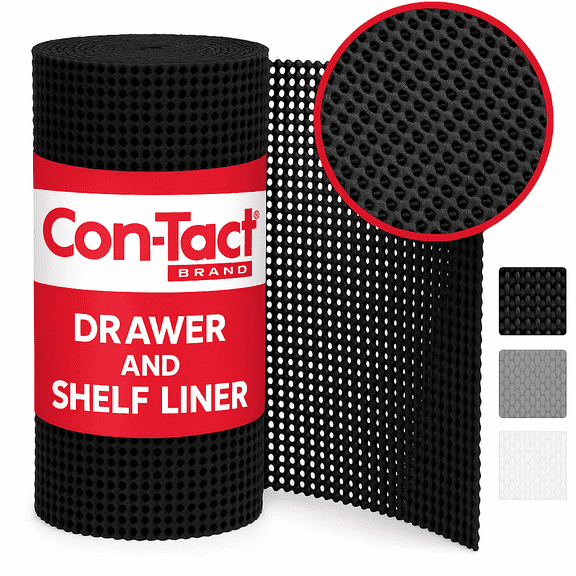




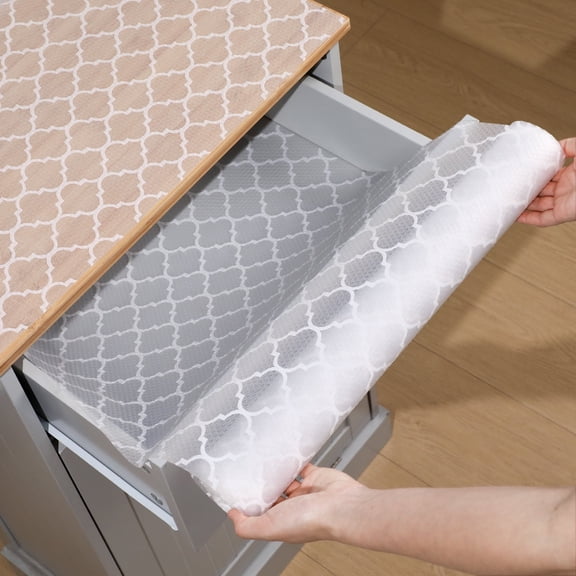











About Shelf Liners for Kitchen Storage and Organization - Walmart.com
Office chairs help you create a workspace that feels focused, supported, and ready for long tasks. You can compare ergonomic details, seat materials, and mobility features that match your home office or work setup.
How to choose office chairs for your workspace
When you compare office chairs, you should start with how long you sit each day. You should also measure your desk height, floor type, and available room before you choose.
If you work through long meetings or study sessions, you may want more back support and flexible adjustments. If you move between tasks often, you may prefer a lighter task chair with quick swivel movement.
You can narrow your options faster when you focus on a few decision points first. You should compare ergonomic features, materials, base design, weight capacity, and overall chair style.
Choosing ergonomic office chairs
Ergonomic office chairs can help you stay aligned through emails, calls, and detailed desk work. You should look for lumbar support, adjustable armrests, a headrest, and tilt tension that fits your posture.
Adjustable lumbar support lets you position back support where your body needs it most. Tilt lock and tilt tension help you control recline feel, so your chair matches your work rhythm.
A pneumatic lift matters when you need your seat height to match your desk and keyboard position. You should also check seat depth, because your legs and lower back need the right fit.
- You can use lumbar support to create steadier back contact during long seated tasks.
- You can adjust armrests to help your shoulders rest more naturally at your desk.
- You can use a headrest when you want added support during reading or video calls.
- You can fine-tune tilt tension for a firmer or looser recline feel.
If you share your workspace, you may want more adjustment points for easier handoff between users. You can often get a more personalized fit when seat height, arms, and tilt all adjust.
Comparing desk chairs by material
Desk chairs come in mesh, leather, fabric, and faux leather, and each material changes how your chair feels. You should compare breathability, wipe-clean surfaces, and the look you want in your space.
Mesh office chairs let more air move through the back, which can feel less warm during long sessions. You may prefer mesh when your room runs warm or your workday stretches for hours.
Leather and faux leather options give you a smoother, more polished look around executive desks or conference spaces. You can usually wipe these surfaces quickly, which helps when your office sees frequent use.
Fabric seats can feel softer and more casual in shared family work areas or study corners. You should check the seat cushion shape along with the cover material, because comfort depends on both.
Understanding base, mobility, and floor fit
You should think about how your chair moves before you choose a base style. Swivel desk chair designs help you turn between screens, drawers, and shelves without constant repositioning.
Wheels matter when you roll across carpet, rugs, or hard floors during the day. You should compare caster materials, because nylon casters often suit carpet and polyurethane casters often suit hardwood.
If your setup stays in one place, you may prefer a stationary chair with a simpler footprint. If you work at a raised surface, you may need a drafting chair with a taller seat range.
Computer chairs with smooth swivel movement can support multitasking in compact desks and corner workstations. You can also benefit from a stable base that keeps movement controlled during typing and calls.
Checking weight capacity and size
You should always compare chair dimensions with your body size and desk clearance. Weight limit, seat width, and seat depth all shape how supported and settled you feel.
Standard models often support up to 250 pounds, while heavy duty designs may support 300 to 500 pounds. You should review those numbers carefully when you want a stronger frame and roomier seat.
Big and tall office chair options may include broader seats, taller backs, and reinforced bases. You can feel more comfortable when your chair proportions match your frame instead of forcing a tight fit.
You should also check arm width and back height if your desk has side panels or limited clearance. A chair that fits your space well can move more smoothly through your daily routine.
Matching style to your daily tasks
You can use style labels to narrow choices based on how you work each day. Executive office chairs often suit formal offices, while task chair designs suit flexible, active workstations.
Mid-back chairs can work well when you want support with a lighter visual footprint. High-back chairs may suit longer seated sessions when you want more upper-back coverage.
You may also compare gaming chair styles if you want a more wrapped seat shape and bold design. You should still review lumbar support, seat depth, and caster type before choosing by looks alone.
Home office chairs often need to blend with bedrooms, living rooms, or shared spaces. You can choose cleaner lines, softer fabrics, or compact frames when your workspace needs to stay versatile.
Using office chairs in real spaces
If you work from home full time, you may want ergonomic office chairs with lumbar support, mesh backs, and adjustable arms. You can stay focused longer when your chair adapts to changing tasks.
If you furnish a front office or private workspace, you may lean toward executive office chairs in leather or faux leather. You can create a polished look while keeping seat height and tilt adjustment in view.
If you need flexible seating for homework, bills, or casual laptop use, desk chairs with swivel bases can fit well. You can move easily between drawers, printers, and side tables in smaller rooms.
If your floor includes hardwood or laminate, you should check whether the caster material suits that surface. You can protect movement quality by matching wheel type to the room where you work.
For shared desks, you should prioritize quick height adjustment and simple controls that different users can understand. You can make handoffs easier when the chair adjusts without extra steps.
When you choose office chairs with the right support, material, and movement, your workspace feels more usable every day. You can work, study, and organize with comfort that fits your routine.