

Shallow Electrical Boxes in Electrical Boxes












About Shallow Electrical Boxes in Electrical Boxes - Walmart.com
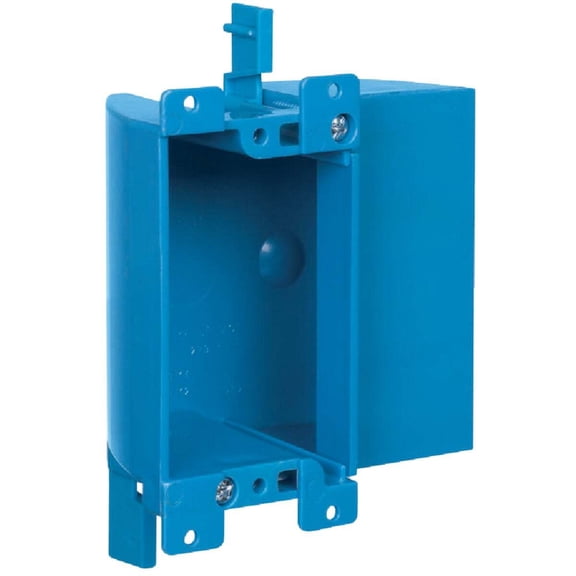
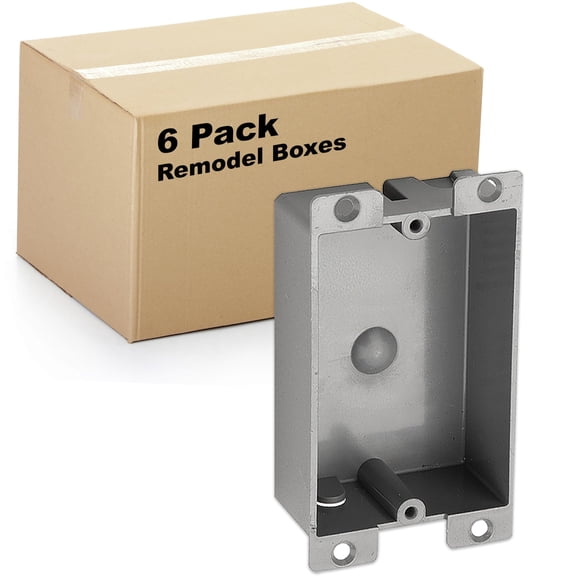
You can use a shallow gem box when your wall cavity leaves very little depth for switches, outlets, or fixture connections. You’ll also find these shallow electrical boxes fit tight remodels, finished walls, and compact ceiling spaces with less guesswork.
When you compare shallow boxes, you should start with box type, depth, material, gang count, and installation phase. You’ll make a cleaner choice when you match those details to your wiring layout and mounting surface.
How to choose a shallow gem box
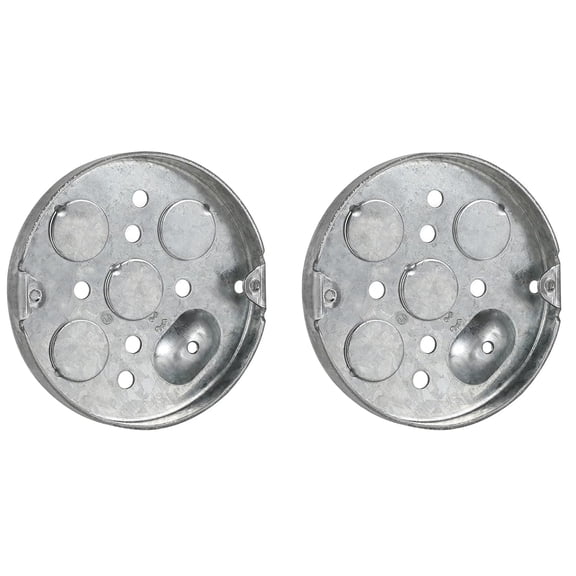
You should first decide whether your project needs a gem box, pancake box, ceiling box, or outlet box. You’ll usually pick a gem box for device mounting, while you may choose a pancake style for very tight ceiling fixtures.
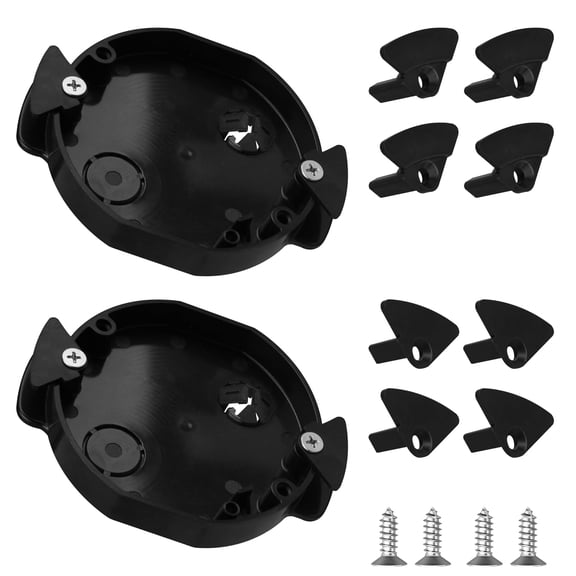
If your wiring lands in a ceiling location, you should compare a shallow light box with a shallow ceiling box shape. You’ll want the mounting pattern and profile to match your fixture base and available clearance.
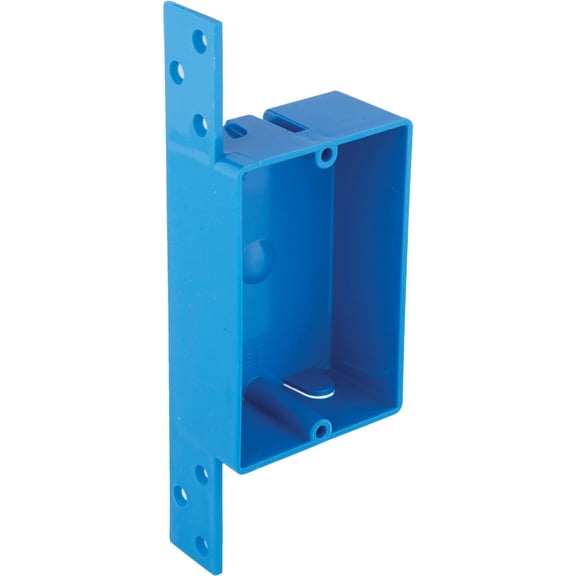
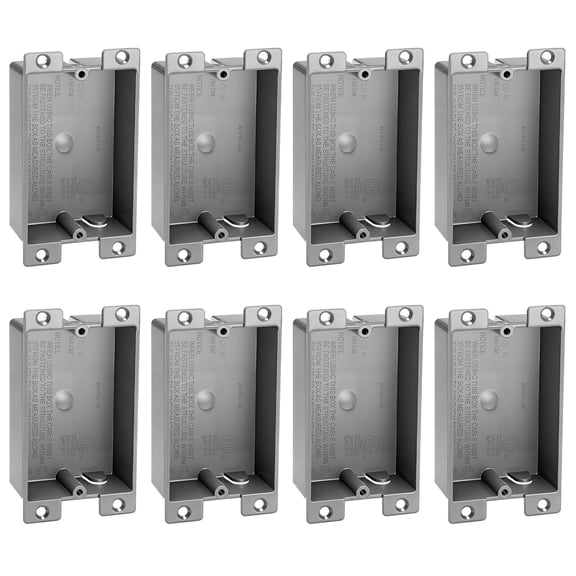
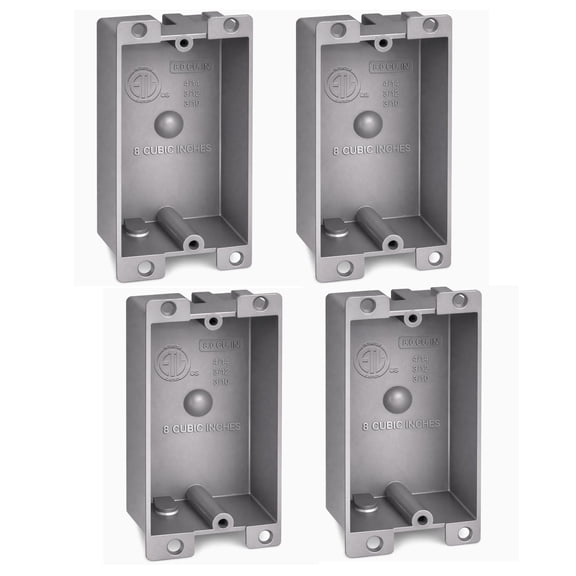
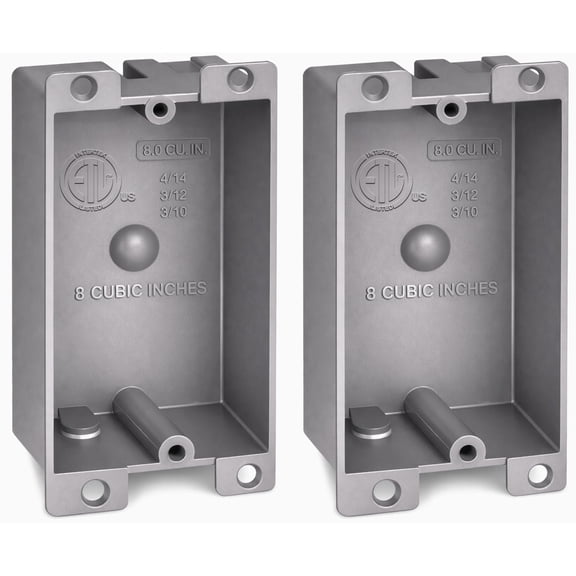
You can also narrow your choice by gang count before you compare other details. You’ll often use a single gang shallow box for one switch or receptacle, while a two-device setup needs more width.
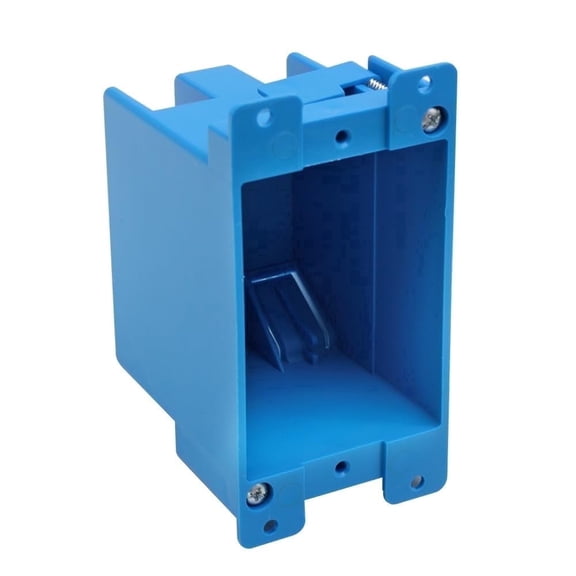
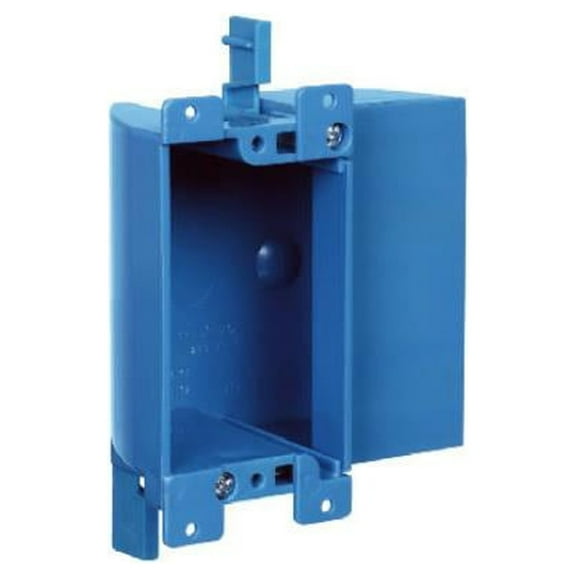
- You can use a gem box for switches and receptacles in narrow wall cavities.
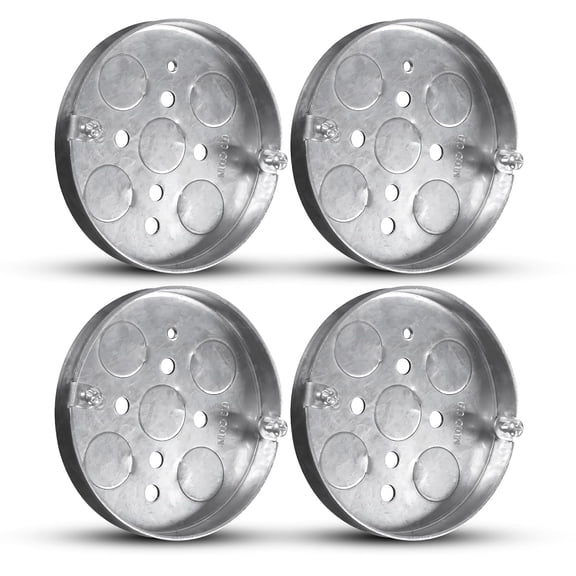
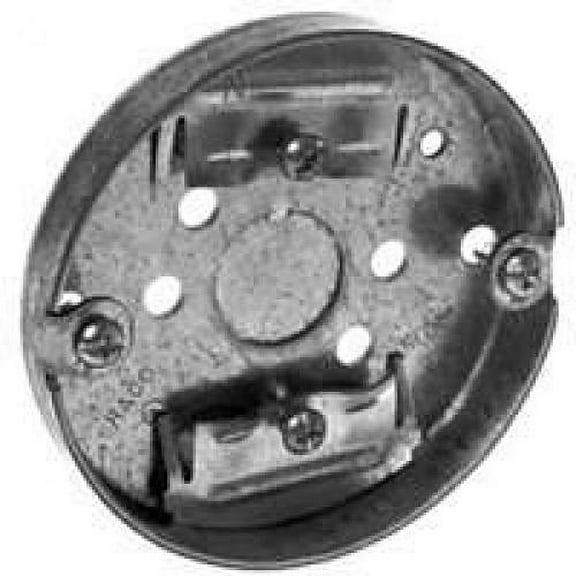
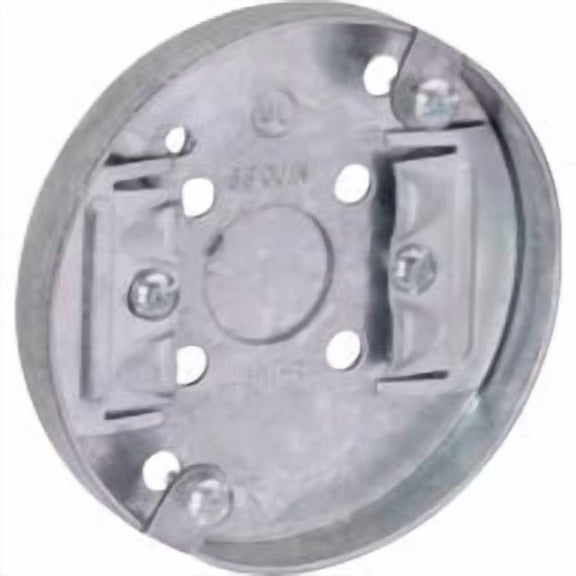
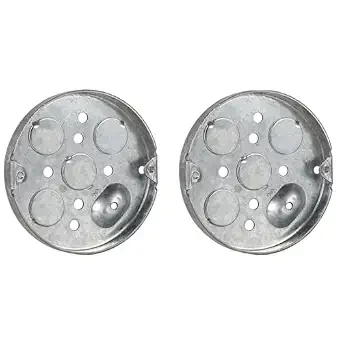
- You can use a 4 in pancake box when your ceiling fixture needs a very slim profile.
- You can use a ceiling box when your mounting point sits overhead and needs the right shape.
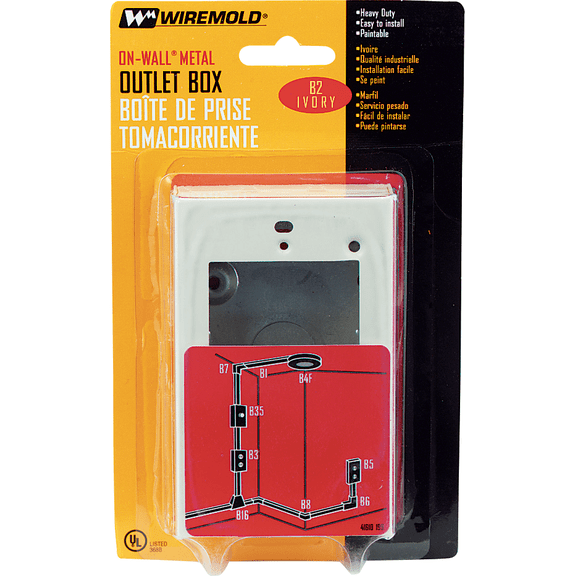
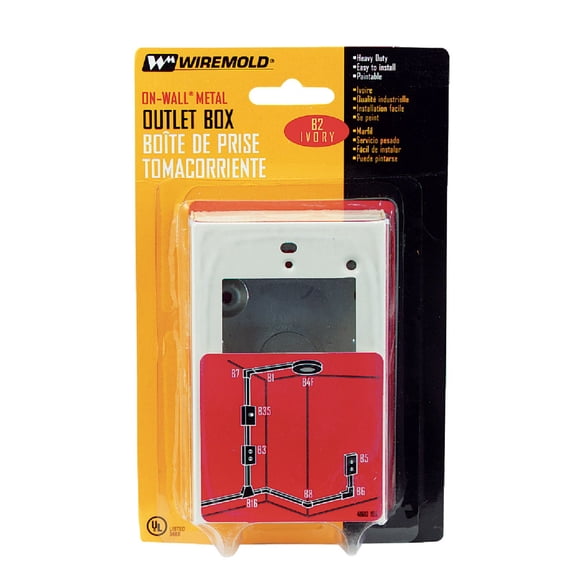
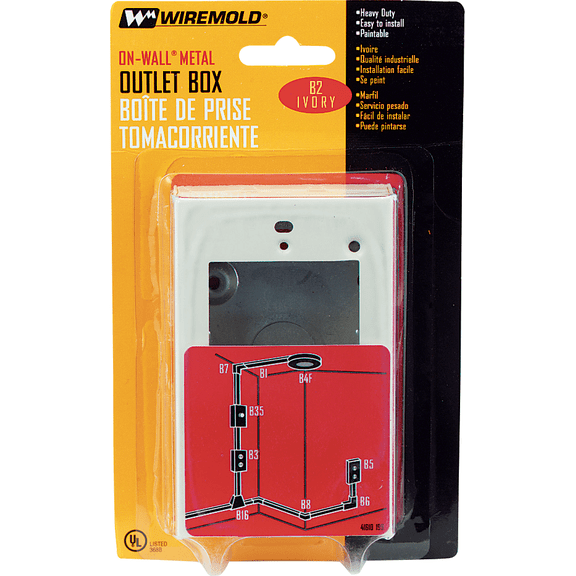
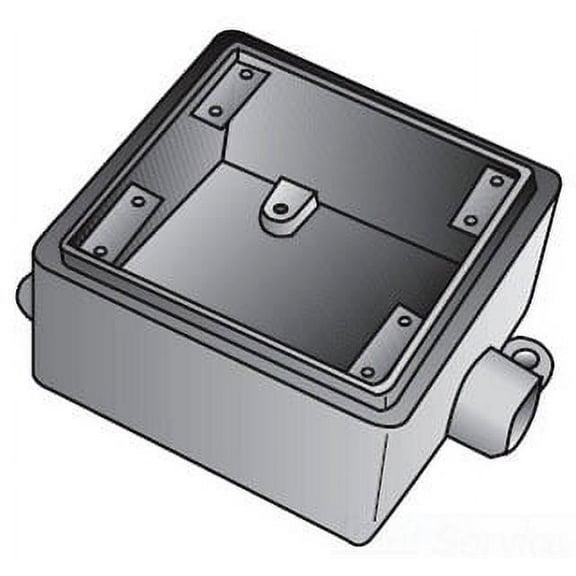
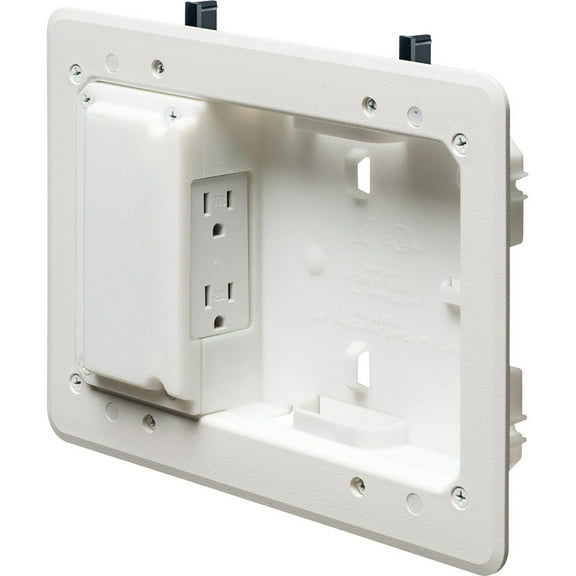
- You can use an outlet box when your project centers on receptacle or device placement.
Choosing depth, material, and gang size
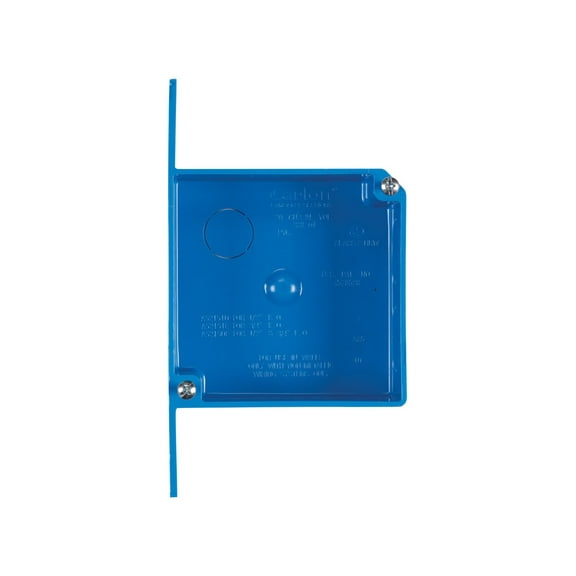
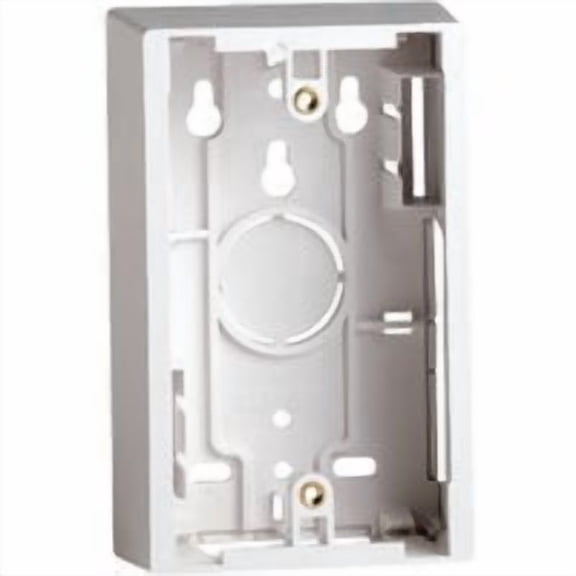
You should measure your wall or ceiling cavity before anything else, because depth drives almost every other decision. You’ll see shallow depth electrical box options in slim profiles like 1/2-inch or 5/8-inch for restricted spaces.
If your finish surface sits close to framing, piping, or masonry, you may need an ultra-shallow profile. You’ll avoid fit issues when you compare box depth to the actual cavity, not just the opening.
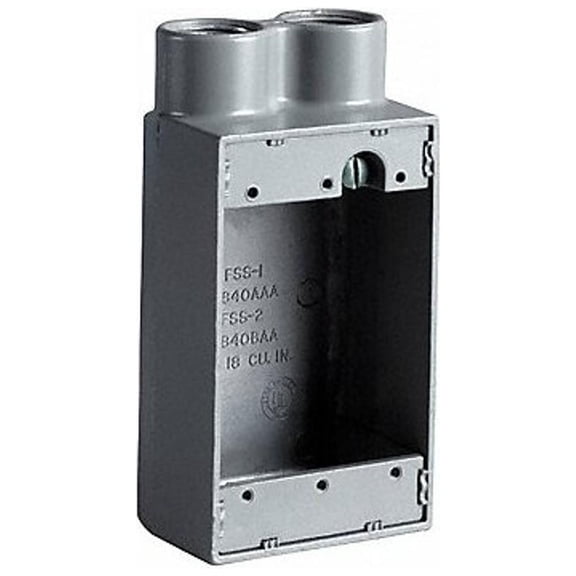
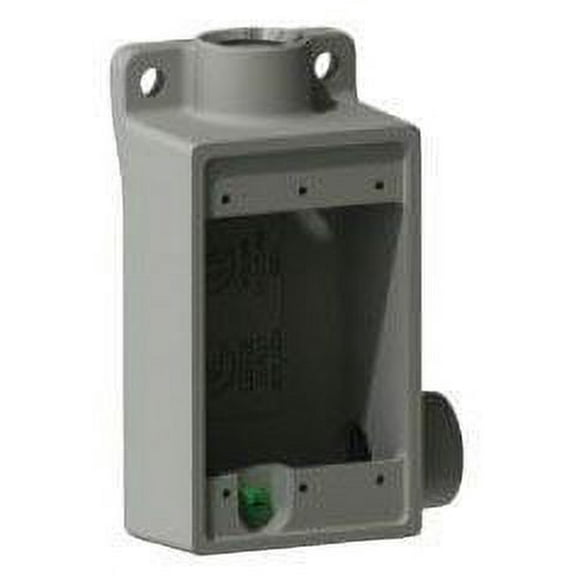
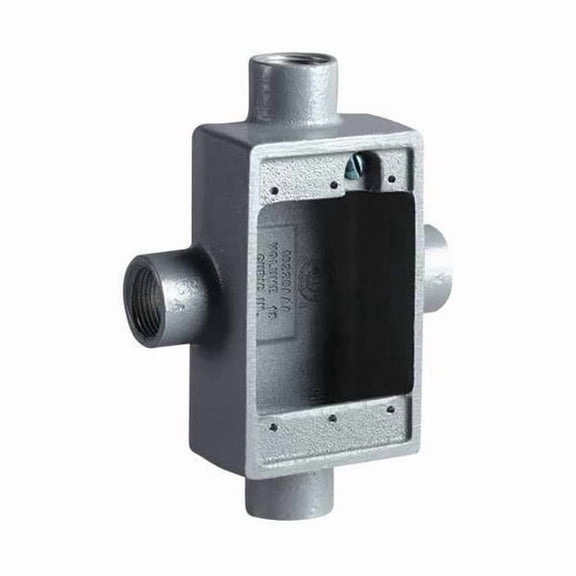
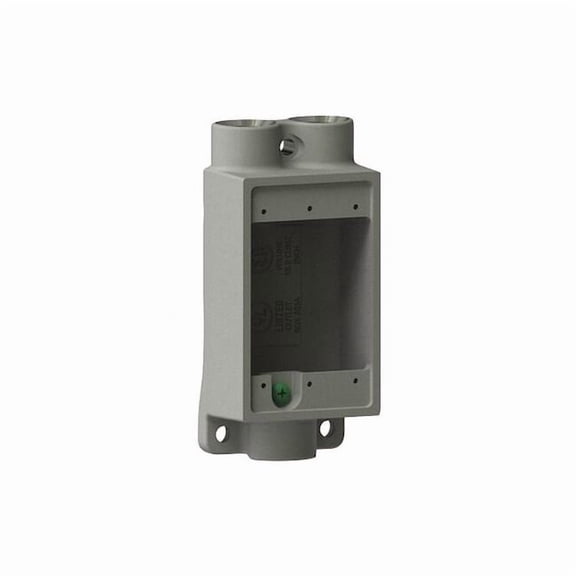
You should also compare metal, plastic, and polycarbonate materials based on your project type. You’ll often choose a shallow metal box when you want a rigid body and grounding compatibility in metal wiring systems.
If your installation uses non-metallic cable and a nonmetal box fits your plan, you may prefer plastic or polycarbonate. You’ll appreciate lighter handling and straightforward cable entry when the box design matches your wiring method.
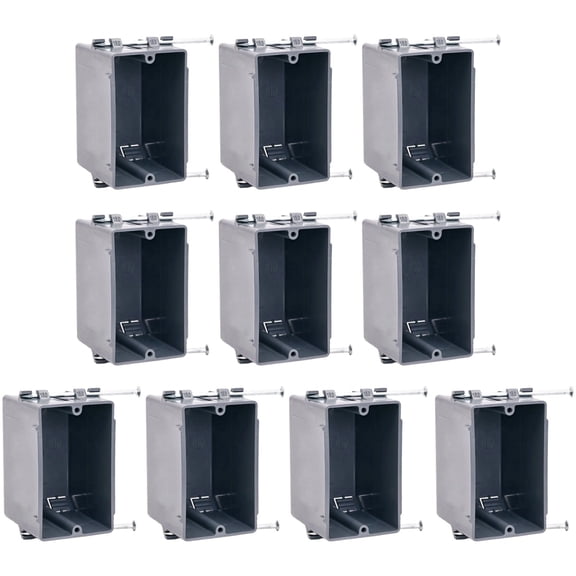
You should match gang capacity to the number of devices you’re mounting. You’ll typically use a single gang shallow box for one switch, and you may need a 2 gang shallow old work box for two devices.
When your layout expands, you can compare multi-gang formats for grouped controls or outlets. You’ll keep your cover plate and device spacing aligned when the gang count matches the finished setup.
Comparing shallow boxes electrical for old work and new work
You should check whether you’re working in an open wall or an existing finished surface. You’ll usually need a shallow new work box during framing, while an old work design suits cut-in installation after drywall.
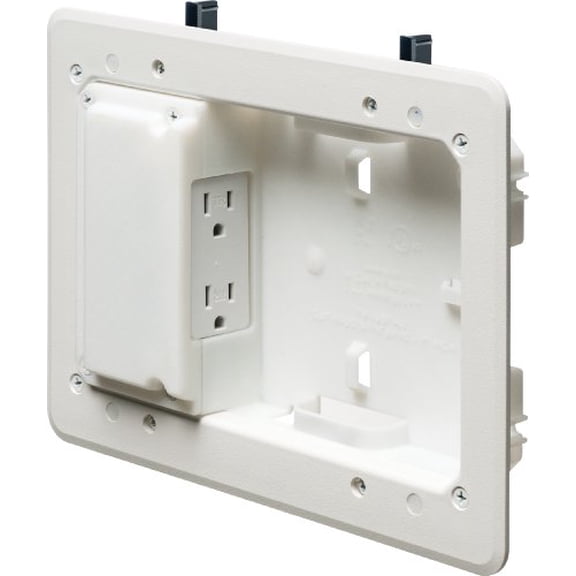
If you’re updating a finished room, you may want a shallow old work outlet box with retention tabs or clamps. You’ll get a more practical fit when the box secures from the front side of the wall.
When you’re wiring before the wall closes, you can use new work styles that attach to studs or framing members. You’ll find that approach helpful when you want placement set before drywall goes up.
You should also compare mounting style with the device or fixture you plan to install. You’ll want the screw pattern, bracket style, and shape to line up with your switch, outlet, or light base.
Using shallow light box and pancake box options
You may need a shallow light box when a ceiling fixture sits under a joist or other tight overhead area. You’ll often see a 4 in pancake box used where a standard deeper ceiling box won’t fit.
If your fixture canopy has limited room behind it, a slim ceiling profile can make installation easier. You’ll want to confirm diameter, mounting holes, and depth before you choose that style.
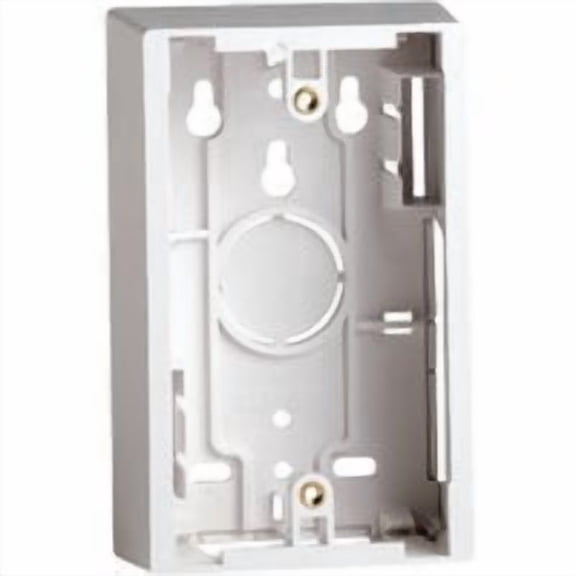
You can use a shallow single gang electrical box in kitchens, hallways, workshops, or remodel projects with tight wall depth. You’ll find it useful when tile, paneling, or added wall layers reduce available cavity space.
For replacement jobs, you may compare a shallow box electrical option with your existing opening and wiring path. You’ll reduce rework when the new box type matches the wall condition and device count.
You should also think about cover compatibility and the finished look around your device. You’ll get a cleaner install when the box shape supports the plate, yoke, and mounting screws you need.
What to look for before you install shallow electrical boxes
You should confirm box type, gang count, material, and depth before final selection. You’ll make the process easier when you measure the cavity and compare it against the box profile in inches.
If your project involves a switch, outlet, or compact fixture in a tight cavity, shallow boxes can solve a very specific fit problem. You’ll finish with a box that suits your space, wiring method, and mounting stage.