

Sealant Cost & Price Guide - Find Sealants at Walmart


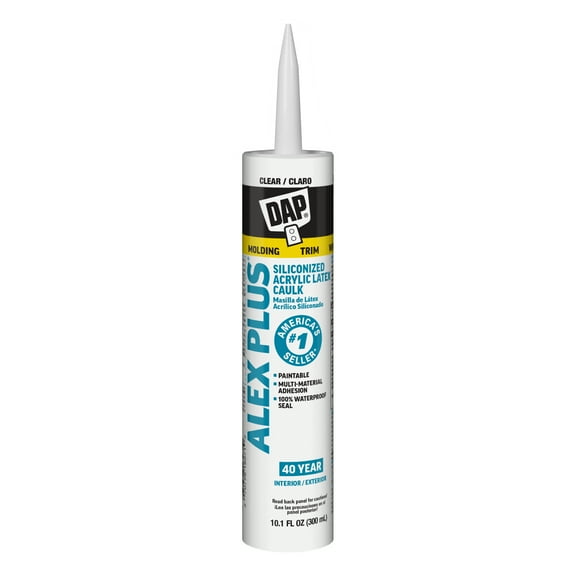
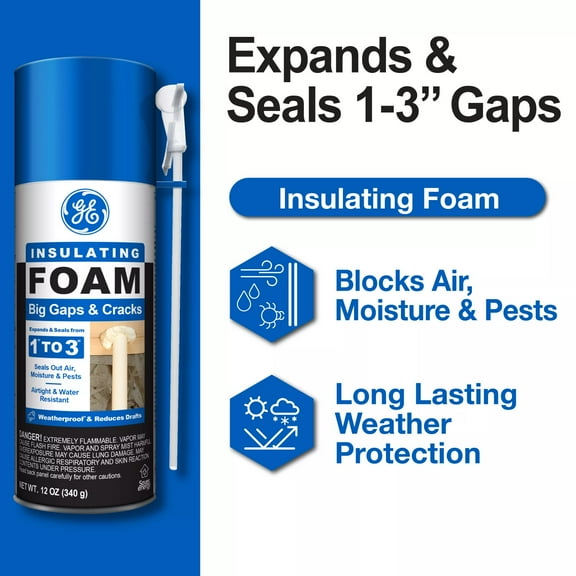
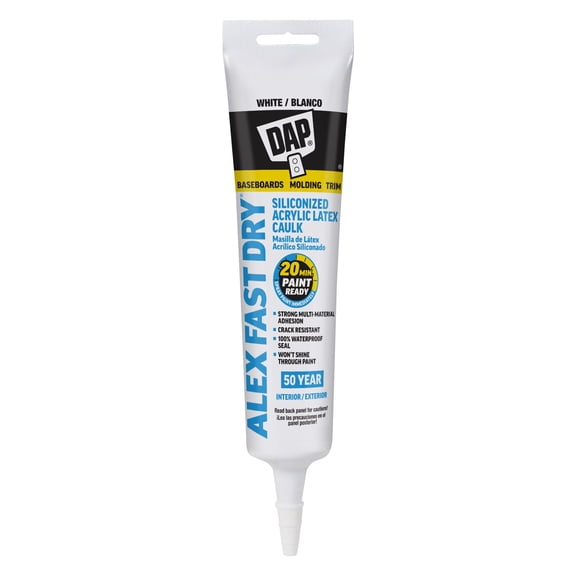



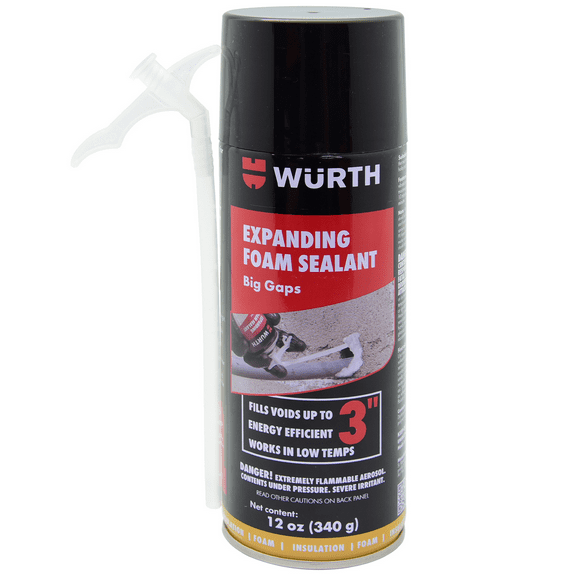
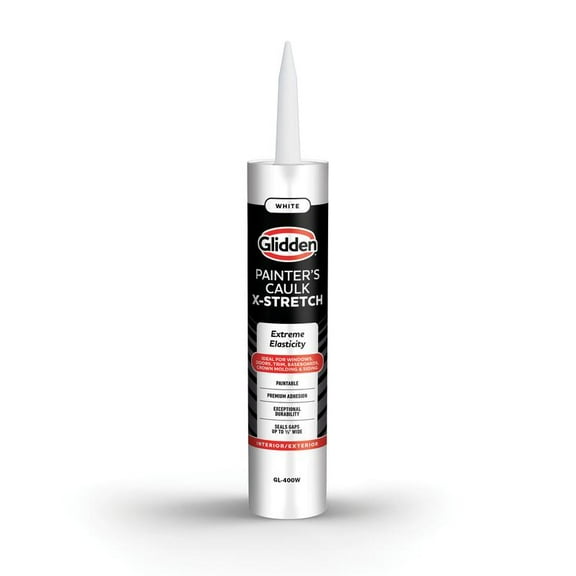


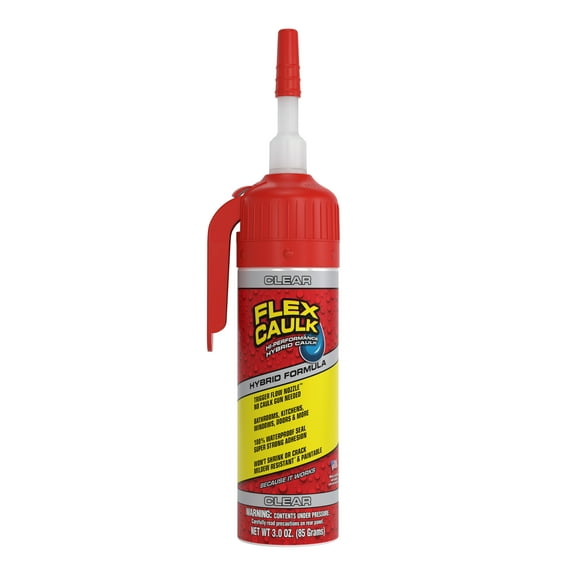
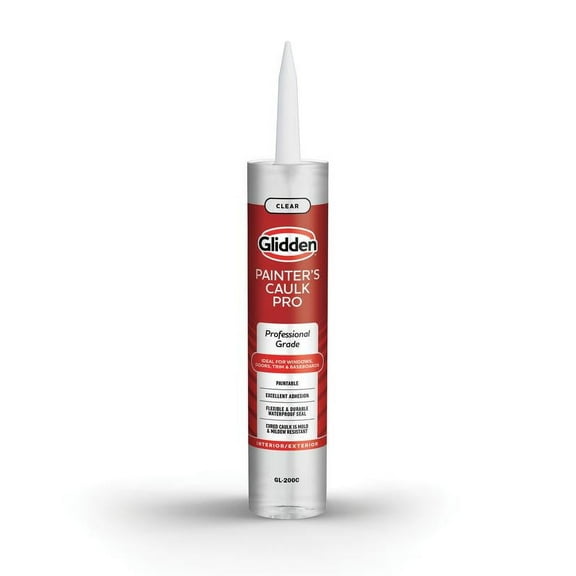


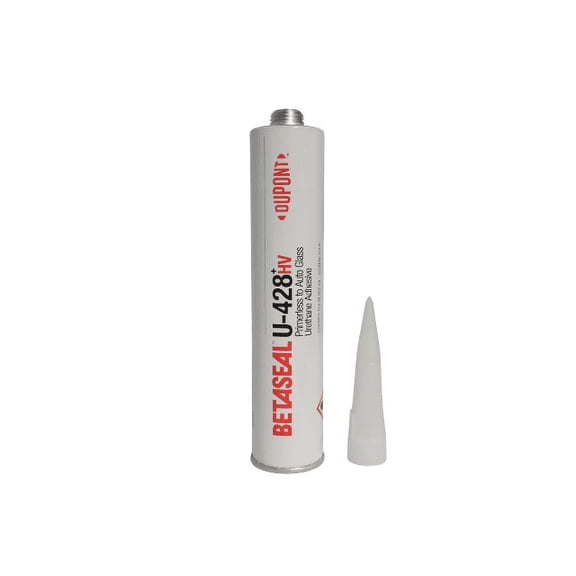











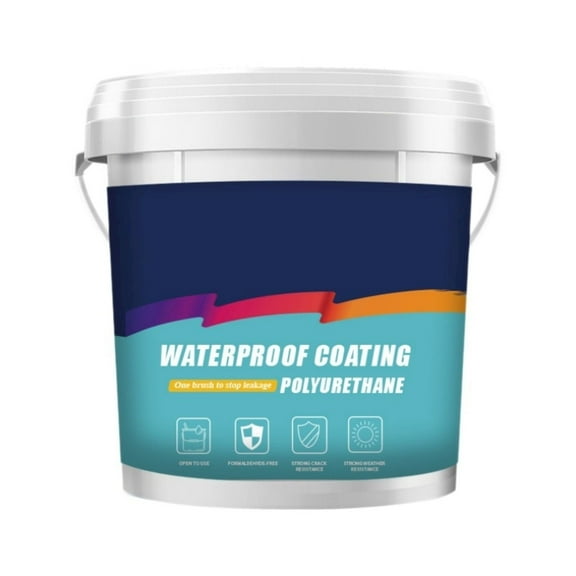

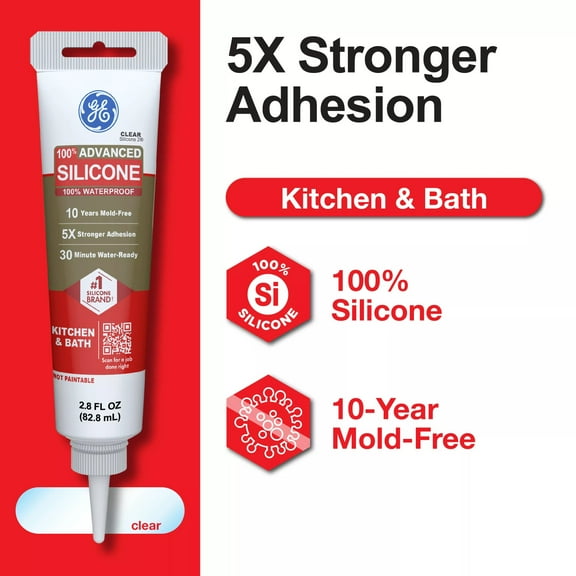
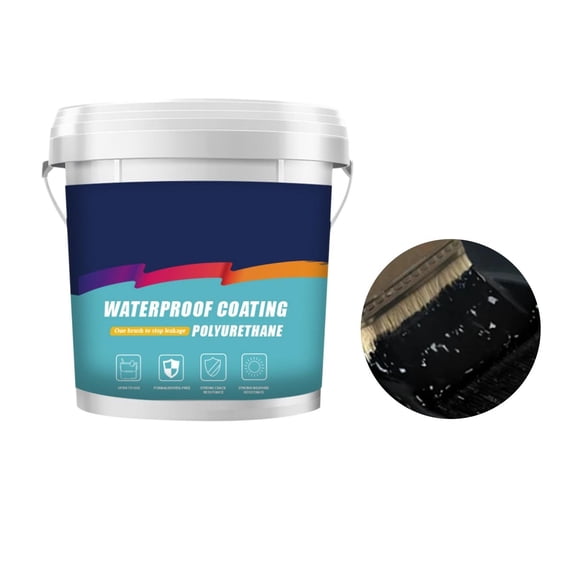


About Sealant Cost & Price Guide - Find Sealants at Walmart - Walmart.com
You can use sealants to close gaps, block moisture, and finish repair lines with a cleaner look. You can compare formulas by material, application area, water resistance, and finish before you start.
How to choose sealants for your project
When you compare sealants, you should start with where the bead will go and what the gap must handle. You can choose one formula for a shower surround and another for siding joints or concrete cracks.
Material type matters because you need the right mix of flexibility, adhesion, and finish for your task. You can narrow your choice faster when you compare silicone, acrylic latex, polyurethane, and rubber-based formulas.
Application area also changes what you should look for in the tube or cartridge. You should check whether your project calls for a kitchen and bath formula, a window and door sealant, or a masonry product.
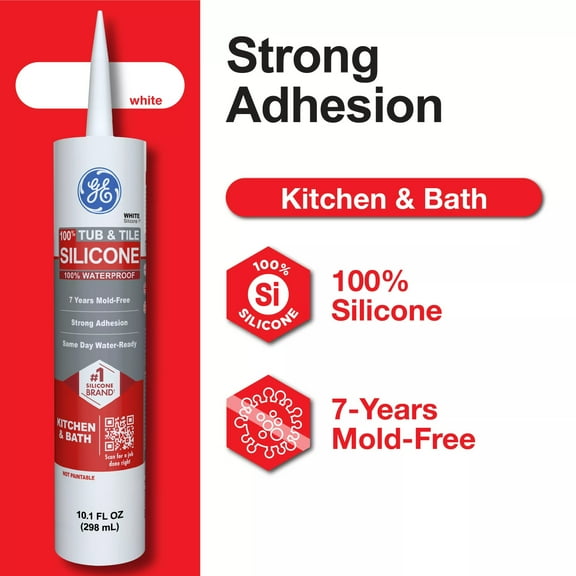
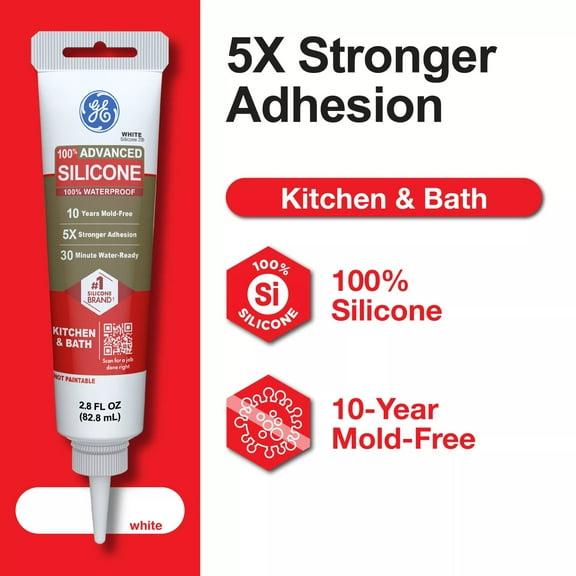
- You can use silicone for flexible joints that face moisture and changing temperatures.
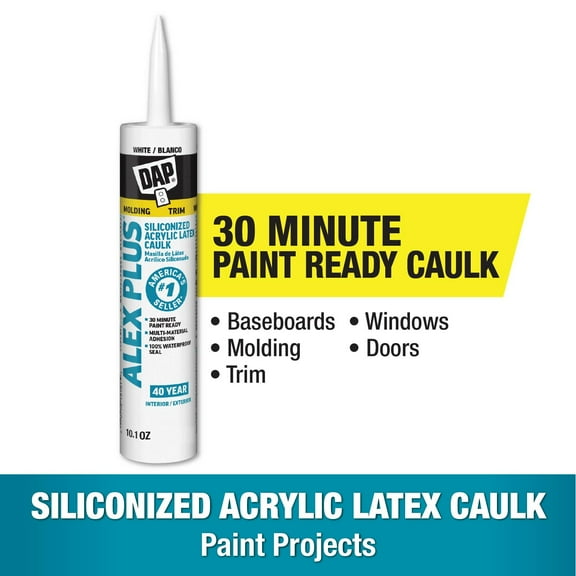
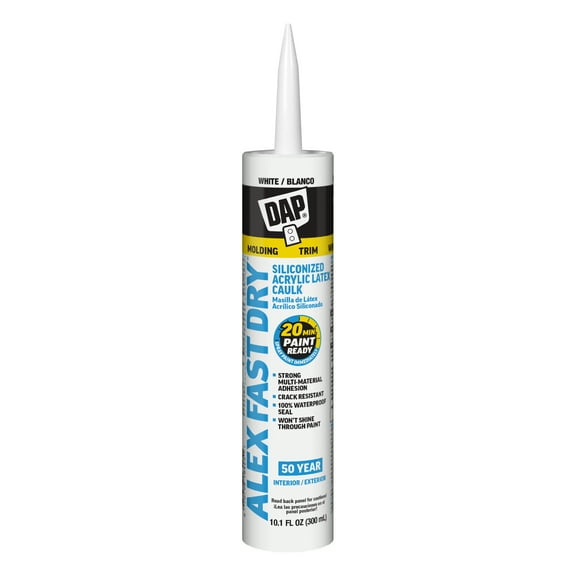
- You can choose acrylic latex when your project needs a paintable finish for trim, baseboards, or indoor touch-ups.
- You can consider polyurethane when your joint needs strong hold on concrete, masonry, or exterior surfaces.
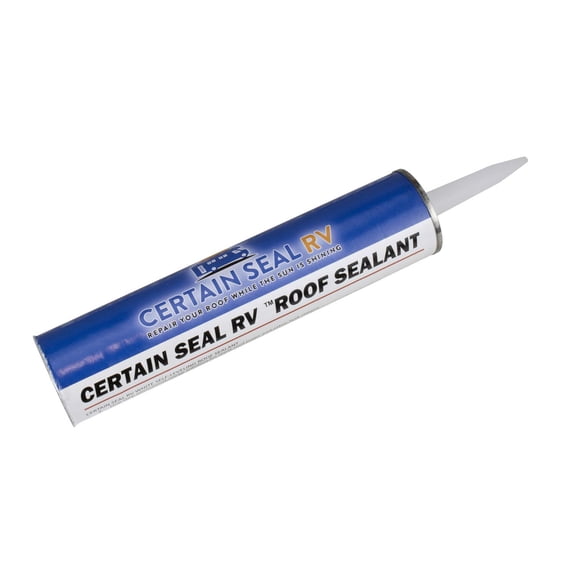
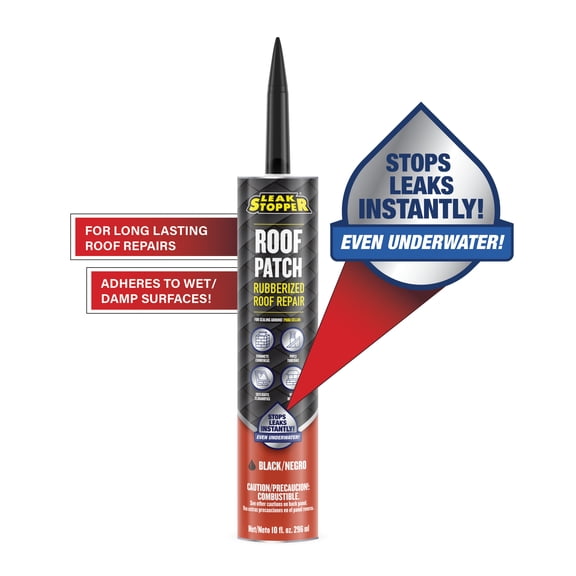
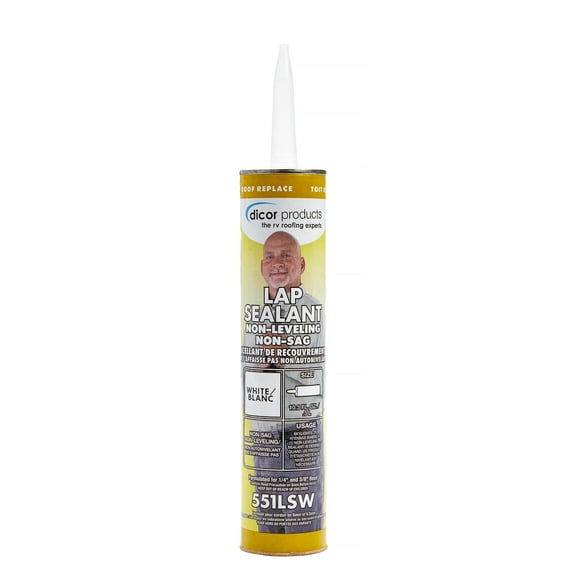
- You can look for rubber-based options when your repair involves gutters, roofs, or exposed seams.
Choosing between silicone sealant and other materials
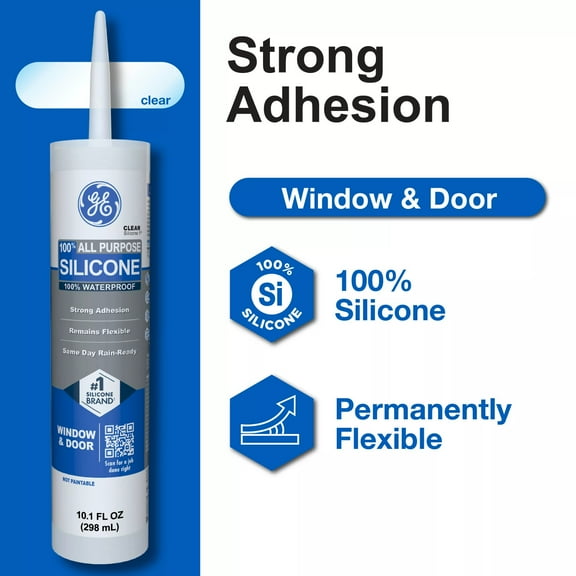
If your project stays wet often, you may prefer a silicone sealant because it handles repeated moisture well. You can also notice that many silicone formulas stay flexible around tubs, sinks, and backsplashes.
For trim and wall gaps, you may want acrylic latex because you can often paint over it after curing. You should check the label first, since paintability can guide your final pick more than color alone.
When you’re sealing exterior gaps that shift with weather, polyurethane can be worth a close look. You can get a tougher finish for concrete joints, masonry lines, and some siding repairs.
If your job involves patching gutters or roof edges, rubber-based formulas can match that use more closely. You should compare surface compatibility, because roofing and gutter materials can vary from one repair to the next.
What to look for in waterproof sealant options
You should match water resistance to the space, because not every formula handles wet conditions the same way. You can usually see waterproof sealant, water-resistant, or weatherproof wording that guides indoor and outdoor choices.
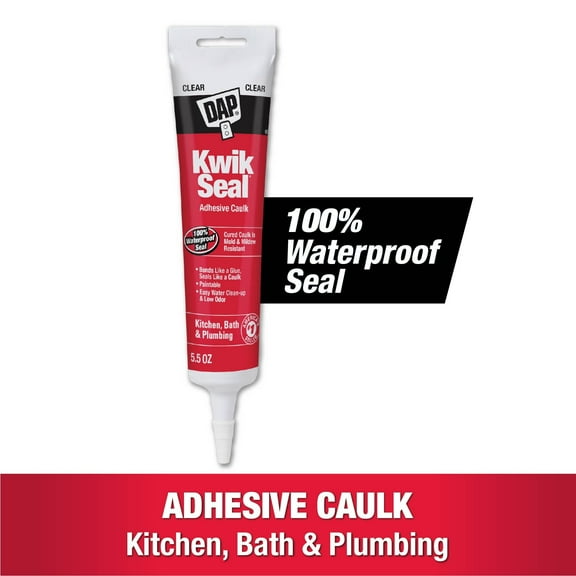
For kitchen and bath jobs, you may want a waterproof sealant for sinks, tubs, showers, and backsplashes. You should check how long it cures before splashes or routine cleaning reach the sealed area.
Outdoor projects need weather exposure in mind, not just water contact. You should look for formulas made for sun, rain, and changing temperatures when you’re sealing siding edges or frames.
Flexibility matters when your gap moves with seasons, foot traffic, or normal settling. You can look for enough stretchiness to keep contact when a joint opens and closes over time.
Choosing the right application area and finish
You can simplify your choice by matching the product to the exact location first. You can often shop faster when you separate kitchen and bath needs from window and door sealant, masonry work, and gutter repairs.
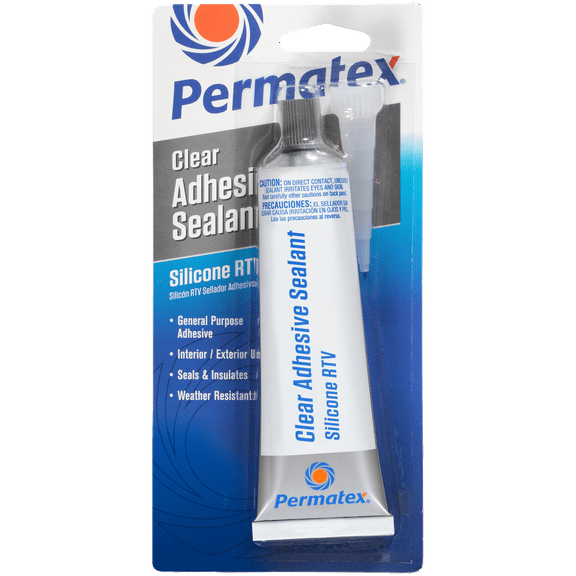
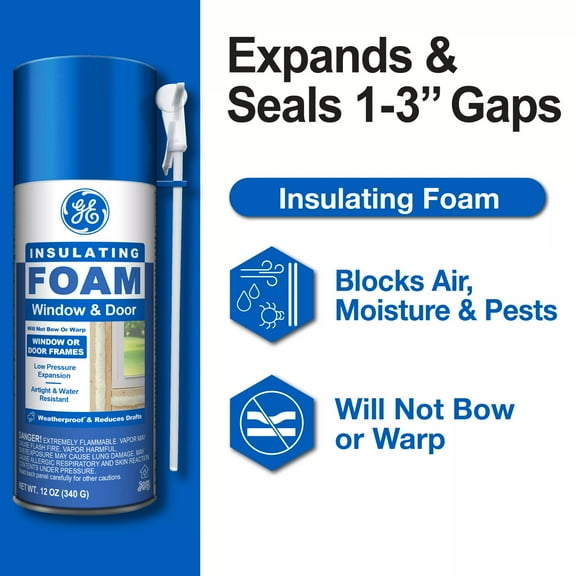
Window and door sealant options help you close narrow gaps around frames where air and moisture can enter. You can also consider clear sealant when you want the finished line to stay less noticeable on glass or trim.
Concrete and masonry projects usually call for a formula that handles rough surfaces and wider joints. You should compare texture, flexibility, and outdoor use before you seal a crack or control joint.
Color and finish affect how your repair looks after it cures. You can choose clear, white, or gray, and you should check whether your caulk sealant is paintable.
How curing time and paintability affect your results
You should check curing time before you start, because your project schedule may depend on when the area can get wet. You can see that some formulas skin over quickly, while others need more time before full exposure.
Paintability is another key decision when you’re finishing trim, baseboards, or wall joints. You can avoid rework when you confirm early whether your chosen formula accepts paint after curing.
If appearance matters most, you may prefer a clear sealant for glass, tile edges, or visible transition lines. You can choose white or gray when you want the bead to blend with trim or masonry surfaces.
Before you apply any product, you should compare the joint size and the surface material. You can get a cleaner result when your sealants match the gap width, location, and finish you want.
Using sealants in common home projects
You can use these products across many routine repairs and finishing jobs around your home. You can often reach for them when you’re refreshing a bathroom edge, sealing a drafty frame, or closing a small exterior gap.
In bathrooms and kitchens, you may need moisture-focused formulas around tubs, showers, sinks, and counters. You should look for easy-to-apply options that fit tight corners and smooth lines.
For seasonal prep, you can use exterior sealant around windows, doors, vents, and siding transitions. You can help your home feel more finished when those exposed joints have a cleaner, tighter seal.
On masonry, gutters, and roof touch-ups, you should compare outdoor durability with the surface you’re sealing. You can make a smarter choice when you check weather exposure, movement, and curing needs before you begin.
You can narrow your sealants search quickly when you compare material, application area, water resistance, and finish together. You can feel more confident choosing a formula that fits your surface, your timeline, and the look you want.