

Pop Up Screen Houses & Canopy Tents for Outdoor Events(48)
In 50+ people's carts Ozark Trail 12-Person Cabin Tent, with Convertible Screen Room $194.00

Ozark Trail 12-Person Cabin Tent, with Convertible Screen Room

Best seller Ozark Trail 10' x 10' Instant Screen House with double hub $99.97
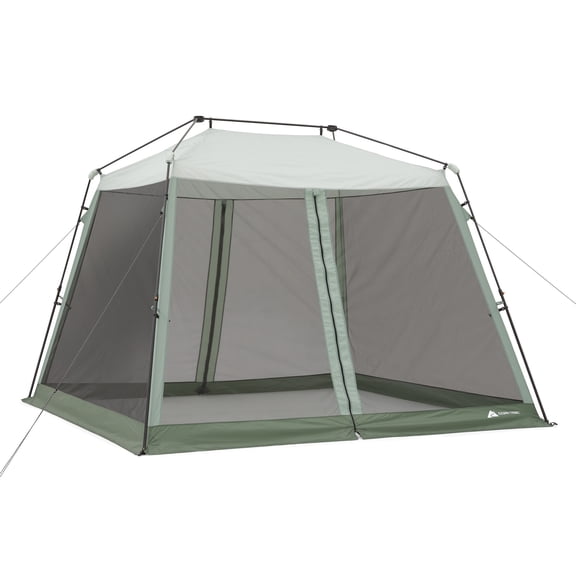
Ozark Trail 10' x 10' Instant Screen House with double hub
Ozark Trail 7-Person 2-in-1 Screen House Connect Tent with 2 Doors, Canopy Sold Separately $109.00
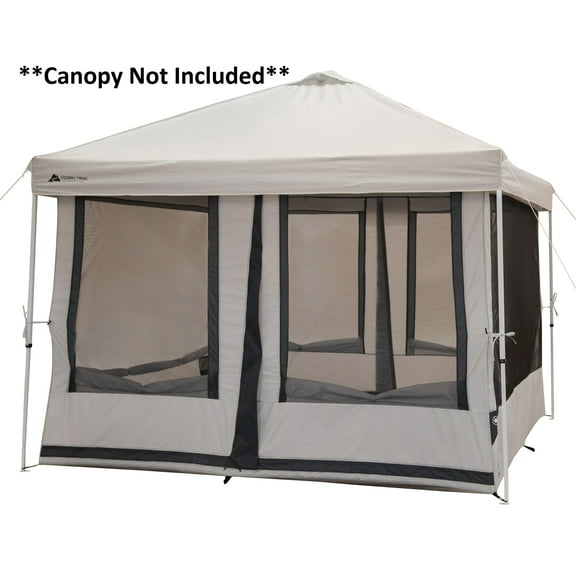
Ozark Trail 7-Person 2-in-1 Screen House Connect Tent with 2 Doors, Canopy Sold Separately
Overall pick Ozark Trail 13' x 9' Screen House, Blue $89.94
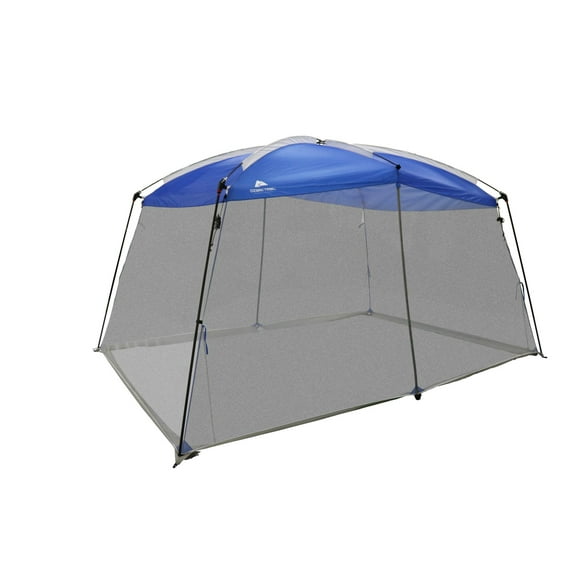
Ozark Trail 13' x 9' Screen House, Blue
Caravan Canopy Sports 10' x 10' Screen House Shelter, Lime Green (33 sq ft Coverage) $64.99

Caravan Canopy Sports 10' x 10' Screen House Shelter, Lime Green (33 sq ft Coverage)
CLAM Quick-Set Escape 11.5 x 11.5 Ft Portable Outdoor Canopy Shelter, Green $369.99
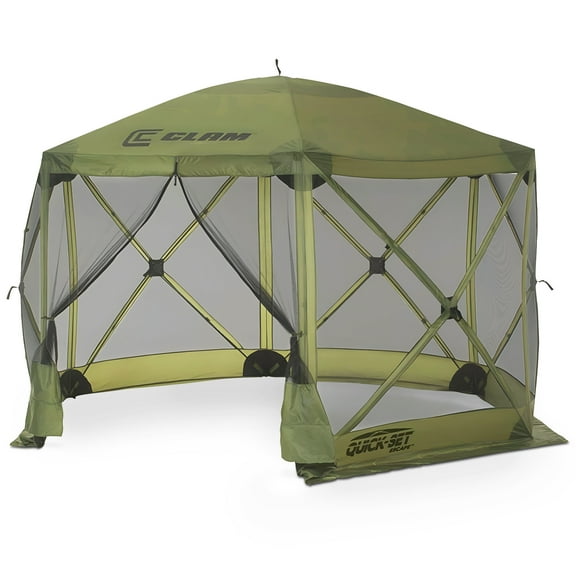
CLAM Quick-Set Escape 11.5 x 11.5 Ft Portable Outdoor Canopy Shelter, Green
CROWN SHADES 10x10 Heavy Duty Canopy Premium Pop Up Canopy Tent Sun Shade Protection with 400D Strength Oxford Fabric White $219.99

CROWN SHADES 10x10 Heavy Duty Canopy Premium Pop Up Canopy Tent Sun Shade Protection with 400D Strength Oxford Fabric White
CROWN SHADES 10x20 Pop Up Canopy Tent Commercial Heavy Duty Tent with 6 Sidewalls Outdoor Canopies for Events Parties Gray $279.99 Was $399.99
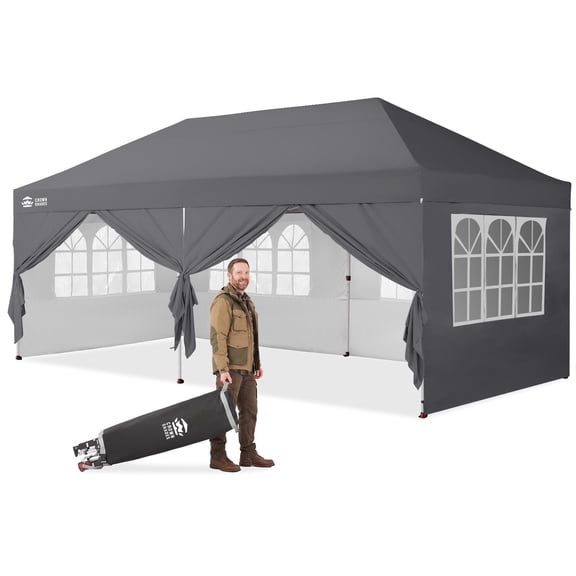
CROWN SHADES 10x20 Pop Up Canopy Tent Commercial Heavy Duty Tent with 6 Sidewalls Outdoor Canopies for Events Parties Gray
Ozark Trail 10' x 10' Instant Screen House $74.00

Ozark Trail 10' x 10' Instant Screen House
Ozark Trail 10'x10 Screen House with Magnetic Closure $149.00
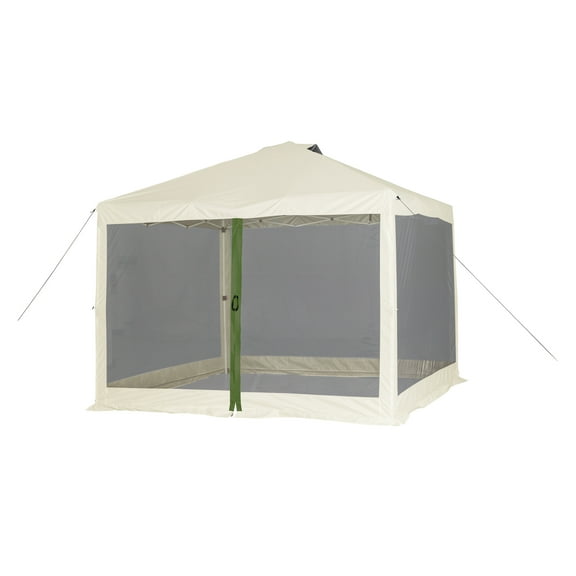
Ozark Trail 10'x10 Screen House with Magnetic Closure
Best seller CROWN SHADES 10x10 Pop Up Canopy Beach Tent with One Push Setup Instant Outdoor Canopy Tent for Events White $99.99 Was $144.89
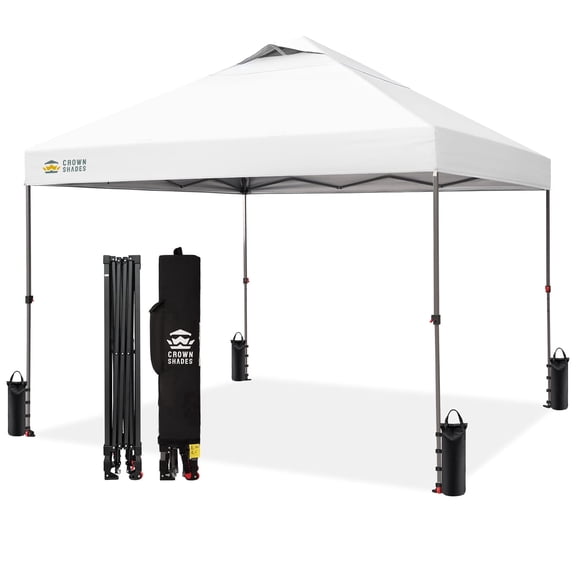
CROWN SHADES 10x10 Pop Up Canopy Beach Tent with One Push Setup Instant Outdoor Canopy Tent for Events White
Flash Deal CROWN SHADES 10x10 Pop up Canopy Tent Instant Canopy, One Push Setup with 2 Half Sidewalls, 4 Ropes, 8 Stakes, 4 Weight Bags, STO 'N Go Bag, Gray $119.99 Was $155.99
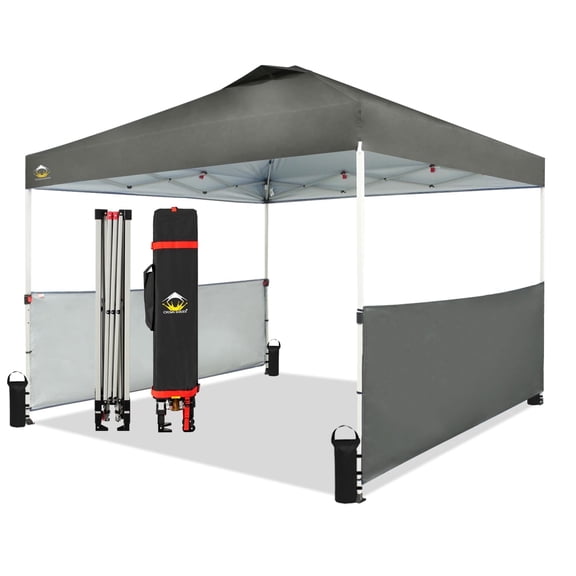
CROWN SHADES 10x10 Pop up Canopy Tent Instant Canopy, One Push Setup with 2 Half Sidewalls, 4 Ropes, 8 Stakes, 4 Weight Bags, STO 'N Go Bag, Gray
E-Z Up Screen Cube 5, Angle (Frame/top not included) $100.00 $7.69/ea
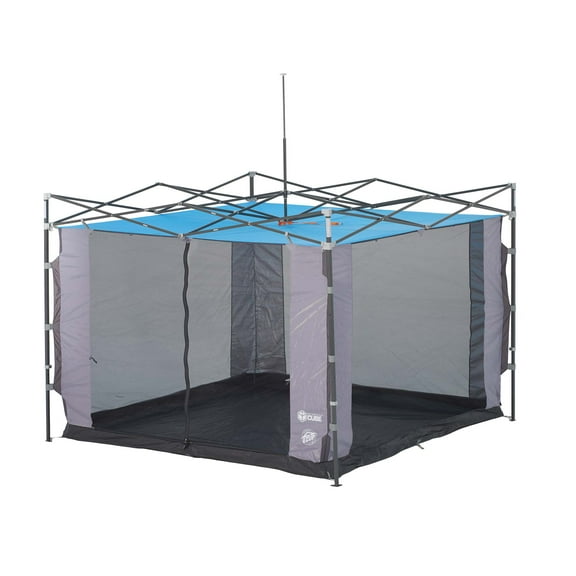
E-Z Up Screen Cube 5, Angle (Frame/top not included)
Ozark Trail 6 Hub Outdoor Camping 11'x10'x88.5" Screen House, 1 Room, Blue $189.99

Ozark Trail 6 Hub Outdoor Camping 11'x10'x88.5" Screen House, 1 Room, Blue
Wenzel Durango Magnetic Screen House, Fern $69.15

Wenzel Durango Magnetic Screen House, Fern
Caravan Canopy Sports 10' x 10' Screen House Shelter, Lime Green (33 sq ft Coverage) $64.99
Caravan Canopy Sports 10' x 10' Screen House Shelter, Lime Green (33 sq ft Coverage)
Costway 11.5 X 11.5 FT 6-Sided Pop-up Screen House Tent With 2 Wind Panels for Camping Coffee $149.99 Was $239.00
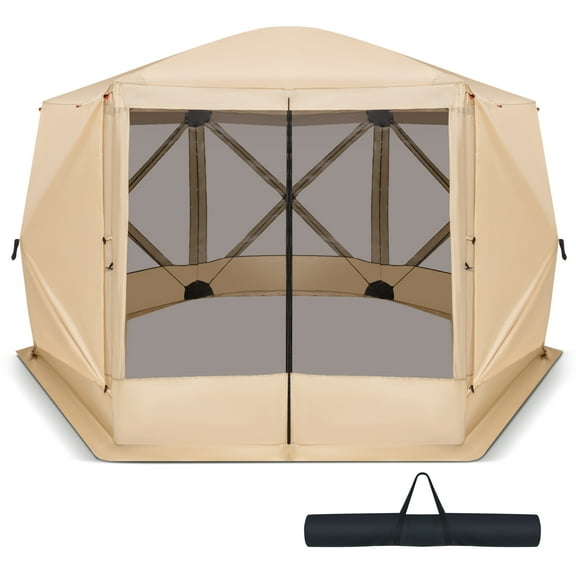


Costway 11.5 X 11.5 FT 6-Sided Pop-up Screen House Tent With 2 Wind Panels for Camping Coffee
SANOPY 10'x20' Pop up Canopy Party Tent with 4 Removable Sidewalls Outdoor Commercial Portable Canopy Tent EZ Pop up Canopy Wedding Tent Camping Gazebo Canopy Instant Event, White $184.99 Was $269.99

SANOPY 10'x20' Pop up Canopy Party Tent with 4 Removable Sidewalls Outdoor Commercial Portable Canopy Tent EZ Pop up Canopy Wedding Tent Camping Gazebo Canopy Instant Event, White
Open Box Ozark Trail 10' x 10' Instant Screen House with double hub $76.00
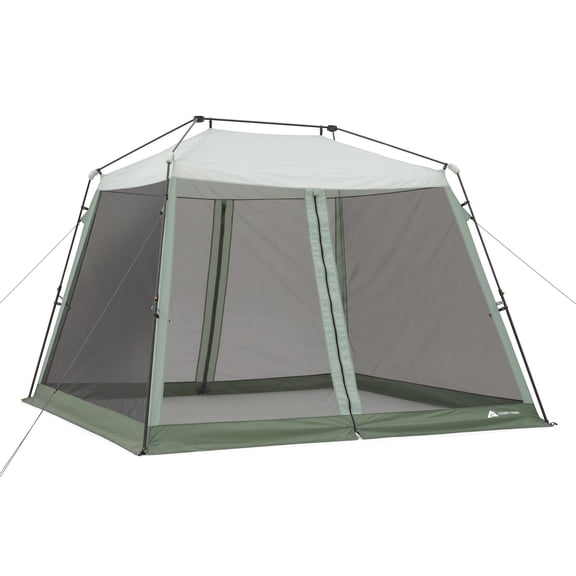
Open Box Ozark Trail 10' x 10' Instant Screen House with double hub
CLAM Quick-Set Escape 11.5 x 11.5 Ft Portable Outdoor Canopy Shelter, Green $369.99
CLAM Quick-Set Escape 11.5 x 11.5 Ft Portable Outdoor Canopy Shelter, Green
Clearance Erommy 20x30FT Heavy Duty Party Tent, Outdoor Wedding Canopy with 8 Removable Sidewalls, 2 Roll up Doors for Large Events,White $534.58 Was $800.00
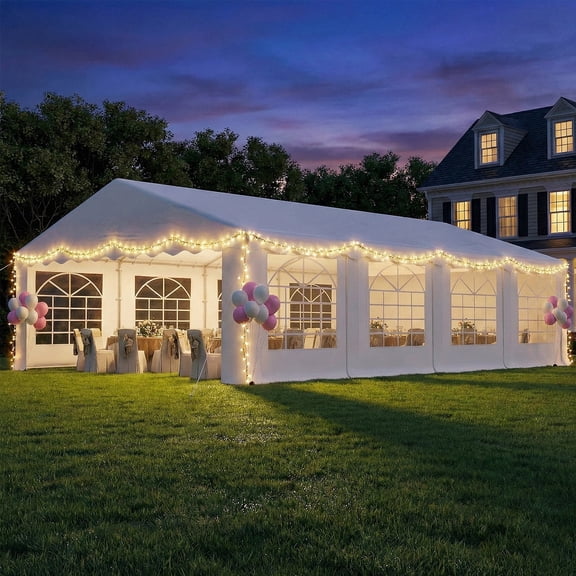
Erommy 20x30FT Heavy Duty Party Tent, Outdoor Wedding Canopy with 8 Removable Sidewalls, 2 Roll up Doors for Large Events,White
COBIZI 10x15FT Heavy Duty Pop Up Canopy Tent with 4 Sidewalls, Waterproof Commercial Vendor Tent for Weddings, Parties, BBQ, Camping & Markets, Easy Setup, Stakes, Sandbags, Ropes & Carry Bag, Gray $177.98

COBIZI 10x15FT Heavy Duty Pop Up Canopy Tent with 4 Sidewalls, Waterproof Commercial Vendor Tent for Weddings, Parties, BBQ, Camping & Markets, Easy Setup, Stakes, Sandbags, Ropes & Carry Bag, Gray
EAST OAK 2-3 Person East Oak Pop up Screen Tent for Camping 6 x 6 FT Waterproof Beige $99.99 Was $119.99 $99.99/ca
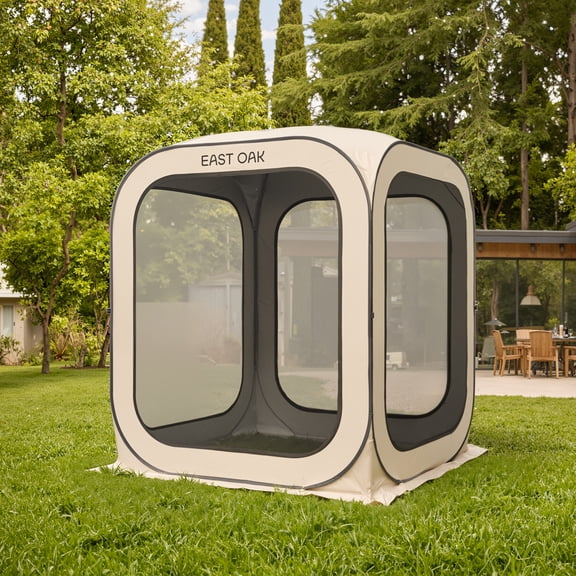
EAST OAK 2-3 Person East Oak Pop up Screen Tent for Camping 6 x 6 FT Waterproof Beige
Reduced price HOTEEL 4 Person Tent for Camping, Easy Setup Camping Tent with Rainfly & Screen Windows for Camping/Traveling/Family Gathering/Hiking/Beach, Green $60.99 Was $97.99
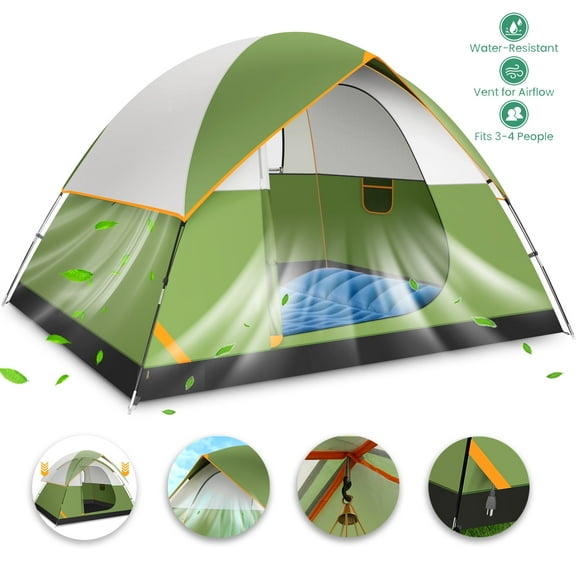


HOTEEL 4 Person Tent for Camping, Easy Setup Camping Tent with Rainfly & Screen Windows for Camping/Traveling/Family Gathering/Hiking/Beach, Green
Magnetic Screen House, Game day Graphite, 11 x 9 x 7.5 feet, $129.99

Magnetic Screen House, Game day Graphite, 11 x 9 x 7.5 feet,
BENTISM 10'x10' Camping Gazebo Tent, 6 Sided Pop-up Canopy Screen Tent for 8 Person Camping, Waterproof Screen Shelter with Portable Storage Bag, Ground Stakes, Mesh Windows $172.90
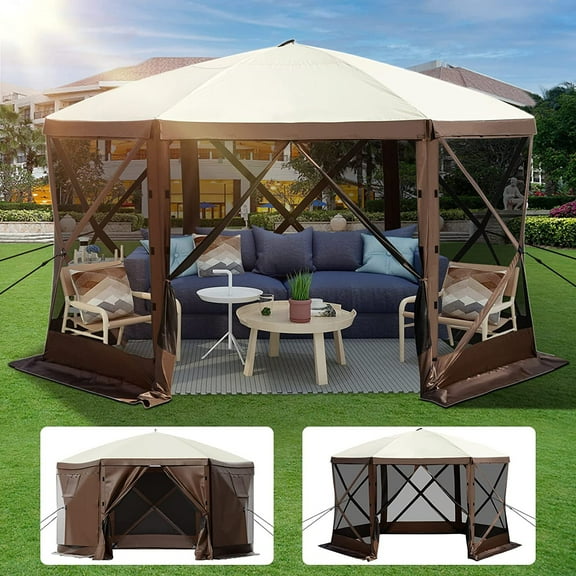
BENTISM 10'x10' Camping Gazebo Tent, 6 Sided Pop-up Canopy Screen Tent for 8 Person Camping, Waterproof Screen Shelter with Portable Storage Bag, Ground Stakes, Mesh Windows
Outsunny 4-Person Screen Tent, Polyester, 118 inches $75.32
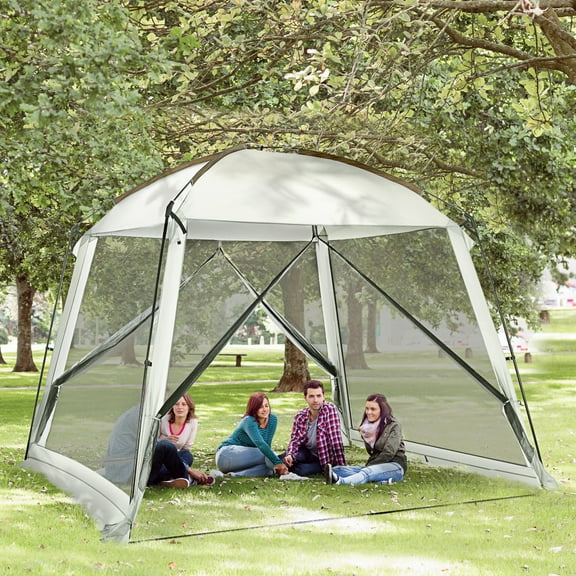
Outsunny 4-Person Screen Tent, Polyester, 118 inches
12' x 12' UV50+ Screen House - Spacious Screen Tent with 2 Doors & Carry Bag for Effortless Setup! Perfect for Patios & Outdoor Camping Activities. Enjoy Bug-Free Relaxation Anywhere $117.77

12' x 12' UV50+ Screen House - Spacious Screen Tent with 2 Doors & Carry Bag for Effortless Setup! Perfect for Patios & Outdoor Camping Activities. Enjoy Bug-Free Relaxation Anywhere
Screen House Mesh Mosquito Tent 15x13 ft UPF 50+ Canopy Shelter Shade Easy Setup & Waterproof with Sidewall $119.89

Screen House Mesh Mosquito Tent 15x13 ft UPF 50+ Canopy Shelter Shade Easy Setup & Waterproof with Sidewall
CORE Equipment 12' x 10' Lighted Instant Screen House $299.99
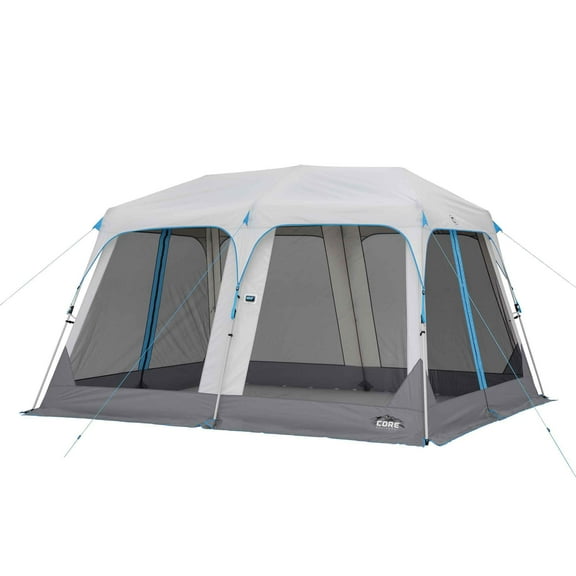
CORE Equipment 12' x 10' Lighted Instant Screen House
20x20FT Outdoor Heavy Duty Wedding Party Event Canopy Tent with Removable Sidewalls,White $379.99 Was $549.99

20x20FT Outdoor Heavy Duty Wedding Party Event Canopy Tent with Removable Sidewalls,White
Caravan Canopy 12 ft 7 in x 12 ft 7 in Haven Sport Canopy Forest Green $150.95
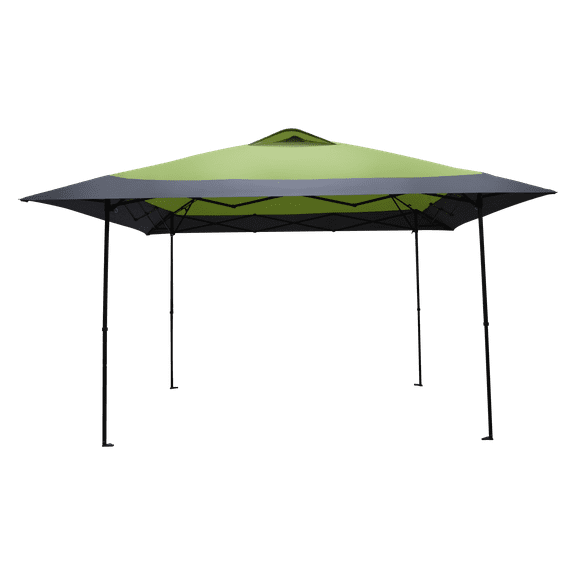
Caravan Canopy 12 ft 7 in x 12 ft 7 in Haven Sport Canopy Forest Green
Bushnell 14x10 Screen House $229.99

Bushnell 14x10 Screen House
Spaco Pop-Up Bubble Tent, 8.5 ft Diameter Transparent PVC Igloo Screen House with 540 Panoramic View, Instant Setup for 46 People, Portable & Weather-Resistant, Beige $170.40
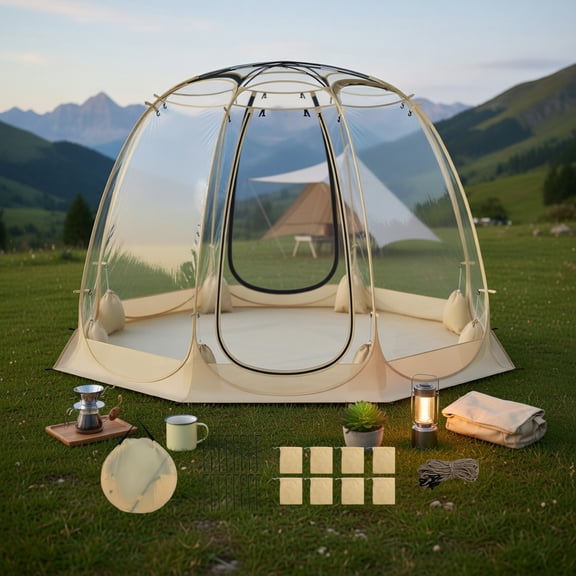
Spaco Pop-Up Bubble Tent, 8.5 ft Diameter Transparent PVC Igloo Screen House with 540 Panoramic View, Instant Setup for 46 People, Portable & Weather-Resistant, Beige
Screen House for Hammock Canoe Picnics Backyards Backpacking Camping Beach in Summer $135.30 Was $164.00
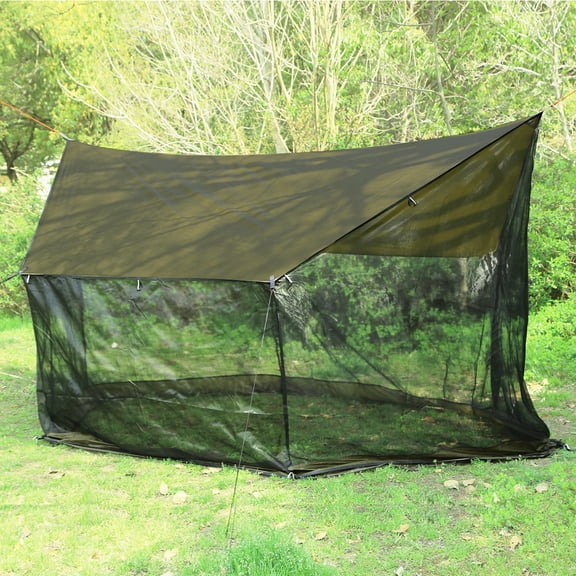


Screen House for Hammock Canoe Picnics Backyards Backpacking Camping Beach in Summer
Topcobe 11.5 X 11.5 FT Pop-Up Screen House Tent with Portable Carrying Bag, Oversize Privacy Tent, Easy Set Up Privacy Shelter, Coffee $170.99
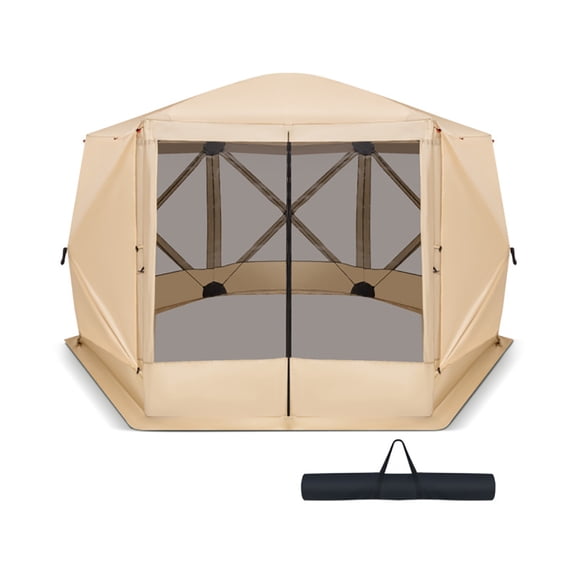
Topcobe 11.5 X 11.5 FT Pop-Up Screen House Tent with Portable Carrying Bag, Oversize Privacy Tent, Easy Set Up Privacy Shelter, Coffee
Grand Trunk ShadeCaster 2P Sunshade – Lightweight 7x7 ft Beach & Camp Shelter with UPF 50 Protection, Wind-Resistant Design & Adjustable Pole $49.99


Grand Trunk ShadeCaster 2P Sunshade – Lightweight 7x7 ft Beach & Camp Shelter with UPF 50 Protection, Wind-Resistant Design & Adjustable Pole
BXRC Magnetic Screen House, Game day Graphite, 11 x 9 x 7.5 feet $105.95

BXRC Magnetic Screen House, Game day Graphite, 11 x 9 x 7.5 feet
East Oak Screen House Tent Pop-Up, Portable Screen Room Canopy Instant Screen Tent 6 x 6 FT with Carry Bag $149.99
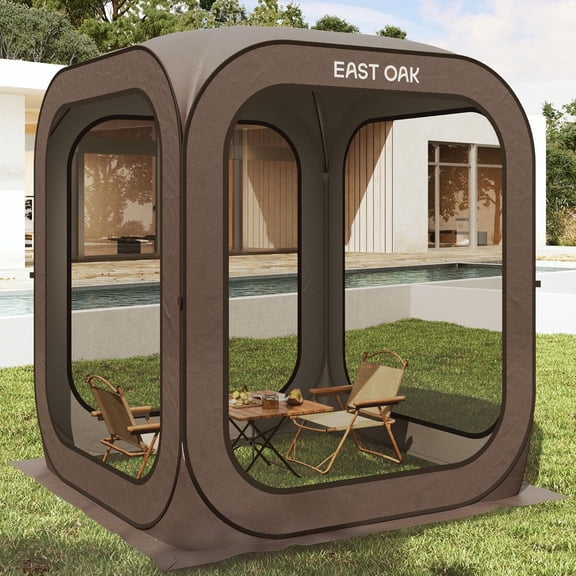
East Oak Screen House Tent Pop-Up, Portable Screen Room Canopy Instant Screen Tent 6 x 6 FT with Carry Bag
CLAM Quick-Set Pavilion 12.5 x 12.5' Portable Outdoor Canopy Shelter $569.99
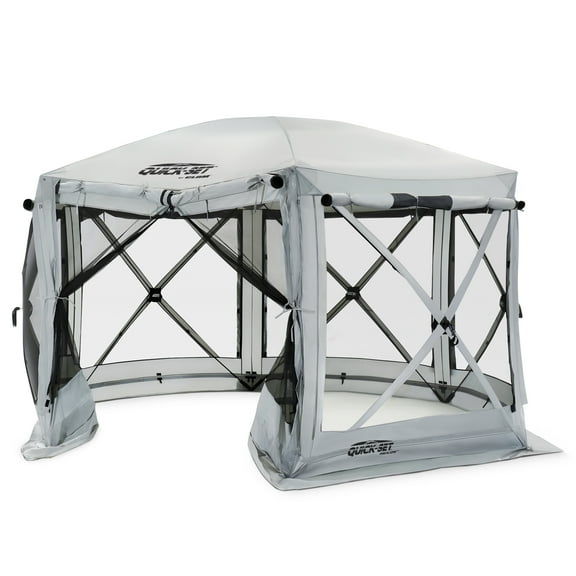
CLAM Quick-Set Pavilion 12.5 x 12.5' Portable Outdoor Canopy Shelter
Pavilion Camper Screen Shelter - Brown/Tan Roof - Zip down sides & floor $599.99

Pavilion Camper Screen Shelter - Brown/Tan Roof - Zip down sides & floor
Blue Mesh Screen House Shelter 11x11 Ft with Waterproof UV-Resistant Roof $172.78

Blue Mesh Screen House Shelter 11x11 Ft with Waterproof UV-Resistant Roof
Beige Mesh Screen House Shelter 11x11 Ft with Waterproof UV-Resistant Roof $172.78

Beige Mesh Screen House Shelter 11x11 Ft with Waterproof UV-Resistant Roof
Aimee Lii 11.5 X 11.5 FT Pop-up Screen House Tent with Portable Carrying Bag, Outdoor Portable Tent for Camping, Traveling, Hiking-Coffee $170.99

Aimee Lii 11.5 X 11.5 FT Pop-up Screen House Tent with Portable Carrying Bag, Outdoor Portable Tent for Camping, Traveling, Hiking-Coffee
East Oak -Tan-Rear-end connection accessory 12*12 ft-Screen House Accessory $69.99

East Oak -Tan-Rear-end connection accessory 12*12 ft-Screen House Accessory
Magnetic Screen House, Game day Graphite, 11 x 9 x 7.5 feet, 4300614 $132.99
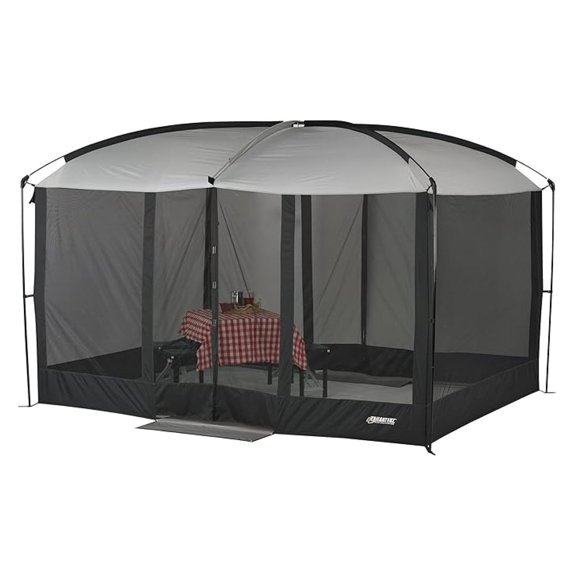
Magnetic Screen House, Game day Graphite, 11 x 9 x 7.5 feet, 4300614
JM RUSK 6-Sided Screen Tent $179.99

JM RUSK 6-Sided Screen Tent
Ozark Trail Dual Entrance 13' x 9' Screen House, Blue $89.94
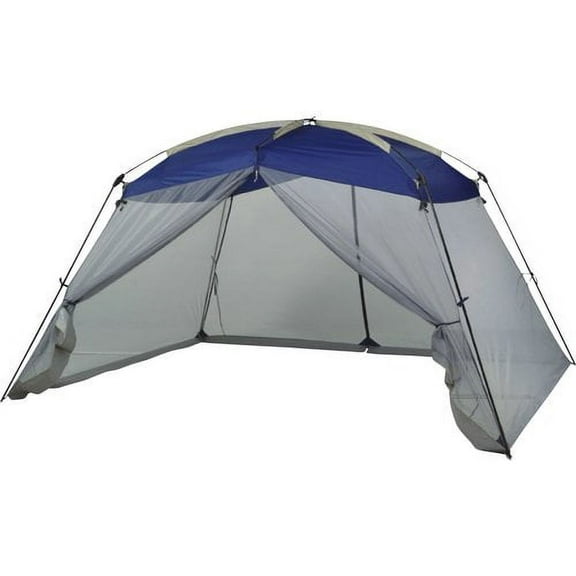
Ozark Trail Dual Entrance 13' x 9' Screen House, Blue
About Pop Up Screen Houses & Canopy Tents for Outdoor Events - Walmart.com
Celebrate the 4th of July and all your summer gatherings with a screen tent that creates a welcoming outdoor retreat. Whether you're hosting a backyard cookout, relaxing by the shore, or heading out for a camping adventure, screen houses at Walmart help you enjoy the festivities in comfort—no more battling bugs or harsh sunlight.
- Quick & Simple Setup: Many screen tents feature instant or pop-up designs, making assembly straightforward so you can start enjoying your outdoor celebrations with minimal effort.
- A Versatile Retreat for Any Occasion: Easily transform your patio, park space, or campsite into a shaded lounge for meals, games, or simply catching up with friends and family.
- Stay Cool and Comfortable: Breathable mesh walls provide optimal airflow, keeping your area fresh while shielding guests and food from flying insects—ideal for warm summer days and evenings.
- Flexible Sizing to Fit Your Needs: Options range from compact shelters perfect for intimate backyard gatherings to spacious canopies designed for larger parties, food setups, or extra seating.
- Designed for Portability: Lightweight frames and included carry bags make transport and storage easy, so your shelter is always ready for the next celebration or weekend getaway.
Shop Walmart’s reliable selection of screen tents to find the right fit for your festivities. Create a comfortable, bug-free space and make every outdoor moment memorable—whether it’s for the Fourth of July or any sunny weekend ahead.
Popular in Pop Up Screen Houses & Canopy Tents for Outdoor Events - Walmart.com
FAQ
How do I choose the right screen tent size?
Finding the best screen tent size depends on your plans and guests.
- For small gatherings or family picnics, a 10x10 tent usually fits a table and chairs comfortably.
- Bigger celebrations, like holiday parties, might work better with 12x12 or larger tents that offer extra space for food tables and movement.
- Measure your outdoor spot first, and think about how much headroom you want.
Are screen tents easy to set up on my own?
Many screen tents are designed for quick, solo setup.
- Pop-up and instant tents usually come with simple, folding frames that let you get started in minutes.
- Unpack, unfold, and lock into place, then attach the mesh walls according to the instructions.
- Some tents include extra help like push button locks or clearly labeled parts, making setup simpler.
Do screen tents work for keeping bugs out during picnics?
Screen tents use mesh walls to keep flying insects out while maintaining airflow.
- This makes them ideal for picnics, barbecues, or summer events where bugs are a nuisance.
- Mesh panels protect food and guests but let in breezes, so you don’t feel trapped.
- For effective bug blocking, make sure all panels and doors are zipped or closed tightly during use.
Can I use a screen tent on different surfaces like grass or sand?
Screen tents are versatile and can be set up on surfaces like grass, sand, or patios.
- Many come with stakes or sand anchors to help keep them stable depending on where you’re setting up.
- If you’re using one at the beach, look for models that include sandbags or specialized anchors for windy conditions.
- Always choose a flat, clear area and secure the tent well for safety and comfort.
How should I store my screen tent after use?
Proper storage helps your screen tent last longer and stay fresh for your next gathering.
- Shake out any leaves or debris after your event.
- Wipe the mesh and fabric gently with a damp cloth.
- Let all parts dry completely before packing to prevent mold.
- Disassemble as per the tent's instructions and use its carry bag.
- Store in a cool, dry spot.