

RV Wheel Chocks and Levelers for Stability








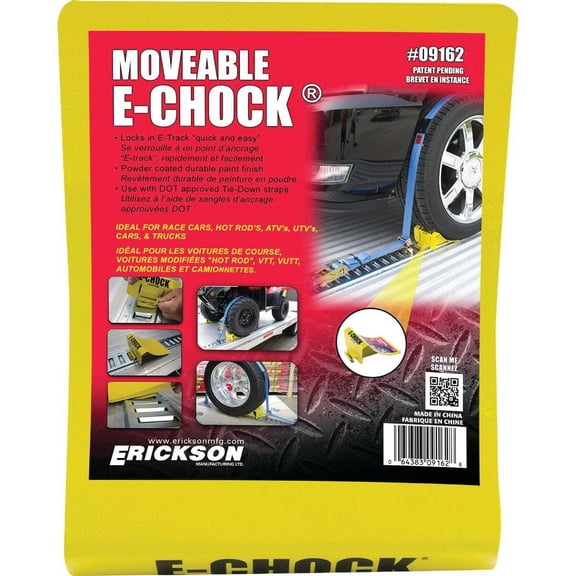

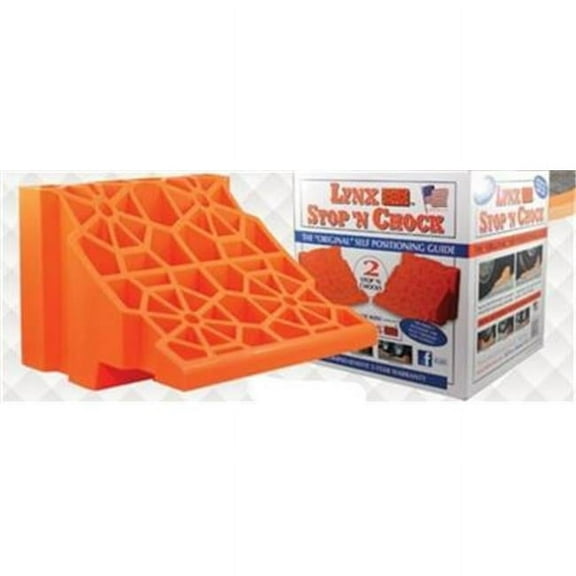
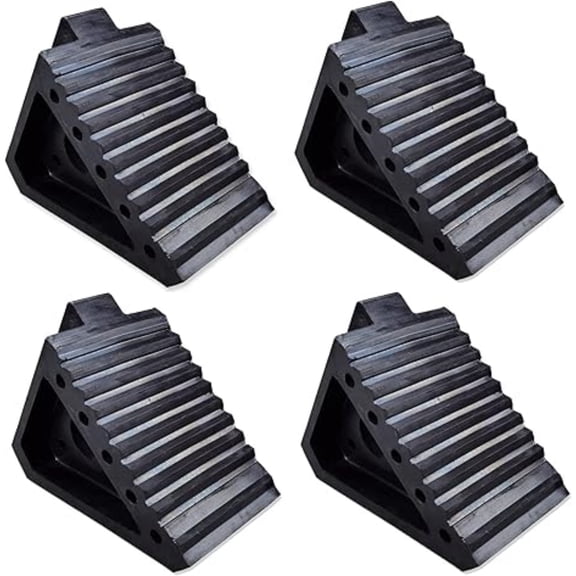
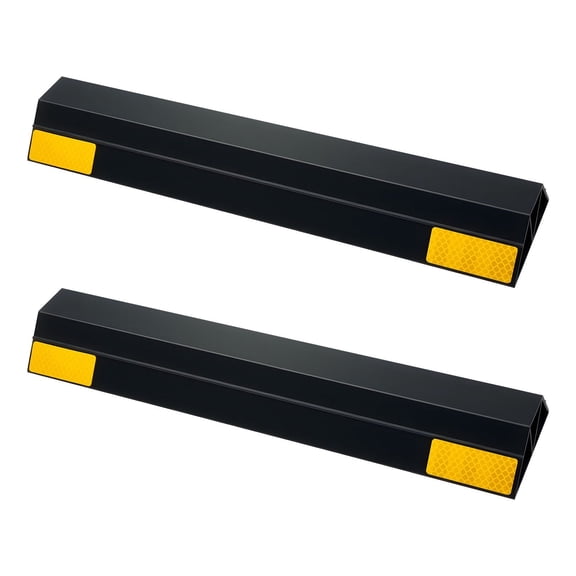





About RV Wheel Chocks and Levelers for Stability - Walmart.com
RV wheel chocks help you steady your trailer during parking, leveling, and setup. You can compare materials, chock styles, and fit details to match your camping routine.
If you travel with a fifth wheel, motorhome, or toy hauler, you need category guidance for real RV use. You can also find garage block shoppers covered here, while your focus stays on RV-ready designs.
How to choose RV wheel chocks for your setup
You should start with your vehicle type, tire size, and parking surface. Your choice can differ for travel trailers, tandem axle campers, and heavier motorhomes.
Before you compare wheel chocks for RV trailers, you should check tire diameter limits and tandem axle spacing. You can avoid fit issues when your chock matches your wheel shape and spacing.
Another decision involves pack size for your campsite routine. Your single chock can cover a backup need, while your pair or multi-pack supports full setup.
What to look for in RV chock blocks materials
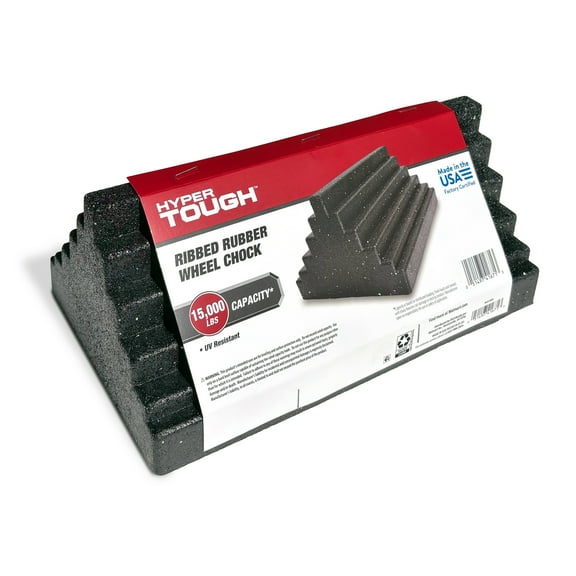
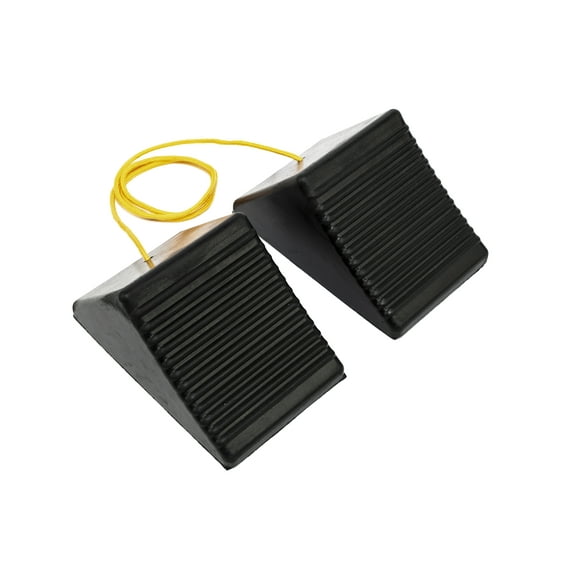
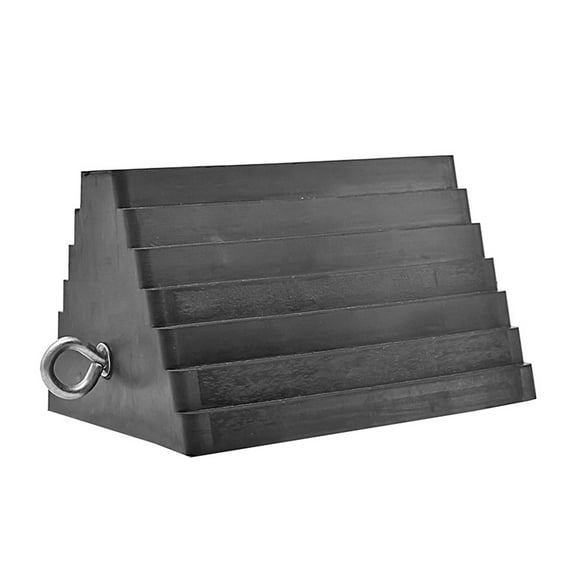
You can choose heavy-duty rubber when your priority is grip on pavement, gravel, or damp ground. Your rubber RV wheel chocks usually feel heavier, which can help them stay in place.
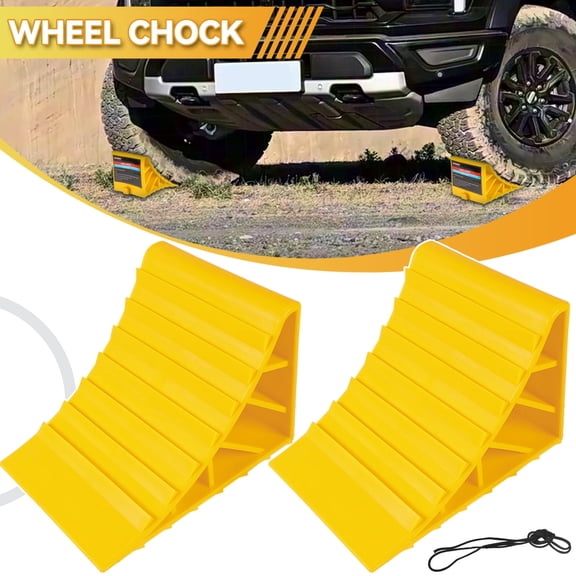
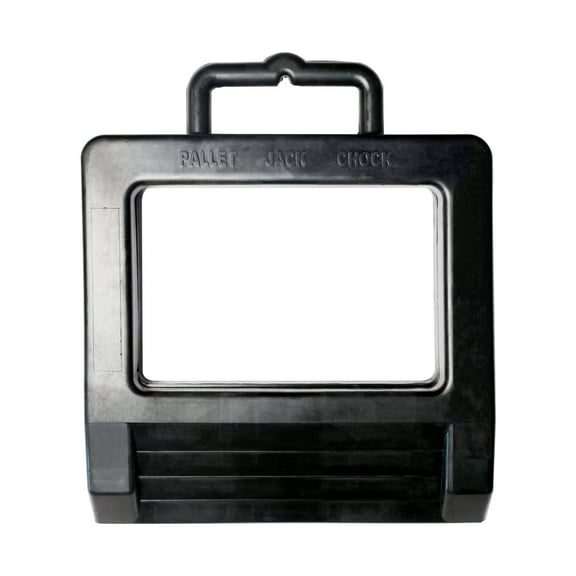
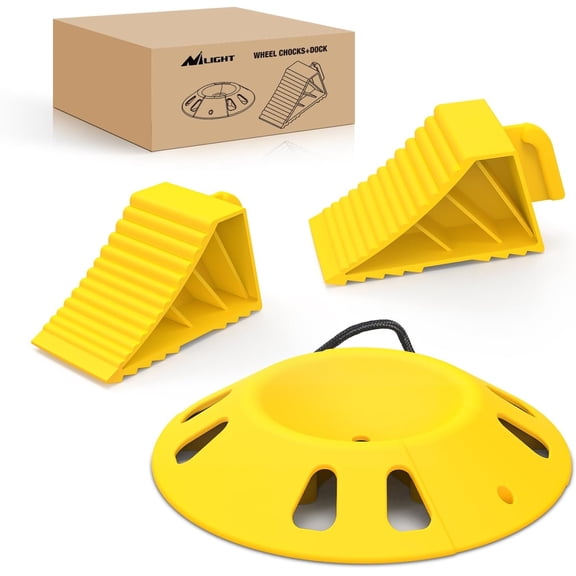
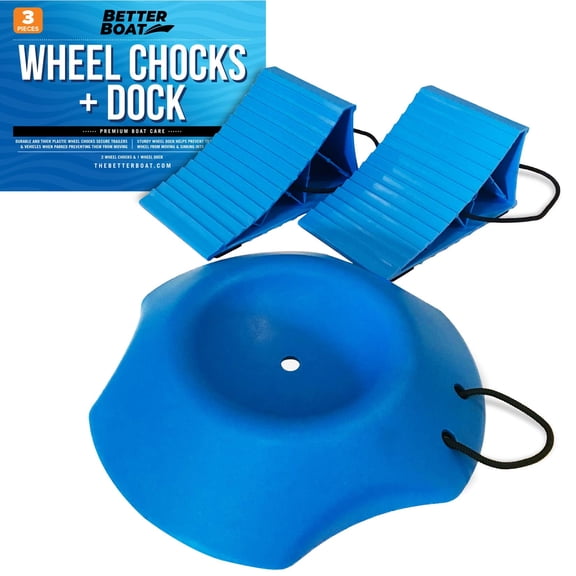
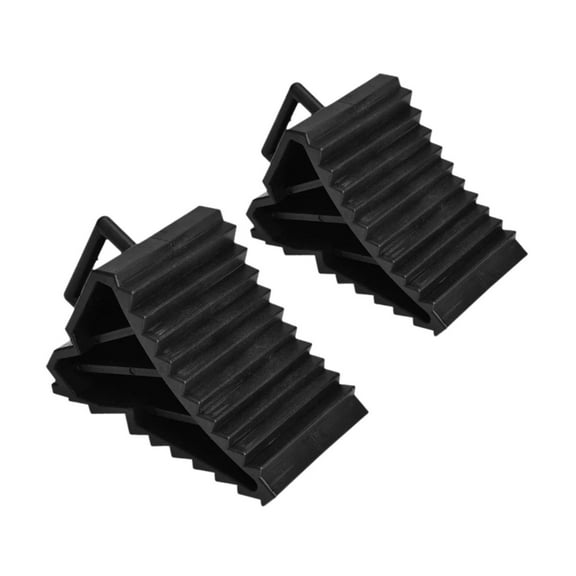
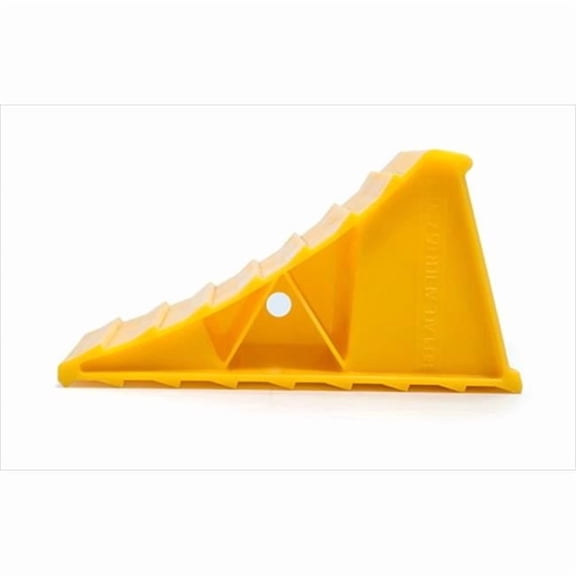
When you want lighter handling, you may prefer high-density plastic for simpler carrying and storage. Your plastic chocks can move easily between your tow vehicle and campsite.
If you camp in strong sun or changing weather, you should compare how each material handles exposure. Your rubber can feel more planted, while your plastic can feel easier to rinse and stack.
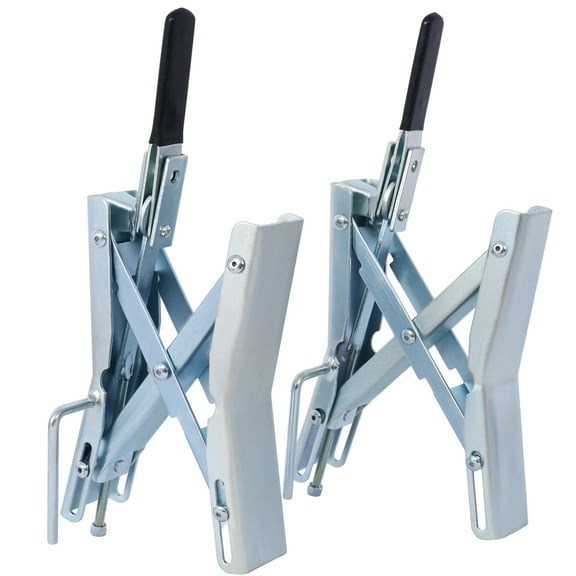
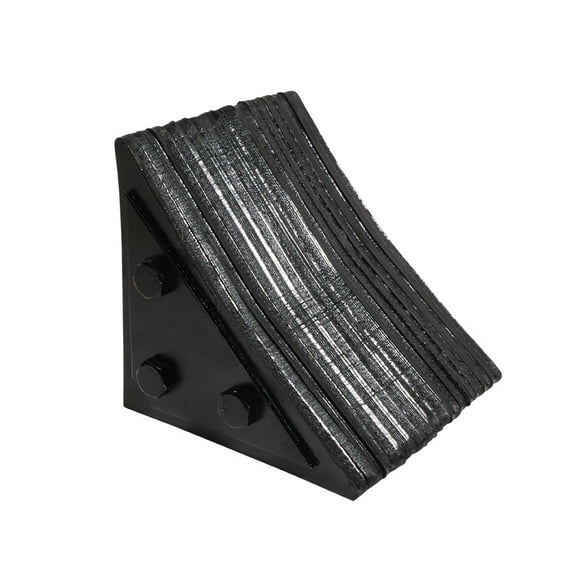
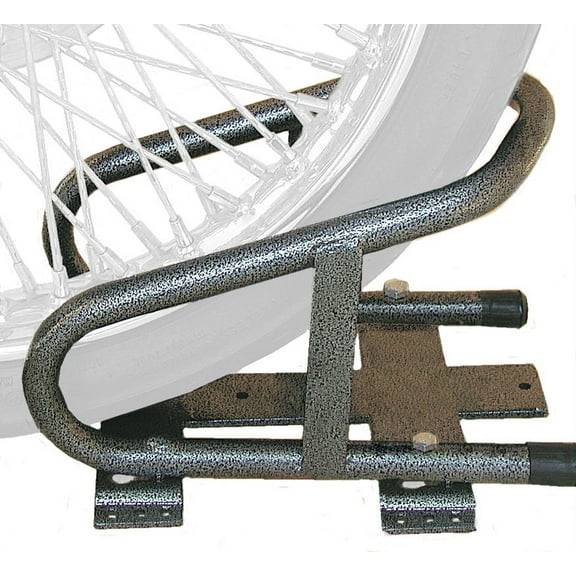
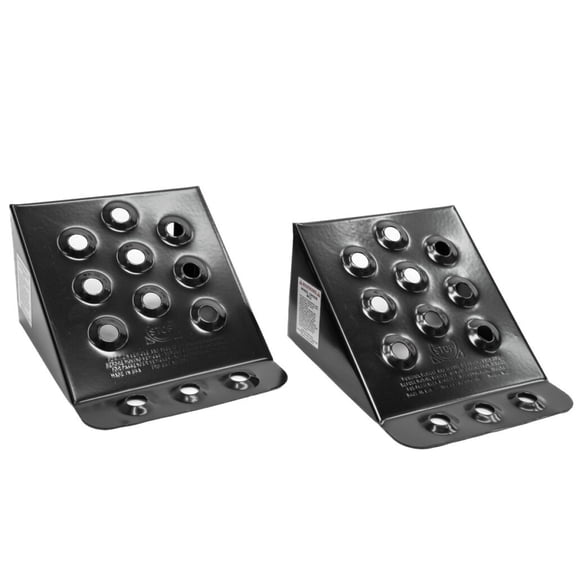
You can also compare steel or metal styles when you want a rigid build. Your metal options often pair well with locking designs that sit between tandem tires.
When you see polyurethane options, you should think about a rubber-like feel with molded structure. Your choice may balance grip, shape retention, and everyday handling.
- You can choose rubber for traction-focused campsite parking.
- You can choose plastic for lighter carrying and compact storage.
- You can choose metal or locking styles for tandem axle spacing needs.
- You can choose combo designs when your setup includes leveling tasks.
Choosing between RV chock blocks, locking chocks, and combo designs
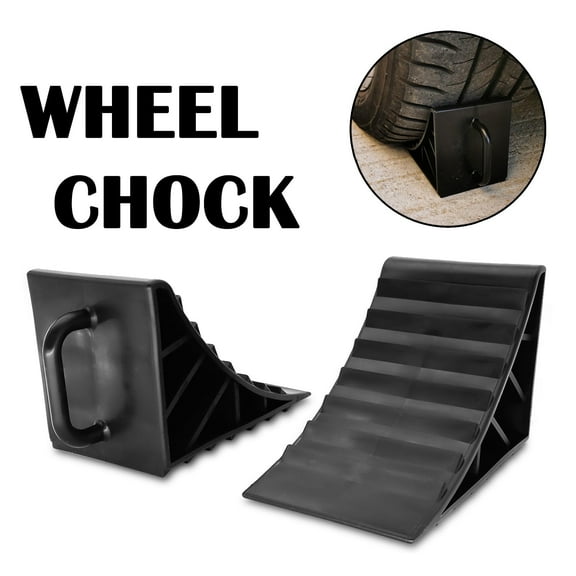
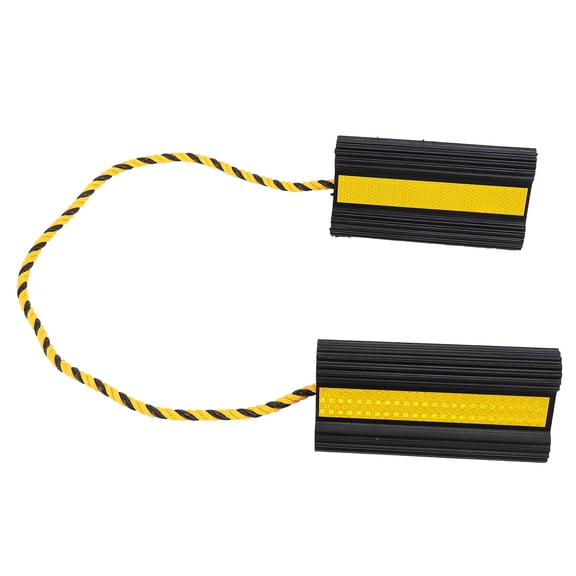
You should compare chock type based on how much movement control your setup needs. Your standard wedge chock sits against the tire and works well for many parking situations.
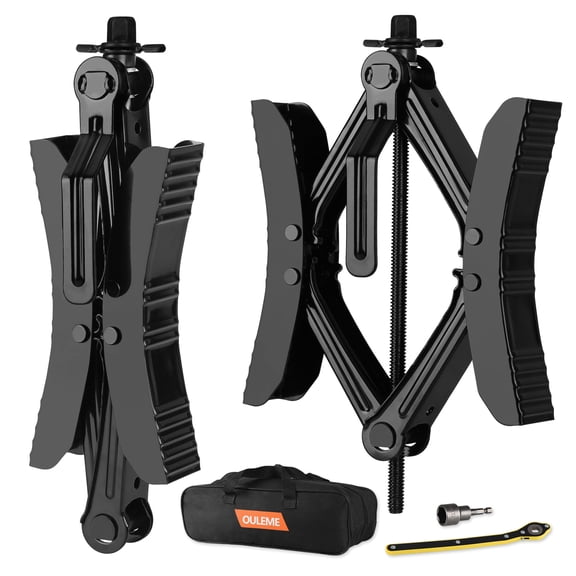
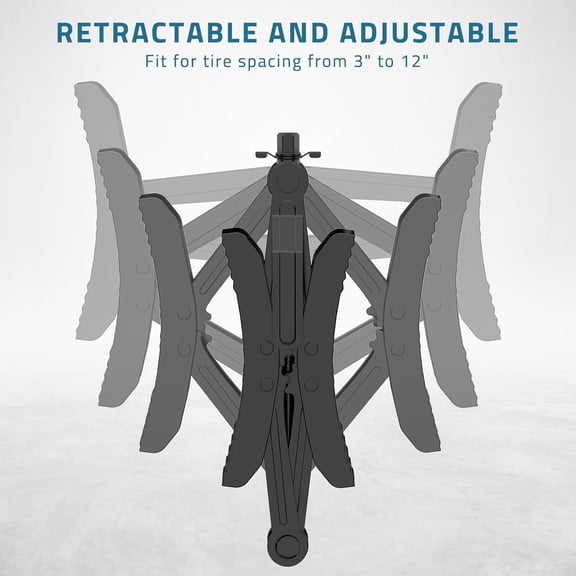
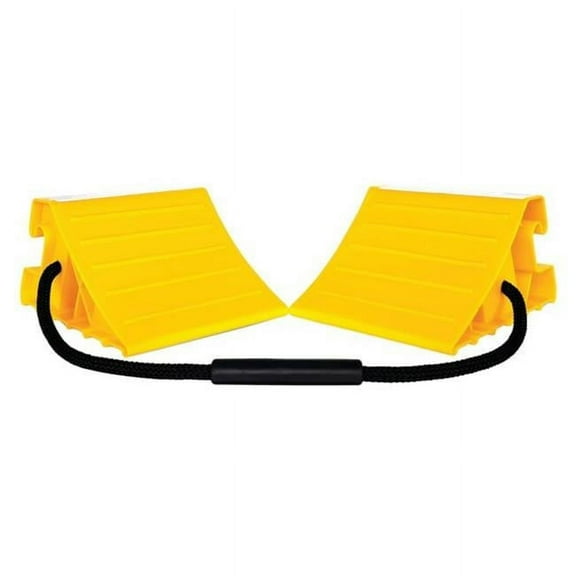
If you have a tandem axle trailer, you may consider RV tire locking chocks. Your locking style fits between tires, and your setup can feel more settled at camp.
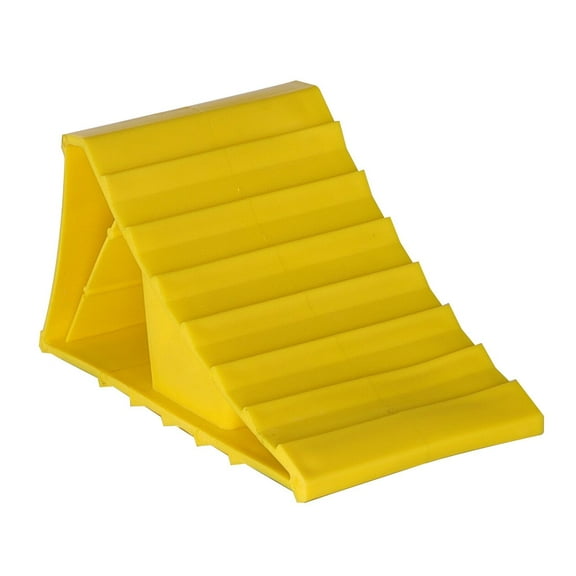
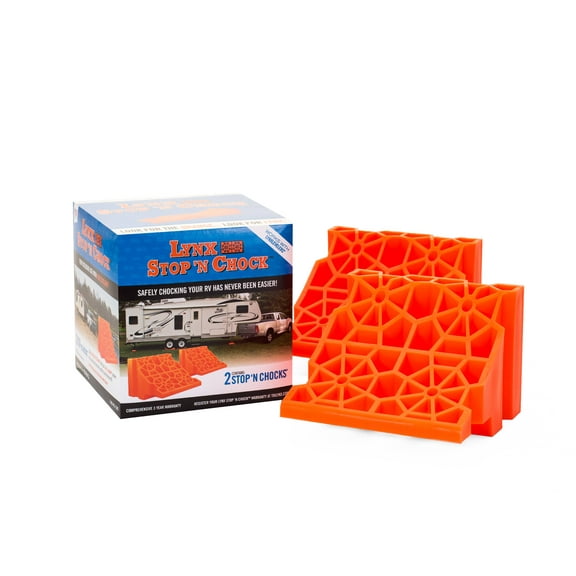
You can look at camper chock blocks when you want a simple shape that stores fast. Your wedge design usually works well when you need quick placement before unhitching.
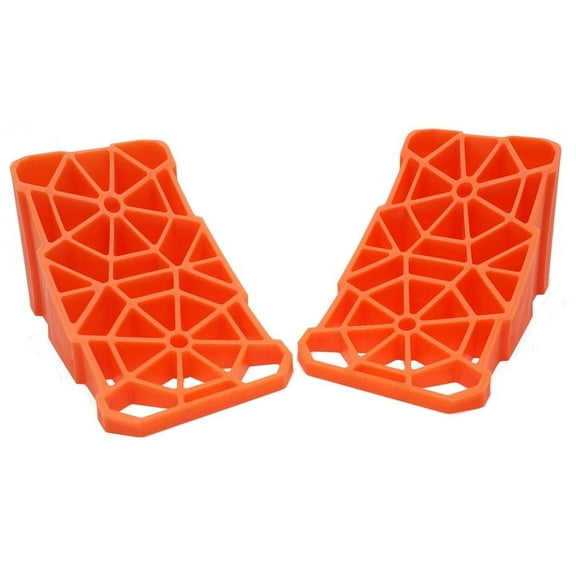
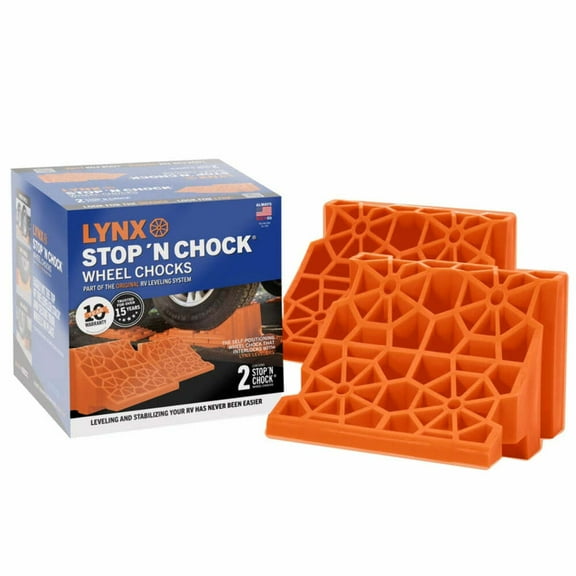
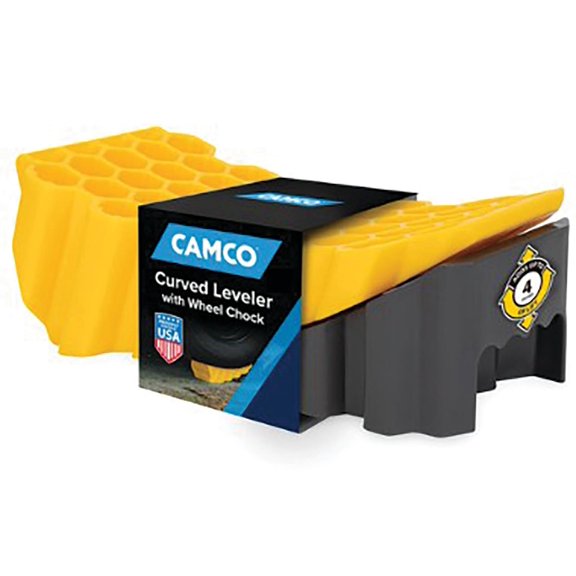
If you want fewer pieces around camp, you may like camper wheel chocks and levelers in one system. Your combo design can help you handle parking position and wheel support together.
You may also see camping wheel chocks listed as camper wheel stops or trailer tire blocks. Your search terms can vary, but your main decision stays focused on fit, material, and chock style.
Matching vehicle compatibility, spacing, and weight needs
You should match your chocks for camper use to your RV class and tire layout. Your travel trailer may need a different approach than your fifth wheel or toy hauler.
When you own a tandem axle trailer, you should measure tire spacing before choosing a locking model. Your spacing determines whether an X-chock style can fit between the tires.
You also need to consider how large your tires are before you choose wedge height or locking range. Your tire diameter limits can affect how securely the chock sits against the wheel.
If you camp with a motorhome, you should check the listed vehicle class and intended use. Your heavier setup may call for a sturdier design and a broader contact area.
You can make shopping easier when you compare the chock to your trailer weight and wheel size together. Your fit matters as much as material when you want stable campsite parking.
How your RV wheel chocks support real camping use cases
You can use camper chock blocks during overnight stops, seasonal site stays, or quick roadside setup. Your needs may change depending on surface texture, weather, and axle layout.
If you park on gravel or uneven pads, you may want rubber RV wheel chocks for added surface grip. Your heavier material can feel reassuring when you step inside after setup.
For frequent moves, you may prefer lighter plastic wedge chocks that fit compact storage bins. Your easier-carry design can work well for weekend trips and shorter campsite stays.
If you tow a travel trailer with tandem axles, you may look for RV tire locking chocks between the wheels. Your setup can benefit from a design made for close tire spacing.
You can also pair wheel chocks for RV trailers with related setup gear. Your leveling blocks, trailer tires, and RV stabilizer jacks each support a different part of campsite preparation.
As you compare RV wheel chocks, you should focus on tire fit, material feel, and the type of hold you want. Your right choice can make parking, leveling, and campsite setup feel more controlled.