

RV Flagpoles in RV Exterior






About RV Flagpoles in RV Exterior - Walmart.com
Your rv flagpoles choice affects setup speed, mounting fit, and how your flags display at the campsite. You need options that match your RV, your travel routine, and your preferred display height.
When you compare this category, you should focus on mounting type, pole material, height, pole design, and kit contents. You can make a cleaner choice when you match those details to your ladder, bumper, or hitch setup.
How to choose rv flagpoles for your RV
You should start with the place where your pole attaches. Your mounting location shapes which sizes, brackets, and hardware can match your setup without extra guesswork.
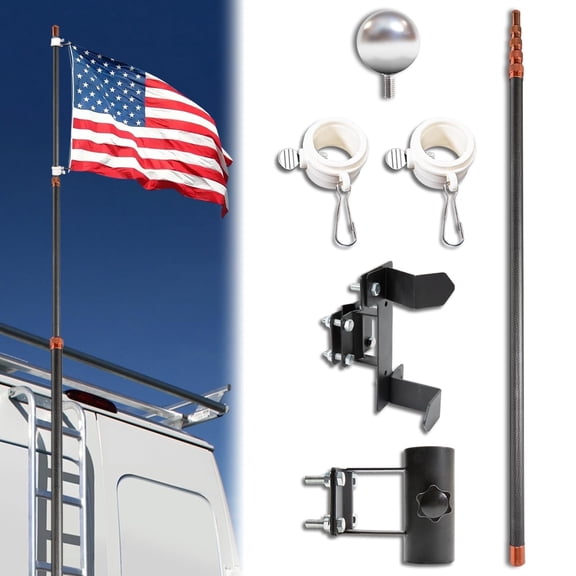
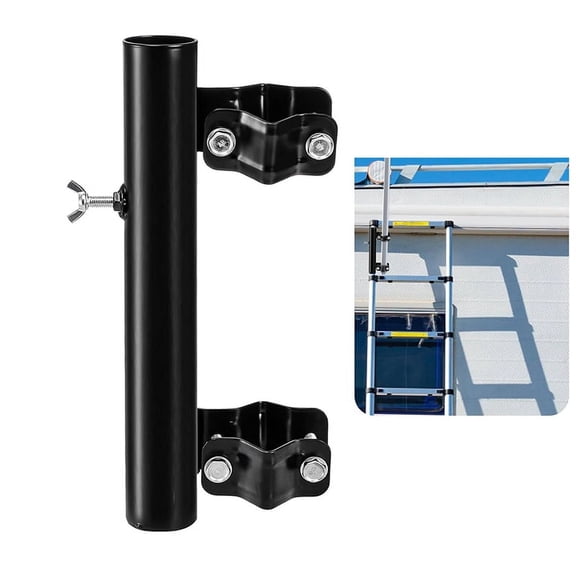
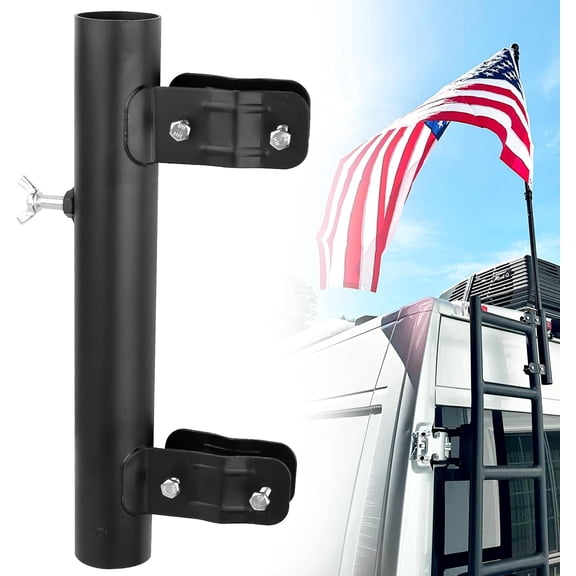
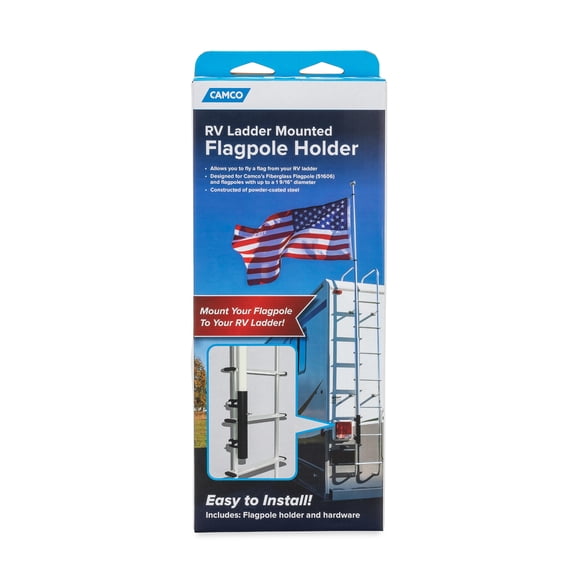
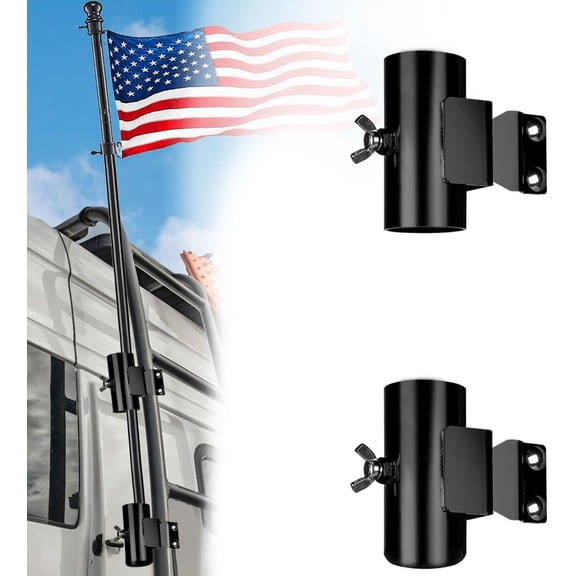
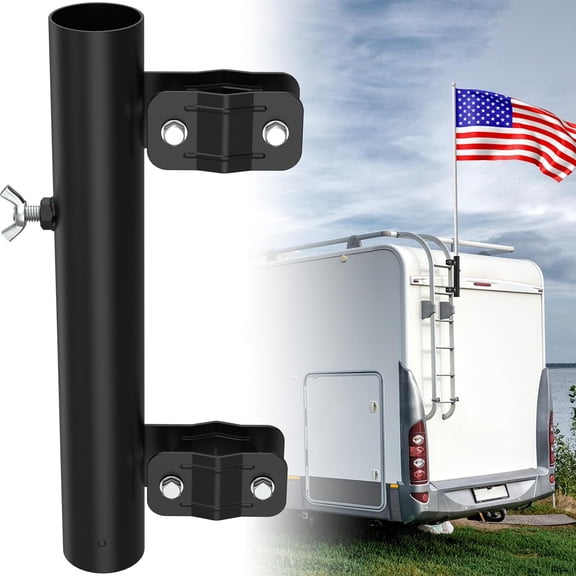
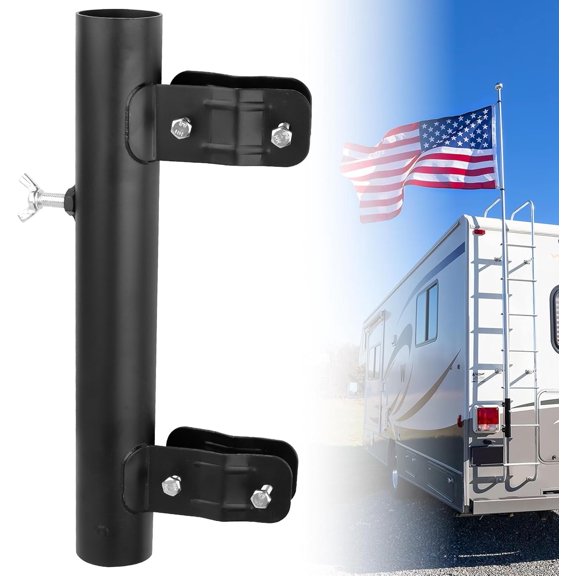
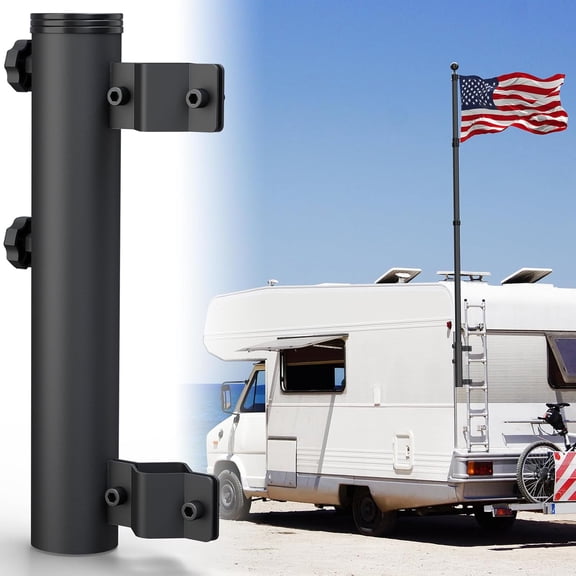
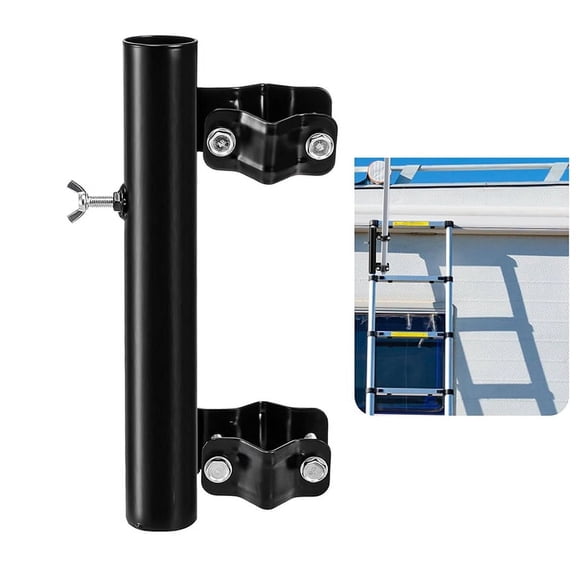
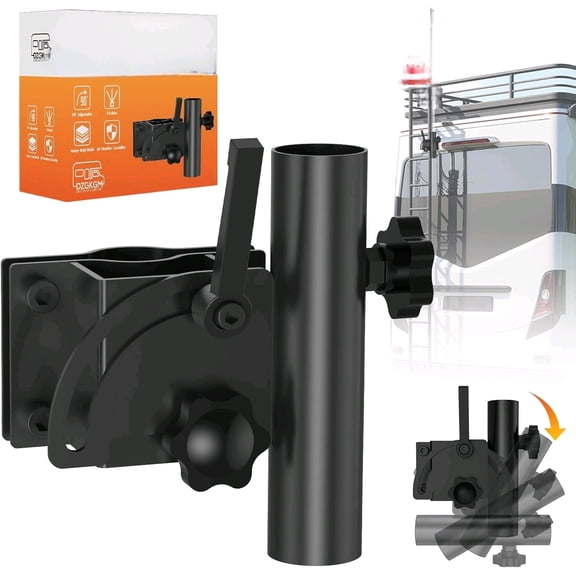
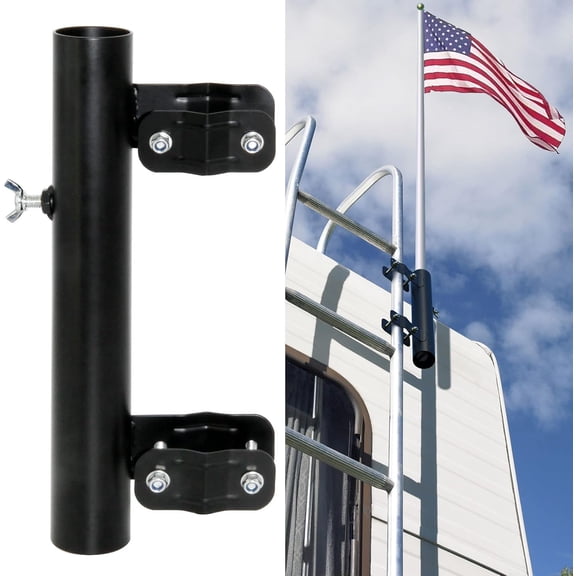
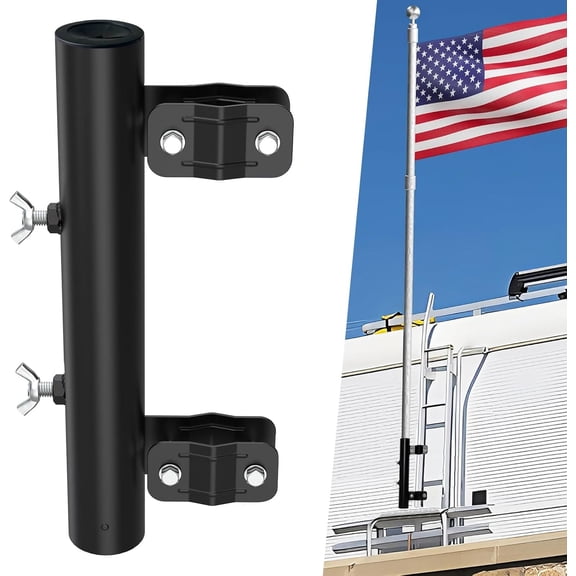
If you use a ladder setup, you should check rung diameter and bracket style before choosing an rv flagpole mount. You may want a secure fit that aligns with common RV ladder tubing.
When you prefer rear access, you can compare bumper mount and tire mount styles. You can often get a stable base when your bracket matches your bumper shape or spare tire area.
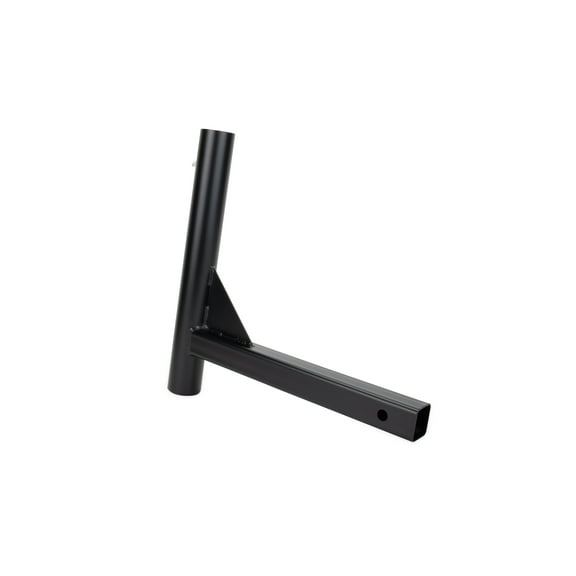
If your rig has a standard two-inch receiver, you may prefer a hitch mount design. You can appreciate how a hitch option simplifies attachment and removal between stops.
Choosing the right rv flagpole mount
You should compare ladder mount, bumper mount, tire mount, and hitch mount options based on your RV layout. You can get a smoother install when your mount matches your available space and hardware points.
- You can choose a ladder mount when your ladder offers easy rear access.
- You can choose a bumper mount when your bumper provides a flat attachment area.
- You can choose a tire mount when your spare tire location supports bracket placement.
- You can choose a hitch mount when your RV uses a standard two-inch receiver.
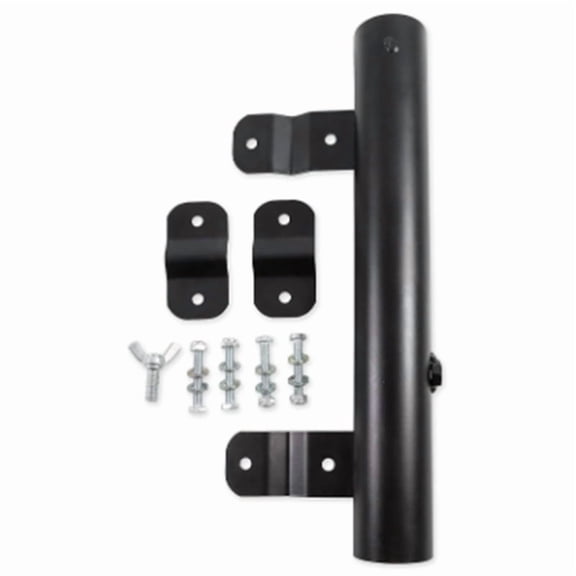
- You should check included hardware if you want fewer extra parts during setup.
Your mount choice also affects how easily you raise and lower your pole. You may notice that quick-access placements help when you like changing flags during a trip.
Before you decide, you should measure clearance around ladders, bumpers, and rear accessories. You can avoid fit issues when your pole has room to extend and collapse cleanly.
Comparing materials, height, and wind support
You should compare aluminum, fiberglass, and stainless steel based on weight, feel, and travel habits. You may prefer aluminum when you want a lighter pole that feels easier to handle.
If you expect frequent setup, you may like fiberglass for its balanced feel during lifting and lowering. You might choose stainless steel when your focus is a heavy duty rv flagpole with a sturdier feel.
Height matters because your display should look visible without becoming awkward to store. You can compare 16 foot, 20 foot, and 22 foot options based on campsite space and storage length.
A 16 foot pole may suit you if you want easier handling in tighter campsites. A 20 foot or 22 foot pole may suit you if your setup favors a taller display.
You should also look for wall thickness and wind speed tolerance when those details appear in product specs. You can use those numbers to compare how manufacturers build a pole for breezy campground conditions.
Choosing a telescoping rv flagpole or sectional design
You should choose pole type based on how quickly you want to set up and pack away. You may find a telescoping rv flagpole easier to extend and collapse in fewer steps.
If you like compact storage, you may prefer a collapsible design that breaks down neatly for travel days. You might choose sectional poles when you don't mind assembling separate pieces at camp.
Your setup style matters as much as total height. You can benefit from a design that feels manageable when you arrive late, leave early, or move often.
Some shoppers also compare twist-lock or similar extension systems for day-to-day convenience. You should check how the sections secure so your pole matches your comfort level during repeated use.
What to look for in an rv flag pole kit
You should decide whether you need pole only, hardware only, or a full rv flag pole kit. You can avoid duplicate parts when your purchase matches what you already own.
If you're starting from scratch, you may prefer a complete kit with flag and mounting hardware. If you're replacing one part, you may only need a new pole or bracket set.
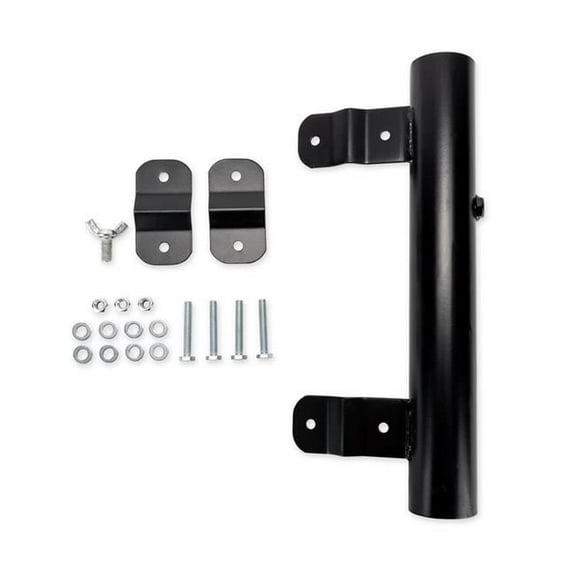
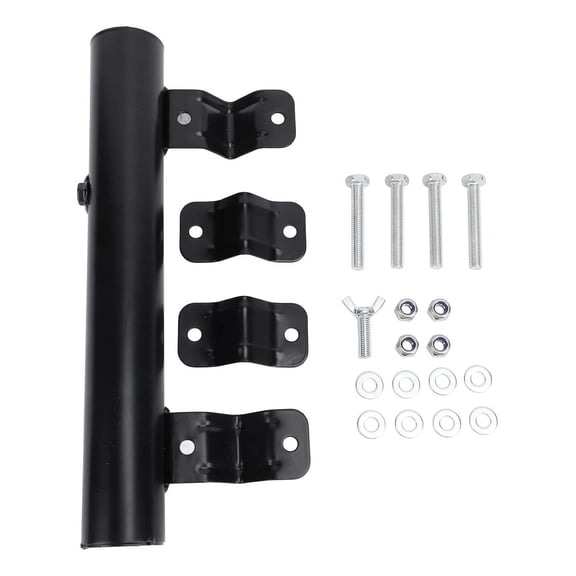
Your checklist should include brackets, fasteners, clips, and any pieces needed for your chosen mount style. You can get a more straightforward setup when your kit contents match your RV attachment point.
You should also check whether your flag size works with the pole height and clip arrangement. You can get a neater display when your hardware supports the way your flags hang and rotate.
Matching rv flagpoles to real camping setups
If you travel often, you may want lighter materials and a fast telescoping design. You can spend less time assembling parts when your pole extends quickly after you park.
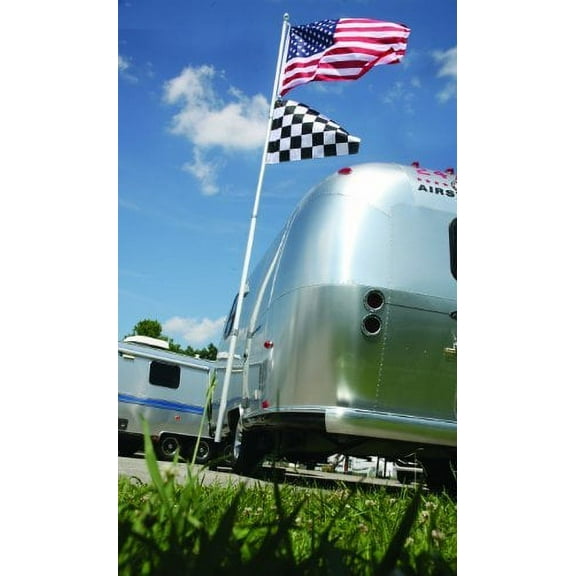
When your RV uses a rear ladder, you may want an rv ladder flagpole mount for simple access. You may find that rear placement makes raising and lowering easier during weekend stops.
If you tow with a receiver setup, you may prefer a hitch-mounted system with removable hardware. You can detach and store components more easily when you're preparing for the road.
For longer seasonal stays, you may choose taller poles and sturdier materials for a more visible display. You can appreciate the extra height when your campsite has more open space.
If you already own brackets, you may only need hardware-only replacements or a standalone pole. You can keep your setup consistent while replacing worn or missing parts.
With the right combination of mount, material, height, and kit contents, you can create a cleaner campsite display. You can get a setup that fits your RV and feels easier to use on every trip.