


Find auto parts that fit
Let’s search for parts that fit your vehicle.RV Door Locks in RV Door Parts












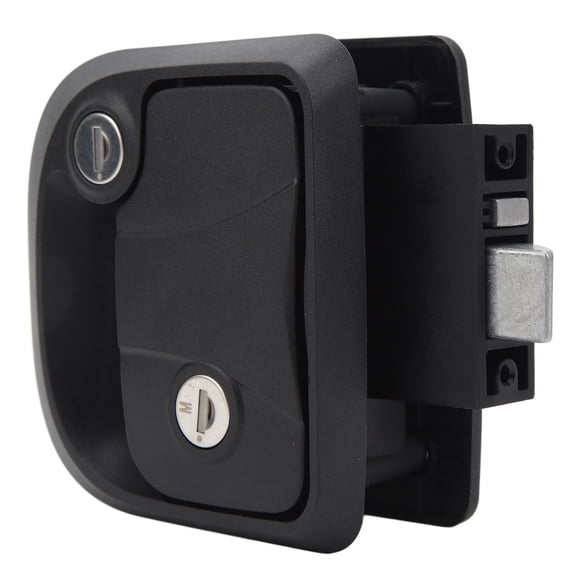
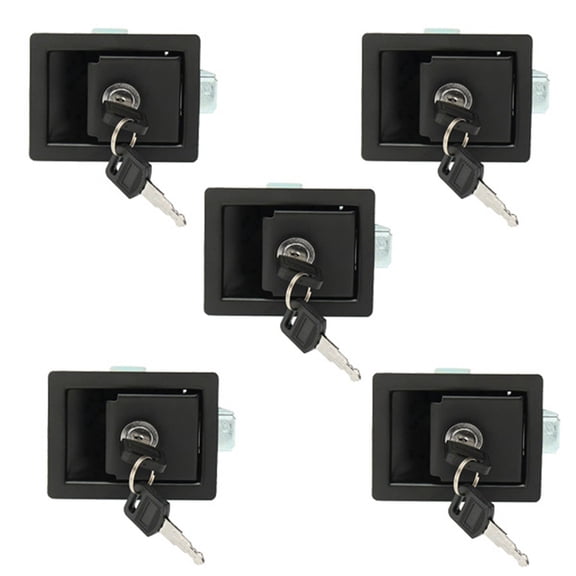
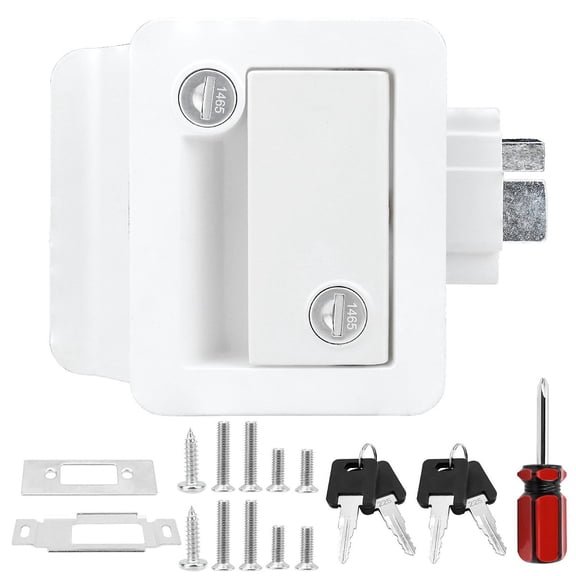
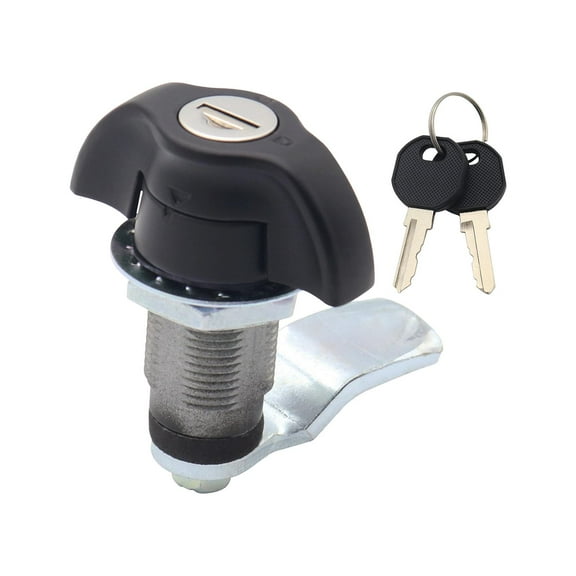





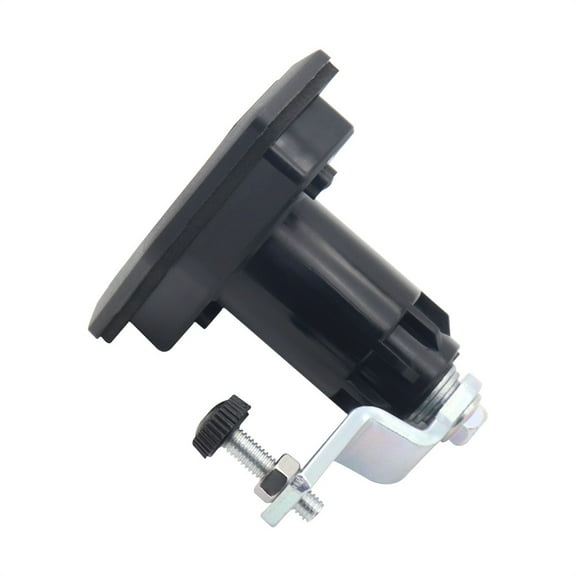
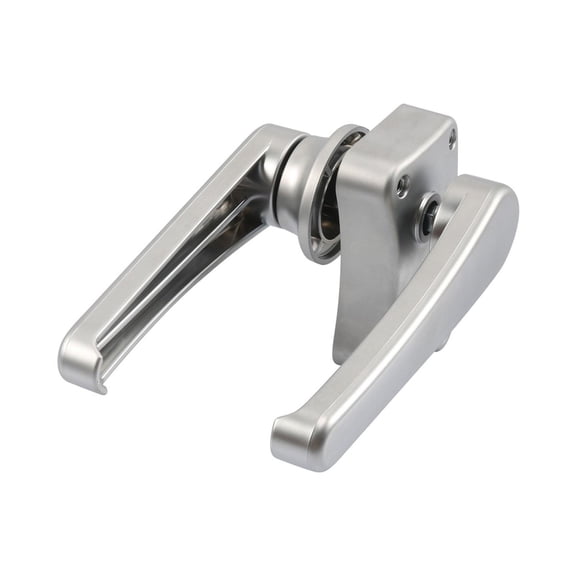

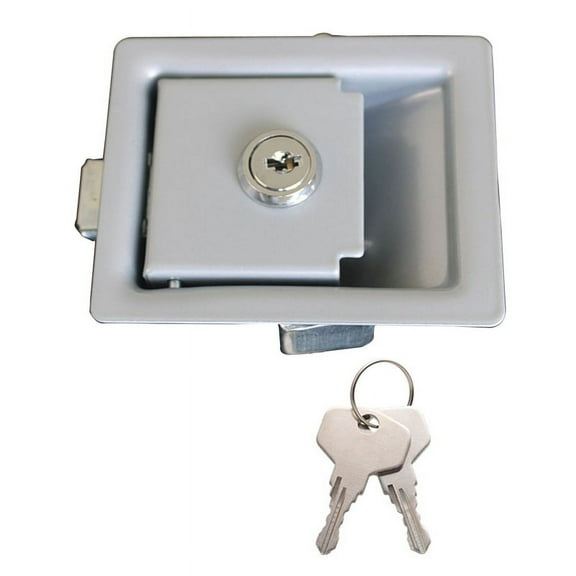


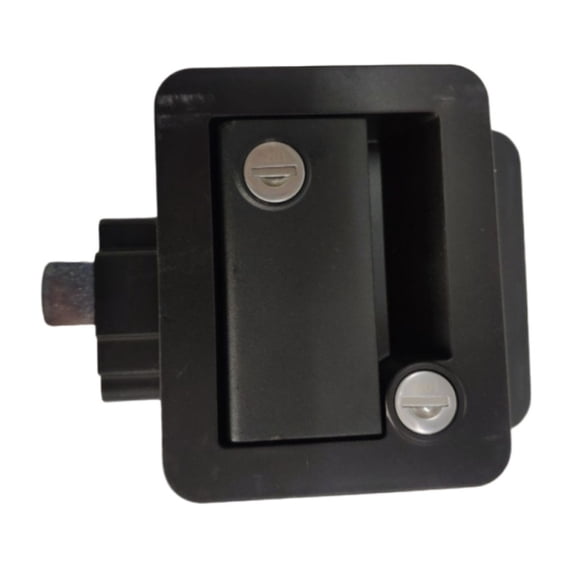


About RV Door Locks in RV Door Parts - Walmart.com
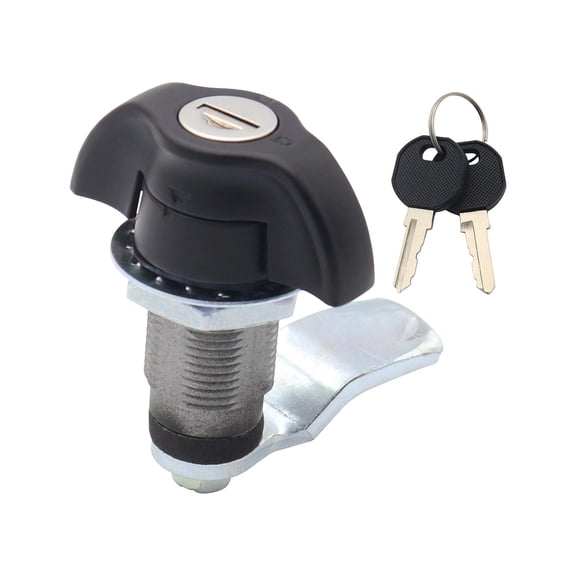
You can upgrade your entry setup with rv door locks that match your cutout size, handle style, and daily travel routine. You’ll find options for mechanical latches, integrated deadbolts, and keyless access that fit many campers and trailers.
When you compare this category, you should focus on fitment first because RV doors use specific hole cutout dimensions and latch sizes. You’ll also want to check door thickness and hinge direction before you choose a replacement.
Choosing the right rv door locks
You should start by measuring the existing opening in your door and comparing the latch size to the replacement part. You’ll avoid guesswork when your new lock matches the current cutout and mounting pattern.
If your camper uses a left-hand or right-hand hinge layout, you should confirm handle orientation before installation. You’ll get a cleaner fit when the paddle or lever matches your door swing.
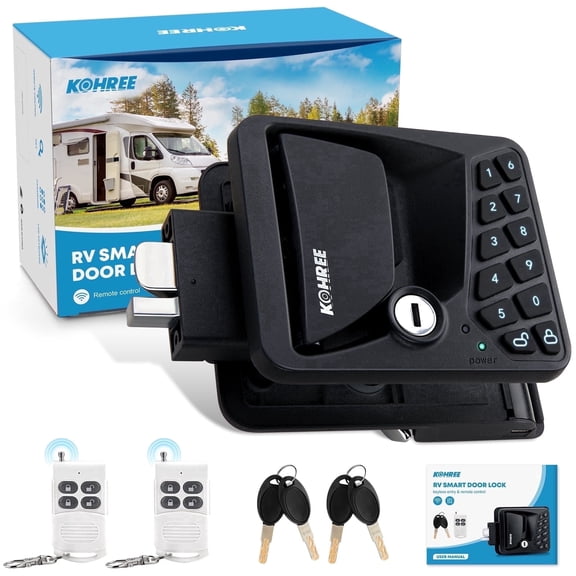
You may also compare lock type based on how you enter and secure your RV during trips. You’ll see keyless electronic options, mechanical deadbolt styles, paddle latch designs, and combination lock formats.
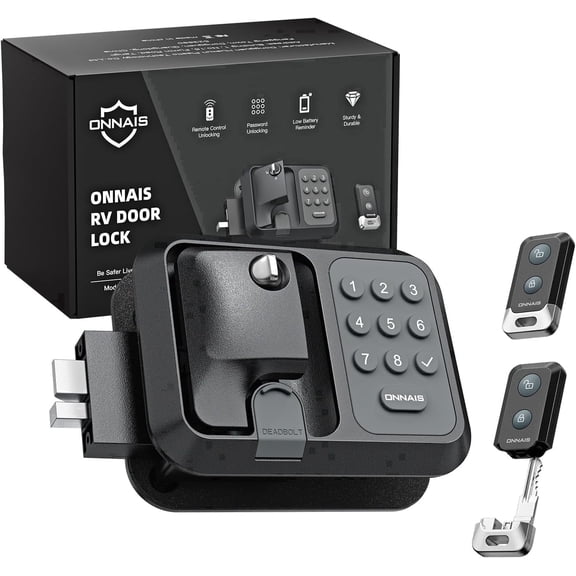
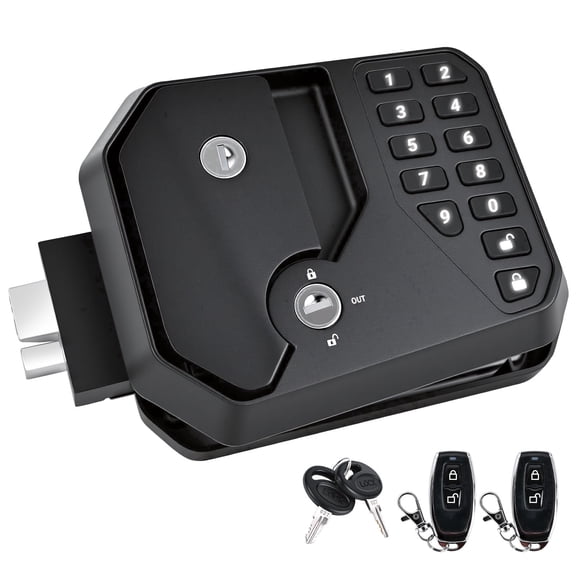
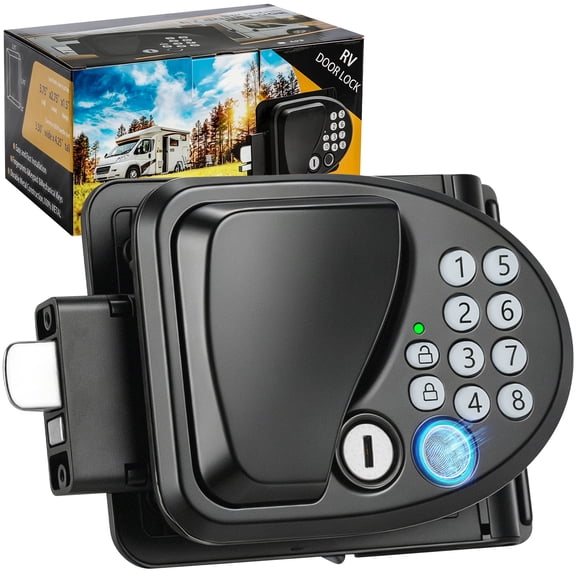
- You can choose keyless electronic styles when you want keypad access and backup key entry.
- You can choose a mechanical deadbolt when you want a familiar lock feel and simple operation.
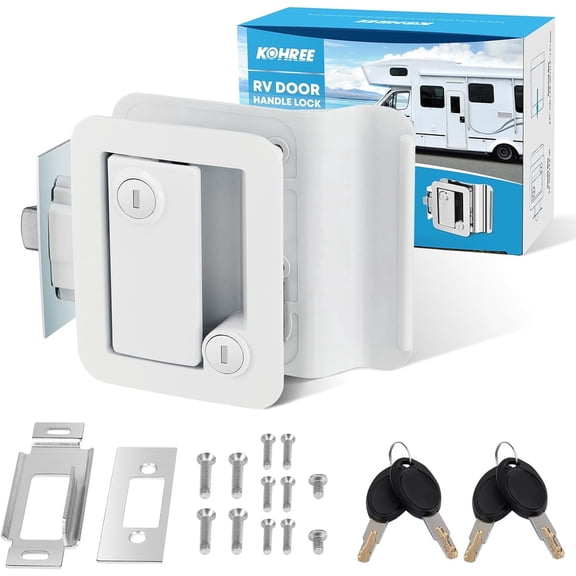
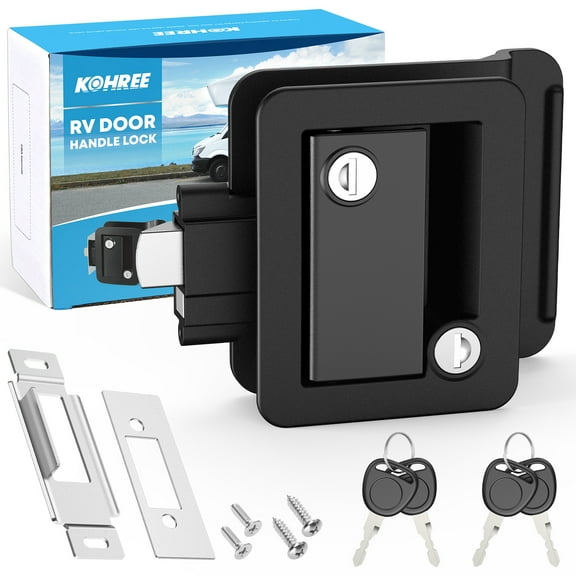
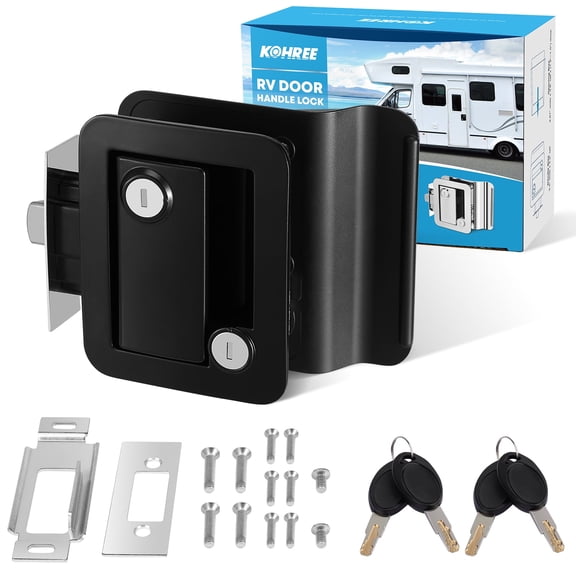
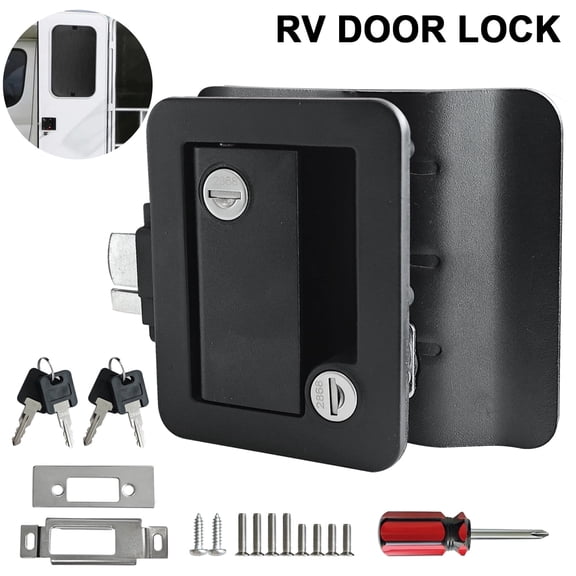
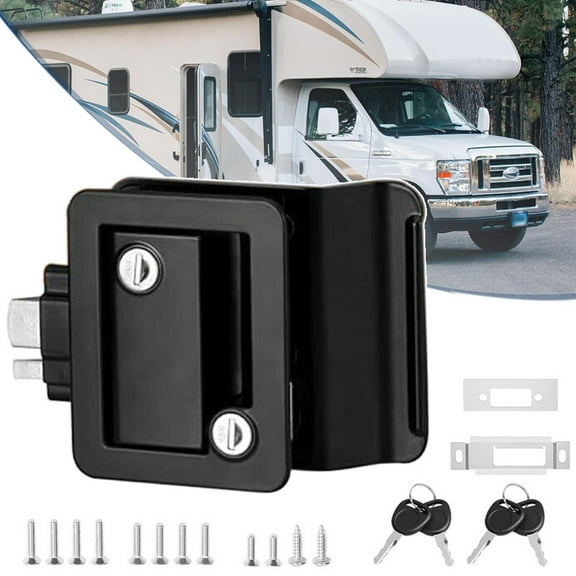
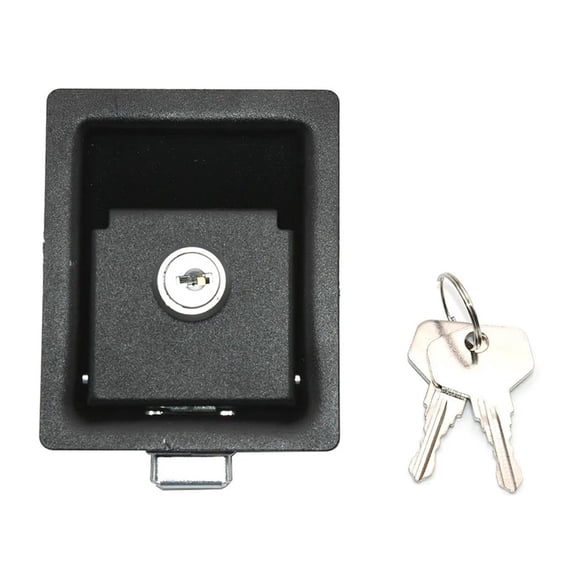
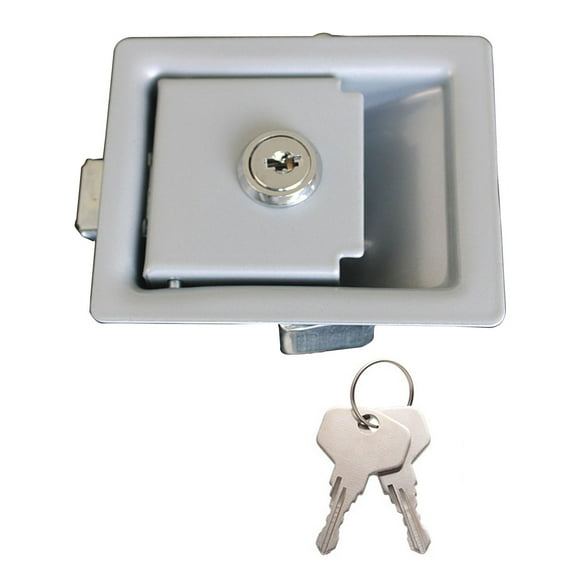
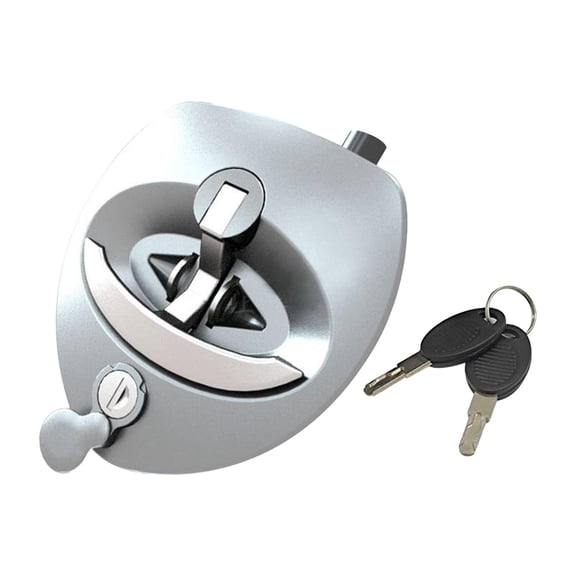
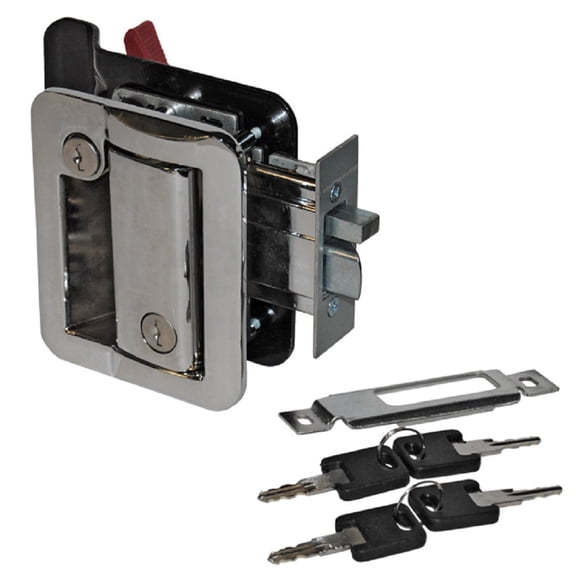
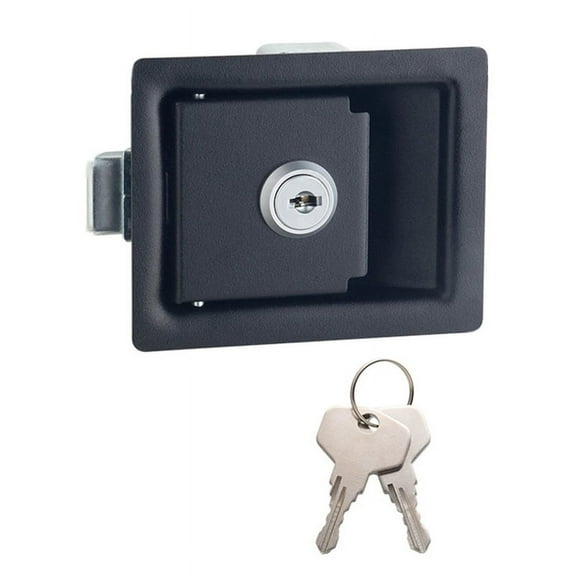
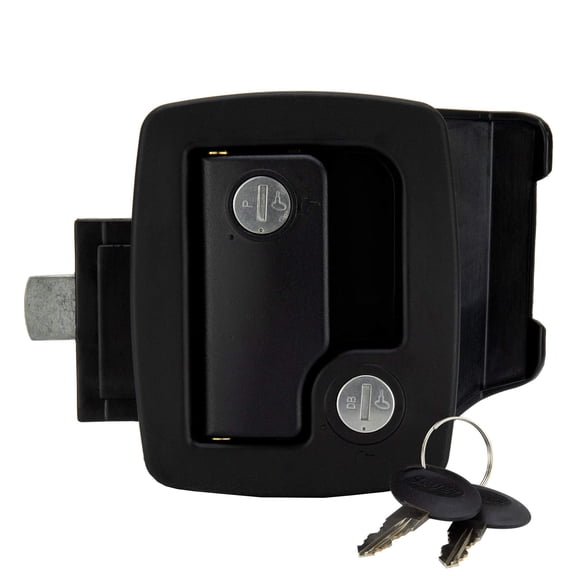
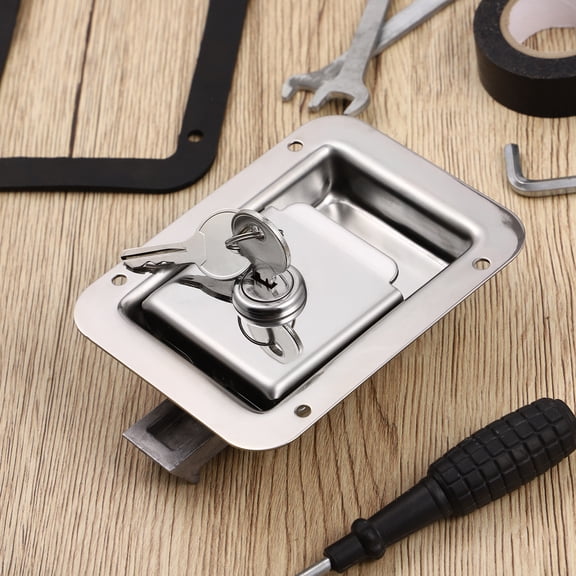
- You can choose a paddle latch when your door already uses that recessed handle format.
- You can choose a combination lock when you prefer code access without carrying an extra key.
How to compare rv door lock replacement features
You should check fitment details closely because an rv door lock replacement must match your door thickness and cutout dimensions. You’ll also want to compare latch backset and strike alignment for smoother closing.
Many shoppers compare zinc alloy and powder-coated steel because finish and housing material affect outdoor wear and everyday handling. You can also choose chrome or black matte when you want a look that matches your exterior hardware.
If you need extra entry control, you should look at security level options like integrated deadbolts, double cylinder designs, or master keyed setups. You’ll get clearer buying confidence when you match the lock style to your parking habits.
For electronic models, you should review battery access and backup entry before you decide. You’ll appreciate a design that lets you change batteries easily and still use a physical key.
You may also want weather-ready construction for camping in changing conditions. You’ll notice that sealed keypads, covered buttons, and sturdy housings matter when your lock faces rain, dust, and sun.
Key differences between fitment options
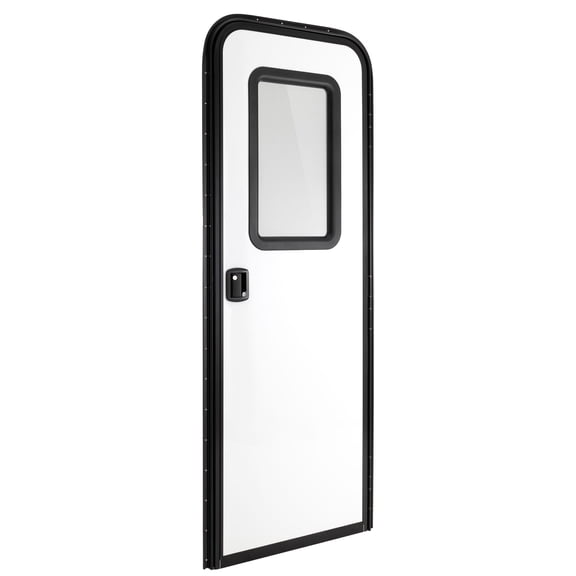
You should match your lock to your RV type because a travel trailer door lock may differ from a fifth wheel or motorhome setup. You’ll want to compare the door frame shape, latch position, and handle clearance.
If you’re replacing a camper door latch on an older trailer, you should bring your measurements and photos before ordering. You’ll make selection easier when you compare screw spacing, cutout height, and interior plate shape.
Motorhome and class A or class C owners should check whether the existing door includes a separate deadbolt section. You can then choose a matching housing that supports your current door layout.
Some shoppers prefer an rv keyless entry door lock for frequent stops, late arrivals, or shared access with family. You’ll get convenient entry when you can use a code and keep a backup key nearby.
If you camp for long weekends, you may prefer a mechanical design with fewer power needs. You’ll still get solid entry control with a travel trailer door lock that uses a keyed handle and deadbolt.
What to look for in installation and daily use
You should compare installation steps before you buy because some locks fit common openings with basic hand tools. You’ll often finish a straightforward swap by removing interior screws and aligning the new latch body.
For more involved upgrades, you may need to adjust the strike plate or interior trim. You’ll want to check product details if you’re moving from a simple latch to an rv deadbolt lock.
Electronic options can work well when you want fewer keys during setup, cleanup, and campground stops. You should still confirm battery life expectations, keypad layout, and manual key access before choosing one.
You can also think about who uses the door most often during a trip. Your family may prefer large buttons or a paddle handle, while your solo setup may favor a compact deadbolt style.
When you choose carefully, your new lock can align with your door cutout, finish, and entry routine without extra hassle. You’ll end up with a secure, practical replacement that fits your RV the way it should.