

RV Cookware in RV Kitchen
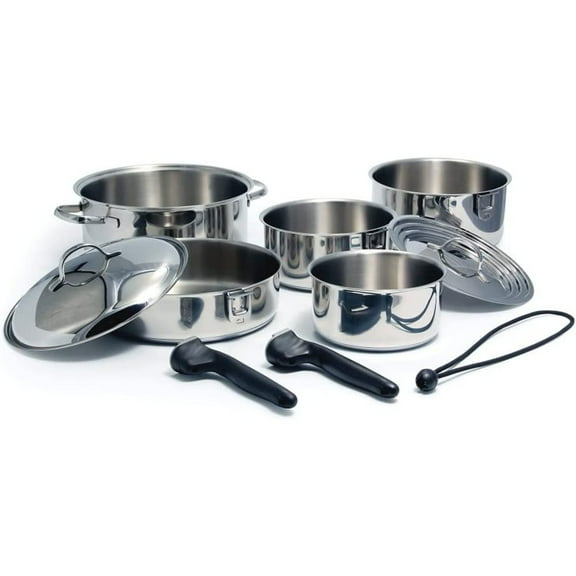
About RV Cookware in RV Kitchen - Walmart.com
Your rv camping cookware should fit tight cabinets, varied cooktops, and life on the road without wasting space. You need pieces that stack neatly, clean easily, and handle quick meals in a compact camper kitchen.
How to choose rv camping cookware for compact kitchens
You should start with storage design because every inch matters in an RV. You can compare nesting, stackable, detachable handle, and collapsible options based on your cabinet depth.
Nesting pieces help you keep pots, lids, and pans in one compact footprint. Stackable shapes also help your shelves stay organized when you pack for weekend trips.
Detachable handles can make a skillet or saucepan easier to store in shallow drawers. You should check how the handle locks, because secure attachment matters during cooking.
Collapsible pieces can work well when you need flexible storage for smaller rigs. You may prefer these designs when your galley has limited cabinet height.
Why space saving rv cookware supports travel cooking
You can cook more comfortably when your cookware takes up less room and creates less clutter. Your setup also feels simpler when lids, handles, and pans store together.
- You can free up cabinet space for food, utensils, and small appliances.
- You can carry lighter cookware that suits RV weight limits and frequent packing.
- You can clean faster when smooth interiors release food with less scrubbing.
- You can use fewer pieces when multi-use pans cover stovetop and oven tasks.
You may also notice that compact cookware reduces rattling during travel days. Your cabinets stay tidier when pieces fit closely instead of shifting around.
Lightweight materials matter when you load dishes, tools, and pantry staples into one vehicle. You should balance lower weight with sturdy construction that stands up to repeated trips.
Choosing rv pots and pans by material and weight
You can compare materials by how they feel in your hand, how they clean, and where you plan to cook. Your decision often comes down to weight, durability, and cooking style.
Cast iron gives you strong heat retention for searing and campfire cooking. You should expect heavier weight, so it may suit shorter trips or selective use.
Stainless steel can give you a durable surface for daily cooking in your RV. You may like it when you want a classic finish and broad heat compatibility.
Non-stick aluminum can help you keep meals moving with quicker cleanup and less sticking. You may prefer it when your water supply is limited and your sink space is small.
Ceramic styles can appeal to you when you want an easy-release cooking surface. You should check care details and stacking shape before choosing a full rv cookware set.
Comparing cookware types and set configurations
You should match cookware type to the meals you actually make on the road. Your rv cookware works harder when each piece covers more than one task.
Pots help you handle pasta, soup, oatmeal, and one-pot dinners in a compact kitchen. Pans support eggs, sandwiches, and quick sautés when you need fast cleanup.
Griddles can give you a wider cooking surface for breakfast and pressed meals. Baking sheets and rv baking pans matter when your camper includes an oven.
You can choose individual pieces when you want to replace one missing item or customize your setup. A multi-piece rv cookware set can make planning easier when you need coordinated sizes.
An rv cooking set or cooking kit can work well when you want pans, lids, and utensils grouped together. You should compare piece count against storage space, not just variety.
Checking heat compatibility before you buy
You should confirm heat compatibility before choosing camper pots and pans for your rig. Your stove type, oven size, and outdoor setup all affect which pieces make sense.
Induction ready cookware needs a base designed to work on induction cooktops. You should check whether the base is labeled for induction before relying on it.
Gas stove safe pieces can suit many RV kitchens because gas burners are common in campers. You may want stable, flat bottoms that sit evenly over compact grates.
Campfire friendly cookware can help you cook outside when you want to keep heat out of the cabin. You should look for durable construction that handles open-flame cooking conditions.
Oven safe pieces expand what you can cook in a small RV oven. You should check temperature ratings and handle materials before using baking sheets or deeper pans.
Matching rv cookware to real travel routines
You may need different cookware for weekend getaways, long road trips, or seasonal camping. Your routine should guide the mix of size, material, and storage design.
If you travel with two people, you may prefer nesting saucepans and one versatile skillet. You can keep meals simple while leaving room for pantry bins and prep tools.
If you cook outdoors often, you may choose camper pots and pans with durable surfaces and flexible heat compatibility. You can move from the RV stove to a picnic site more easily.
If your rig includes an induction cooktop, you should focus on induction-ready bases and stackable shapes. You can keep storage efficient while still covering everyday cooking tasks.
If you bake in your camper, you should measure oven space before picking rv baking pans or baking sheets. You can avoid wasted space by matching pan dimensions to your appliance.
When you want easier cleanup, you may lean toward non-stick aluminum or easy-release ceramic interiors. You can spend less time at the sink and more time enjoying your stop.
Your rv camping cookware works best when it matches your storage limits, cooktop, and meal habits. You can build a smarter camper kitchen with compact pieces that travel neatly and cook reliably.