

Rim Rust Removers in Wheel Cleaners
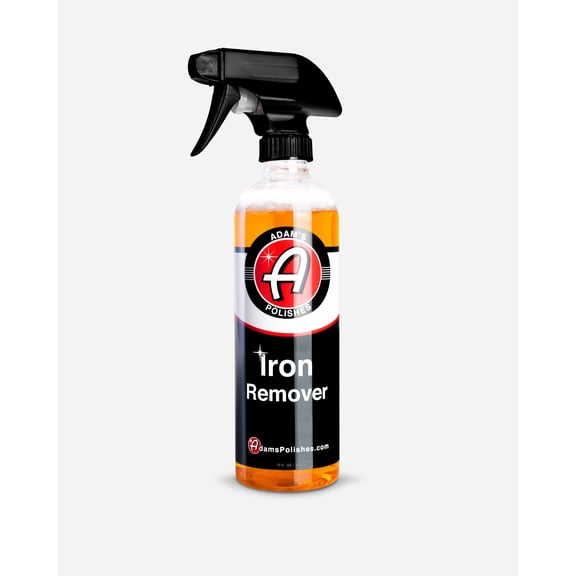

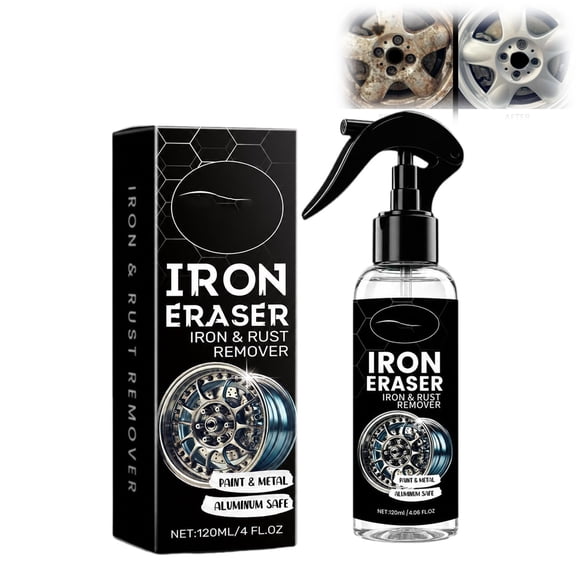
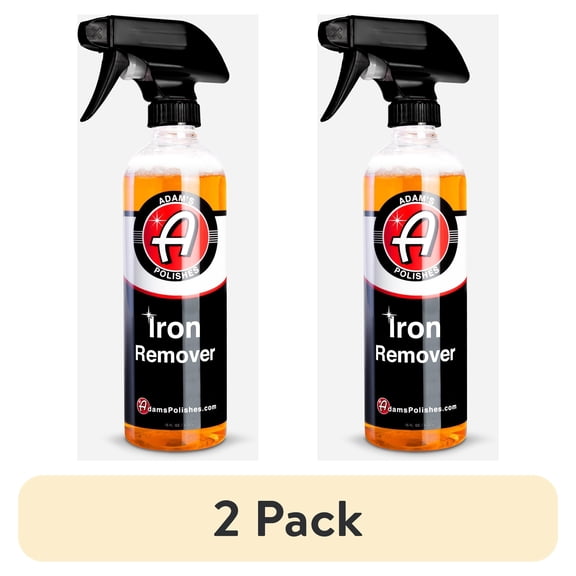
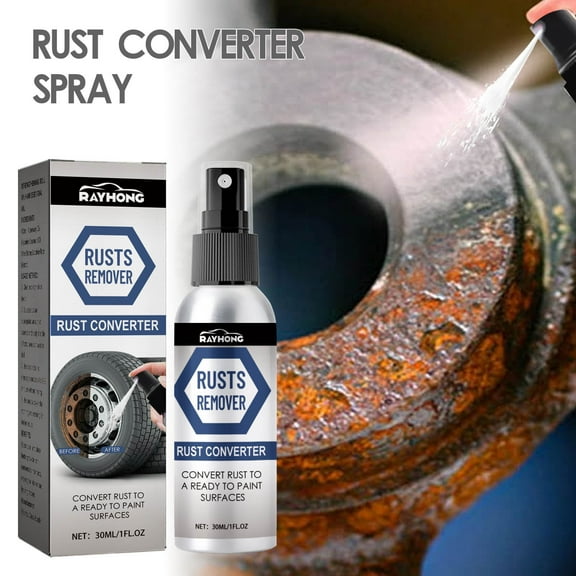


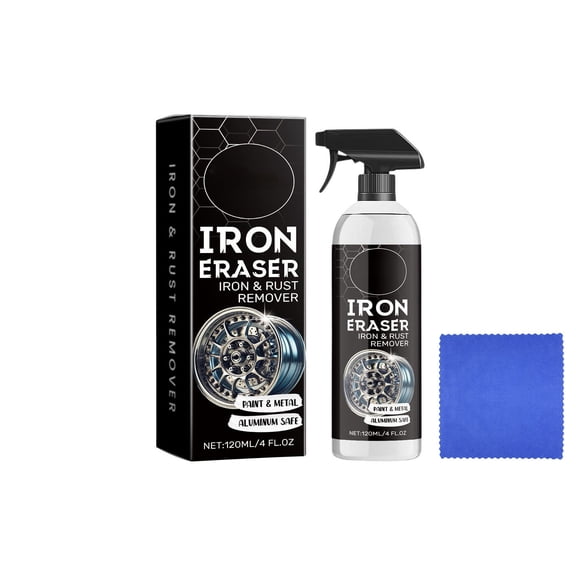


















About Rim Rust Removers in Wheel Cleaners - Walmart.com
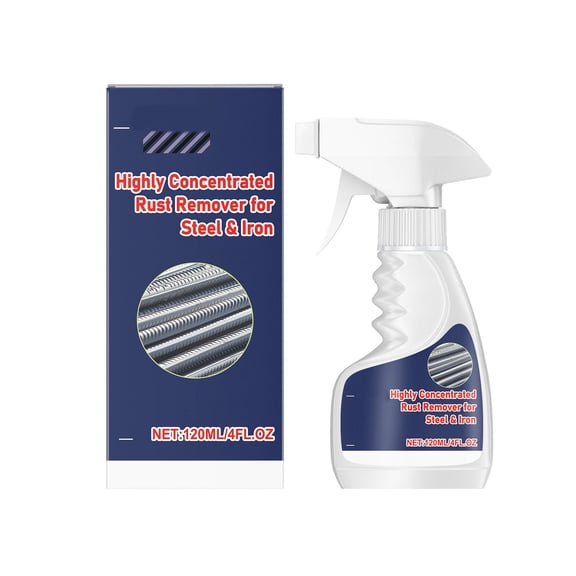
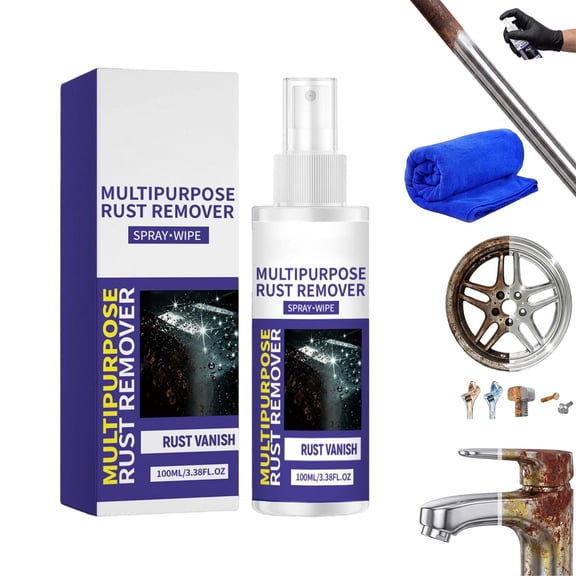
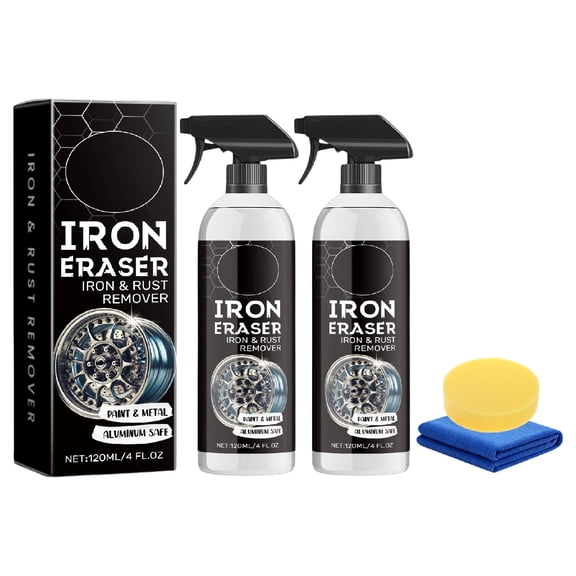
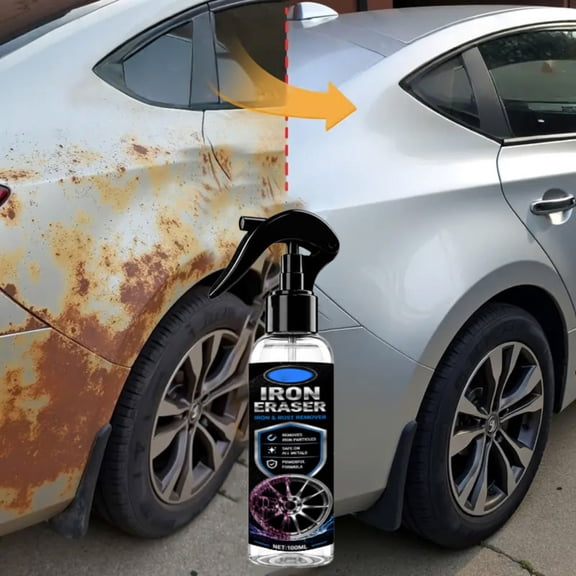
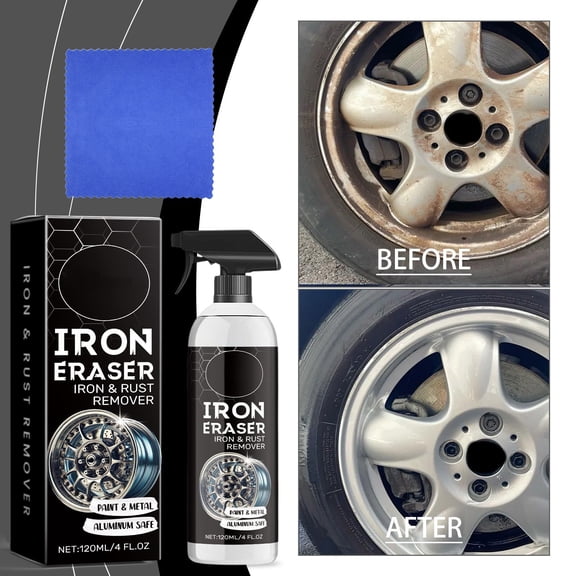
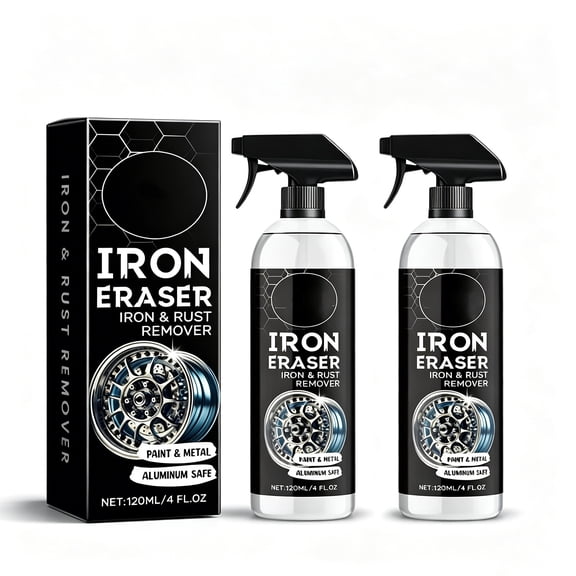
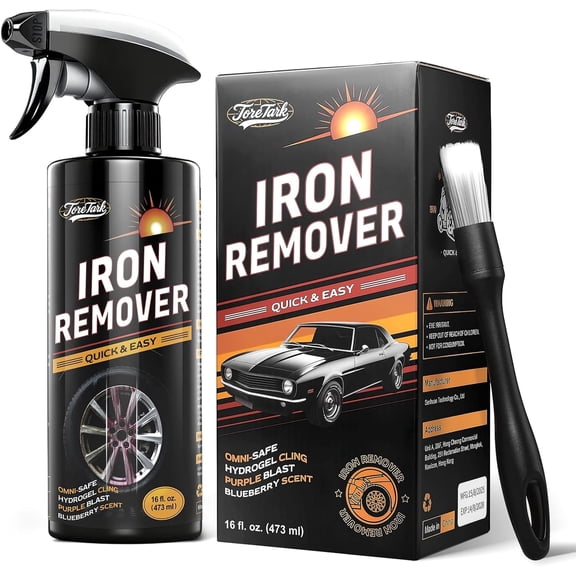
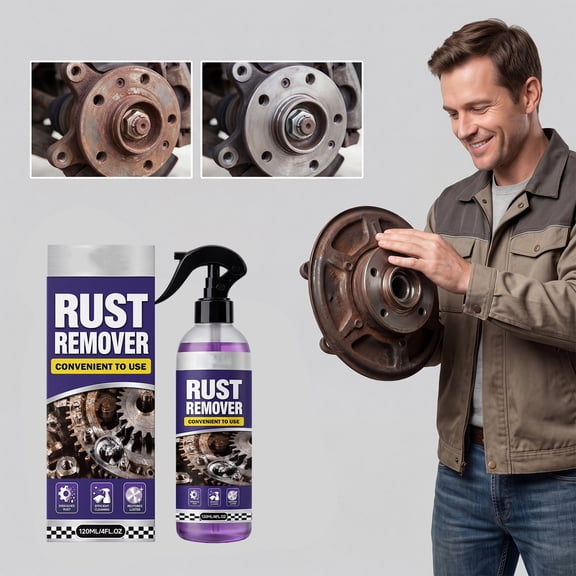
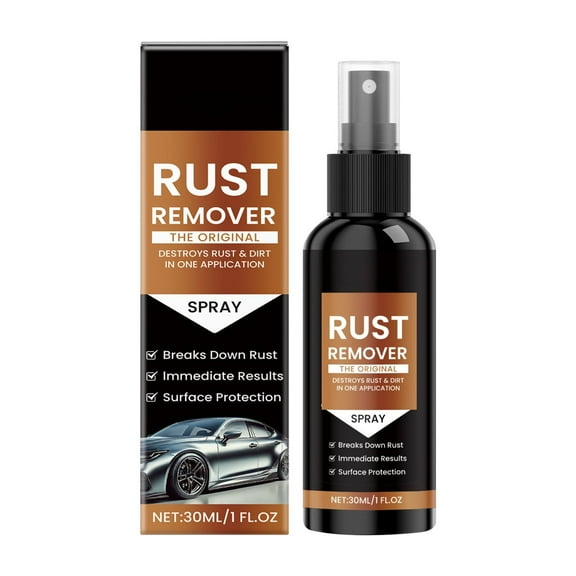
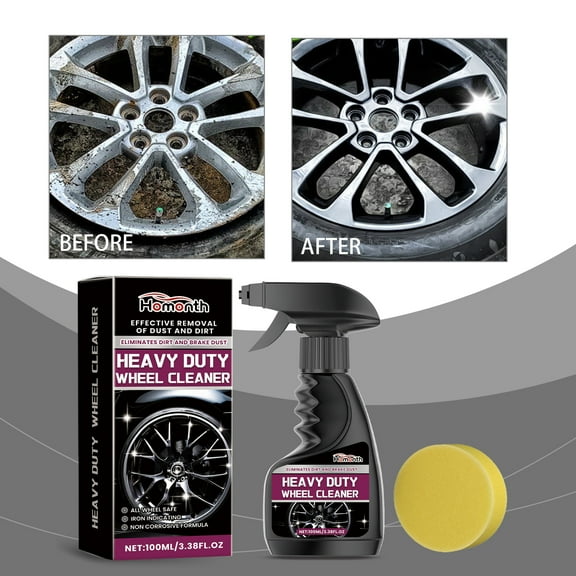
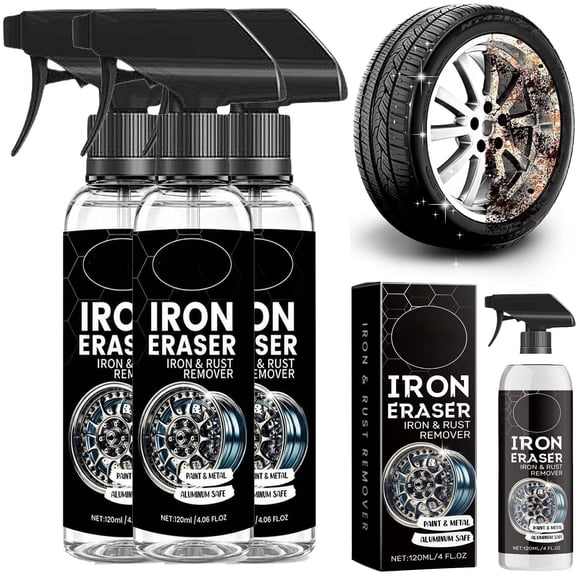
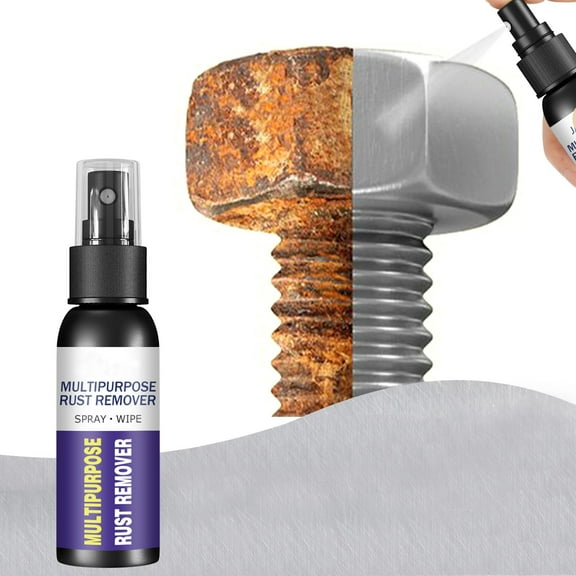
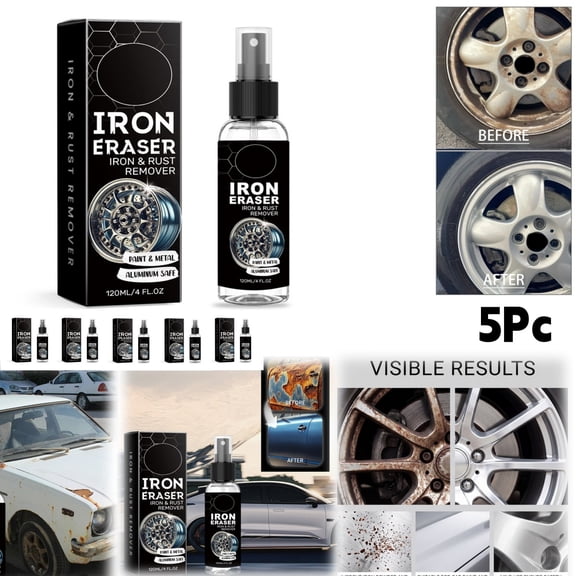
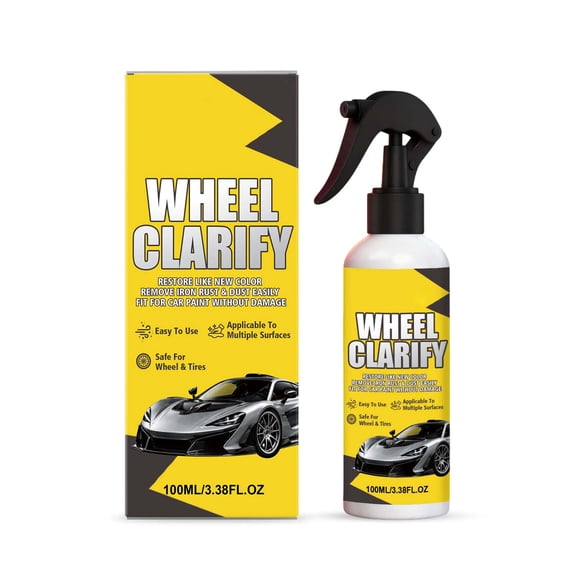
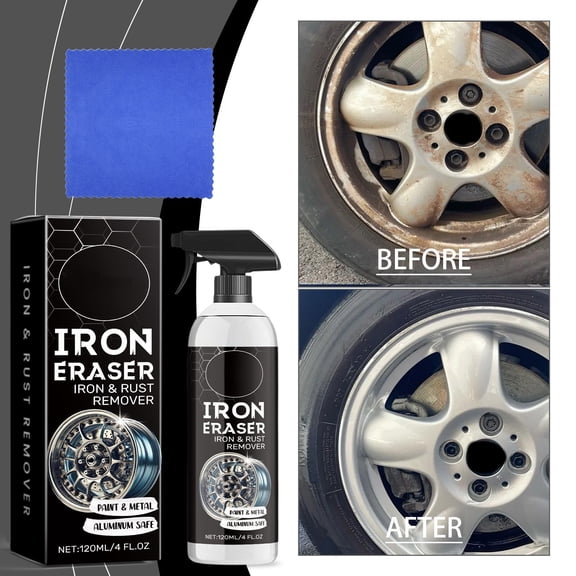
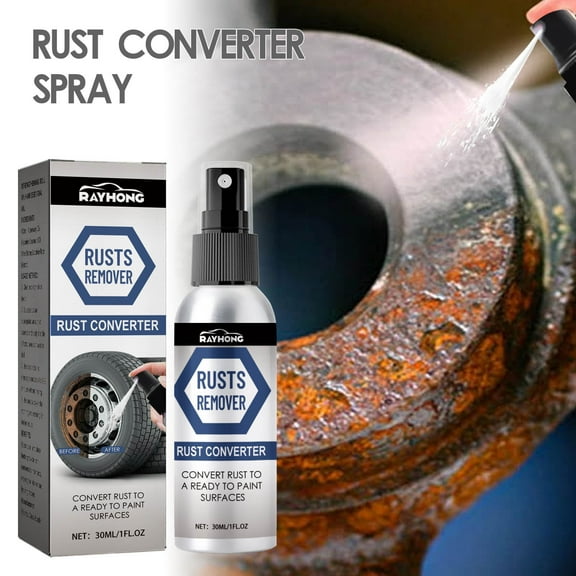
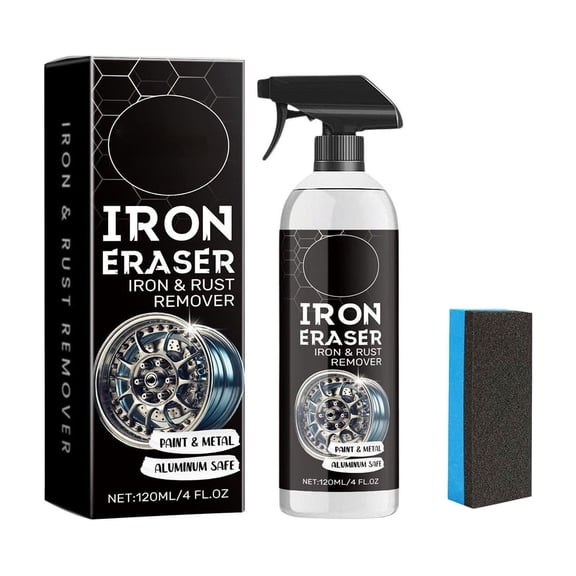
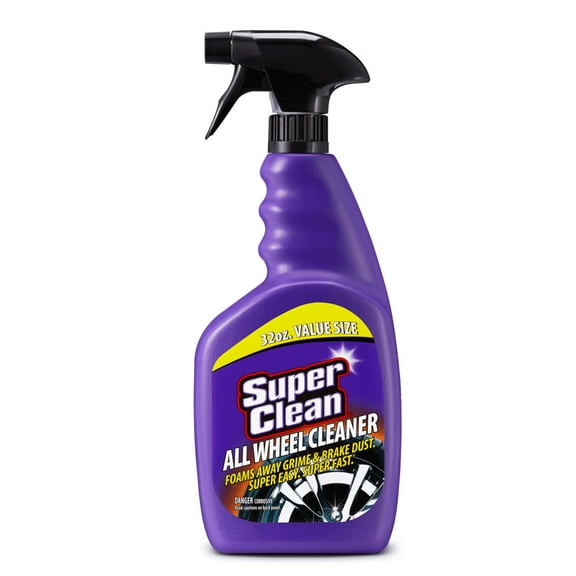
Rim rust removers help you lift orange staining, brake dust, and road buildup from your wheels with finish-specific formulas and easier application choices. You can compare acid-free, pH-balanced, and stronger options, so your cleaning routine fits your wheel material and rust level.
If your rims show light spotting or heavier corrosion, you need clear guidance before you choose a formula. You’ll find that the right pick depends on wheel finish compatibility, cleaning strength, and how much scrubbing you want to do.
Choosing rim rust removers by wheel finish
Start with your wheel surface, because your finish affects which formula makes sense for regular upkeep. You should check whether your wheels are chrome, aluminum, alloy, painted, or steel before you compare cleaners.
For chrome wheels, you may prefer a chrome rim rust remover that focuses on visible staining without using an aggressive approach. For aluminum, alloy, and painted wheels, you’ll often want acid-free or pH-balanced formulas for routine care.
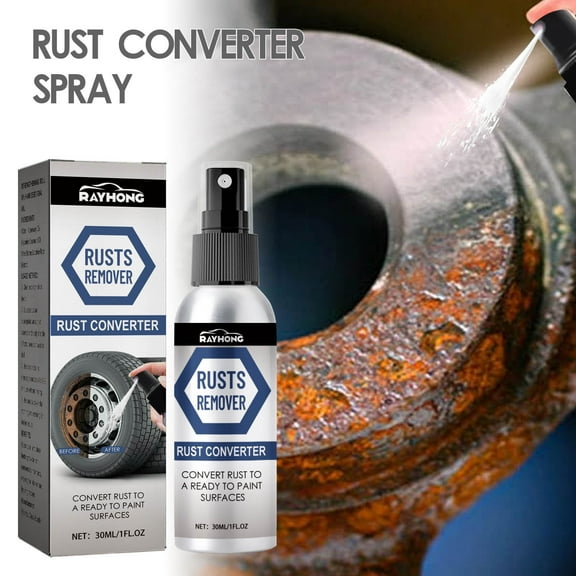
If your wheels are steel and show deeper rust, you may consider a stronger wheel rust remover for stubborn buildup. You should always match the cleaner to the finish, because the same formula won’t suit every rim.
How formula type changes your rim rust cleaner routine
Formula type affects how you apply the product and how long it stays on the wheel. You can choose spray, gel, liquid, or foam formats based on the mess level and the shape of your rims.
Sprays work well when you want quick coverage across spokes, barrels, and lug areas. Gels cling longer to vertical surfaces, so you can target rust spots and stuck-on residue.
Liquids can suit general wheel cleaning when you want flexible use with brushes or cloths. Foams give you visible coverage, which helps you see where your rim rust cleaner is working.
- You can use sprays for fast, broad coverage on multi-spoke wheels.
- You may choose gels when you need longer dwell time on visible rust patches.
- You can reach tight crevices with liquids and a detailing brush.
- You may like foam if you want easier visual tracking during application.
Comparing acid-free wheel cleaner and stronger formulas
You should compare chemical strength by the amount of rust, brake dust, and embedded grime on your wheels. You’ll usually need less aggressive chemistry for upkeep and more cleaning power for neglected rims.
An acid-free wheel cleaner can make sense when you clean often and want a gentler option for chrome, alloy, or painted finishes. A pH-balanced formula also fits routine maintenance when you want steady cleaning without a harsh feel.
If your wheels have heavier rust staining or baked-on residue, you may look at heavy-duty acid-based formulas. You should reserve stronger cleaners for surfaces and cleaning jobs that call for that extra strength.
Look for labels that explain intended wheel types and cleaning strength in plain terms. You’ll make a smarter choice when you compare finish compatibility and rust severity together.
Choosing a wheel rust remover by application method
Application method matters when you want to control time, effort, and results during cleaning. You can choose spray-on hose-off, color-changing, or scrub-required options based on your routine.
Spray-on hose-off products suit quick driveway washes and lighter buildup on wheels that get cleaned often. You’ll spend less time working each rim when loose grime lifts with a rinse.
Color-changing formulas help you track dwell time because you can see the cleaner react on the surface. You may prefer that visual cue when you want more confidence during wheel cleaning.
Scrub-required products fit jobs where rust spots cling around lug holes, spoke corners, or textured finishes. You can pair them with a brush when you need extra contact on stubborn areas.
How to match rust level and wheel type to real cleaning needs
If you clean your vehicle weekly, you’ll likely want a rim rust cleaner that handles light rust spotting and brake dust fast. An acid-free or pH-balanced spray can suit that simple maintenance routine.
When your chrome wheels show orange discoloration after wet weather, you may want a chrome rim rust remover with a finish-focused formula. You’ll get a more targeted option for bright, reflective surfaces.
If your alloy or aluminum wheels collect dust in narrow spokes, you may prefer foam or liquid formulas with brush support. You can work into tight spaces without guessing where product coverage starts.
For steel wheels with visible corrosion, you may need a stronger wheel rust remover and a scrub-required method. You should compare cleaner strength carefully when rust has built up over time.
If you want less trial and error, check whether the label covers your finish and your cleaning effort preference. You’ll narrow your options faster when you compare wheel type, formula, and application style together.
What to look for before you choose
You should read for finish compatibility first, because that detail guides every other decision. You can then compare formula type, chemical strength, and whether the cleaner needs rinsing or brushing.
It also helps to look for plain instructions that fit your cleaning habits and wheel design. You’ll choose rim rust removers with more confidence when the formula matches your rims and your upkeep routine.