


Running Headband in Running Gear


























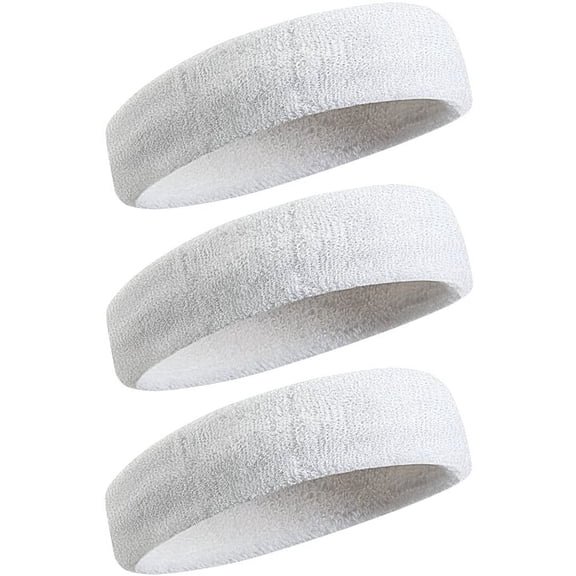


About Running Headband in Running Gear - Walmart.com
Your running headband should stay put through sprints, long miles, and warmups. You can compare width, adjustability, fabric, and grip details to find the coverage and feel your run needs.
When you shop this category, you may want more than simple sweat control. You may need ear coverage for cold starts, hair control for thick strands, or a low-pressure fit for longer training days.
How to choose a running headband
You can start with the fit issue that affects your runs significantly. You may notice slipping, pressure, or heat buildup first, so that concern should guide your choice.
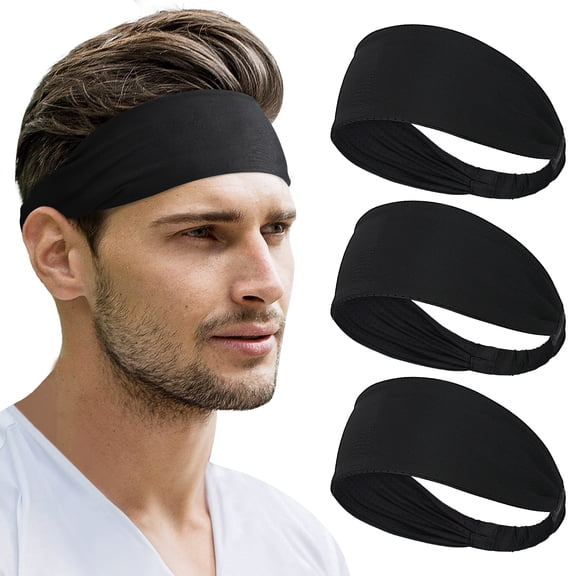
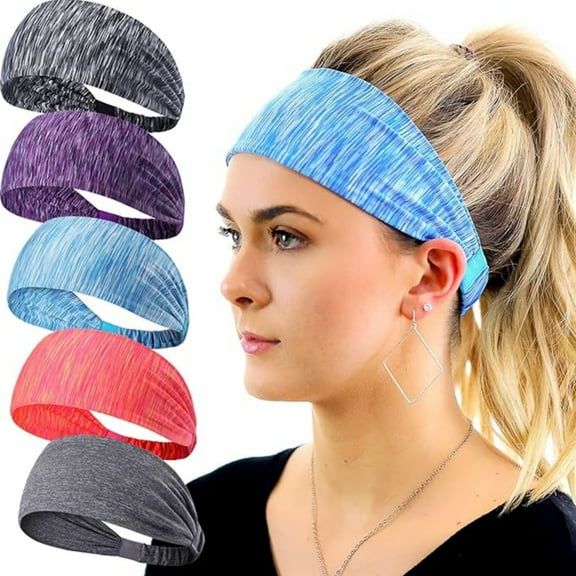
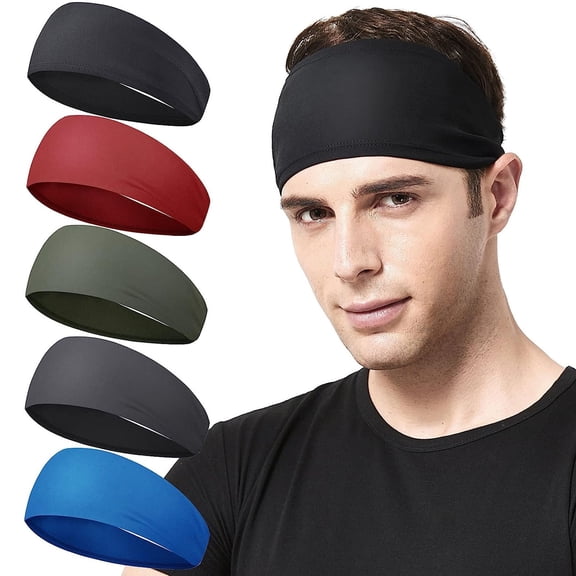
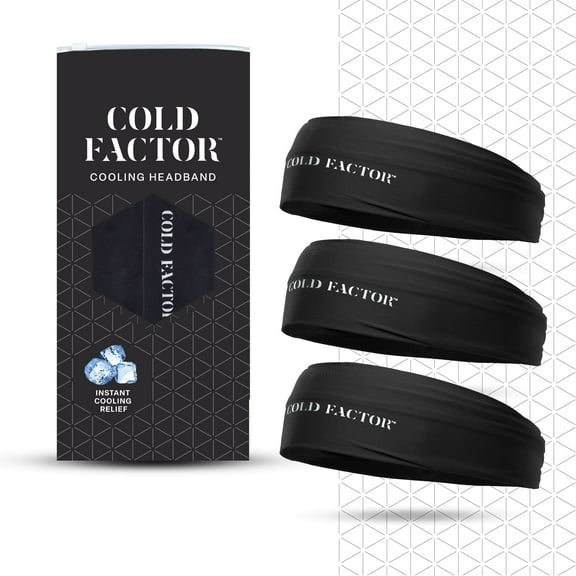
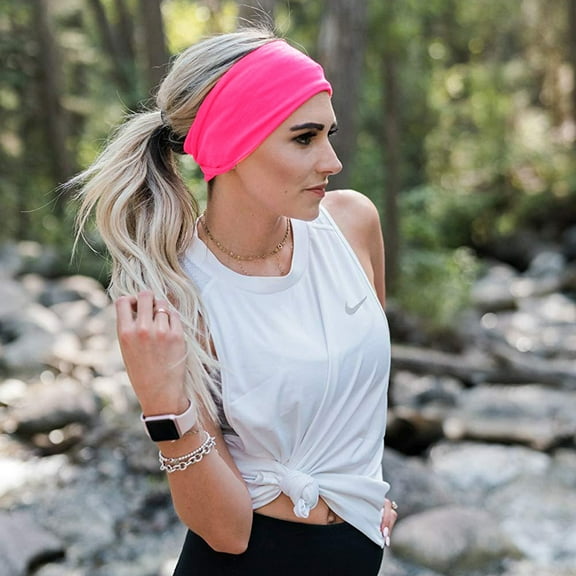
A wide workout headband can give you broader forehead coverage and help hold back more hair. A narrower or tapered shape can feel lighter when you want less fabric around your temples.
You should also compare how the band stays in place during movement. You may prefer silicone grip, velvet lining, or brushed fabric when your route includes hills, intervals, or humid weather.
- You can use wider coverage for thick hair, flyaways, and cooler morning runs.
- You can choose adjustable running headbands when you want a more customized hold.
- You can look for moisture-wicking fabric when you run in heat or train indoors.
- You can check non-slip details when you need the band to stay put through steady sweat.
Choosing width and coverage
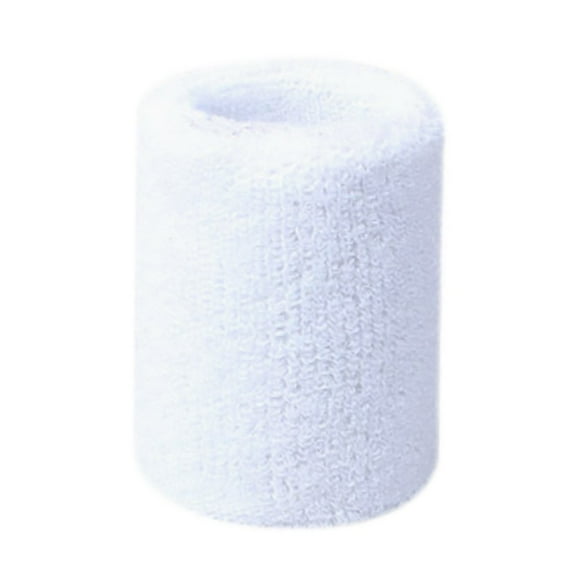
You should match coverage to your hair type, weather, and workout pace. You may want a wide band when you need more sweat absorption across your forehead.
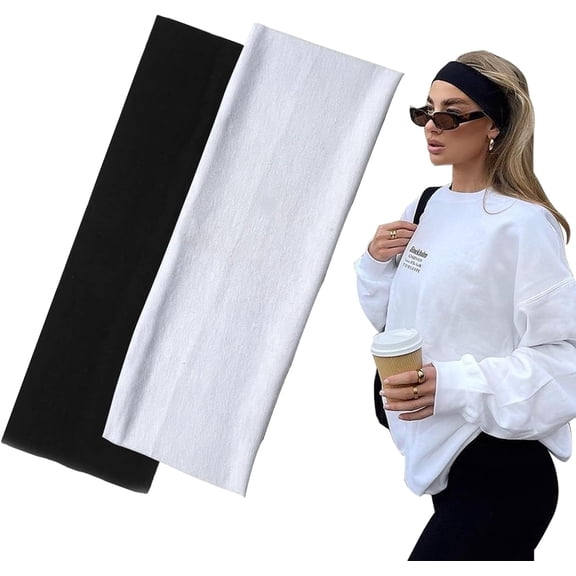
A wide workout headband can also help you cover your ears on breezy starts. A tapered band can reduce bulk when you wear sunglasses, hats, or over-ear layers.
If your hair is thick or textured, you may want more surface area for hold. If your hair is fine, you may prefer a narrower shape that feels lighter.
You can also use coverage as a comfort decision, not just a style choice. You may find that extra width spreads pressure more evenly during longer runs.
Comparing adjustable running headbands and stretch fits
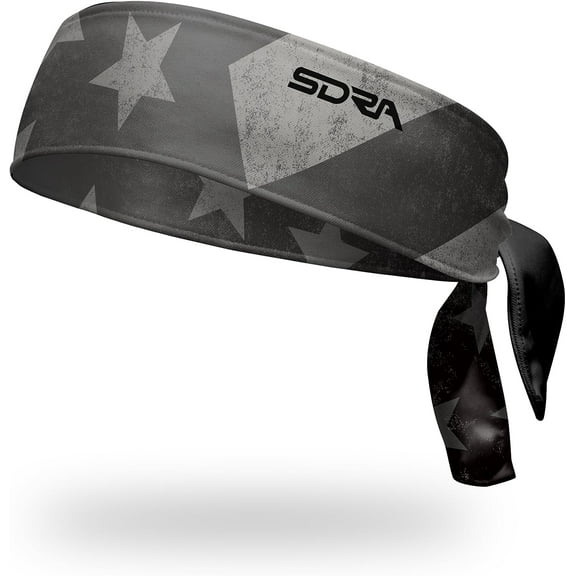
You should consider how long you'll wear the band before choosing the closure style. You may want an adjustable strap or tie-back when fixed tension feels too tight.
Elastic styles can feel simple and quick when you want easy on-and-off wear. Adjustable running headbands can help you fine-tune the hold as your pace or hairstyle changes.
If pressure around your temples distracts you, you should compare softer tension options carefully. You may notice that customizable fits feel steadier without squeezing during long sessions.
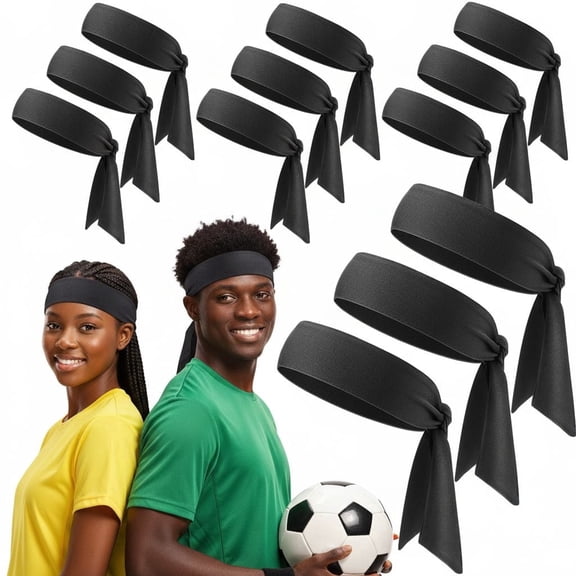
You can also think about layering when you compare fit systems. You may want a tie-back style if you wear ponytails, braids, or winter caps.
Picking fabric for summer and winter runs
You should match the material to the season and your training conditions. You may prefer a summer running headband with lightweight fabric when heat and humidity build quickly.
Moisture-wicking materials can help you feel drier as sweat collects around your hairline. You can use breathable fabrics for treadmill runs, race training, and midday miles.
For colder weather, you may want fleece-lined options that add soft ear coverage. You can choose a warmer feel for early starts, windy paths, and low-temperature runs.
You should also consider drying time after washing or back-to-back workouts. You may appreciate lighter fabrics when you rotate gear often during busy training weeks.
What to look for in non-slip grip
You can reduce constant adjusting by checking the band's interior design. You may look for silicone grip, velvet lining, or brushed fabric for added hold.
Silicone grip can help the band stay in place during faster intervals and longer mileage. Velvet lining or brushed fabric can feel softer if you want grip without a slick interior.
If you sweat heavily, you should compare both grip and fabric tension together. You may find that headbands for runners stay steadier when the fabric absorbs moisture while the interior adds traction.
You may also see shoppers search for Spanish terms about non-slip running bands for sweaty runs. If that matches your goal, you should focus on non-slip details and sweat-managing fabric.
Matching features to your routine
You can choose different combinations depending on how and where you run. You may want wide coverage and fleece lining for cool weather, or narrow moisture-wicking styles for summer speedwork.
If you train indoors, you may prefer lighter workout headbands that dry quickly between sessions. If you run outdoors year-round, you may want separate warm-weather and cold-weather options.
You can also match your band to hair styling needs before a run. You may want a running head wrap feel for fuller coverage, or a slim band for a minimal profile.
For group runs, races, and commuting miles, you may value easy layering with hats and sunglasses. You can compare tapered edges and flexible materials for less bunching around accessories.
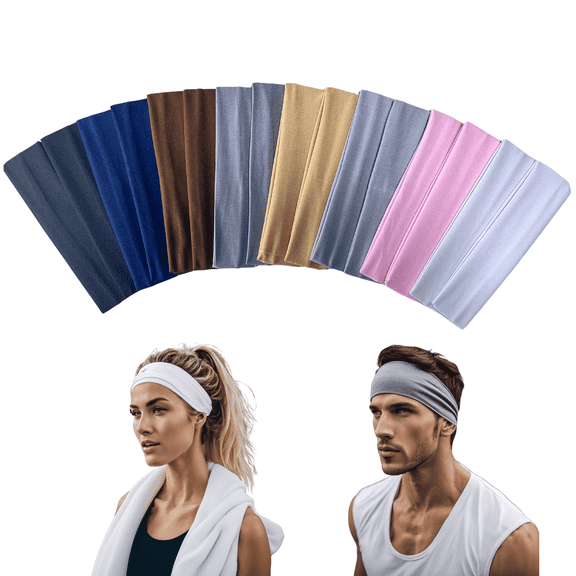
If you're shopping for running headbands mens or other gender-neutral styles, you should focus on fit and coverage first. You can usually get a more useful match by measuring tension, width, and fabric weight.
You can feel more prepared when your headband matches your pace, weather, and hair routine. You get steadier comfort, fewer mid-run adjustments, and cleaner focus from the first mile to the finish.