

Wood Routers | Router Tables | Router Bits + More

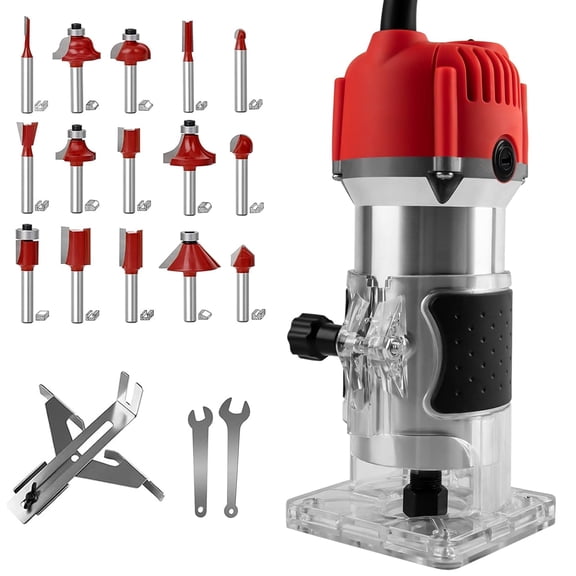


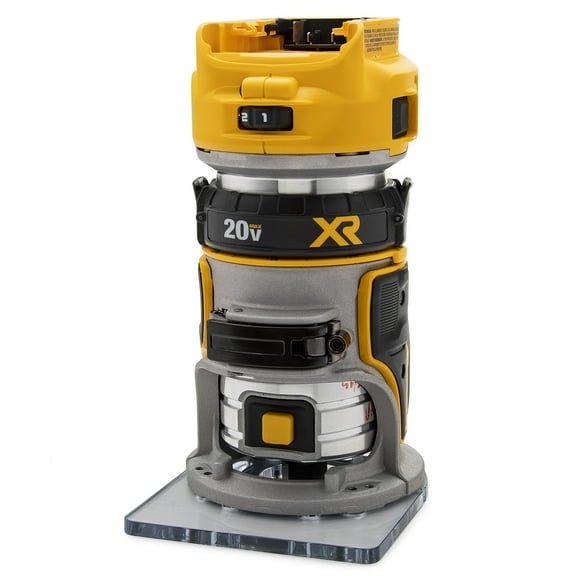

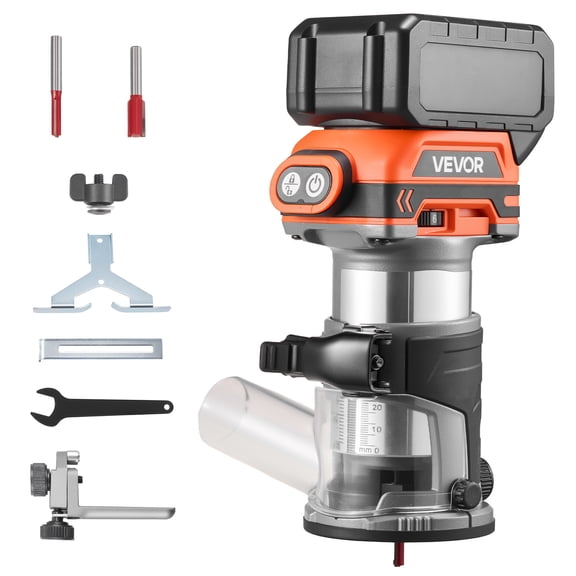
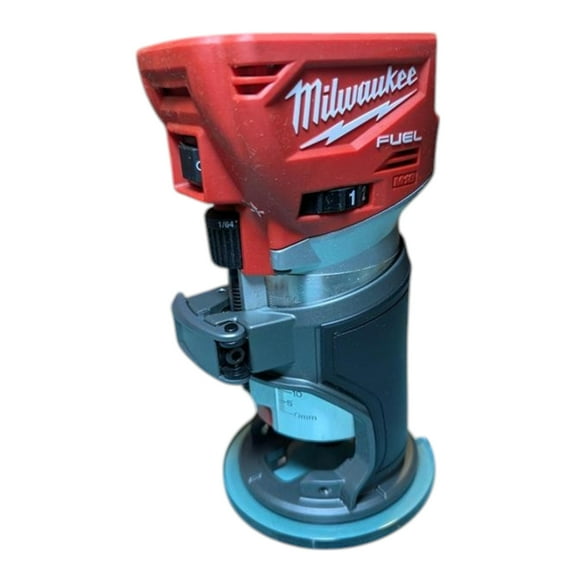


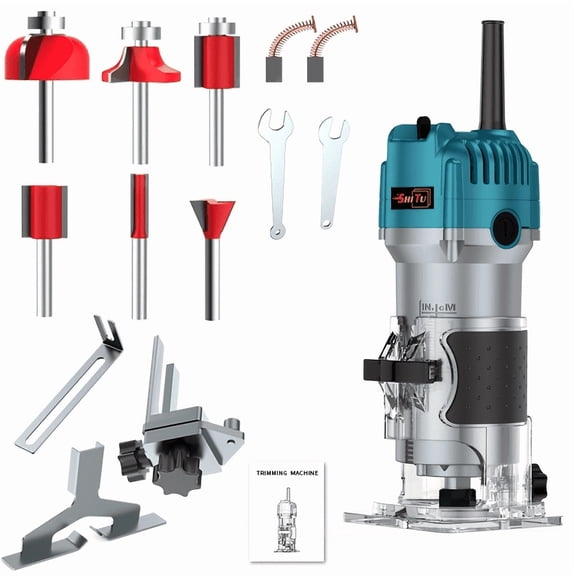


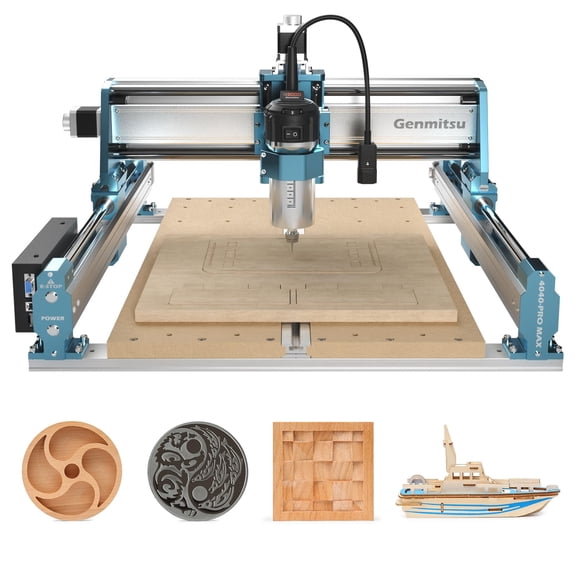
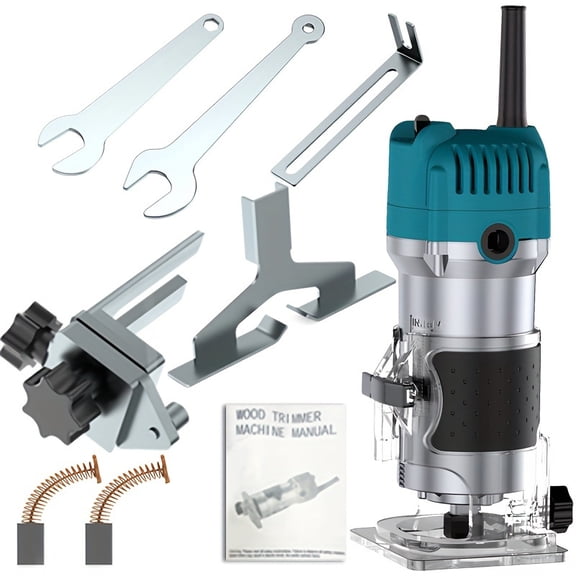


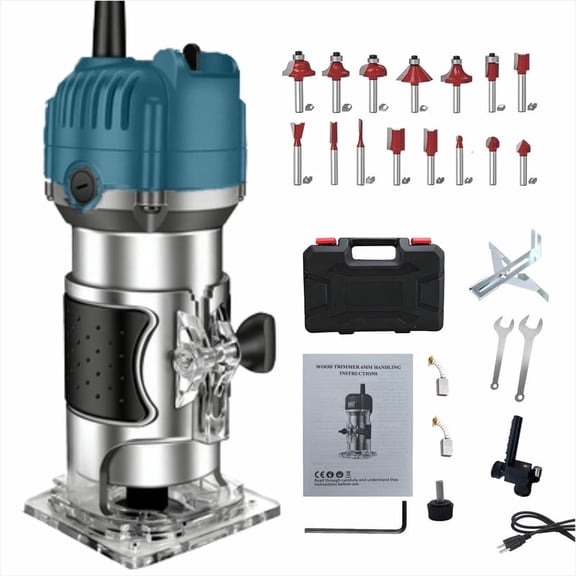









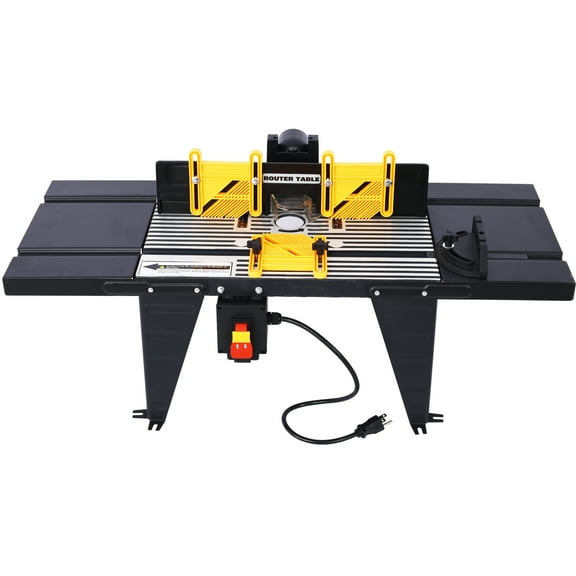
About Wood Routers | Router Tables | Router Bits + More - Walmart.com
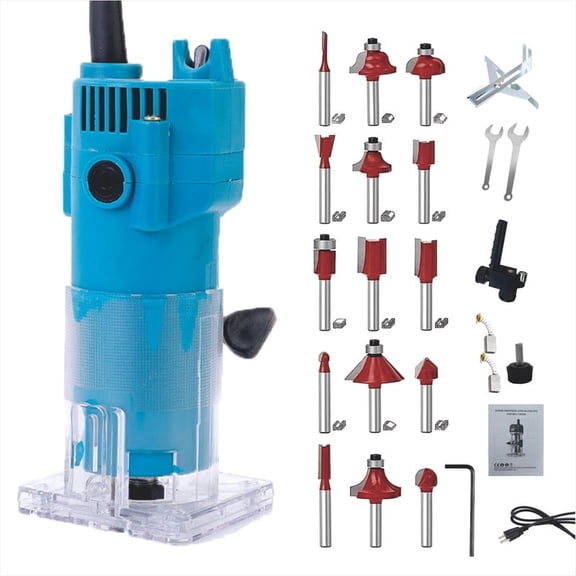
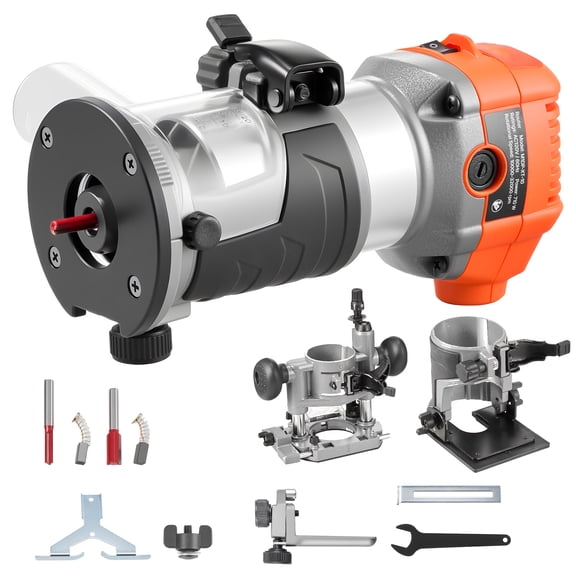
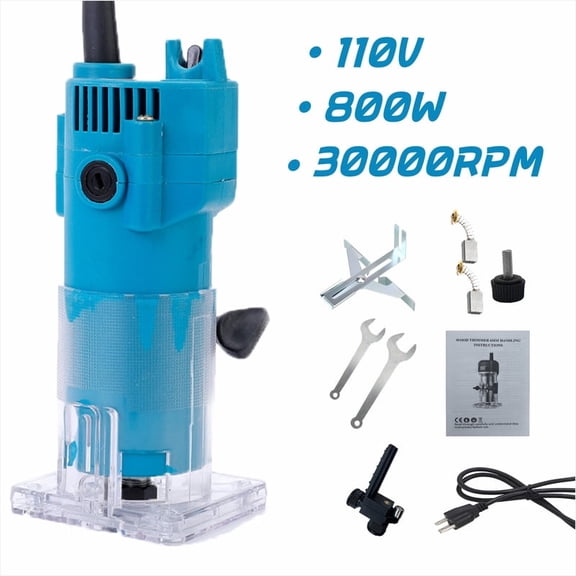
Woodworking routers help you shape edges, cut grooves, and trim joinery with precise control. You can compare router types, collet sizes, and power options to match your projects and your workspace.
If you’re building cabinets, trimming laminate, or cutting dadoes, you need clear buying guidance. You’ll find that understanding plunge action, fixed bases, and router table fit makes your choice easier.
Choosing the right wood router tool
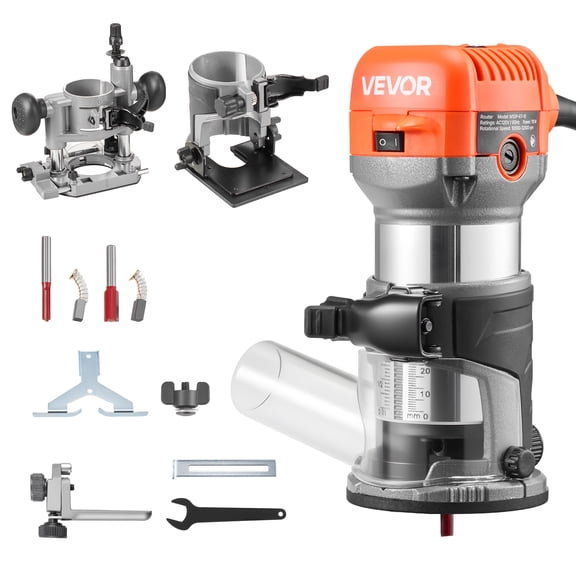
When you choose a wood router tool, you’ll want to start with router type. You can pick plunge, fixed-base, or combo designs based on how you cut.
A plunge router lets you lower the bit into the wood during a cut. You’ll want that option when your project starts in the middle of a panel.
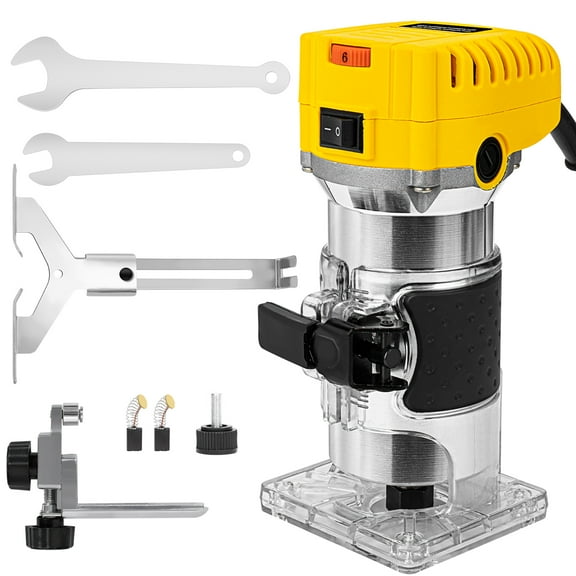
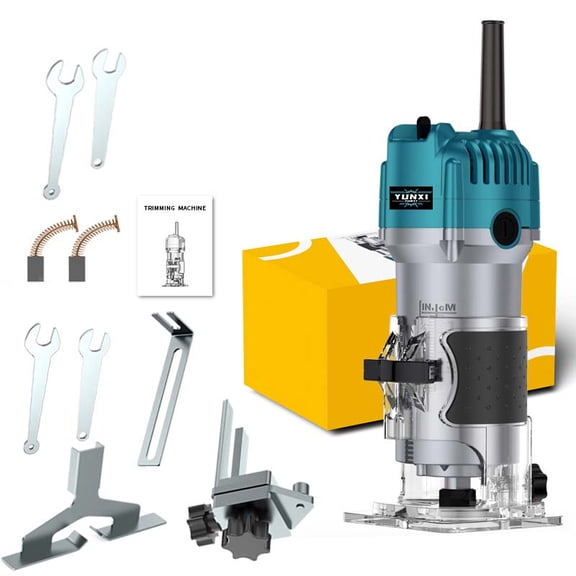
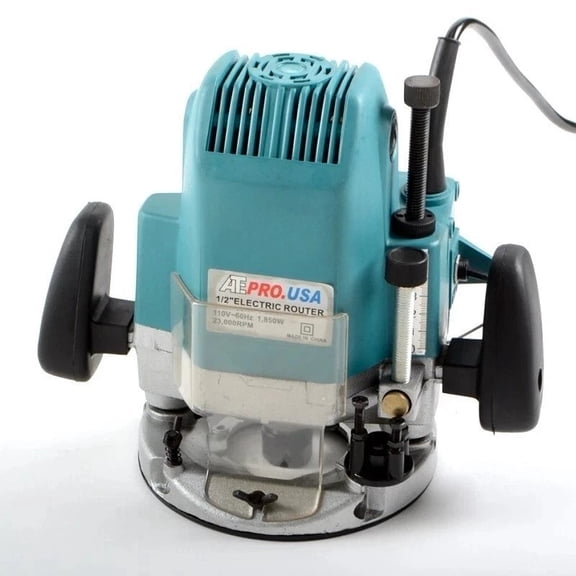
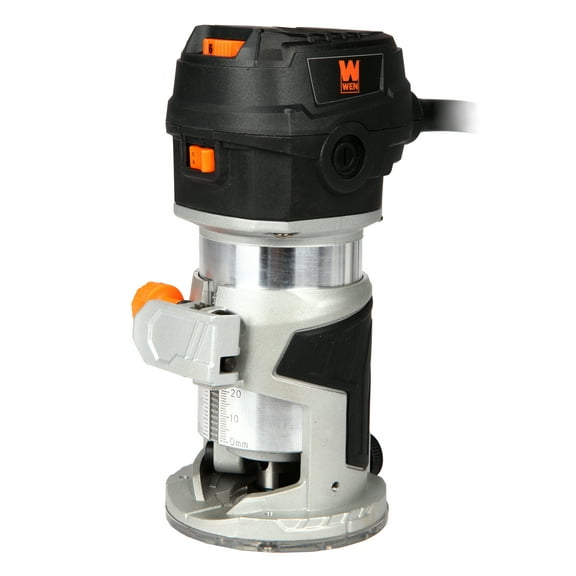
A fixed base router keeps the bit depth set for steady edge work. You may prefer that style when your project focuses on roundovers, chamfers, or flush trimming.
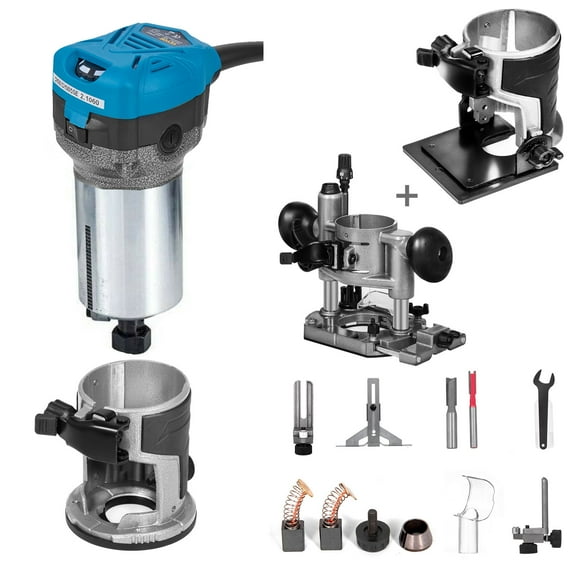
A combo setup gives you more flexibility with one motor and two base styles. You can switch between tasks when your work moves from edge profiles to stopped grooves.
- You can use plunge models for mortises, inlays, and interior cutouts.
- You can use fixed-base models for edging, trimming, and repeat passes.
- You can use combo kits when your projects include both detailed joinery and finish shaping.
Comparing woodworking routers by key features
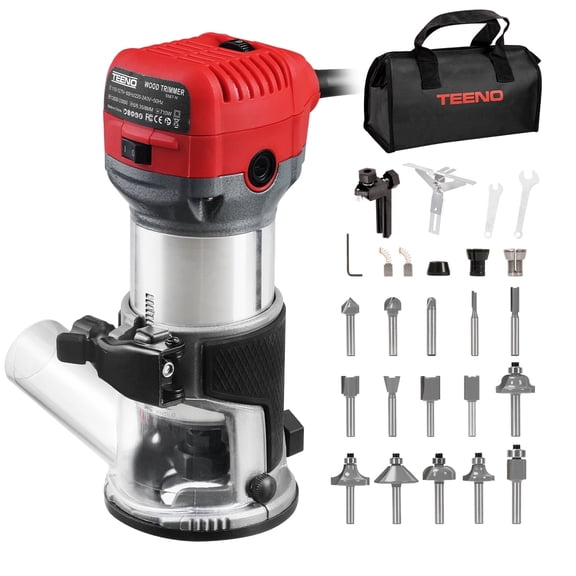
You should compare collet capacity before you choose among woodworking routers. Your router bits must match the collet size, so this detail affects what bits you can use.
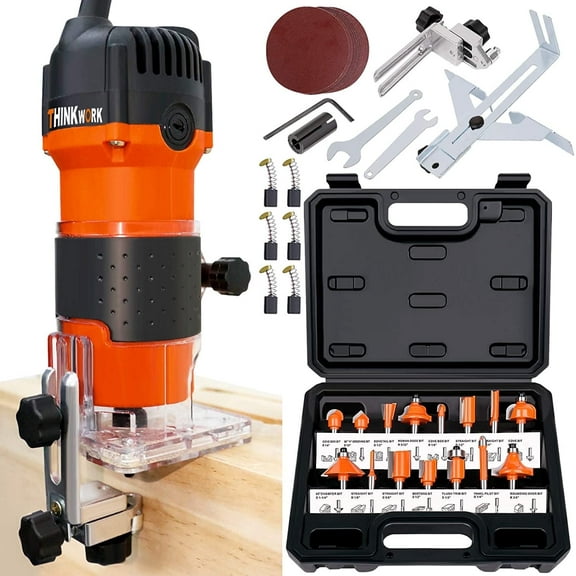
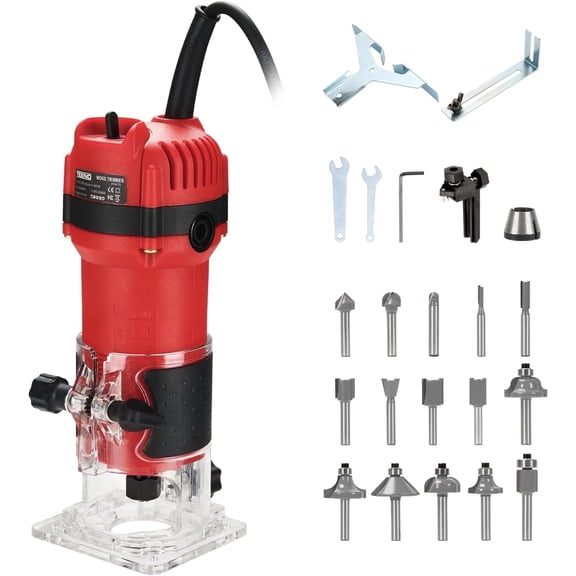
A 1/4-inch collet works for many light-duty bits and detail tasks. You may like it for trim work, sign making, and smaller profile cuts.
A 1/2-inch collet supports larger bits and steadier cutting in demanding jobs. You’ll often want it for raised panel bits, deeper passes, and heavier routing.
You should also compare motor power using the listed horsepower range. A 1.25 HP model can suit light shaping, while 2.25 HP or 3 HP tools handle tougher stock.
If you route hardwood often, you’ll want consistent power through longer cuts. You may find that a stronger motor helps maintain smoother progress with larger bits.
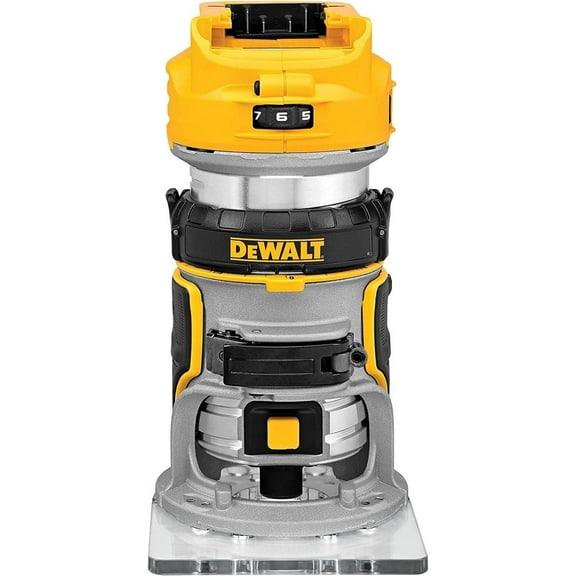
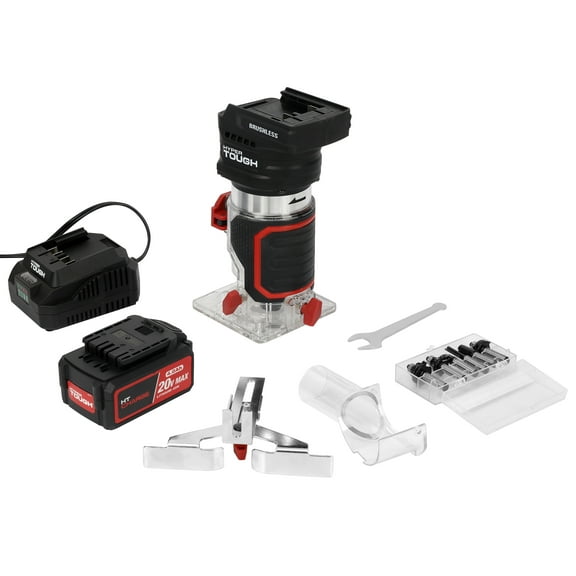
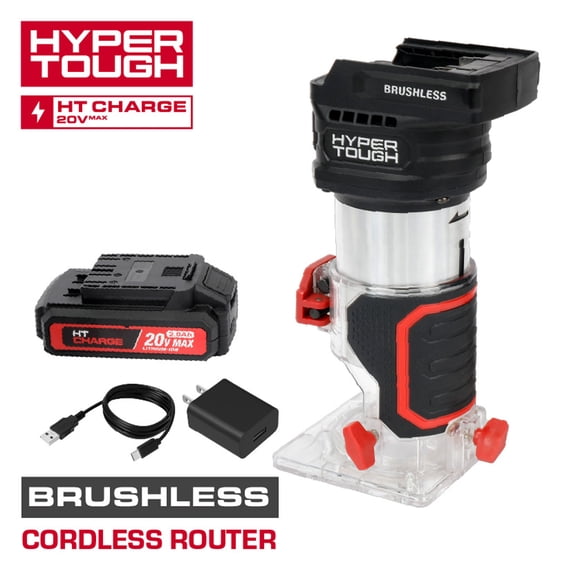
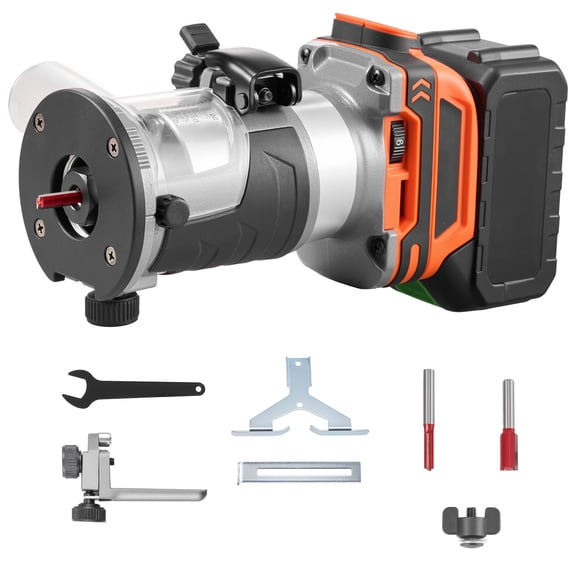
Power source matters when you compare an electric hand router for different work areas. You can choose corded models for steady output or cordless models for easier movement.
Corded options help you work longer without stopping for charging. Cordless options help you move around a jobsite or small shop with fewer setup limits.
Plunge router and fixed base router decisions
You should match the base style to the way your cuts begin and end. A plunge router works well when your cut starts inside the board rather than at an edge.
You may need that plunge action for hinge mortises, inlays, and stopped dadoes. A fixed base router works well when you guide the bit along an outside edge.
If you’re shaping tabletops, shelves, or face frames, a fixed base router can feel predictable. You’ll appreciate that stable feel when you repeat the same profile many times.
You should consider a combo unit if your projects change from one build to the next. You can keep one motor and swap bases instead of learning two separate tools.
Depth adjustment also matters when you compare these designs. You’ll want clear markings and smooth adjustment when your cuts need repeatable depth from pass to pass.
Checking router table and bit compatibility
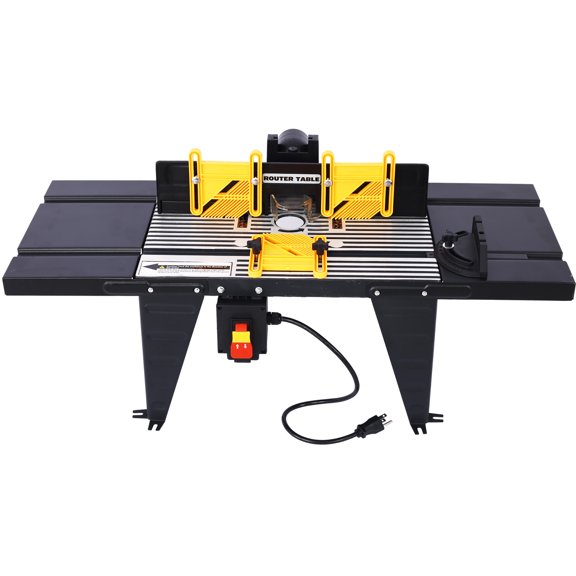
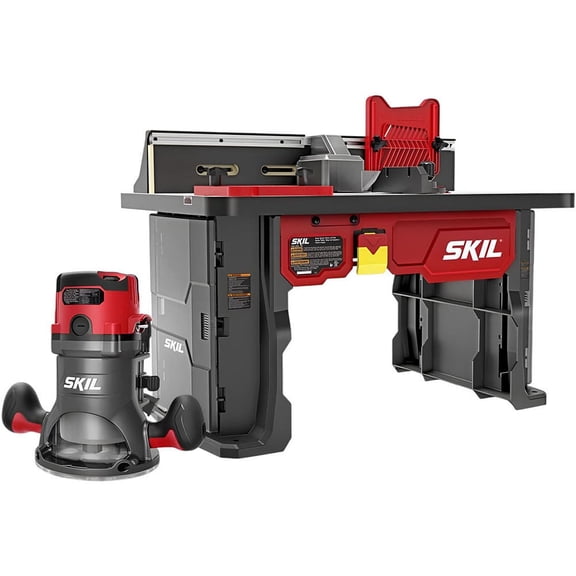
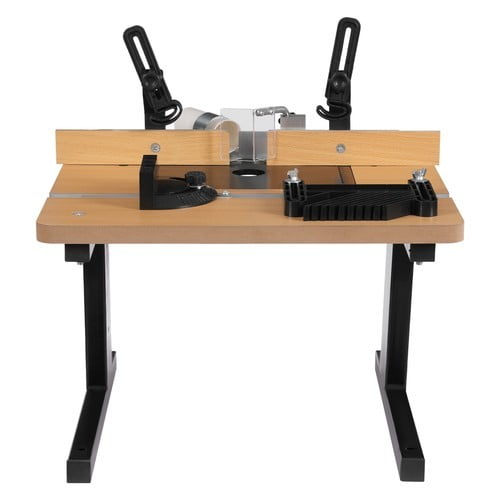
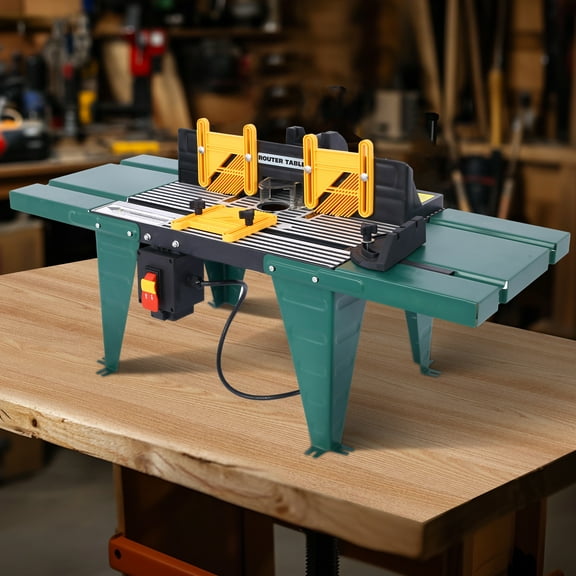
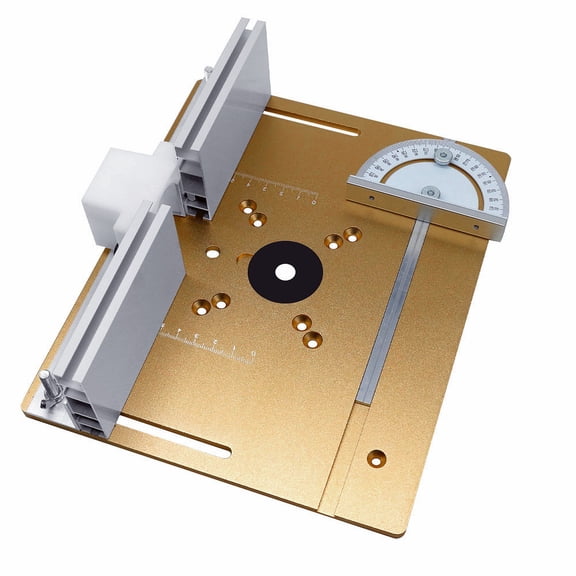
You should confirm router table compatibility before you commit to a model. Your mounting plate, screw pattern, and base shape need to line up with your table setup.
If you already own a table, you should check whether the base accepts that mounting pattern. You’ll avoid extra setup steps when the router matches your plate and insert system.
You should also check whether the motor style suits table use for your workflow. Some shoppers want above-table adjustment access because it helps with frequent bit height changes.
Bit compatibility deserves the same attention because your existing accessories affect your next tool choice. You’ll want a collet size that fits the shanks you already keep in your shop.
If your bit collection includes larger shanks, you should focus on 1/2-inch capacity. If your work stays light and detailed, you may feel comfortable with 1/4-inch support.
Matching woodworking routers to your projects
You can narrow woodworking routers quickly when you match them to your usual builds. Your project list tells you whether portability, power, or routing depth matters most.
If you build cabinets, you may want a plunge model for dadoes and shelf pin layouts. If you trim laminate or soften edges, you may lean toward a fixed-base style.
If you work in a garage shop, you might prefer a corded router for longer sessions. If you move from room to room, you may prefer cordless convenience and simpler setup.
You should also think about material thickness before choosing motor power. Your lighter trim tasks may suit lower horsepower, while dense hardwood calls for a stronger setup.
When you compare these decision points carefully, you can choose with more confidence. You’ll end up with a router that fits your bits, your table, and your woodworking plans.