

Round Electrical Boxes & Junction Boxes




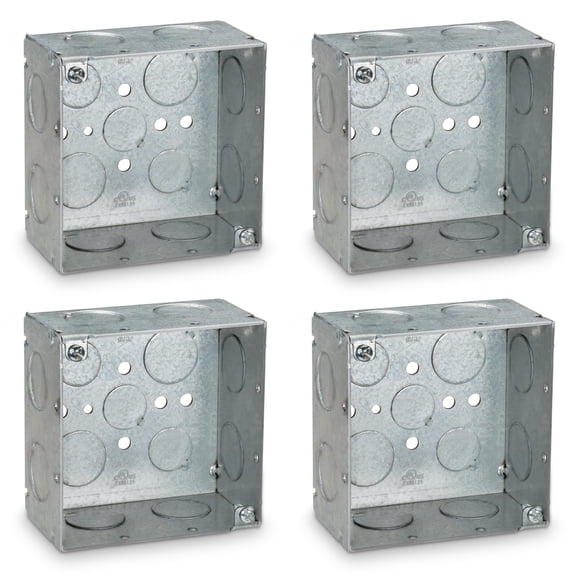
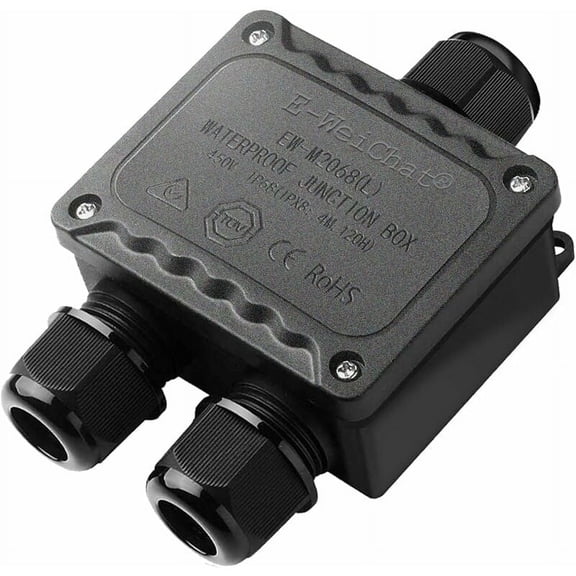







![IP68 Waterproof Electrical Junction Box Outdoor Underground Wire Connector Junction Boxes 3-Core Outdoor Wire Joint M16-3P Cables Range for 3.5-7MM, 7-10MM[3.5-7mm]](https://i5.walmartimages.com/seo/IP68-Waterproof-Electrical-Junction-Box-Outdoor-Underground-Wire-Connector-Junction-Boxes-3-Core-Outdoor-Wire-Joint-M16-3P-Cables-Range-3-5-7MM-7-10M_49da7656-54b8-40c3-9b1f-4eec57e840b5.60f64906cfb6f609aaa2282739eae45f.jpeg?odnHeight=576&odnWidth=576&odnBg=FFFFFF)
About Round Electrical Boxes & Junction Boxes - Walmart.com
You can narrow a round electrical box by comparing material, diameter, depth, and application before you start your wiring plan. You can also avoid fit issues around fixtures, switches, and fan-rated installs when your box matches your project.
Instead of treating every round opening the same, you can use this guide to compare box traits that affect support, cover fit, and conductor space. When you’re replacing a round plug box or planning new work, you can focus on details that matter for ceiling and wall layouts.
Choosing round electrical box sizes and materials
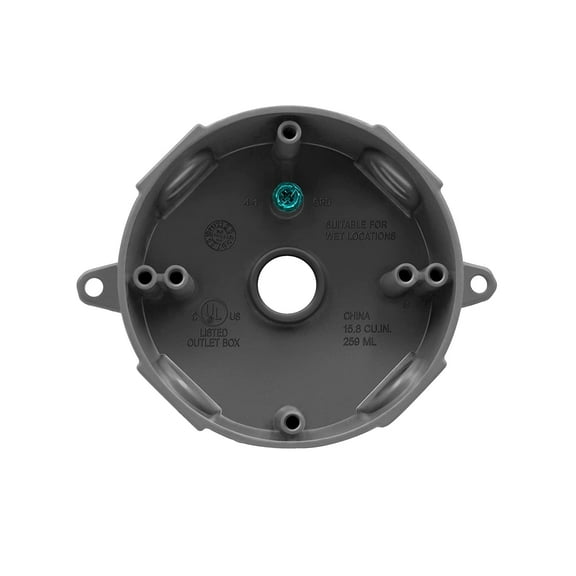
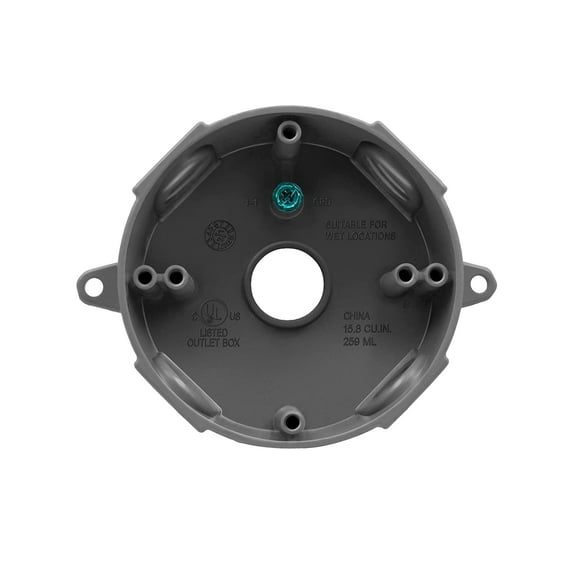
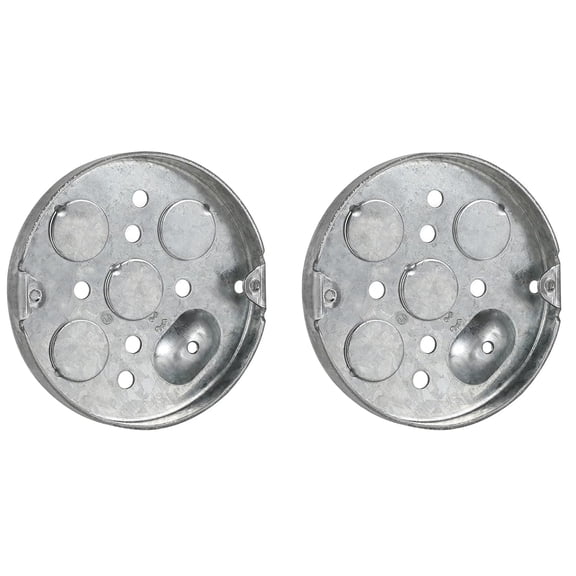
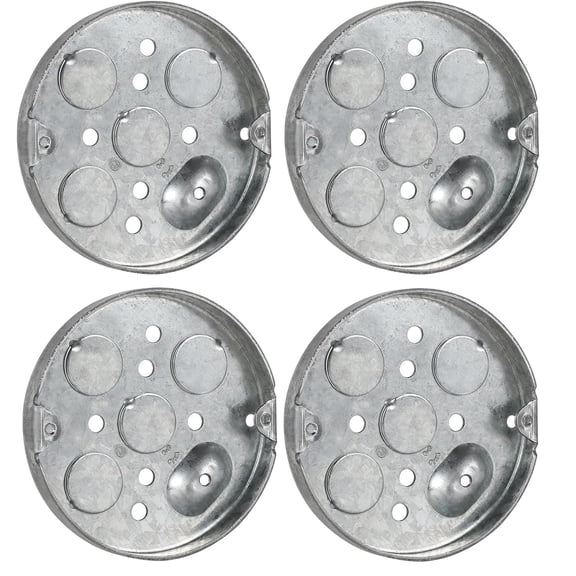
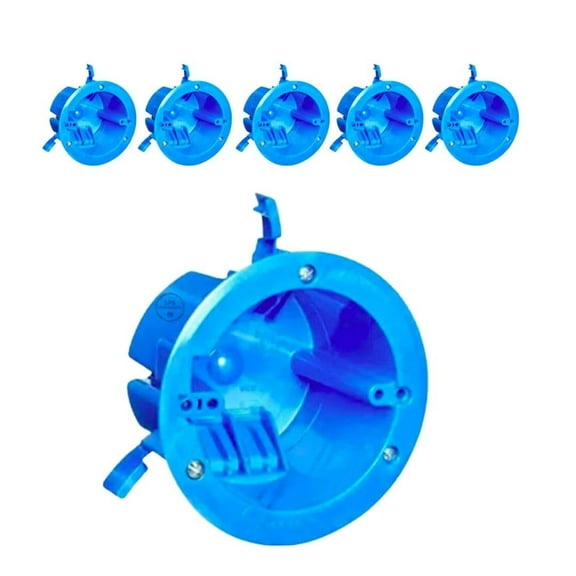
When you compare round electrical box sizes, you can start with diameter because cover fit and fixture coverage depend on that measurement. Many projects call for a 4 inch round plastic electrical box, while others need a 6 inch round electrical box.
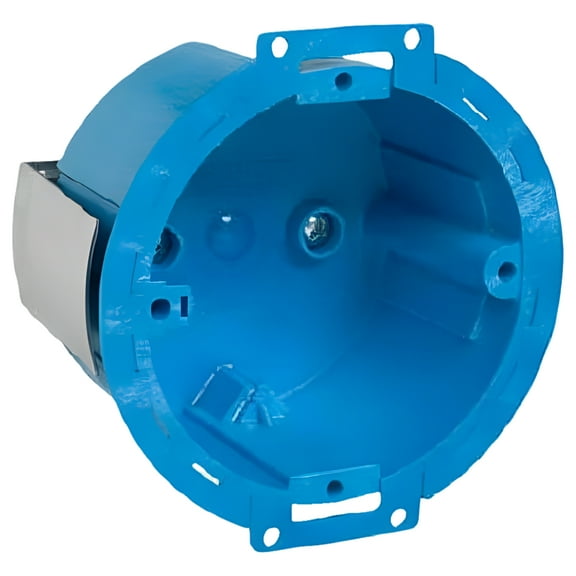
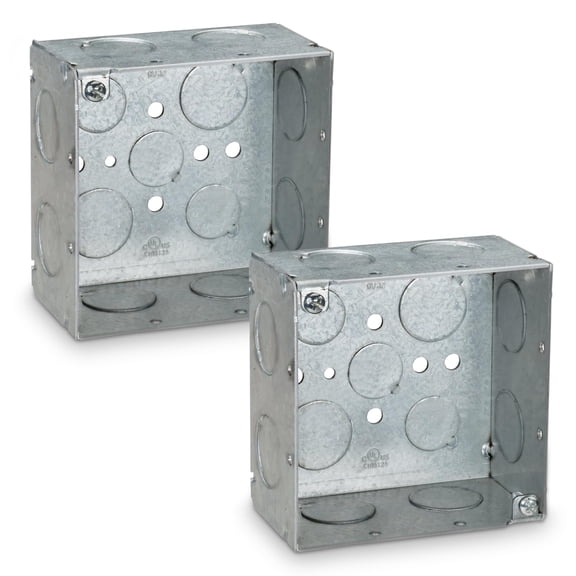
For material, you can compare plastic and metal based on your wiring method and mounting needs. If you use nonmetallic cable, you may prefer plastic, while metal fits conduit runs and requires grounding.
Depth matters because your conductor count, clamps, and fixture leads need enough interior room. If your setup includes more splices, you can look at box volume in cubic inches and consider a deep round electrical box.
- You can match 4-inch boxes to many light fixtures, covers, and standard ceiling openings.
- You can use 6-inch boxes when your fixture base needs wider coverage or added interior room.
- You can compare plastic and steel bodies by wiring method, grounding needs, and mounting style.
- You can review standard, deep, and adjustable-depth options based on box fill and finished surface alignment.
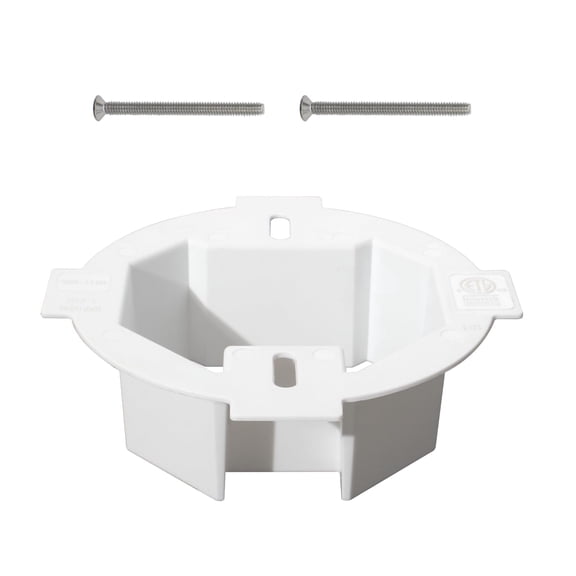
Because finished surfaces vary, you can also compare an adjustable depth round electrical box for flush alignment. If your wall or ceiling includes tile, paneling, or drywall, you can check whether depth adjustment fits your finish.
What to look for in an electrical circle box
As you compare an electrical circle box, you can separate outlet, switch, and fixture applications before choosing covers or hardware. A circular outlet box may suit one opening, while a round switch box may need different support details.
For light fixture projects, you can check canopy coverage, mounting holes, and box compatibility before cutting or replacing the opening. Those details help your trim sit neatly and help your hardware line up with the box.
Ceiling projects need extra attention because listed weight ratings in pounds affect what your box can support. If your project includes a fan, you can verify fan-rated support and framing attachment instead of using a basic light box.
Remodel plans also change your choice because mounting methods differ between finished surfaces and open framing. You can use old work styles for existing walls or ceilings, while new work brackets attach before drywall installation.
Comparing round junction box sizes and depth
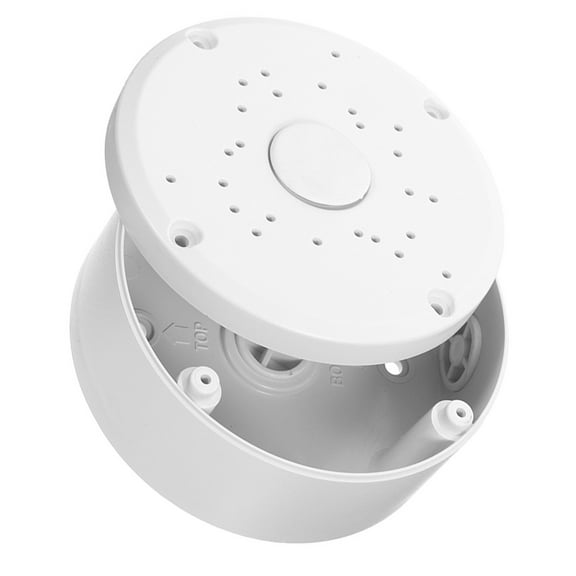
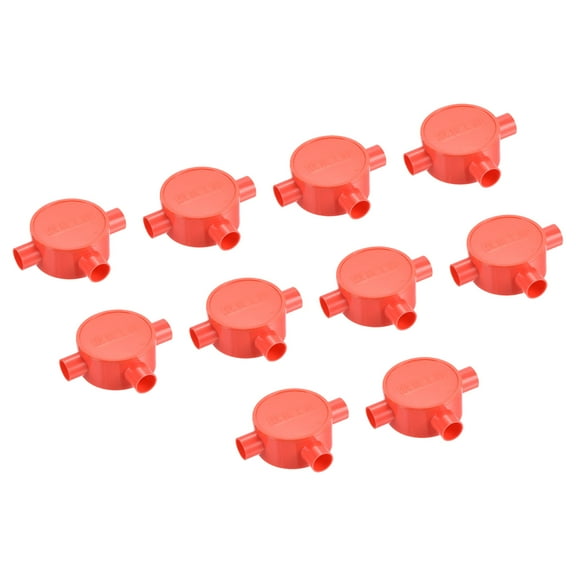
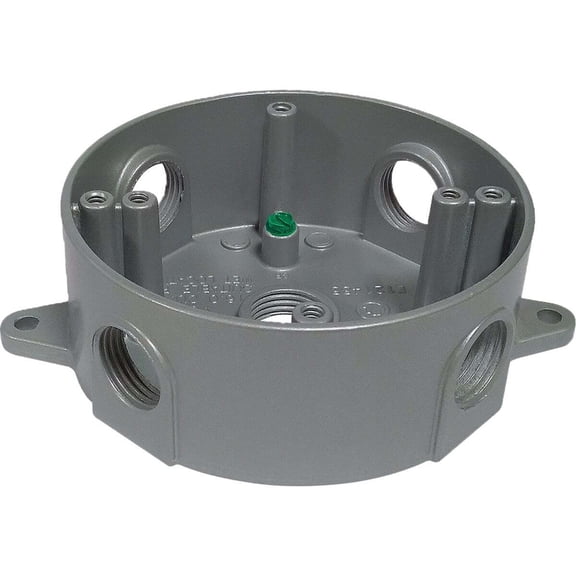
If your project focuses on splices, you can compare round junction box sizes based on conductor count and cover style. Round junction boxes often serve as central ceiling connection points where a fixture canopy hides the enclosure.
Box fill is a decision-critical detail because each conductor and connector takes interior space. You can check cubic inch capacity against your wiring plan so your enclosure fits the number of conductors you’re running.
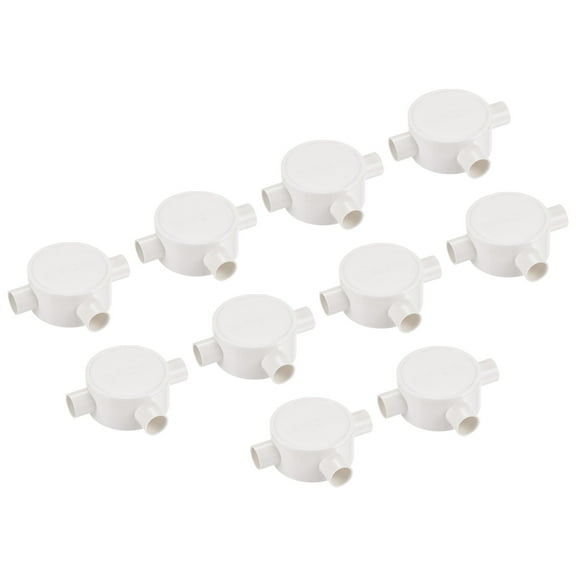
Some layouts need a round plastic junction box for nonmetallic cable, while other layouts call for steel construction. You can compare knockouts, cable entry points, and grounding requirements before settling on the material.
Where finishes vary, you can review standard and adjustable options with the same care as diameter. An adjustable model can help your cover sit flush, and a deep model can help when your setup includes extra fixture leads.
Matching application type to your project
For a wall device opening, you can compare a circular outlet box or round switch box by support style and cover compatibility. That approach helps your device opening match the plate, mud ring, or trim you plan to use.
In ceiling spaces, you can use a round light junction box where the shape stays hidden behind a fixture canopy. Before you choose one, you can measure the fixture base so the opening stays covered after installation.
Fan projects call for more than shape alone, so you can review listed support information and attachment style. If your box connects to framing with fan-rated hardware, you can match it to moving ceiling equipment.
During remodel work, you can compare clamp styles and bracket formats with plaster, drywall, or panel surfaces. That check helps your box fit the opening you already have and helps your finished cover align with the surface.
How to choose a round electrical box with confidence
You can make a sound decision by checking material, diameter, depth, and application in that order. That process helps your round electrical box match your wiring method, fixture support needs, and cover fit.
With the right combination of box volume, weight rating, and mounting style, you can complete a neat installation path. You can also reduce mismatched covers, crowded splices, and alignment issues at the finished surface.