

Rose Wallpaper & Floral Peel and Stick Wallpaper | Walmart
































About Rose Wallpaper & Floral Peel and Stick Wallpaper | Walmart - Walmart.com
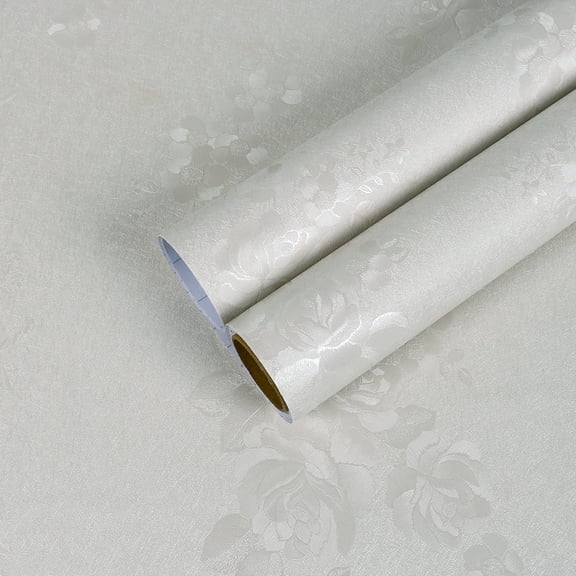
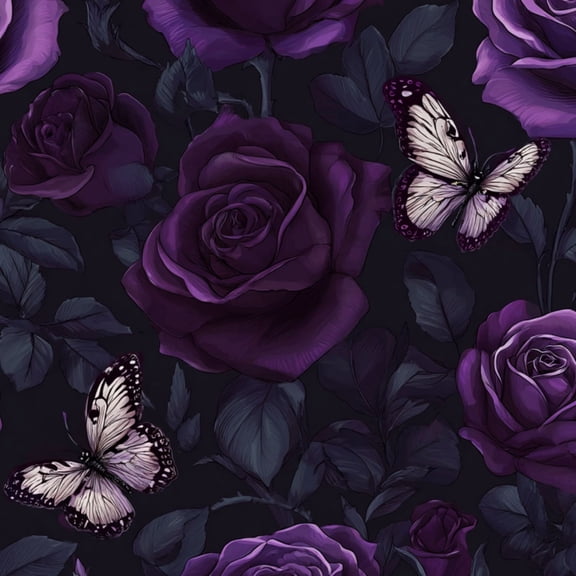
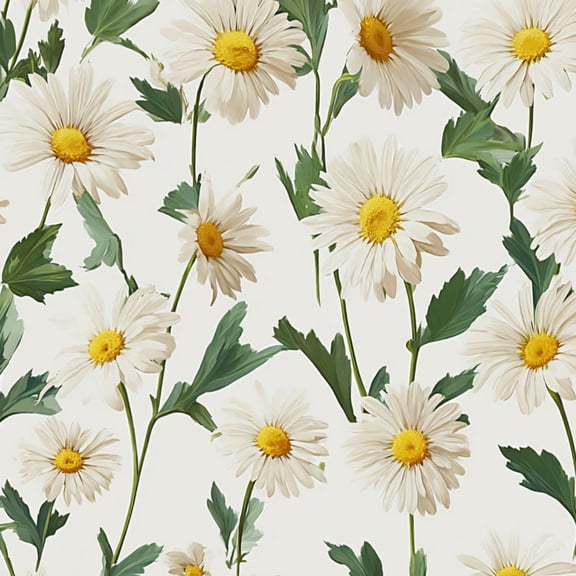
Rose wallpaper helps you turn a blank wall into a focal point with color, pattern, and texture. You can compare peel and stick, pre-pasted, and non-pasted options to match your room and project plan.
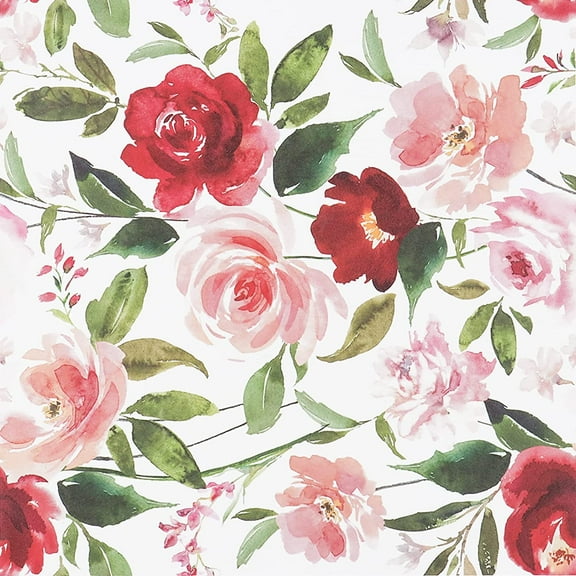
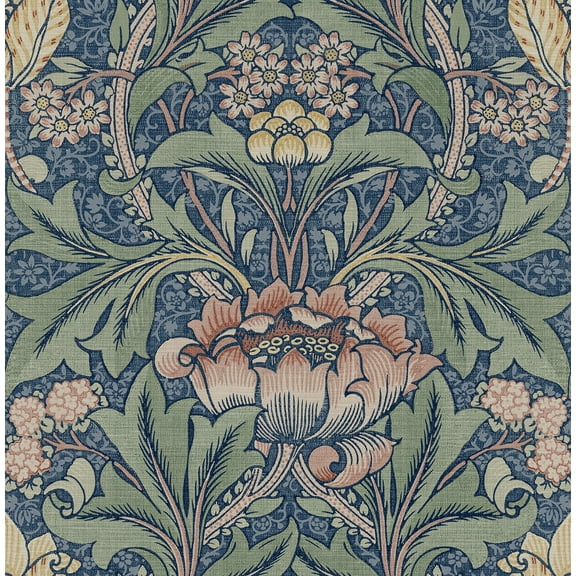
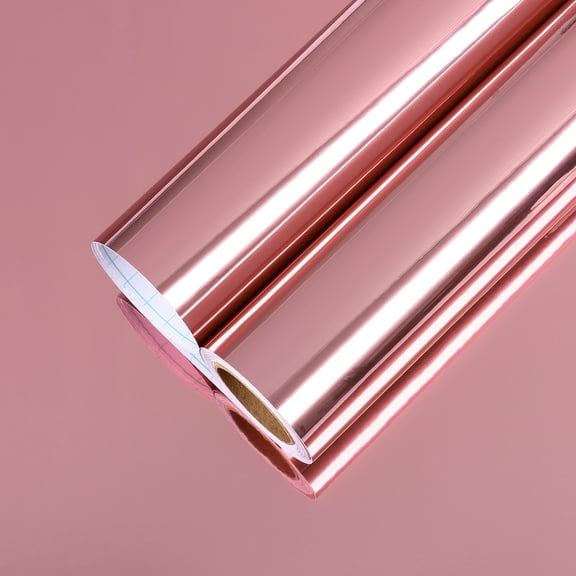
If you want a softer floral look, you can choose rose floral wallpaper in vintage, watercolor, or botanical prints. If you want a sleeker accent, you can also compare metallic rose gold-tone looks for walls, shelves, or drawers.
How to choose rose wallpaper by application type
You should start with application type, because installation style affects setup time and future removal. You can usually reposition peel and stick designs more easily, while pre-pasted and non-pasted styles may suit longer room updates.
When you compare rose wall paper options, you should think about who installs it and how permanent you want it to feel. You may prefer self-adhesive rolls for renter-friendly updates, or you may choose pasted options for a traditional wallcovering approach.
Your tools also shape the project, so you should check what each application type needs before you begin. You may only need a smoothing tool, utility knife, measuring tape, and level for many self-adhesive designs.
For pre-pasted or non-pasted styles, you may need paste, water trays, brushes, or seam rollers. You can avoid surprises when you read the install method first and match it to your comfort level.
What to look for in floral peel and stick wallpaper
You should compare wall prep, removal goals, and wall condition before choosing floral peel and stick wallpaper. You can usually get a smooth result when your walls are clean, dry, and free from heavy texture.
If easy removal matters, you should check product details for repositionable or removable construction. You can use that detail to narrow options that fit apartments, dorm rooms, playrooms, or short-term room updates.
- You can update an accent wall without mixing paste.
- You can compare removable styles when your decorating plans may change.
- You can choose floral patterns that soften hard lines from furniture and trim.
- You can use rose peel and stick wallpaper to test a bold print before covering a larger room.
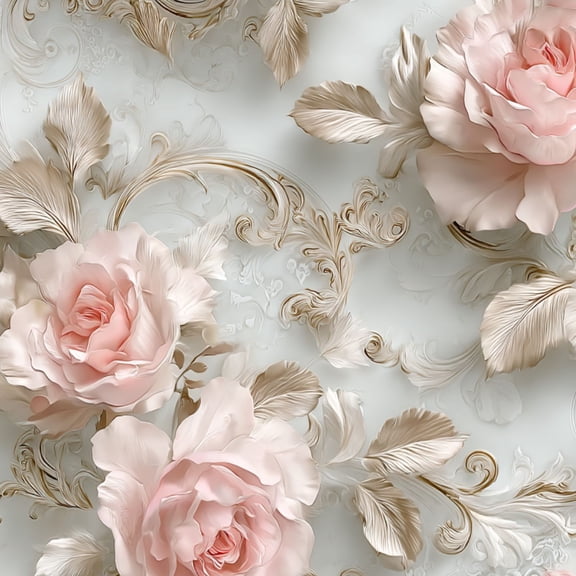
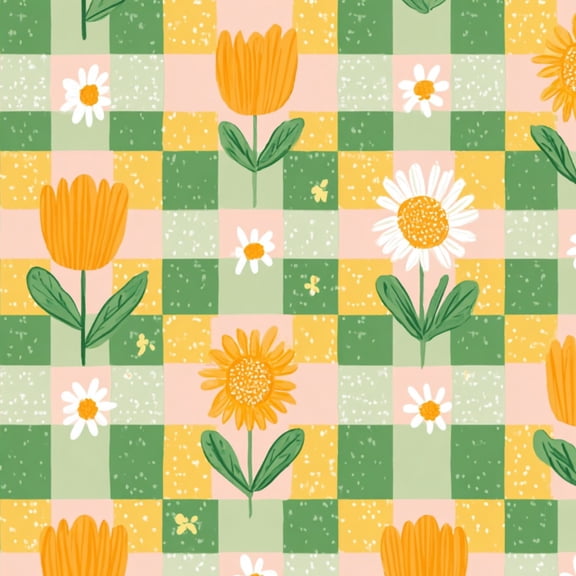
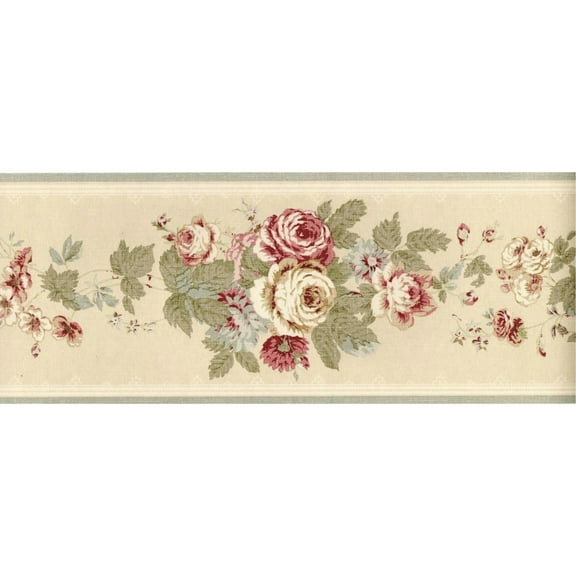
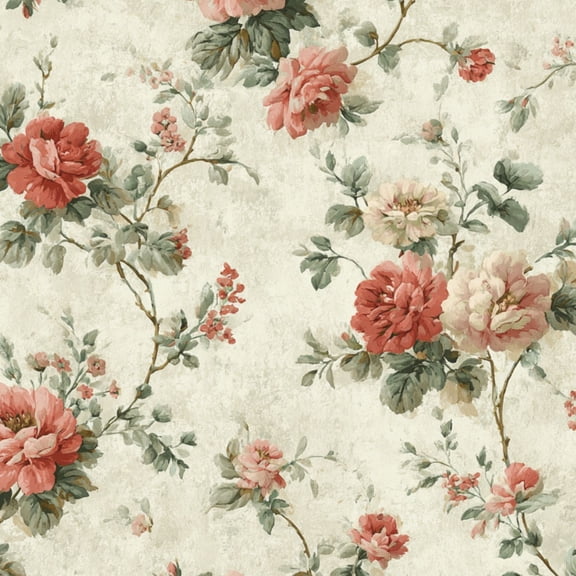
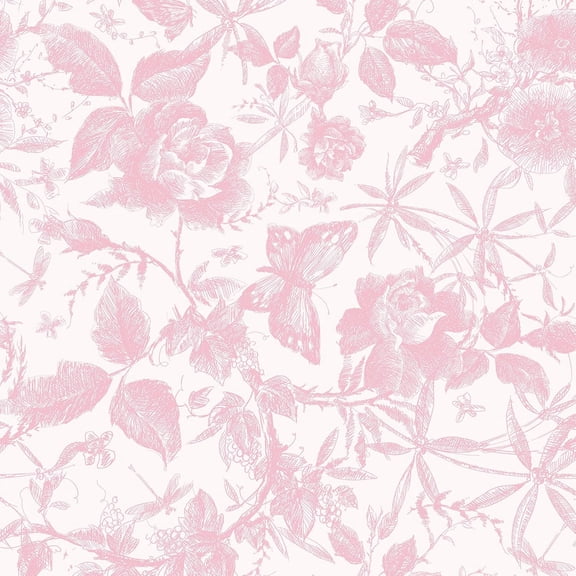
Your design choice matters as much as the install method, because pattern scale changes how your room feels. You can use vintage floral roses for a classic bedroom, or pick watercolor blooms for a lighter look.
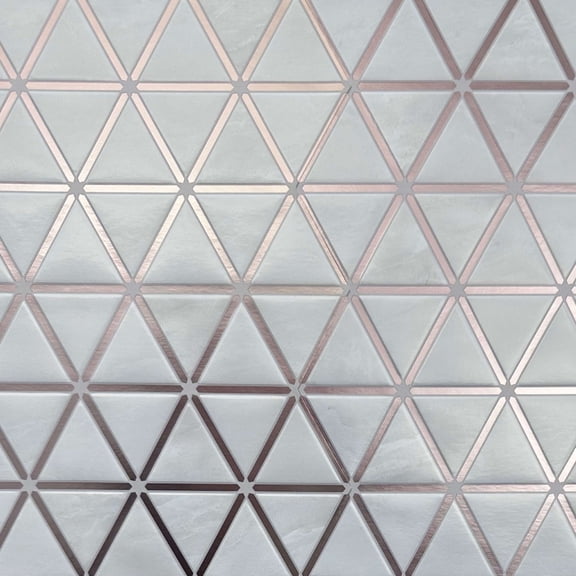
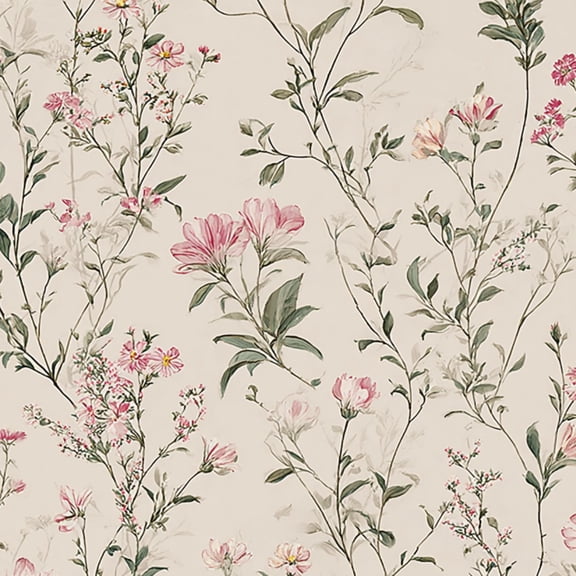
If your room has clean lines, you may like a modern geometric print with rose details. You can also choose botanical designs when you want leaves, stems, and blossoms to create a fuller garden-inspired wall.
Choosing finish, texture, and room placement for rose wallpaper
You should compare matte, glossy, metallic rose gold-tone, and textured vinyl finishes based on light and wall condition. You can notice matte surfaces mute glare, while glossy finishes reflect more light in smaller spaces.
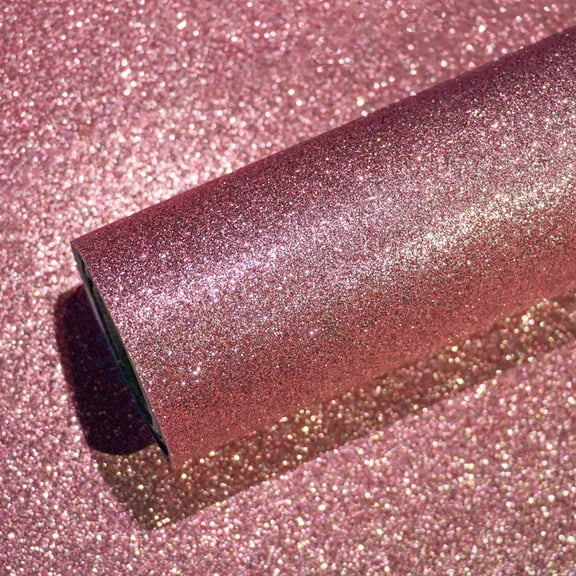
If you want shimmer, you can consider metallic rose gold-tone details that echo mirrors, lamps, or hardware. You may also use a rose gold-tone contact paper look on drawers or shelves when you want that style on compact surfaces.
Textured vinyl deserves a closer look when you’re decorating busy rooms or areas with occasional splashes. You should check whether the product features a vinyl coating, because that detail often supports easier wipe-clean care.
For a powder room, you may want wallcoverings with moisture-friendly construction and a smoother face. You should still review placement guidance, because direct water exposure and full-room humidity needs can vary.
If you’re planning rose wallpaper for bedroom walls, you can use softer palettes and larger blooms for a calm backdrop. You may prefer tighter repeats in small bedrooms, because dense prints can look balanced without overwhelming your space.
For a nursery or living room, you can compare print scale with your furniture and wall length. You can often make the pattern feel more intentional when colors echo bedding, curtains, or framed art.
How to measure rolls and plan your layout
You should measure wall width and height first, then compare that total with each roll’s coverage. You can get a clearer estimate when you subtract large windows and doors after measuring the full wall area.
Pattern repeat is a decision detail, because it affects how much wallpaper you may actually use. You should expect larger repeats to require extra material, since you can align the design from strip to strip.
Match type also matters when you calculate rolls, and you should check whether the pattern uses straight or drop matching. You can reduce waste when you understand that drop matches may need more planning at the cut stage.
If you’re covering a single accent wall, you may only need a few rolls depending on ceiling height. You should compare square footage carefully, because roll length and width can vary across designs.
Before you start hanging, you should map where seams will land around windows, corners, and headboards. You can create a cleaner finished look when you center a large rose motif on the wall’s main viewing area.
Matching rose wallpaper to real rooms
You can use watercolor roses in a nursery when you want a gentle pattern that pairs with soft textiles. You may prefer peel and stick formats there if you expect your decor style to change over time.
In a living room, you can place botanical or vintage floral prints behind a sofa or media console. You can often get a more intentional result when your wallpaper colors echo pillows, curtains, or framed art.
For a bedroom, you can position rose floral wallpaper behind the bed to create a headboard effect. You may choose matte finishes for a quieter look, or metallic accents when you want more reflected light.
If you’re styling a powder room, you can use smaller-scale prints that wrap compact walls without feeling crowded. You should compare vinyl-coated options there, especially when you want easier upkeep in a moisture-friendly space.
You can also mix rose wall paper looks with painted walls when you want pattern without full-room coverage. That approach helps you define alcoves, reading corners, vanity walls, or upper wall sections with clear visual structure.
With the right application type, finish, and pattern repeat, you can choose rose wallpaper with fewer installation surprises. You can get a more polished room when your wallcovering matches your layout, tools, and everyday space.