

Roofing Nails & Roof Tacks






















About Roofing Nails & Roof Tacks - Walmart.com
Roofing nails help you fasten shingles, underlayment, and flashing with the right hold for roofing work. You can compare finishes, shank styles, head styles, and collation types to match your roof and tools.
If you're replacing damaged shingles or handling a reroof, you need hardware that fits the job. You can use this guide to compare coil roofing nails, galvanized roofing nails, and cap styles.
How to choose roofing nails for your project
Before you choose, you should check your roofing material, deck thickness, and installation method. You also need the right nail length so your fastener reaches into the roof deck securely.
For many asphalt shingle jobs, you may start with a 1-1/4 inch nail as a common reference point. You should still confirm your shingle layers and deck penetration needs before you choose.
As you compare options, you can focus on four decisions that affect fit and performance. You should look at material finish, collation type, shank type, and head style.
- You can choose hot-dip galvanized finishes when your project needs added corrosion resistance outdoors.
- You can select coil roofing nails when your nailer requires collated fasteners for faster installation.
- You can compare smooth shank and ring shank designs based on the holding power you want.
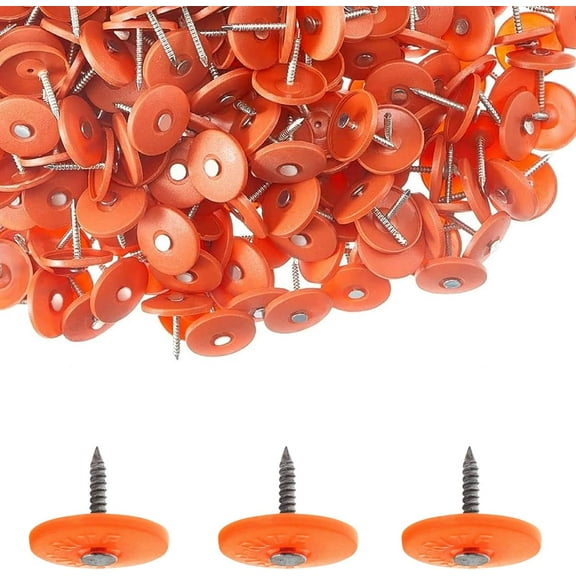
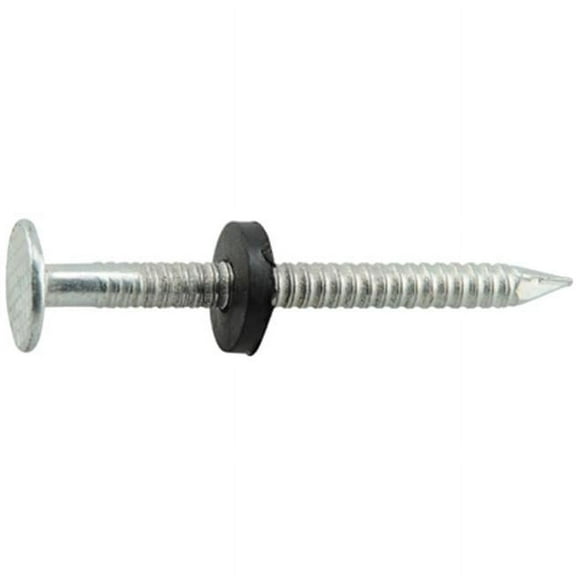
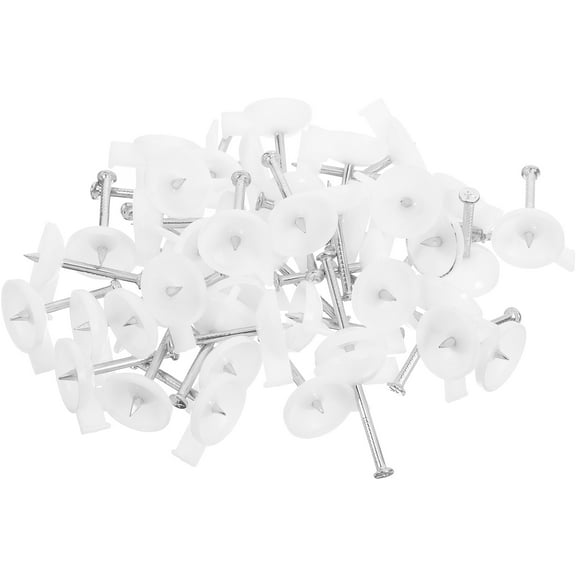
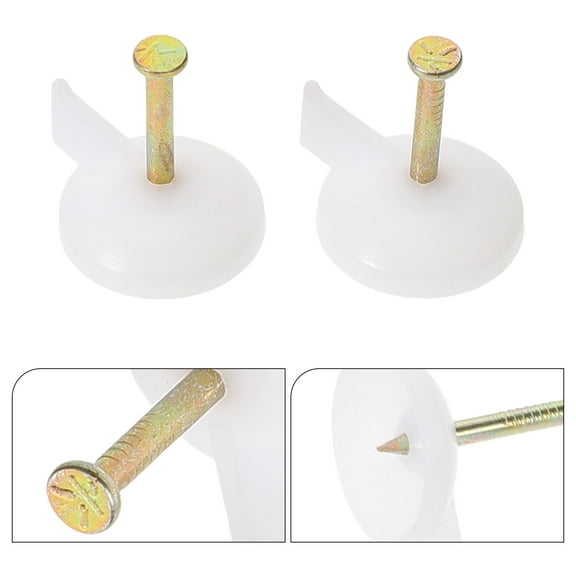
- You can use plastic cap roofing nails with felt paper, house wrap, and underlayment layers.
When you compare these attributes first, you can narrow your options faster. You can also avoid mismatches between your nailer, your roofing material, and your deck.
Choosing the right galvanized roofing nails
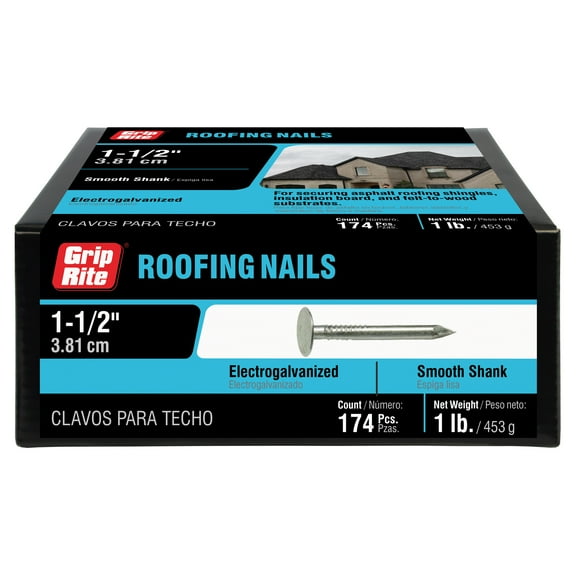
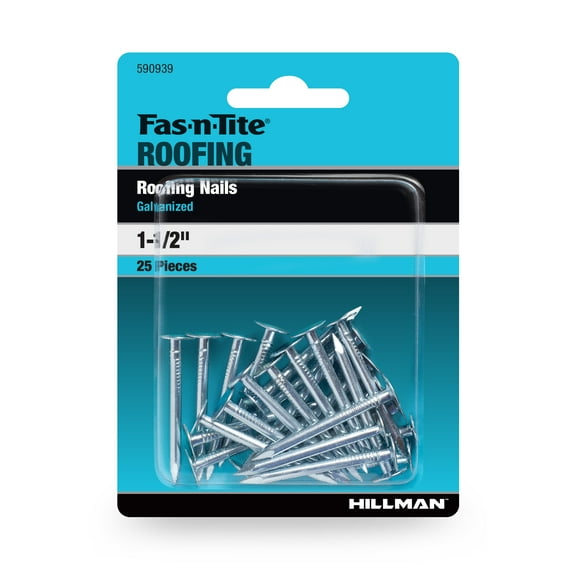
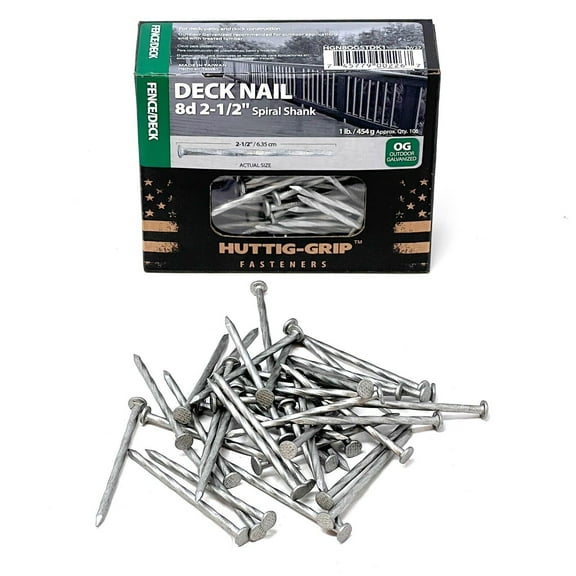
When you compare material finishes, you should start with the exposure your roof will face. You can use galvanized roofing nails when you want a finish commonly chosen for outdoor roofing applications.
Hot-dip galvanized nails have a thicker coating than electro-galvanized options. You may prefer hot-dip galvanized styles when you want added durability for long roof exposure.
Electro-galvanized nails can suit projects where you want a smoother, more uniform finish. You should always check manufacturer guidance for shingles, flashing, and other roofing components.
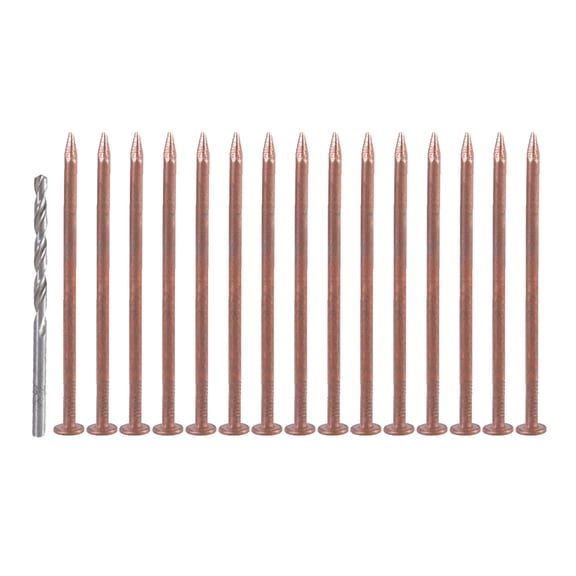
If your project calls for specialty materials, you can also compare stainless steel or copper options. You may choose those finishes when your roofing system requires a specific metal match.
Comparing coil roofing nails and hand-drive options
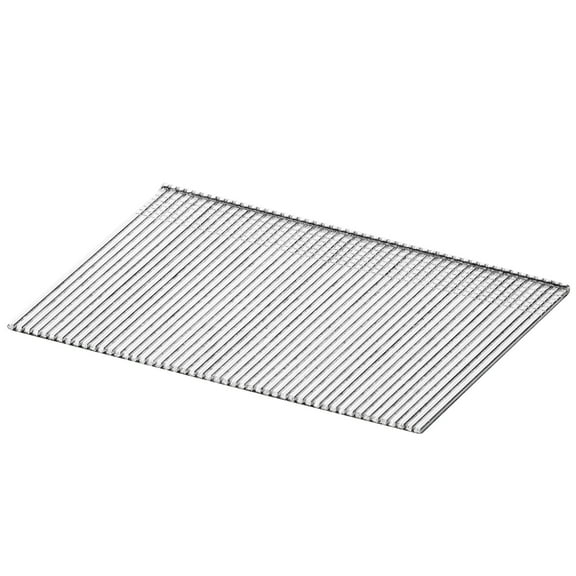
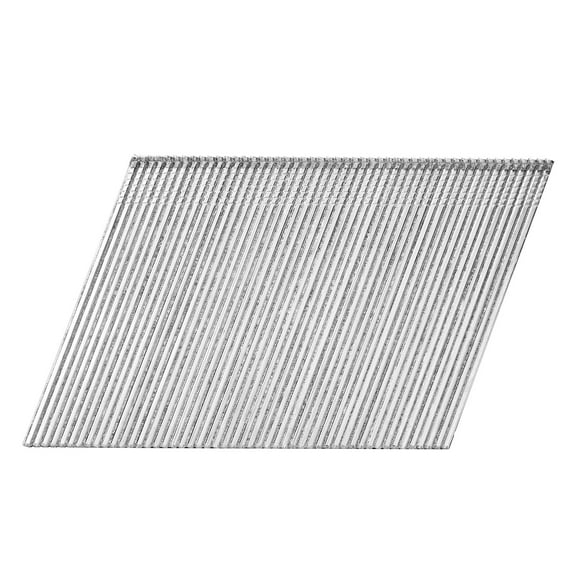
Tool compatibility matters because your fasteners need to match how you install them. You can choose coil roofing nails when you use a pneumatic nailer for repetitive roofing work.
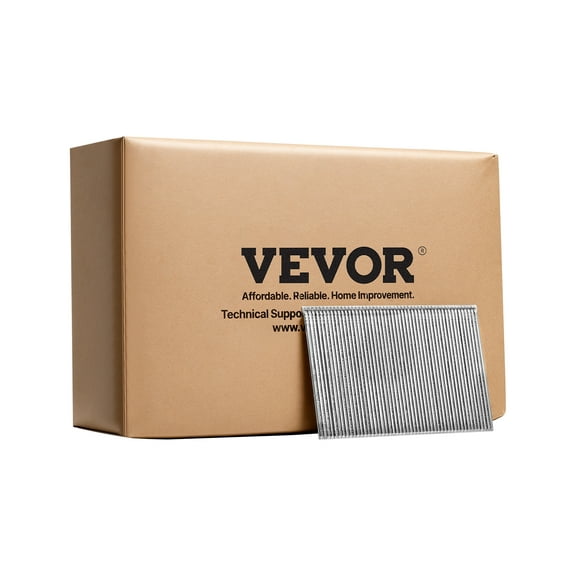
Coil roofing nails come collated for nailer loading, which helps you keep a steady workflow across larger sections. You should confirm collation style and nailer compatibility before you select a pack.
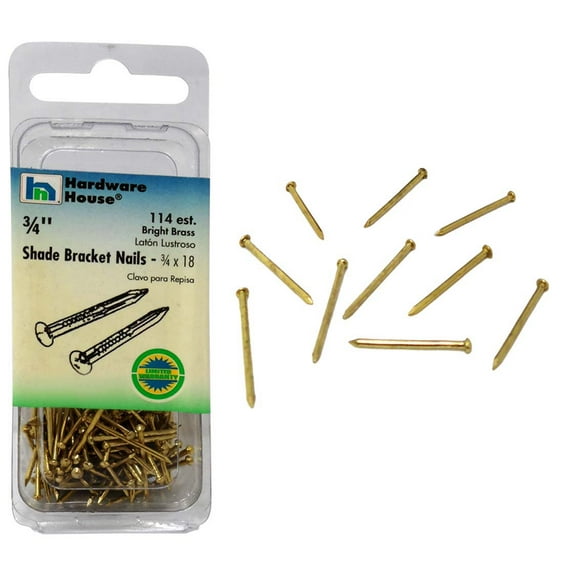
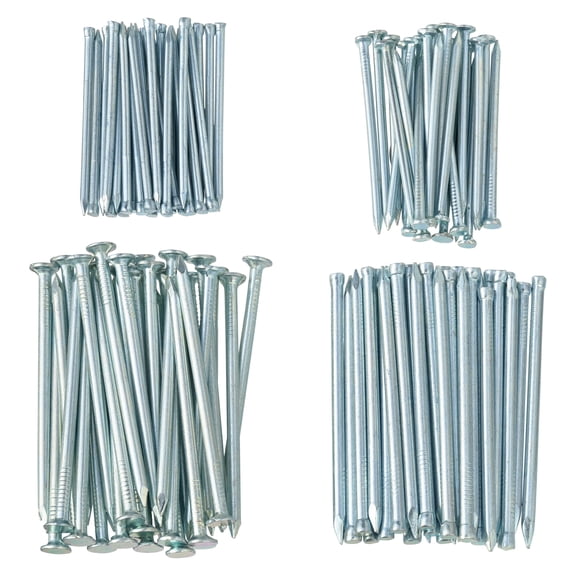
If you prefer manual installation, you can choose loose hand-drive nails for hammer use. You may find hand-drive options useful for small repairs, detail work, or tight spots.
When you compare these formats, you should think about project size and access. You can often move faster with collated nails, while hand-drive nails may suit precise placement.
What to look for in shank types and head styles
The shank affects how firmly your fastener grips the roof deck over time. You can compare smooth shank and ring shank roofing nails based on the holding power your project needs.
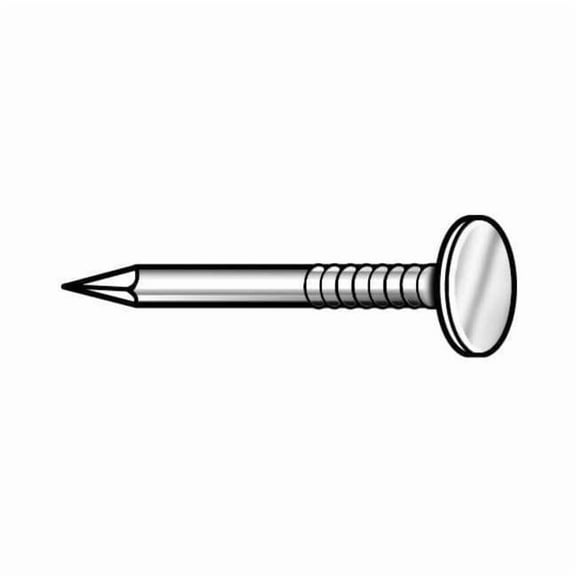
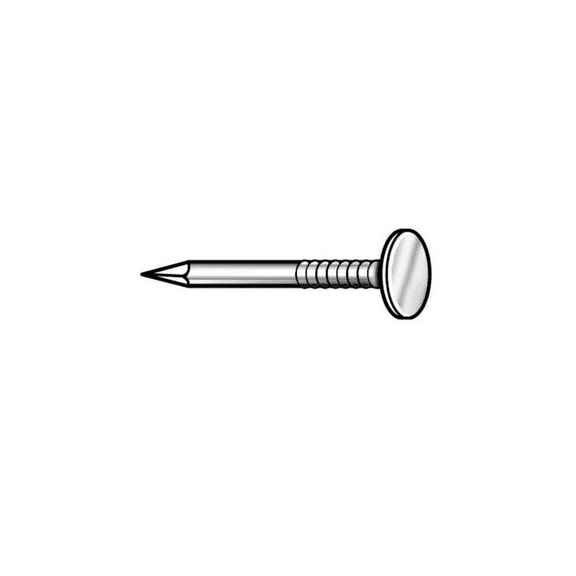
Smooth shank nails drive easily and fit many standard roofing tasks. You may choose ring shank roofing nails when you want extra grip from the ridged shank design.
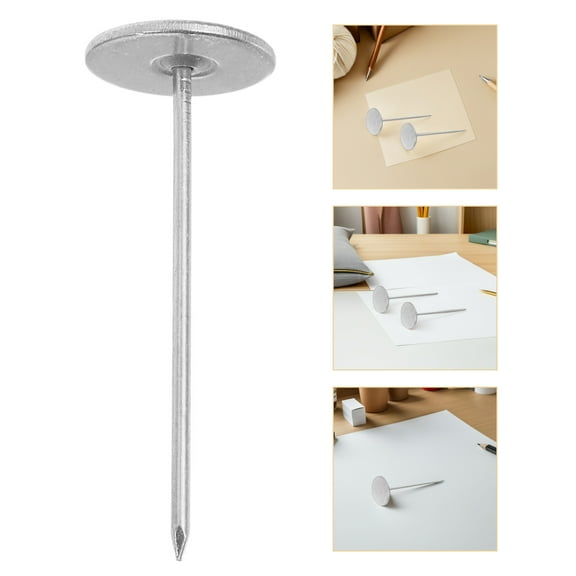
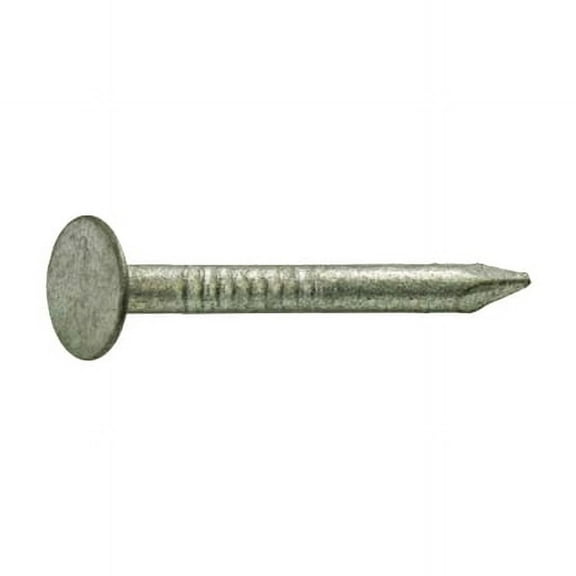
The head style also changes how your fastener supports roofing materials. You can use a standard flat head for shingles, while broader cap styles help hold sheet materials in place.
You can use plastic cap roofing nails with felt paper, house wrap, and underlayment layers. You can also compare tin cap styles when your project calls for a wider bearing surface.
Matching roofing nails to real jobsite needs
If you're installing asphalt shingles with a roofing nailer, you can start by checking coil format, nail length, and finish. You should confirm your nailer specs and required deck penetration before installation.
For reroof work in wet or coastal conditions, you may focus on finish first. You can compare hot-dip galvanized, stainless steel, and copper options based on your roofing system requirements.
When you're fastening underlayment or felt paper, you may need broader head support than a standard nail provides. You can look at plastic cap roofing nails or tin cap styles for those layers.
If you're working in areas exposed to strong wind, you may compare smooth and ring shank designs carefully. You can choose ring shank options when your project calls for stronger grip in the deck.
For small patch jobs, you may want loose nails that are easy to carry onto the roof. You can keep hand-drive options ready for quick repairs around flashing, vents, or ridge details.
When you use this decision guide, you can narrow your options with more confidence. You'll end with roofing nails that fit your tools, your materials, and your installation plan.