


Tool Chests Deals 2025































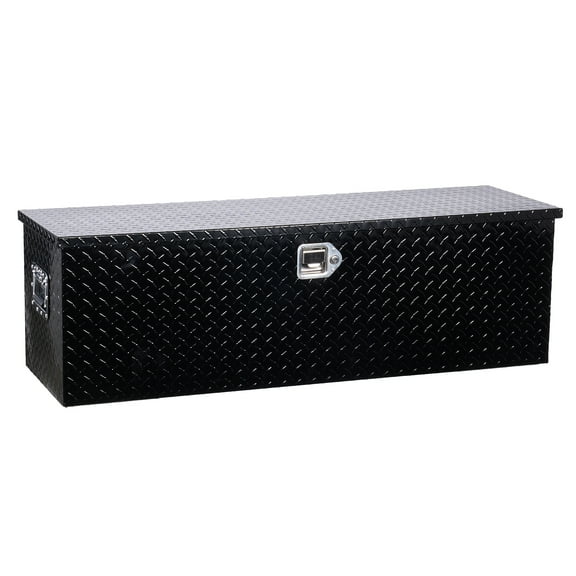

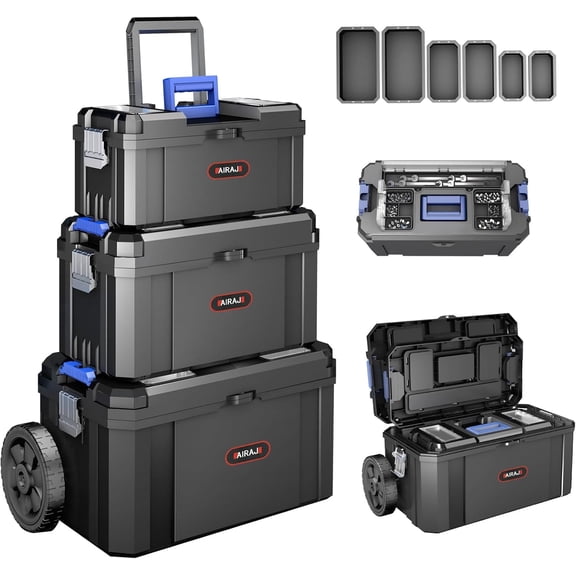
About Tool Chests Deals 2025 - Walmart.com
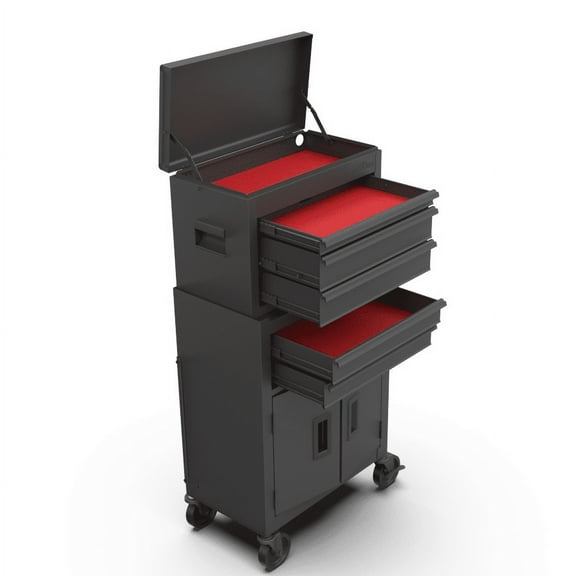
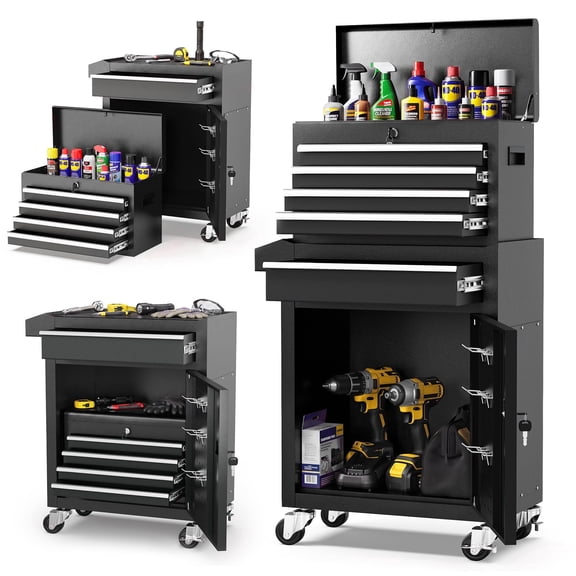
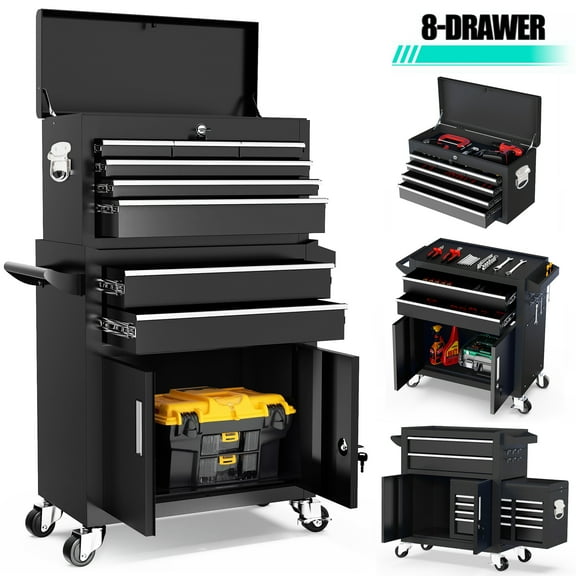
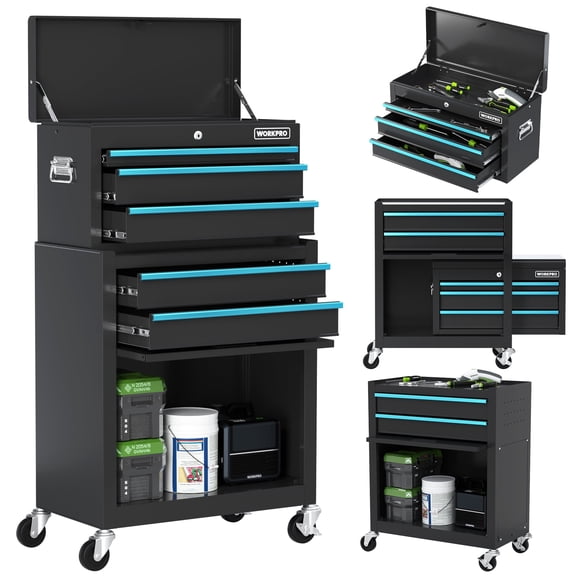
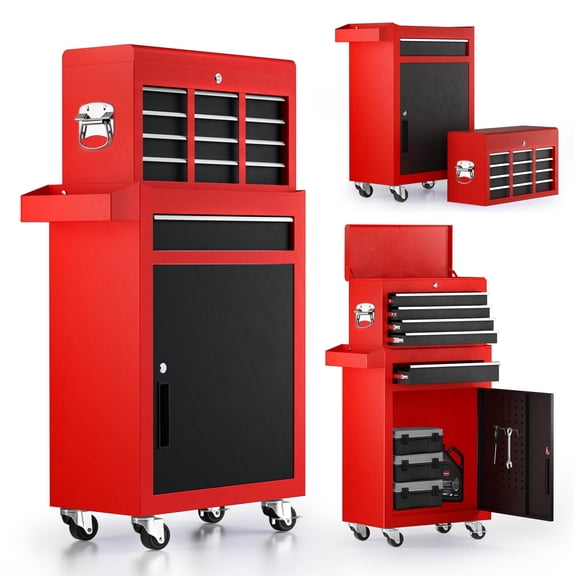
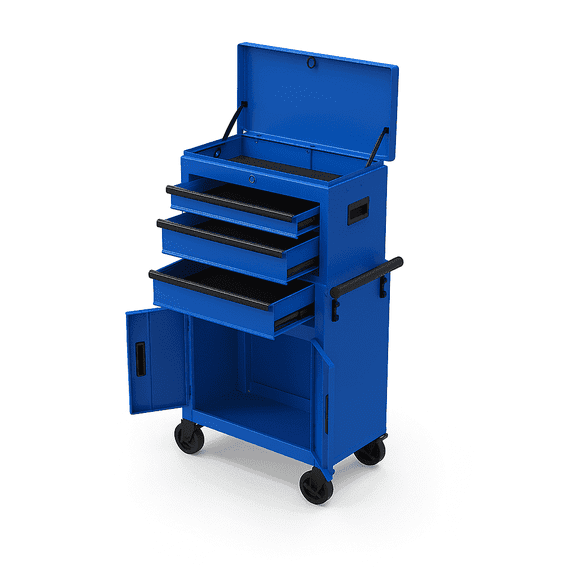
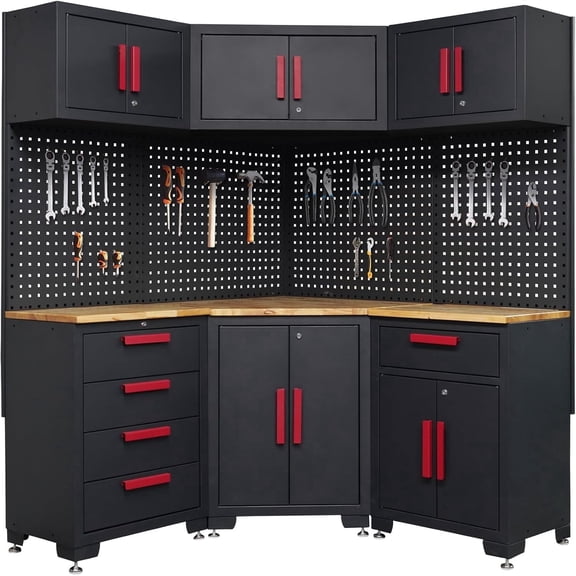
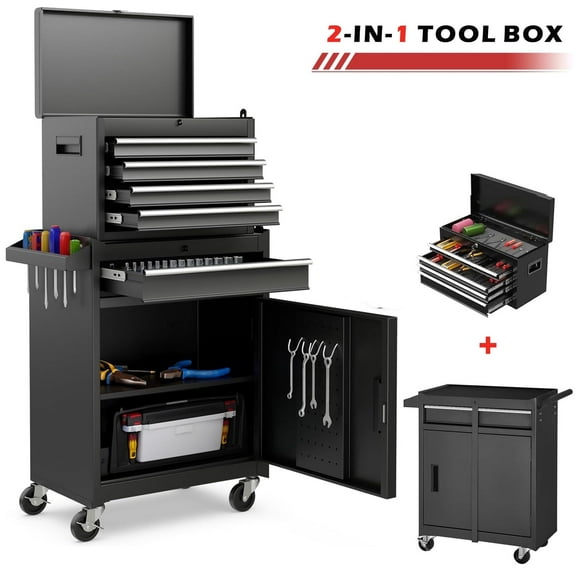
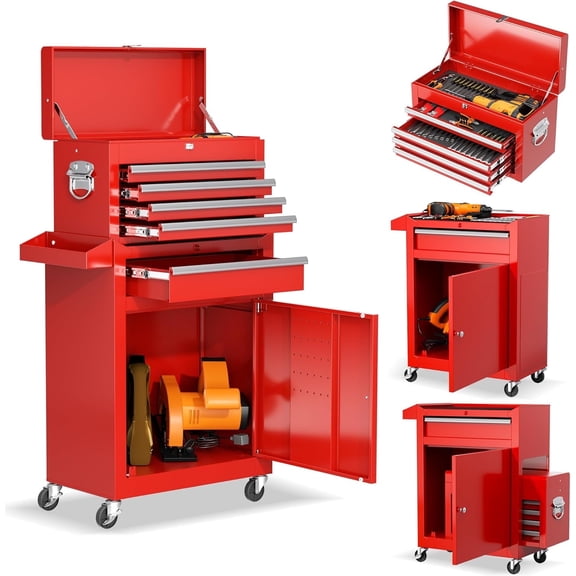
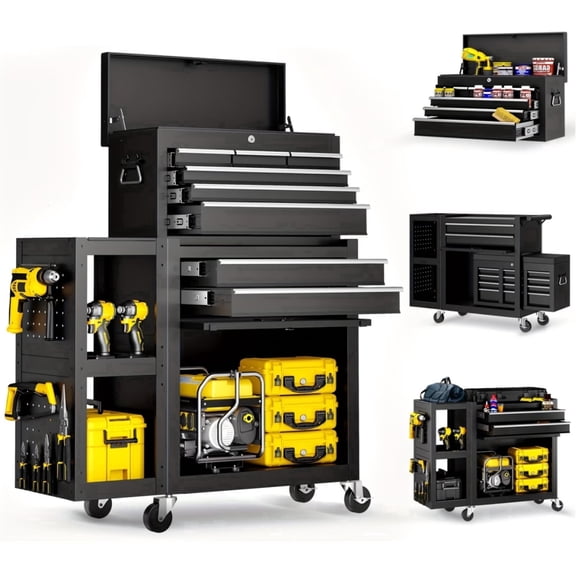
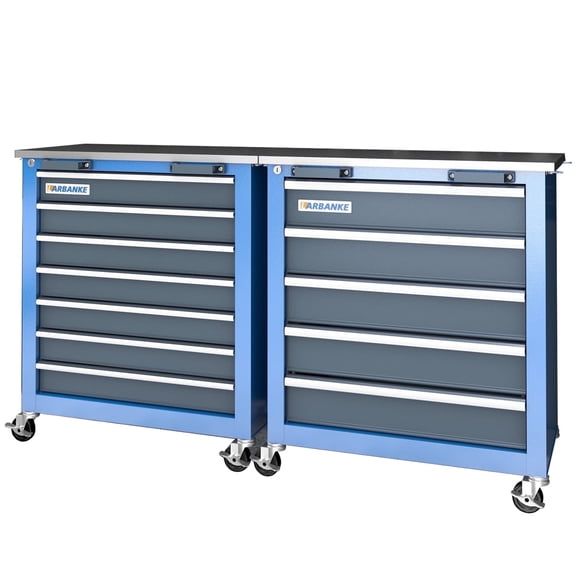
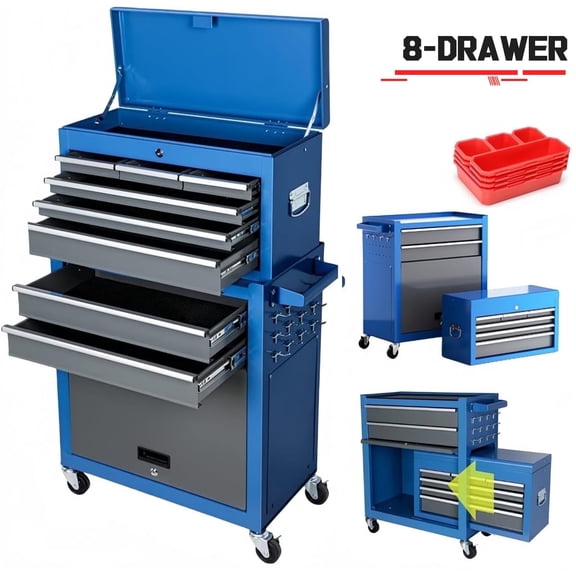
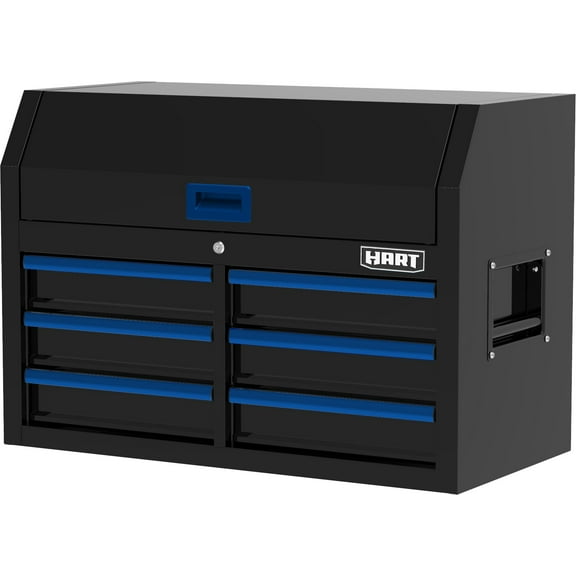
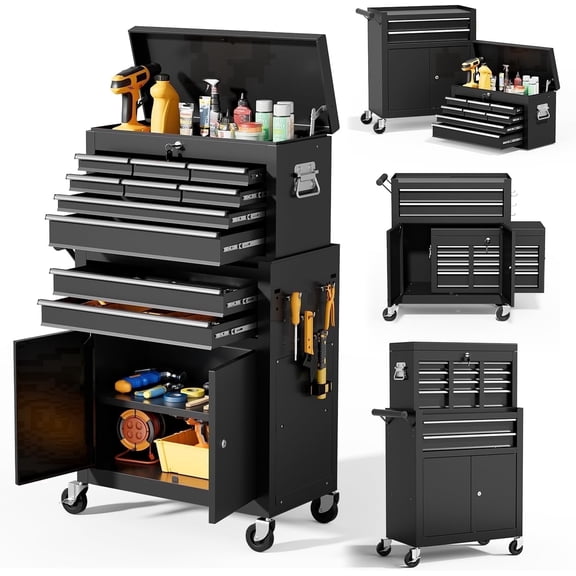
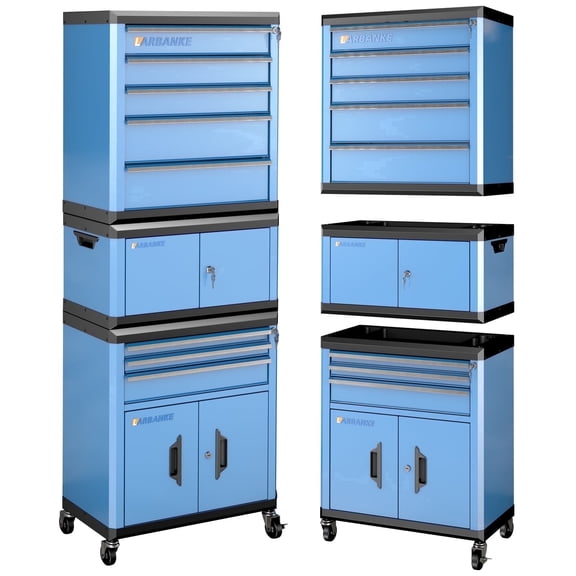
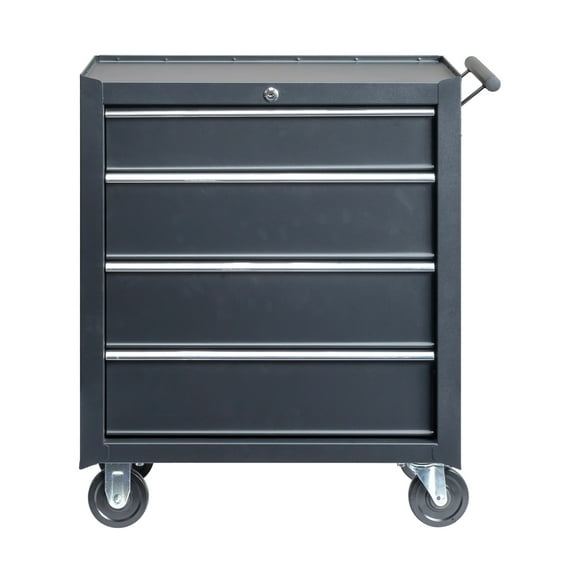
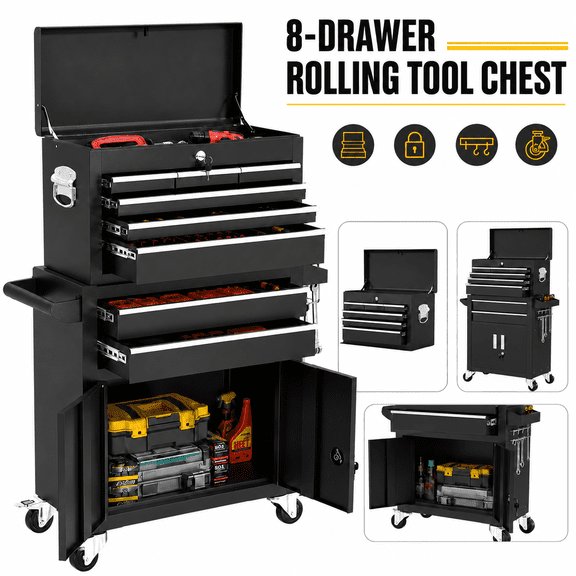
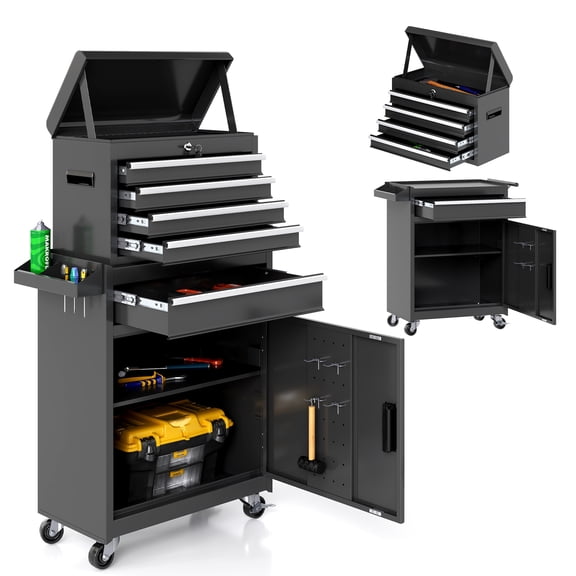
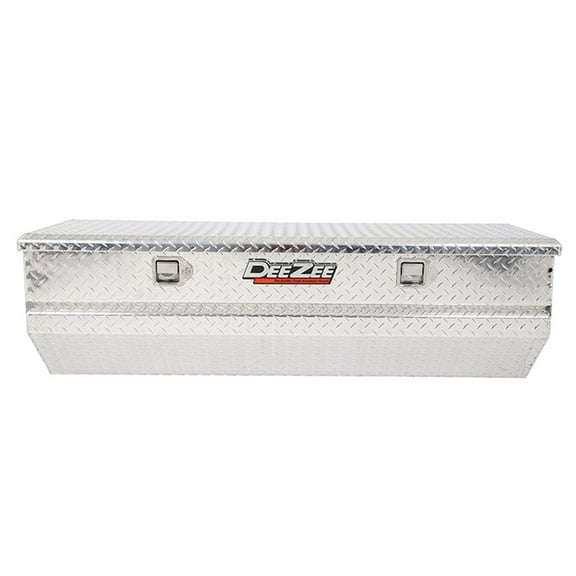
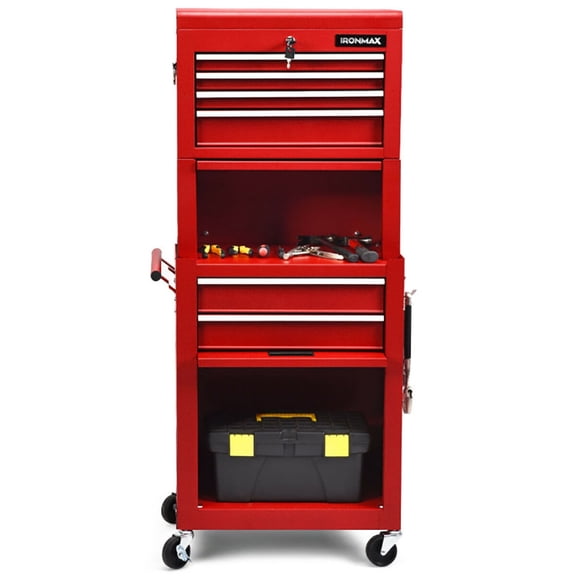
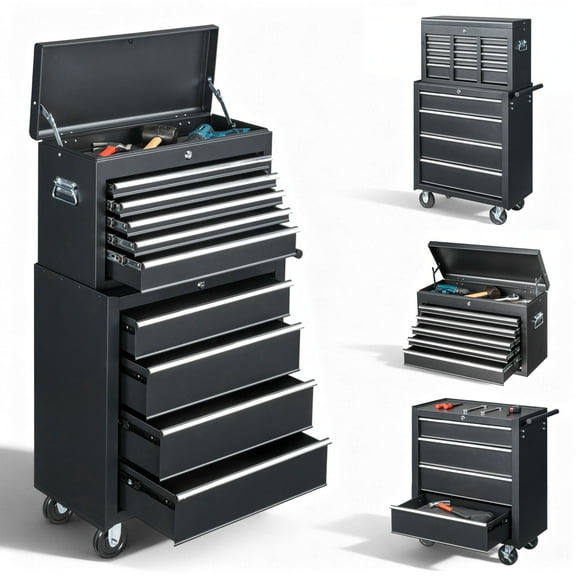
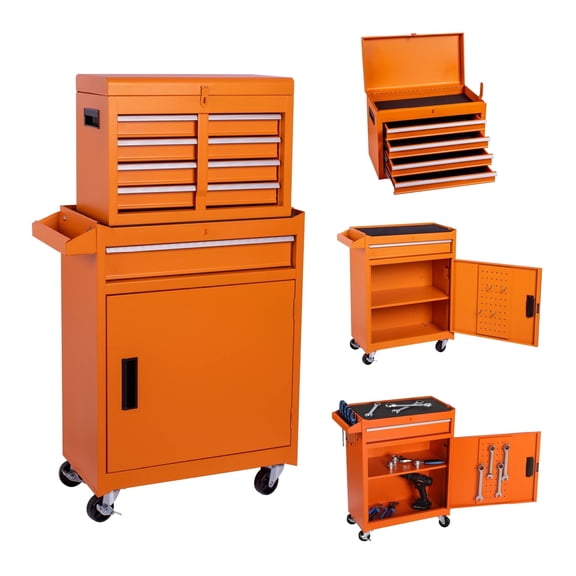
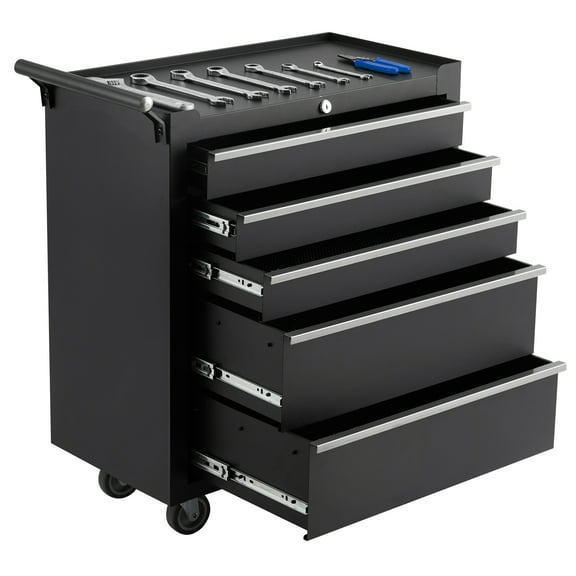
Tool chests help you organize hand tools, power tools, and hardware with direct access and sturdy storage. You can compare rolling, stationary, and portable formats to match your garage, workshop, or jobsite setup.
If you want direct access and organized work areas, tool chests give you drawers, lids, and compartments built for tool storage. You can also sort sockets, wrenches, fasteners, and larger equipment without stacking everything in one bin.
How to choose tool chests for your space
Before you choose tool chests, measure your floor space, wall clearance, and workbench height. You should also check door swings and vehicle access if you plan to move a chest often.
Rolling models work well when you move tools across a garage or around a shop. Stationary units fit dedicated work zones, while a portable tool chest helps you carry smaller tool sets.
You can narrow your options quickly by comparing a few practical details first. Consider these decision points before you choose a rolling tool chest or fixed cabinet.
- You can choose rolling designs with heavy casters and locking brakes for mobility and parked stability.
- You can compare drawer counts to match small hand tools, bulky power tools, and mixed hardware.
- You can check chest width, including 26-inch, 36-inch, 46-inch, and 52-inch sizes, before placing it.
- You can review steel, heavy-duty plastic, or wood top construction based on your workspace needs.
- You can look for keyed locks, digital locks, or simple latches based on how you secure tools.
Choosing a rolling tool chest or stationary cabinet
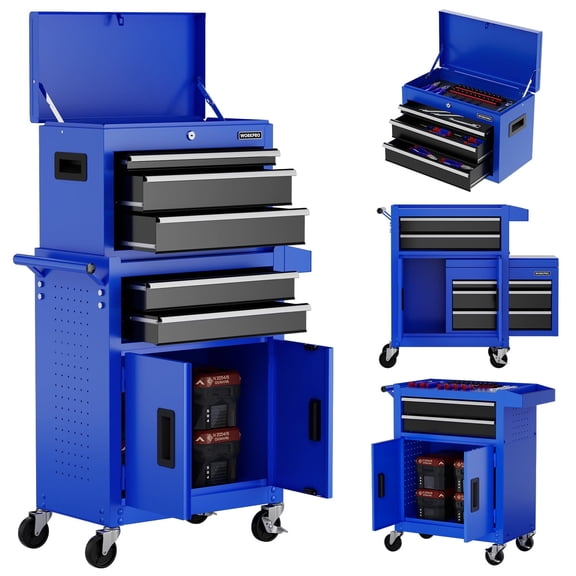
If you move between projects, a rolling tool chest can keep your tools close to the work area. You should look for large casters and locking brakes, because they help you reposition weight with precise control.
If your setup stays in one place, a stationary chest can create a stable storage zone beside a bench. You may prefer that layout when you keep heavier tools sorted by drawer and reach them daily.
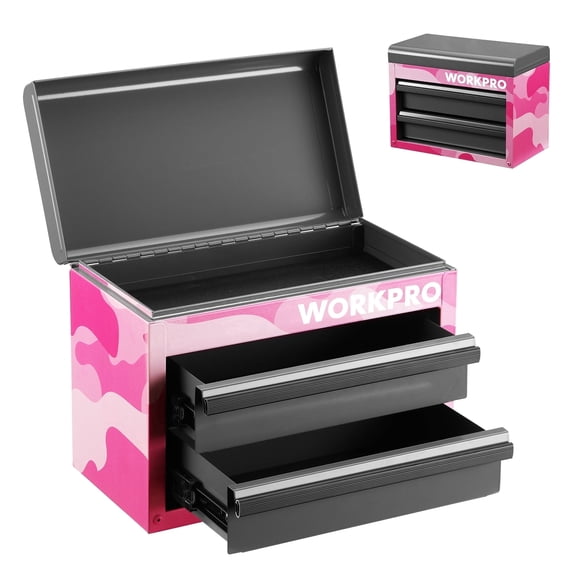
A portable tool chest makes sense when you carry a smaller collection to different rooms or vehicles. You can use that format for compact kits, quick repairs, and grab-and-go storage.
What to look for in a tool chest with drawers
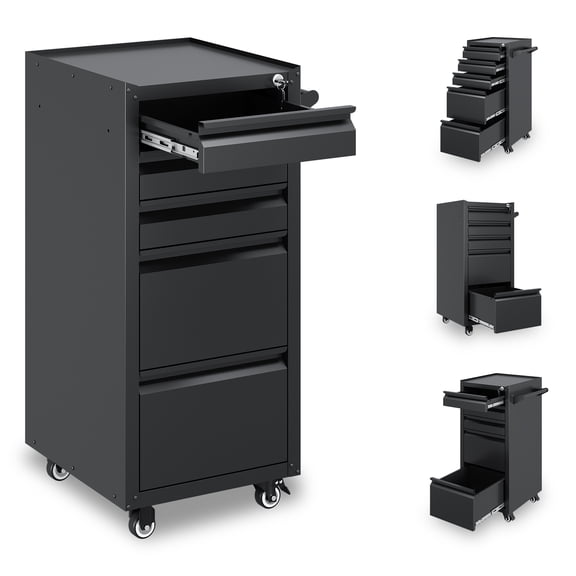
A tool chest with drawers helps you separate sockets, pliers, screwdrivers, drill bits, and measuring tools. You can reduce clutter when each drawer handles one category instead of mixed loose items.
Drawer count affects how precisely you organize your setup. You might choose 3-drawer or 5-drawer options for smaller collections, while multi-drawer layouts fit broader assortments.
You should also compare drawer slide ratings, especially if you store heavier tools. Ball-bearing slides can support smoother opening, and a 100-pound drawer rating can matter for dense metal tools.
Shallow drawers can help you spot small items quickly during a project. Deeper drawers can hold power tools, battery packs, and larger accessories that don't fit slim compartments.
Comparing materials, size, and locking options
Material changes how your storage feels and functions in daily use. Steel construction can suit busy garages, while heavy-duty plastic can feel easier to move for lighter-duty setups.
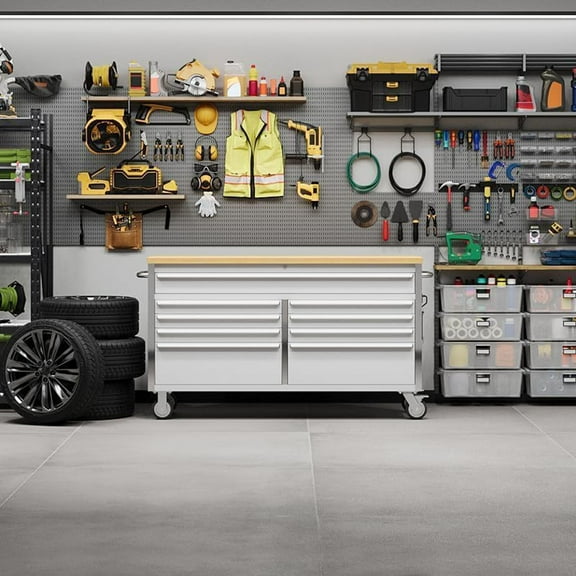
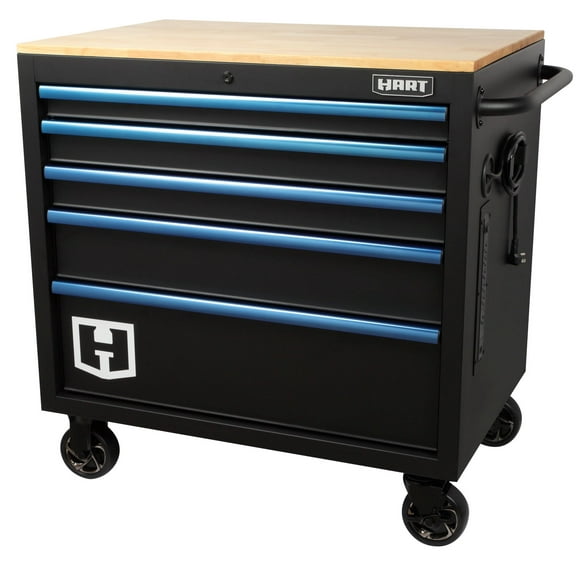
If you want a work surface, you may prefer a wood top design above your storage base. You can use that top area for small assembly tasks, measuring, or staging parts.
Size matters because a chest that looks compact online may fill more floor space than expected. You should compare 26-inch, 36-inch, 46-inch, and 52-inch widths against your available footprint.
Security features also shape your choice when tools stay in shared spaces. You can compare keyed lock systems, digital locks, and latch designs based on how often you open drawers.
A locking bar can secure several drawers at once for straightforward access control. Individual latches can help keep drawers closed during movement, especially on a rolling unit.
Matching tool chests to real projects and storage habits
If you handle automotive work, you may want wider chests with more drawers for sockets, ratchets, and specialty tools. You can keep frequently used pieces together and reduce time spent searching.
If you build furniture or complete home projects, you might prefer mixed drawer depths and a wood top. You can store fasteners below and use the top surface for layout and prep.
If your garage doubles as storage for seasonal gear, a compact chest may fit neatly along one wall. You should measure around shelving, bins, and parking space before choosing a larger cabinet.
For mobile setups, you can choose a heavy duty tool box or chest with sturdy wheels and secure latches. You may find that combination useful when tools travel between rooms, driveways, or work areas.
If you already own mechanics tool sets or garage shelving, a chest can complete your storage plan. You can pair drawers for small tools with shelves for larger cases and supplies.
When you sort tools by task, your workflow can feel efficient from start to finish. You can open one drawer for electrical tools, another for fasteners, and another for measuring gear.
With the right tool chests, you can match mobility, drawer layout, dimensions, and locking features to your routine. You end up with organized storage that keeps tools visible, easy to reach, and ready for the next project.