

Fabric Dyes in Shop All Fabric & Apparel Crafting

































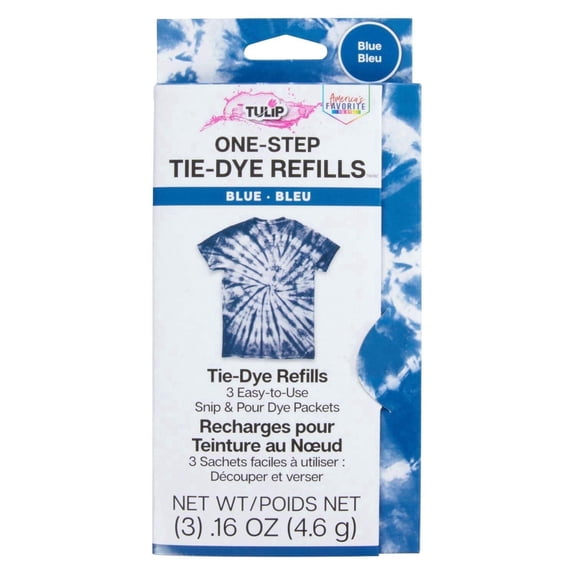


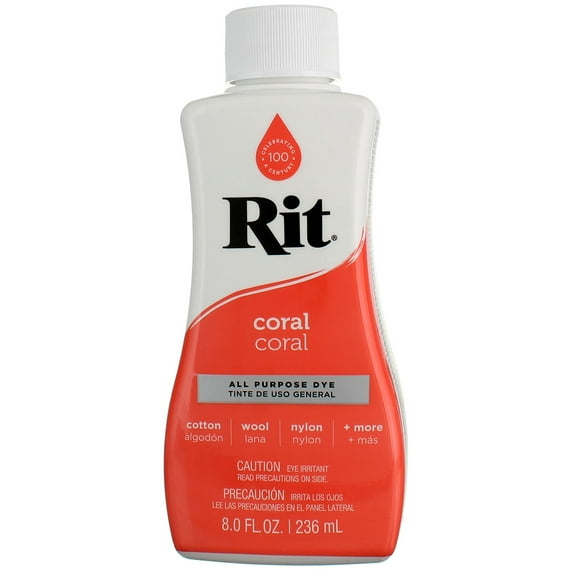
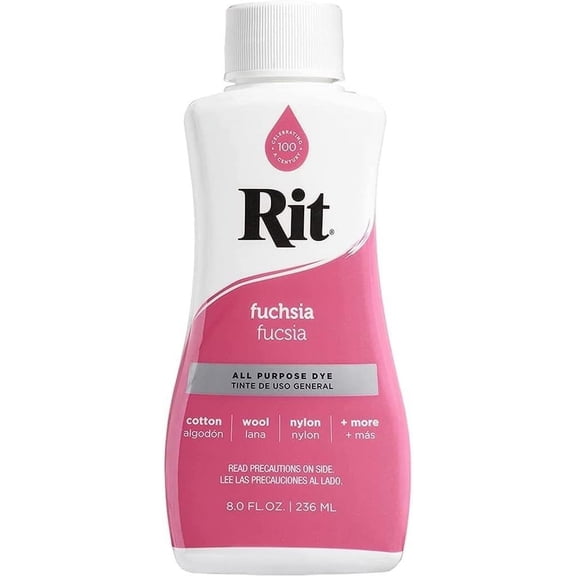
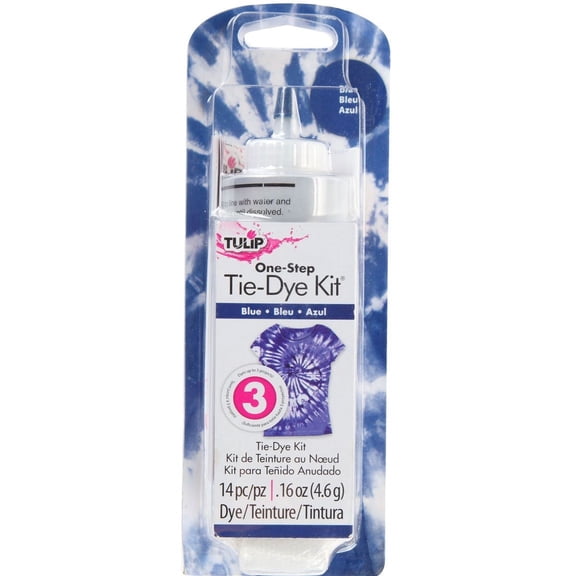




About Fabric Dyes in Shop All Fabric & Apparel Crafting - Walmart.com
You can start your project with Rit fabric dye when you need color matched to fabric type, dye format, and application method. You’ll find practical choices for cotton, polyester blends, liquid bottles, and powder packets that fit real craft plans.
If you’re refreshing clothes, updating decor, or testing color techniques, you’ll want guidance before you choose a shade. You’ll also benefit from knowing when all-purpose formulas fit natural fibers and when synthetic fabric dye matters.
Choosing Rit fabric dye by fabric compatibility
You should check your fabric content first, because your results depend on whether your item uses natural fibers or synthetics. You’ll usually reach for all-purpose dye with cotton, linen, rayon, and some wool items.
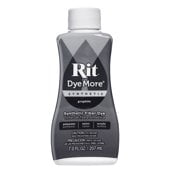
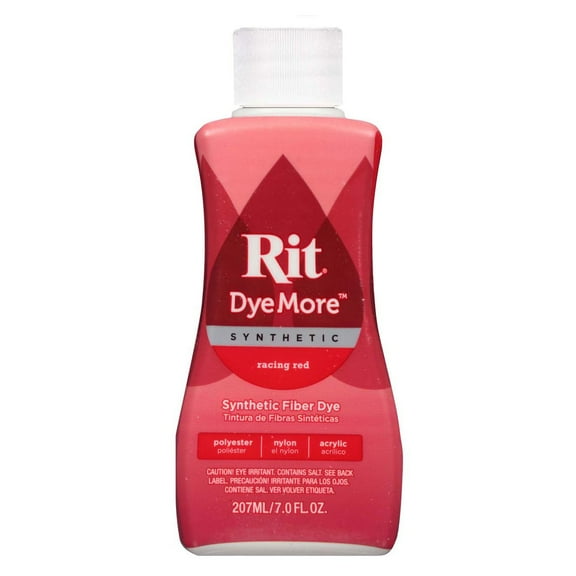
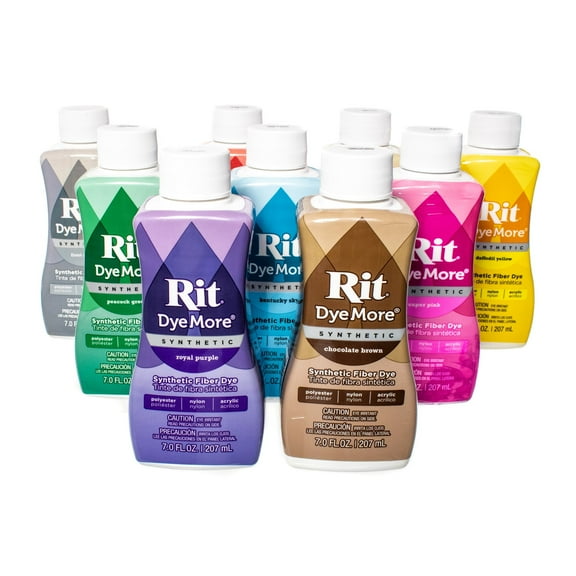
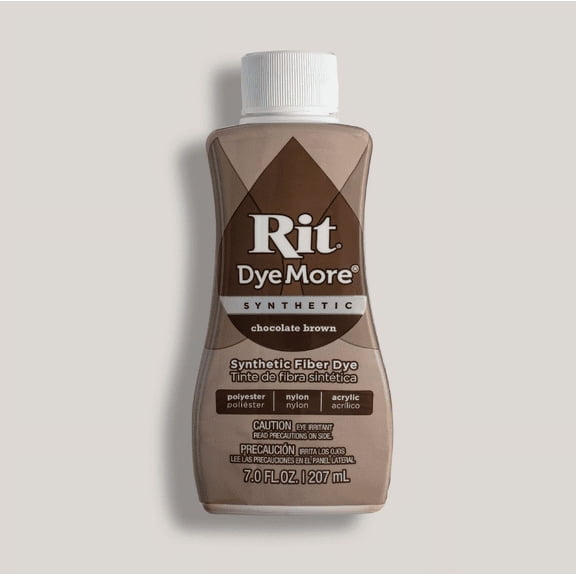
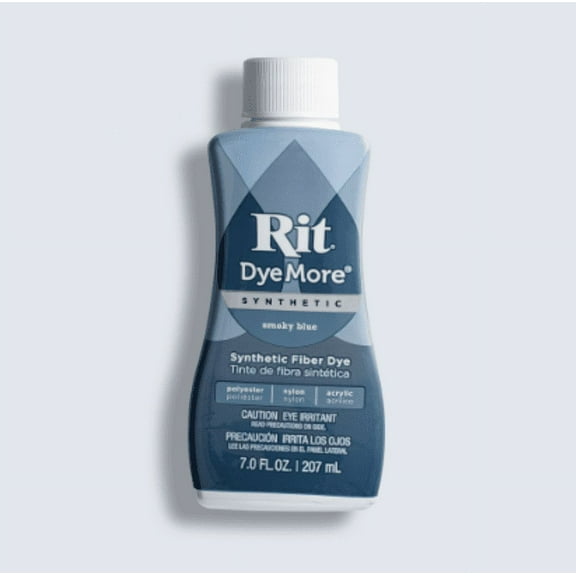
When your project includes polyester, acrylic, or acetate, you should compare a synthetic fabric dye option designed for those fibers. You’ll often need different heat and timing for synthetic blends than for cotton tees.
If your fabric blend mixes cotton and polyester, you should read the fiber label before choosing your color plan. You may notice one fiber takes dye faster, which can change your final shade.
Comparing liquid fabric dye and powder options
You can narrow your choice quickly by deciding whether liquid fabric dye or powder fits your routine. You’ll often prefer liquid for easy measuring, quick mixing, and small-batch color updates.
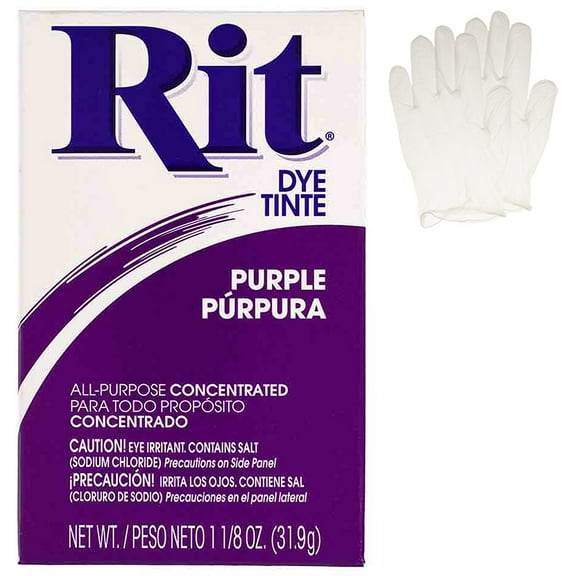
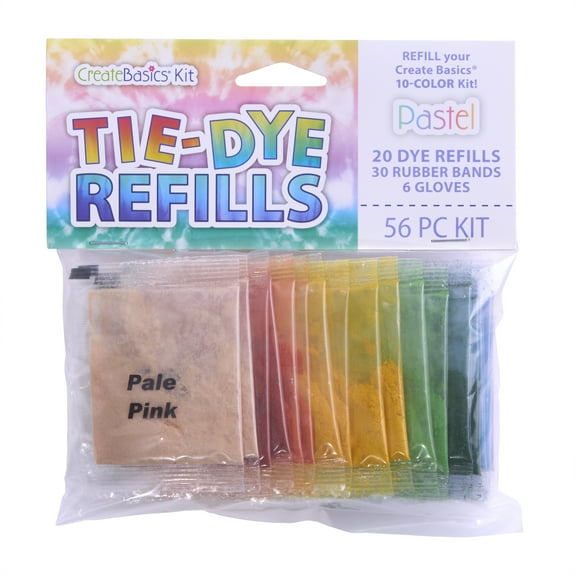
You may choose powder dye for clothes when you want compact storage or a classic mixing method. You’ll want to dissolve powder fully, so your color bath looks even before fabric goes in.
For larger batches, you should compare how each format fits your tools and cleanup habits. You’ll appreciate a format that matches your comfort level with measuring, stirring, and repeat projects.
- You can use liquid dye when you want simple pouring and consistent measuring.
- You can use powder dye for clothes when you prefer packets and flexible mixing control.
- You should match your dye type to your fabric content before choosing a color.
- You can compare sink, stovetop, and washing machine methods based on project size.
Understanding Rit dye colors for your project
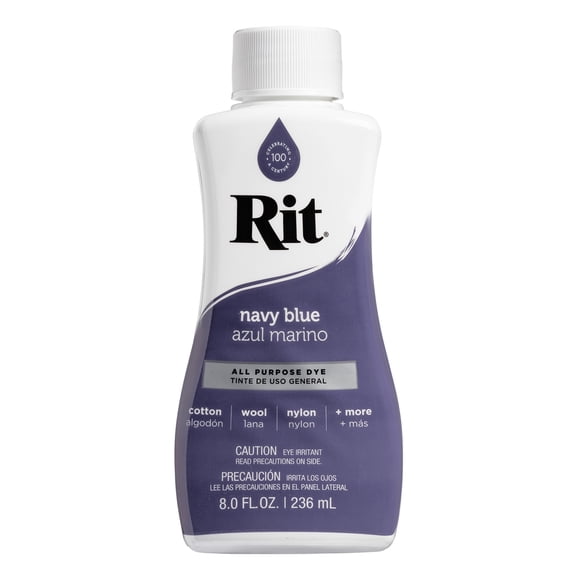
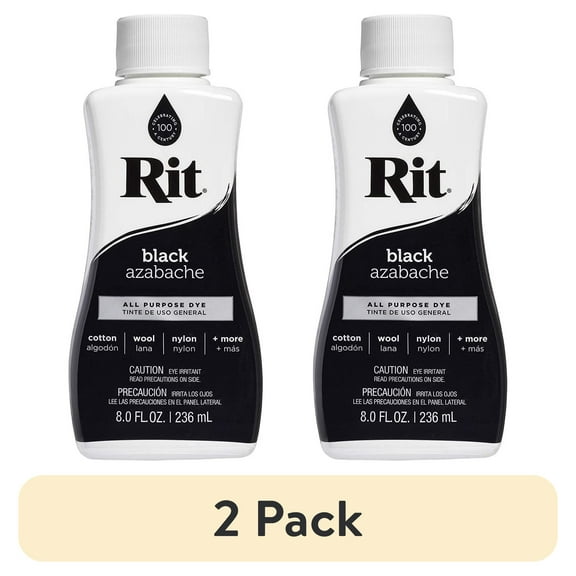
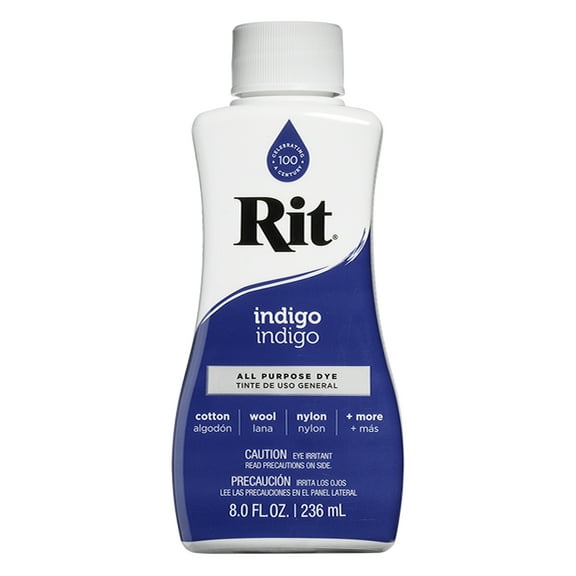
You can plan your look more confidently when you compare Rit dye colors by depth, undertone, and fabric response. You’ll see shades like black, navy blue, indigo, and scarlet used for very different results.
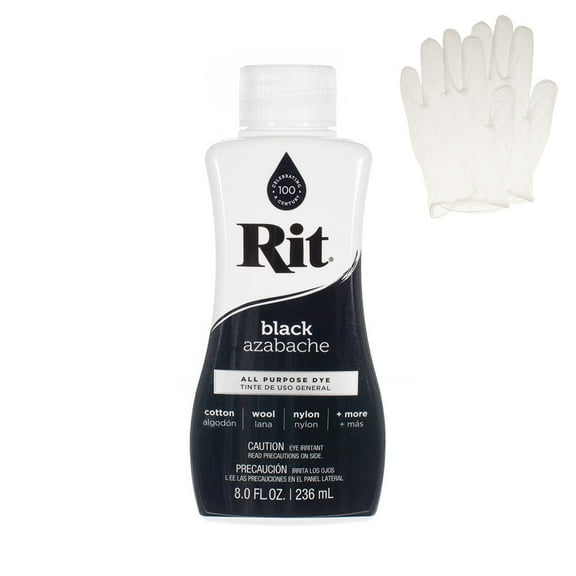
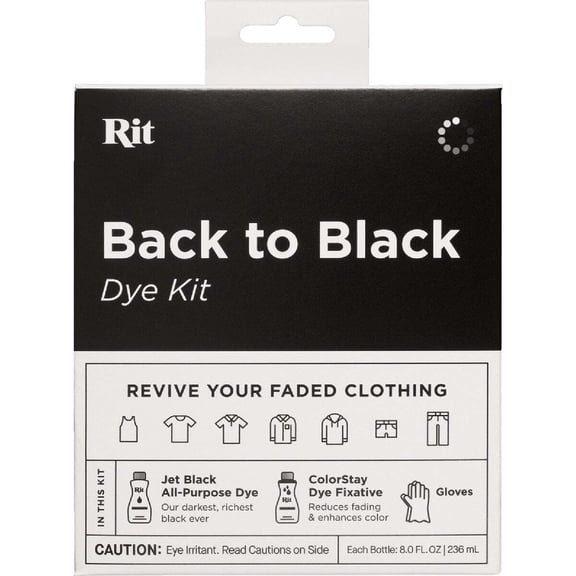
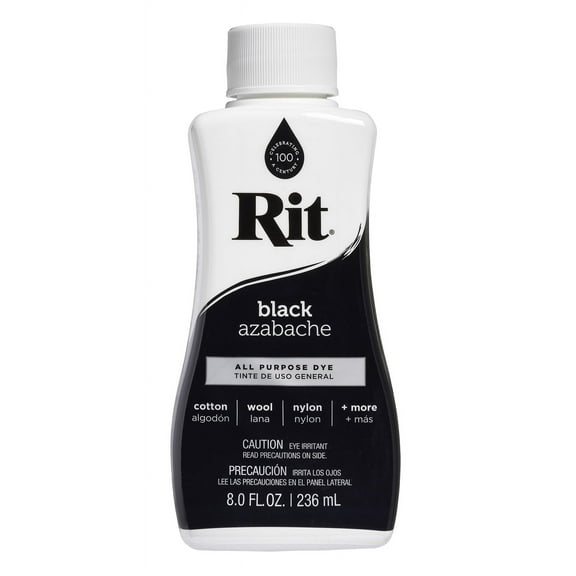
If you want a darker finish, you should consider your starting fabric color before selecting black or indigo. You’ll usually get a richer result on lighter fabric than on an already deep shade.
You can also mix colors when you want custom tones for costumes, quilting accents, or home decor updates. You’ll want to measure carefully, because small changes can shift your final color noticeably.
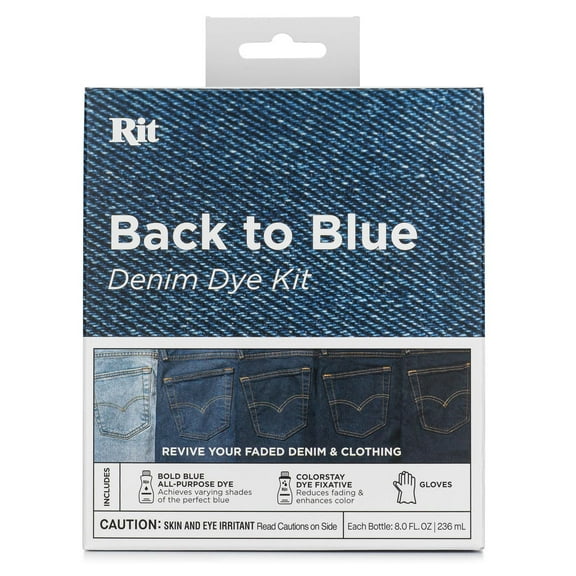
For faded jeans, you may lean toward navy blue or indigo to refresh worn areas with a familiar look. You might use scarlet when you want a bright accent for statement projects.
Choosing the right dyeing method
You should pick your application method based on fabric type, batch size, and how hands-on you want the process to be. You can use a sink for smaller items and controlled color experiments.
If you’re working with synthetics, you may consider a stovetop method because steady heat supports many polyester dye projects. You’ll want enough room for fabric to move freely in the dye bath.
You can use a washing machine for larger cotton loads when you want broad, even coverage across towels, shirts, or slipcovers. You’ll like this method when your project needs consistent movement and full immersion.
Before dyeing, you should wash your item and keep it damp for smoother color absorption. You’ll also want to gather gloves, measuring tools, and a container sized for the fabric.
What to look for when setting color
You can help your finished project hold color longer by following the dye instructions and choosing the right aftercare steps. You’ll often see stronger results when you rinse thoroughly and wash dyed items separately at first.
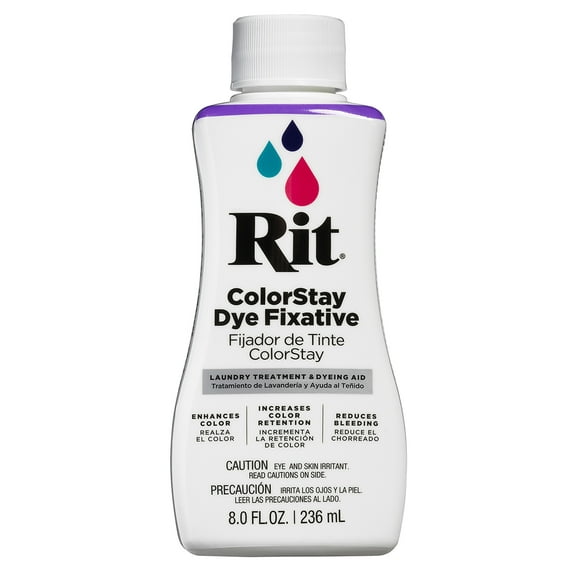
If you want added wash fastness on many dyed fabrics, you may look for a color fixative made for fabric dye projects. You’ll use this step when your project needs more dependable color retention through repeat washing.
You should also consider how often you wash, handle, or expose the item to sunlight in daily use. You’ll want to match your prep and finishing steps to shirts, decor, costumes, or craft fabric.
Matching your project to the right option
You can refresh cotton tees, recolor canvas totes, and update table linens when you choose dye by fiber content first. You’ll usually get more predictable color when your project starts with clean, lighter fabric.
If you’re reviving polyester activewear or synthetic costume pieces, you should focus on synthetic fabric dye and heat-based methods. You’ll improve your chances of an even finish when you follow the fabric-specific directions closely.
You may use liquid fabric dye for quick home projects, while powder options can suit planned batches and color experiments. You’ll get smoother results when your method, dye type, and fabric all work together.
With Rit fabric dye, you can approach color changes with a clearer plan instead of guesswork. You’ll feel more confident choosing the right formula, shade, and method for fabric that looks refreshed and project-ready.