


Find auto parts that fit
Let’s search for parts that fit your vehicle.Rigid Light Bars & LED Off-Road Lighting | Walmart


![True Mods 49 Inch Dark Smoked 3 Row LED Tailgate Light Bar Strip for Pickup Truck Trailer Vehicle [Rigid Aluminum] [Ignition Start Sequence] [Amber Sequential Turn Signal] TBT Running Brake Reverse](https://i5.walmartimages.com/seo/True-Mods-49-Inch-Dark-Smoked-3-Row-LED-Tailgate-Light-Bar-Strip-Pickup-Truck-Trailer-Vehicle-Rigid-Aluminum-Ignition-Start-Sequence-Amber-Sequential_71e644fa-6a31-4a3c-b317-380cbe76f530.c5812e12d818ee16c116c684f3b8e488.jpeg?odnHeight=576&odnWidth=576&odnBg=FFFFFF)
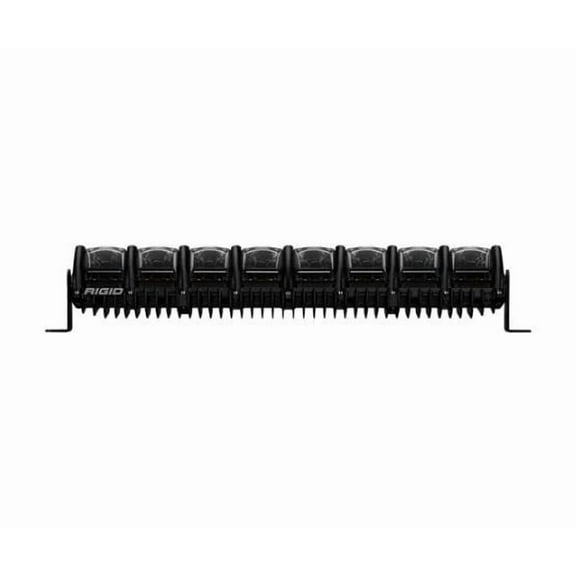
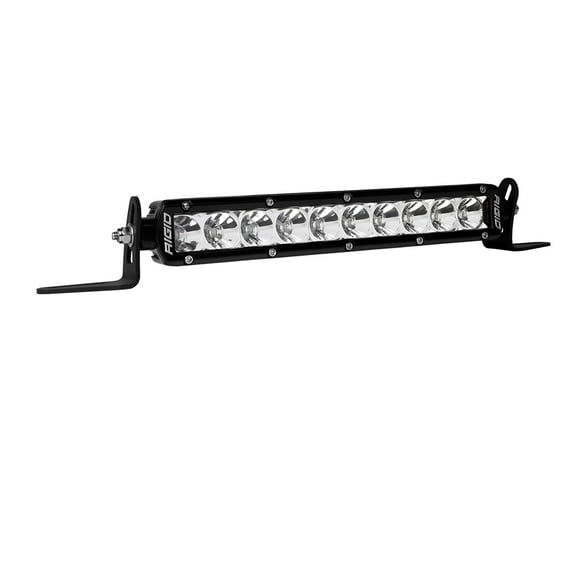


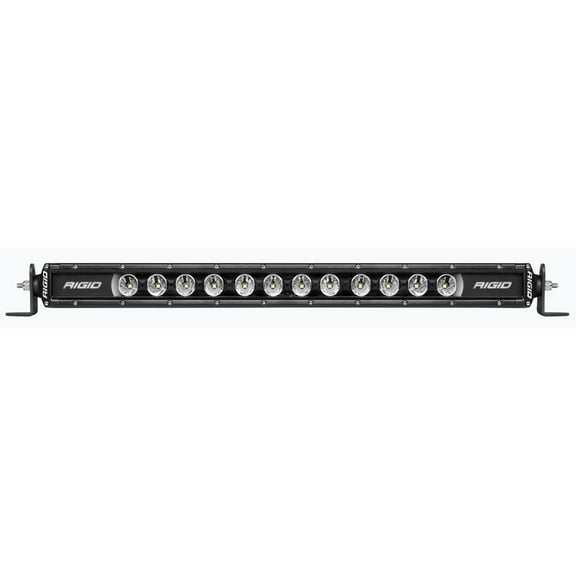
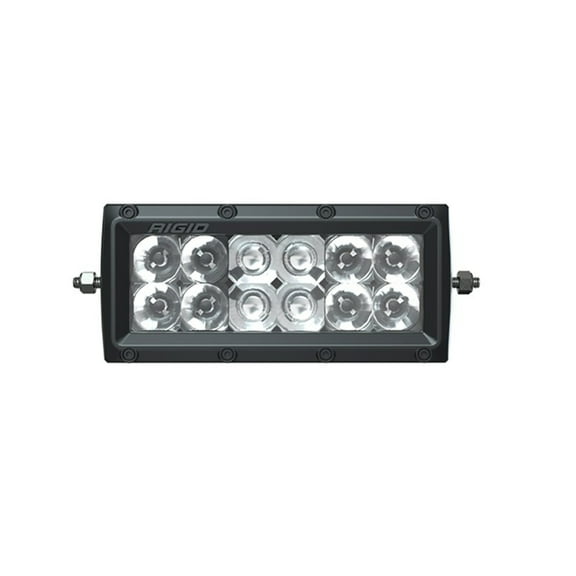
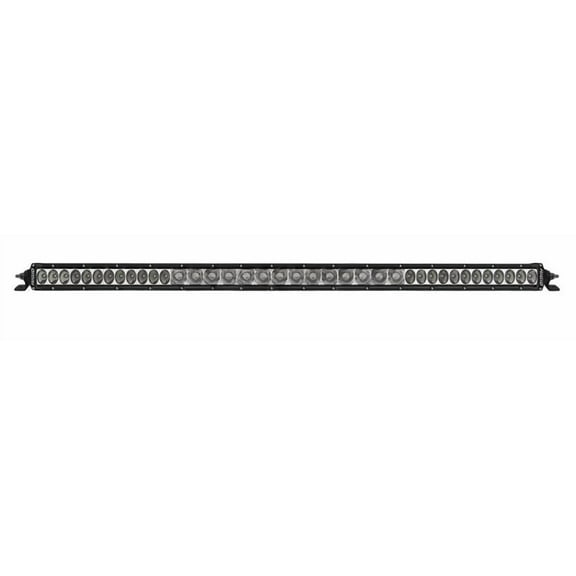
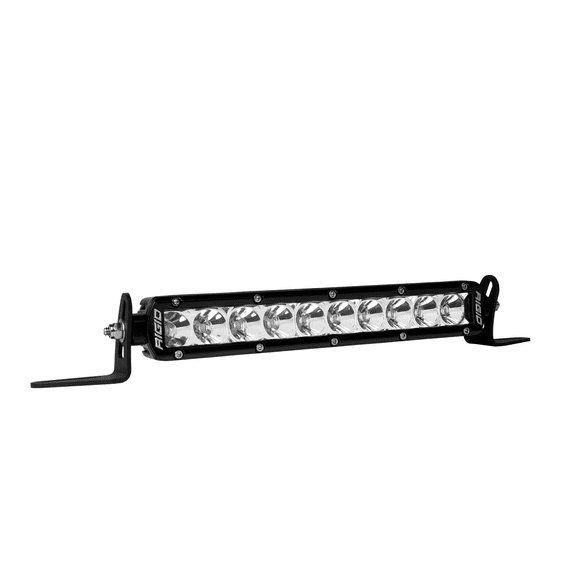
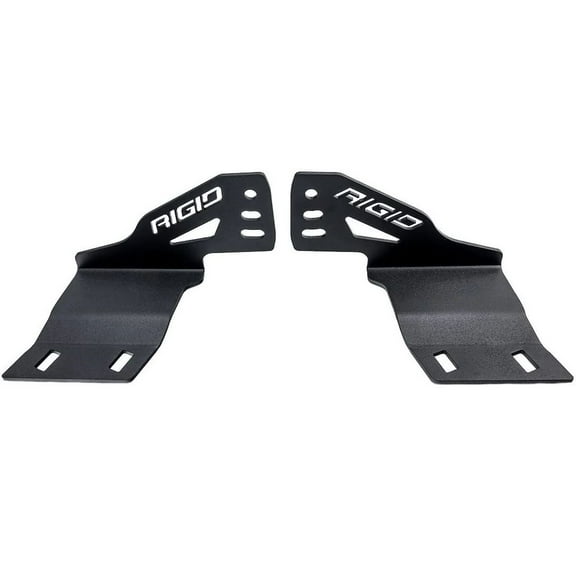



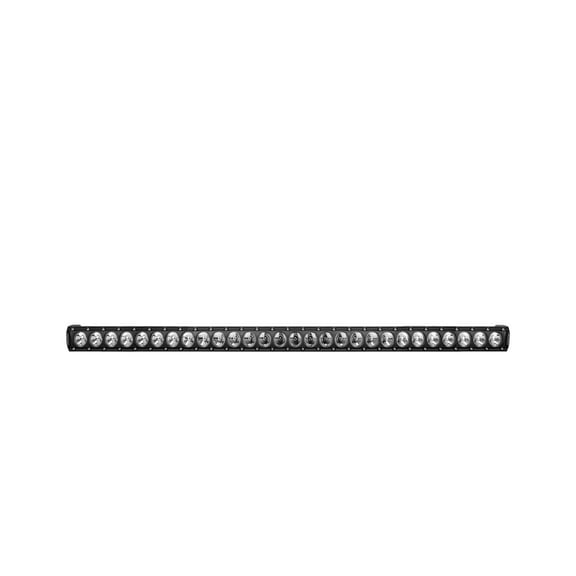
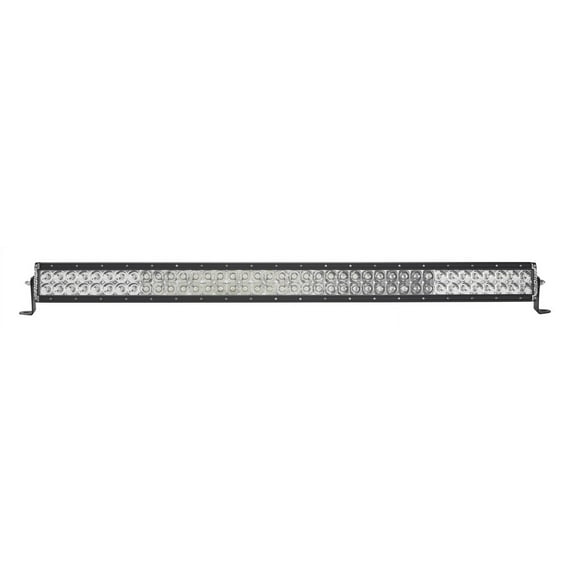
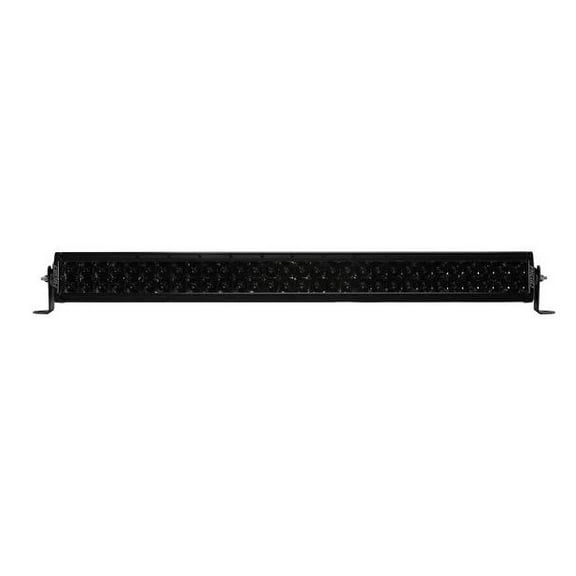
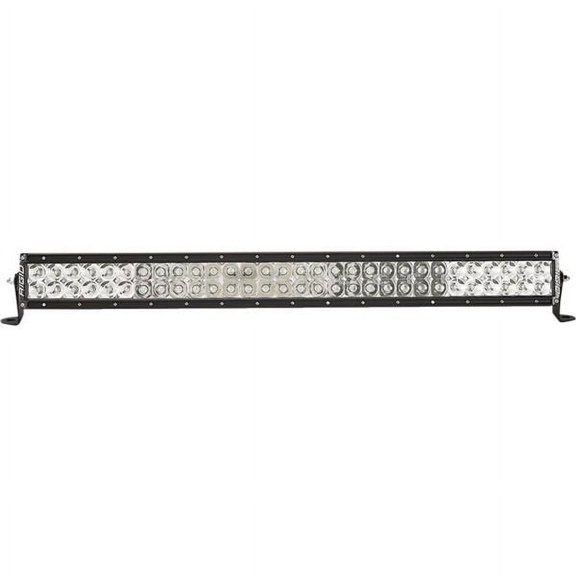
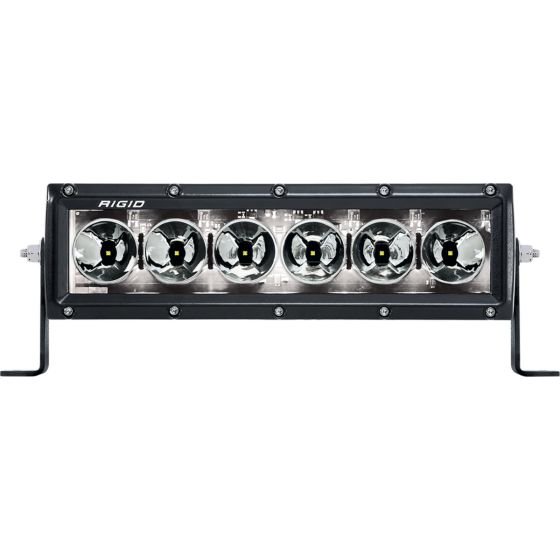


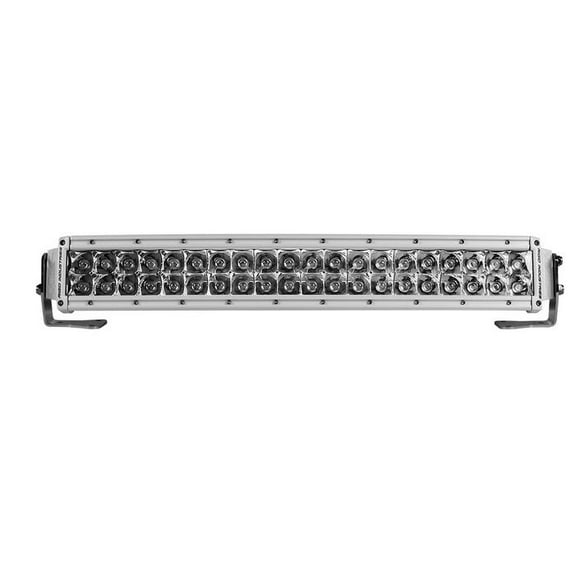
About Rigid Light Bars & LED Off-Road Lighting | Walmart - Walmart.com
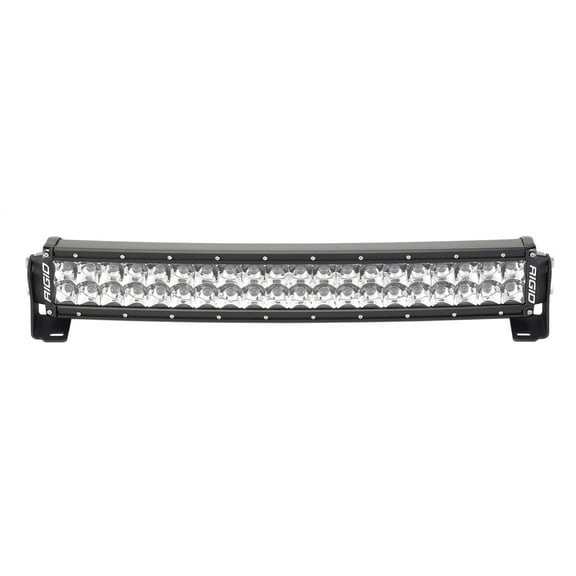
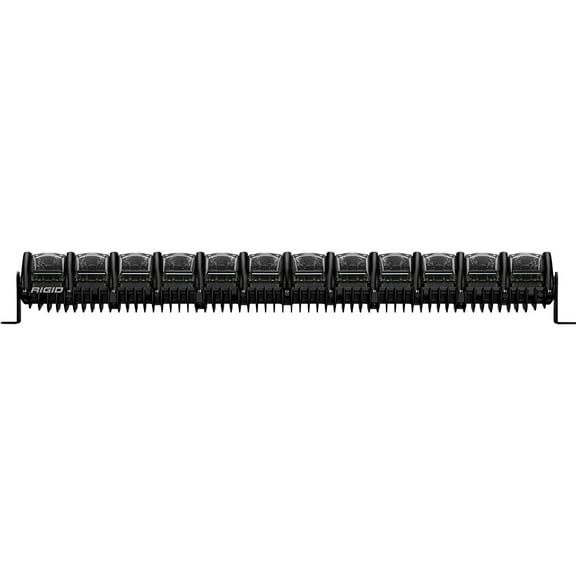
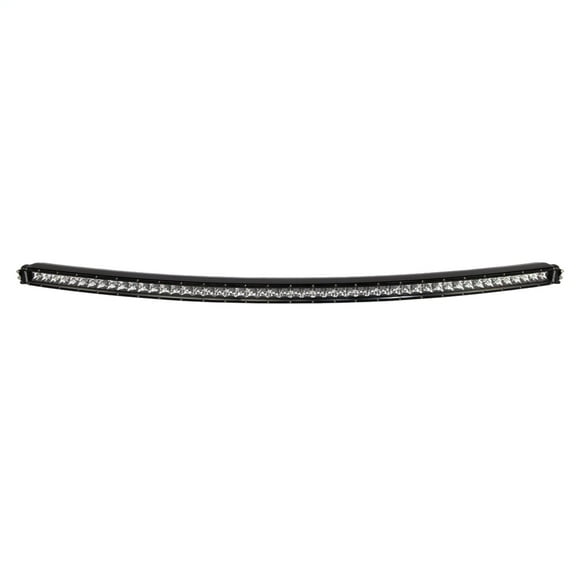
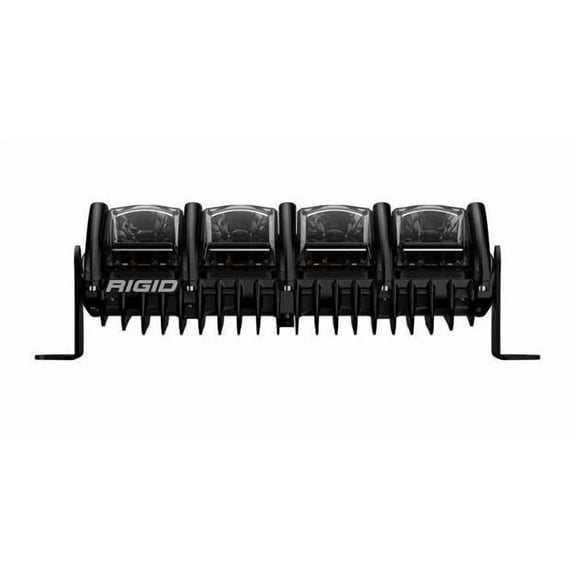
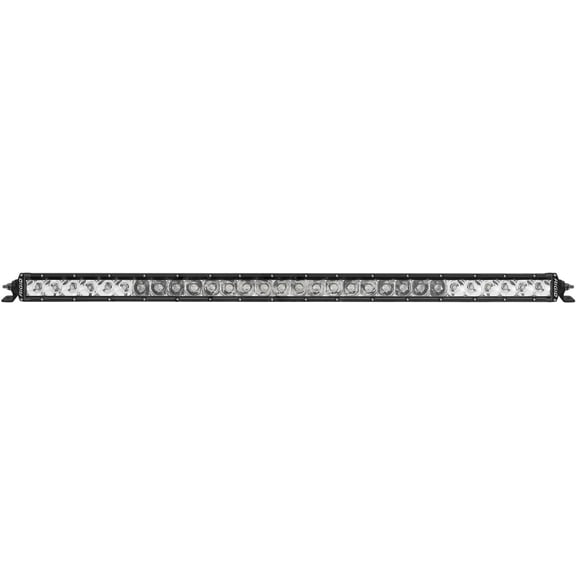
Your rigid bar light setup can transform how you equip a truck, SUV, or off-road build for dark trails and jobsite visibility. You can compare beam pattern, bar length, LED color, and mounting style here, so your search feels focused from the start.
If you're replacing a worn rigid light bar or planning a fresh install, you need fitment details before anything else. You'll want guidance that covers bumper clearance, roof space, bracket style, and wiring needs in plain language.
How to choose a rigid bar light for your vehicle
Start with where you'll mount your rigid bar light, because your vehicle shape affects bar length and bracket compatibility. You should measure bumper openings, roof width, and grille space before you compare 10-inch, 20-inch, 30-inch, and 50-inch options.
A shorter bar works well when you need a compact fit on a bumper, brush guard, or grille opening. A longer bar helps you spread light across a wider area when your roof rack or upper windshield space allows it.
You should also compare cradle mount, surface mount, and flush mount designs based on your install location. A cradle mount gives you bracket flexibility, while a flush mount can create a cleaner built-in look.
- You can use spot beams when you want longer-distance visibility on open roads or desert routes.
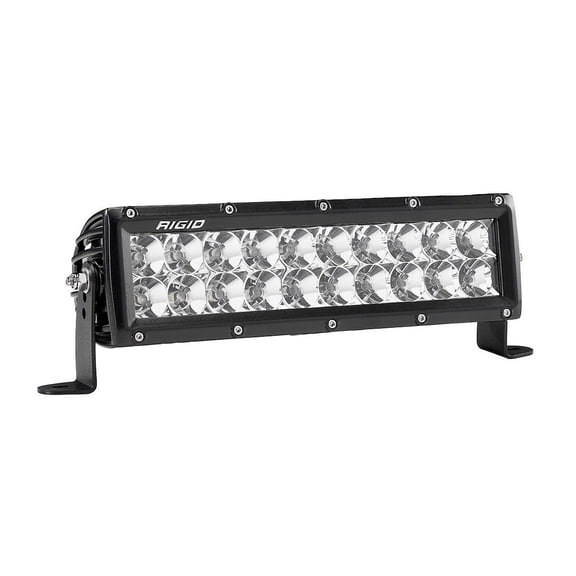
- You can choose flood beams when you want wider coverage for campsites, work areas, or slower trail driving.
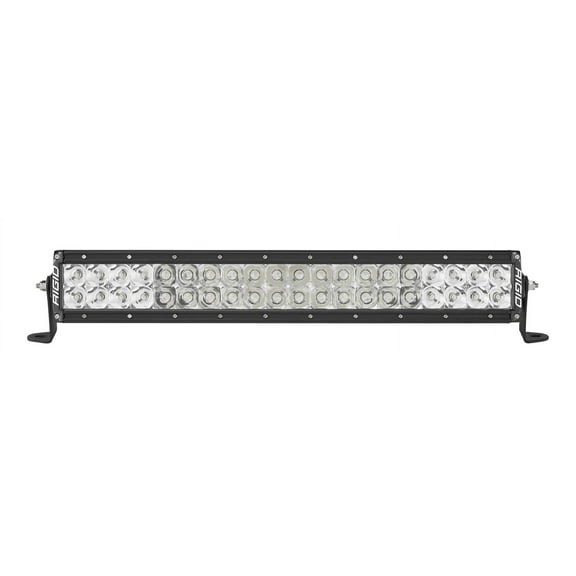
- You can select combo beams when you want distance and side coverage in one rigid light bar setup.
- You can consider driving beams when you want a pattern shaped for forward road use and broad reach.
Choosing beam pattern and rigid lightbar size
Beam pattern changes how your rigid lightbar performs once you're actually behind the wheel. You should match spot, flood, combo, or driving output to how fast you travel and how much side visibility you need.
If you cover open terrain at higher speeds, you may prefer a spot beam that pushes light farther ahead. If you crawl through wooded trails, you may prefer a flood beam that lights the edges around your path.
A combo beam can make sense when your routes change between open stretches and tighter turns. You get a mixed pattern that can reduce the need for separate lights on the same vehicle.
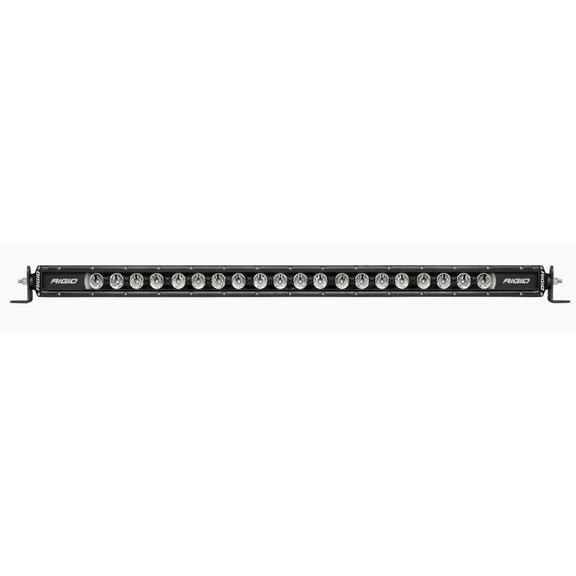
Bar length matters just as much as beam shape because space and output go together. You should check whether a 10-inch or 20-inch bar fits a bumper opening, or whether a 30-inch or 50-inch bar suits a roofline.
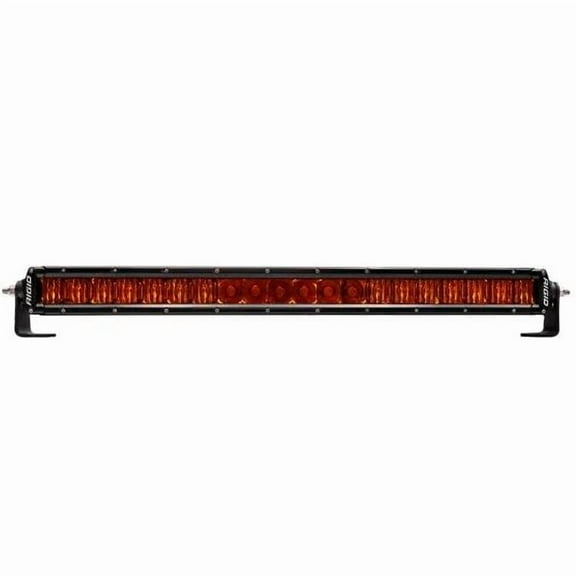
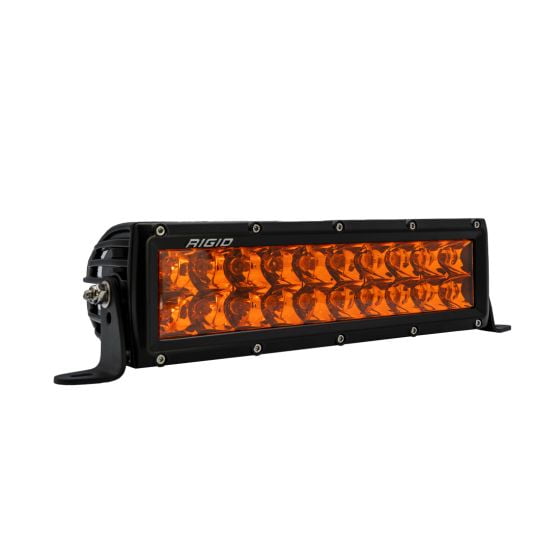
You may also want to compare white, amber, and dual-color LEDs before you finalize your setup. White output gives you a familiar bright look, while amber can add contrast in dusty or hazy conditions.
What to look for in rigid led light bars
When you compare rigid led light bars, you should look beyond appearance and focus on housing strength and weather sealing. An aluminum housing helps you handle vibration, while IP68 or IP69K ratings signal strong protection from water and dust.
You should check lens design and hardware materials if your vehicle sees mud, washboard roads, or frequent outdoor storage. Stainless hardware and sealed connections can help your setup stay consistent through repeated exposure.
Electrical details also matter because your install needs to match your vehicle and your accessories. You should compare wiring harness compatibility, relay switch setups, and amp draw before you plan your final connection points.
If you're adding other off-road accessories, you need to know how a led light bar rigid setup fits your electrical load. You can avoid guesswork when you check voltage compatibility and confirm whether your harness supports the bar length you choose.
You may also notice shoppers use terms like rigid lighting, rigid led bar, or rigid led bar lights during research. Those searches often point to the same core decisions: fitment, beam control, housing durability, and wiring readiness.
Using a ridgid light bar setup for real driving needs
You can match specific attribute combinations to the way you actually drive and work. A 10-inch flood bar with a surface mount can fit a compact bumper area, while a 50-inch combo bar can suit a wider roof setup.
If you use your vehicle for trail rides, you may want a combo beam and amber or dual-color options. That mix can help you adapt your output when terrain, dust, and route width change through the day.
For ranch work, jobsite tasks, or campsite setup, you may prefer flood coverage with a cradle mount. That combination can help you light a broad area around equipment, trailers, or loading zones.
If you drive longer rural stretches, you may lean toward spot or driving beams for farther forward reach. You should still measure clearance carefully, especially if your roof, fairing, or windshield frame limits bracket placement.
You may see searches for ridged light bar or rigid light bars when you're comparing options across trucks and SUVs. Those variations still come back to practical checks like bracket spacing, harness routing, and how the beam pattern fits your route.
When you choose with measurements and mounting style in mind, your rigid light bar setup feels more dialed in from day one. You get a cleaner fit, a beam pattern that matches your driving, and hardware that supports regular outdoor use.