


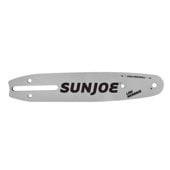
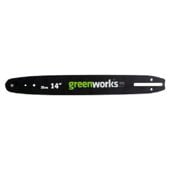
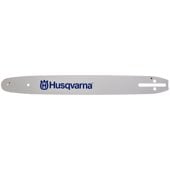
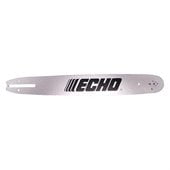
Chainsaw Bars in Chainsaw Parts and Accessories

















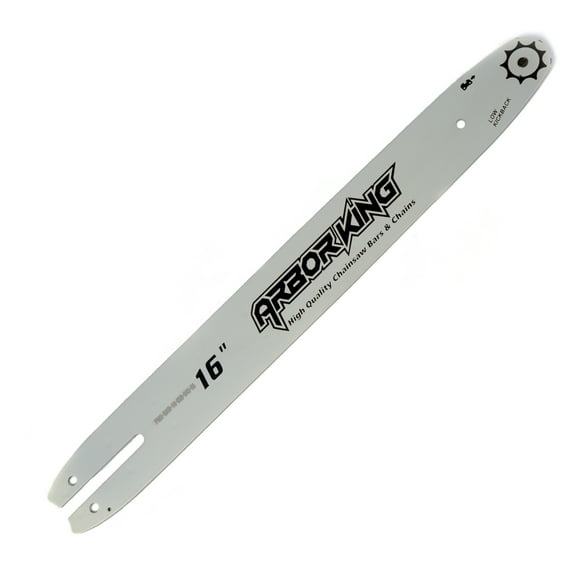

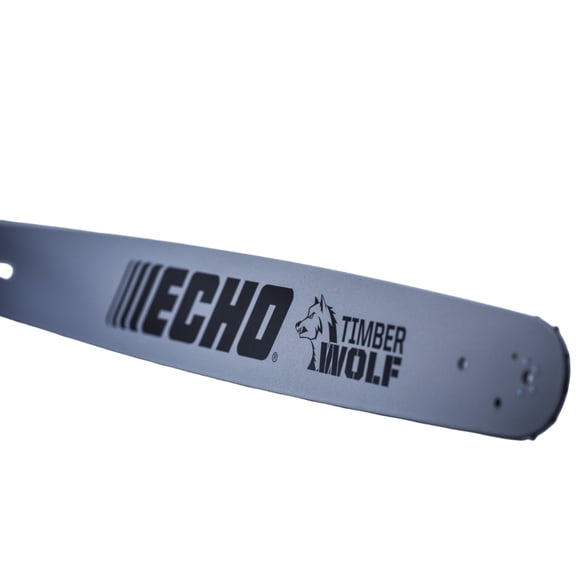
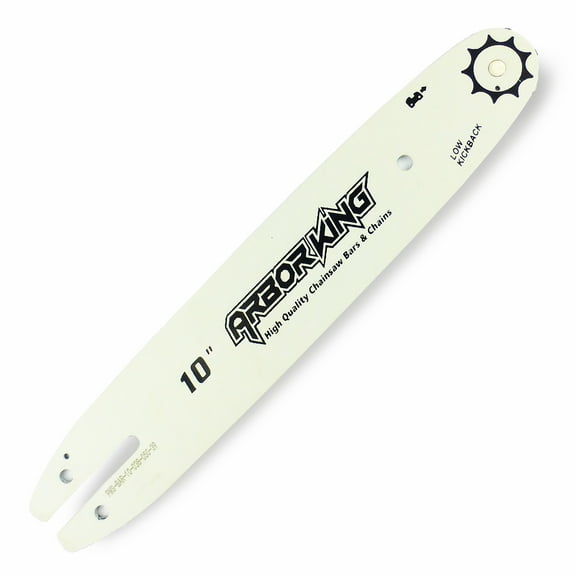

![Uxcell 10-Pack Electric Rope Connectors, 5 mm Poly Rope Connector, Egg Shape Heavy Duty Fence Wires Splicer Clamps [Silver]](https://i5.walmartimages.com/seo/Uxcell-10-Pack-Electric-Rope-Connectors-5-mm-Poly-Rope-Connector-Egg-Shape-Heavy-Duty-Fence-Wires-Splicer-Clamps-Silver_1eb505a6-f322-4f6d-bb6c-898d863cb8e6.b85fb009ac252cda40dd2bd1dfc019c4.jpeg?odnHeight=576&odnWidth=576&odnBg=FFFFFF)


About Chainsaw Bars in Chainsaw Parts and Accessories - Walmart.com
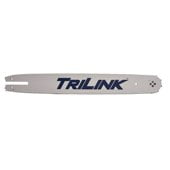
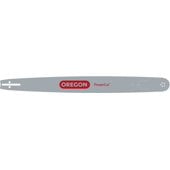
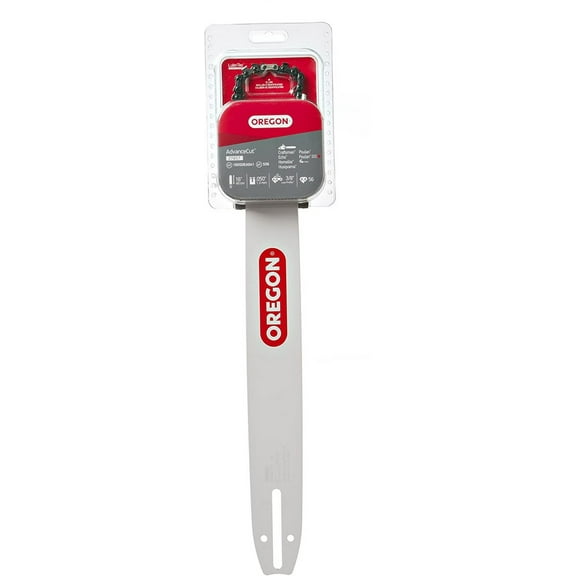
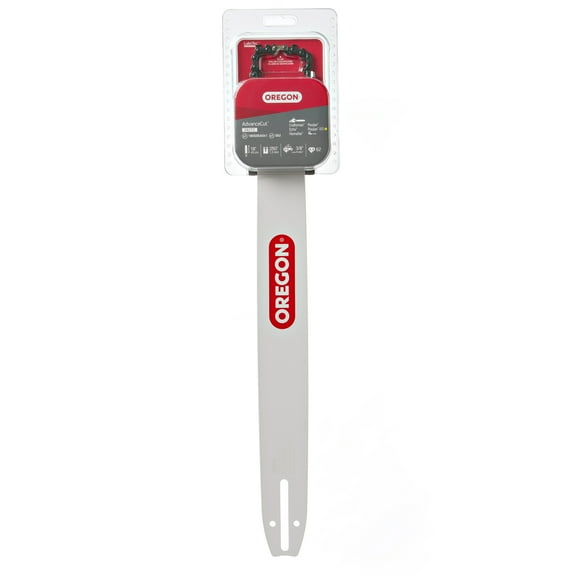
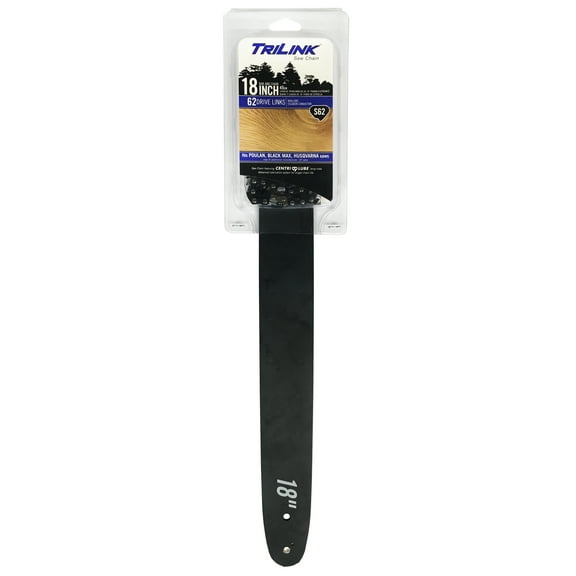
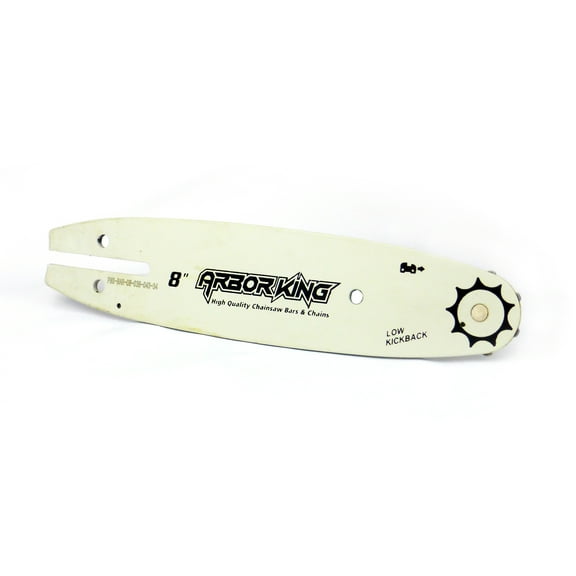
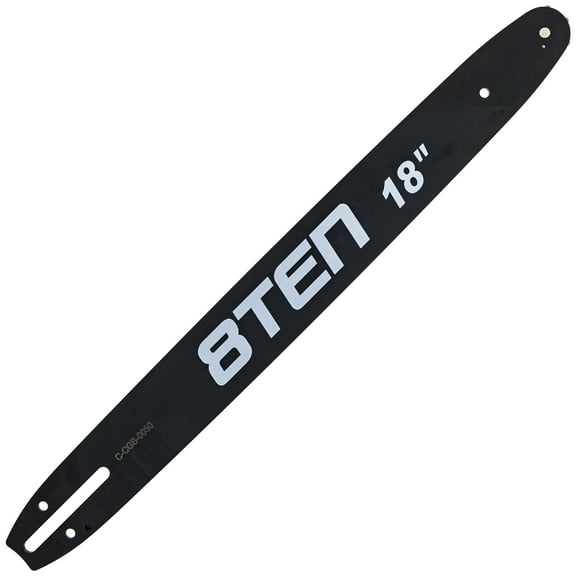
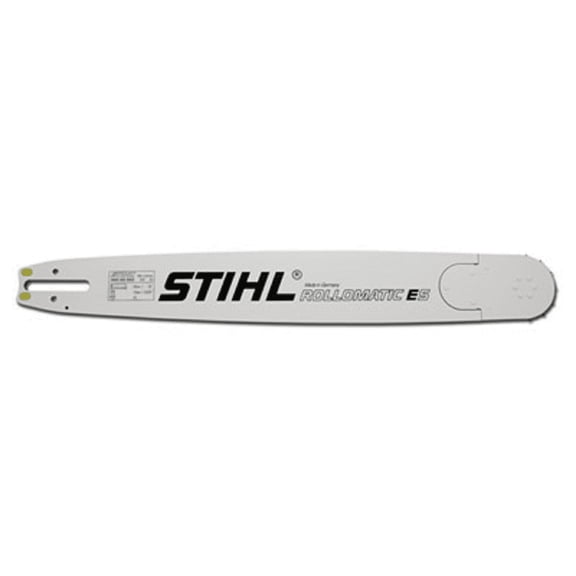
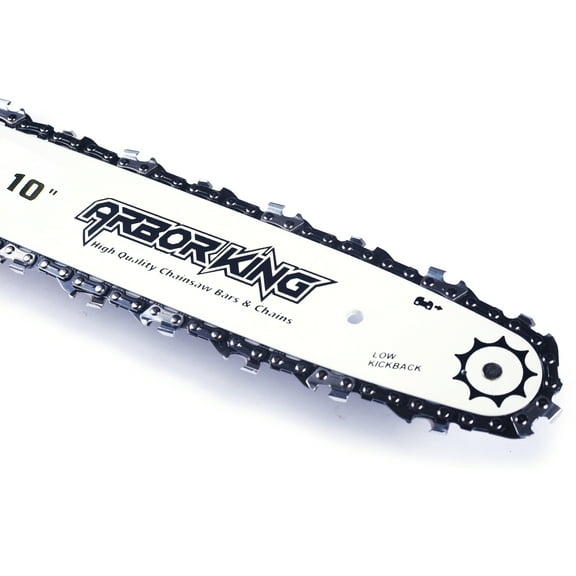
Chainsaw bars help you restore accurate fitment and steady cutting when your current setup wears down. You can compare length, pitch, gauge, and mount details here, so your replacement matches your saw.
If you're replacing a worn rail, tired nose, or bent saw bar, you should start with exact fitment. You can use this guide to compare bars for chainsaws by size, chain specs, and brand compatibility.
How to choose chainsaw bars
You should begin with the fitment details listed in your manual or printed on your current bar. You need the correct bar length, chain pitch, chain gauge, and drive link count before choosing a chainsaw replacement bar.
Bar length affects your reach, balance, and control during trimming, limbing, and bucking. You may prefer 12 inch or 14 inch options for lighter jobs, while 18 inch or 20 inch bars fit larger cuts.
Longer bars can increase your cutting capacity, but you should match them to your saw's power. You may notice smaller saws handle well with shorter bars that keep your setup controlled.
- You can replace a worn rail and keep your chain tracking evenly.
- You can match the right length for pruning, storm cleanup, or cutting firewood.
- You can compare exact chain specs before buying replacement chainsaw bars.
- You can narrow choices by brand compatibility and common homeowner saw sizes.
Pitch and gauge are critical numbers in chainsaw bar replacement. You should match both exactly, because your chain and drive system depend on those measurements working together.
You'll usually see chain pitch options like 3/8 low profile, .325, 3/8, and .404. You can think of pitch as the spacing of chain links, which affects the chain that fits your saw bar.
You'll also need the right gauge, such as .043, .050, .058, or .063. You can think of gauge as the thickness of the drive links that sit inside the bar groove.
Choosing bars for chainsaws by fitment
You should check drive link count when you replace a chainsaw bar and chain together. You may see counts like 52, 56, 62, 68, or 72, and that number must match your setup.
Drive link count works with bar length, pitch, and your saw's mount pattern. You can avoid returns when you compare all four details instead of relying on length alone.
Brand and model matching also matter because the tail mount pattern must fit your saw. You should compare brand compatibility for names like Stihl, Husqvarna, Echo, Craftsman, and Poulan before choosing chainsaw bar parts.
If you're searching for ms170 parts, you should verify the mount style and chain specs carefully. You can often find a match quickly when you start with your model number and current bar markings.
Nose style is another decision point when you compare chainsaw bars. You may choose a sprocket nose for general cutting, while a hard nose can suit dirtier or more abrasive work.
A sprocket nose can help you keep cuts moving evenly through routine yard tasks. A hard nose may make sense when your cutting conditions are rough and your bar sees frequent ground contact.
What to look for in a chainsaw replacement bar
You should inspect rail wear, groove width, and the nose area when your cutting starts feeling uneven. You may need a chainsaw bar replacement if your chain no longer tracks evenly or your bar shows visible wear.
You can also compare whether you need only the bar or a chainsaw bar and chain set. A matched set can simplify fitment when you want pitch, gauge, and drive link count aligned together.
When you cut firewood, you may want a medium length bar that balances reach and control. You can use 16 inch or 18 inch options for many common property tasks without making handling feel too heavy.
For pruning and limbing, you may lean toward shorter chainsaw bars with lighter handling. You can maneuver more easily around branches when your bar length fits the job instead of exceeding it.
For larger logs, you may look at longer bars for chainsaws paired with a stronger saw. You should confirm your engine size and approved bar range, so your setup stays balanced during longer cuts.
If you maintain several saws, you can compare chainsaw bar parts by specification instead of appearance. You should keep length, pitch, gauge, and drive links listed together, so reordering stays simple later.
You can also pair your replacement with related upkeep items that support routine saw care. You may want matching chains, files and sharpeners, or protective gear to keep your setup ready for the next job.
Chainsaw bars compatibility and parts
You should treat compatibility as the deciding factor, not an afterthought. You can get a smooth replacement experience when your saw bar matches your model, chain type, and intended cutting tasks.
With the right chainsaw bars, you can restore steady tracking, cleaner cuts, and confident fitment. You can finish yard work or firewood prep with a bar that matches your saw from the start.