

Remote Control Toys : Play Vehicles, Trains & Helicopters


























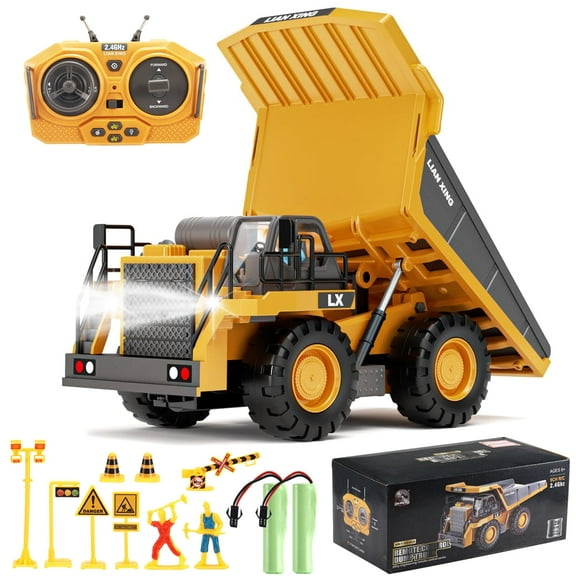


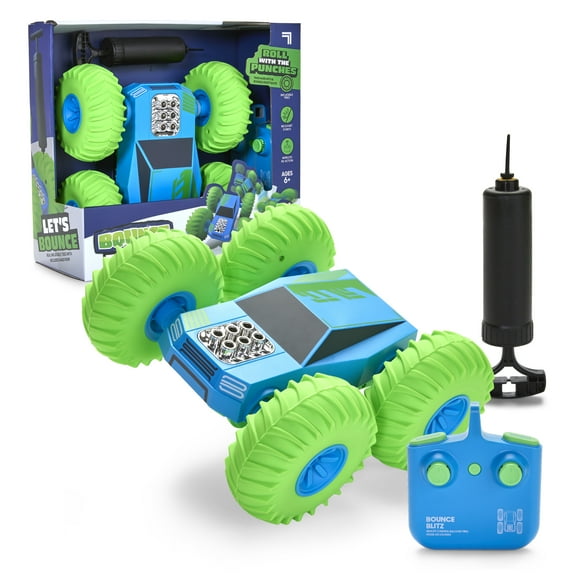
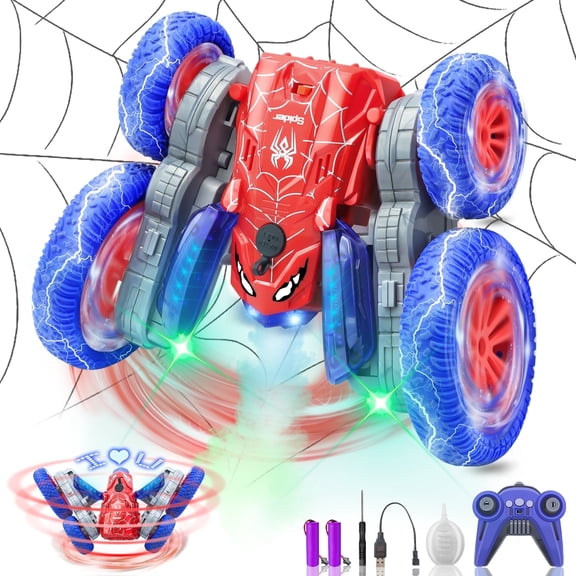
About Remote Control Toys : Play Vehicles, Trains & Helicopters - Walmart.com
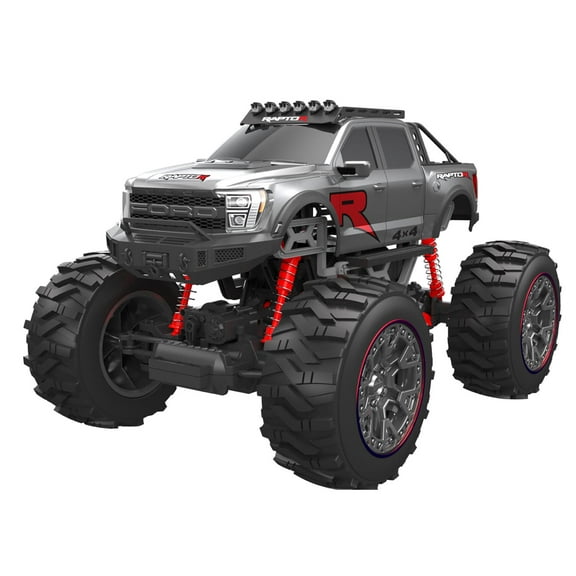
You can compare rc cars and vehicles by terrain, scale, and power, so your next run fits your space and driving style. You'll also find options for beginners, hobbyists, smooth pavement, and rough backyard tracks.
How to choose rc cars and vehicles
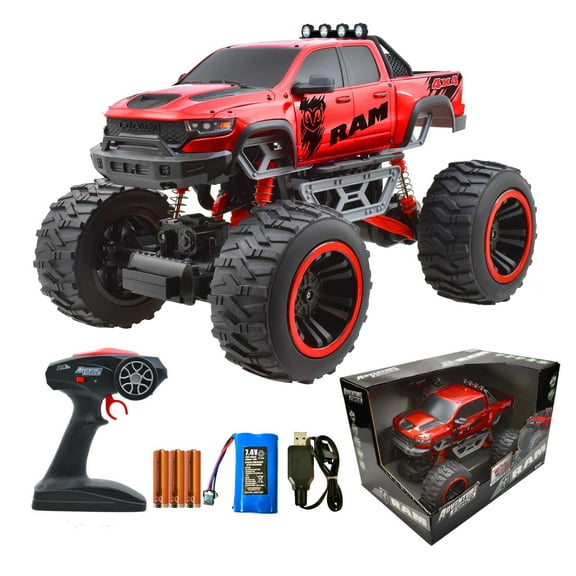
You should start with vehicle type, because each style changes how your driving session feels. You'll notice cars turn quickly, while rc trucks handle bumps, and crawlers focus on slow climbing control.
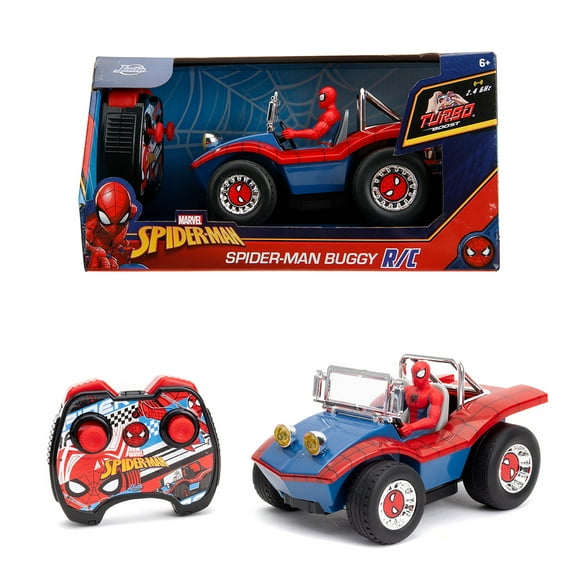
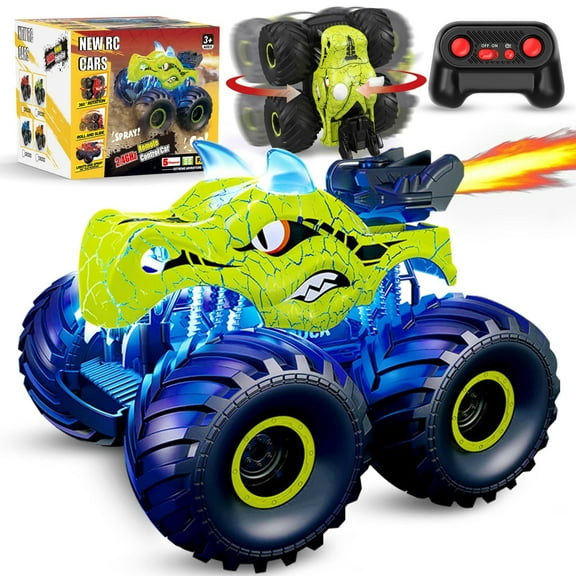
If you're shopping for young drivers, you may prefer toy rc vehicles with straightforward controls and sturdy bodies. If you're building skills, you may prefer hobby-grade options with replacement parts and tuning choices.
You can use this quick guide to narrow your choices before you compare details. You'll usually want a match between your skill level, your space, and your preferred driving style.
- You can choose cars for quick steering on smooth pavement and driveways.
- You can choose rc trucks for tall tires, rough surfaces, and ample ground clearance.
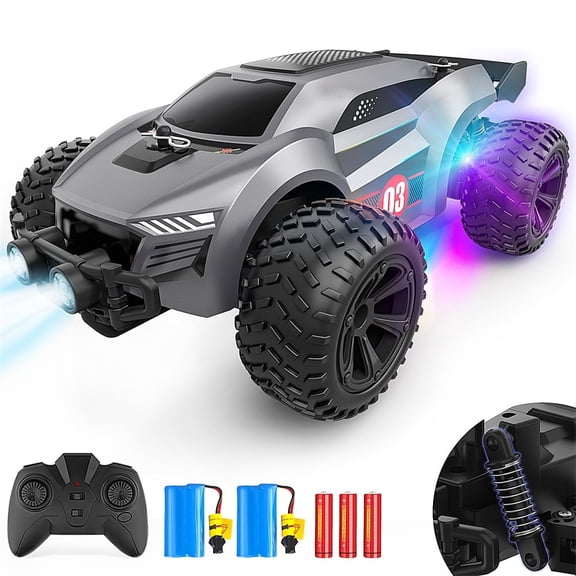
- You can choose drift cars when you want controlled slides on flat, open areas.
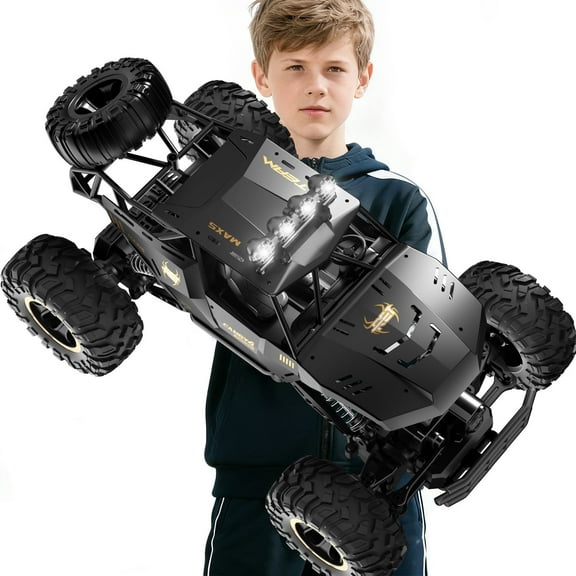
- You can choose crawlers when you want slow climbing over rocks, roots, and uneven ground.
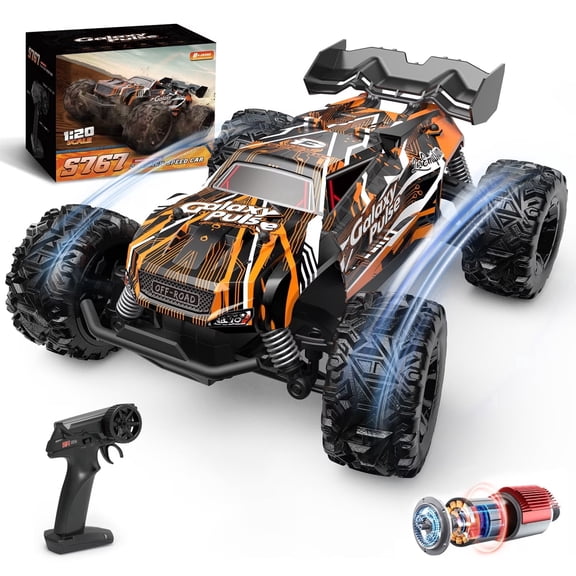
- You can choose buggies when you want a light feel for mixed surfaces and jumps.
Choosing the right scale size and skill level
You should compare scale size early, because it affects handling, storage, and where you can drive. You'll often find 1:10 scale models feel large and steady, while 1:24 scale options fit tight spaces.
If you have a large yard or open pavement, you may like 1:10 scale rc cars for substantial presence. If you need easy transport, you may prefer 1:18, 1:14, or 1:24 scale choices.
You should also compare toy-grade and hobby-grade builds before you choose. You'll usually get straightforward operation from entry models, while hobby-focused models offer adjustable parts and convenient part replacement.
When you're buying for kids, you may want appropriate speed ranges and straightforward controls. When you're buying for experienced drivers, you may want tunable steering, durable drivetrains, and upgrade support.
Comparing terrain for remote control cars
You should match your terrain to tire style, ride height, and vehicle shape. You'll get smooth runs on pavement with low, on-road setups, while off road rc cars handle dirt, gravel, and grass.
If your driveway is your main track, you may prefer remote control cars built for quick turning. If your yard has uneven patches, you may prefer rc trucks or buggies with ample clearance.
You can also compare all-terrain designs when you want one vehicle for mixed surfaces. You'll appreciate rock crawling setups when your route includes roots, stones, and slow technical lines.
Before you choose, you should think about where your vehicle will spend most of its time. You'll avoid frustration when your tire style and suspension match your usual driving surface.
Understanding power, batteries, and run time
You should compare battery type and motor setup, because those details shape speed, upkeep, and session length. You'll often see rechargeable rc cars with convenient charging, while AA battery powered options keep setup familiar.
If you want responsive handling and rapid acceleration, you may look at brushless motor options. If you want accessible starting points, you may choose brushed setups that feel approachable for casual driving.
You should also check how run time fits your routine before you decide. You'll want a battery setup that supports your play window without long interruptions between sessions.
When you compare charging speed, you should think about how often you'll reuse the vehicle in one day. You'll find a rechargeable battery or LiPo battery setup can suit repeat sessions when charging fits your schedule.
What to look for in durability and parts support
You should pay attention to body material, wheel design, and bumper shape when durability matters. You'll usually want sturdy construction if your driving includes curbs, jumps, or rough backyard surfaces.
If you expect frequent use, you may want models with replacement tires, suspension pieces, and body parts. You'll appreciate straightforward parts access when you want to keep your vehicle running after heavy weekend use.
You can also compare wheelbase and tire width when stability matters to your driving style. You'll often notice wider stances feel stable during turns, while compact builds suit tight spaces.
For hobby use, you should check whether key wear items are easy to replace. You'll get plenty of long-term enjoyment when your vehicle supports simple upkeep and straightforward repairs.
Matching RC styles to how you drive
You may want rc drift cars if you enjoy controlled cornering on smooth concrete or polished pavement. You'll get the right experience when you have open space and enough traction balance for sliding turns.
If your afternoons happen in the yard, you may prefer rc trucks or buggies for dirt paths and grass. You'll get reliable traction when your tires and suspension fit loose or uneven ground.
You can choose crawlers when you enjoy careful throttle control over rocks, landscaping edges, and trail obstacles. You'll notice these setups focus less on speed and more on climbing balance.
For gifts, you should match age range, control complexity, and charging routine to the person using it. You'll make an informed pick when the vehicle fits both interest level and available play space.
You can feel confident when you compare rc cars and vehicles by type, scale, terrain, and power. You'll end up with a vehicle that fits your space, your skill level, and your driving style.