

Reloading Supplies in Sports Shooting & Supplies

















About Reloading Supplies in Sports Shooting & Supplies - Walmart.com
Reloading supplies help you build a caliber-specific bench with presses, dies, brass, and tools that match your loading routine. You can compare key equipment and components in one place, so your setup stays aligned with rifle, pistol, or shotgun needs.
How to choose reloading supplies
Start by deciding whether your bench needs equipment, components, or both. You might be replacing a single part, adding another caliber, or building a first setup from the ground up.
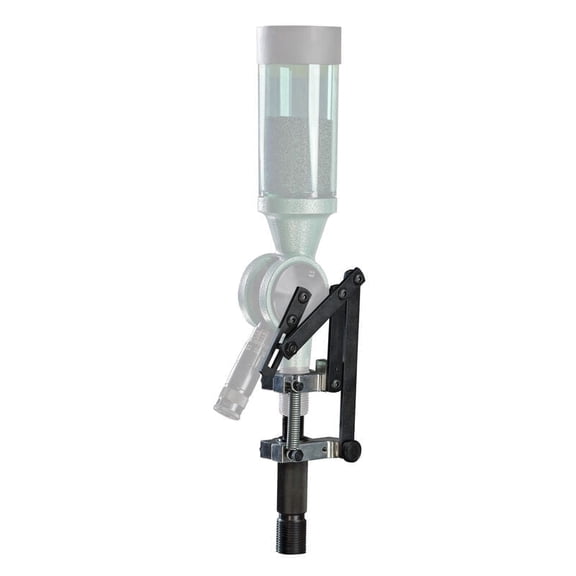
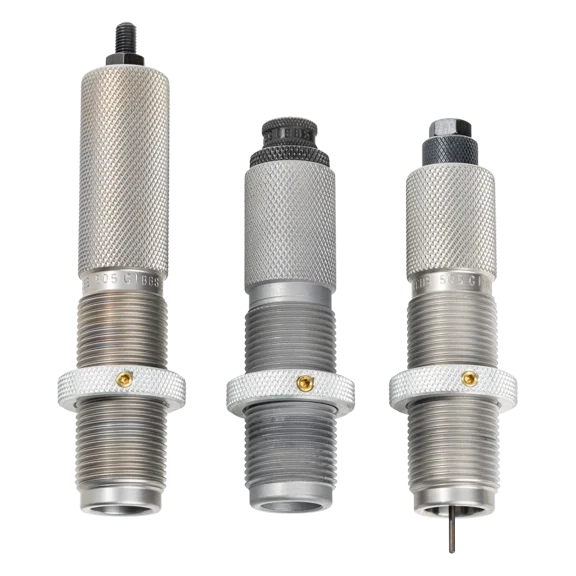
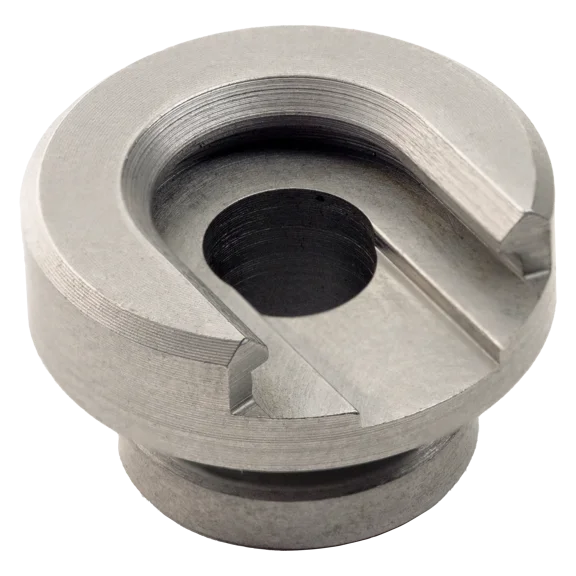
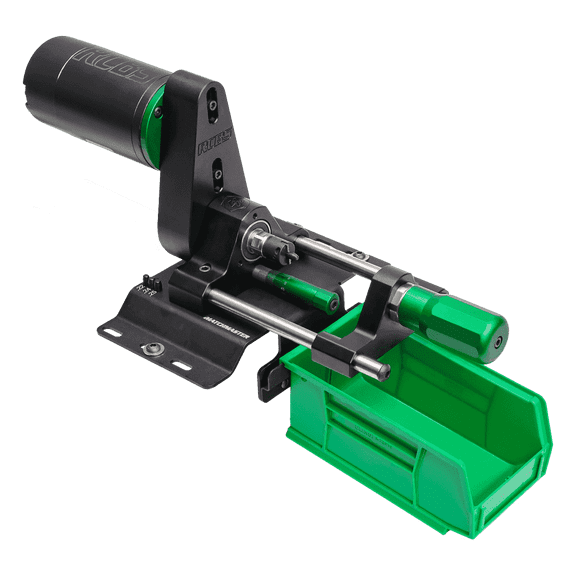
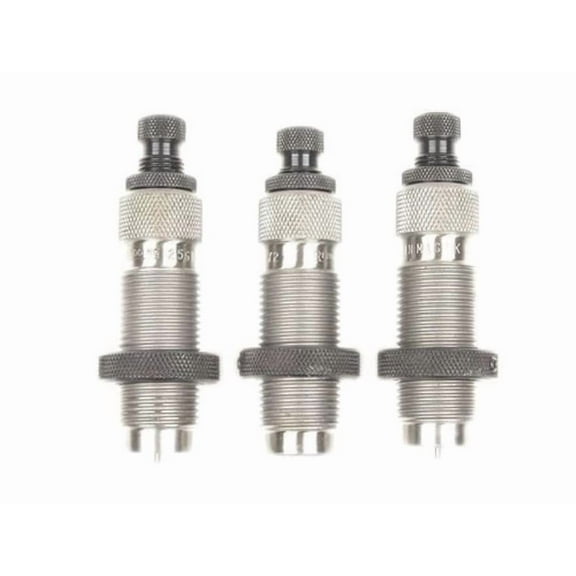
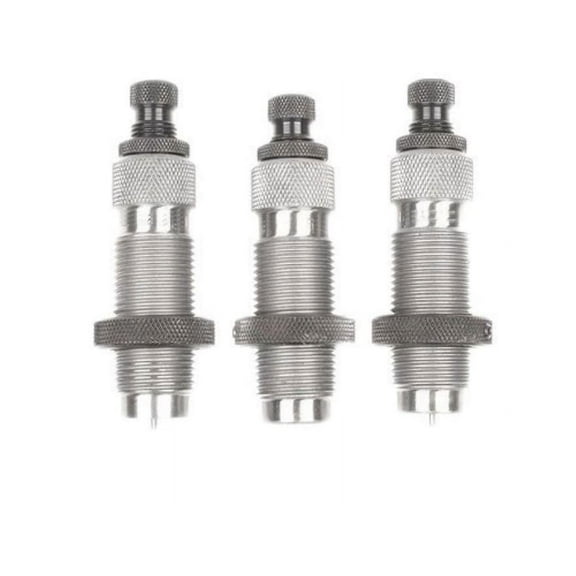
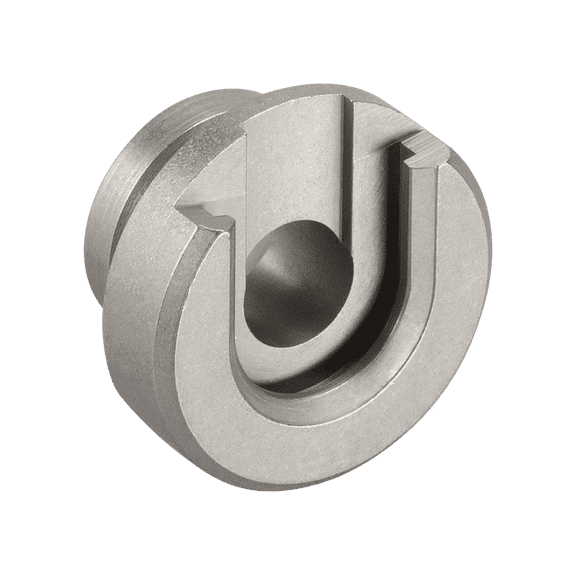
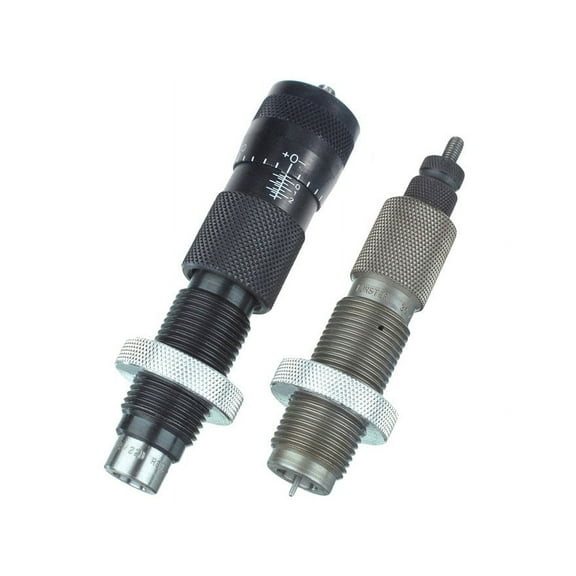
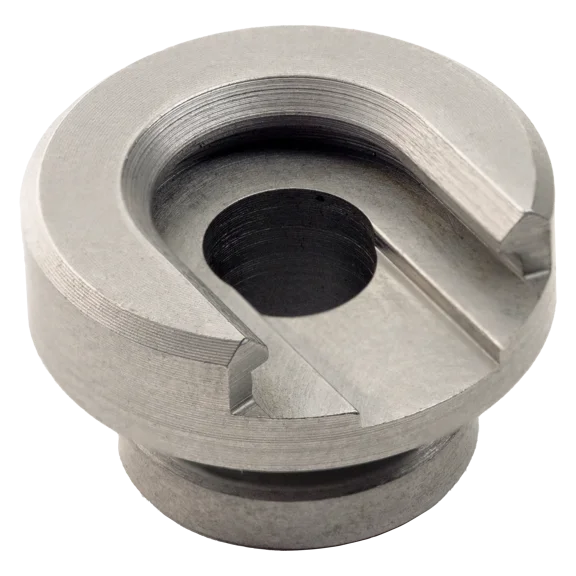
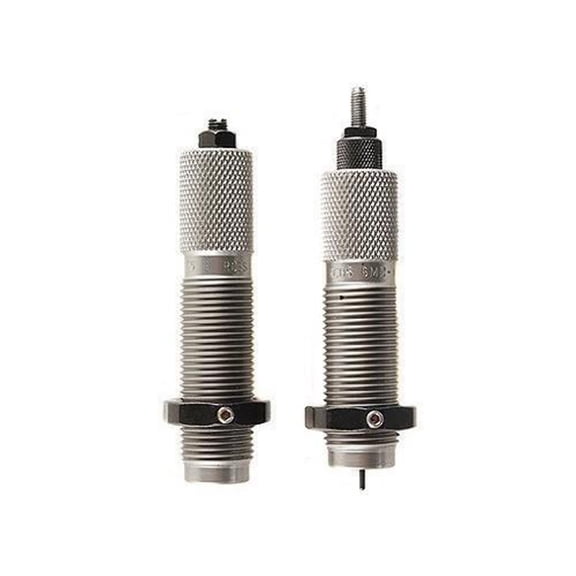
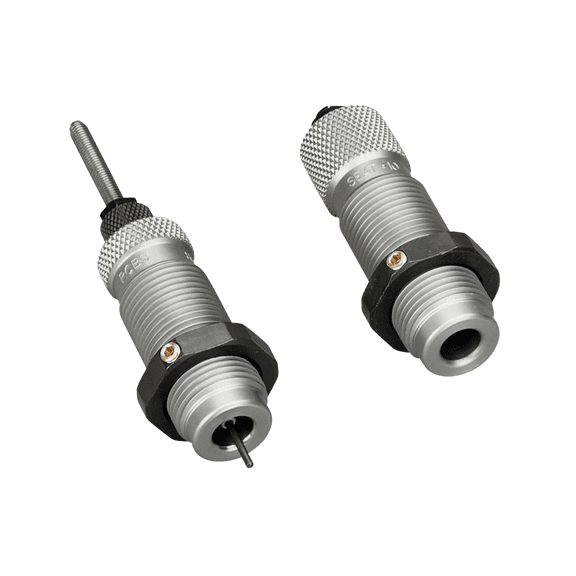
Equipment type is an early decision that shapes your workflow. You can compare reloading presses, reloading dies, powder measures, and shell holders based on bench space and process control.
Component type matters when your core bench gear is already in place. You can narrow bullet reloading supplies by brass casings, bullets, primers, and smokeless powder for your planned loading steps.
Caliber compatibility deserves close attention before you choose anything. You should check that your dies, shell holders, and components match the exact cartridge or gauge on your bench.
Why your setup choices matter
The right category mix helps you keep your bench organized and your process consistent. You can focus faster when your press style, components, and accessories fit the way you load.
- You can match your bench to low-volume or high-volume loading sessions.
- You can keep caliber-specific parts grouped for smoother setup changes.
- You can compare component types before you commit to a new loading routine.
- You can build around rifle, pistol, or shotgun needs with more clarity.
Bench space also influences what belongs in your setup. You may prefer fewer moving parts for a compact area, or you may want a larger arrangement for longer loading sessions.
Brand ecosystem alignment can shape accessory choices across your bench. You should check whether shell holders, die sets, and press attachments are intended for your current press family.
Choosing ammo reloading equipment
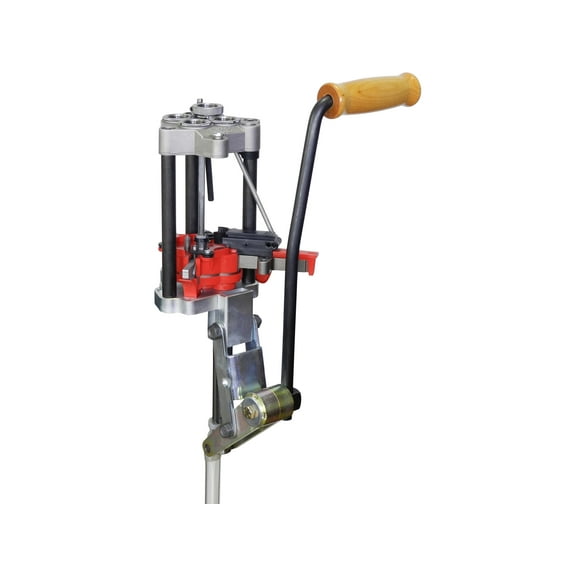
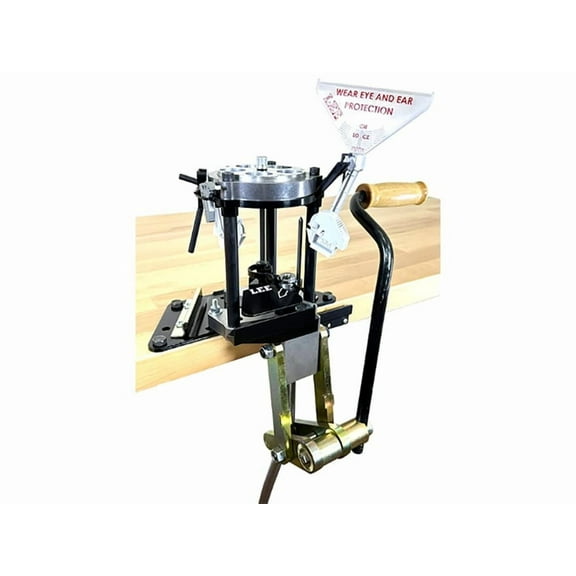
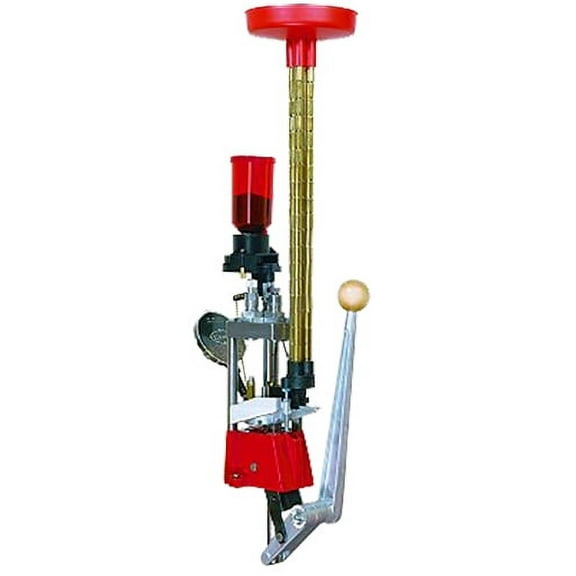
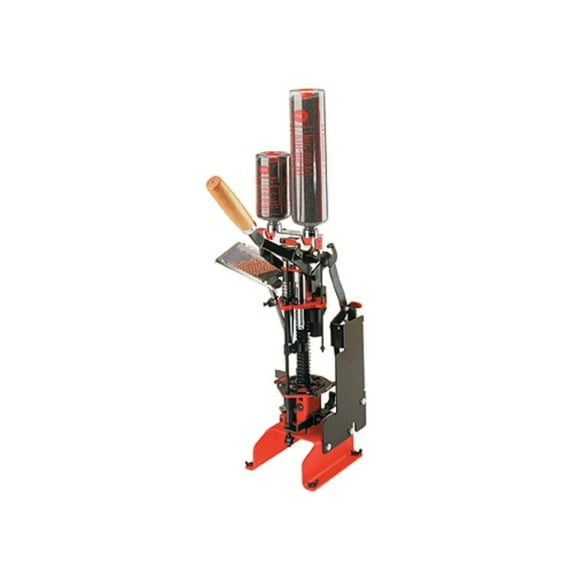
Ammo reloading equipment should match your loading volume, pace, and level of hands-on control. You can compare single-stage, turret, and progressive operation based on how you prefer to move through each step.
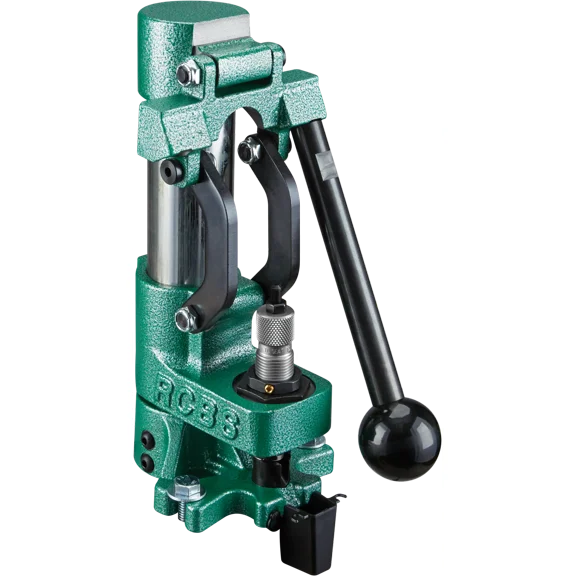
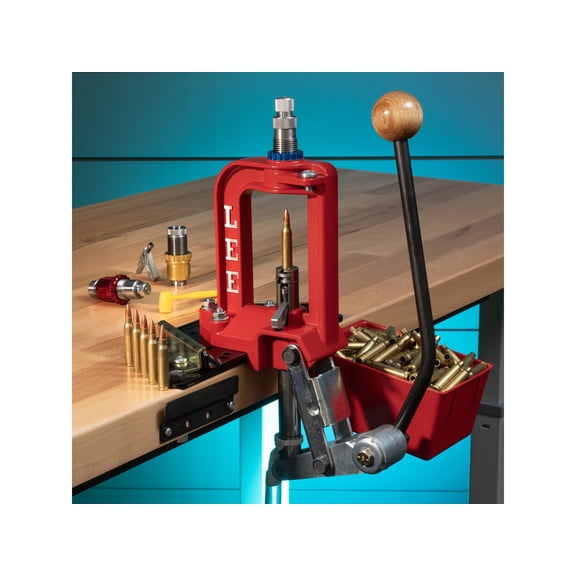
A single-stage press gives you one operation at a time with a focused workflow. You might choose it when your bench centers on smaller batches or careful die changes.
A turret press keeps multiple dies ready, which can reduce setup changes between stages. You can move from one step to another with less interruption when you load common calibers.
A progressive press supports a faster routine with several operations happening in sequence. You may lean that direction when your pistol or rifle sessions call for more output from each loading period.
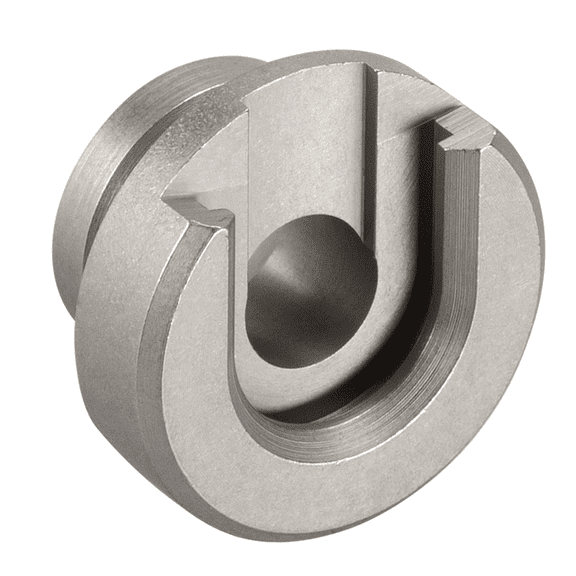
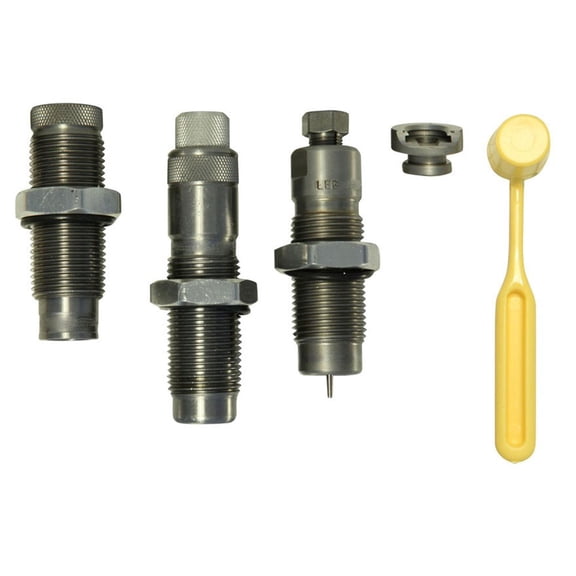
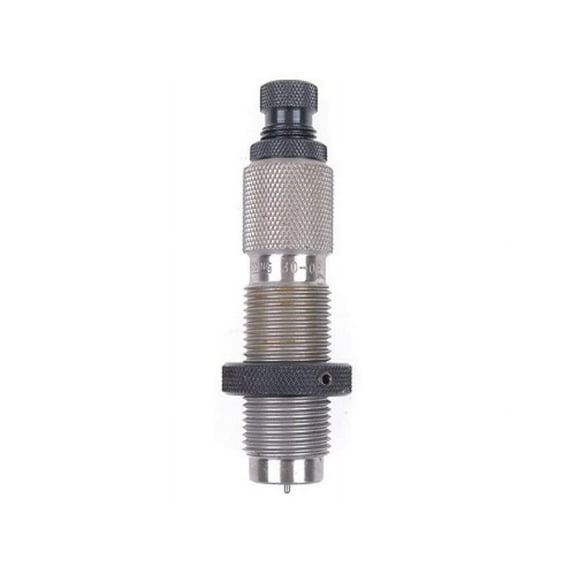
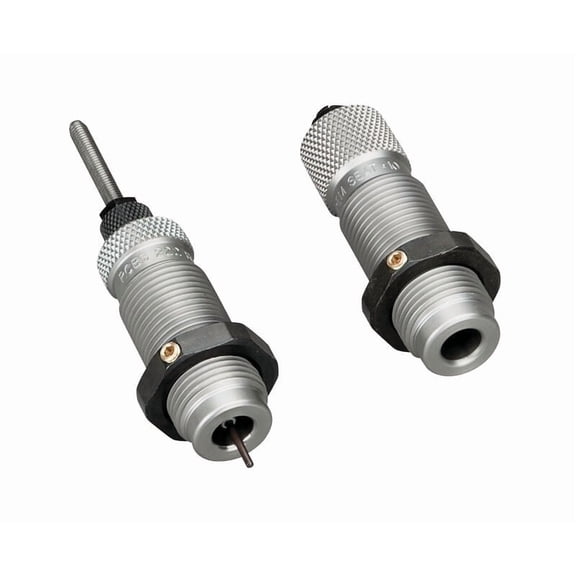
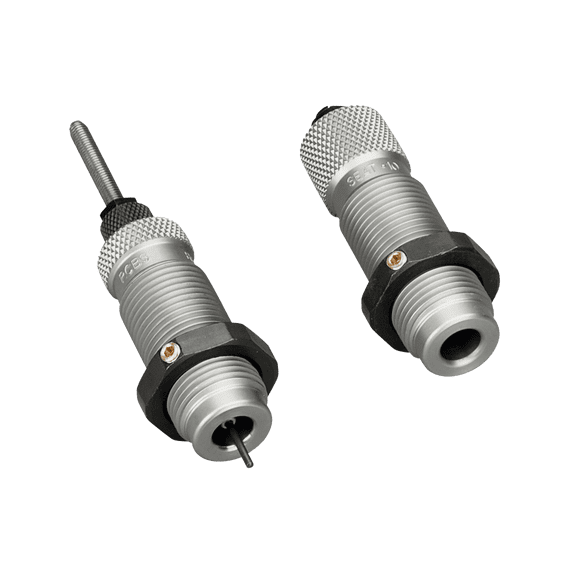
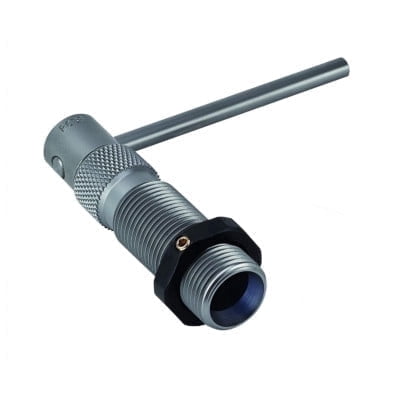
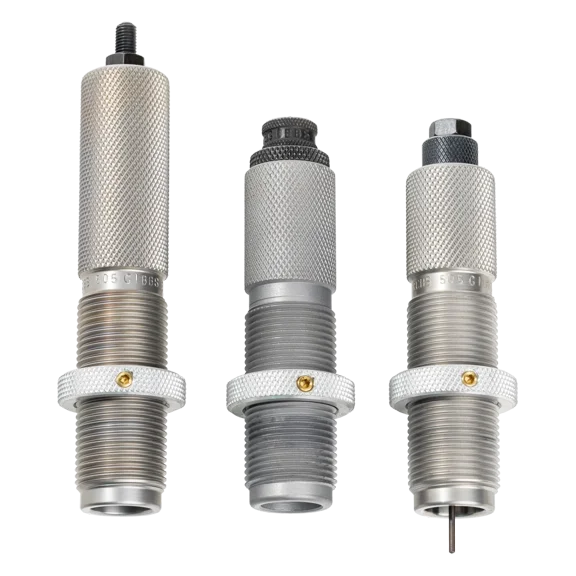
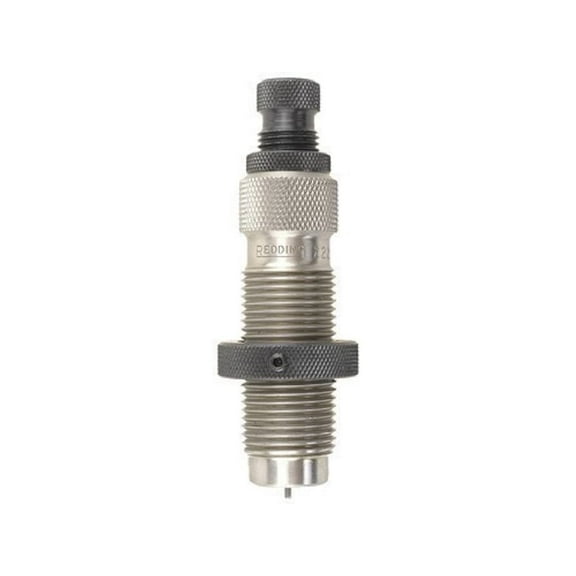
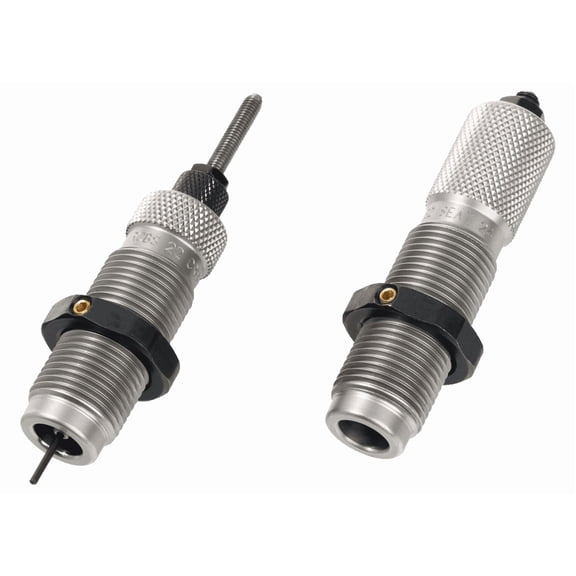
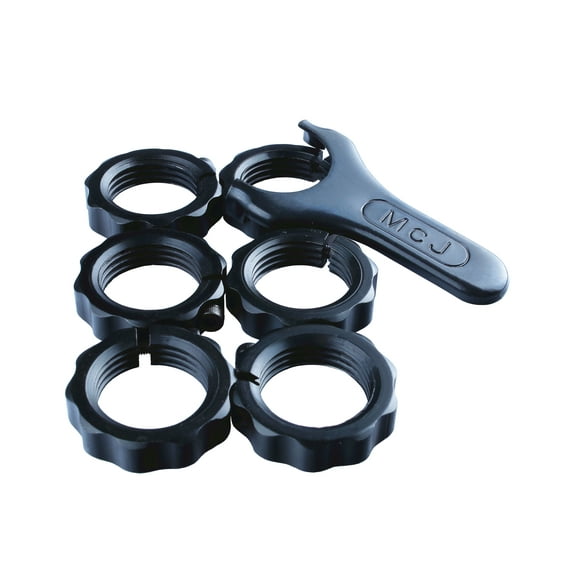
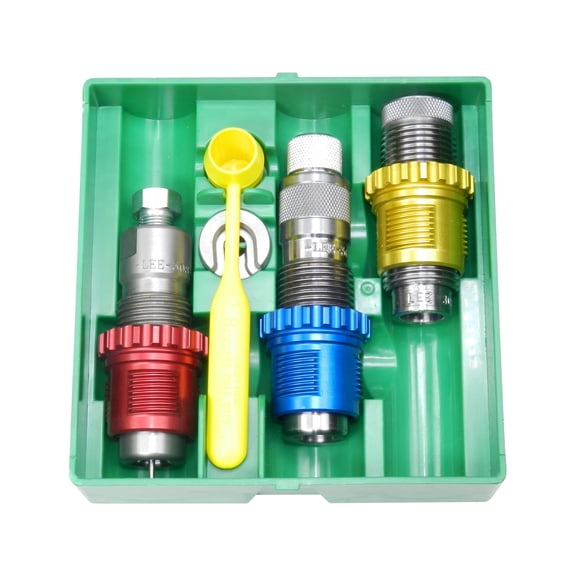
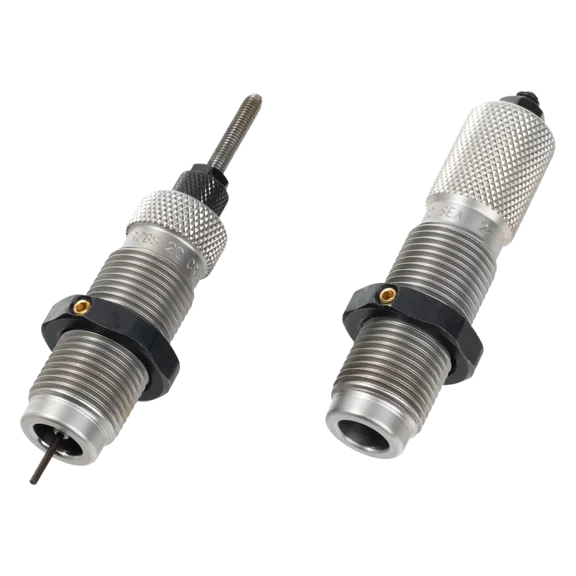
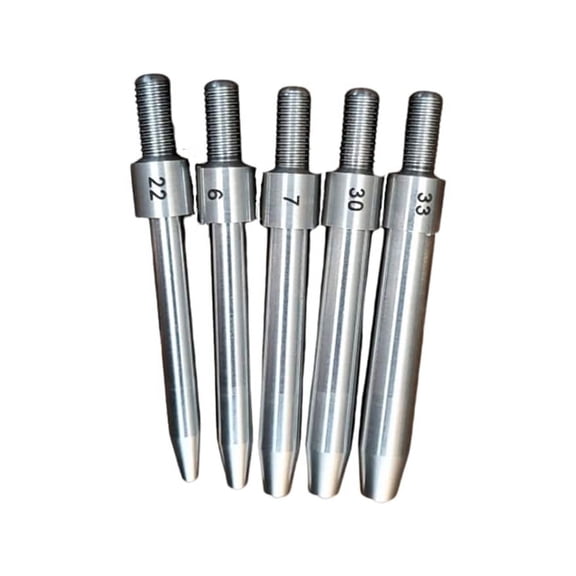
Reloading press and dies should also align with the cartridge you plan to load. You can compare die sets, shell holders, and press fit details before expanding into another caliber.
Comparing bullet reloading supplies and components
Bullet reloading supplies depend on close matching across every component in your order. You should compare brass casings, bullet type, primer size, and smokeless powder format before finalizing your bench plan.
Brass casings for reloading are often the starting point for component shoppers. You can sort by caliber, quantity, and case style to support your existing setup or a new cartridge path.
Bullet selection changes with caliber, weight, and intended shooting activity. You may compare options for range sessions, target use, or tailored loads that fit your preferred firearm platform.
Primers and smokeless powder need the same careful review as cases and bullets. You should check product details closely, because your chosen cartridge dimensions influence the rest of your component choices.
Checking caliber compatibility before you choose
Caliber compatibility is decision-critical because small fit differences affect every stage of your process. You should confirm that each die, shell holder, and case matches the exact round or gauge you reload.
You may be narrowing options for 9mm, .223 Remington, .308 Winchester, or 12 Gauge. Those paths call for different dies, holders, and components, so your product details need a close look.
Reloading tools aren't interchangeable across every cartridge family. You can avoid mismatched bench parts by comparing caliber listings, thread details, and intended equipment fit.
When you add accessories to an existing press, ecosystem fit becomes another practical checkpoint. You should compare compatibility notes for attachments and die systems before changing your bench layout.
Using reloading supplies in real bench scenarios
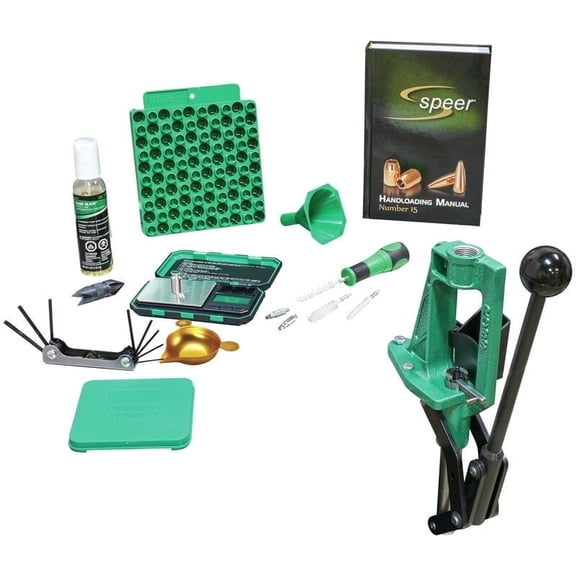
If your first bench is taking shape, you may begin with core ammo reloading equipment and a straightforward caliber path. You can pair a single-stage press with matched dies, a powder measure, and basic accessories.
If your current setup already handles one cartridge, expansion may center on another die set and shell holder. You should verify each addition fits your press and supports your preferred loading sequence.
Frequent handgun sessions can call for a progressive workflow with organized component access. You can support repeated 9mm loading with matching dies, sorted brass, and easy-to-reach bench tools.
Rifle loading often points you toward a slower, step-by-step process for cartridges like .223 Remington or .308 Winchester. You can keep tighter control over case prep, die changes, and measured component selection.
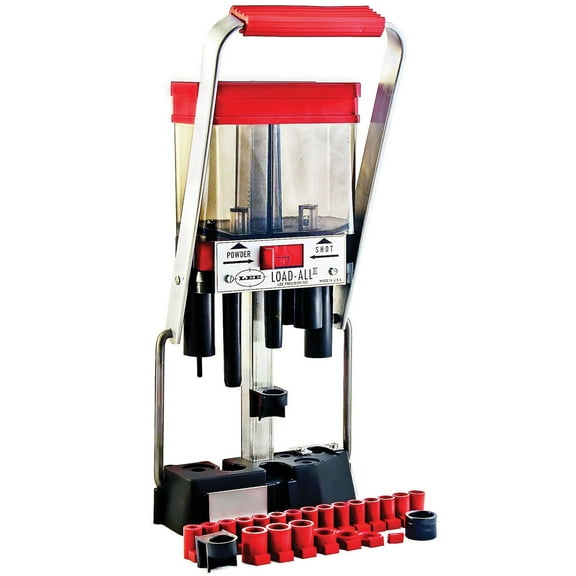
Shotgun setups bring their own decisions, especially when you focus on 12 Gauge equipment and components. You should keep your selection centered on gauge-specific fit, so your bench stays consistent from start to finish.
With the right reloading supplies, you can build a setup that matches your caliber, your workflow, and your bench space. You end with clearer compatibility decisions and a smoother path from setup to finished rounds.