



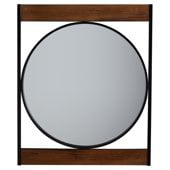
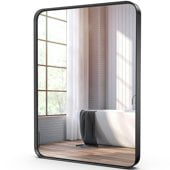
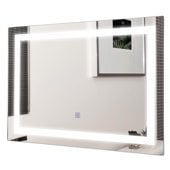
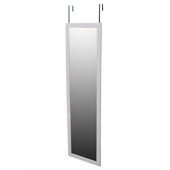

Mirror





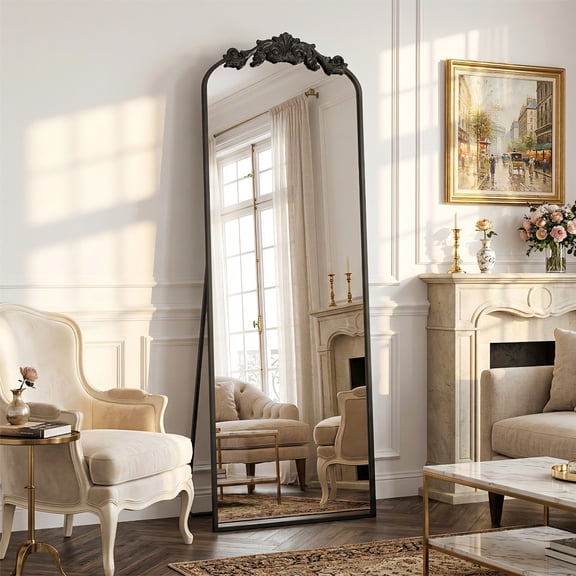


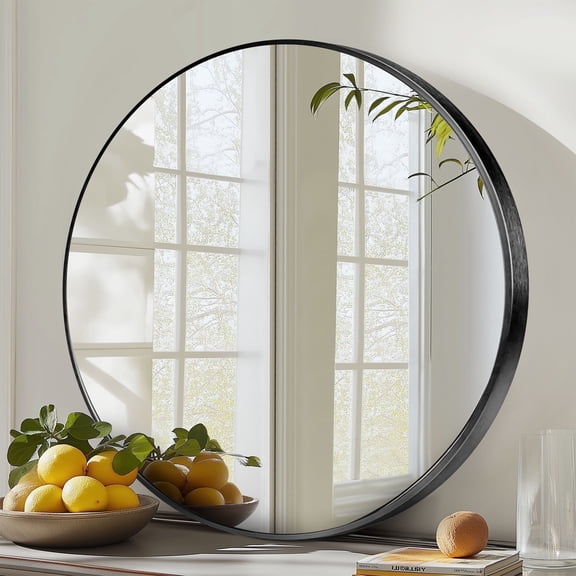
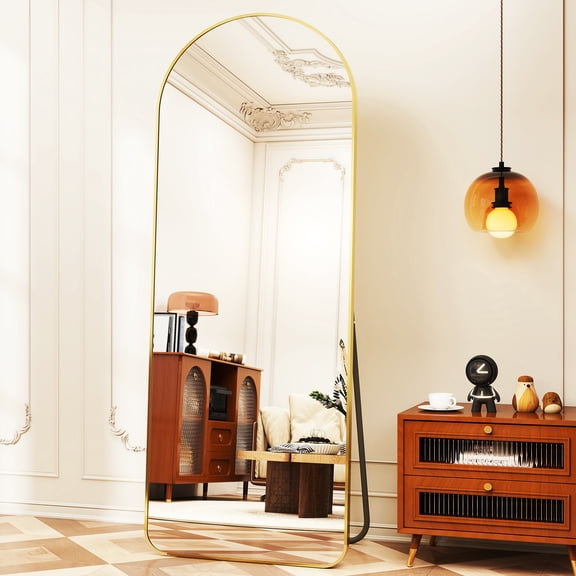

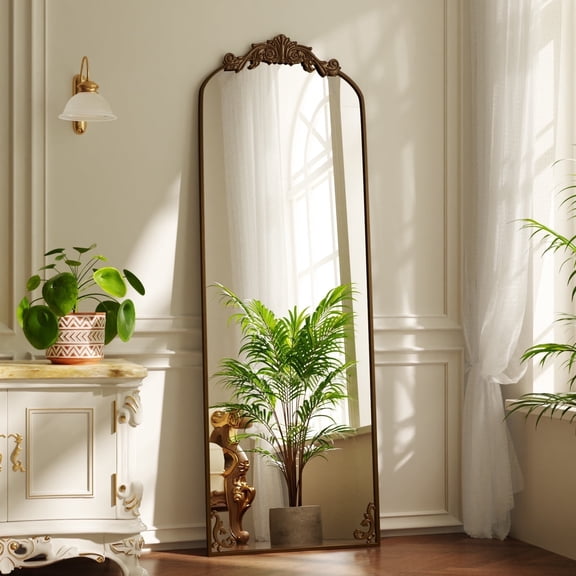











About Mirror - Walmart.com
A mirror can open up a room, sharpen your setup, and add polished style without changing the rest of your space. On this page, you can compare wall styles, standing designs, and home mirrors made for entryways, bedrooms, bathrooms, and living rooms. The right shape and scale matter here. A narrow hallway mirror reads differently than an oversized floor mirror beside a dresser or reading chair.
Mirror styles for every room
Different rooms call for different placement, proportions, and frame looks. That’s why this assortment covers everything from compact wall pieces to full-length options with a taller viewing area.
In a busy entry, a wall mirror gives you a quick final check before heading out. In a bedroom, a floor style helps with full outfit views and can visually stretch tighter corners.
- Wall designs help anchor console tables, vanities, and mantels.
- Leaning and standing options create full-length reflection without mounting.
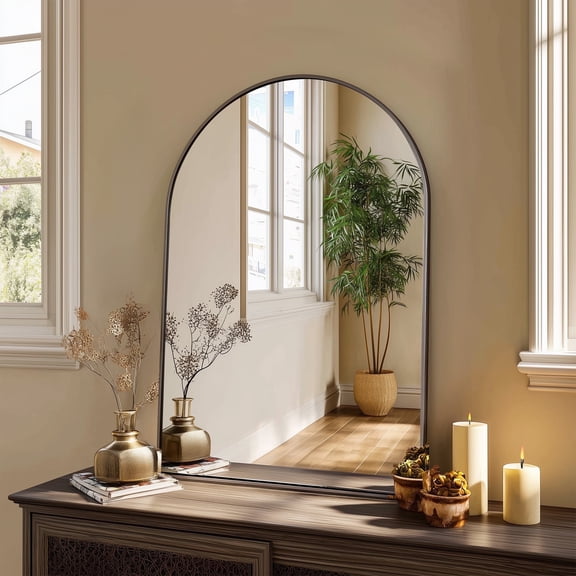
- Round, arched, and rectangular shapes support different room layouts.
- Framed finishes help tie into wood, metal, or mixed-material furniture.
- Decorative accents can brighten blank walls and break up heavy furniture lines.
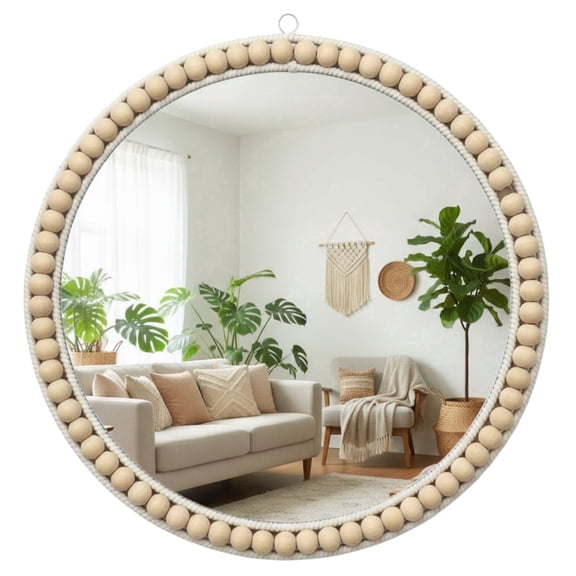
Placement changes the effect. A round piece softens angular furniture, while a tall rectangle echoes doors, bookcases, and upholstered headboards.
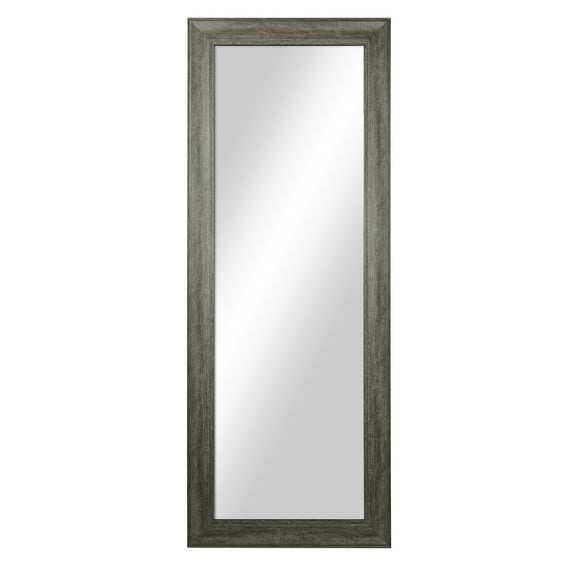
Frame details also influence the look. Thin metal edges feel clean and modern, while thicker wood-tone frames bring warmth to layered spaces.
Wall mirror sizing and design details
A wall mirror works hardest when its width fits the furniture below it. Many shoppers choose a piece that feels balanced above a vanity, console, or fireplace.
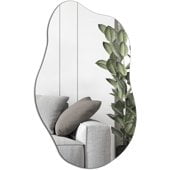
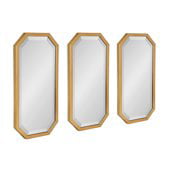
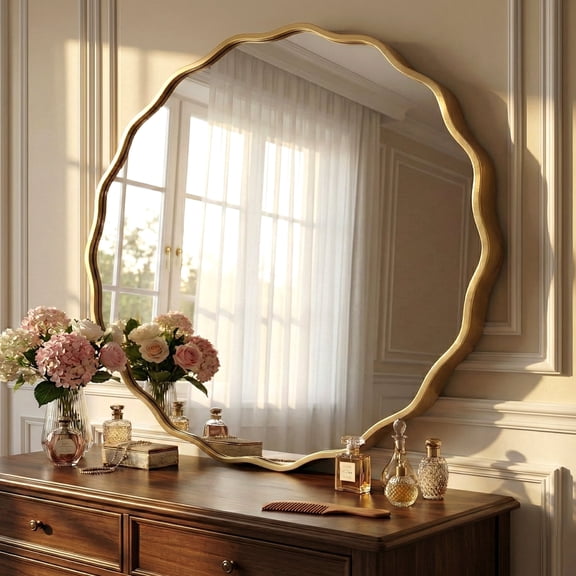
Shape affects visual flow. Round and oval silhouettes can soften sharp lines, while square and rectangular forms create a more structured feel.
Pay attention to frame depth, hanging orientation, and overall dimensions. Those details help you match the mirror to narrow walls, taller ceilings, or lower furniture profiles.
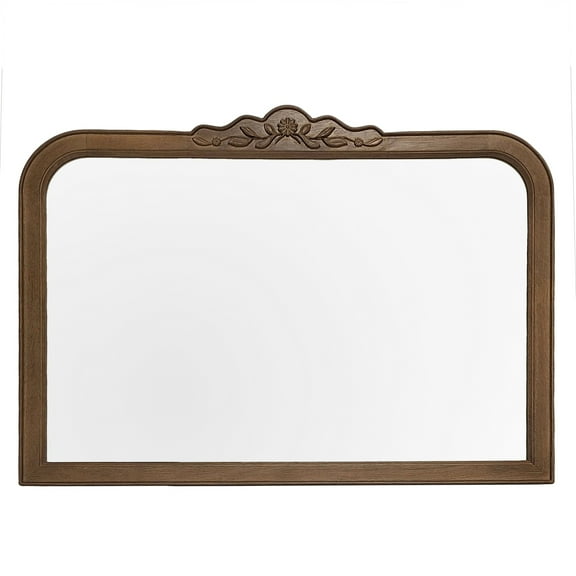
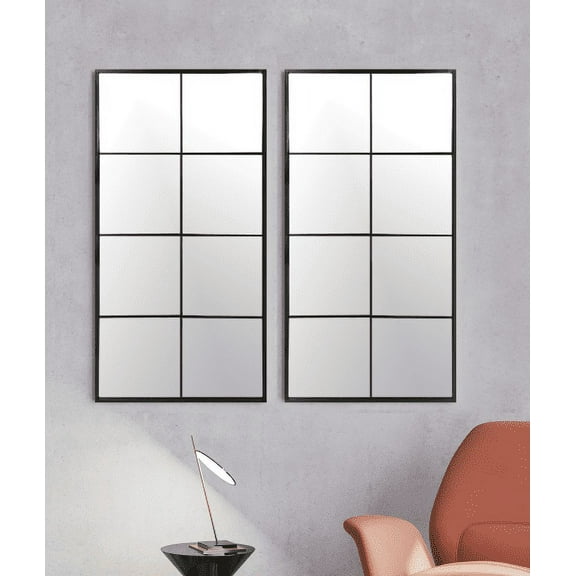
Some designs hang vertically for outfit checks and smaller wall footprints. Others hang horizontally to span double sinks, sideboards, or longer accent walls.
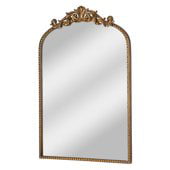
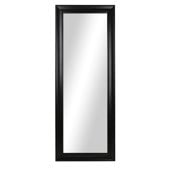
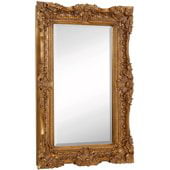
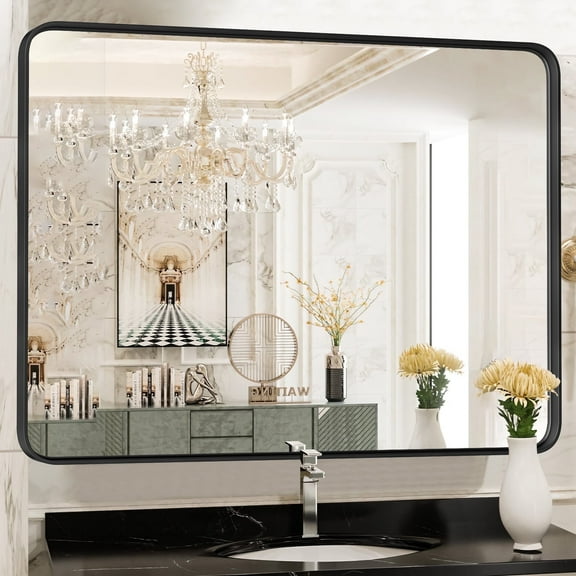
Finish matters too. Black frames create definition, gold-tone trims add shine, and natural wood looks blend easily with farmhouse, coastal, or transitional rooms.
When you’re comparing home mirrors, think about how much surrounding wall you want visible. A larger reflective surface can make nearby lamps and windows feel more present.
Oversized floor mirror options
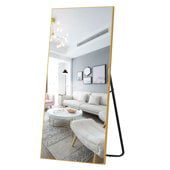
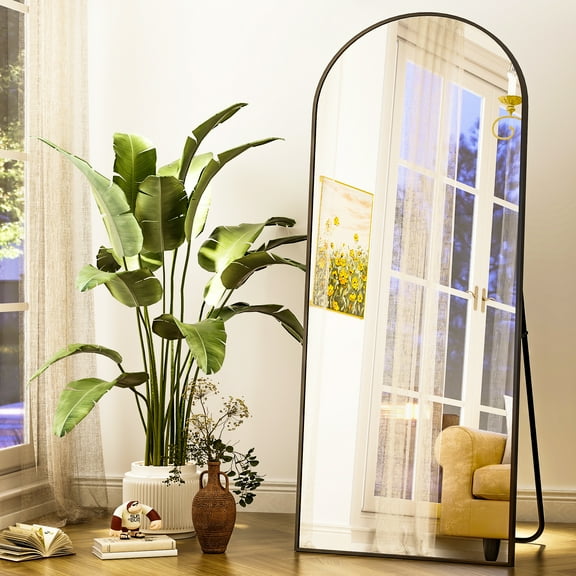
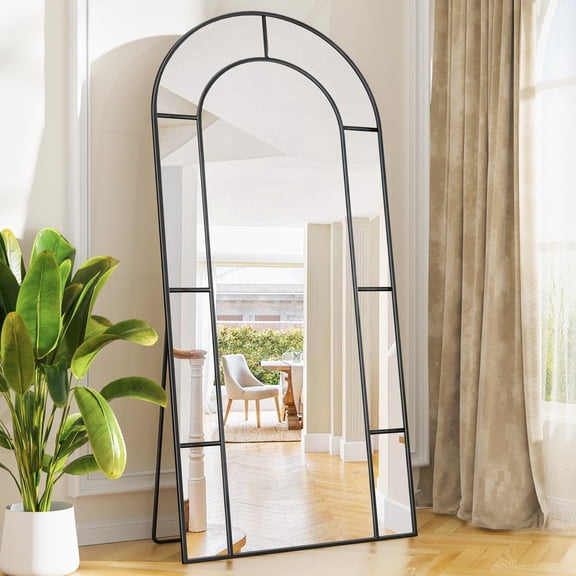
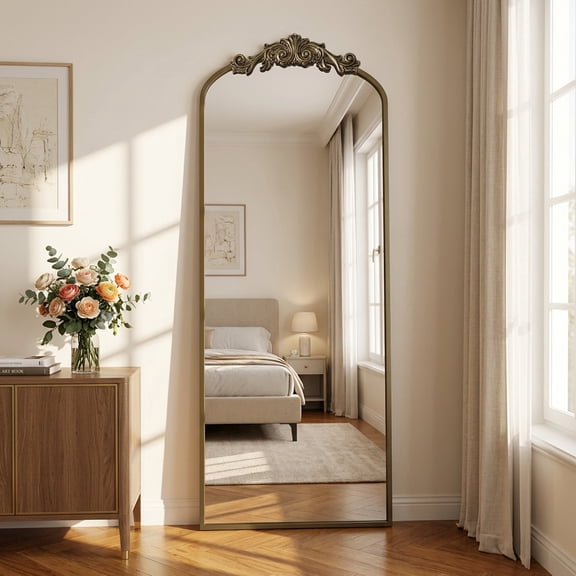
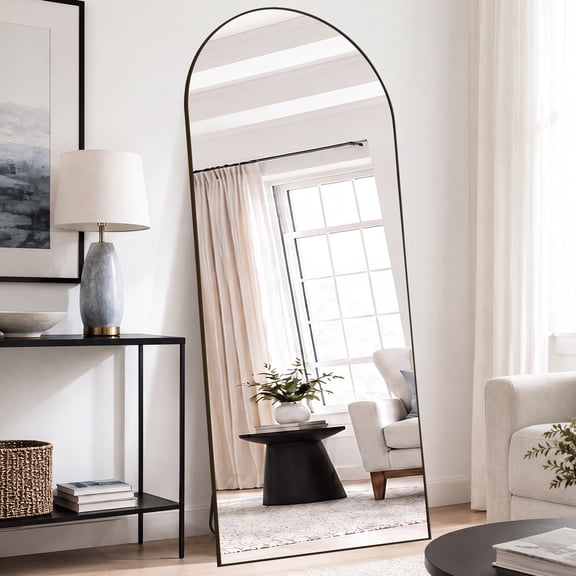
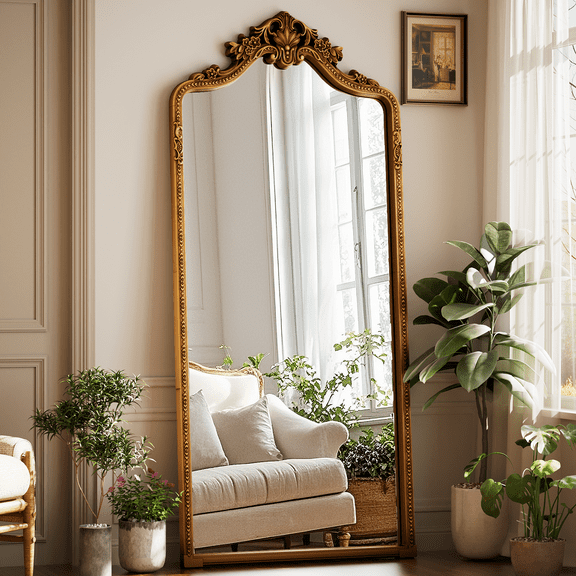
An oversized floor mirror creates strong visual impact because it combines height, reflection, and décor in one piece. It’s especially useful in bedrooms, dressing areas, and open corners.
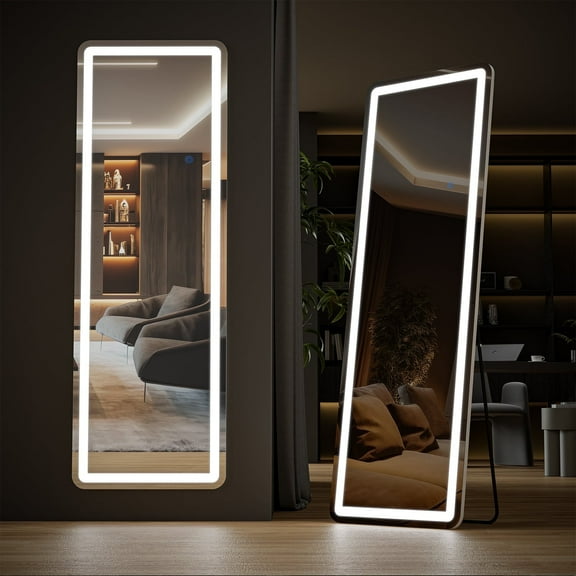
These styles often lean against the wall or stand with supportive hardware. That setup gives you flexibility when you want a full-length view without committing to wall placement.
Height and width shape the experience. A taller piece captures more of the room, while a wider frame can feel substantial beside chests, benches, or nightstands.
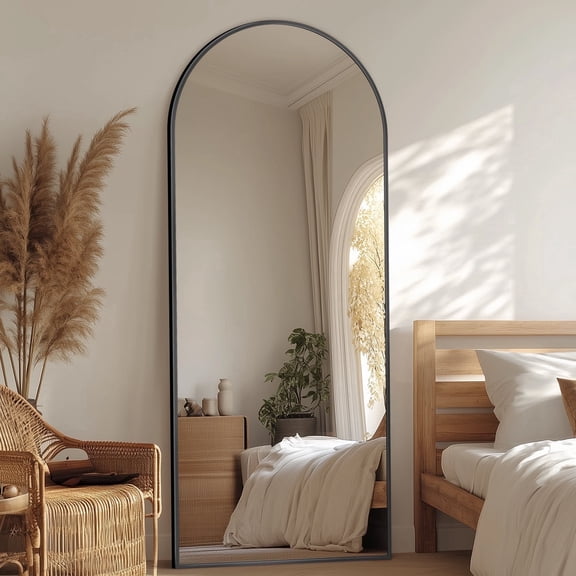
Arched profiles bring a softer architectural look. Clean rectangular designs fit modern rooms, minimalist apartments, and spaces with sharper furniture lines.
Consider where natural light hits during the day. An oversized floor mirror across from a window can reflect brightness and make a dim corner feel more open.
It also works as a finishing layer in a bedroom setup. Place one near a dresser, wardrobe, or clothing rack for a practical, styled focal point.
How to choose home mirrors with confidence
Start with location first, then shape, then size. That order helps narrow options faster than choosing a frame finish before you know the room’s needs.
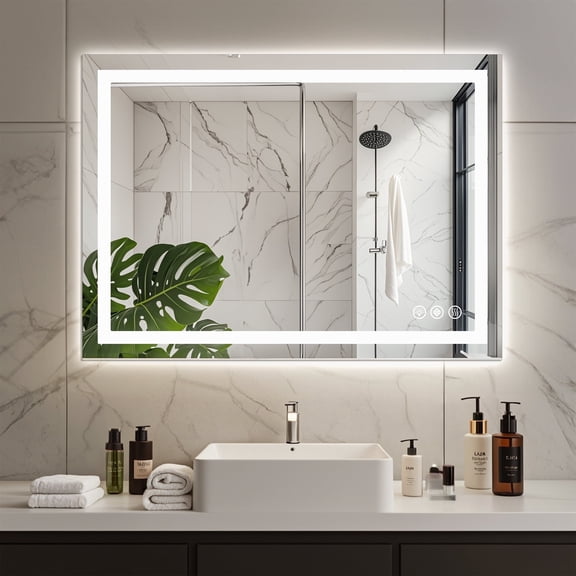
For bathrooms, many shoppers look for pieces that align with vanity width and faucet spacing. For living rooms, decorative shapes often work well above mantels or sofas.
Bedrooms usually benefit from full-length coverage, especially near closets or dressing zones. Entryways often need slimmer profiles that fit between doors, hooks, and storage benches.
If you’re styling a gallery wall, smaller accent pieces can add reflection without overwhelming artwork. If you’re filling a blank wall, one larger statement piece often looks more intentional.
Think about mounting effort too. A wall mirror suits a fixed layout, while leaning floor designs can move with room updates or apartment changes.
These details help the page serve more than one need. You can compare decorative accents, practical full-length options, and everyday pieces that support your routine and your room’s layout.
Mirror placement ideas that feel intentional
Above a console table, keep the piece visually centered so the arrangement feels settled. Over a vanity, match the scale to the sink area for a cleaner look.
In dining spaces, reflective placement can highlight lighting and table décor. In bedrooms, a full-length piece near a closet supports dressing and finishing touches.
For narrow hallways, slimmer profiles keep the wall from feeling crowded. In living rooms, a larger statement style can break up long stretches of paint or paneling.
Decorative mirrors do more than reflect. They can echo nearby shapes, repeat frame finishes, and help tie together lamps, art, and storage pieces.
This assortment makes it easier to match the room, the wall, and the viewing need. A well-chosen mirror adds light, function, and a finished look in one smart update.