





Rat Traps for Home Pest Control | Walmart





















About Rat Traps for Home Pest Control | Walmart - Walmart.com
You can compare the right rat trap fast when you understand trap type, placement, cleanup style, and catch capacity. You'll find options for indoor corners, outdoor edges, garages, and attics, with designs that match your space.
How to choose a rat trap
You should start with trap mechanism, because trigger style changes how the trap sets and how you handle disposal. You'll also want to compare enclosed designs, open designs, and battery-powered formats before you choose.
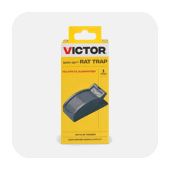
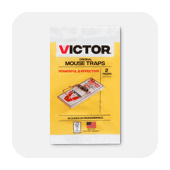
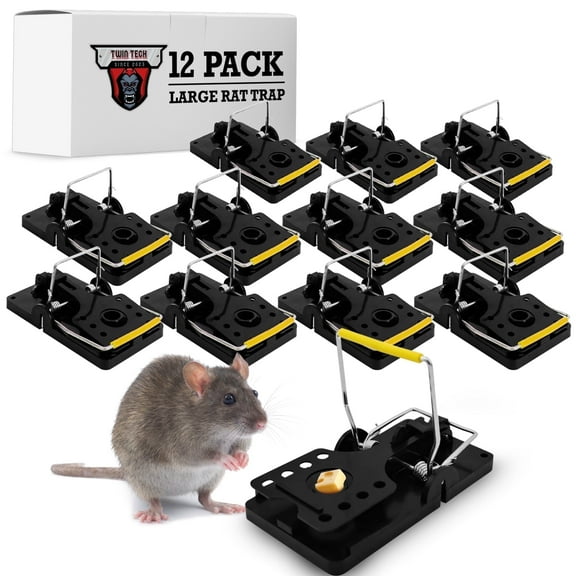
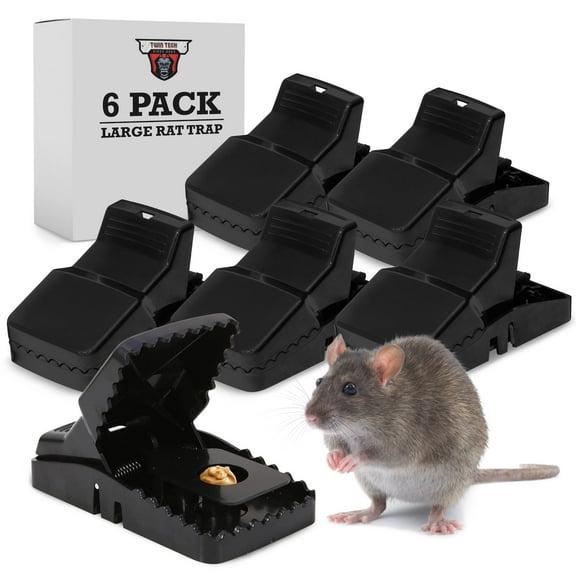
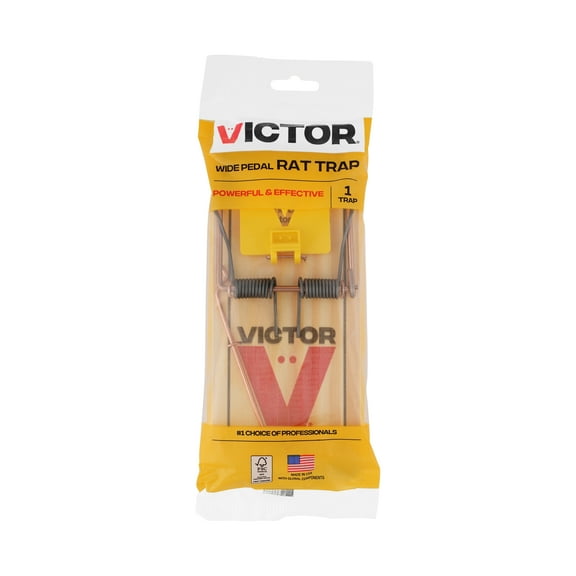
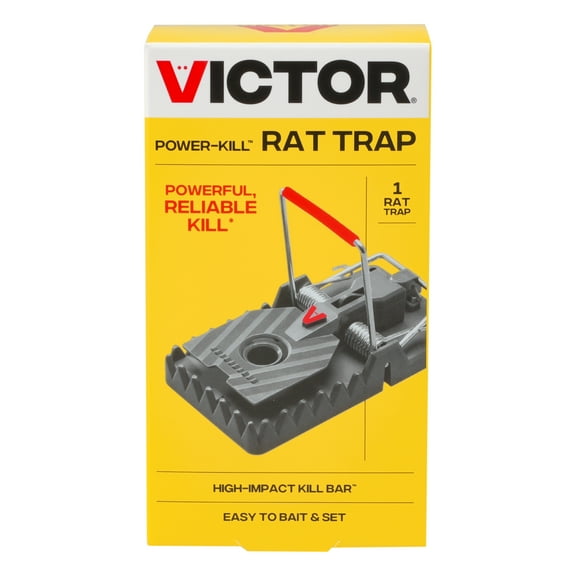
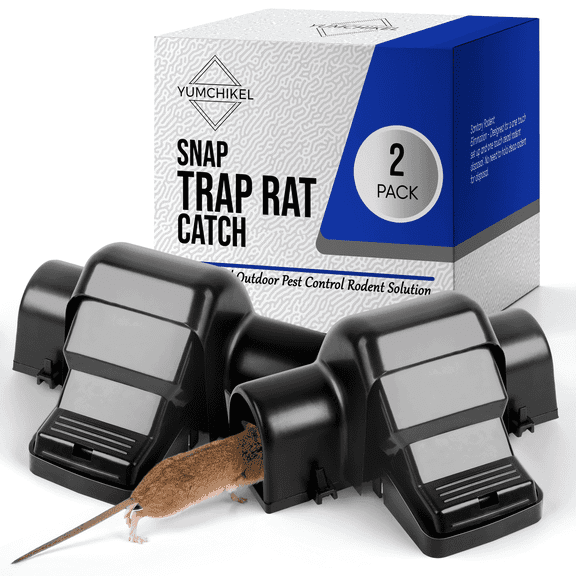
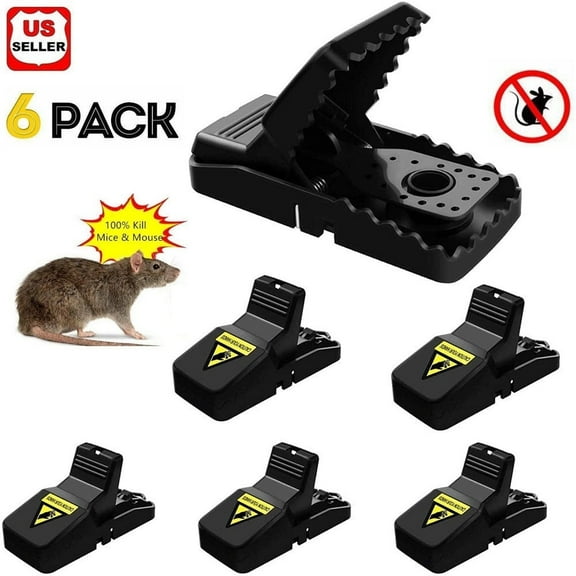
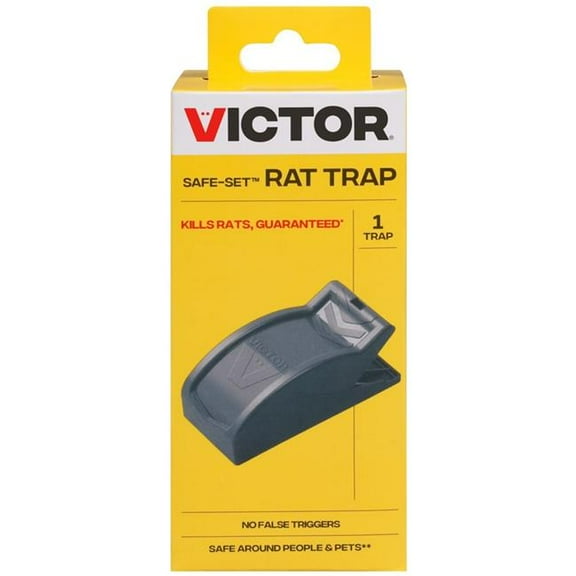
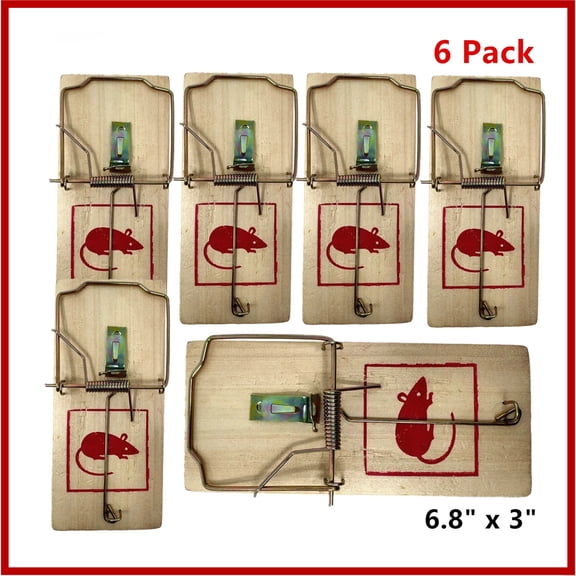
Snap styles give you a familiar mechanical option with a quick trigger and simple setup. You'll often choose them when you want a compact design for walls, cabinets, or utility spaces.
An electronic rat trap uses battery power and an enclosed chamber to support no-touch disposal. You'll often prefer that format when you want a contained design and less direct cleanup.
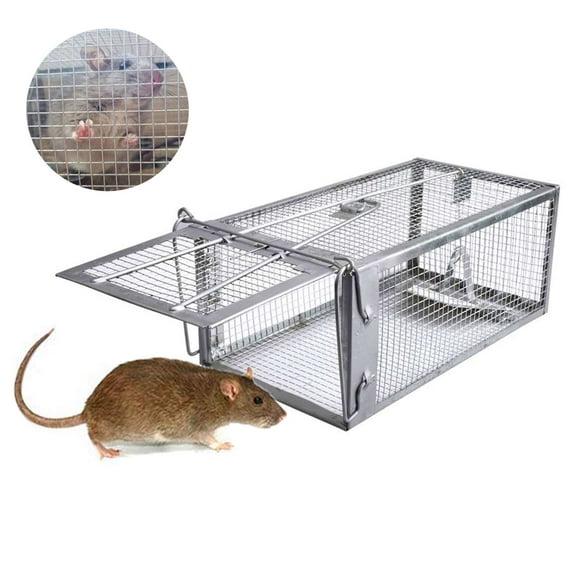
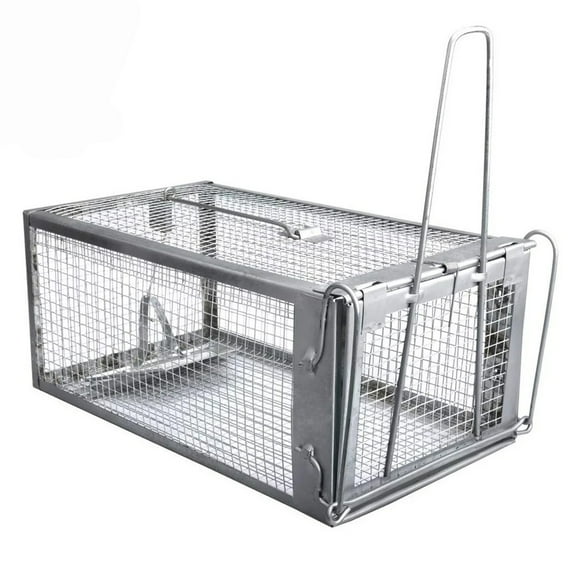
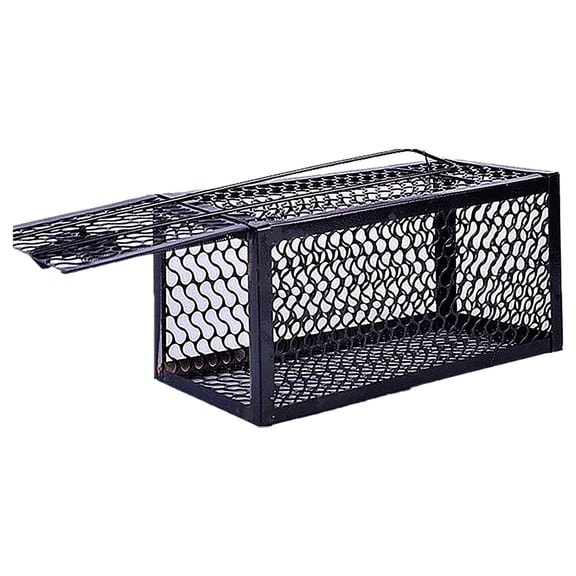
A humane rat trap uses a live catch design that lets you compare enclosed capture instead of strike mechanisms. You'll want to check door strength, ventilation, and release steps before you choose.
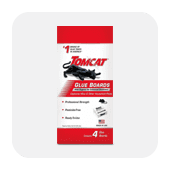
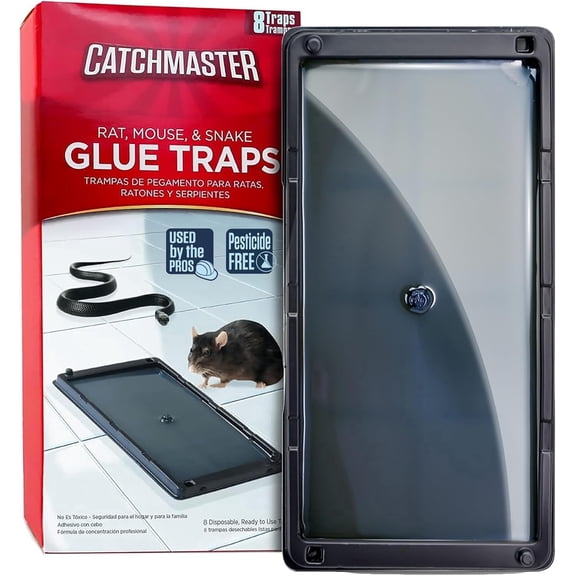
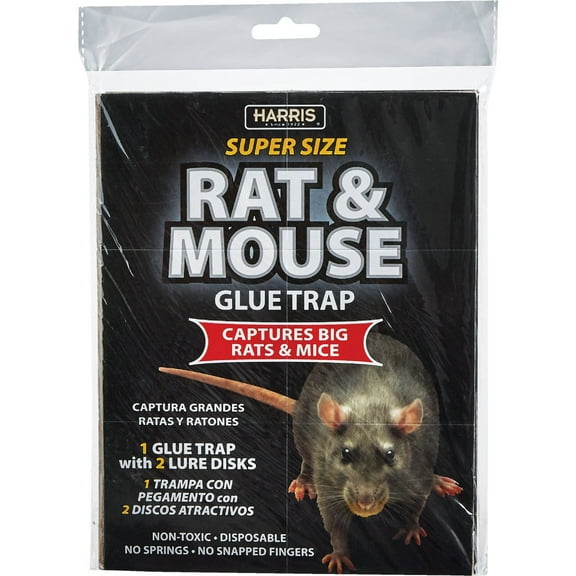
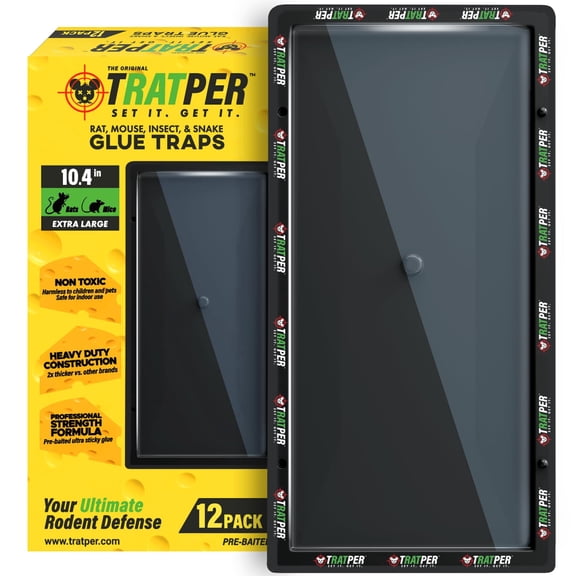
Glue or sticky styles offer a flat profile that can fit tight paths and narrow travel areas. You'll usually compare placement needs carefully, because your space and cleanup preference matter here.
- You can match snap traps to compact spaces and straightforward setup.
- You can choose electronic styles when you want enclosed capture and battery-powered operation.
- You can compare humane live catch designs when release and reuse matter to you.
- You can look for sticky formats when you need a low-profile option for narrow paths.
Choosing rat traps indoor and for outdoor spaces
You should match your trap to the location, because moisture, dust, and traffic can affect placement. You'll also want a size and shape that fits baseboards, entry points, or sheltered corners.
For rat traps indoor, you may look for compact footprints, enclosed designs, and easy placement behind appliances. You'll often compare trigger sensitivity, because a responsive trigger can matter in tight indoor travel lanes.
For outdoor rat traps, you should look for weather-ready housings or sheltered placement areas. You'll want a design that handles patios, sheds, and fence lines without taking up much room.
Garage and attic use calls for careful sizing, because you may need traps that slide beside storage or beams. You'll also want stable bases that stay in place on dusty or uneven surfaces.
If you have pets or little ones at home, you may compare enclosed designs for more controlled placement. You'll also want to place traps in restricted spaces where regular household traffic stays low.
What to look for in a humane rat trap or heavy duty rat trap
You should compare reusability next, because cleanup preference can narrow your options quickly. You'll find disposable models for fast replacement and reusable models when repeat use matters to you.
A heavy duty rat trap usually points you toward sturdier construction, stronger springs, or thicker housings. You'll often consider those details when you need repeat use in garages, sheds, or busy utility areas.
Disposable styles can simplify cleanup when you want less handling after a catch. You'll often choose them for occasional use or for spaces where quick replacement fits your routine.
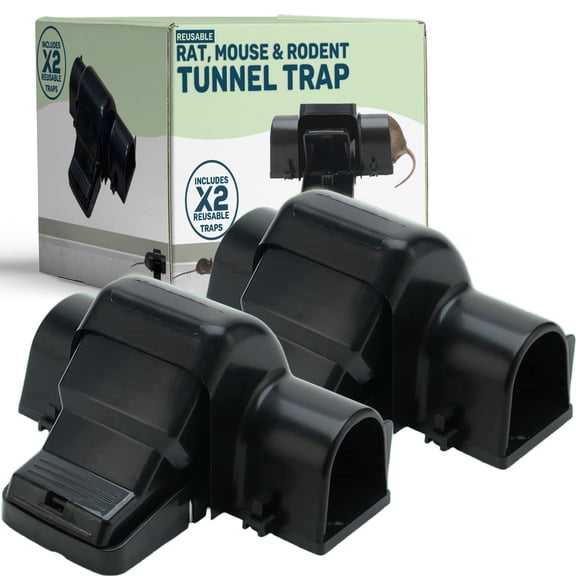
Reusable styles can make sense when you want to reset traps in the same travel path. You'll want surfaces that wipe clean easily and mechanisms that reset without extra steps.
Trigger sensitivity is another decision point, because you want a mechanism that responds with light contact. You'll also want an enclosed design if controlled access matters in shared household spaces.
Comparing electronic rat trap and multi catch rat trap options
You should check power source and capacity before you decide, because those details affect daily upkeep. You'll find mechanical models, battery-powered options, and formats with no power source at all.
A mechanical design works without batteries, so you can set it quickly and keep extras on hand. You'll often choose that route when you want simple operation and fewer parts to manage.
A battery-powered electronic rat trap can suit shoppers who want a more contained process. You'll want to check battery access, indicator lights, and chamber size before placing it in your space.
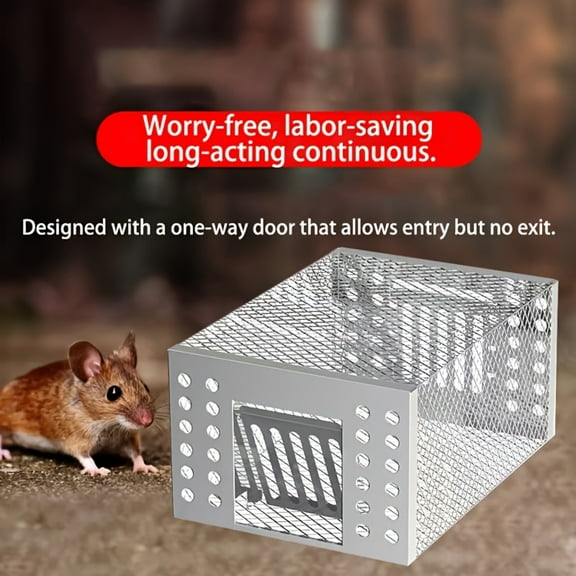
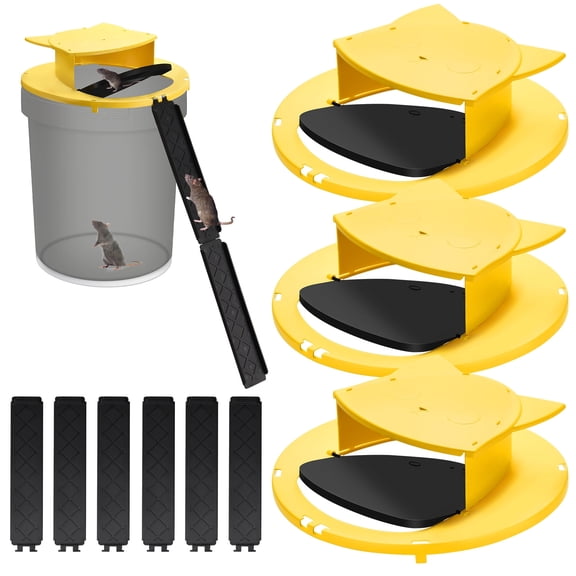
Capacity matters when you expect frequent activity, because single-catch and multi-catch designs serve different needs. You'll often choose single-catch styles for occasional activity and larger multi-catch units for recurring traffic.
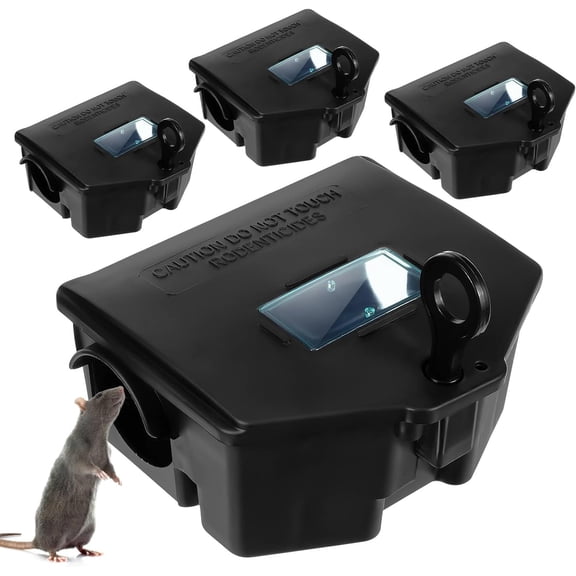
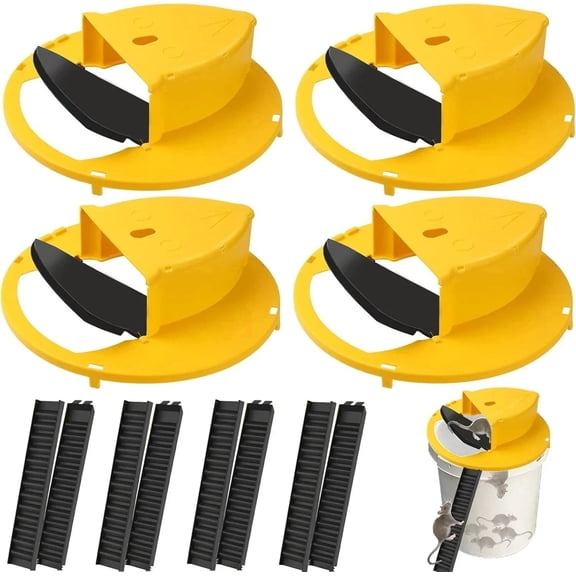
A multi catch rat trap can help you cover active runways in garages, sheds, or other repeat-travel areas. You'll want to compare entry design, capacity, and reset steps before you commit.
How you can match trap choices to real spaces
You can use compact snap styles behind appliances, along walls, or beside pantry storage when space feels tight. You'll often prefer low-profile shapes there, because they fit narrow indoor paths.
You can place enclosed electronic styles in utility rooms, basements, or garages when you want contained handling. You'll also appreciate battery-powered operation when an outlet isn't part of your setup.
If your focus is outdoor edges, you can compare weather-ready housings and sheltered placement options first. You'll want stable construction for patios, sheds, and fence lines where conditions can change.
If repeat activity is your concern, you can compare reusable heavy duty rat trap options or multi-catch units. You'll want those choices when you plan to monitor the same route over time.
You can feel more confident when your rat trap matches your location, cleanup preference, and capacity needs. You'll make a clearer choice when you compare trigger style, enclosure, and placement fit together.