

Raspberry Plants in Fruit Plants

About Raspberry Plants in Fruit Plants - Walmart.com
Raspberry plants help you grow homegrown berries with choices that match your space, climate, and planting style. You can compare bare root, potted, and live plant options while planning for trellises, harvest timing, and cane growth.
If you're building a berry patch, you can use this guide to compare thorn status, growth habit, and variety differences. You'll also learn how USDA hardiness zones and chill hours shape which canes fit your garden.
Choosing raspberry plants for your garden
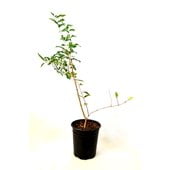
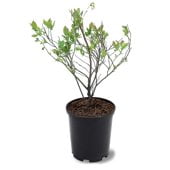
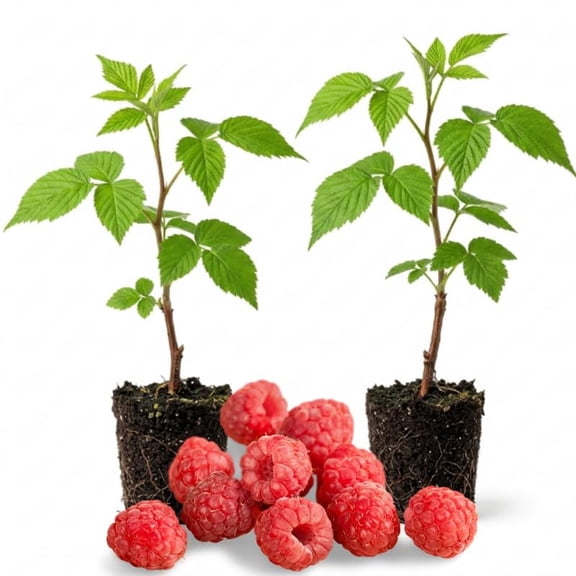
When you choose raspberry plants, you should first compare plant type because it affects planting time and early growth. You may prefer bare root canes for dormant planting or live raspberry plants for visible foliage.
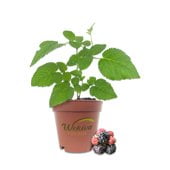
With bare root options, you should check planting depth because dormant roots need correct placement for steady establishment. With potted choices, you can usually see cane size, leaf growth, and container moisture before planting.
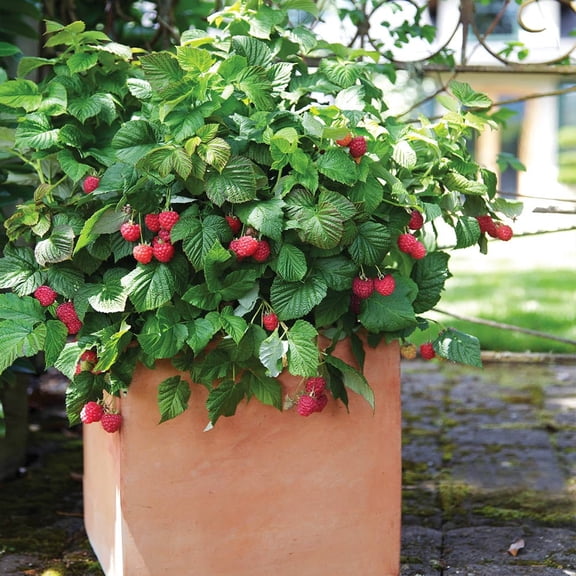
You can also compare live plant formats if you want a simpler starting point for raised beds or patio containers. You'll often find that established starts help you picture spacing, support needs, and row layout.
How to compare plant type and variety
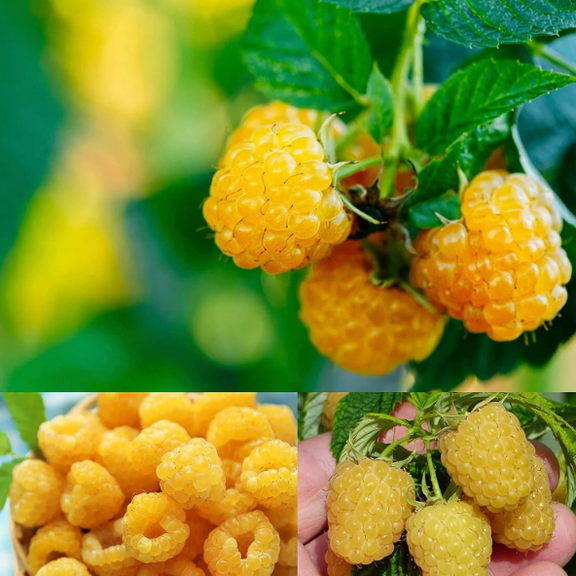
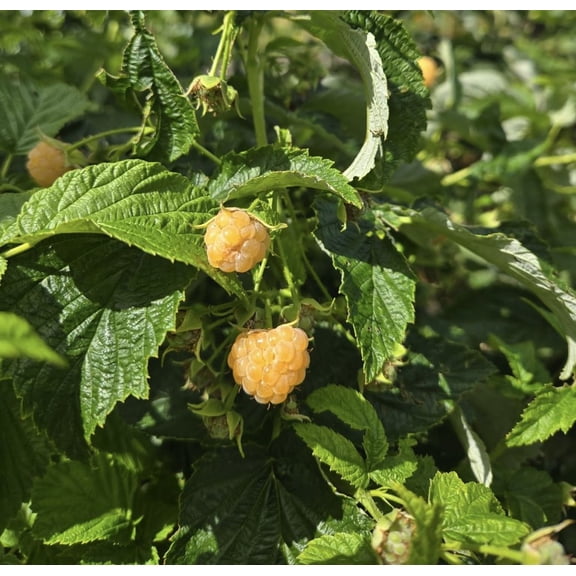
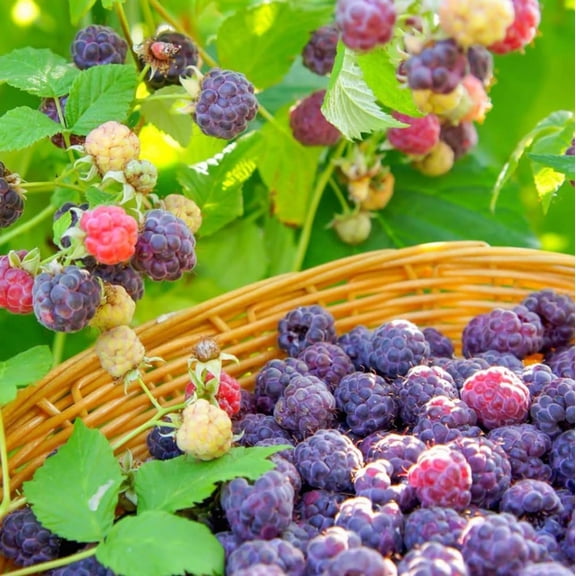
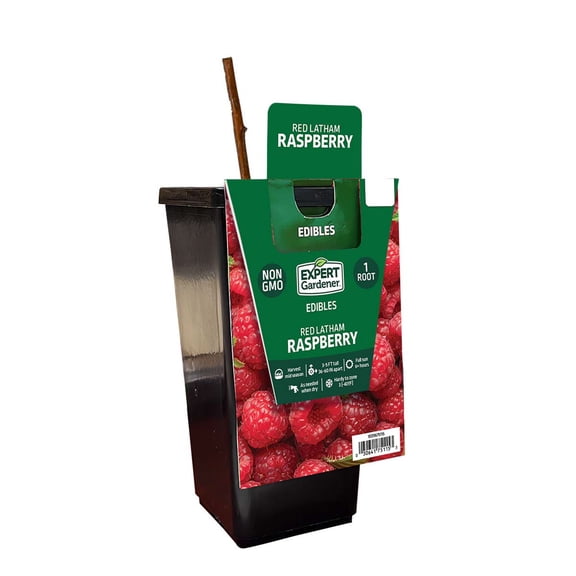
You should compare variety names because each one can suit a different harvest window and garden setup. You may recognize Red Latham, Heritage, Caroline, and Boyne when you want to match canes to your climate.
If you want summer-bearing canes, you can focus on one main harvest that fits preserving, baking, or fresh picking. If you want everbearing types, you can look for repeated fruiting that extends your picking season.
You should also measure your planting area before choosing a raspberry bush, shrub form, or climbing habit. You'll want enough room for canes, support wires, and airflow between rows.
- You can choose bare root canes when you want dormant planting and easy row planning.
- You can pick potted or live starts when you want visible growth at planting time.
- You can select thornless raspberry plants when you want easier harvesting and simpler pruning access.
- You can match summer-bearing or everbearing canes to your preferred harvest schedule.
What to look for in thornless raspberry plants
You should compare thornless and thorny canes based on how you harvest, prune, and train your rows. If you want easier hand access, thornless raspberry plants can feel simpler during picking season.
When you expect frequent harvesting, you may appreciate canes that let you reach between leaves and fruit clusters more comfortably. If you don't mind traditional canes, you can still choose thorny types for classic berry rows.
You should also think about who helps in the garden because cane texture changes how you handle tying and pruning. You'll likely notice that support systems matter with either option when canes lengthen through the season.
Understanding zones, chill hours, and cane performance
You should check USDA hardiness zones before planting because winter conditions affect cane survival and spring growth. You should also compare chill hours because some varieties need a certain amount of cool weather.
If your winters run mild, you may need varieties that match lower chill patterns for more reliable seasonal growth. If your area gets colder, you can look for canes suited to deeper winter dormancy.
You should pair climate fit with your fruiting season because timing affects pruning routines and harvest expectations. You'll make a smarter choice when your variety, zone, and chill hours work together.
For bare root selections, you should plant at the recommended depth so dormant crowns settle correctly in prepared soil. You'll also want loose soil and support planning because canes benefit from steady structure as they grow.
Matching growth habit and use cases
You can choose a raspberry bush form when you want a familiar backyard berry patch with easy row spacing. You may prefer shrub-like growth when you need a compact look along fences or garden edges.
If you have support wires or a trellis, you can consider climbing or training-friendly canes for vertical guidance. You'll often find that trained rows help you keep pathways open for watering and picking.
For home preserves, you may want summer-bearing canes that deliver a larger single-season harvest. For steady snacking, you can lean toward everbearing types that give you fruit over a longer window.
If you're planting your first canes, you can start with live raspberry plants that show early structure and spacing needs. If you're expanding a larger patch, you may like bare root rows for organized planting plans.
You should also think about companion needs around your berry bed, including supports, garden soil, and feeding routines. You'll get a cleaner setup when your canes, spacing, and support choices match from the start.
Why this raspberry plants guide helps
You can choose with more confidence when you compare plant type, thorn status, variety, and growth habit together. You'll be ready to plant canes that fit your climate, your space, and your harvest goals.
If you plan carefully now, you can enjoy a berry patch that supports cleaner rows, easier picking, and a harvest schedule that fits your season. You'll turn a simple planting choice into a more productive garden setup.