





Ice Chest Coolers in Coolers


















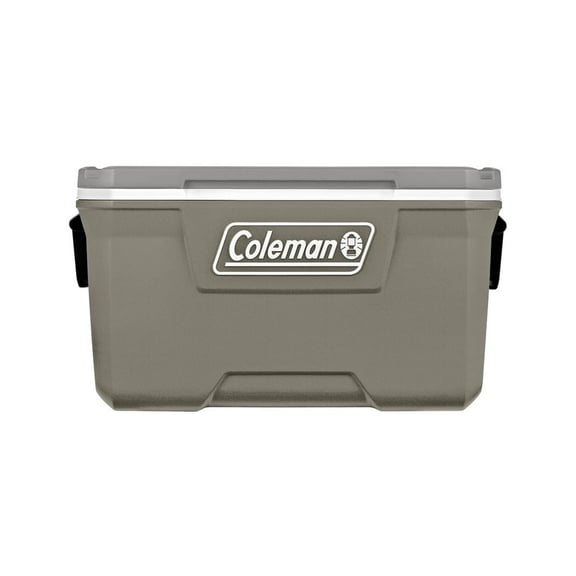
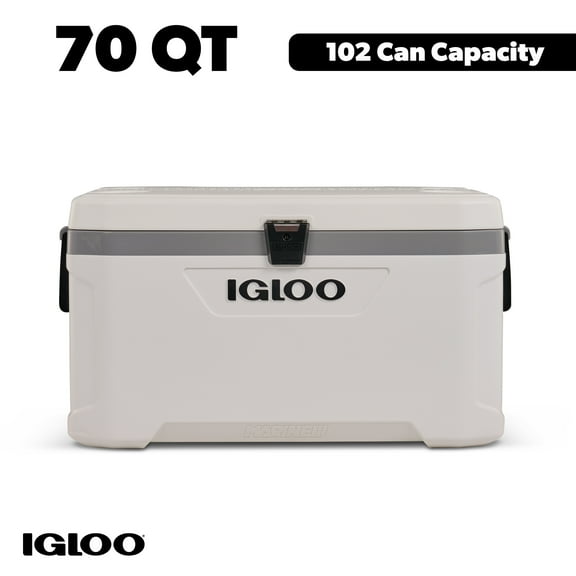
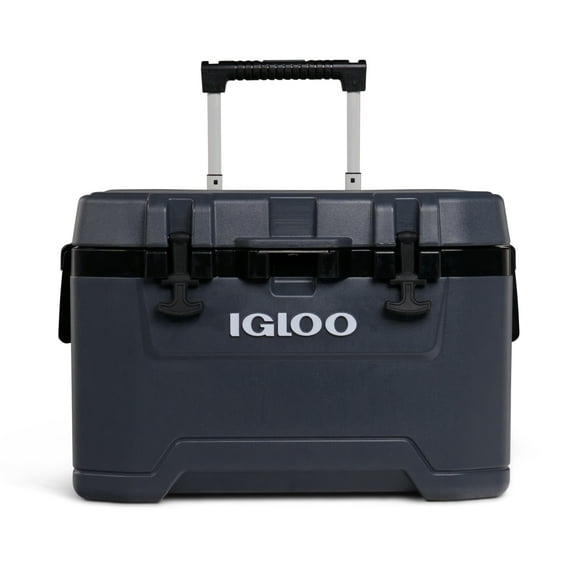
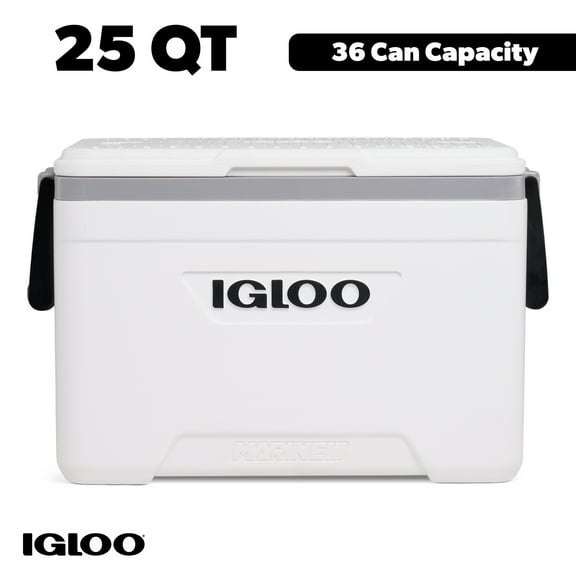






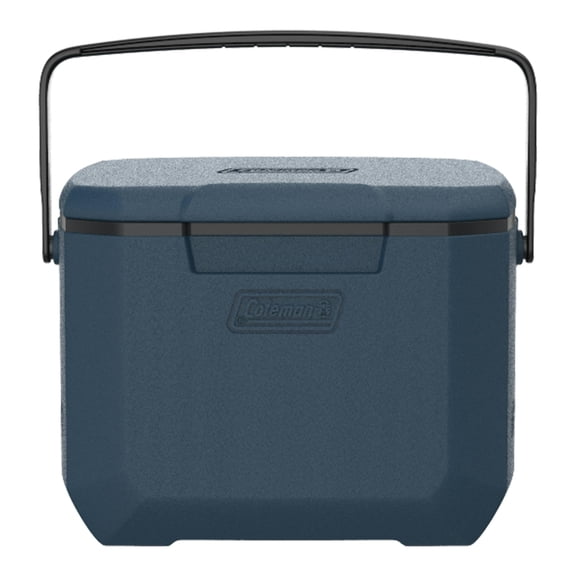
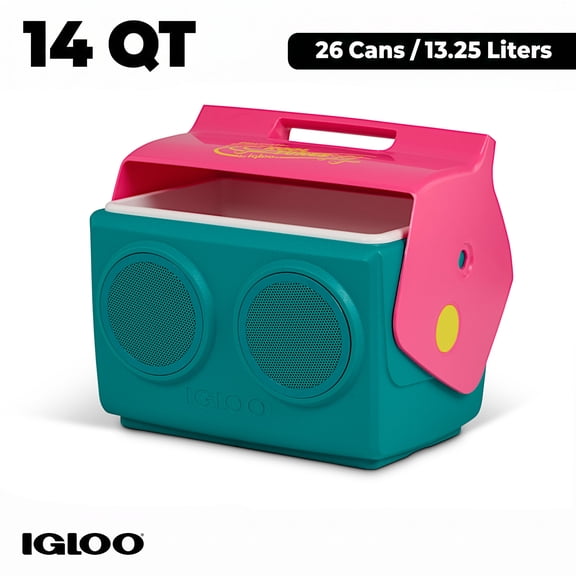


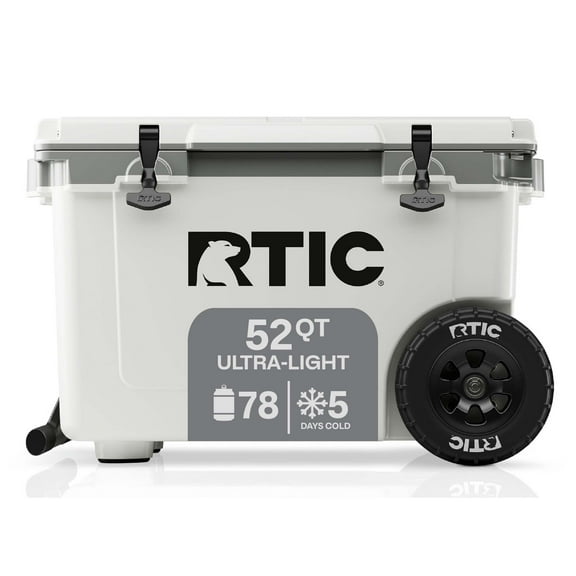


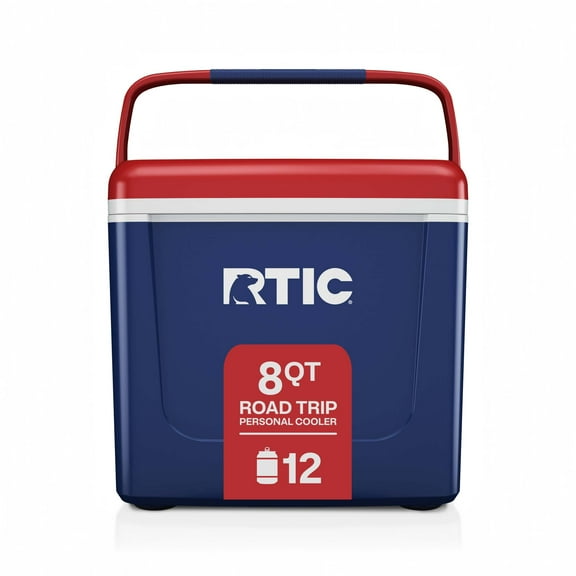








About Ice Chest Coolers in Coolers - Walmart.com
With the right ice chest, you can keep drinks cold, pack food securely, and match cooler size to camping, tailgating, fishing, or jobsite use. You'll also find category choices that range from compact lunch-ready models to large ice chest coolers built for longer outdoor trips.
How to choose the right ice chest capacity
Start with capacity, because your ice chest should fit both your trip length and what you plan to pack. You'll usually see quart sizes, and those numbers help you compare space without guessing.
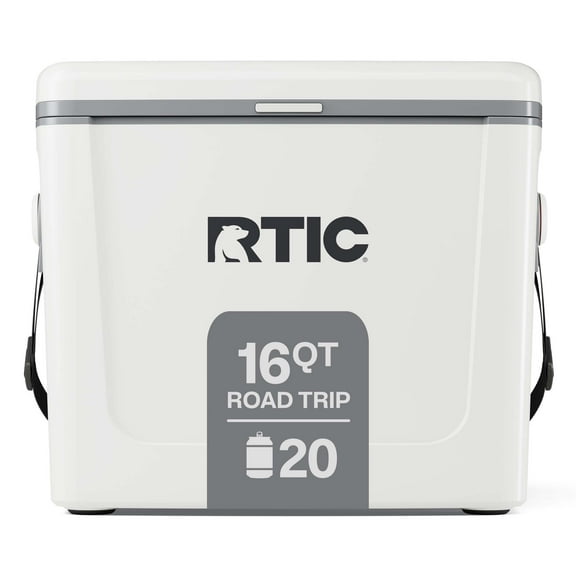
If you need a day-trip cooler, you may prefer 20 quarts for drinks, snacks, or a few meal containers. If you're packing for a weekend, you may want 50 or 75 quarts for more food and ice.
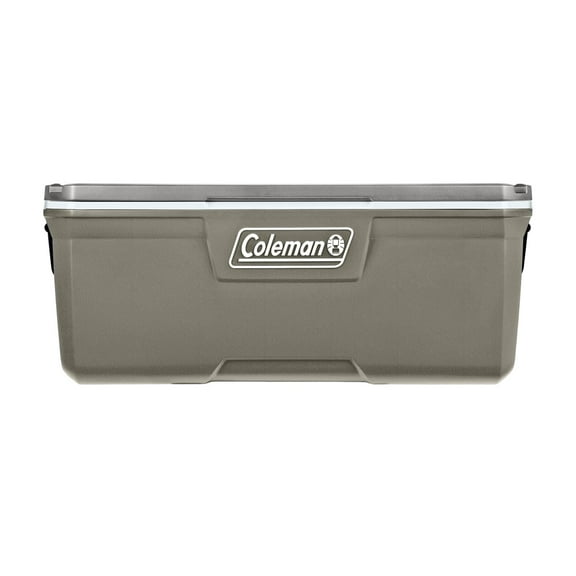
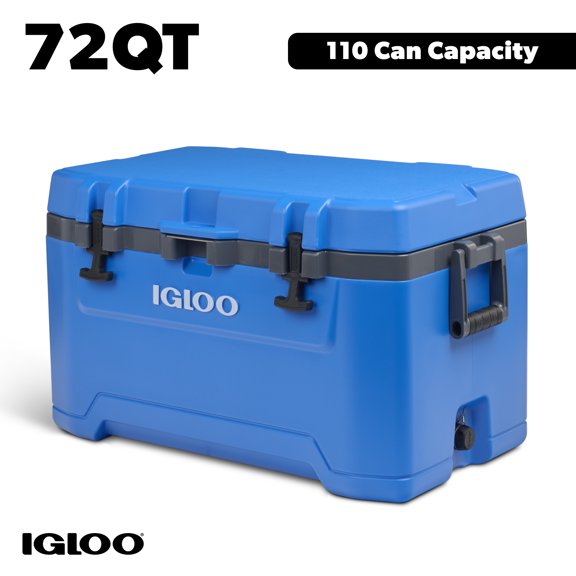
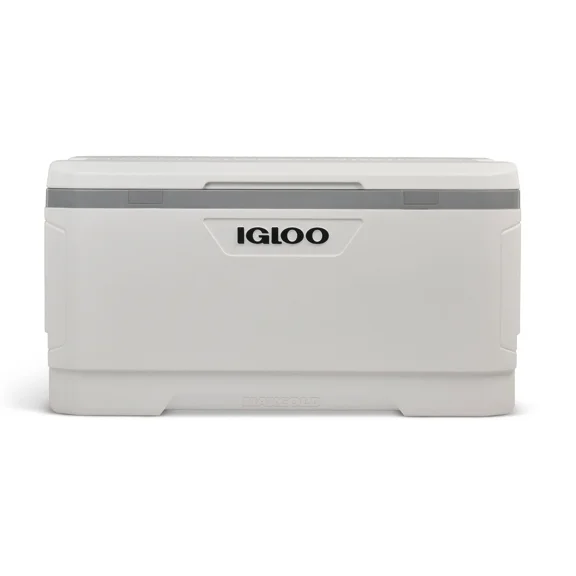
For group outings, you may look at 100+ quart models that hold more cans, larger containers, and extra ice. You'll want that larger footprint when your cooler stays at camp, on a boat, or near the tailgate.
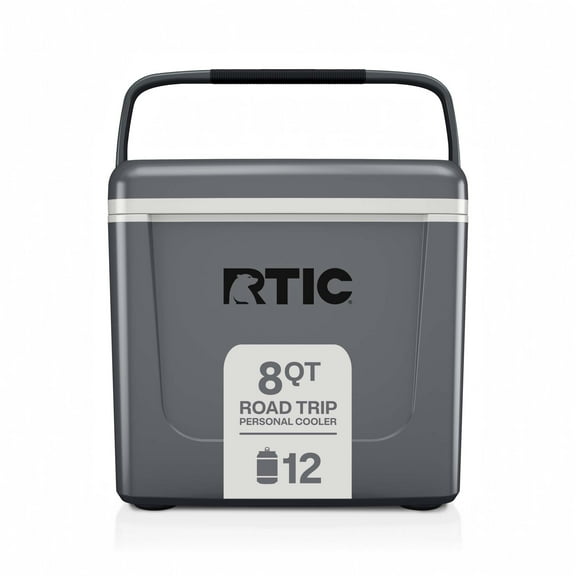
- You can choose 20 quarts when your trip is short and your carry distance is longer.
- You can move to 50 quarts when your family needs room for drinks, sandwiches, and extra ice.
- You can consider 75 quarts for weekend camping, beach days, or mixed food and beverage storage.
- You can pick 100+ quarts when your group needs high can capacity and fewer refill stops.
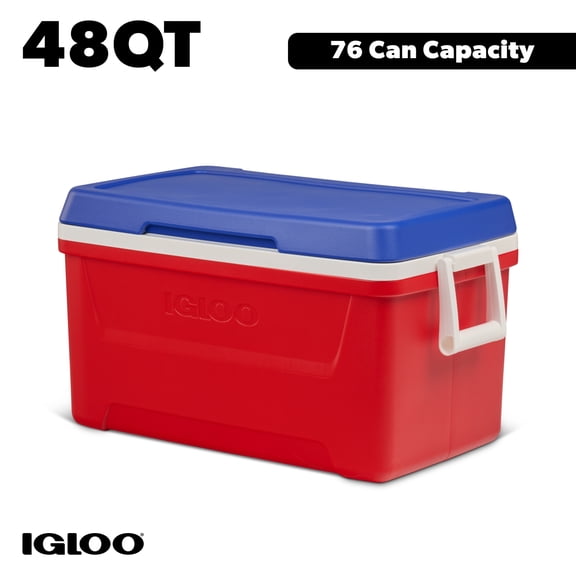
Check can capacity alongside quart size, because your ice chest can feel smaller once you add block ice or meal containers. You'll get a clearer fit when you compare both measurements before choosing.
Choosing between ice chest coolers and hard coolers
Next, compare insulation type, because construction changes weight, durability, and how long contents stay cold. You'll often see rotomolded, foam insulated, and soft-sided designs across this category.
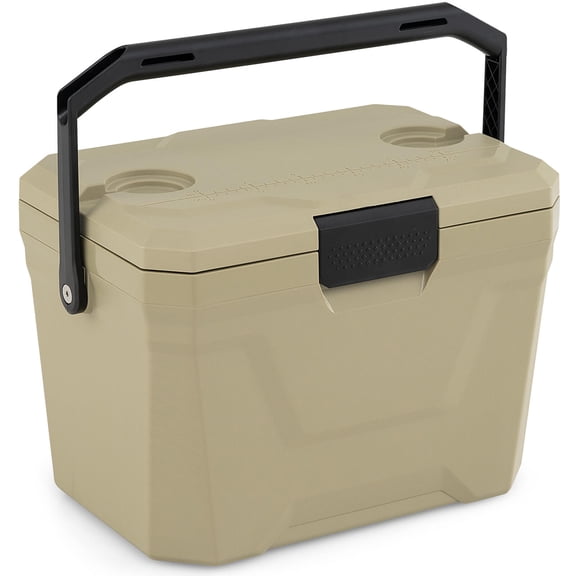
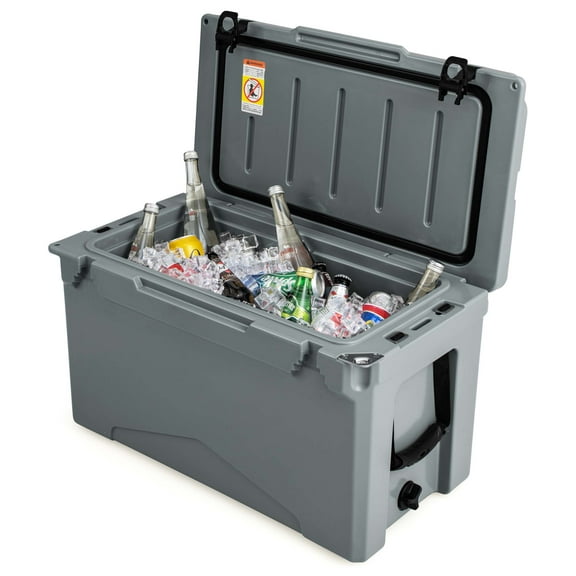
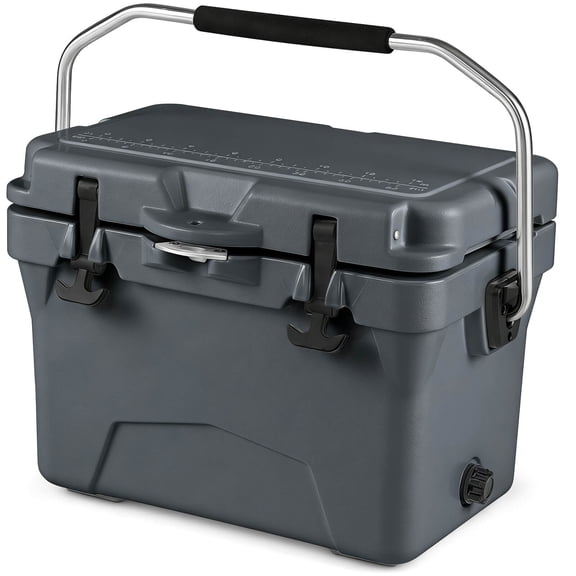
If you want a rugged shell, you may prefer hard coolers with thick walls and a sturdy lid. You'll often use that style for camping, fishing, hunting, or long days outdoors.
Rotomolded options usually have thicker walls, stronger corners, and a tighter seal around the lid. You'll notice they suit rough handling, truck beds, docks, and uneven outdoor surfaces.
Foam insulated models can give you a practical middle ground between weight and cold retention. You'll often choose them when you want dependable cooling without the extra bulk of thicker shells.
Soft-sided styles can be easier to carry when your load is lighter and your trip is shorter. You'll likely use them for picnics, sports events, or quick outings where flexibility matters.
What to look for in portability and mobility
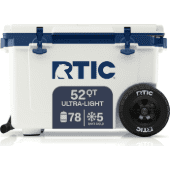
Mobility matters when your portable ice chest needs to move from the car to the campsite, field, or shoreline. You'll want to compare carry handles, backpack options, and wheeled coolers before deciding.
If you carry over short distances, you may prefer side handles that give you a balanced grip. You'll want comfortable hand placement when your cooler is full of drinks and ice.
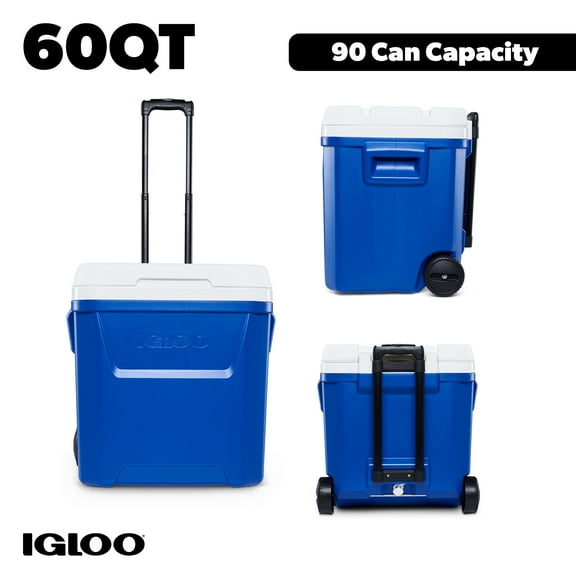
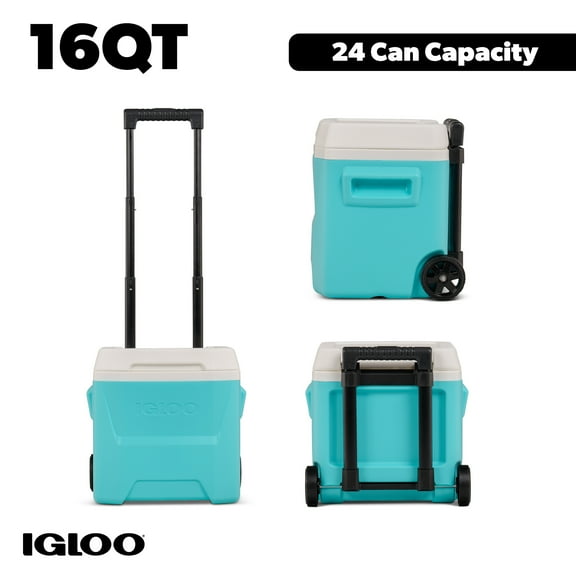
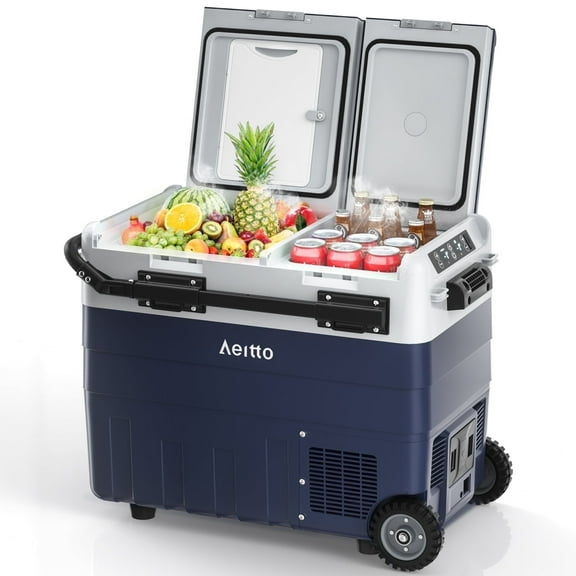
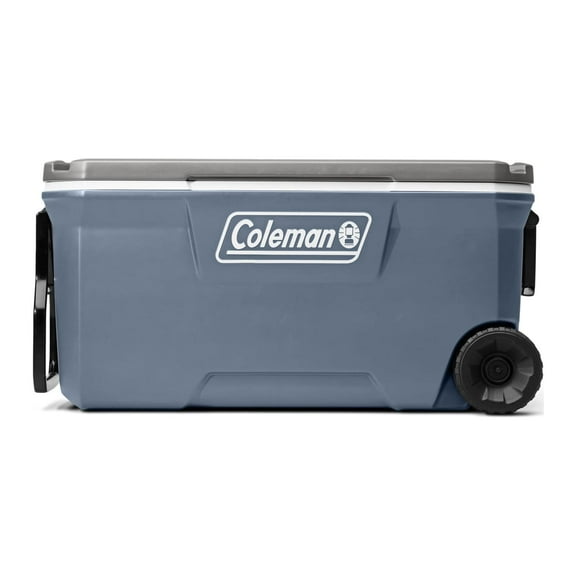
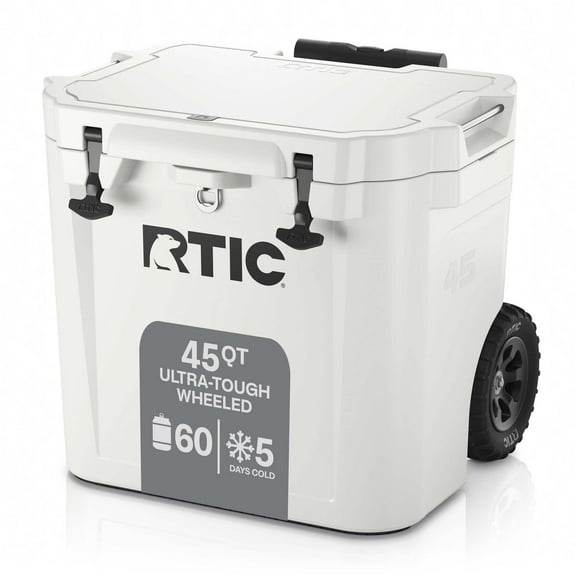
Wheeled coolers can help when your load is heavier or your route is longer. You'll benefit from larger wheel diameter when you roll over grass, gravel, or uneven parking areas.
Backpack styles can work when your hands need to stay free for other gear. You'll often use that format for day hikes, park visits, or sidelines where a smaller load makes sense.
Check dry weight before you choose, because your cooler gets heavier fast once you add ice and beverages. You'll feel that difference especially when you navigate stairs, sand, or long walks.
How to compare ice retention and durability
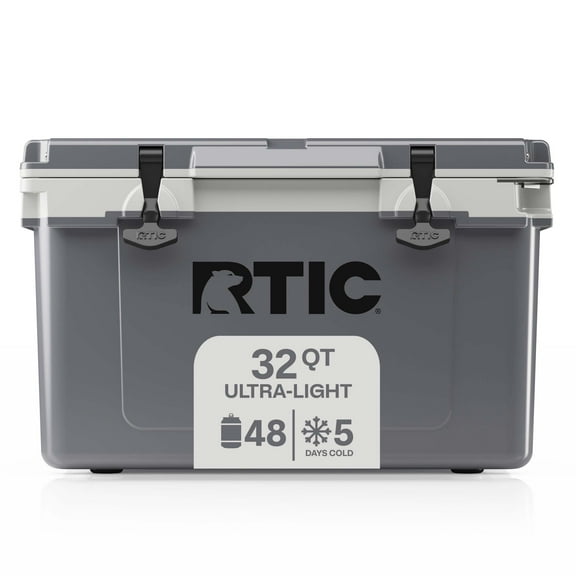
Ice retention is another key decision, because your cooler should match the number of days you expect to be outside. You'll often compare one to three days, five days, or seven-plus days.
If your trip lasts an afternoon, you may only need one to three days of cooling. You'll often reserve five-day or seven-plus options for longer camping trips, road travel, or multiday events.
Wall thickness and lid sealing affect how long cold air stays inside your heavy duty ice chest. You'll usually get longer retention when insulation is thicker and the lid closes tightly.
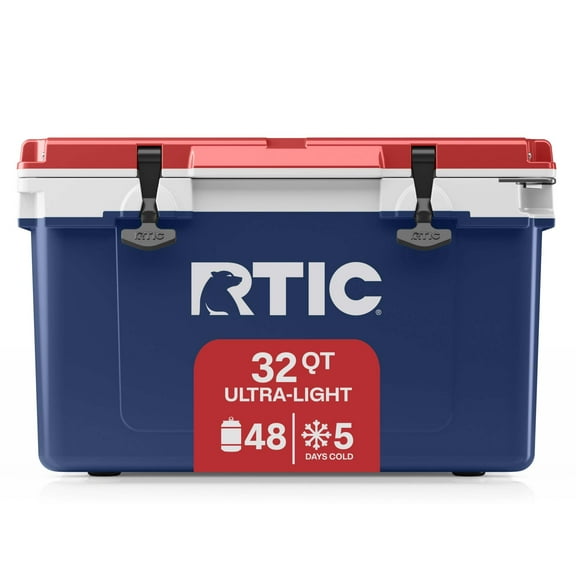
Latch design also matters when you want dependable closure during transport and repeated opening. You'll often notice rubber T-latches hold firmly, while plastic clips may suit lighter everyday use.
Material changes both feel and durability across the category. You may choose heavy-duty plastic for everyday versatility, stainless steel for a classic metal ice chest look, or fabric for lighter carry options.
Matching your ice chest to real outdoor use
For tailgates and park gatherings, you may want mid-size capacity, carry handles, and quick-access organization. You'll appreciate a cooler that opens easily and still leaves room for fresh ice.
On fishing trips, you may look for hard-sided coolers with stronger latches and longer ice retention. You'll want that extra structure when your gear rides in a boat, truck, or dock cart.
For camping weekends, you can match 50 to 75 quarts with five-day retention for food, drinks, and breakfast supplies. You'll reduce refill runs when your cooler holds enough ice from the start.
At worksites or team events, wheeled coolers can make large loads easier to move across lots or fields. You'll notice big wheels and sturdy handles matter once you fully pack the cooler.
If your trip is short and your carry distance is long, a smaller portable ice chest may fit your routine. You'll keep essentials close without managing a bulky cooler you don't need.
When you compare capacity, mobility, insulation, retention, and material together, your ice chest becomes easier to choose with confidence. You'll end up with a cooler that fits your trip length, carrying style, and outdoor setup.