


Find auto parts that fit
Let’s search for parts that fit your vehicle.ATV Brake Rotors in ATV Brakes & Brake Parts
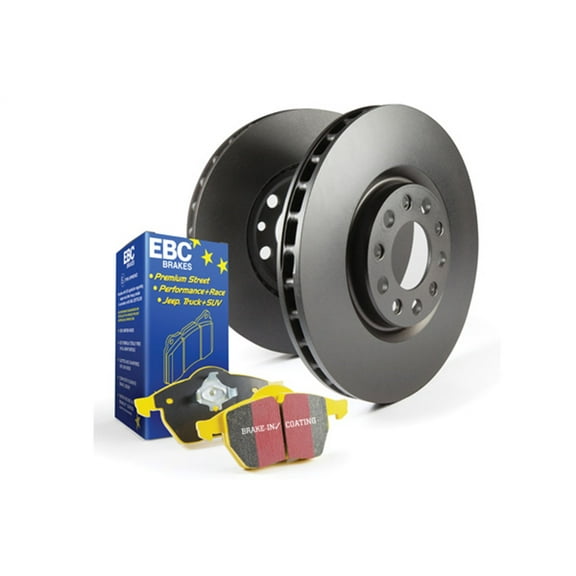
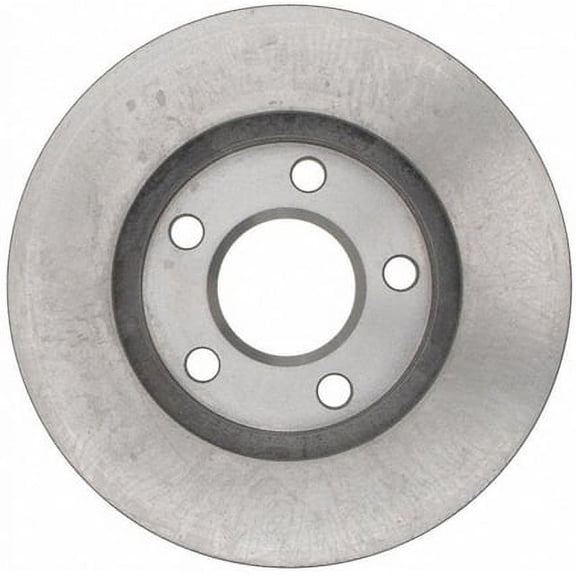

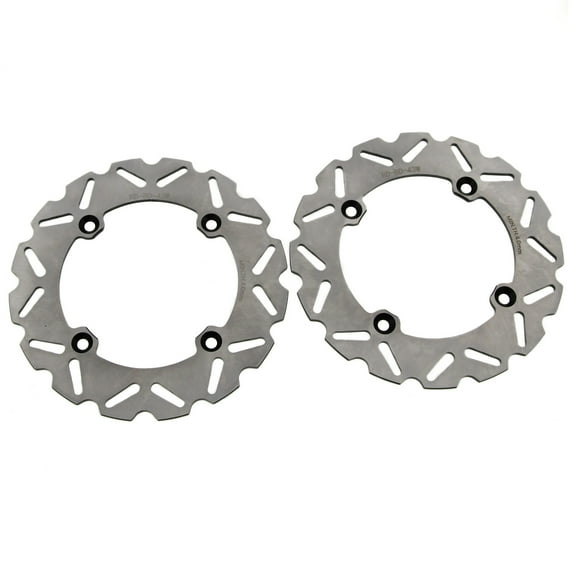
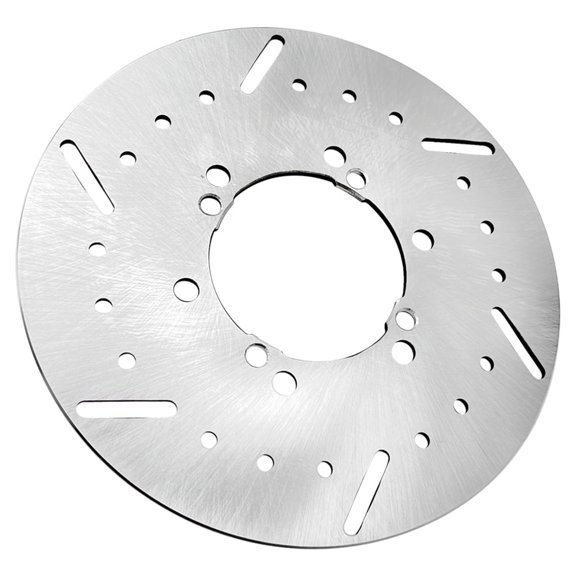










About ATV Brake Rotors in ATV Brakes & Brake Parts - Walmart.com
ATV brake rotors help you restore confident stopping on rough trails, muddy routes, and utility runs. You can compare fitment, rotor design, and placement here, so your replacement matches your machine.
If you ride through water, grit, or loose terrain, you need rotors built for powersports use. You’ll also want exact make, model, year, and spline count details before you choose.
Choosing the right ATV brake rotors
When you compare ATV brake rotors, you should start with vehicle fitment first. You’ll want to check your exact make, model, year, and spline count before anything else.
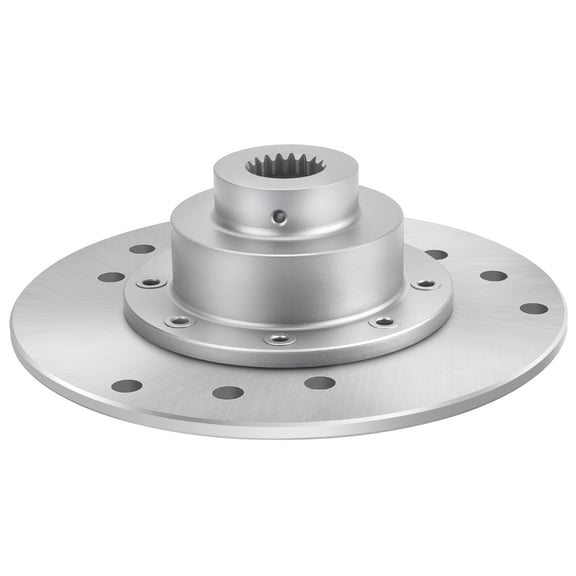
That step helps you avoid mismatched diameter, bolt pattern, or hub connection issues. You’ll also want to confirm whether your machine uses a front, rear, left, or right rotor.
Utility ATV, sport ATV, and side-by-side setups can use different rotor shapes and mounting points. You should compare your machine type closely, because powersports brake parts aren’t one-size-fits-all.
- You can narrow choices faster when you confirm exact fitment details first.
- You can match front and rear rotors correctly for balanced replacement planning.
- You can choose a rotor design that suits mud, water, dry trails, or mixed terrain.
- You can compare thickness options for the riding style and rotor feel you prefer.
- You can check whether the package includes bolts or pads before you begin installation.
How to compare materials and thickness
You’ll notice material affects feel, wear pattern, and trail exposure. You can compare carbon steel, stainless steel, and tempered chrome options based on your riding conditions.
Carbon steel can appeal to you if you want a familiar replacement style for regular trail use. Stainless steel can suit you when you want added resistance to wet, muddy riding conditions.
Tempered chrome can make sense if you’re comparing finish durability and repeated off-road exposure. You should still confirm fitment details first, because material never replaces exact compatibility.
Thickness matters when you compare replacement brake rotors across riding styles. You may see 3mm, 4mm, or 5mm options, and you should match the listed specification to your vehicle.
A thinner rotor may align with specific OEM-style requirements on certain models. A thicker rotor may appeal to you when your setup calls for that exact listed measurement.
Which rotor design fits your riding conditions
You should compare drilled, slotted, and solid rotor styles based on where and how you ride. Each design can support a different balance of debris clearing, heat movement, and surface contact.
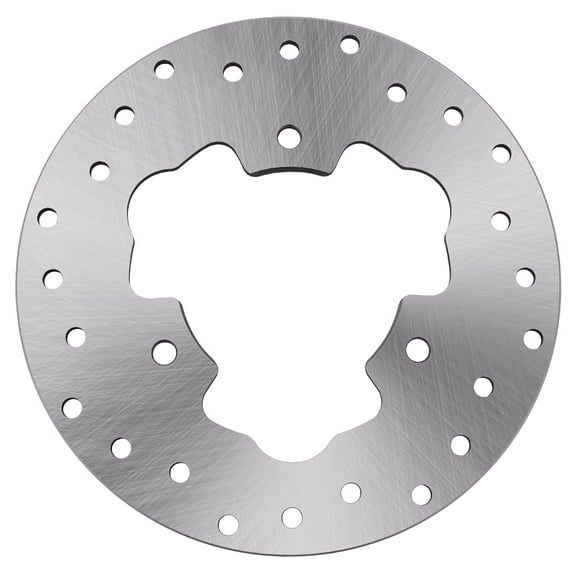
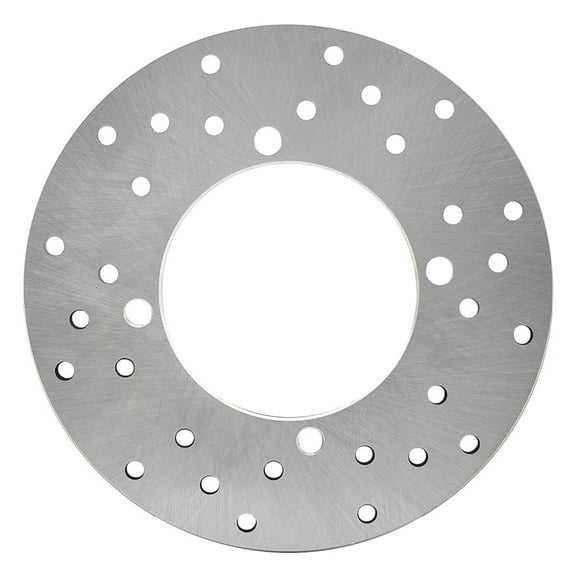
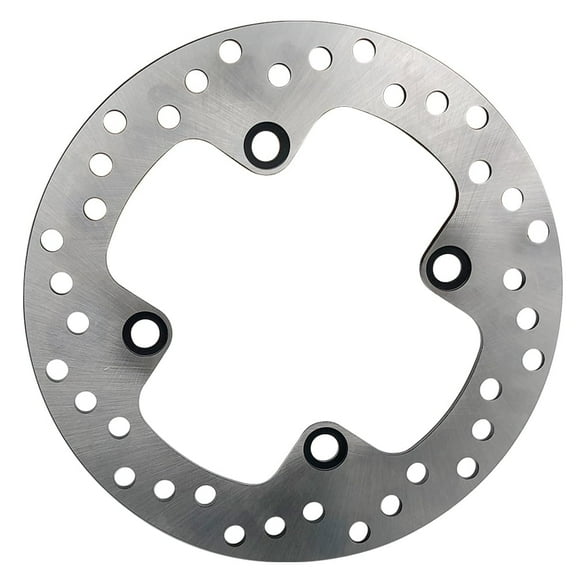
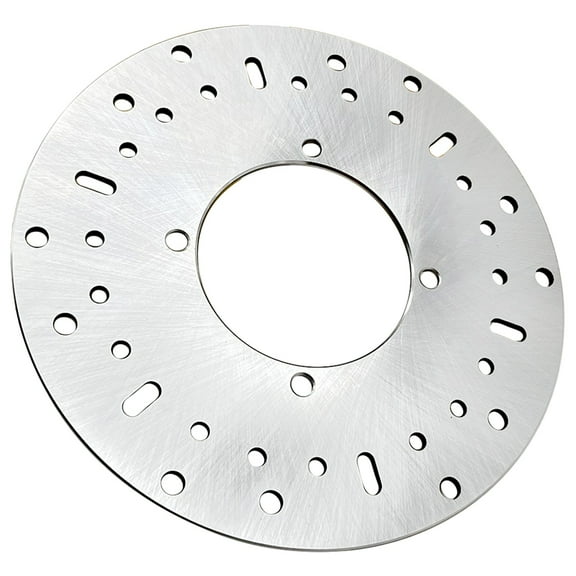
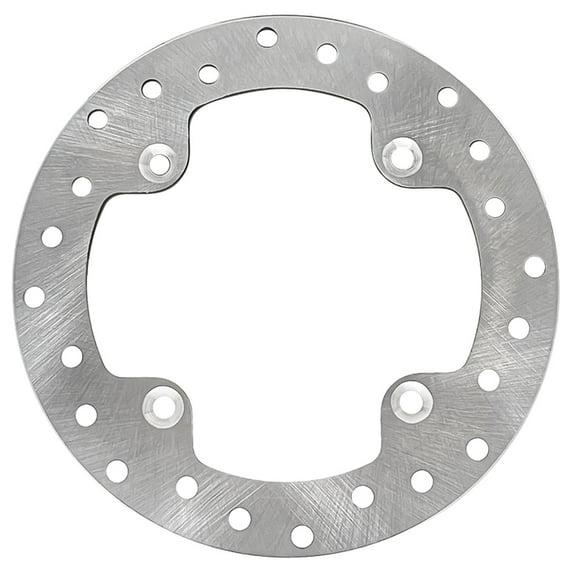
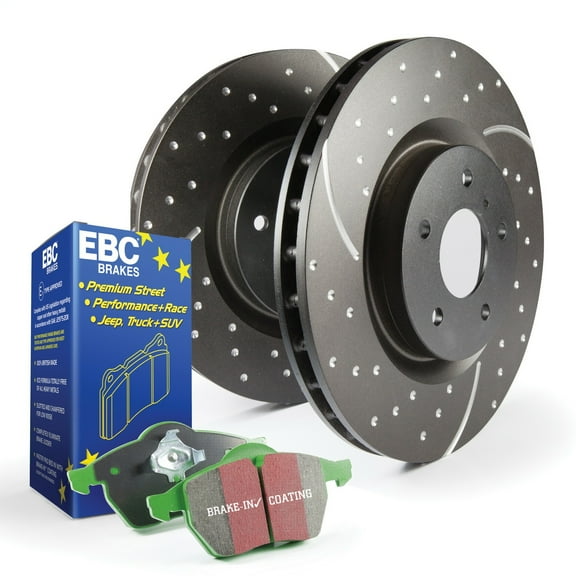
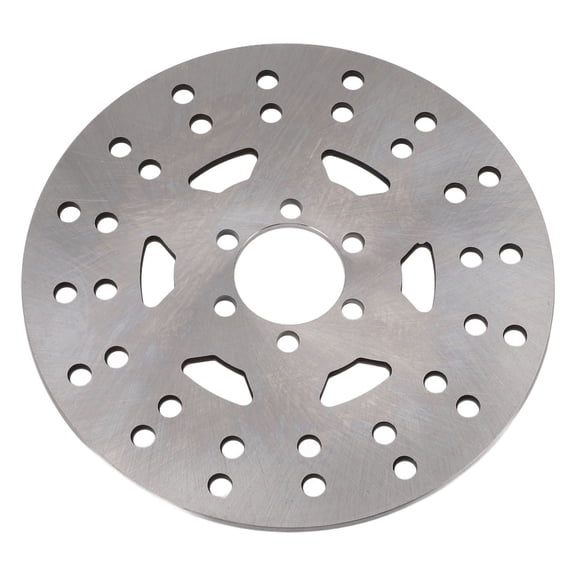
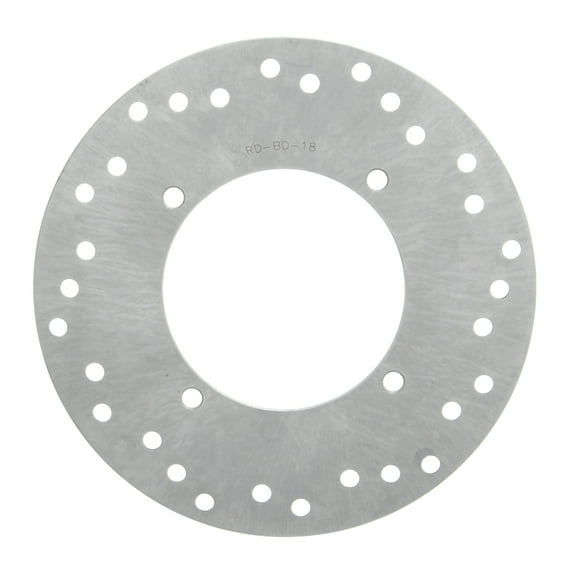
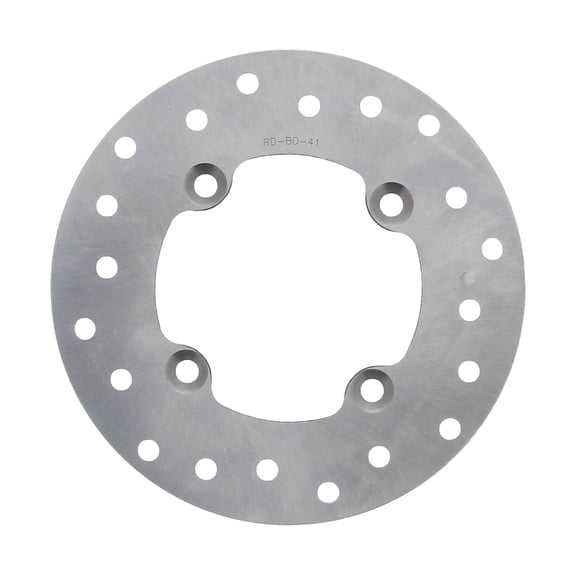
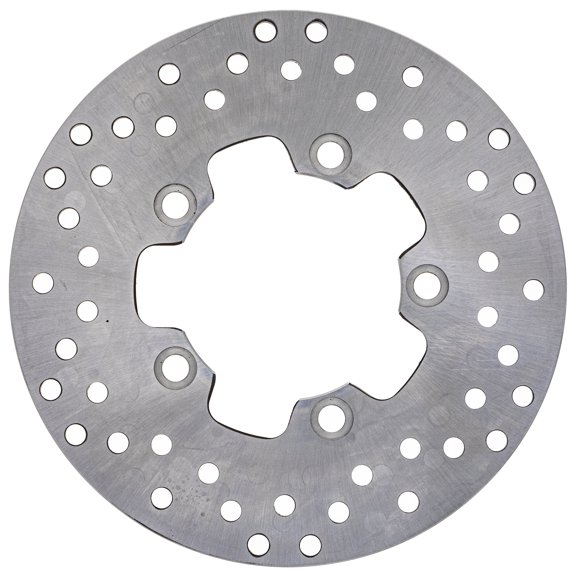
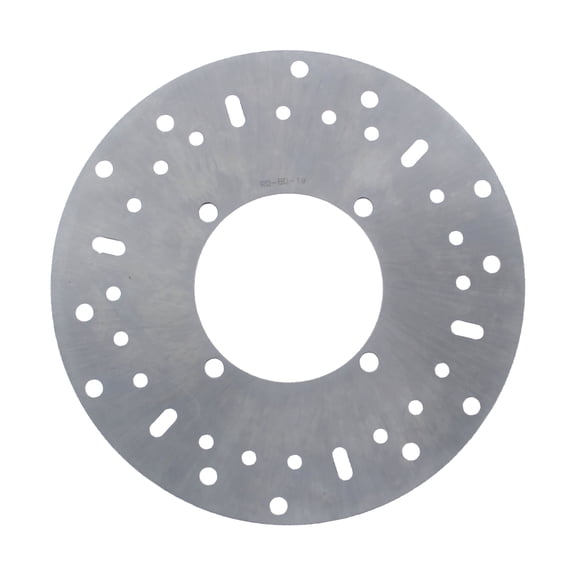
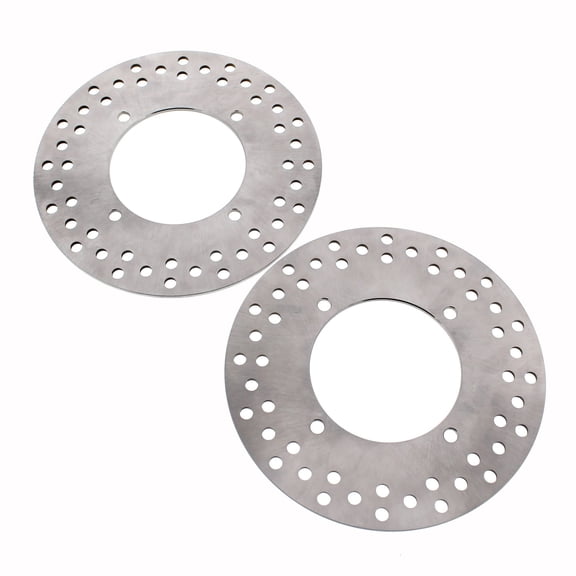
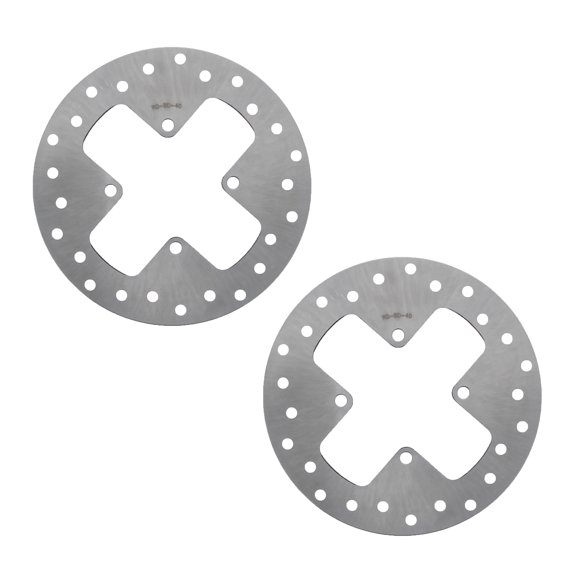
Drilled ATV brake rotors can work well when you ride through mud, puddles, or wet trail sections. You’ll often choose them when you want water and debris to move away faster.
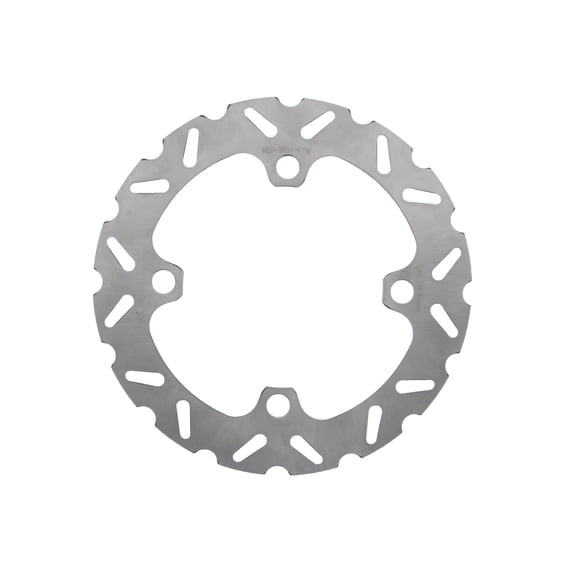
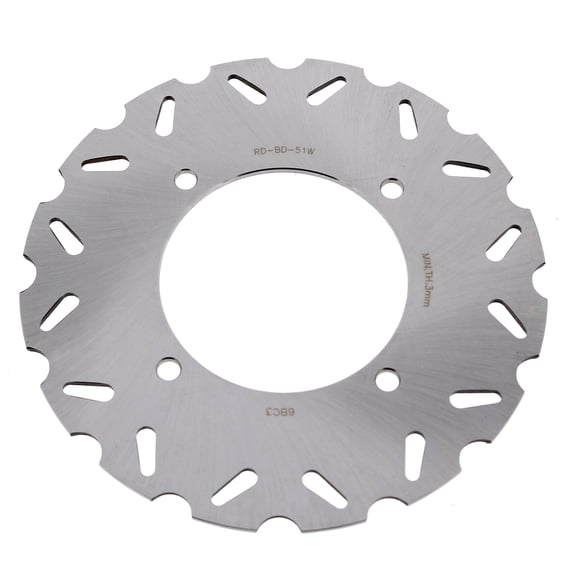
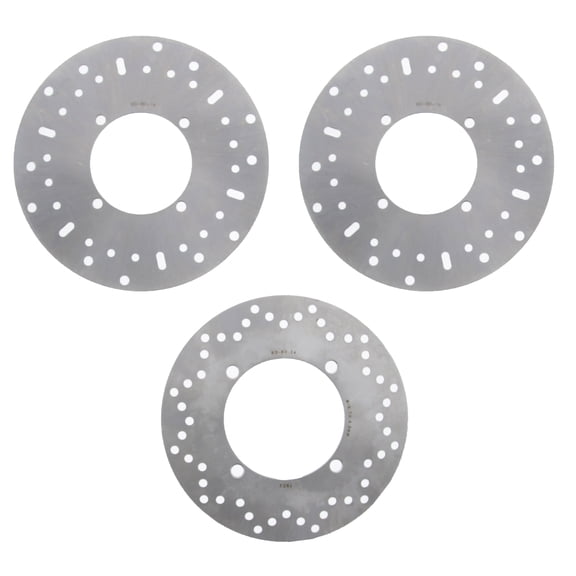
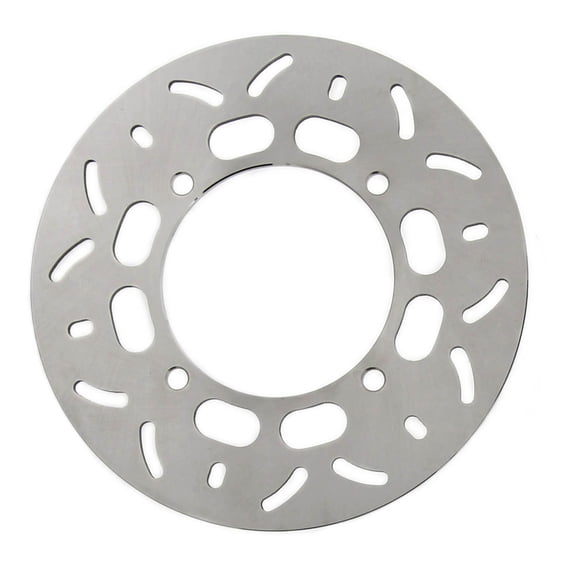
Slotted designs can also help you manage mud and grit during mixed-terrain riding. You may prefer that pattern when you want extra channeling without moving to a fully drilled surface.
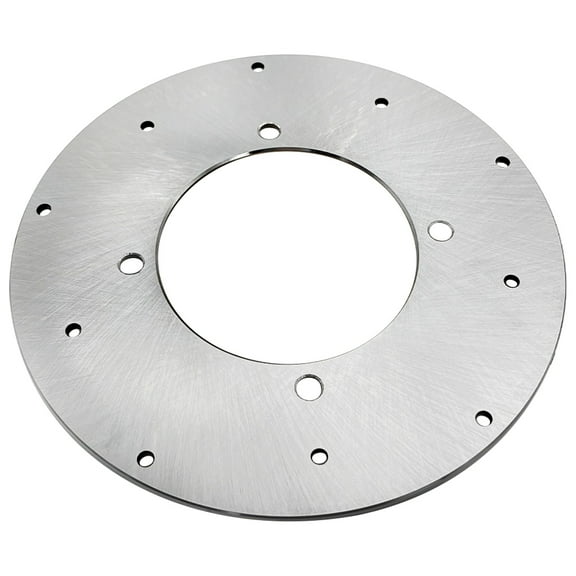
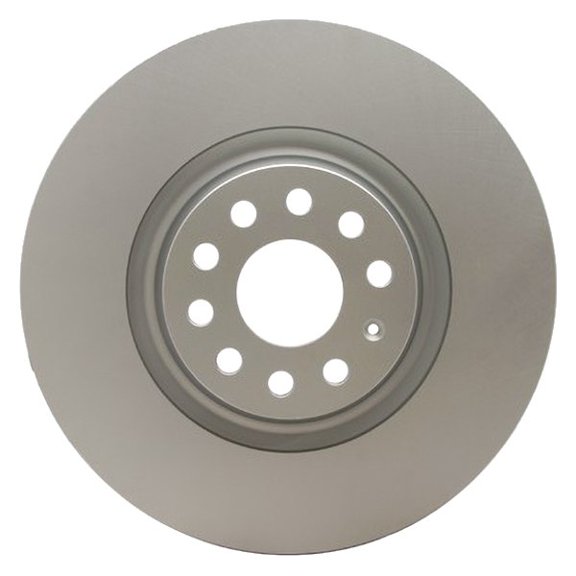
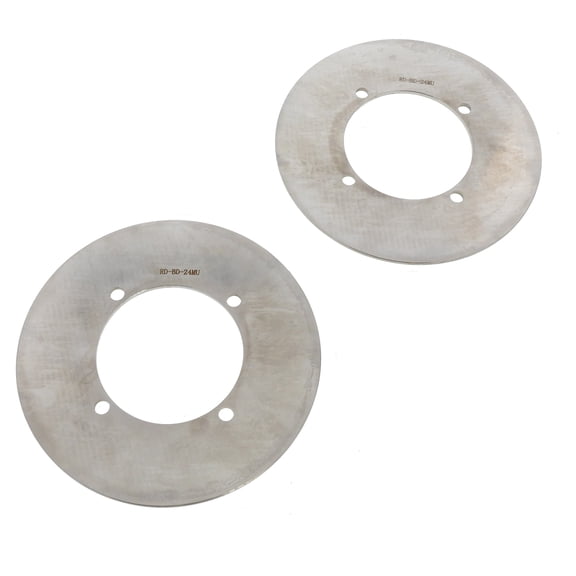
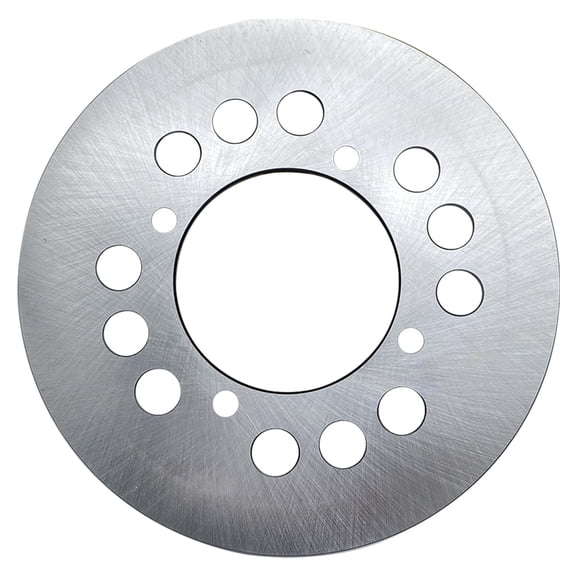
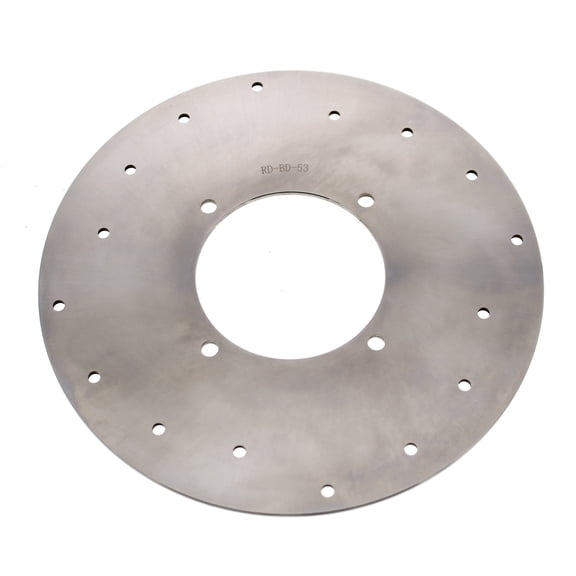
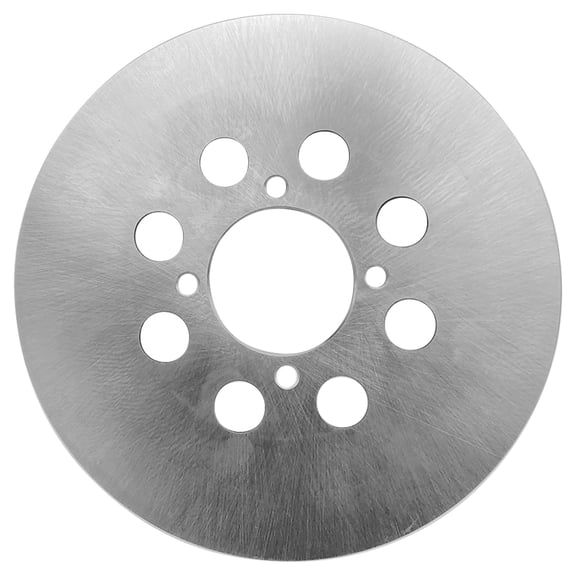
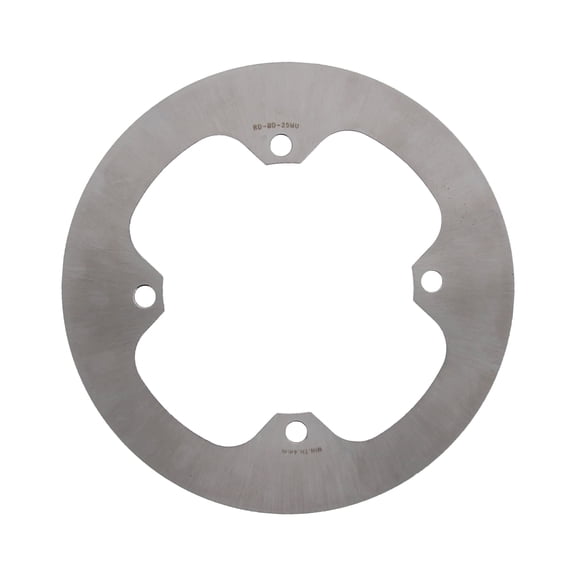
Solid rotors can suit you for dry trail riding and steady utility use. You might choose that style when your terrain is cleaner and your replacement goal is straightforward durability.
You should also consider how your riding pace affects your choice. If you ride aggressively or haul gear, you may want a design that handles repeated braking demands.
How to match front, rear, left, and right placement
You need to match rotor position exactly, because front and rear parts often differ in size and mount pattern. You should also check whether your machine specifies left or right placement.
Front and rear rotors can wear at different rates depending on terrain and braking habits. You may replace one position first, or you may plan a full set for more consistent feel.
If you ride a sport ATV, you may focus on quick response from the front position. If you use a utility ATV, you may compare rear rotor options for hauling and uneven ground.
Side-by-side applications can bring their own fitment details and mounting differences. You should read each listing carefully, so your replacement matches the correct axle position.
What to check before installation
You should review what comes in the box before you start your repair. Some listings may include only the rotor, while others may require separate bolts or brake pads.
You’ll want to compare hardware notes, pad compatibility, and any listed installation requirements. That extra check helps you prepare the right parts before your machine is apart.
If you’re replacing worn quad brake rotors, you may also inspect the matching pads at the same time. You can create a cleaner replacement plan when you consider both friction surfaces together.
You should also confirm dimensions shown in the listing, especially when several trims share a model name. Exact specs help you choose replacement brake rotors that line up with your machine’s setup.
How your rotor choice supports real riding needs
If you ride wooded trails after rain, you may lean toward drilled or slotted front and rear rotors. You’ll likely want a design that helps clear water and trail debris quickly.
If you use your ATV for chores, towing, or property work, you may prefer a solid rotor. You can focus on fitment, position, and listed thickness for dependable everyday operation.
If you ride a sport setup on fast, dry terrain, you may compare rotor design with your braking style. You’ll want the correct position and dimensions before you think about finish or pattern.
When you’re choosing ATV brake rotors, exact compatibility matters more than appearance alone. You’ll shop with more confidence when material, thickness, placement, and hardware notes all match your machine.