



Push Up Handles in Calisthenics


















About Push Up Handles in Calisthenics - Walmart.com
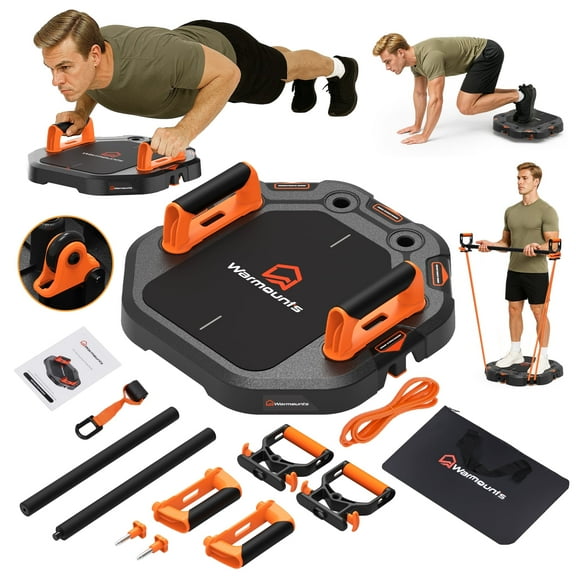
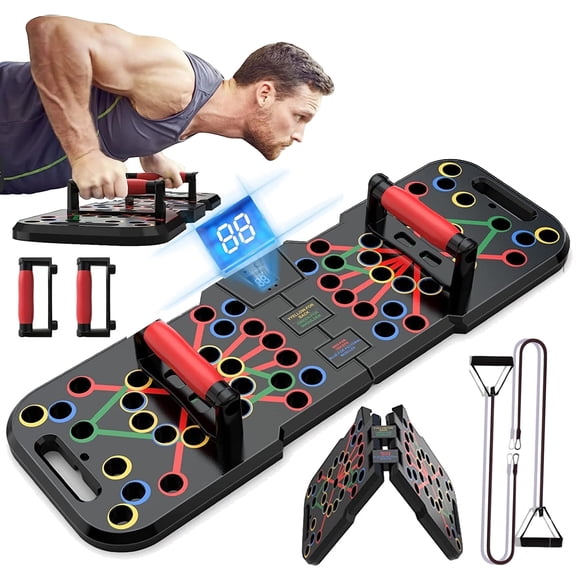
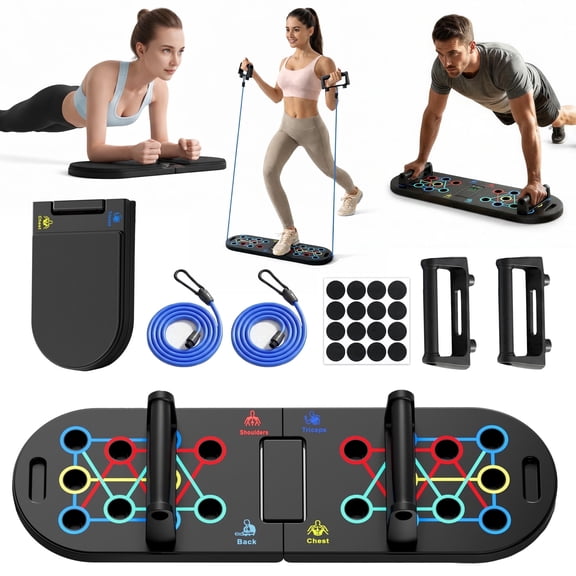
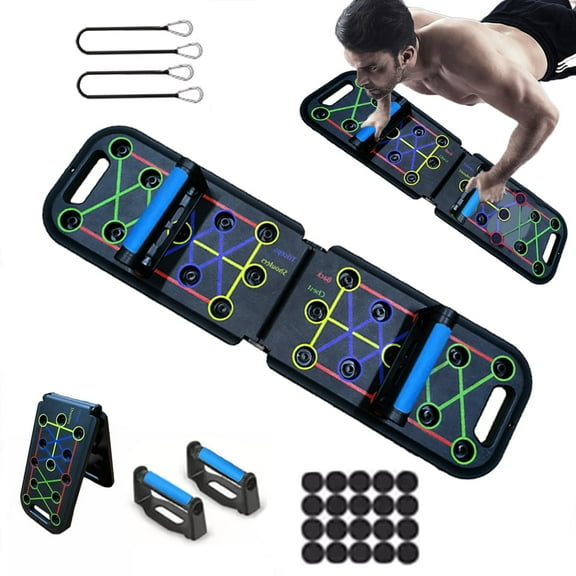
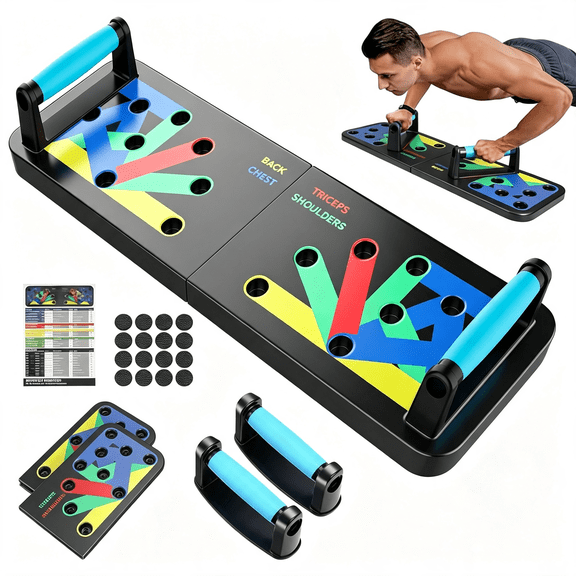
Push up handles help you train with a deeper range of motion and steadier hand placement during home workouts. You can compare grip shape, base stability, and frame design to choose a setup that fits your routine.
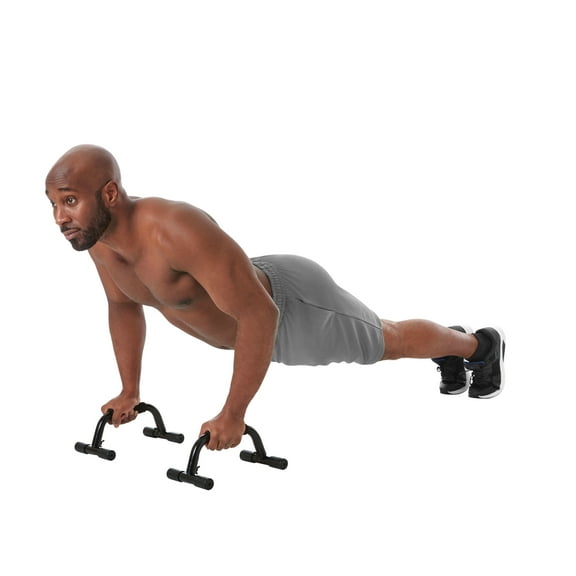
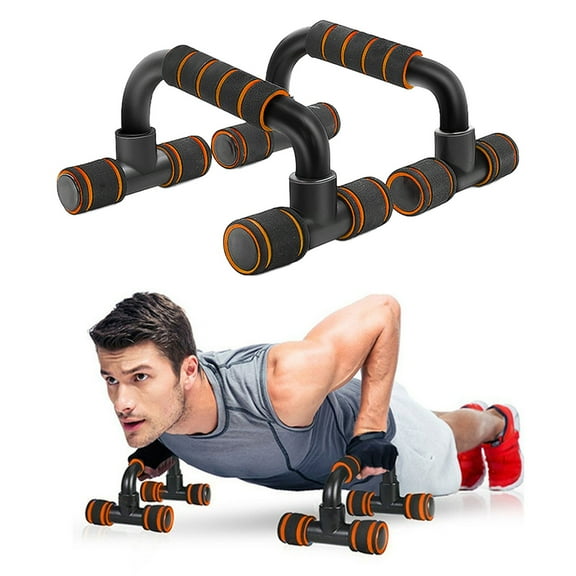
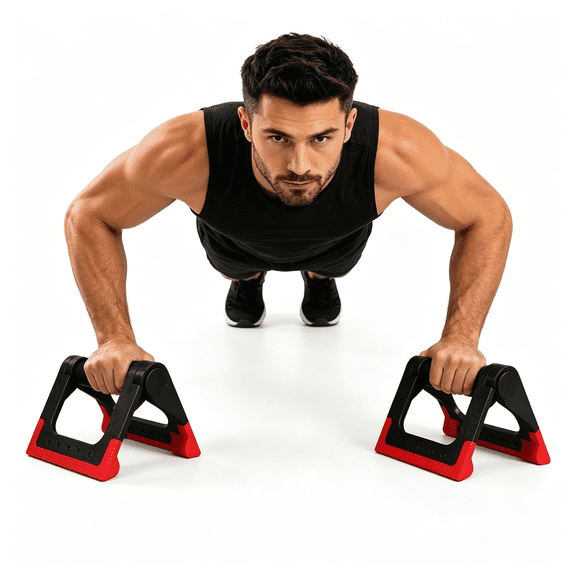
If you do push ups with handles, you can keep your palms elevated and your chest closer to the floor. You may also find angled grips easier on your wrists than flat palm placement on hard surfaces.
How to choose push up handles
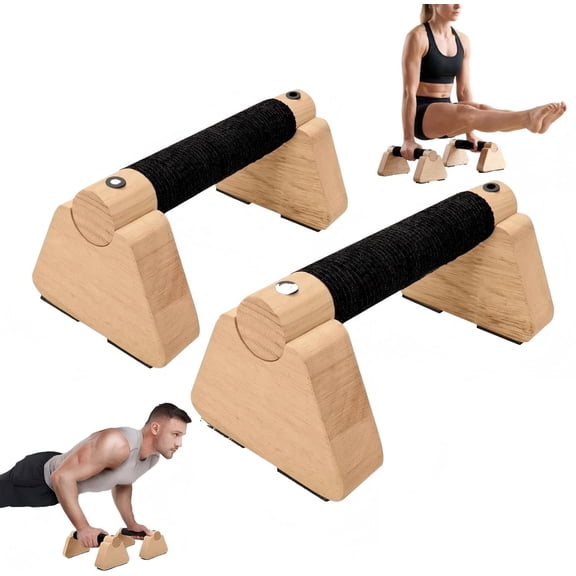
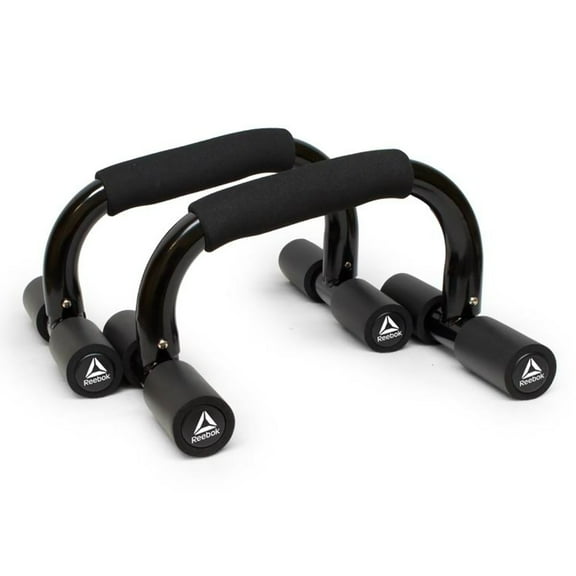
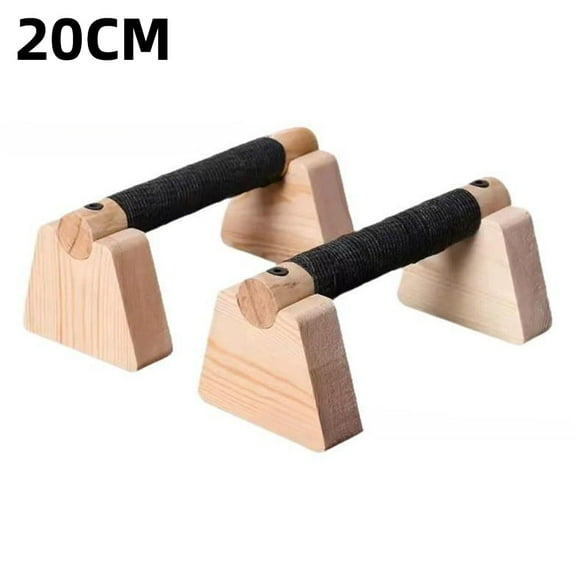
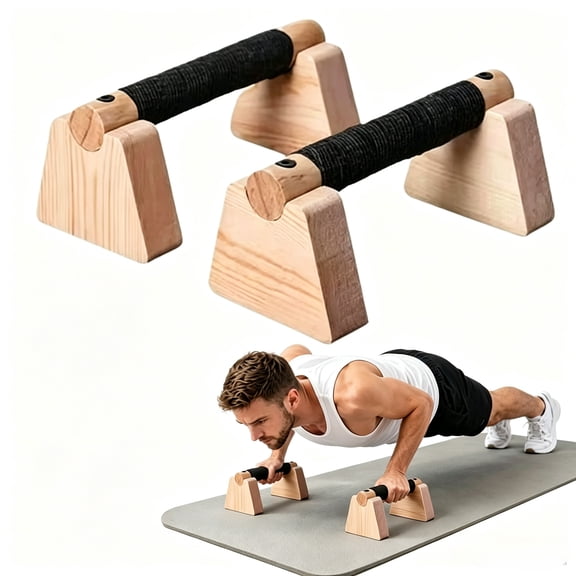
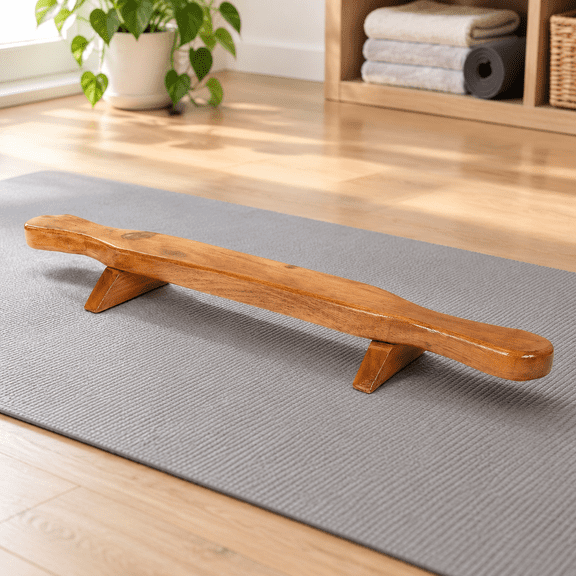
When you compare push up handles, you should start with grip material because your hands stay in contact through every rep. You can look for foam, rubber, wood, or silicone based on how firm and secure you want the hold.
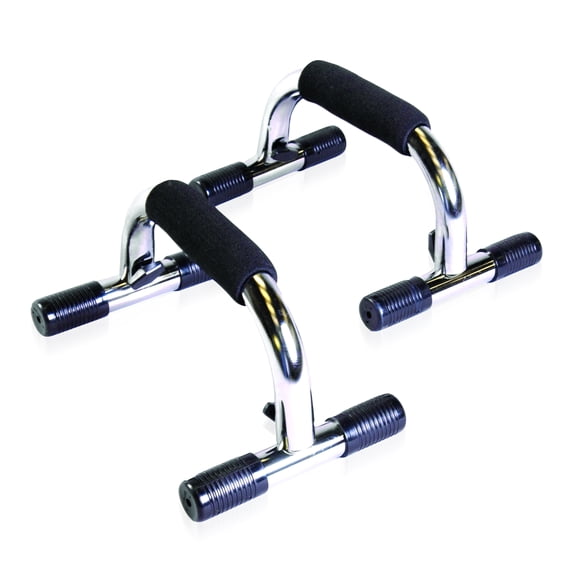
If you prefer a softer feel, you may like foam grips for longer sessions on bodyweight circuits. If you want a firmer touch, you can choose rubber, wood, or silicone for a more direct connection.
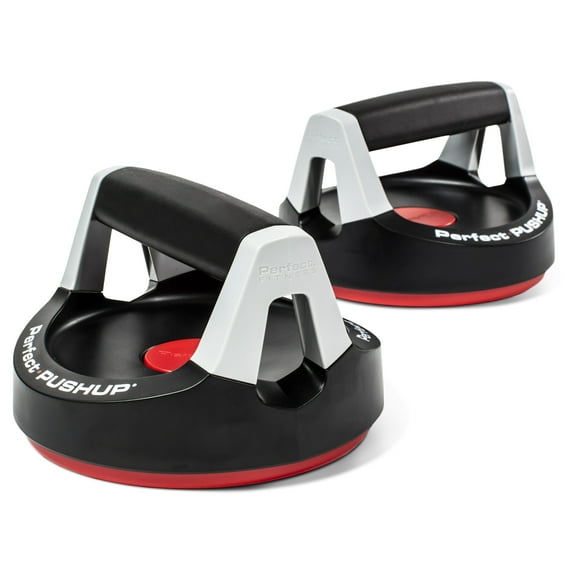
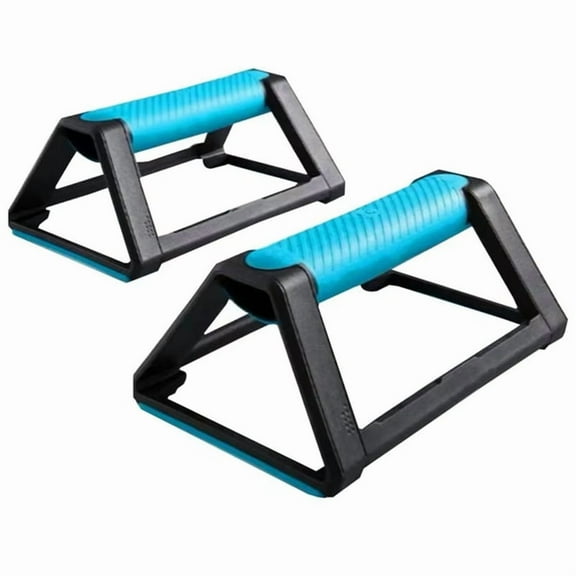
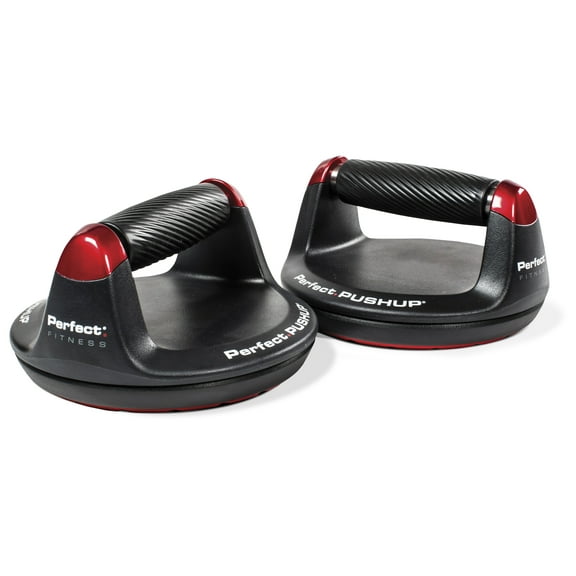
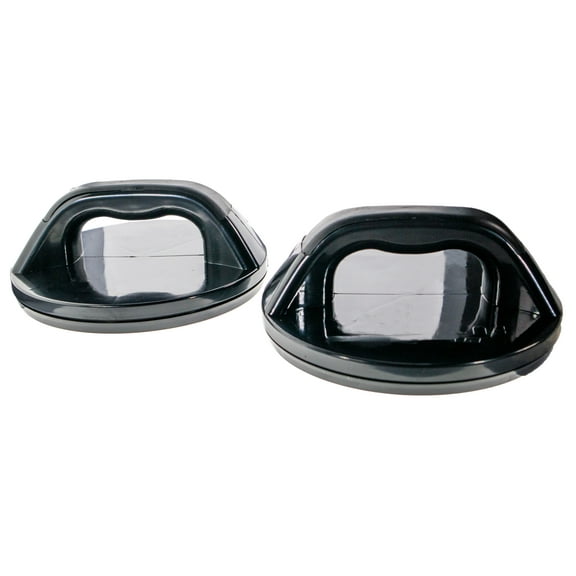
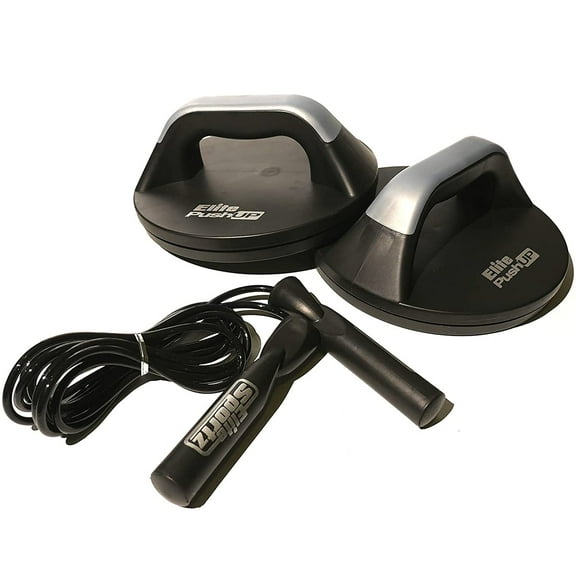
Angle design also matters because your wrist position changes with each handle style. You can compare ergonomic tilted, flat, and rotating designs to match your training style and comfort preference.
- You can use ergonomic tilted grips when you want a more natural hand angle during repeated push up sets.
- You can choose flat handles when you want a simple, steady feel for basic strength training moves.
- You can try rotating designs when you want hand movement that follows your pressing path through each rep.
- You can compare grip materials to balance comfort, traction, and easy cleanup after daily use.
Choosing floor handles for grip and stability
Floor handles should stay planted while you press, especially on smooth surfaces like tile, laminate, or sealed concrete. You can check the base design first because stability affects both control and confidence.
Non-slip TPR rubber helps you create traction against the floor without adding much bulk. Suction cups can feel more anchored on very smooth surfaces, while wide feet can spread weight across a larger base.
If you train on mixed flooring, you should compare how each base style behaves on mats, hardwood, and garage floors. You can also look for a wider stance if you want less wobble during fast sets.
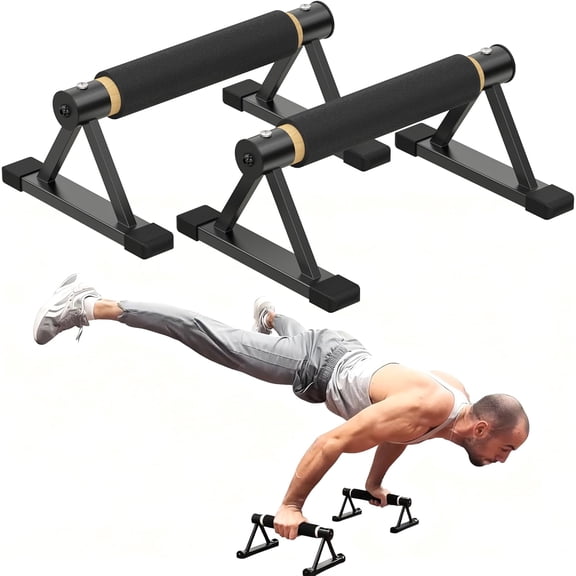
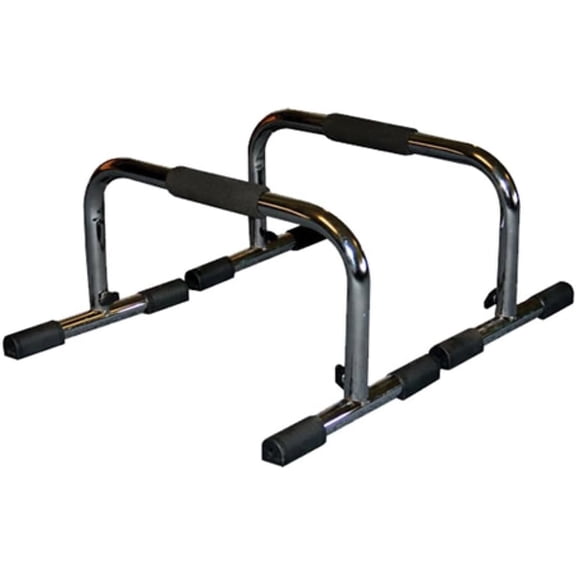
Frame construction matters when you want pushup handles that feel steady under repeated bodyweight work. You can compare steel and plastic frames by thinking about firmness, carry weight, and how often you move them.
Steel frames usually feel more rigid during hard presses and higher-volume sessions in your home gym. Plastic frames often weigh less, so you can pack them for travel or slide them into a drawer.
What to look for in calisthenics handles
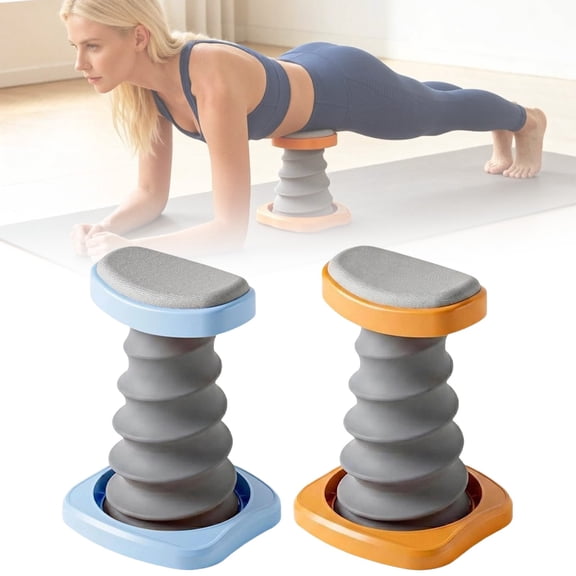
Calisthenics handles work well when you want clean hand placement for bodyweight strength work beyond standard push ups. You can use them for mountain climbers, L-sit practice, plank holds, and controlled knee tucks.
If you train often, you should check whether the handle diameter fits your hand size comfortably. You can usually maintain more control when your grip feels secure without squeezing too hard.
Weight capacity is another decision point because you may use handles for dynamic reps or slower pauses. You should look for a sturdy frame when your sessions include explosive presses or extended isometric holds.
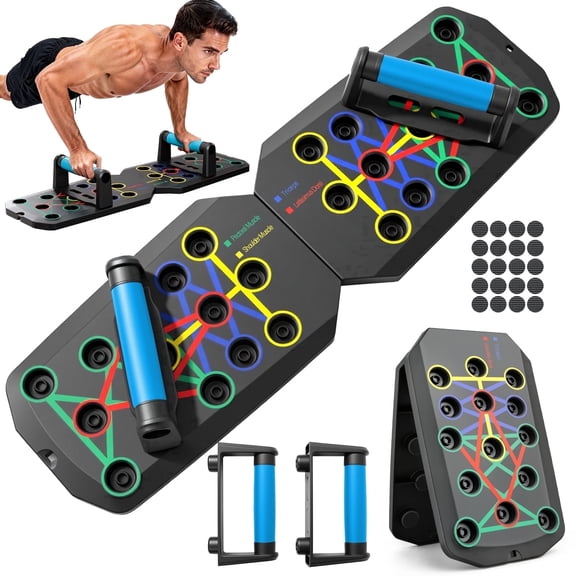
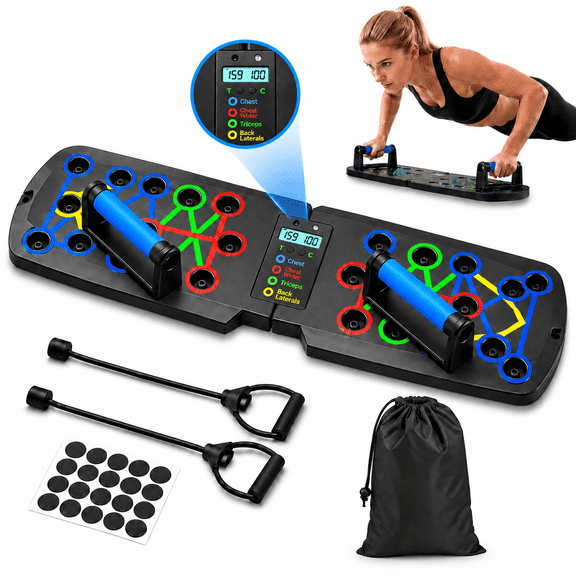
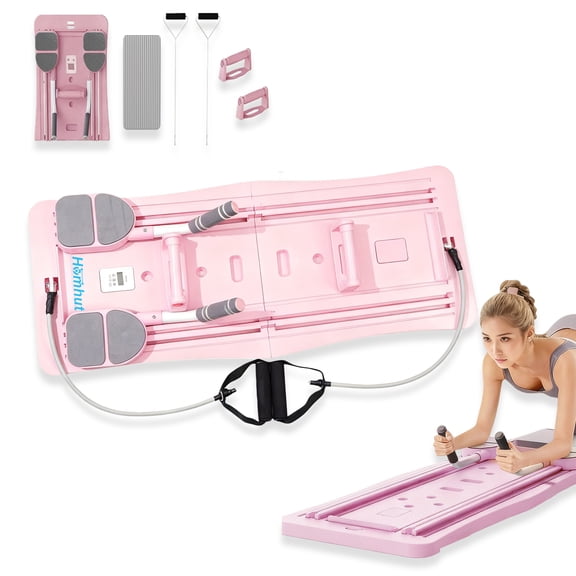
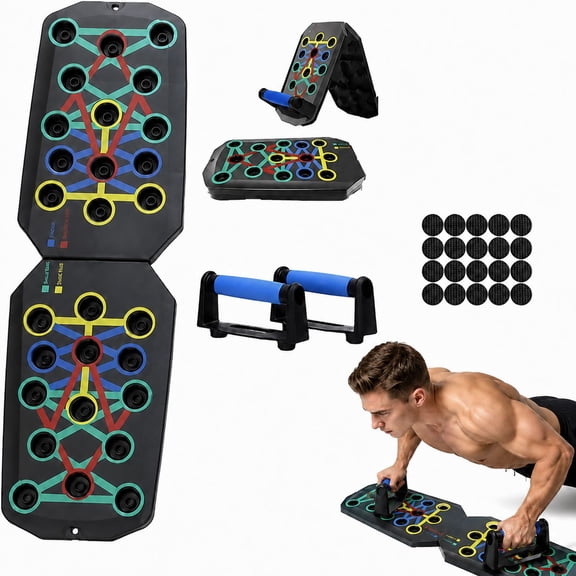
Portability can shape your choice if you train in small spaces or carry equipment between rooms. You can compare foldable designs for compact storage and one-piece designs for quick setup.
Handles for calisthenics should also match the space where you train most often. If you use an exercise mat, you may want a base that stays steady without bunching the mat edges.
Using push up handles in your routine
You can use push up handles for chest, shoulder, arm, and core work while keeping your hands in a repeatable position. You may notice cleaner form because the grips encourage even placement from rep to rep.
For wrist support, you can compare angled grips with flat models before you choose your everyday pair. If straight-floor push ups feel awkward, you may prefer raised handles that keep your wrists more neutral.
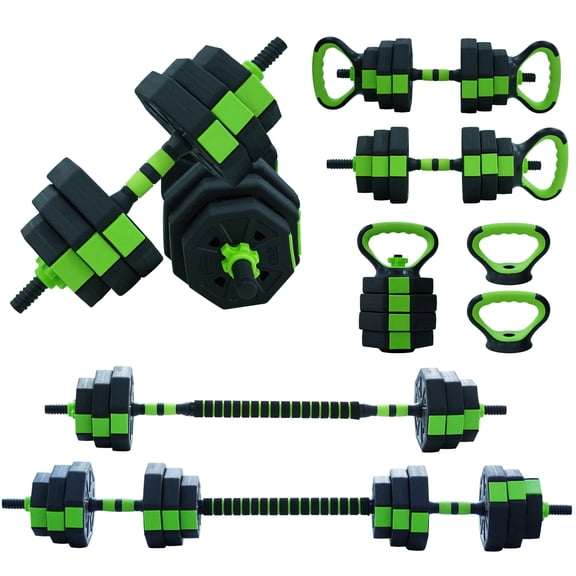
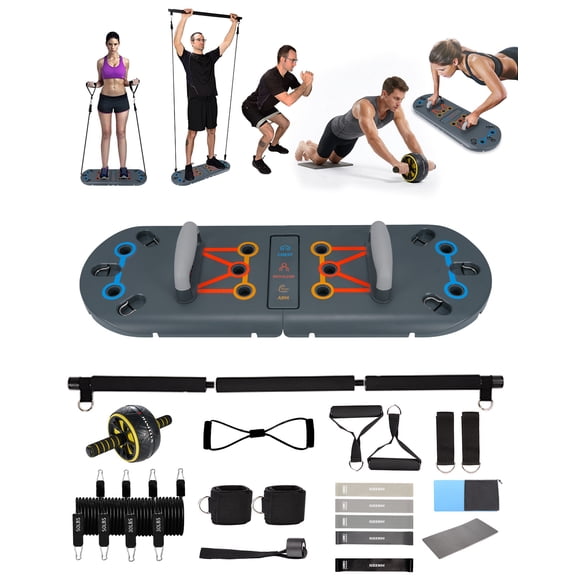
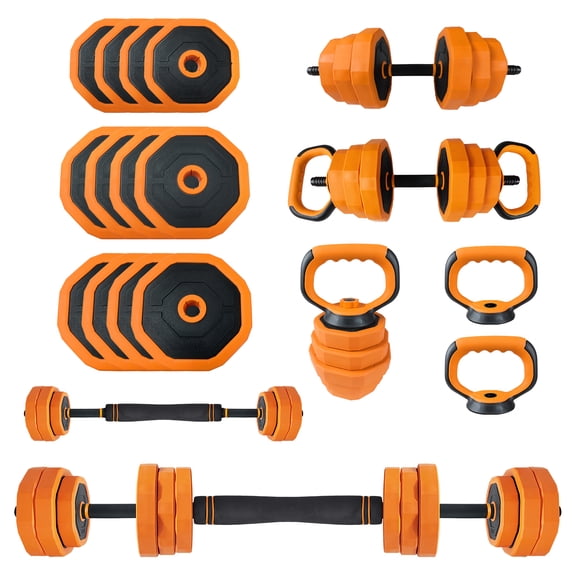
In a strength training plan, you can use them for slow tempo push ups, close-grip variations, and pause reps. In a calisthenics routine, you can pair them with resistance bands, exercise mats, and dumbbells for circuit days.
If you share equipment at home, you should consider surfaces that wipe clean and grips that feel comfortable for different users. You can also check handle height because extra elevation changes depth and pressing challenge.
When you choose the right push up handles, you can build a steadier setup for daily bodyweight training. You get a clearer match for your floor type, wrist comfort, and storage space, which makes each session feel more controlled.